
Gardeners
Islington
Use limited garden space more comfortably with a clear plan for pots, climbers, lawns and seating. Islington gardening guidance explains practical access, shared-garden decisions and the continuing care needed between one-off or regular visits.
- Make seating and circulation usable
- Simplify demanding container displays
- Plan work through restricted entrances
Work backwards from the space you need
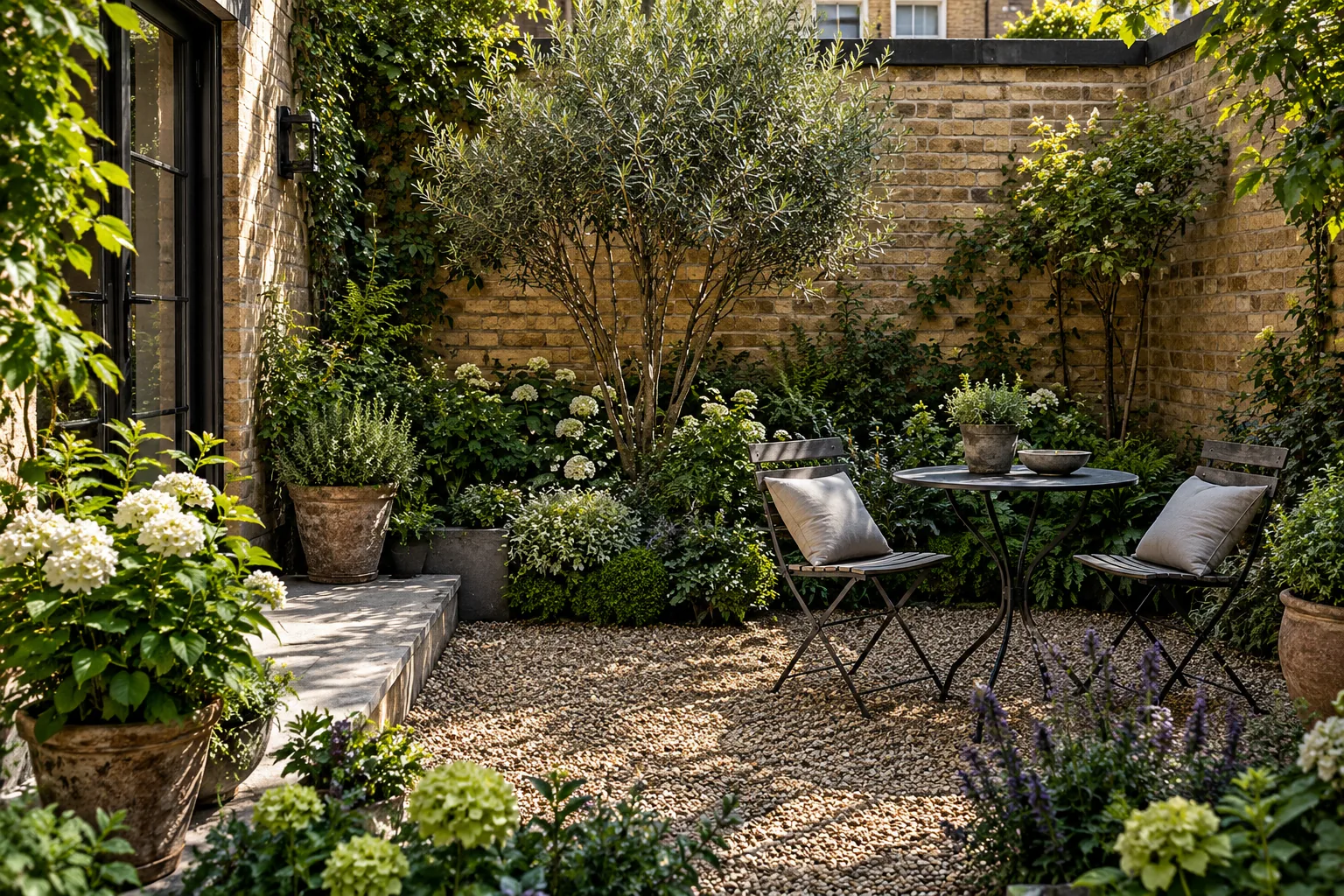
When every square metre has a purpose, gardening needs a clear brief. An Islington courtyard might need its pots reorganised and climbers controlled; another property may need a lawn cut and borders weeded before they become harder to manage. Go Gardeners can discuss a visit based on your particular layout, access and routine. Tell us where you sit, walk and store things, as well as what looks untidy. Those details help turn a long wish list into an order of work that makes the garden easier to use after the appointment.
Begin with the area that has stopped functioning well. If a dining chair cannot be pulled out, look at the nearby growth before removing plants elsewhere. If the route to bins is narrow, agree the clearance needed along that route. Thoughtful edging, selective pruning and weeding can make a practical difference without treating a compact garden as a miniature building site.
For repeated mowing, border care and suitable clipping, garden maintenance provides a useful framework. Explain how much you wish to do yourself. Someone who enjoys planting but struggles with cutting may need a different list from someone who wants routine upkeep handled regularly. Make the division explicit so important jobs do not fall into the gap between gardening visits and household care.
Pots and raised beds are not maintenance free
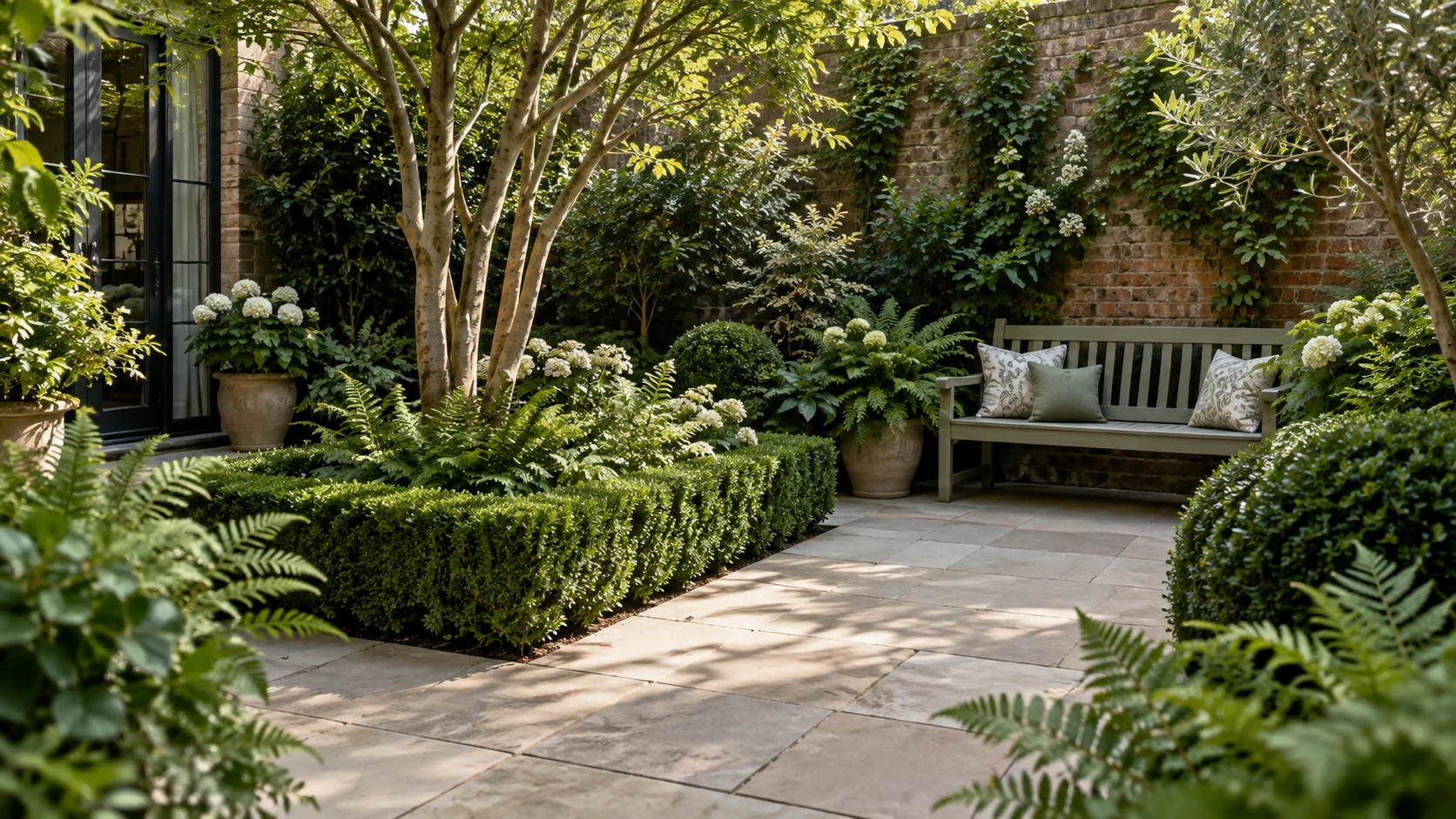
Containers offer flexibility, but they need checking for moisture, feeding and room for roots. A collection of small pots may take more ongoing attention than one well-planned bed. Record which plants dry out first and which containers remain wet. Position should reflect the plant’s needs and a safe route through the space, not simply where a pot fits on planting day.
Before new planting is ordered, settle the aftercare. Who will check the compost during a hot week or while you are away? The RHS container watering advice supports checking actual moisture and responding to conditions. If the current arrangement is demanding, fewer suitable plants in adequate containers may be a more useful goal than adding another row of pots to water.
A clear scope for overgrowth
If nettles, brambles or tangled climbers make it difficult to enter, ask about garden clean-up work. Send an overview from a safe position and identify any concealed hazards you know about. State whether you want a usable path, a recovered seating area or preparation for a later project. The amount of cutting alone does not describe the required finish.
Keep plants you value visible in the instructions. Labels and a marked photograph are helpful when self-seeded flowers sit among weeds. After clearance, consider what will occupy the exposed ground. If the answer is a new route, altered beds or a change in levels, discuss garden design and landscaping separately. Clearing growth and constructing a durable new arrangement require different planning and pricing.
Local tree checks before making a change
Islington Council’s protected-tree guidance explains how to establish a tree’s protection. Check before pruning or removal, including where a private garden is involved. The tree’s location and designation matter more than whether it looks modest from an upstairs window.
Identify the tree and ownership in your enquiry, and provide any existing permission or correspondence. Do not assume overhanging branches can be included without checks. Tree surgery is the appropriate discussion for substantial branches or high work, with a clear specification and suitable access. A general gardening appointment should not become an improvised tree operation because more light would be convenient for a nearby border.
Looking after grass in a busy layout
If there is a small lawn, show the areas that receive wear and the places shaded by buildings or planting. A neat cut may be all that is needed; persistent thinning calls for a more considered lawn care assessment. Record whether bare patches follow a route, appear after furniture is moved or stay damp. These observations help distinguish a maintenance task from a layout problem.
Avoid using cutting height as the only measure of tidiness. Grass under stress can need a higher cut or a pause. Where the lawn doubles as the route to storage, consider protecting it from repeated traffic or providing a proper path through a separate project. Reseeding the same worn strip repeatedly will not necessarily change the result if everyone still has to walk across it each day.
Clipping, training and wildlife
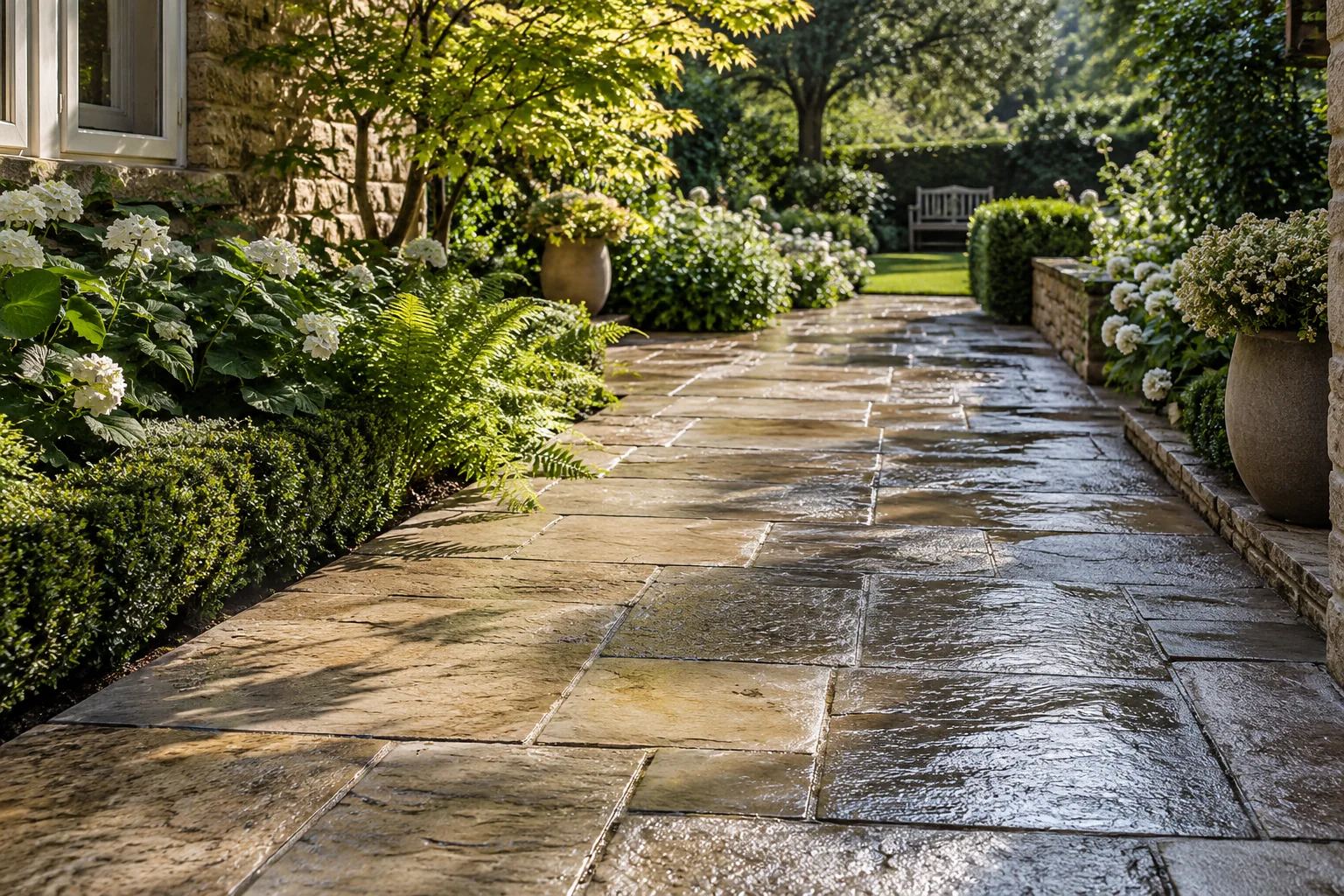
Climbers need identification before pruning. Some are better thinned and tied in, while others need a different seasonal approach. Describe what they are attached to and show any growth near gutters, cables or neighbouring planting. Pulling a tangled stem can damage supports or move material that was not obvious from the ground. Bring those constraints into the estimate rather than leaving them for discovery halfway through the visit.
Check dense planting for active bird nests before work and defer affected operations whenever necessary. This applies beyond a simple spring-to-summer calendar. Privacy and wildlife can also be retained through selective work rather than an all-or-nothing cut. Agree which growth should remain and what can be done elsewhere if one section cannot be touched on the planned day.
Match the schedule to seasonal demand
Weekly, fortnightly and monthly maintenance can be discussed, but frequency should serve the actual work. A courtyard may need pot checks between professional visits while a grassy garden may need a different mowing rhythm. Spring tasks can include careful weeding around fresh growth. Summer work should respond to heat and rainfall, with new plants receiving the aftercare they need between appointments.
In autumn, keep walking surfaces clear while considering what standing stems or seedheads can remain. Winter is useful for reviewing the layout and suitable plant-specific work, but frozen or saturated ground may limit activity. A regular booking should have an adaptable task list. A one-off visit should have a defined objective and a realistic stopping point, especially if there is more work than the available slot allows.
Access through the property
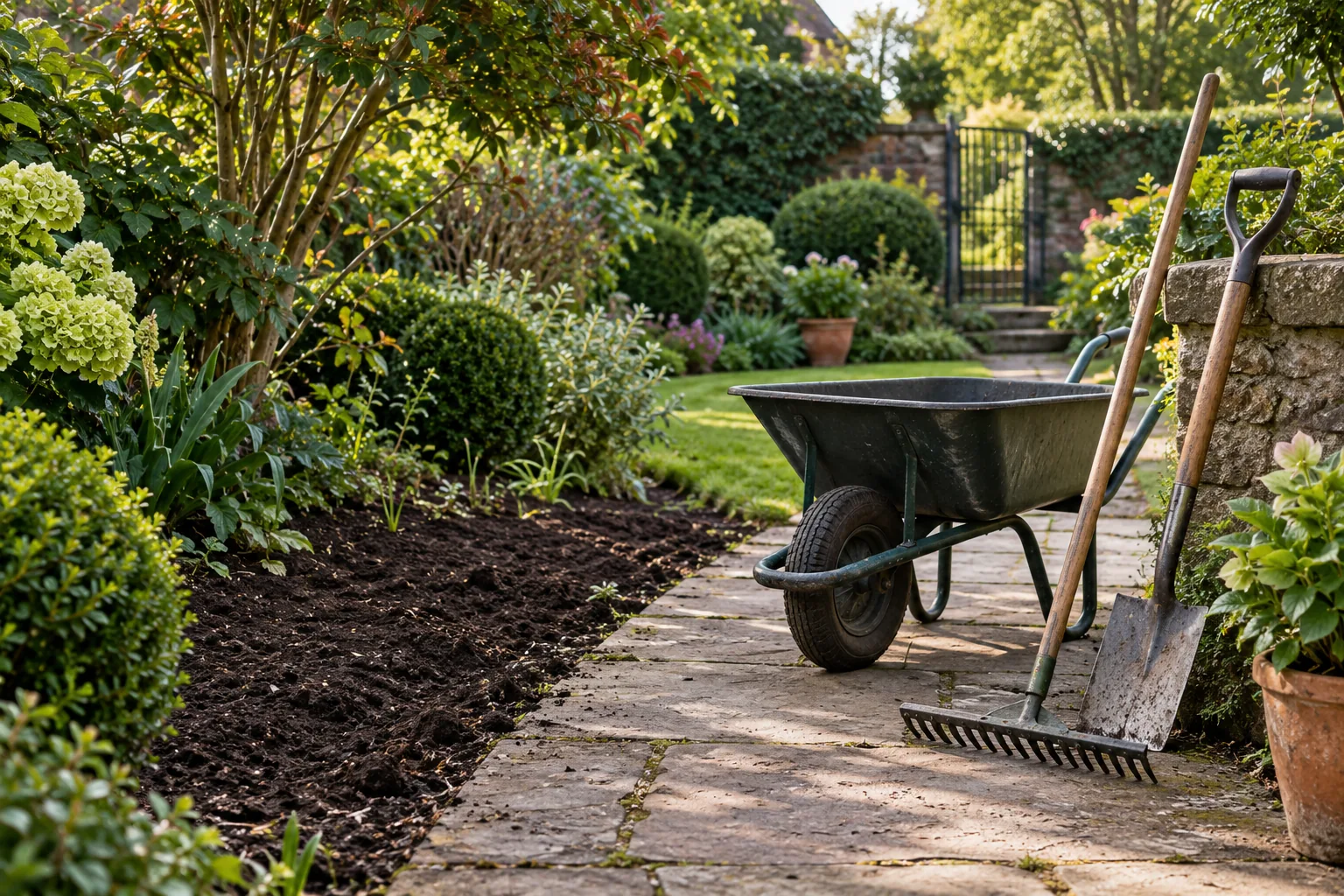
Where equipment must pass through the home, show the complete route rather than just the garden door. Mention narrow turns, stairs, door thresholds and surfaces that need protection. Shared entrances require clear arrangements with the people responsible. Confirm the parking position and any permit needs so carrying distances can be understood before the team arrives with equipment and bags.
Move light furniture where practical, remove pet waste and identify cables or watering systems. Keep gates secure around animals and children. If the appointment is unattended, agree entry and locking instructions directly and provide a contact method. A first visit is easier when someone can resolve an unexpected choice, such as an unlabelled plant in a bed scheduled for weeding, without requiring the gardeners to guess.
Time, waste and the price basis
For maintenance, lawn care and clearance, the published rate is £79 for the first hour and £65 for every subsequent actual hour. The stated gardening arrangement includes two people, tools and bags, with up to 120 litres of green waste. Extra waste removal needs agreement. Confirm the relevant details on the current prices page before booking; area availability and congestion charges may apply.
Access, hand work between plants and the quantity of cuttings can affect time more than a simple square-metre figure suggests. A small courtyard full of detailed pruning is not necessarily a short appointment. Landscaping, tree work and jet washing use different charges or project estimates. If the budget is limited, identify the result that matters first and separate optional improvements from the work needed to make the garden usable.
Islington gardening questions
Need to discuss your own garden or property? Call with photographs and your postcode.
Ask about your visitCan a gardening visit concentrate on containers?
Describe the number and approximate sizes, the plants and any work required beyond watering. Repotting, removing failed growth and pruning need different materials and time. Agree supplies beforehand, and keep an aftercare plan for the periods between visits so new planting is not left dependent on an occasional appointment.
Can I arrange care for a shared garden?
Confirm who can authorise the work and which areas are included. A written list agreed with the responsible residents or manager avoids conflicting instructions. Identify shared access, retained planting and where waste can stand temporarily without restricting the route used by other occupants.
How do I explain an access route through a flat?
Send photographs showing the doorways, turns and any stairs, with dimensions for unusually tight points. Mention surfaces needing care and times when access is restricted. The carrying route is part of the working arrangement, so it should be considered alongside the garden rather than after a price has been assumed.
Will pruning a climber stop it reaching the gutter again?
Pruning can control growth for a period, but it does not permanently alter a vigorous plant’s habit. Identification, training and a suitable maintenance interval matter. If the position is fundamentally unsuitable, discuss replacement or a different support rather than expecting one cut to eliminate future attention.
Can you deal with tree branches above my neighbour’s wall?
Provide photographs and explain ownership, access and any known protection. Substantial branches require a tree-work assessment. Permission and a safe method need establishing before work; a branch crossing a boundary is not enough information to authorise its removal during a general tidy-up.
What should I prioritise before a gathering?
Put routes, seating space and the surfaces people will use first. Then decide which planting tasks are essential and which can wait. Give the date at enquiry stage, but allow for scheduling and weather rather than assuming an appointment immediately before the event can always be secured.
Is green waste taken away automatically in any quantity?
The published inclusion is up to 120 litres. Show bulky growth in photographs and ask about additional removal before booking. If you prefer to retain suitable material for composting, confirm an appropriate place; communal paths and access routes should not become an unplanned storage area.
Where else is included nearby?
Camden, Hackney, Hampstead and Tottenham are listed in the coverage directory. Follow the appropriate page for another property, then confirm its postcode and service. A nearby area name helps navigation but does not establish the timing or access arrangements for a particular booking.
Discuss a practical Islington gardening plan
Call 020 3746 2449 with photographs and the postcode. Explain the space you want to recover or the routine you want help maintaining. With the route, priorities and waste plan clear, Go Gardeners can discuss an appointment that reflects how your garden is used and what care it can sustain afterwards.
Call 020 3746 2449Gardening nearby.
View all 60 coverage areas ↗Islington on the map.
Approximate area centre for orientation. Call to confirm availability for your exact postcode.