
Garden Maintenance
London
Keep lawns, hedges and borders manageable with regular care or a one-off visit. Agree the priorities, timing and waste arrangements, then let the gardening work follow the season.
- Mowing, edging and border care
- Weekly, fortnightly or monthly visits
- An agreed list, with tools supplied
A visit built around the garden
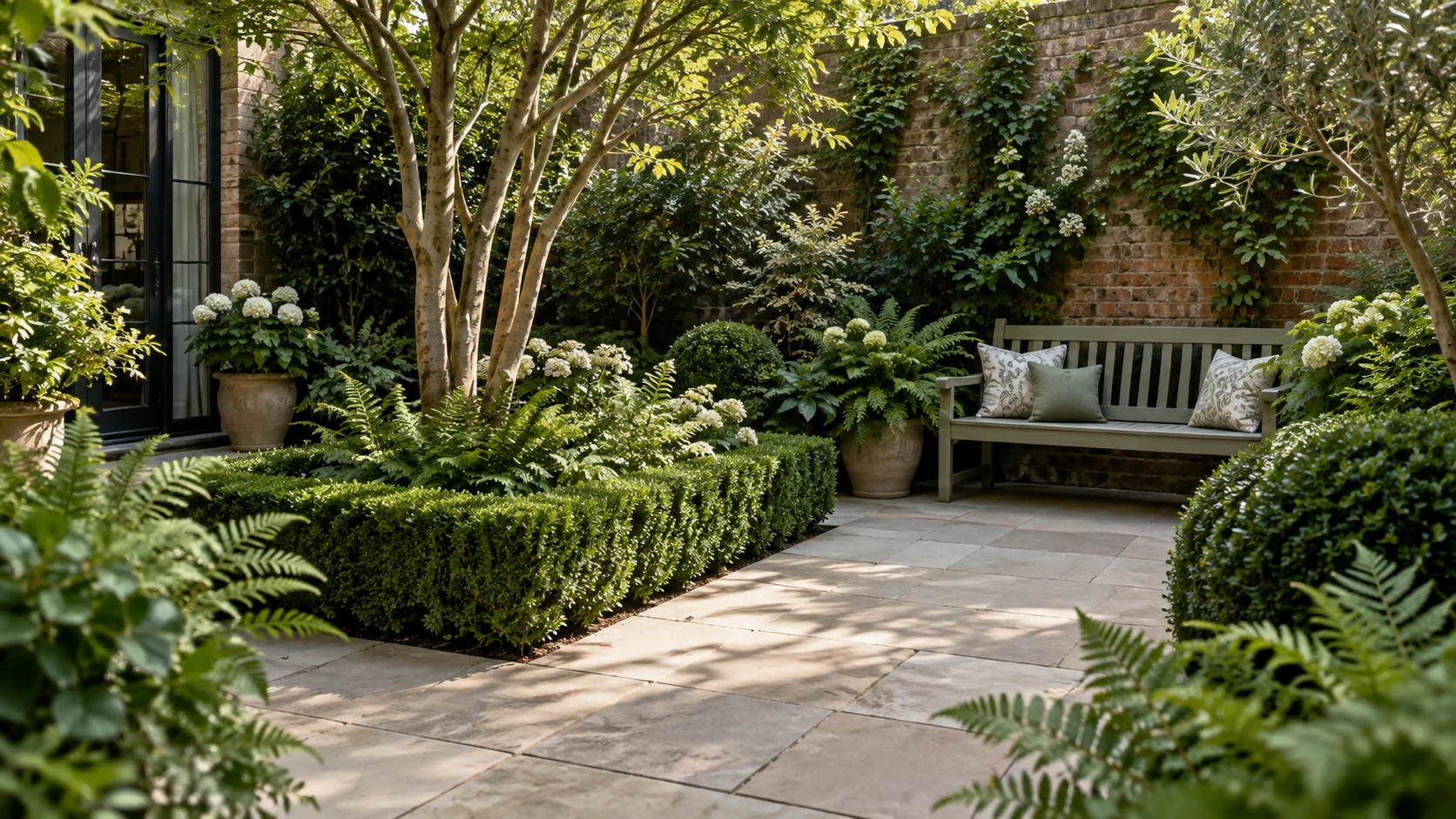
An established garden rarely needs everything done at once. It needs the right jobs in the right order: grass cut before it becomes difficult to collect, weeds removed while their roots are manageable, and shrubs pruned when the plant can respond well. Go Gardeners offers regular and one-off garden maintenance in London. Describe the garden and its condition when you call, then agree a practical list for the time available.
The starting point is what you want to use and enjoy. A clear route to a bench may matter more than perfect lawn stripes. A border full of seedlings needs a different approach from a hedge that has grown across a gate. Tell us which areas take priority and which plants should stay. Photographs of the whole space, rather than just the worst corner, help explain how the work fits together.
Routine maintenance can include mowing, edging, hedge trimming, weeding, planting and collecting leaves. The exact combination depends on the booking and the season. A maintenance visit does not automatically include new paving, substantial tree surgery or unrestricted waste removal. Agree those details before the appointment so that the estimate describes the work you actually need.
The small jobs that change how a garden feels
Lawns and their edges
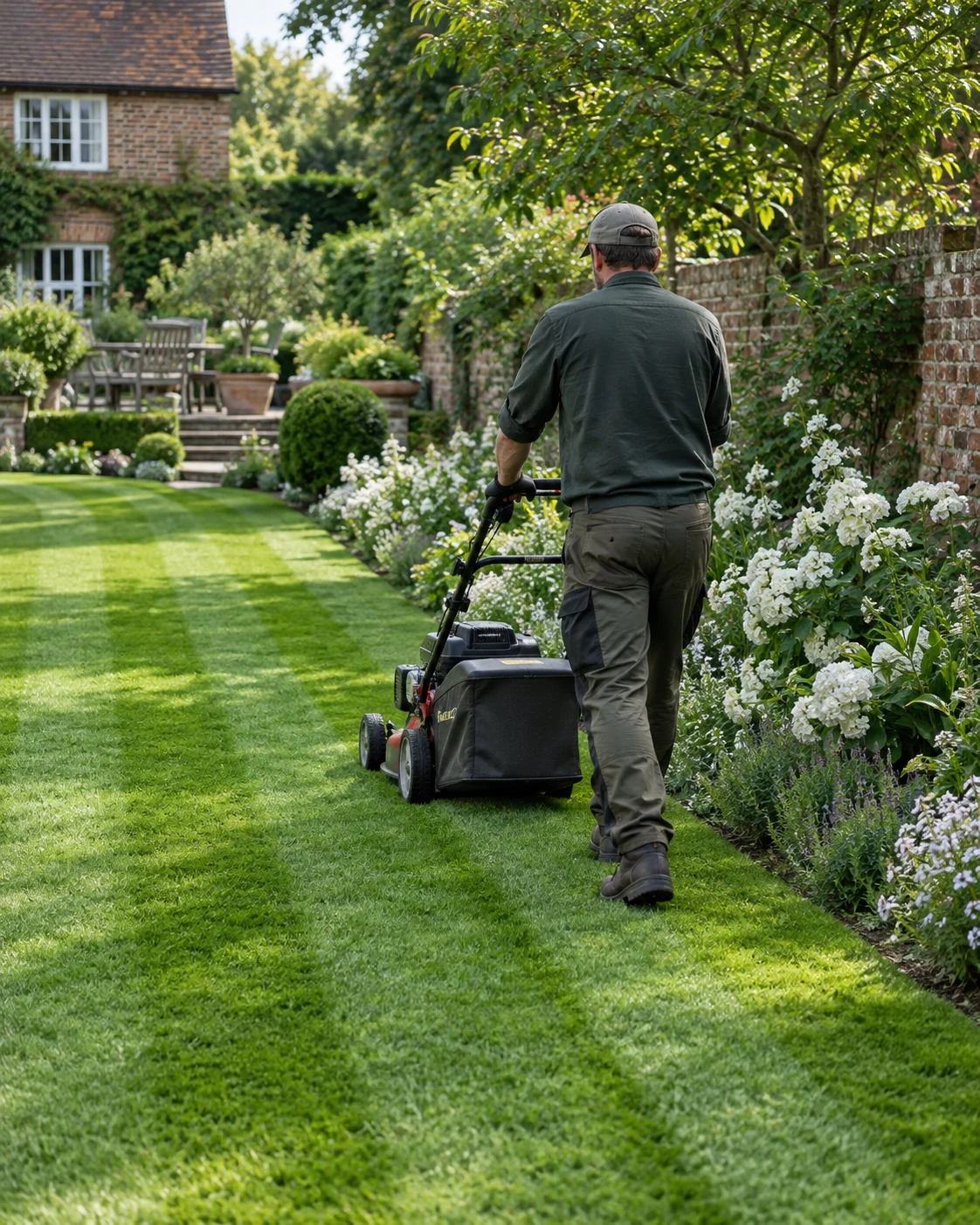
A cut lawn looks more settled when its boundaries are clear. Mowing reduces the grass; edging separates it from beds and paths. Mention slopes, awkward corners, play equipment and bulbs growing through the turf. Those details affect how the area can be worked. Cutting very long grass may need a staged approach, while saturated ground or a drought-stressed lawn may need the mower left alone.
Borders, weeds and planted areas
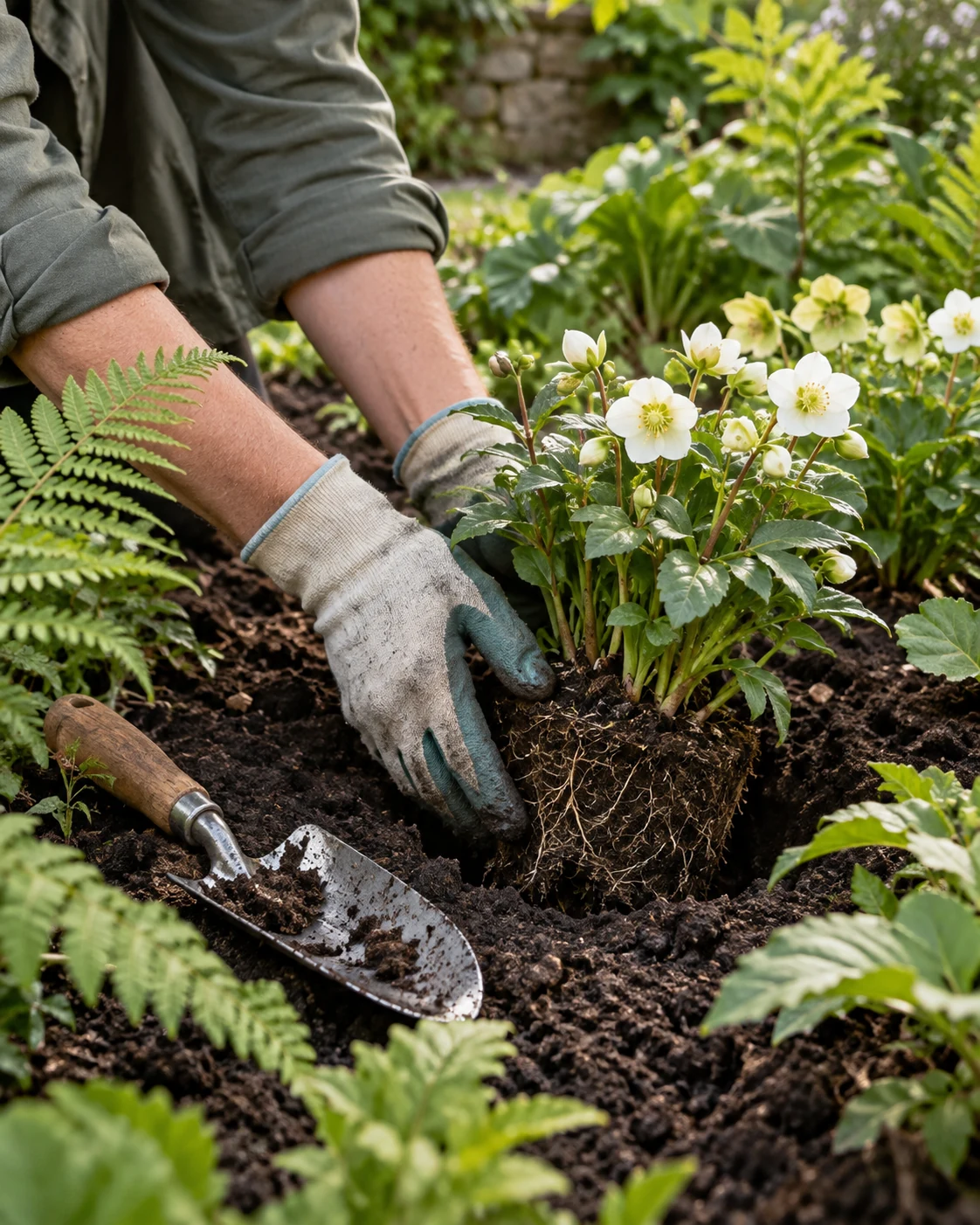
Weeding starts with knowing what is growing. A useful self-seeded plant can look untidy without being unwanted. Mark anything you want retained, particularly in a mixed border. Explain recurring weeds and any previous treatment rather than asking for everything green to be removed. Once the soil is visible, the next decision may be mulching or planting; neither should be assumed to be included without agreed materials and time.
Hedges and shrubs
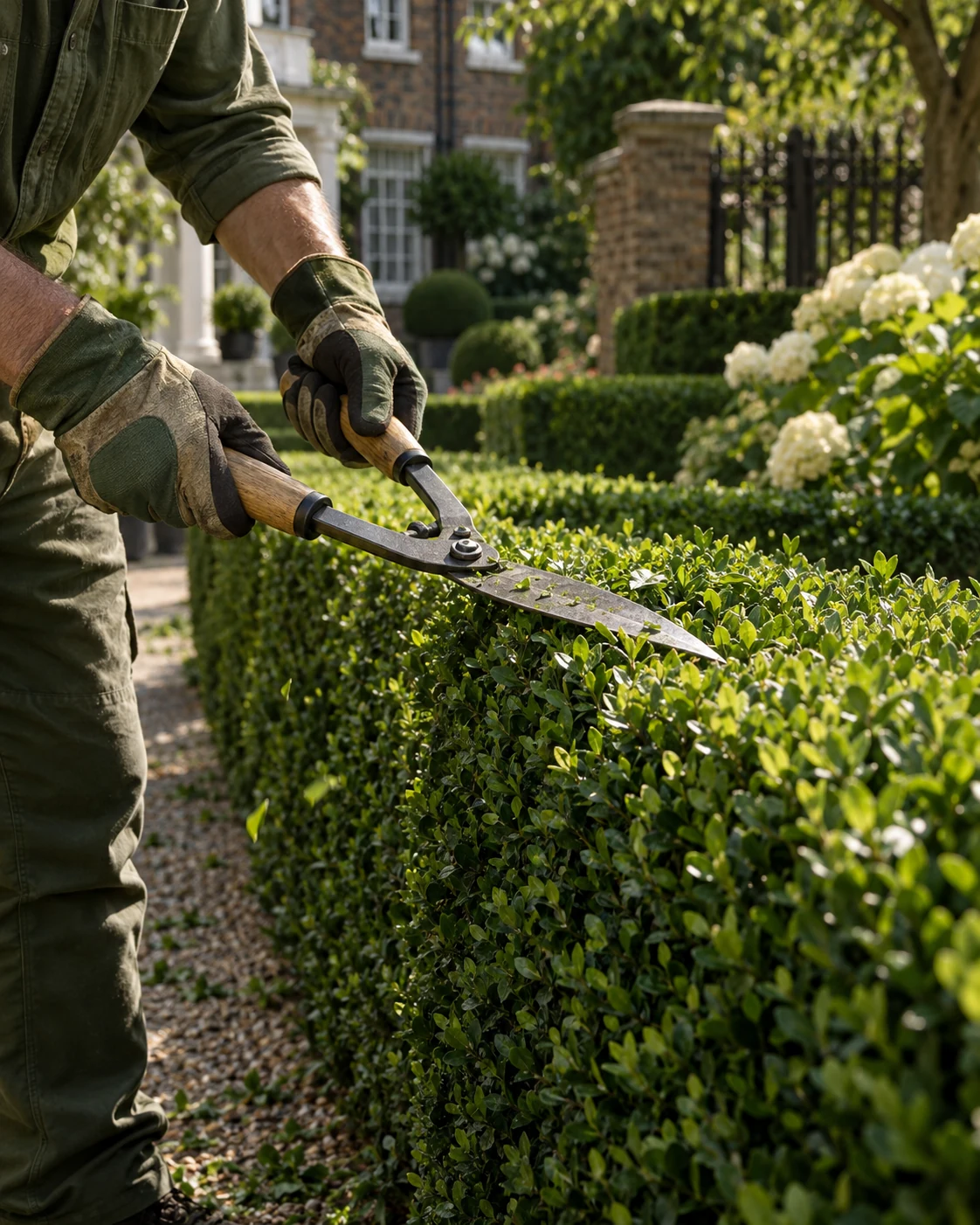
A hedge across a path is a practical problem, but cutting it hard is not always the right answer. Species, flowering habit, condition and nesting wildlife all matter. Share the approximate height and whether both faces are accessible. Routine shaping differs from reducing a large woody boundary or working on a substantial tree. Uncertain plants should be identified before an irreversible cut is made.
Regular care or a reset?
Weekly, fortnightly and monthly appointments can be arranged. Fast grass growth and demanding borders may justify closer visits in the growing season. A simpler courtyard may need attention less often. The interval should follow the workload and the jobs you do yourself, rather than a promise that every garden needs an identical schedule throughout the year.
A one-off visit is useful when a clear list has accumulated: a first mow, leaf collection, hedge shaping and a tidy before using the garden again. If access is blocked by extensive overgrowth, consider garden clearance first. Clearance establishes a workable starting point; subsequent maintenance stops the same problems building up. Ask what can realistically be completed in one appointment and what should be left for another day.
Prepare a useful priority list
Write down three outcomes rather than a long, unranked catalogue. For example, make the back path usable, cut the lawn, then weed the bed beside the kitchen. Mention fragile ornaments, irrigation pipes, outdoor cables and anything newly planted. Keep children and pets away from the work area. Move lightweight furniture if you can do so easily; explain larger obstacles when booking.
Access deserves its own photographs. Show steps, narrow gates, shared passages and any route through the house. The team brings tools, equipment and bags, but still needs a workable route and nearby parking. If you will be out, agree entry and how the property should be left. Do not assume that a locked rear gate can be reached from the street.
What the gardening rate covers
The published maintenance price is £79 for the first hour, followed by £65 for each subsequent hour, with the charge based on actual time on site. The rate covers a team of two, tools, equipment and bags. Up to 120 litres of green waste disposal is included. Additional green waste needs a separate agreement, or you can discuss using your compost area or green bin.
These are the published rates checked on 15 October 2026. Area, availability and applicable congestion charges can affect the final booking. Confirm the quote directly. A large garden is not the only reason a visit takes longer: dense weeds, difficult access, numerous small beds and collecting bulky clippings all add work. The price guide explains the charging basis; landscaping is quoted differently.
Work with the season
In spring, early weeds and renewed grass growth compete for attention. Take care around emerging bulbs and young perennial shoots. A border can look dormant while useful growth is already close to the surface. Plant identification is more useful than an indiscriminate spring clear-out, and a flowering shrub may need its pruning delayed until after flowering.
Summer maintenance should respond to conditions. During hot, dry weather, cutting grass higher or pausing mowing can be more sensible than chasing a short finish. Newly planted specimens need a watering plan between visits. A gardener attending fortnightly cannot replace the immediate attention a drying container may need in a warm spell.
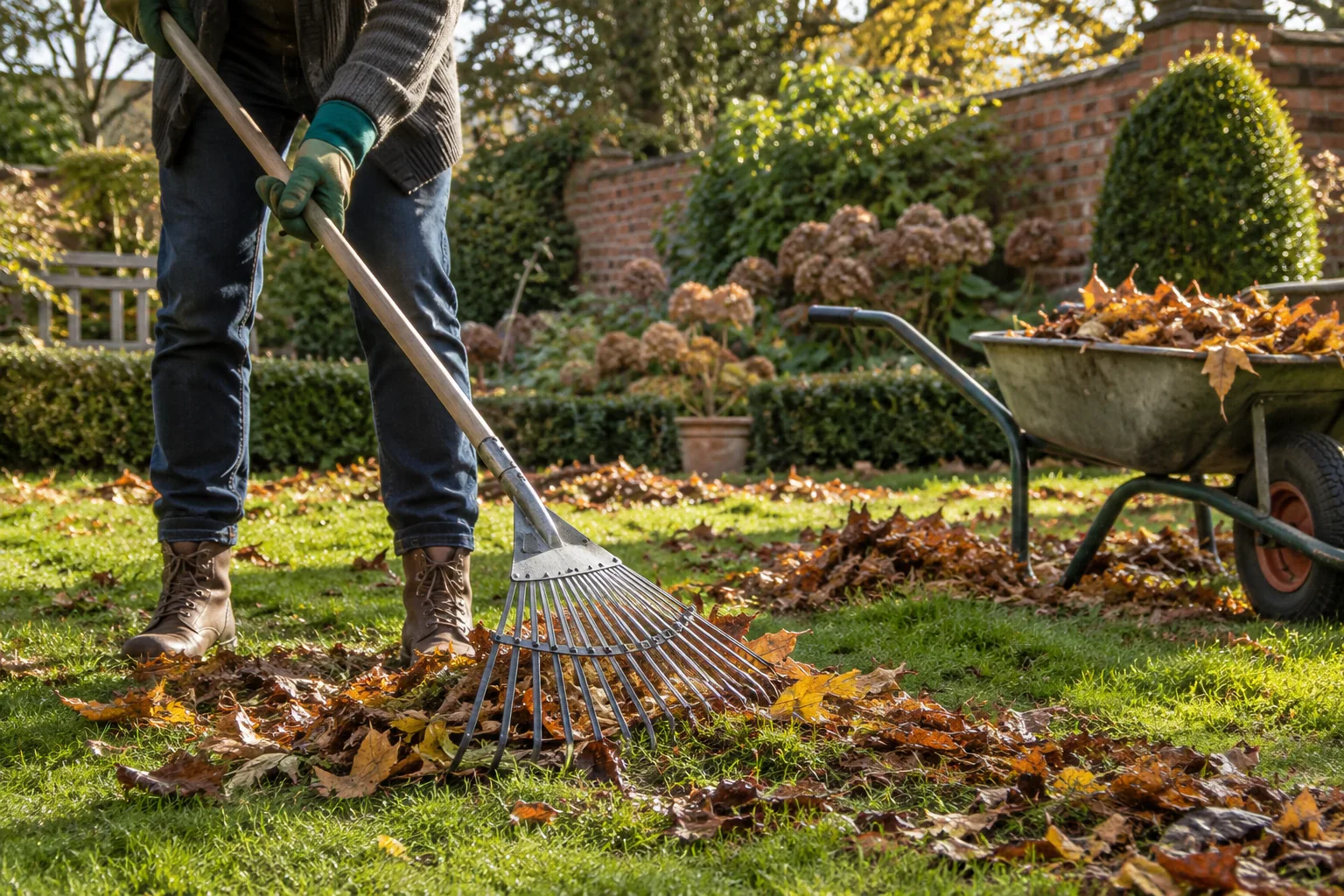
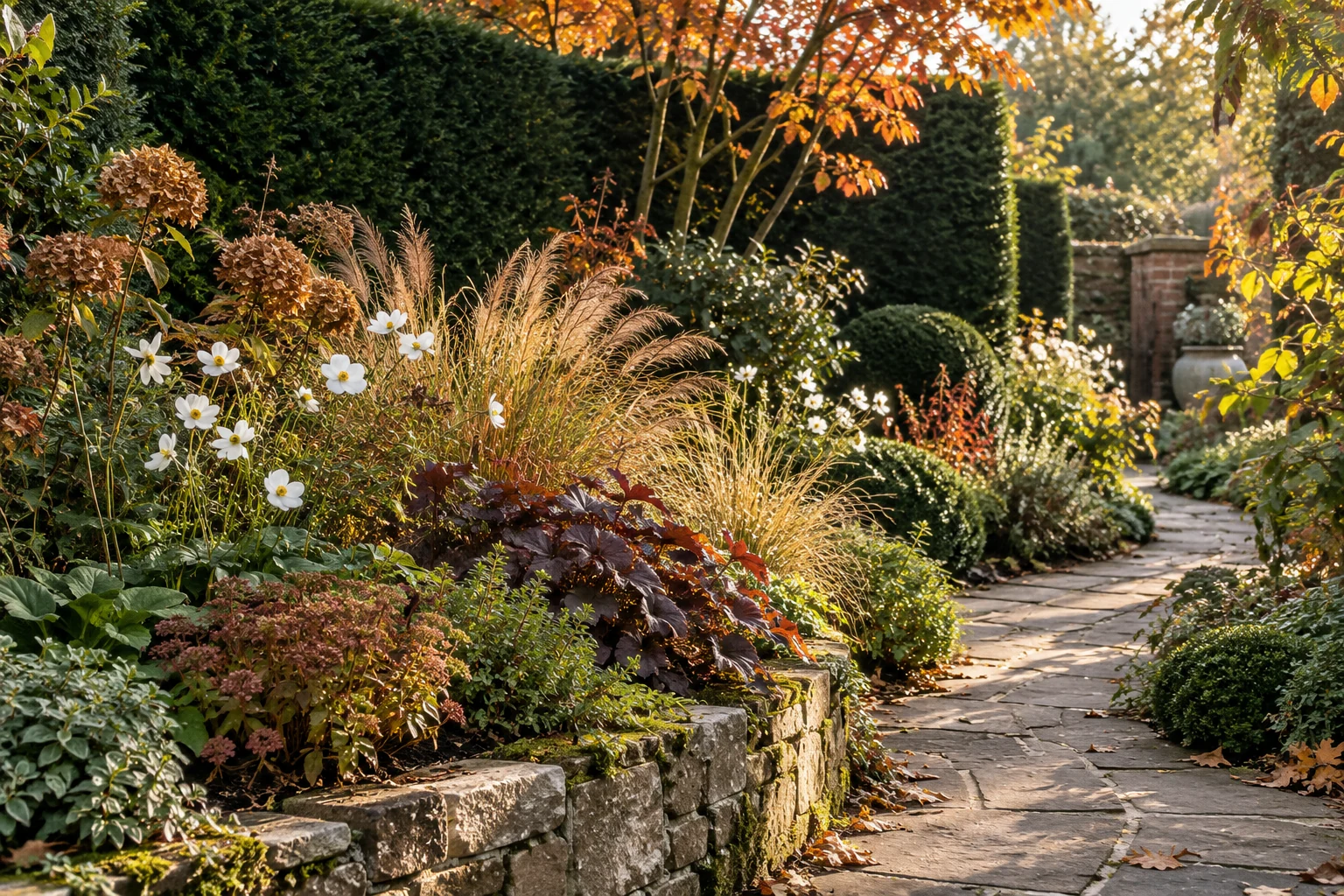
Autumn brings leaves on lawns and slippery paths, but not every standing stem needs removing. Some seedheads and grasses provide structure and wildlife habitat. In winter, avoid treating wet or frozen turf as a working platform. Use suitable days for agreed jobs and plan the spring workload. Seasonal care should protect the garden as well as improve its appearance.
Know when a different service is needed
Mowing alone will not solve every lawn problem. Persistent bare areas, compaction or a change in use may need a separate lawn care assessment. A loose patio is a surface defect rather than a weeding job. New layouts, turf installation and structural changes belong in a landscaping discussion, where materials, preparation and aftercare can be considered together.
Large trees require a separate scope and appropriate assessment. Do not fold high branch work into an ordinary maintenance list. Similarly, cleaning gutters and washing paving need their own equipment and access arrangements. Combining services may be possible, but each part needs confirming; a general gardening booking is not a blanket agreement to undertake every outdoor task.
Keep the improvement going between visits
Check newly planted pots and beds for moisture, remove obvious litter and keep the route into the garden clear. Photograph recurring problems so the next conversation is specific. If the lawn grows much faster than expected, revise the frequency before it becomes a clearance job. Maintenance works best when small observations inform the next visit, instead of repeating a list that no longer fits.
Garden maintenance questions
Need to discuss your own garden or property? Call with photographs and your postcode.
Ask about your visitCan I book just one visit?
Yes. A one-off appointment can deal with an agreed list without committing you to regular care. Describe the current condition honestly, including the longest grass and densest growth. The first-hour minimum still applies, and extensive work may require a second appointment rather than an open-ended visit.
Will the gardeners bring their own tools?
The published service includes tools, equipment and bags. Your part is to arrange property access and nearby parking, and to explain any restrictions before arrival. If particular machinery cannot pass through a gate or shared corridor, photographs and measurements help identify that before the appointment.
Do you remove all the clippings?
The included disposal allowance is up to 120 litres of green waste. A hedge reduction or neglected border can produce more than that. Discuss extra removal, composting or use of a green bin when booking, and distinguish garden vegetation from rubble, furniture and other non-green waste.
Can you maintain a garden while I am away?
Work can take place with suitable access arranged. Confirm keys or gate access directly, identify the areas to be worked and explain where waste should go. Leave a clear priority list, especially if there are plants to protect or tasks that must wait for your return.
Is planting part of garden maintenance?
Planting can be agreed as part of the visit, but specify the plants, materials and preparation required. You can supply your choices. If asking for plants to be arranged, the published FAQ requests two days’ notice and a clear list of types, colours and quantities; confirm availability before booking.
Should every shrub be pruned at the same time?
No. Flowering season, growth habit and condition influence the decision. A uniform cut can remove flower buds or leave an unsuitable shape. Tell the gardeners what you know about the plants and identify favourites before work begins. Uncertain identification is a reason to pause and check.
What happens if the garden needs longer than expected?
Ask for an estimate and a ranked task list at booking. Extending the appointment depends on the team’s schedule, so unfinished work may need a follow-up. Agree how you want priorities handled if the available time is used before every item is complete.
Which London areas can I book in?
Use the coverage directory to find the listed areas, then call with your postcode. The directory identifies the locations covered by this site; the appointment, access and available service still need confirming. A nearby area name is not a substitute for checking your exact address.
Arrange the next useful visit
Call 020 3746 2449 with your postcode, a few photographs and the three jobs you most want completed. Explain what you already manage yourself. That gives the gardening conversation a clear starting point and helps establish a visit that leaves the space easier to use and maintain.
Call 020 3746 2449