
Lawn Care
London
Mowing, edging and thoughtful lawn upkeep for the way you use your garden. Tell us about long grass, worn patches and ground conditions before choosing the next step.
- Routine cuts and clearly defined edges
- Long grass assessed before the visit
- Care that responds to ground conditions
Begin with the condition of the grass
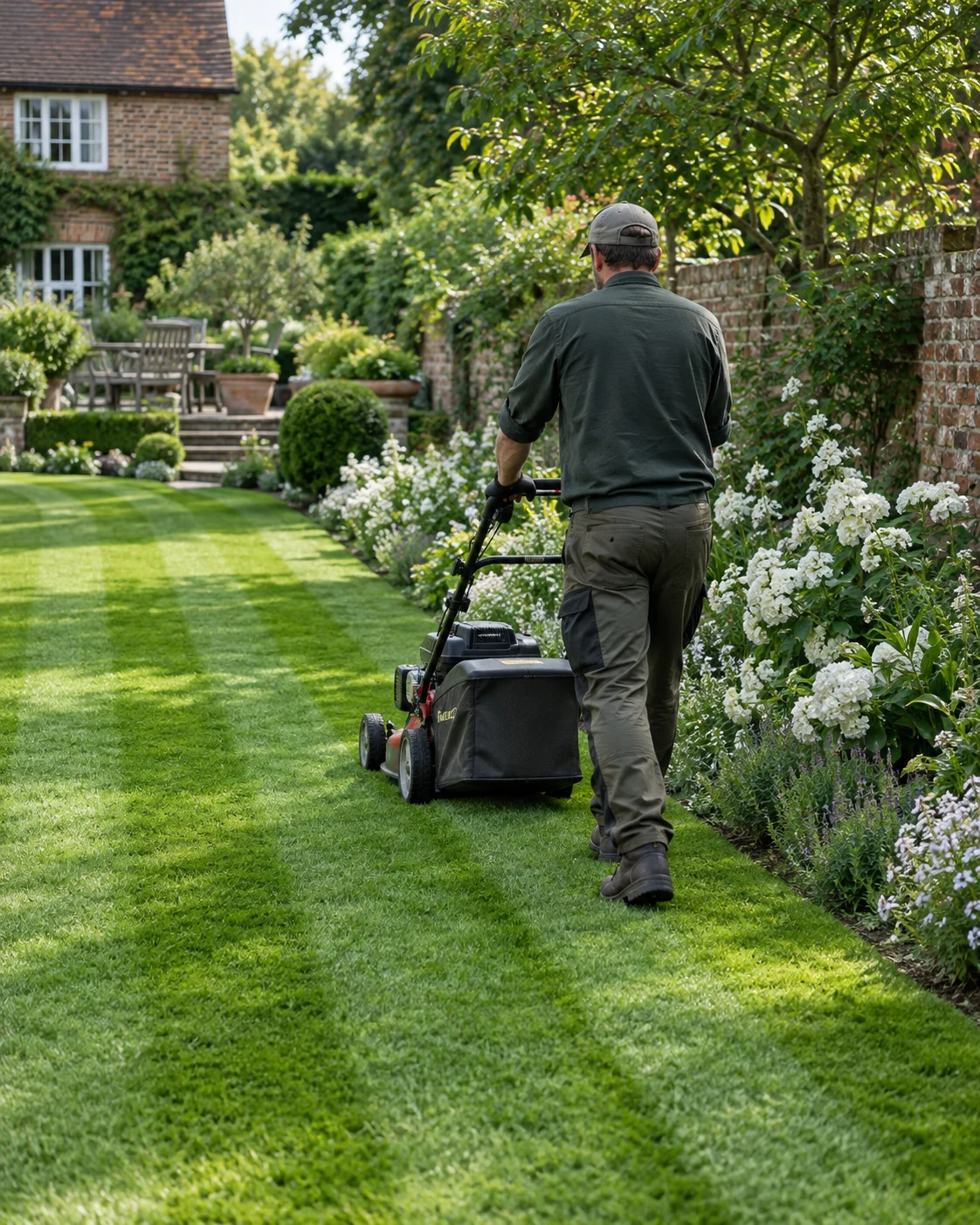
A useful lawn does not have to look like a bowling green. It needs to suit the people using it, the light reaching it and the time available to maintain it. Go Gardeners provides lawn care and mowing in London. Describe the immediate problem: a routine cut, long grass that needs reducing, or a lawn wearing thin. Those are different problems, and the booking should reflect the difference.
Photograph the lawn from both ends, including its edges and any shaded or worn sections. Describe when it was last cut, whether it holds water and how it is used. A small lawn crossed repeatedly by children and pets can need more careful planning than a larger area that receives little traffic. Garden furniture, slopes and narrow access also influence how the work can be carried out.
An even cut improves presentation, but it does not remove the underlying cause of every bare patch. Shade, wear, compacted ground and seasonal dryness can produce similar-looking symptoms. Discuss the likely cause before paying for repeated treatments. The aim is to choose a manageable course of work, with realistic expectations about what one visit can change and what depends on subsequent growing conditions.
Mowing without making the lawn struggle
Match the cut to active growth
Grass growth changes through the year and with the weather. During active growth, regular mowing helps keep the surface usable. In a hot, dry spell, a higher cut or a pause may protect it better. The RHS drought guide explains why established grass can turn brown and recover when rain returns. An appearance of dryness is not automatically a reason to replace the lawn.
Bring long grass down thoughtfully
If mowing has been missed for weeks, say so when booking. Tall grass can conceal stones, toys, cables and animal waste. Check what you can safely see and remove loose objects before work. Cutting a long lawn in stages may give a more practical result than trying to take everything down immediately. Collection and disposal also take time, particularly where the route out is awkward.
Give edges their own attention
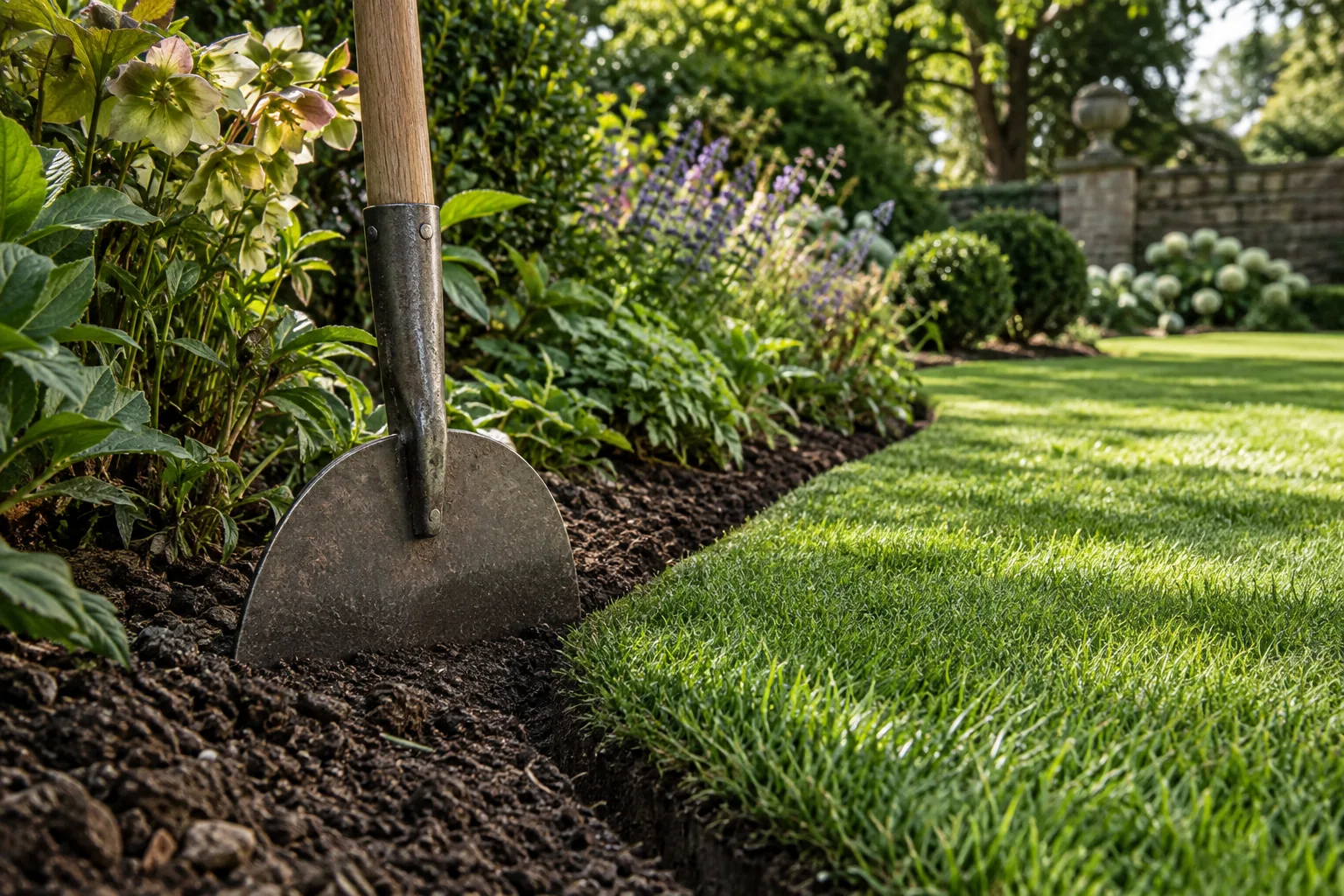
Edging is the detail that separates turf from paving and planting. Ask which boundaries you want defined and whether an existing edge should be followed. A muddy trench is not a useful substitute for a neat outline. Where grass has crept into a border, decide what should be retained before reshaping it, especially around bulbs, shallow roots or a recently planted bed.
When the lawn needs more than a cut
Thinning turf deserves a closer look. Heavy foot traffic can compress the surface, while a tree canopy may reduce light and compete for moisture. Repeatedly sowing grass into unsuitable conditions wastes effort. Describe the pattern: is damage concentrated by the back door, beneath a trampoline or along a favourite route? That information helps distinguish a local wear problem from a general issue across the lawn.
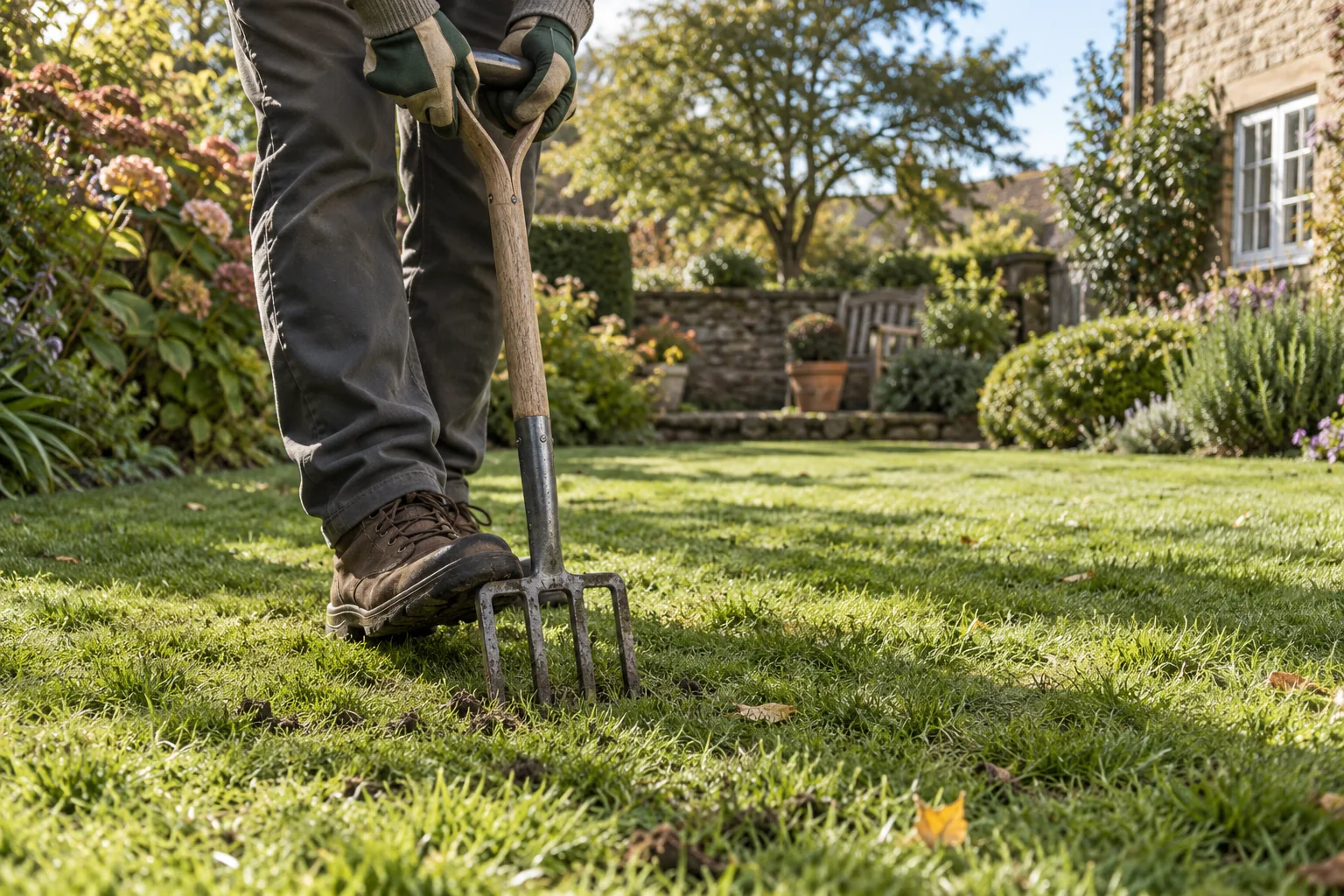
Aeration, feeding, scarifying and overseeding are separate decisions, not a fixed package that every lawn needs. Ask which work is suitable, what equipment and materials are involved, and whether it is included in the quote. Lawn renovation also creates an aftercare commitment. New seed needs appropriate conditions and protection from heavy use; it should not be scheduled immediately before a garden party or a period when nobody can look after it.
Wet ground calls for restraint
Standing water and a soft surface can make mowing inappropriate. Describe recurring puddles and take photographs after rainfall, rather than relying on a picture taken during a dry afternoon. The RHS advice on waterlogged lawns discusses compaction and drainage. An occasional puddle and a persistent drainage problem should not be treated as the same job.
Keep repeated traffic off saturated turf where possible. A tidy cut is not worth leaving ruts or damaging the soil structure. If a lawn remains unusable despite sensible care, the next step may involve assessment of levels, drainage or a different surface. That belongs in a wider garden design discussion, not a promise that a routine mowing appointment will solve it.
Set the right frequency
Regular gardening appointments can be arranged weekly, fortnightly or monthly, but the right lawn interval follows growth. Tell us how short you prefer it and how much you mow yourself. A monthly visit may be insufficient during a strong flush of growth, while a rigid winter schedule may have little useful mowing to do. Review the arrangement when conditions change.
If borders and hedges also need attention, a combined garden maintenance visit may be more useful than thinking about the lawn alone. Agree the balance of tasks so mowing does not absorb time intended for weeding. A lawn surrounded by overgrown vegetation may need initial clearance before its edges and access can be restored properly.
Before the mower arrives
Remove toys, loose wire, small stones and pet waste where accessible. Mark sprinkler heads, shallow cables and any newly planted areas. Explain gates, steps and whether the equipment must pass through the house. Include measurements if the access is unusually narrow. Keep pets and children away while work takes place, and agree where furniture should be moved rather than assuming there is space to work around everything.
Tell the team about bulbs growing in the grass or areas deliberately left longer for flowers. These should be marked clearly. Also explain whether clippings can go into a compost system or green bin. The practical route for carrying bags out can affect the time as much as the mowing itself, particularly in a long garden with several changes of level.
Lawn care prices and what changes the estimate
The published lawn care and mowing rate is £79 for the first hour and £65 for each subsequent hour, charged for actual time on site. The published arrangement includes two gardeners and equipment. For green waste, discuss the stated allowance of up to 120 litres and the cost of extra disposal. Renovation materials or additional treatments should be identified separately in the agreed scope.
Rates were checked on 15 October 2026; confirm current availability, the postcode and applicable charges before booking. The full price guide is the reference for published figures. Lawn size, grass length, obstacles, slopes, collection requirements and access all influence the work. Avoid comparing an estimate for a straightforward cut with one that also includes edging, weed clearance and taking away several bags of clippings.
A lawn through the seasons
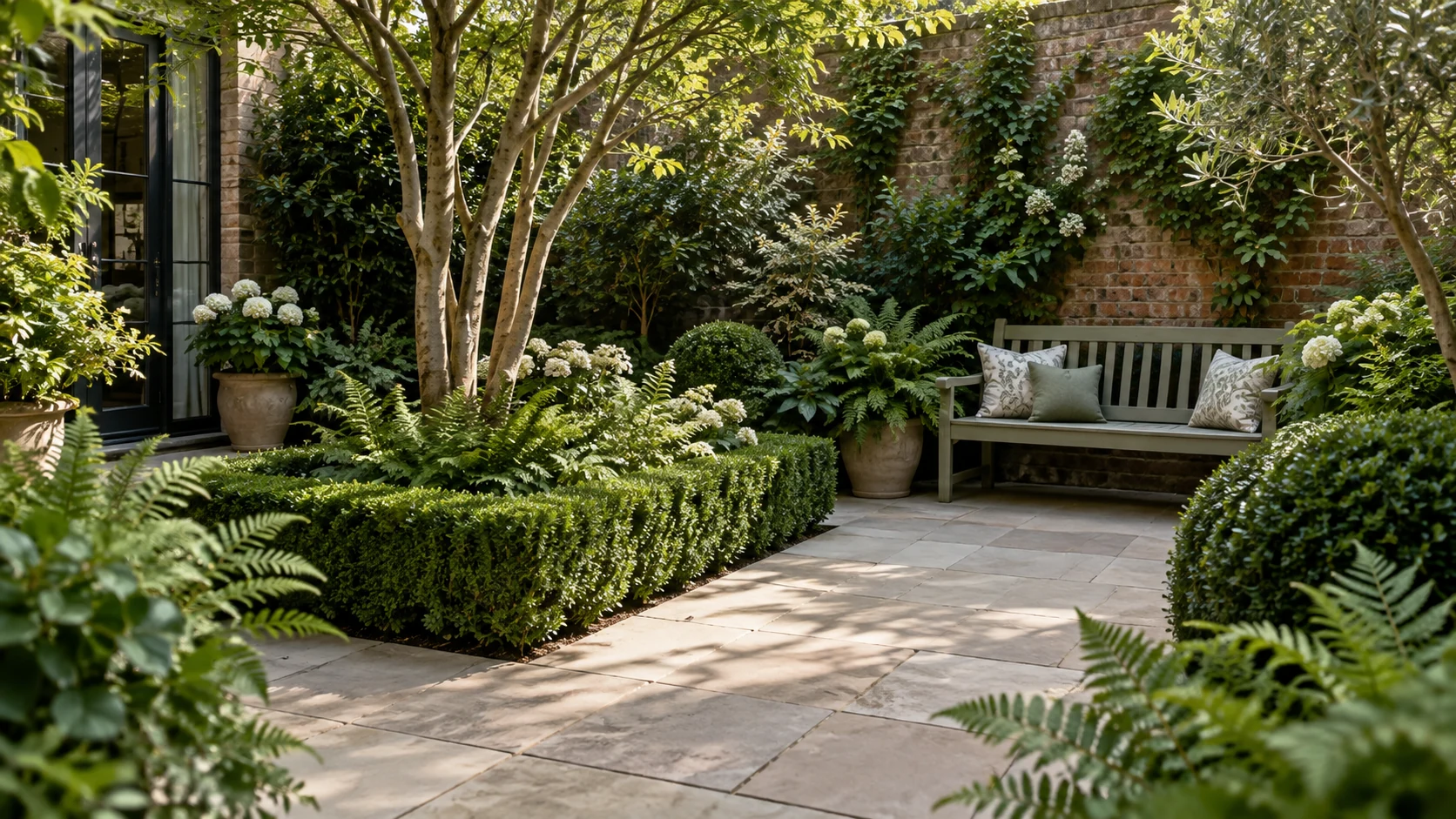
Spring is a useful time to assess how the surface has come through winter. Wait for suitable conditions before mowing soft ground, and avoid letting enthusiasm for a fresh finish override what the turf can tolerate. In summer, respond to heat and rainfall. Newly sown grass needs different attention from an established lawn; agree that distinction before any renovation.
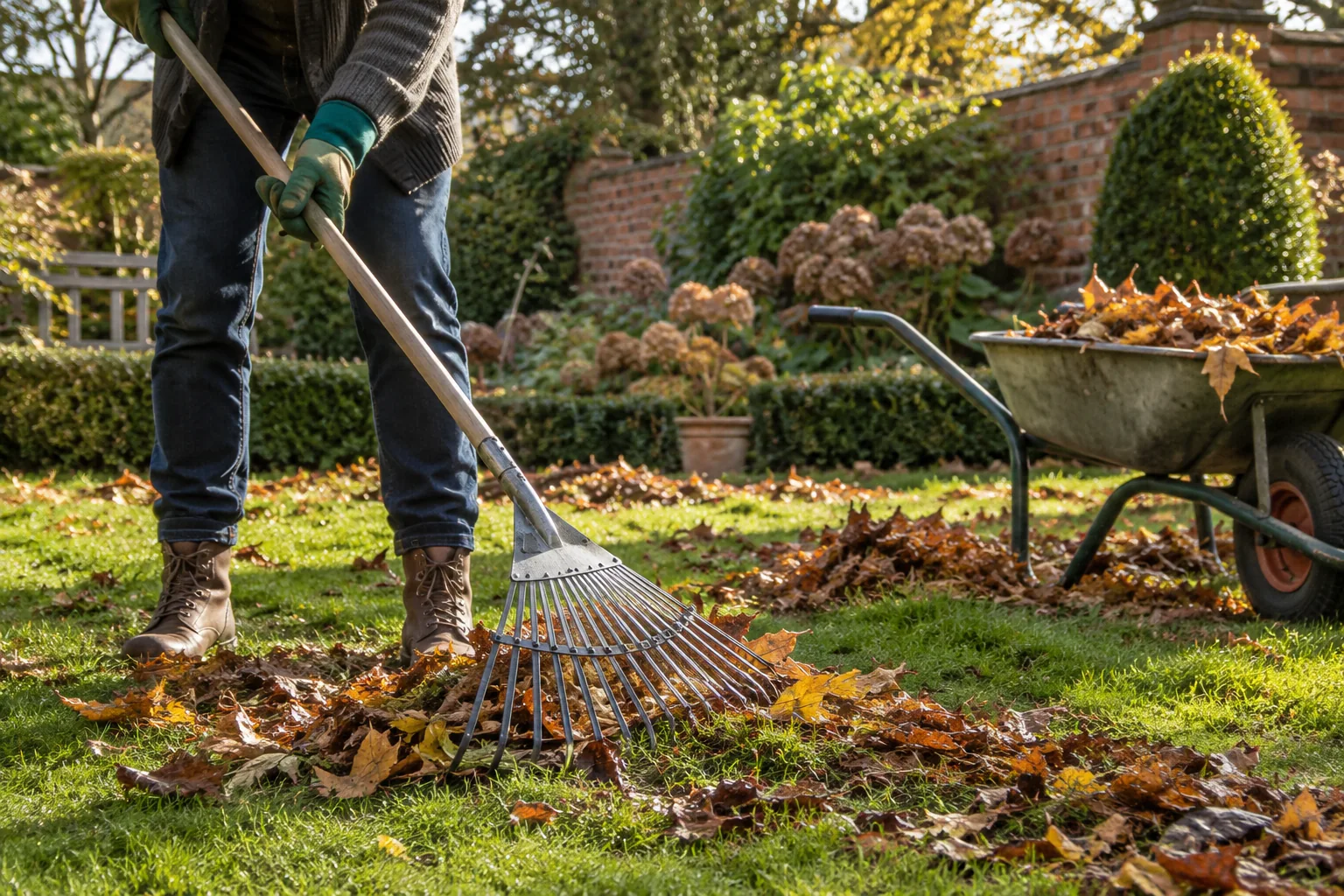
In autumn, remove heavy accumulations of leaves so the grass is not left covered. Keep routes clear without treating the lawn as a storage area for all the garden’s debris. Winter work depends on conditions, and frozen or waterlogged turf is best left undisturbed. These are practical decisions about protecting the surface, rather than a fixed calendar of treatments sold regardless of need.
Lawn care questions
Need to discuss your own garden or property? Call with photographs and your postcode.
Ask about your visitCan you mow grass that has become very long?
Describe its height and send clear photographs before booking. Long growth changes the equipment, collection and time required, and concealed objects need checking. The work may be approached in stages. An estimate for an ordinary maintenance cut should not be assumed to cover a heavily neglected lawn.
Will mowing remove moss and weeds?
Mowing manages grass height; it does not resolve every cause of moss or unwanted plants. Shade, moisture, wear and the condition of the turf can all matter. Ask for a separate discussion of the problem rather than treating a short cut as proof that the lawn has been renovated.
Is aeration automatically included?
Do not assume it is part of a mowing appointment. Explain the problem and ask whether aeration is appropriate, which method is proposed and what the quote includes. Working very wet ground can do harm, so timing and the condition of the surface matter as much as the equipment.
Can I keep a longer patch for flowers?
Yes, make your preference clear and mark the boundary before the visit. A longer area needs a deliberate outline and its own eventual cutting plan. Mention bulbs and seedlings, too. Without clear instructions, a patch intended for wildlife can look indistinguishable from grass that has simply been missed.
Should I water a brown lawn in summer?
Established turf often recovers after rainfall, and the right response depends on the lawn and any water restrictions. New seed and newly laid turf need separate aftercare. Discuss which situation applies rather than adopting a blanket watering routine based only on colour.
Do you collect the grass cuttings?
Agree collection and disposal when arranging the job. The stated green waste allowance is limited, and long grass can produce a surprising volume. A compost area or suitable green bin may be useful, but confirm how it will be used instead of leaving the decision until bags are full.
What if the lawn is wet on the day?
Tell the team about persistent wet areas in advance. The conditions at the visit determine what can be done sensibly; saturated ground should not be damaged for the sake of completing a cut. Ask how unsuitable conditions will be handled when confirming the appointment.
Do you cover my part of London?
Check the 60-area coverage directory and call 020 3746 2449 with your postcode. Explain the access as well as the lawn. Availability for a particular visit and the work required need confirming directly, even where the area appears in the directory.
Make the next cut a useful one
Send an overall view, a close photograph of any problem patch and a picture of the access route. Tell us when the lawn was last mown and what you want to change. That is a clearer basis for arranging care than asking for the shortest possible cut regardless of the grass or the weather.
Call 020 3746 2449