
Gardeners
Camden
Agree the right work for a private garden or shared courtyard before booking. Camden gardening guidance covers resident instructions, restricted routes, plant retention and the distinction between routine upkeep, clearance and more substantial changes to the space.
- Settle shared-garden instructions early
- Photograph stairs and narrow turns
- Distinguish public and private trees
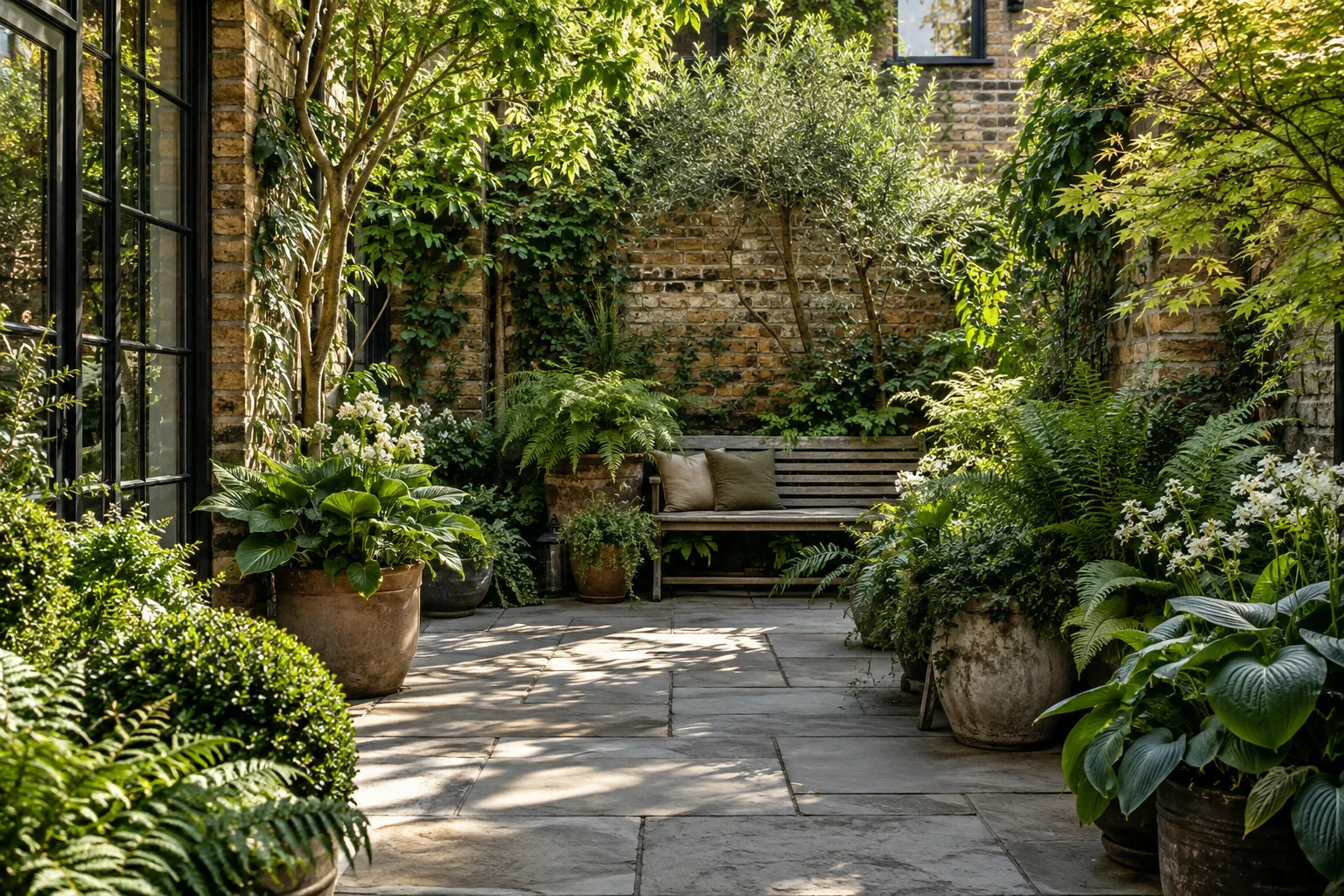
A workable brief for a shared or private space
Good gardening in Camden starts with understanding who uses the space and who can authorise the work. A private rear garden, a planted entrance and a shared courtyard can need similar skills but different arrangements. Go Gardeners can discuss a defined one-off visit or regular care, using photographs and a clear brief to establish the scope. Tell us which areas are yours, how the garden is reached and what you want to retain. That preparation lets the appointment focus on useful work instead of resolving ownership, access and conflicting instructions at the gate.
List the outcomes before listing tools or treatments. You may want the route to the bins open, a planted entrance weeded or a lawn returned to a manageable height. For shared gardens, agree priorities with the responsible residents, owner or manager in advance. One named contact and a marked plan can prevent contradictory requests once cutting has begun. Do not include an adjoining bed simply because it appears continuous with yours.
Garden maintenance can combine mowing, edging, suitable pruning and border work. Set an order that reflects daily use. In a small courtyard, clearing the chair space may matter more than clipping every shrub. In a larger plot, reopening the route to storage might come first. An appointment is more useful when the gardener knows which result would make the biggest practical difference.
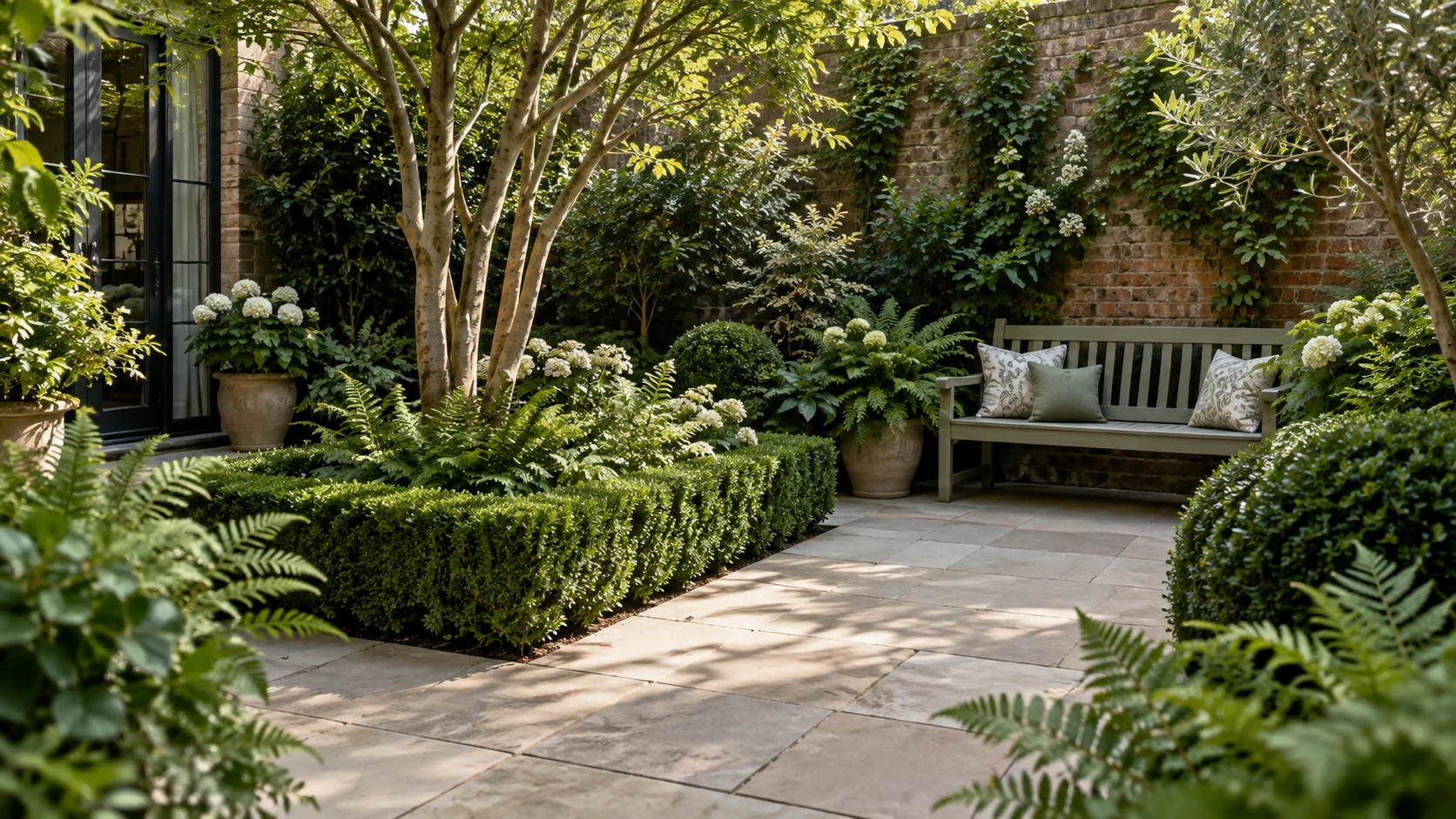
Keep planting legible rather than cutting everything
Weeding among established plants needs a retention list. Label bulbs, young shrubs and self-seeded flowers you want kept, especially if their current growth looks inconspicuous. Where plant identity is uncertain, careful observation may be preferable to immediate removal. A clear edge and a usable route can improve the space while leaving time to understand seasonal planting before substantial decisions are made.
Climbers require their own instructions. Show the supporting wires, fence or wall and any growth near drains, roofs or cables. Some plants need thinning and tying in rather than a general cut. If a structure is damaged, pruning alone may not restore safe support. Describe the issue when enquiring so suitable gardening work can be distinguished from repairs or another specialist’s task.
Local trees: establish responsibility and protection
Camden’s tree information helps identify council-managed tree issues. Questions about private-tree protection can be directed through the tree and landscape officer service. Confirm ownership and protection before agreeing work, including where branches extend into a private garden.
For a substantial tree, send photographs showing the whole crown, trunk and surrounding structures. A tree surgery assessment is different from adding light pruning to routine gardening. Check the relevant consent or notice before work is scheduled. If roots are near proposed excavation or new surfacing, raise that too. A tree can be affected by work below ground even where its branches are untouched.
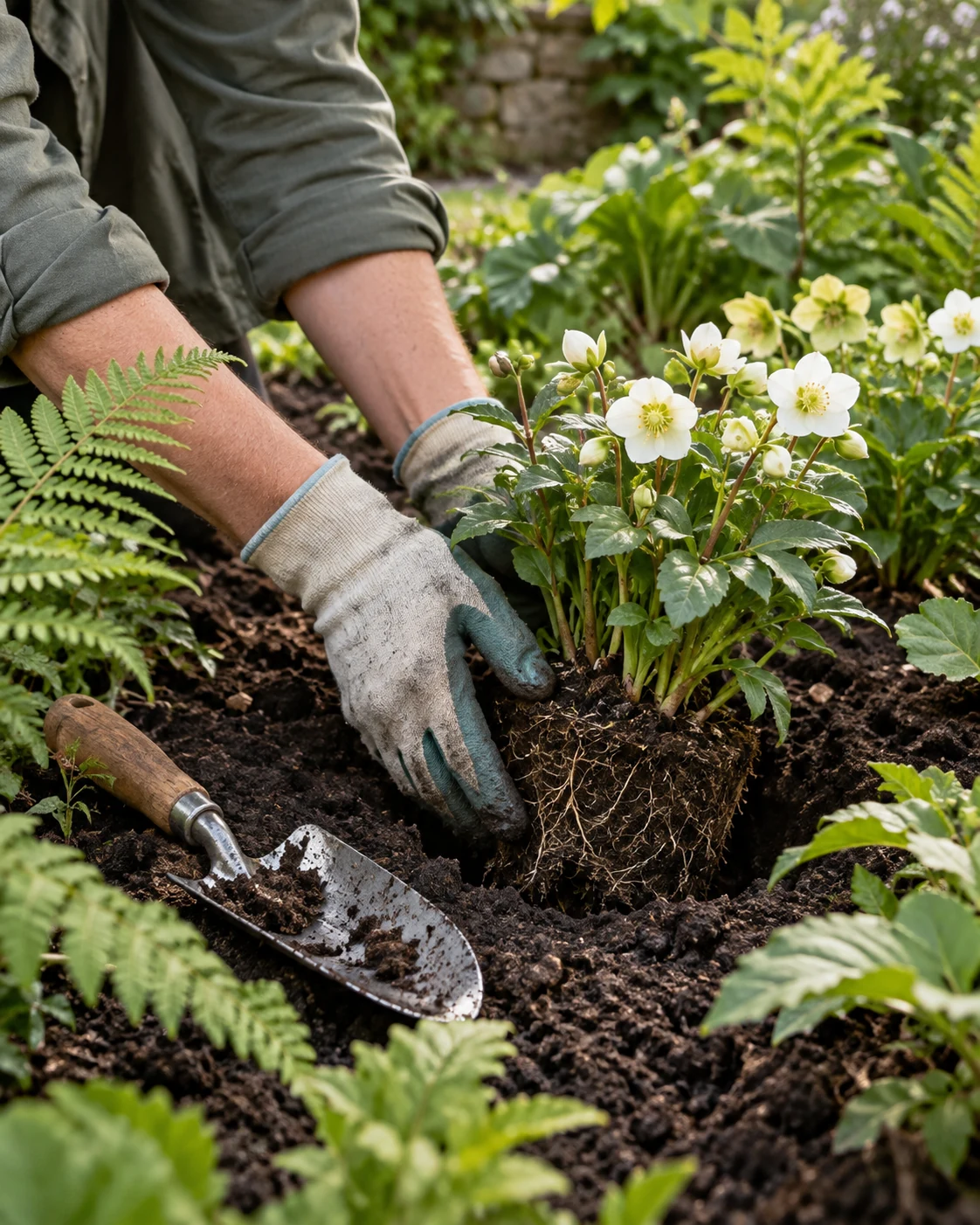
When clearance is the better starting point
If vegetation prevents access, ask about garden clean-up rather than assuming a short maintenance slot will cover everything. Describe the ground you can see and any known concealed objects. A first stage may open a route and expose the condition of paving and beds. Further preparation can then be assessed with better information than an exterior photograph of dense growth allows.
Specify the required finish. Clearing top growth, removing roots and preparing ground for planting are separate tasks. Building a new terrace or changing the arrangement belongs in garden design and landscaping, with materials, levels and construction considered independently. If permission from an owner or manager is needed, obtain it before replacing established features. A tidy-up should not accidentally become an unauthorised alteration to a shared garden.
Lawns and planted courtyards need different routines
For grass, record length, wear and shade before choosing lawn care. A regularly mown patch may need only basic care; persistent bare areas need an explanation. If people cross it daily to reach a door, think about that use before investing in repeated reseeding. In heat or saturated conditions, restraint may be more suitable than mowing to the same height at every visit.
For containers, the critical task often happens between appointments. Check moisture within the compost rather than relying on the surface alone, and make sure drainage is suitable. Plan holiday watering before new plants are purchased. A visually attractive arrangement that cannot be cared for is unlikely to remain successful. Where space or available time is limited, reducing the number of separate containers can sometimes simplify the routine.
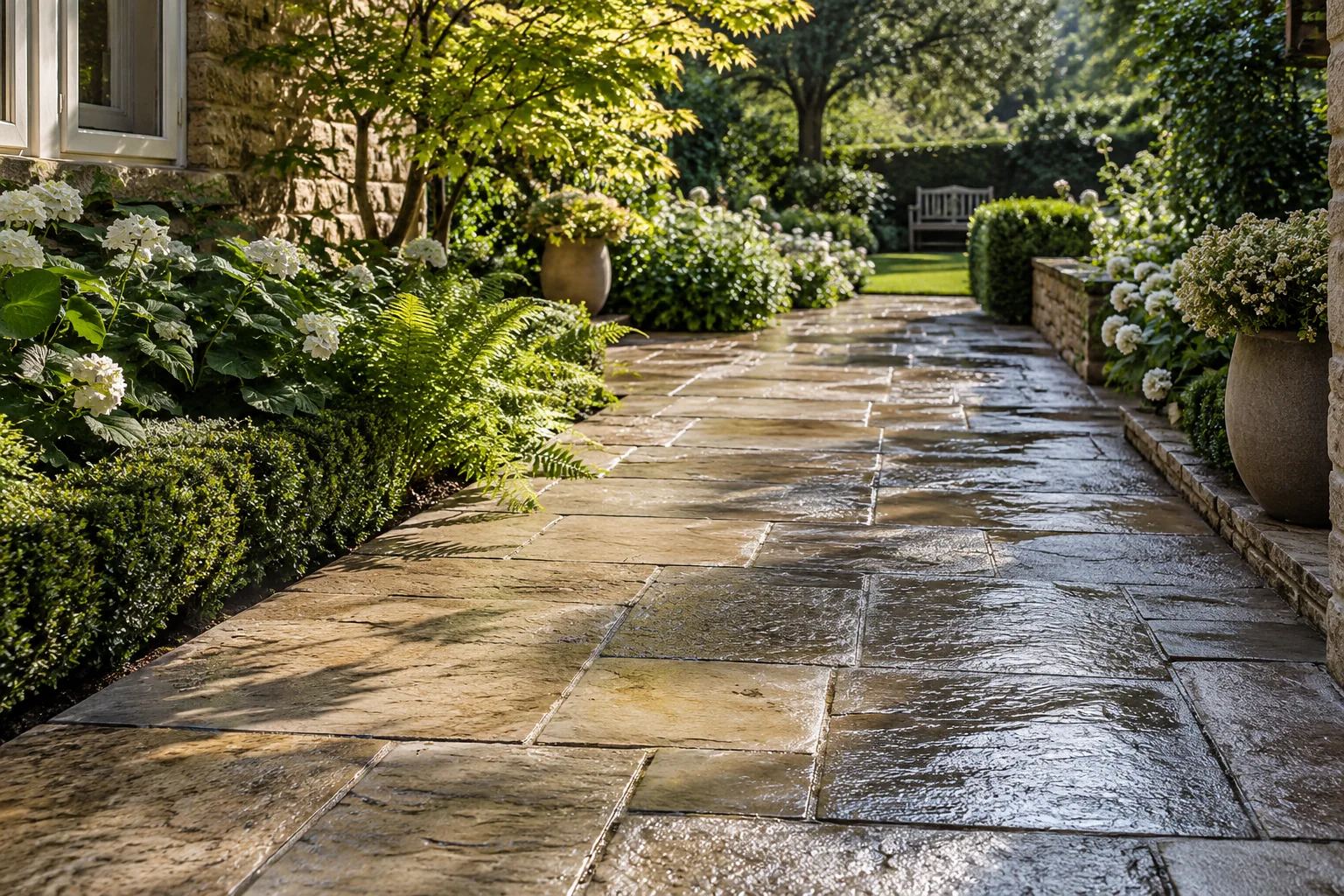
Seasonal work and a realistic frequency
Spring visits can combine early weed control with careful work around emerging shoots. In summer, growth beside doors and paths may need particular attention, while plants need an appropriate watering routine. Autumn leaves should be cleared where they obstruct walking surfaces or cover turf, with selected material retained in suitable planted areas if that is part of the agreed approach.
Winter conditions may limit work on soft or frozen ground. Hedge and dense shrub cutting also needs a check for active bird nests whenever proposed, including outside typical nesting months. Regular weekly, fortnightly or monthly arrangements can be discussed, with the tasks changing through the season. A one-off visit is equally valid for a defined recovery or tidy-up; it should have a clear stopping point rather than an expectation of unlimited work.
Show the complete access route
Entrance photographs should show stairs, turns, narrow doors and the path from parking to the garden. Mention any carrying route through the home and delicate surfaces. Confirm visitor parking or permit arrangements and shared-gate permissions. Tools, equipment and bags are provided for standard gardening, but they still need a feasible route. An apparently simple lawn can become a much longer task when every load must be carried several levels.
Before arrival, move small loose objects where safe and remove pet waste. Identify outdoor cables, watering lines and fragile pots. Ensure the agreed contact has access and the current priority list. If you will be absent, settle entry and locking instructions directly and remain reachable if possible. Do not leave key decisions with someone who has not seen the booking brief or cannot authorise changes.
Confirm the Camden gardening price basis
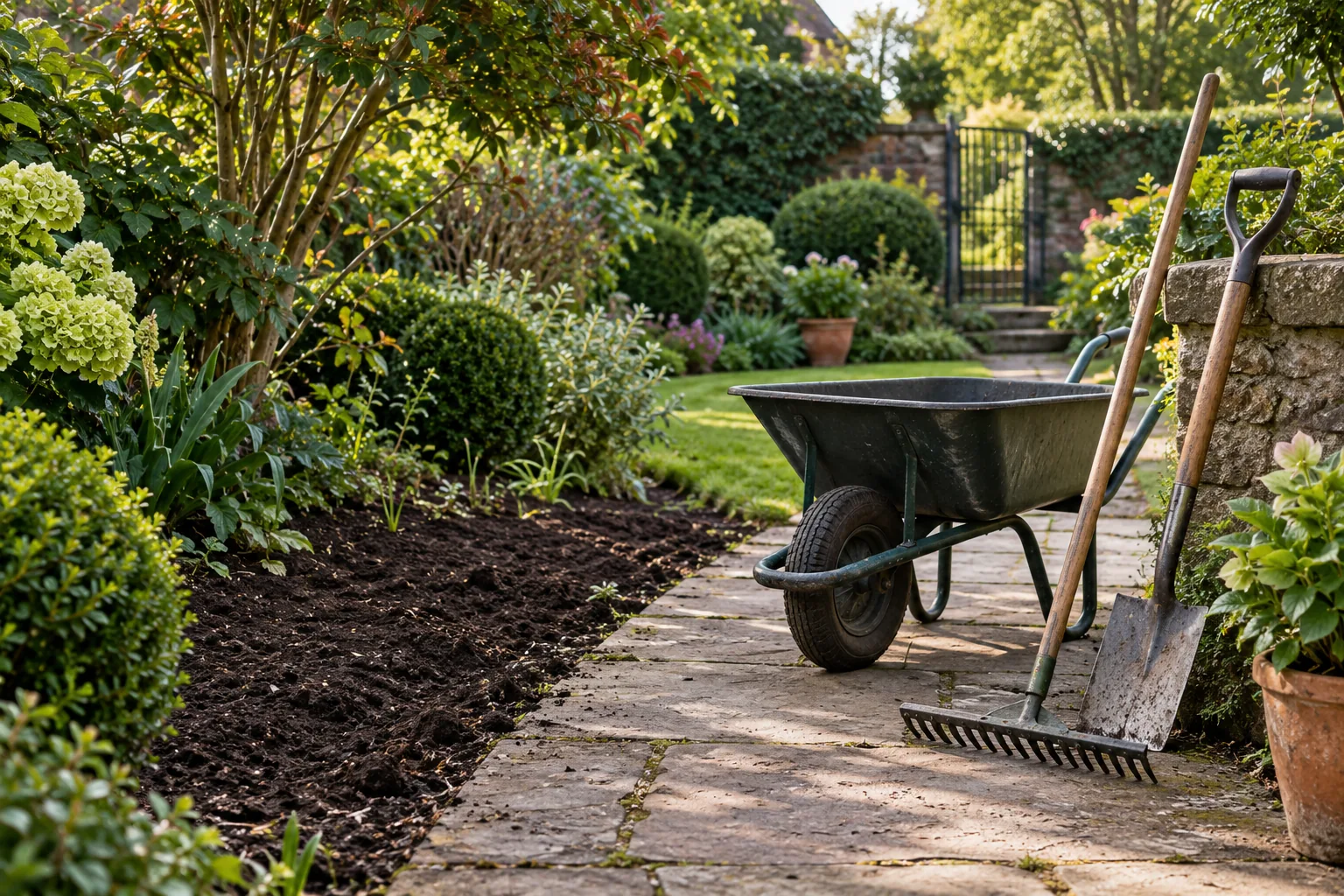
Maintenance, clearance and lawn care are published at £79 for the first hour and £65 for each subsequent actual hour. The arrangement states two gardeners with tools and bags, including up to 120 litres of green waste. Additional removal must be agreed. Check the live prices and confirm postcode availability and any applicable congestion or area charge before booking.
Time is affected by access, detailed hand work, growth density and waste, not just the area of the garden. Tree work, jet washing and landscaping have different pricing arrangements. Ask for separate scopes when combining services, and set priorities if the total exceeds your budget. Extending an appointment is subject to scheduling, so an additional planned visit may be needed rather than assuming all discovered work can continue that day.
Camden gardening questions
Need to discuss your own garden or property? Call with photographs and your postcode.
Ask about your visitWho should book work in a communal garden?
The person or organisation entitled to authorise it should agree the scope. Confirm boundaries, retained planting and how residents will be informed. One contact can collect preferences before the visit and provide a settled list, avoiding several conflicting requests while the gardeners are already working.
Can you work in a garden reached by stairs?
Send the route and dimensions for tight points before booking. The number of steps, turns and available landing space can affect equipment and waste handling. Feasibility and working time need reviewing from that information rather than inferred from the garden’s size alone.
Can I ask you to cut a council tree overhanging my garden?
Ownership and protection must be established before any operation is agreed. Use Camden’s reporting route for council-managed trees and explain the issue. Do not treat a maintenance booking as authority to prune another owner’s tree; substantial branches also require appropriate tree-work assessment.
Will clearance leave the ground ready for new paving?
Only if the preparation has been explicitly scoped that way. Removing visible vegetation does not establish levels, ground stability or construction requirements. Show the intended project separately so the necessary groundwork and materials can be quoted rather than assumed to follow automatically from a clean-up.
Can you preserve a climber while exposing its support?
Identify the plant and show the supporting structure. Selective pruning and tying in may be possible, depending on growth and condition. If the support is broken, agree repair responsibilities first. Pulling away heavy tangled stems without understanding the attachment can damage the plant or the structure.
Is a first visit useful if I do not know the plants?
It can begin with clear access and identifiable routine work. Keep photographs through the season and avoid demanding complete removal of unfamiliar growth. A staged approach helps distinguish unwanted plants from dormant or emerging planting that may be valuable once its season arrives.
How should a budget limit be expressed?
Give a ranked list with a clear first outcome, then ask what is realistic within the proposed appointment. Separate essential work from optional improvements. Confirm what happens if more time is needed, including whether another visit is preferable to an extension that may not fit the schedule.
Which nearby locations are listed?
Hampstead, Islington, Hackney and Finchley appear in the approved coverage directory. Check the page relevant to the property and confirm its postcode directly. Listed coverage does not guarantee every service or an immediate slot; the requested work and access still need discussion.
Set out your Camden gardening priorities
Call 020 3746 2449 with the postcode, access photographs and the name of the person authorising the work. A concise brief can then become a practical appointment, with tasks, waste and the time basis agreed before work starts in the garden.
Call 020 3746 2449Gardening nearby.
View all 60 coverage areas ↗Camden on the map.
Approximate area centre for orientation. Call to confirm availability for your exact postcode.