
Tree Surgery
London
Discuss pruning, crown work, removal or stump grinding with a clearly defined aim. Start with the tree, its surroundings and the checks needed before work.
- Pruning, crown work and removal enquiries
- Stump grinding specified separately
- Tree protection and access checked early
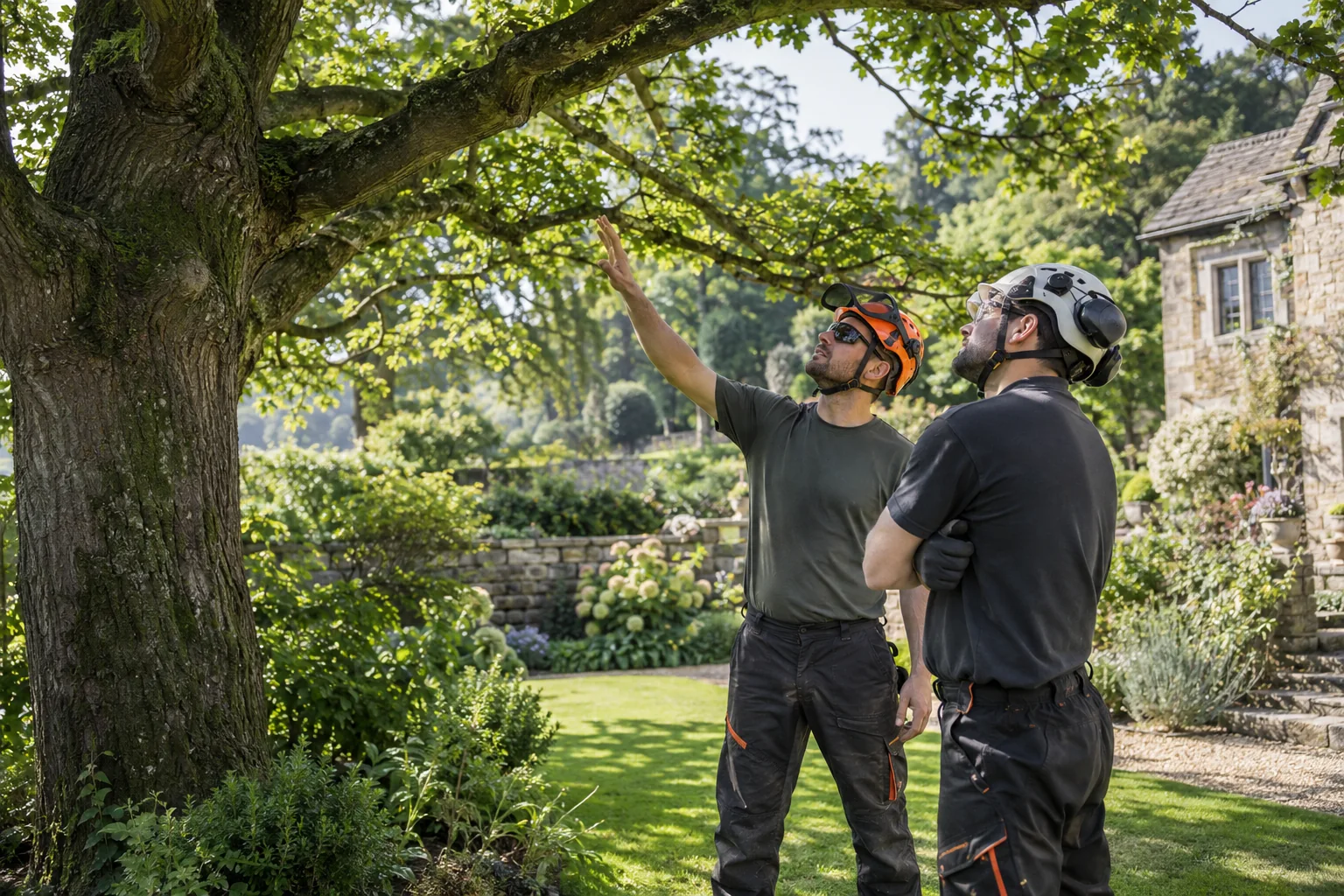
Explain the problem before choosing the cut
Tree work begins with a reason for the proposed change. A branch touching a building, a tree outgrowing its space and a stump in the middle of a planned path need different responses. Go Gardeners offers tree surgery in London, including enquiries about pruning, crown work, removal and stump grinding. Send clear photographs and describe the concern so that the scope, access and any necessary checks can be considered before an appointment is agreed.
Customers often ask for a tree to be made smaller when the real concern is shade, a blocked route or a branch near a roof. Describe that concern rather than prescribing a particular operation. The tree’s species, structure and condition influence what is appropriate. A drastic reduction can have lasting consequences, so the intended outcome deserves more attention than a simple instruction to remove a percentage of growth.
Take photographs from the ground showing the whole tree, the base, nearby structures and the access route. Include close views of a visible concern only where you can do so safely. Do not climb the tree or disturb a damaged branch to obtain a better image. If there is an immediate danger, keep people clear and contact the appropriate emergency or utility service where relevant; this page does not promise emergency attendance.
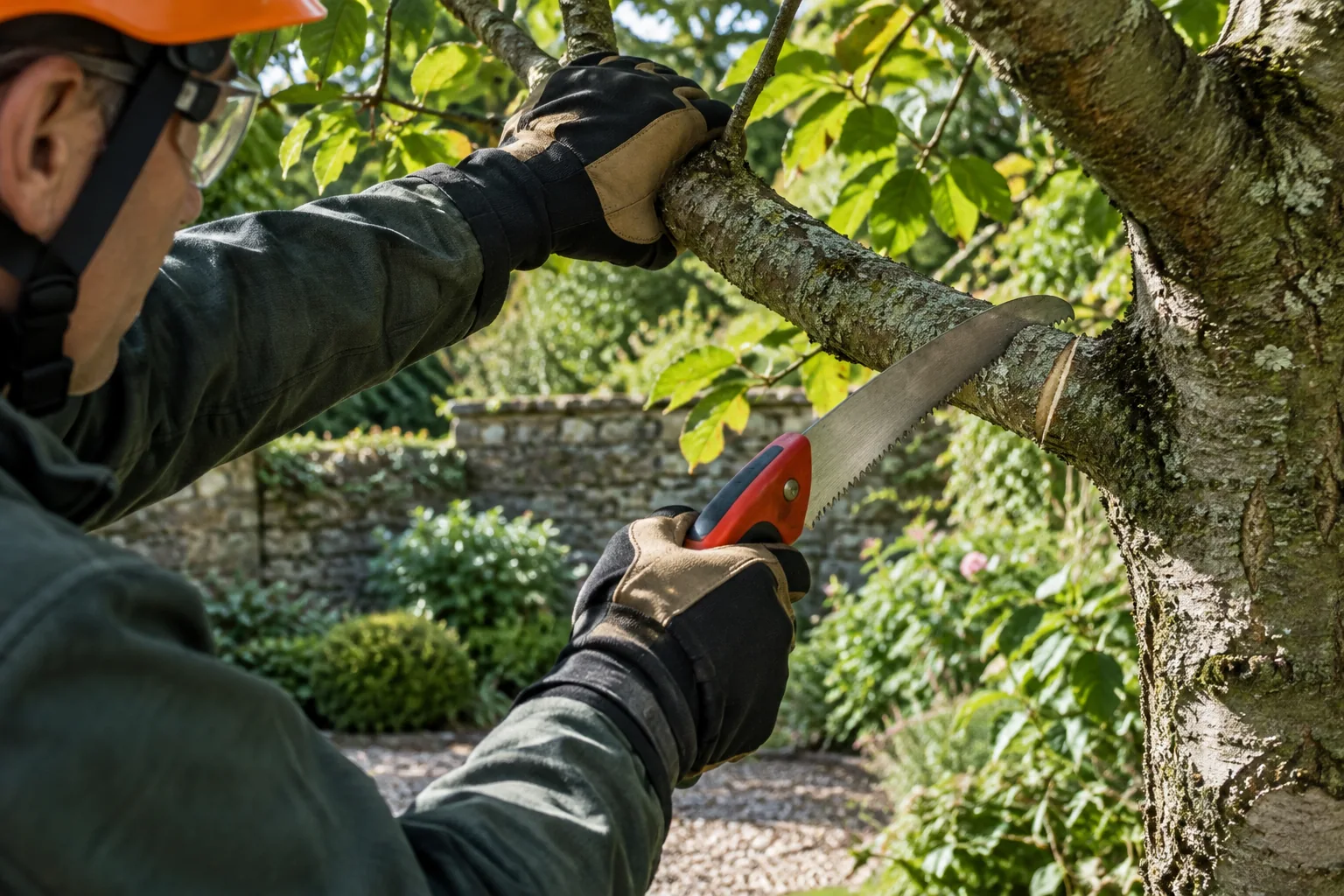
Different operations, different purposes
Pruning and crown work
Pruning should have a defined aim, such as managing a particular branch or addressing clearance. Crown lifting and crown reduction are not interchangeable descriptions, and neither is automatically right for every tree. Ask for the proposed work to be explained in ordinary terms: which parts will change, what will remain and how the tree is expected to look afterwards. A clear written scope makes the quote easier to assess.
Tree removal
Removal is a separate decision from routine pruning. Space below the canopy, nearby buildings, shared boundaries and the route for taking material away can all affect the method and cost. Confirm the tree’s identity and ownership, and resolve permission questions before work. The fact that a tree stands in a private garden does not establish that it can be removed without further checks.
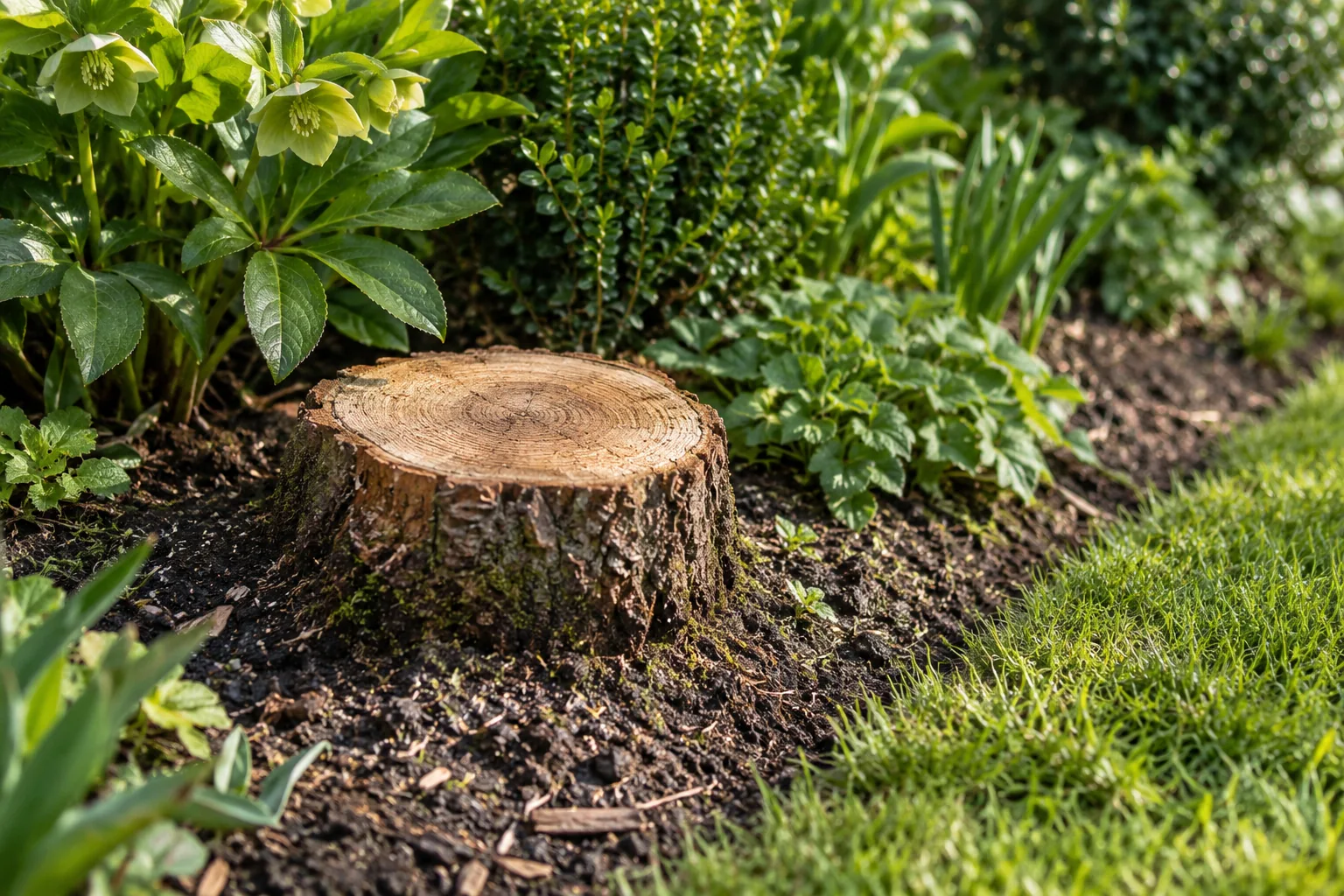
Stump grinding
A stump left after felling can obstruct mowing or a proposed bed. Grinding needs access for suitable equipment and information about nearby services, walls and hard surfaces. Ask what depth and extent are included, what happens to the grindings and how the area will be left. Removing a stump is not the same as preparing a fully finished planting bed or installing a new lawn.
Check protection and ownership early
Before pruning or felling, check whether the tree is subject to a Tree Preservation Order or stands in a conservation area. Permission or notice may be needed, depending on the circumstances. The government tree protection guidance explains the framework; the relevant local council is the place to check a particular tree and proposal. Do this before treating a preferred booking date as fixed.
Do not assume that a neighbour’s request settles ownership or authority to carry out work. For a rented or shared property, obtain the appropriate agreement from the owner or managing party. If there are several trees, identify each one clearly in photographs and on the proposed scope. Permission relating to one tree or operation should not be treated as permission for everything else in the garden.
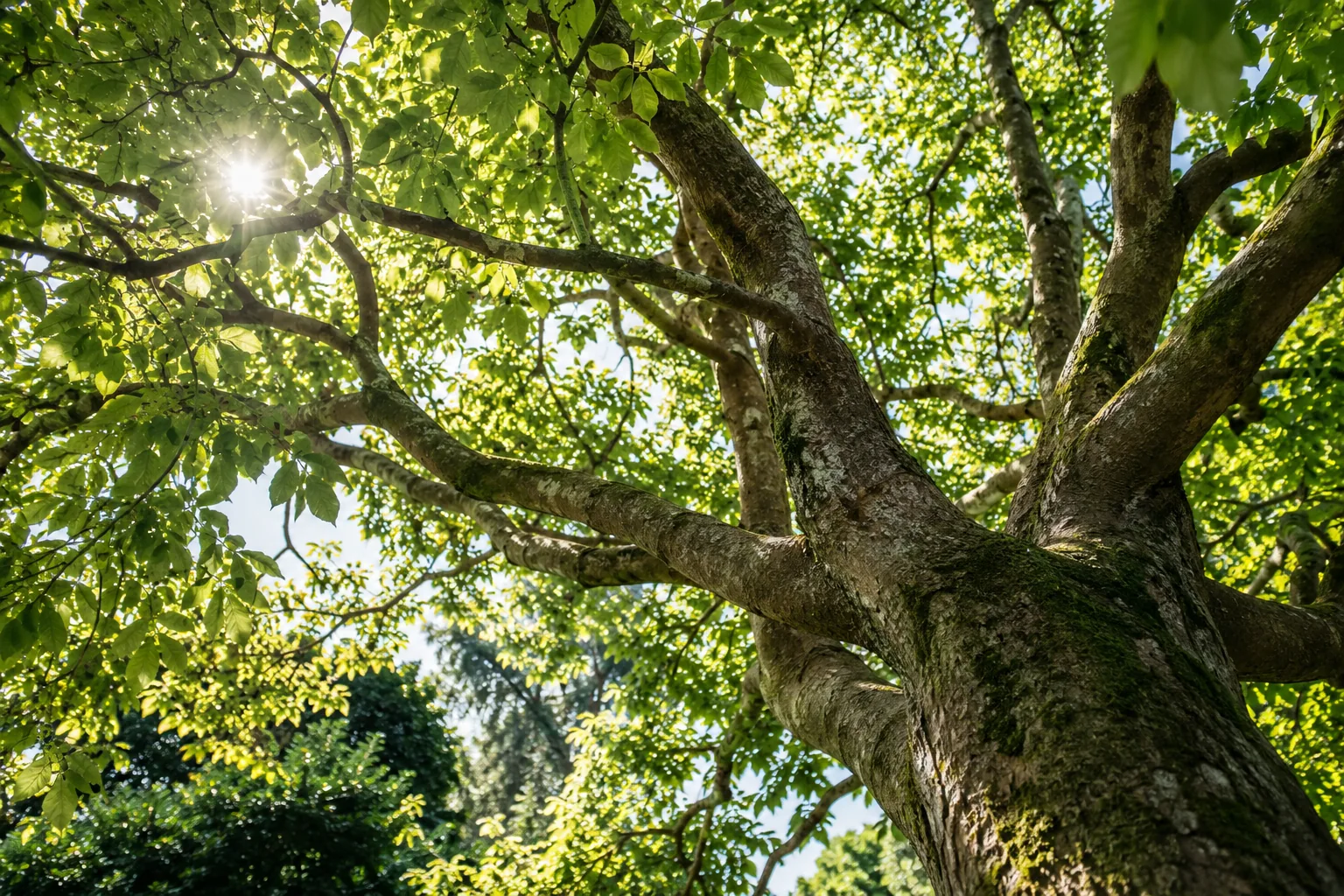
Wildlife affects timing
Inspect for nesting activity before work on trees, shrubs or climbers. Wild bird nests are protected while in use or being built, with additional protection for certain species. Work may need to be deferred or adjusted. A quiet-looking canopy is not a guarantee that there is no nest, and being outside a commonly quoted nesting season does not remove the need for care.
The GOV.UK wild bird guidance is a useful starting point for understanding those responsibilities. This is not a promise that Go Gardeners provides ecological surveys or obtains licences. If a concern requires specialist assessment, establish that separately before the job. Timing should follow the actual tree, wildlife and permission position, rather than a generic month on a calendar.
Access is part of the assessment
Measure narrow gates and photograph steps, slopes and shared passages. Explain whether equipment and material must pass through a building. Cars, sheds, greenhouses, overhead lines and neighbouring gardens can all affect the working area. Do not move cables or attempt to clear branches near services yourself. Give the team the information needed to decide how the proposed work can be approached.
Keep the agreed work area clear of people and pets. Move small furniture and ornaments where practical, and identify fragile surfaces or recently planted beds. If access involves a neighbour’s land, settle the agreement in advance. A convenient route visible in a photograph is not necessarily a route the team has permission to use.
What a tree surgery estimate should describe
The published price guide gives tree surgery prices from £90, with the final cost dependent on the required work. That is a starting figure, not a fixed price for any tree. Height, structure, condition, access, the operation proposed and material handling all matter. Photographs help with an initial estimate; a more detailed assessment may be needed where the situation cannot be understood remotely.
Ask the quote to distinguish cutting work, stump grinding, waste removal and any making-good. The live tree page mentions a limited green waste allowance, but substantial tree work can produce far more material. Confirm the actual removal arrangement instead of extrapolating from a general gardening allowance. Rates were checked on 15 October 2026; use the price guide and confirm the current scope directly.
After the work: what remains to do?
Review the agreed outcome and how the site will be left. Where a tree has been removed, consider whether the space needs levelling, planting or a new surface. Those follow-on tasks should have their own specification. A stump ground below the surface does not automatically mean the area is ready for immediate turfing or a new tree in the same spot.
If the aim was more usable garden space, discuss the next step with the landscaping service. For normal upkeep around retained trees, garden maintenance may be sufficient. A thin lawn beneath a canopy needs realistic expectations about light and competition; lawn care can be discussed without promising that pruning alone will solve every patch.
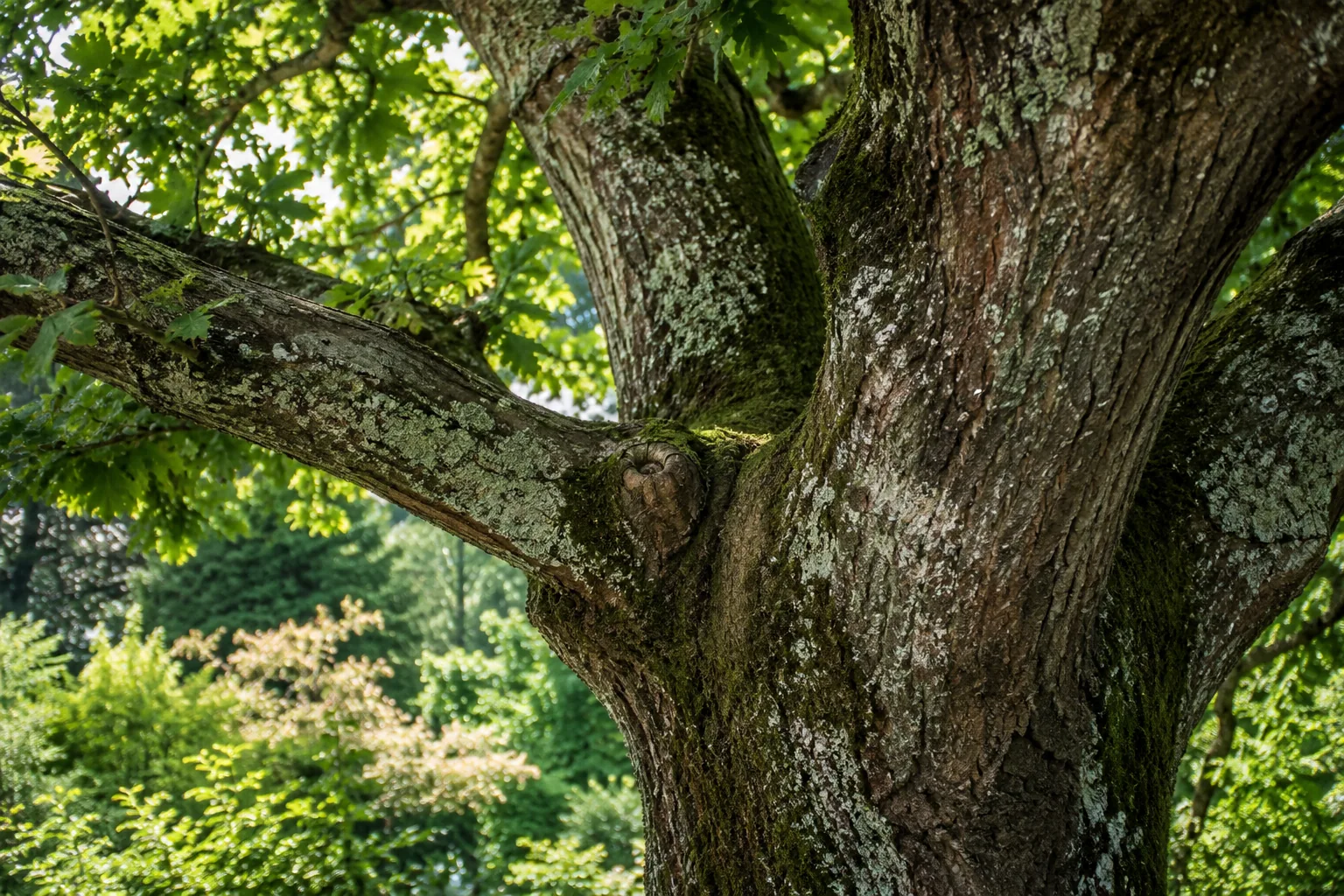
Keep tree care separate from routine hedge work
A low hedge needing a tidy shape may belong in a maintenance visit. Large woody growth, high branches and work requiring specialist access need a different assessment. Send photographs if you are unsure which service to request. The distinction protects the scope of the booking and avoids treating substantial tree work as an extra task to squeeze into the end of a gardening appointment.
Where several outdoor services are needed, agree their order. Tree work before a final patio clean may be practical, but do not book an entire sequence on assumptions. Confirm availability, access and the likely debris from each task. The useful plan is the one that fits the site and the agreed work, not the one with the longest list of operations.
Tree surgery questions
Need to discuss your own garden or property? Call with photographs and your postcode.
Ask about your visitCan you quote from a photograph?
A clear set of images supports an initial estimate. Include the whole tree and its surroundings, not only a close-up of a branch. Explain access, ownership and the reason for the work. The final scope may require further assessment if condition, dimensions or working space cannot be established remotely.
Do I need council permission?
Possibly. Protection through a Tree Preservation Order or conservation-area status can affect pruning and removal. Check the tree and proposal with the relevant council before work is scheduled. There are detailed rules and exceptions, so do not assume that private ownership or a small amount of proposed work settles the question.
Does the service include stump removal?
Ask for stump grinding to be listed explicitly if required. Felling and grinding are different operations with different equipment and access needs. Agree the intended depth, handling of grindings and the finish of the area, particularly if you want to plant or lay turf afterwards.
Can a tree simply be cut to half its height?
That instruction may be unsuitable for the species or condition. Explain the problem you want solved, such as clearance or shade, and ask for an appropriate proposal. Severe cutting can create a poor result; a tree-specific assessment is more useful than selecting an arbitrary height from the ground.
Will you take all the branches away?
Waste handling must be agreed in the quote. Tree work can generate a large volume, and a general green waste allowance does not establish unlimited removal. Say whether any logs or suitable material should remain, and identify where it can be left without blocking access or neighbouring land.
Are weekend tree surgery visits available?
The published FAQ distinguishes tree surgery from general gardening and describes tree surgery on working days. Confirm available dates directly rather than assuming the weekend arrangements for mowing apply. Permission checks and the scope of the work may also affect when an appointment can be arranged.
What happens if nesting birds are present?
Affected work may need to wait or be changed. Active nests are protected while in use or being built, so checks matter whenever the work is proposed. Raise any observed activity before booking and do not attempt to move a nest yourself to make a preferred date possible.
How do I check the service area?
Use the coverage directory and call with the exact postcode and photographs. The directory contains the approved locations, while the proposed tree work still needs its own assessment. It does not guarantee access suitability, permission or an immediately available appointment.
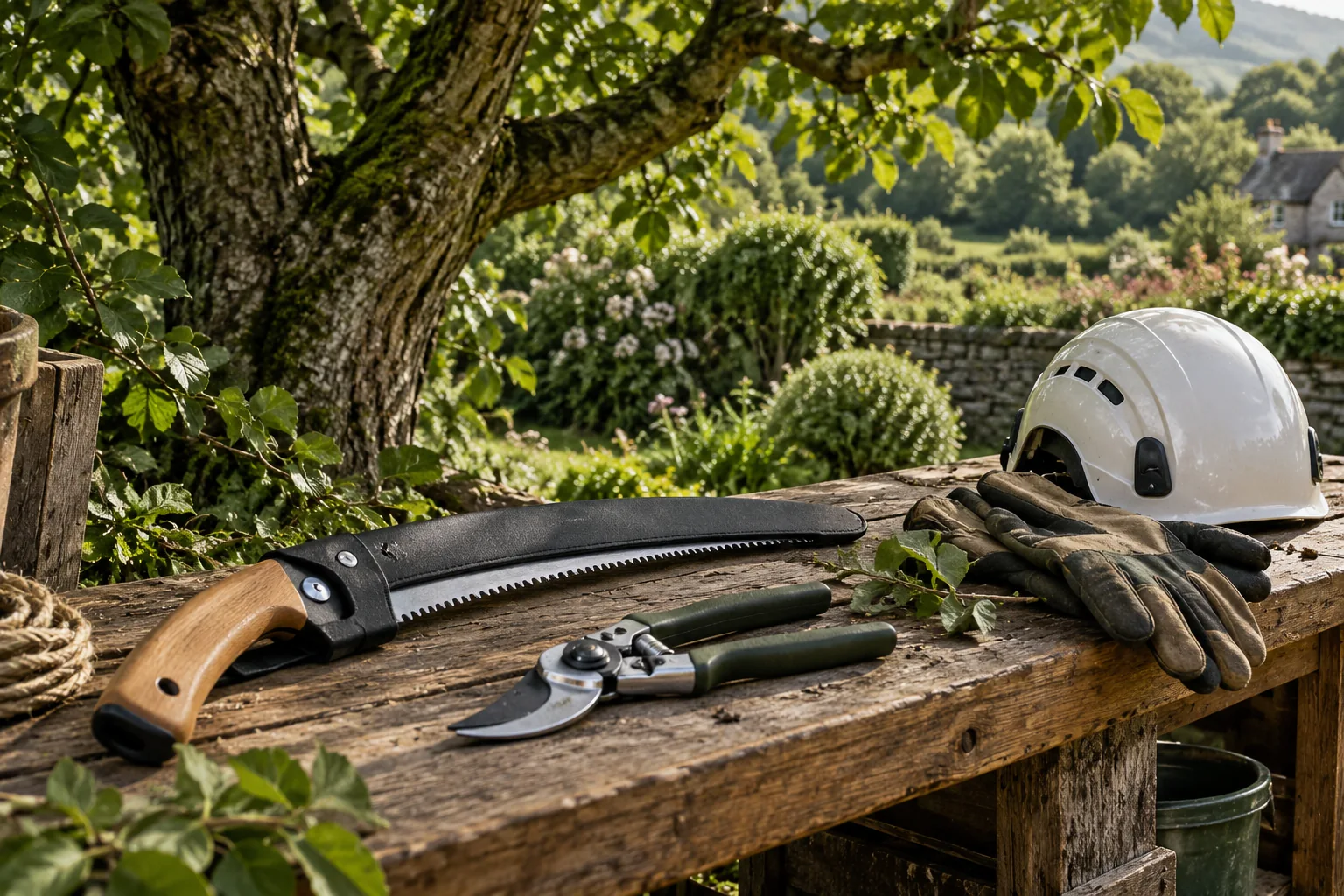
Start with the tree and the reason for the work
Call 020 3746 2449 with your postcode, photographs and a description of the concern. Mention any known protection, shared ownership or access restriction. A clear brief makes it possible to discuss a proportionate scope before choosing a date or making changes that cannot be reversed.
Call 020 3746 2449