
Gardeners
Hampstead
Preserve the structure of an established garden while tackling weeds, overgrowth and tired grass. Hampstead gardening advice covers shaded planting, plant-specific pruning, tree protection checks and a realistic maintenance plan for the space you have.
- Retain valuable established planting
- Assess light before lawn treatments
- Check tree constraints before changes
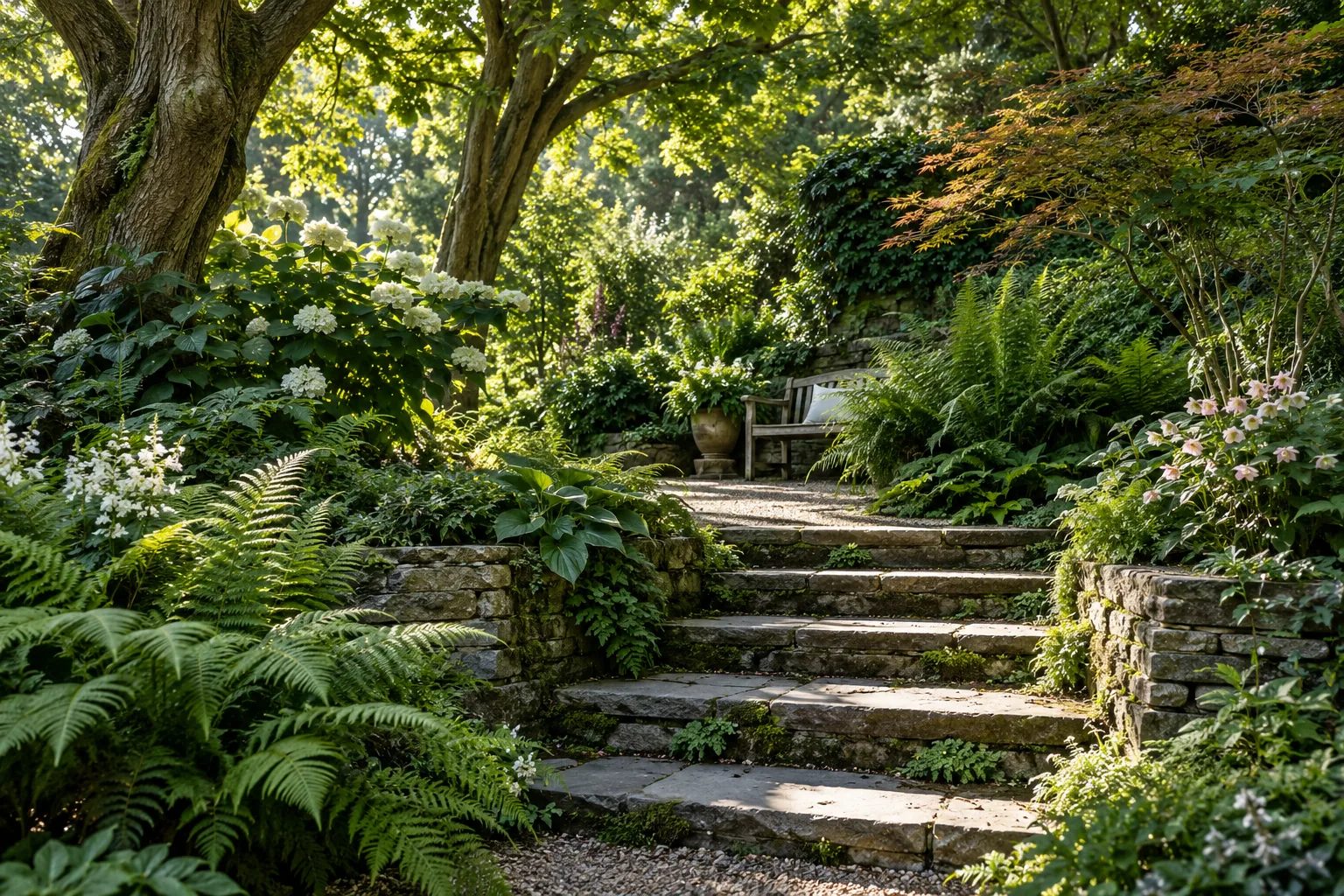
Preserve the good structure before tidying
Established planting is often worth understanding before it is cut back. For a Hampstead gardening enquiry, explain which shrubs flower well, where bulbs appear and which parts of the garden have become difficult to reach. Go Gardeners can discuss care that keeps useful structure while addressing weeds, encroaching growth and tired grass. A thoughtful first visit is particularly valuable if you have inherited a garden whose plants you do not yet recognise. Share photographs, a priority list and known restrictions so the proposed work begins with evidence rather than a general instruction to make everything smaller.
Walk through the garden and identify the features that make it work: a screen beside the terrace, a mature shrub that shelters a bed, or a climber framing a view. Mark these in photographs. Removing all tall growth may make the space look larger for a moment while losing privacy and planting that would take years to replace. A clear retention list is as important as the list of unwanted plants.
Routine maintenance can include careful weeding, mowing, edging and suitable shrub pruning. Choose work that helps the planting remain healthy and accessible. Different shrubs flower on different wood, so a uniform cut across the whole border is rarely a considered approach. If the plant’s identity is uncertain, leave enough information to identify it before agreeing a substantial reduction.
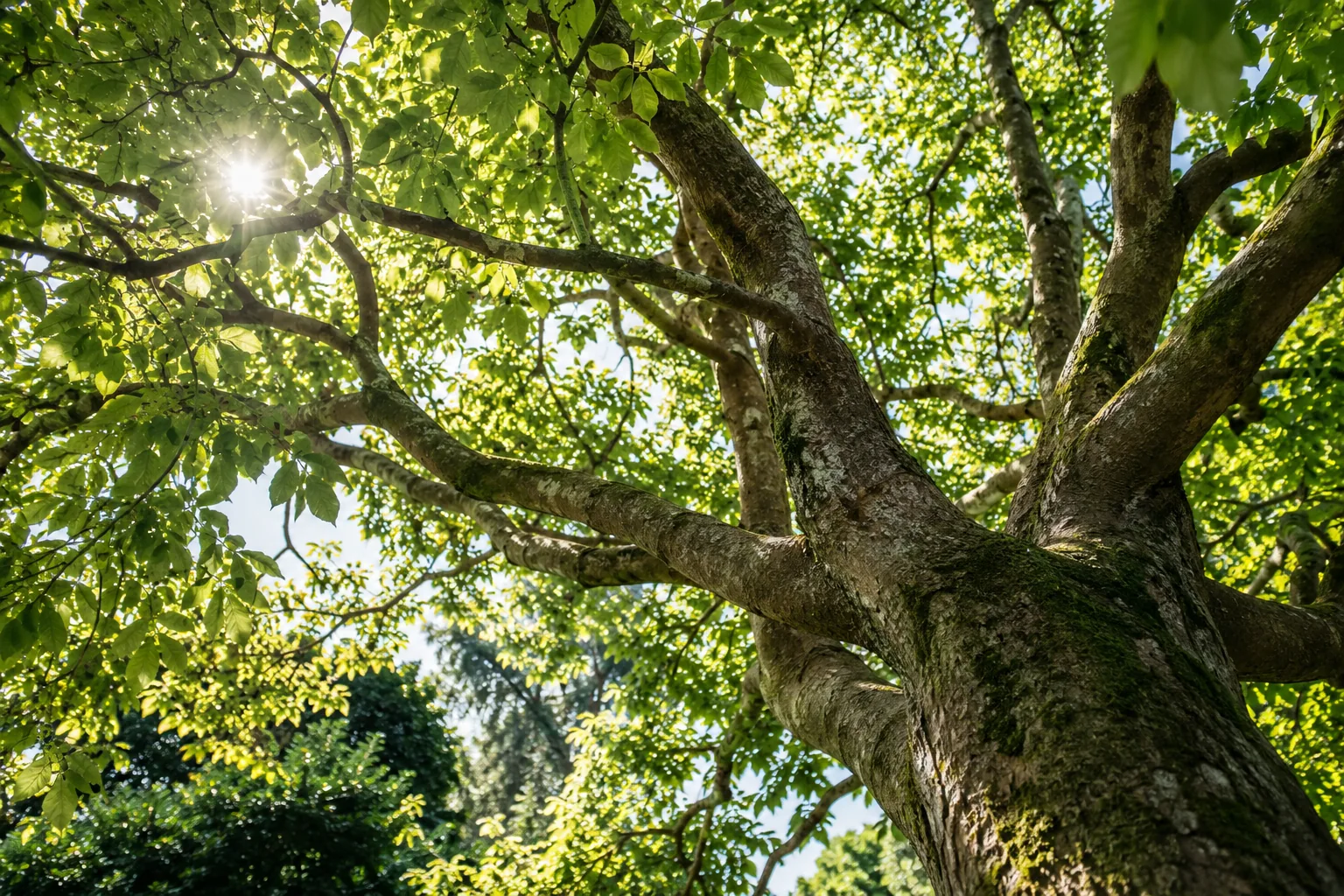
Shaded beds need realistic expectations
Observe the light through the day rather than labelling the whole garden sunny or shady from one visit. A border beside a wall may receive a short period of strong sun while the ground below established trees remains dry. Record which plants thrive and where replacements repeatedly fail. Conditions within one garden can vary enough to make a single planting prescription unhelpful.
Do not treat poor growth as proof that extra fertiliser is needed. Roots, moisture, compacted ground and unsuitable plant choice may be involved. Carefully adding appropriate organic matter at the surface can be different from digging deeply among established roots. If a redesign is needed, garden design and landscaping should consider those constraints before positioning new beds, paths or water-demanding plants.
Hampstead tree and conservation checks
Camden provides conservation-area information and a tree and landscape officer service for private-tree enquiries. Confirm the designation and tree status at the property before proposed pruning. Protection is address and tree specific; it should never be inferred solely from the name Hampstead.
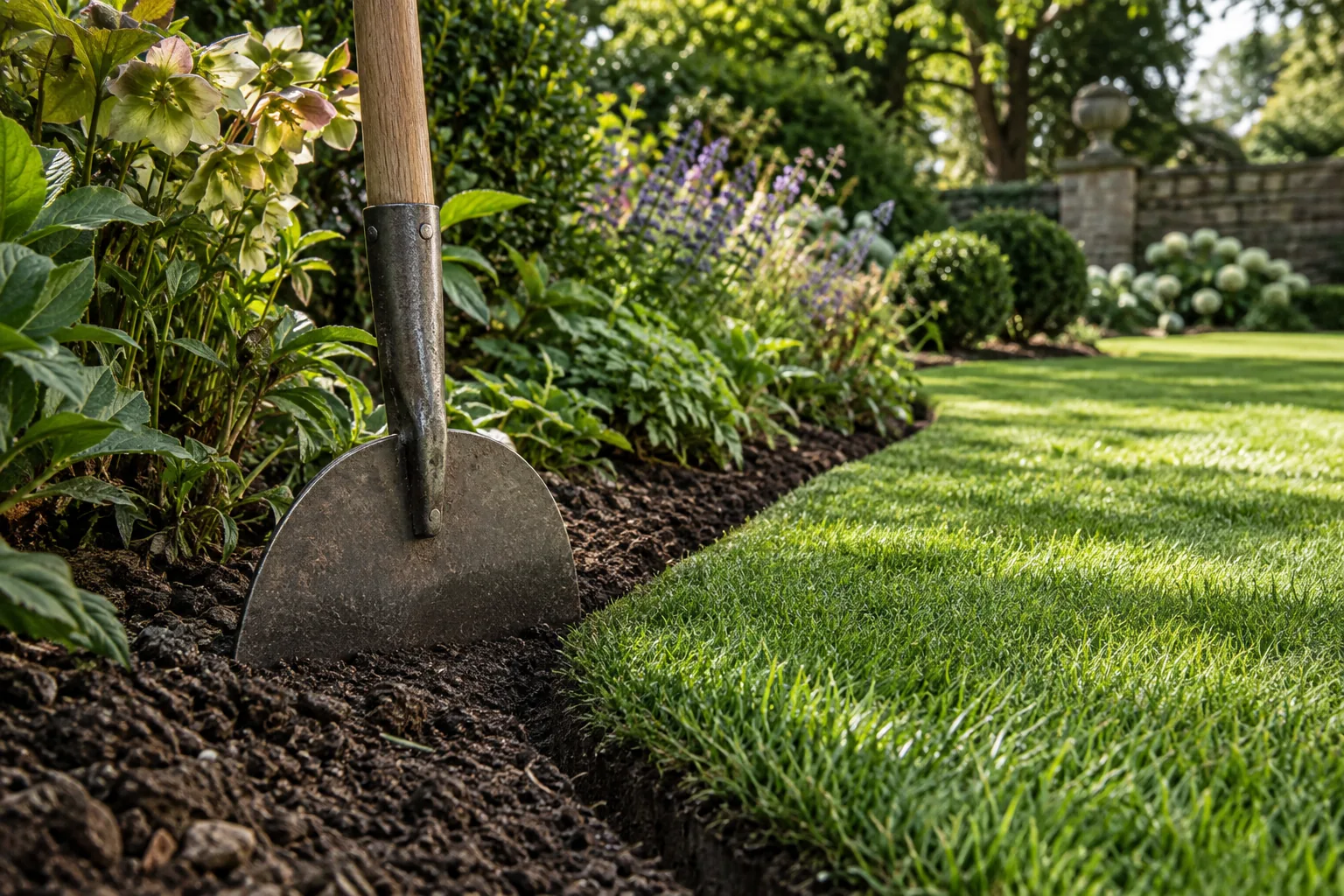
This check also matters when work is near roots rather than branches. New edging, digging or changes in ground level may need consideration around retained trees. Explain the intended operation and provide any existing correspondence. For high or substantial work, request tree surgery with a defined specification. Maintenance access and an available appointment do not themselves establish that a tree proposal can proceed.
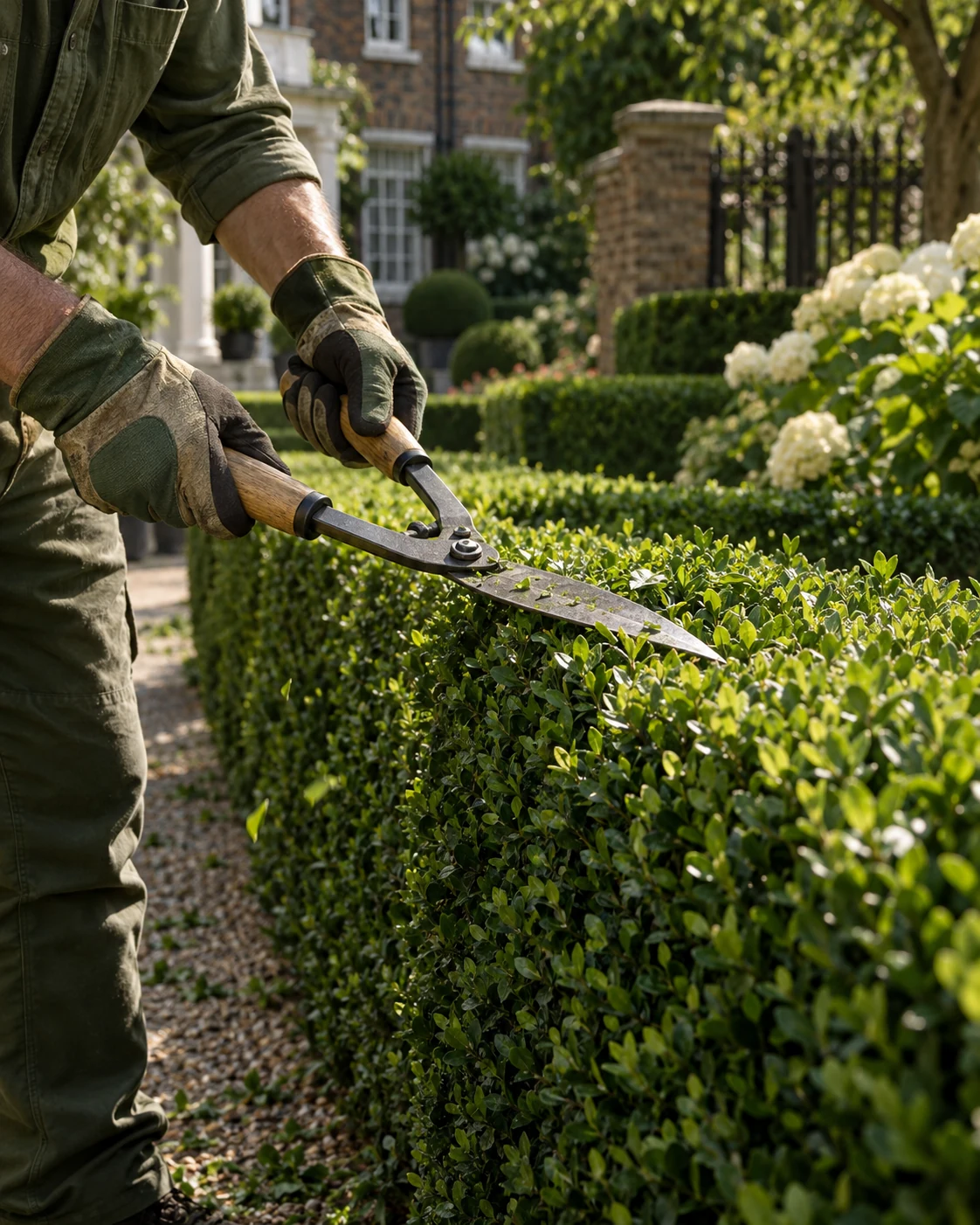
Help a lawn live with its surroundings
Where turf sits beneath trees or along a well-used route, investigate why it is thinning. Photograph it before mowing and describe the pattern of wear. A regular cut can keep grass presentable but cannot remove shade or stop people crossing the same strip. Lawn care should distinguish a routine cut from recovery work, and recovery work from a site where another surface may be more appropriate.
Avoid assuming a brown lawn is dead during a dry spell. The RHS drought guide explains why restraint can be useful. Adjust the cut and avoid unnecessary stress. If you want a consistently fine appearance, discuss the level of continuing care that implies, including what is realistic under the garden’s actual light and moisture conditions rather than an ideal photograph.
Recovering a garden without erasing it
An overgrown space may need staged garden clearance so valuable plants can be found and retained. Start with access and the area you want to use first. Clear photographs and a few labelled plants help prevent a mistaken removal. Where dense growth conceals the ground, the first stage may reveal damaged paving, old borders or objects that change the next step.
Separate top-growth removal from stump work and ground preparation. If a former shrub bed is to become a new seating area, there may be roots, levels and construction details to resolve afterwards. Ask for the resulting condition to be described plainly. “Clear the bed” can mean removing visible vegetation or a much more involved preparation; both parties should mean the same thing before the work begins.
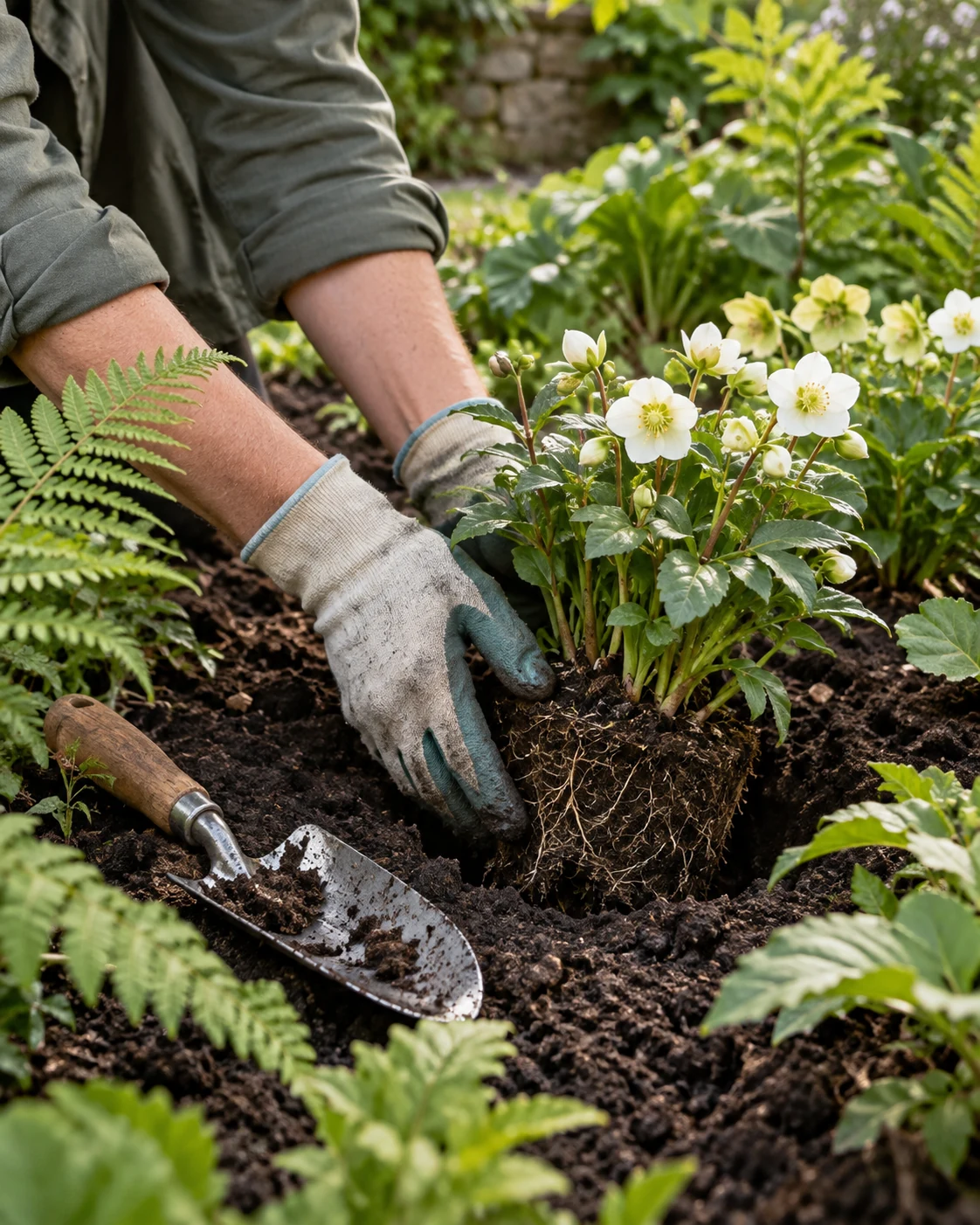
Seasonal pruning and wildlife
Spring is a time to work around emerging bulbs and perennials, retaining foliage needed for future growth. Summer work may focus on light shaping, deadheading and keeping paths open. When a flowering shrub needs attention, choose the timing by its identity and flowering habit. Cutting because the neighbouring hedge was cut last week is not a sufficient reason to use the same method.
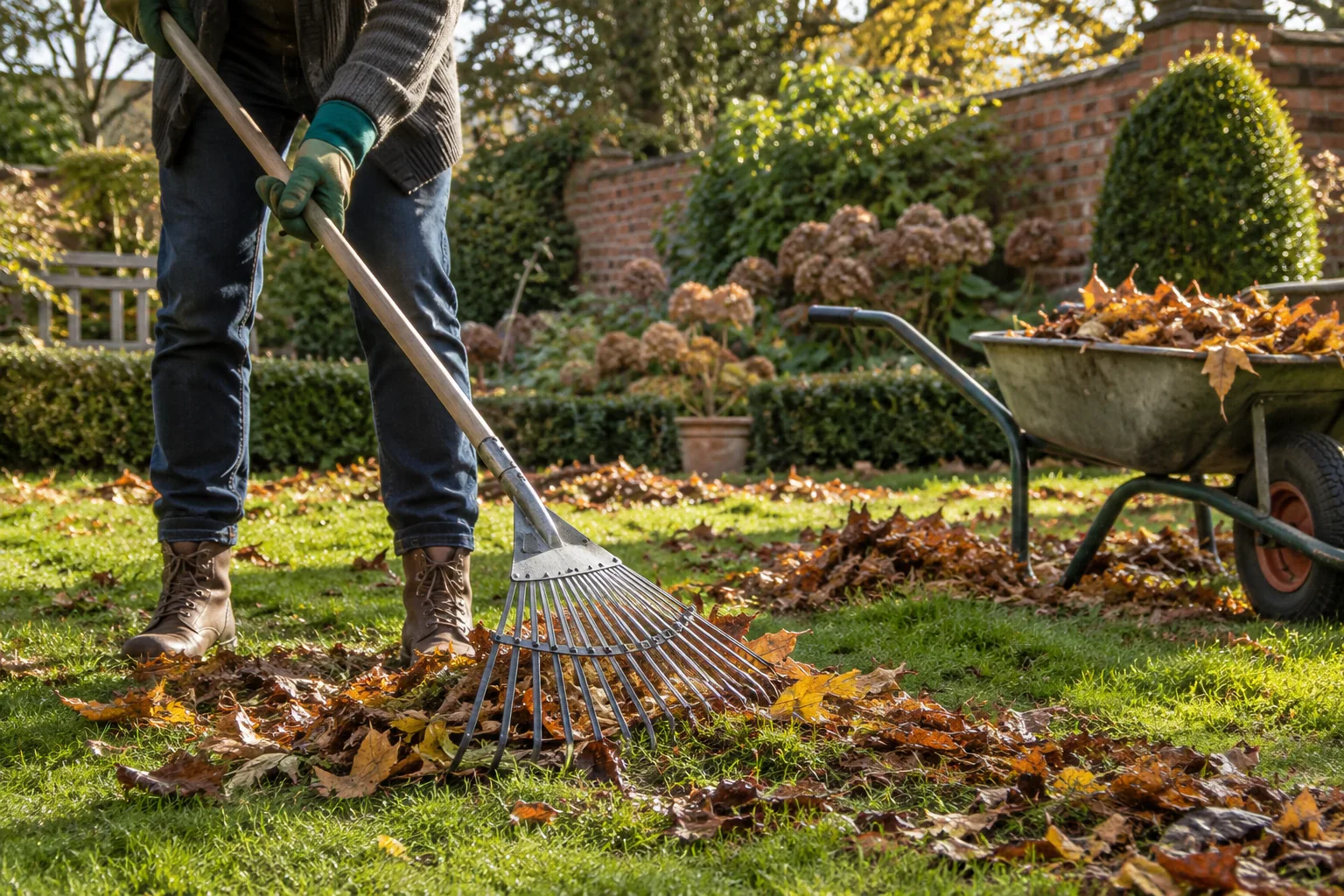
Autumn leaf collection should keep lawns and walking surfaces usable without automatically stripping every bed bare. Some leaves and standing stems can remain where appropriate. Before any hedge or dense shrub work, inspect for active nests and defer affected operations if necessary. Bird activity is not confined to a guaranteed legal cutting window. In winter, avoid unnecessary pressure on frozen turf or saturated ground, even when pruning elsewhere is suitable.
Choose the right kind of appointment
Recurring care suits a garden whose planting is sound but needs a reliable rhythm. Weekly, fortnightly and monthly options can be discussed, with seasonal tasks rotating through the schedule. Keep a simple record of what was done and what was left intentionally. This helps when a dormant plant appears absent or when a shrub should be allowed to flower before a later cut.
A one-off visit is useful for an assessment and a defined list of immediate work. It does not have to become a complete redesign. Begin with the parts affecting use, then decide whether later attention is needed. If extensive recovery is expected, allow for more than one stage and avoid treating an initial time estimate as a promise that hidden conditions cannot affect the scope.
Explain levels, stairs and delicate routes
Access should appear in the first photographs. Show changes in level, garden steps, narrow gates and the route from parking to the work. A garden that looks open in a photograph may still require every bag to be carried through several doors. Mention shared access and obtain the necessary agreement. Identify fragile edging, irrigation lines and surfaces that need particular care.
Before the visit, move small loose items where practical and keep animals and children clear of the working space. Mark plants to retain using labels that will survive the weather. If another household member will meet the gardeners, ensure they have the agreed priorities. Conflicting instructions can lead to time spent resolving decisions that could have been settled with a marked photograph beforehand.
Pricing for careful gardening work
The published maintenance, clearance and lawn care arrangement is £79 for the first hour and £65 for subsequent actual hours, with two gardeners, equipment and bags. Up to 120 litres of green waste is included; additional removal must be confirmed. Use the live price information and confirm the service, postcode and any applicable area or congestion charge during the enquiry.
Careful hand work among established plants can take longer than cutting an open strip. Height, access, volume and the required finish also affect time. Tree operations and landscaping use separate quotations or rates, and jet washing is priced differently. Prioritise work if you have a budget limit. Protecting a valued border while clearing an entrance can be a better first stage than spreading the available time too thinly.
Hampstead gardening questions
Need to discuss your own garden or property? Call with photographs and your postcode.
Ask about your visitCan you leave a shrub until after it flowers?
Yes, identify it and explain that flowering is a priority. The timing of suitable pruning depends on the plant. A maintenance list can include weeding and path clearance while deliberately leaving a shrub for a later visit, rather than forcing every plant into the same schedule.
I have inherited an unfamiliar garden. Where should I begin?
Photograph it through the season and mark plants you know. Start with access, obvious weeds and basic care while identification continues. Avoid wholesale clearance simply because the layout looks crowded in winter; bulbs and perennials may be temporarily invisible and useful structure may become clearer later.
Does a shaded lawn always need replacing?
Replacement is not automatically the answer. The cause of thinning and the intended use need to be understood first. New turf in the same difficult conditions can struggle again. Discuss maintenance, realistic recovery and alternative layouts before paying for a surface change that does not resolve the underlying constraint.
Can gardening include work near a protected tree’s roots?
Raise the issue before digging, installing edging or changing levels. Tree protection can be relevant below ground as well as above it. The proposed operation needs checking with the council or appropriate specialist; describing it as gardening does not make root damage acceptable or remove applicable controls.
Will leaf collection remove every leaf from beds?
Agree the finish you want and what is horticulturally appropriate. Paths and turf may need clearing while selected leaves can remain in planted areas. A selective approach should be described in the priority list so deliberately retained material is not mistaken for unfinished work.
Can I book substantial branch reduction as maintenance?
Describe the tree separately and send photographs of the full crown and surrounding obstacles. Substantial or high branch work needs a tree-work assessment, with protection and access resolved. It should not be added casually to a general mowing and weeding appointment on arrival.
What if the garden is reached down several steps?
Photograph the entire route and give useful dimensions where space is tight. Carrying equipment and cuttings affects working time and feasibility. Mention handrails, changes of direction and any shared areas so the arrangement can be considered before the booking is accepted.
Which neighbouring locations can I check?
Camden, Finchley, Islington and Barnet are included in the approved coverage list. Use the relevant area page and confirm the exact address directly. Availability depends on the requested work and schedule, so a listed location is a starting point for an enquiry rather than a guaranteed immediate visit.
Plan the next Hampstead garden visit
Call 020 3746 2449 with your postcode, photographs and a short retention list. Explain what has become difficult to maintain and any known tree restrictions. Go Gardeners can discuss a first stage that improves use of the space while giving established planting the care and consideration it needs.
Call 020 3746 2449Gardening nearby.
View all 60 coverage areas ↗Hampstead on the map.
Approximate area centre for orientation. Call to confirm availability for your exact postcode.