
Garden Design & Landscaping
London
Create a garden that works as beautifully as it looks. Discuss planting, paving, lawns and boundaries through a measured plan and a clear project quotation.
- A measured plan for how you use the garden
- Paving, planting, fencing and turfing
- Materials and labour in a project quote
A brief that starts with use
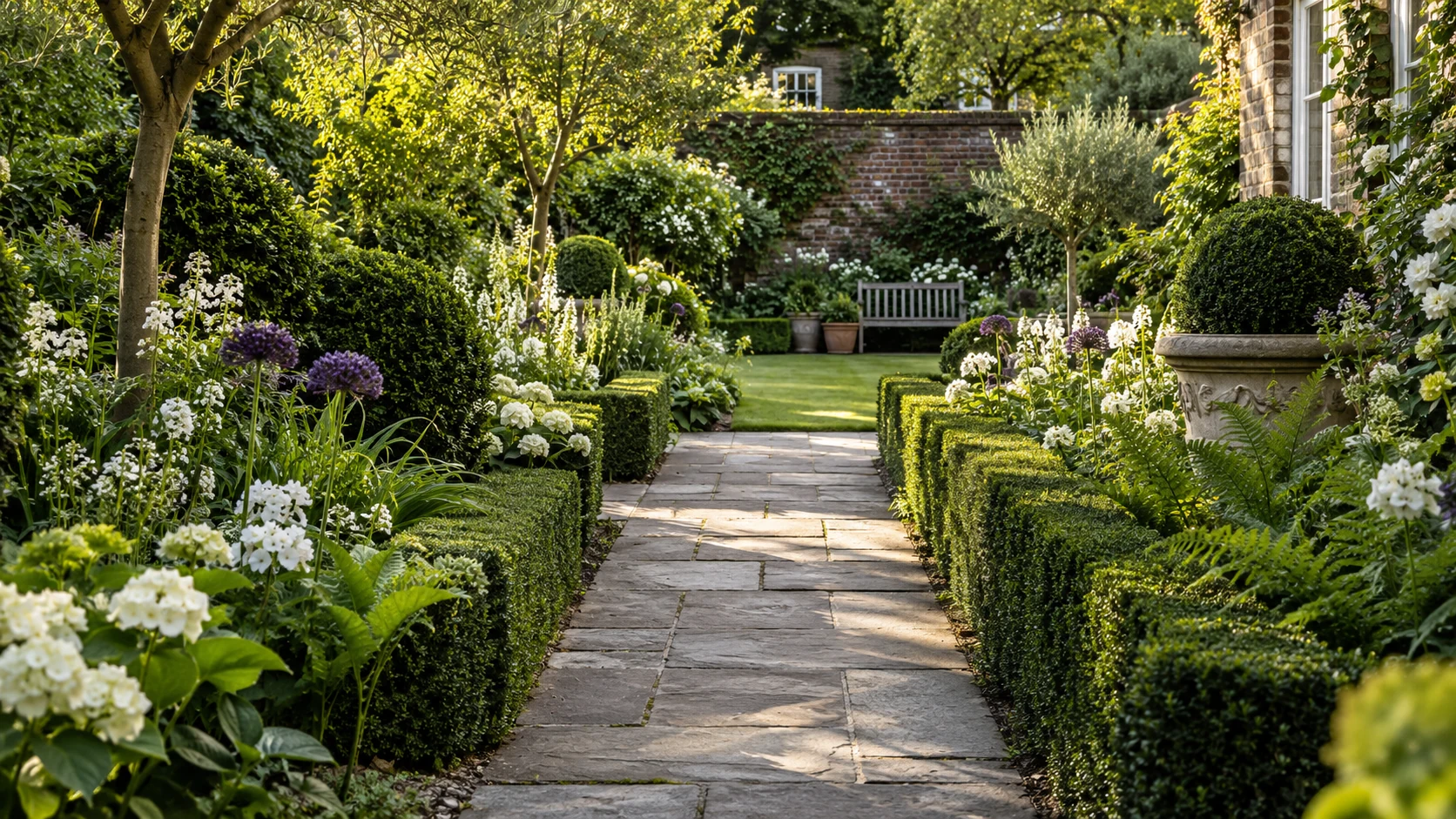
A successful garden layout makes everyday use straightforward. There is somewhere to sit, a sensible route through the space, planting that can be looked after and surfaces that suit their purpose. Go Gardeners offers garden design and landscaping in London. Begin with the changes you need, the features worth keeping and a realistic budget. Measurements and a discussion of the site should come before ordering materials or committing to a finished design.
Think about an ordinary week in the garden. Where do you step out with a cup of tea? How do bins, bicycles and garden tools move through the space? Does a table fit comfortably when chairs are pulled back? Those questions reveal more than a collection of attractive photographs alone. Bring reference images, but explain what you like about them: the planting, the feeling of enclosure or the relationship between lawn and terrace.
List the things that currently fail. A path may be too narrow, a seating area may catch little light or the lawn may be difficult to maintain. Separate essential repairs from changes you would enjoy if the budget allows. Also identify established plants, trees and materials you want to retain. Working with a sound feature can be more useful than assuming that every project needs a completely cleared site.
What the landscaping enquiry can cover
Paving, paths and places to sit
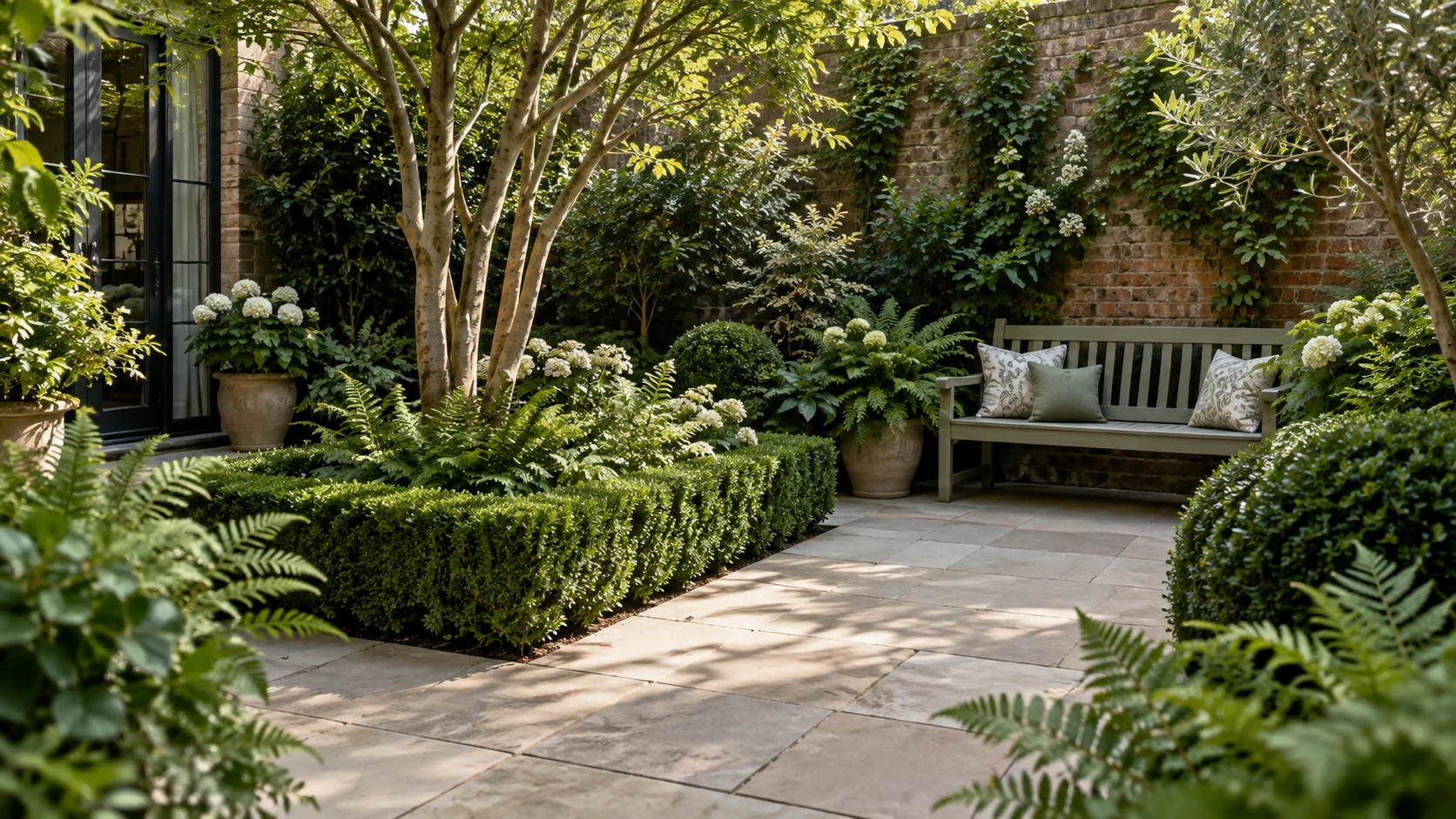
For paving, discuss the material alongside levels, the foundation, drainage and how the surface meets the house. Ask how those details will be assessed and specified. A photograph of a beautiful patio does not describe the construction needed on your site. Existing loose slabs or damaged joints should be identified before a new finish is considered.
Fences, decking and garden structures
Fencing and repair, decking and repair, and shed installation or repair are listed service areas. Describe the dimensions and existing condition, and explain ownership or shared-boundary arrangements. Ask which preparation, supports and removal are included. A new panel fitted into failing posts is a different proposal from replacing the boundary structure, just as a cosmetic decking repair differs from replacing an unsound frame.
Lawns, levels and planting
Turfing, levelling and planting need an understanding of the ground and intended use. New turf does not correct every drainage or shade problem by itself. Plant choices should reflect light, moisture, space and the care you can provide afterwards. If considering artificial grass, discuss drainage, maintenance and the practical trade-offs rather than treating it as a surface that never needs attention.
Survey first, then a defined quotation
A landscaping assessment establishes measurements and the proposed work so the quotation can set out materials and labour. Confirm the current survey and quotation arrangements when you enquire. The important outcome is a scope you can read and compare: what will be removed, what will be built or planted and how the garden will be left.
Ask where assumptions remain. Buried rubble, unknown foundations, restricted access or changes to the design can affect the work. A useful quote identifies exclusions and how changes will be agreed. Do not compare two totals until you understand whether both include preparation, disposal, materials, finishing and aftercare information. The lowest-looking figure may simply describe less work.
Set a budget that includes preparation
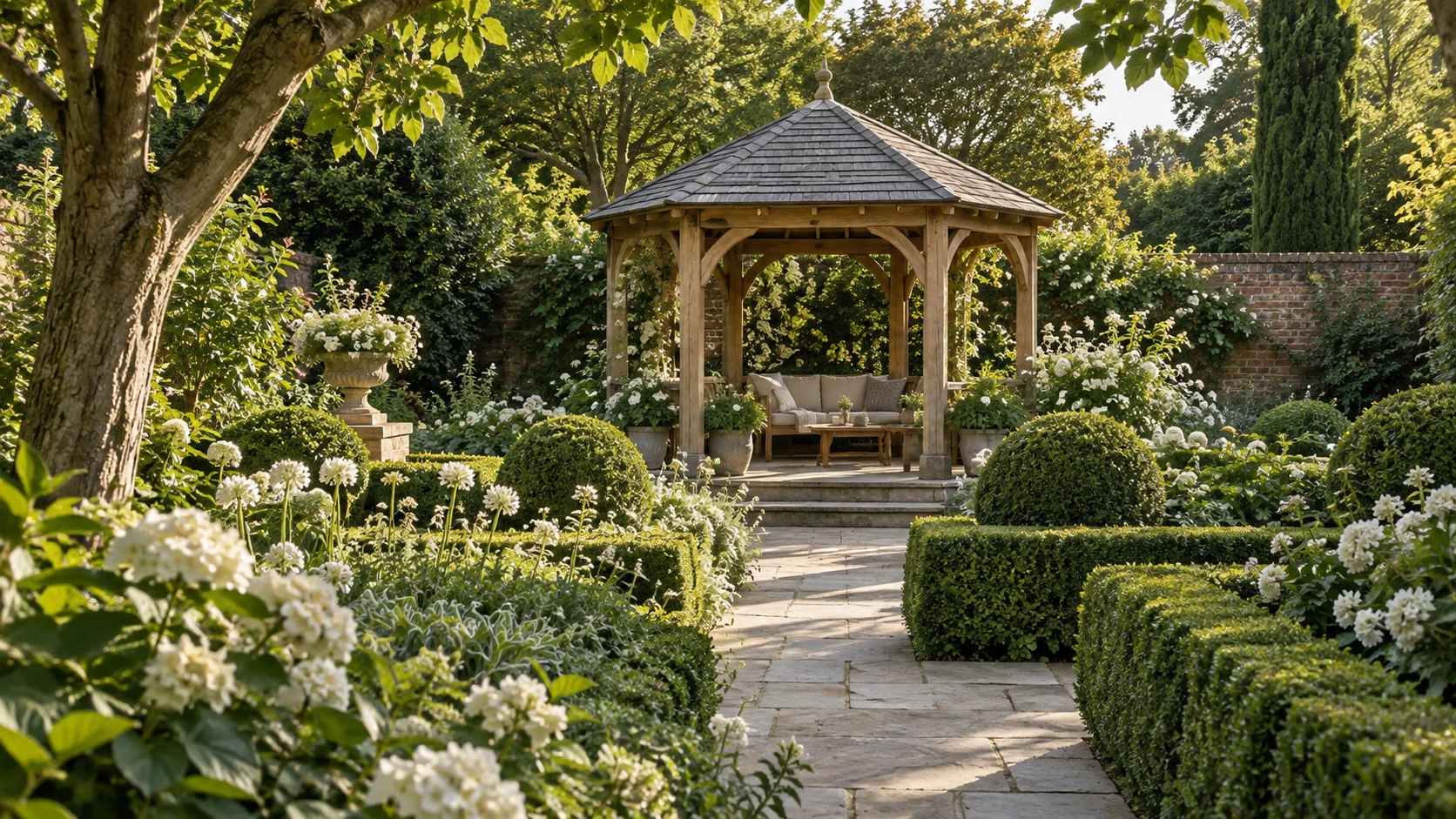
Landscaping is priced per project, rather than at the hourly maintenance rate. Size and materials matter, but excavation, waste handling, access and the existing condition can be just as important. A small terrace reached through a narrow passage may involve substantial carrying. Send access photographs with your initial enquiry so the conversation is grounded in the actual site.
The published price guide confirms the project-based approach. If the preferred plan exceeds the budget, ask which changes have the greatest effect on usability and which can wait. A phased plan should still consider the final layout. Installing a surface now that must be lifted for later drainage or access work is an expensive way to split the project.
Plan the planting as carefully as the paving
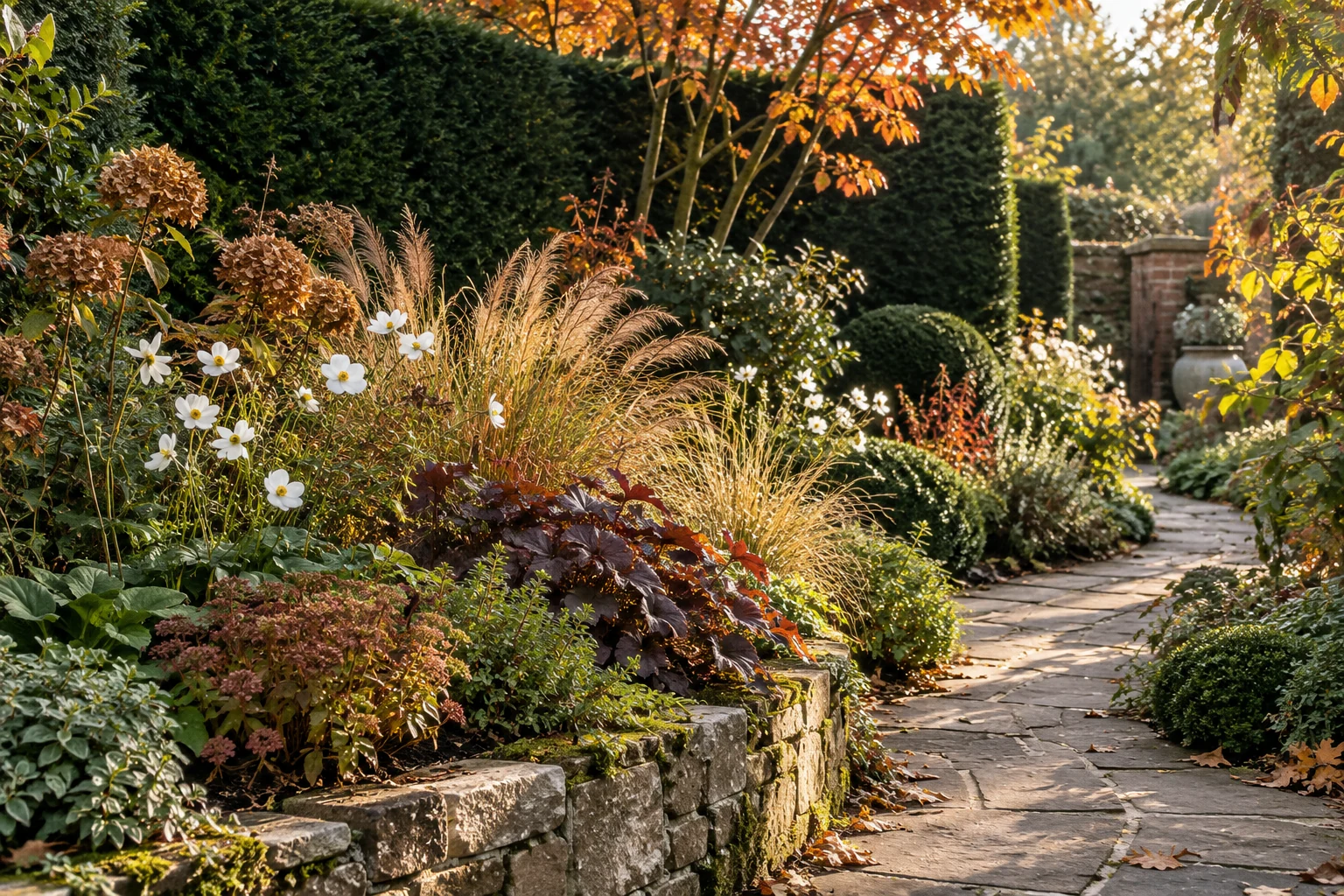
Notice the light at different times and explain how exposed or sheltered the space feels. Look at the existing plants: what thrives, what repeatedly struggles and what has simply outgrown its position? These observations are useful evidence, though they are not a substitute for assessing the ground. Avoid choosing a whole planting scheme solely by flower colour or a single photograph taken at the best moment of the season.
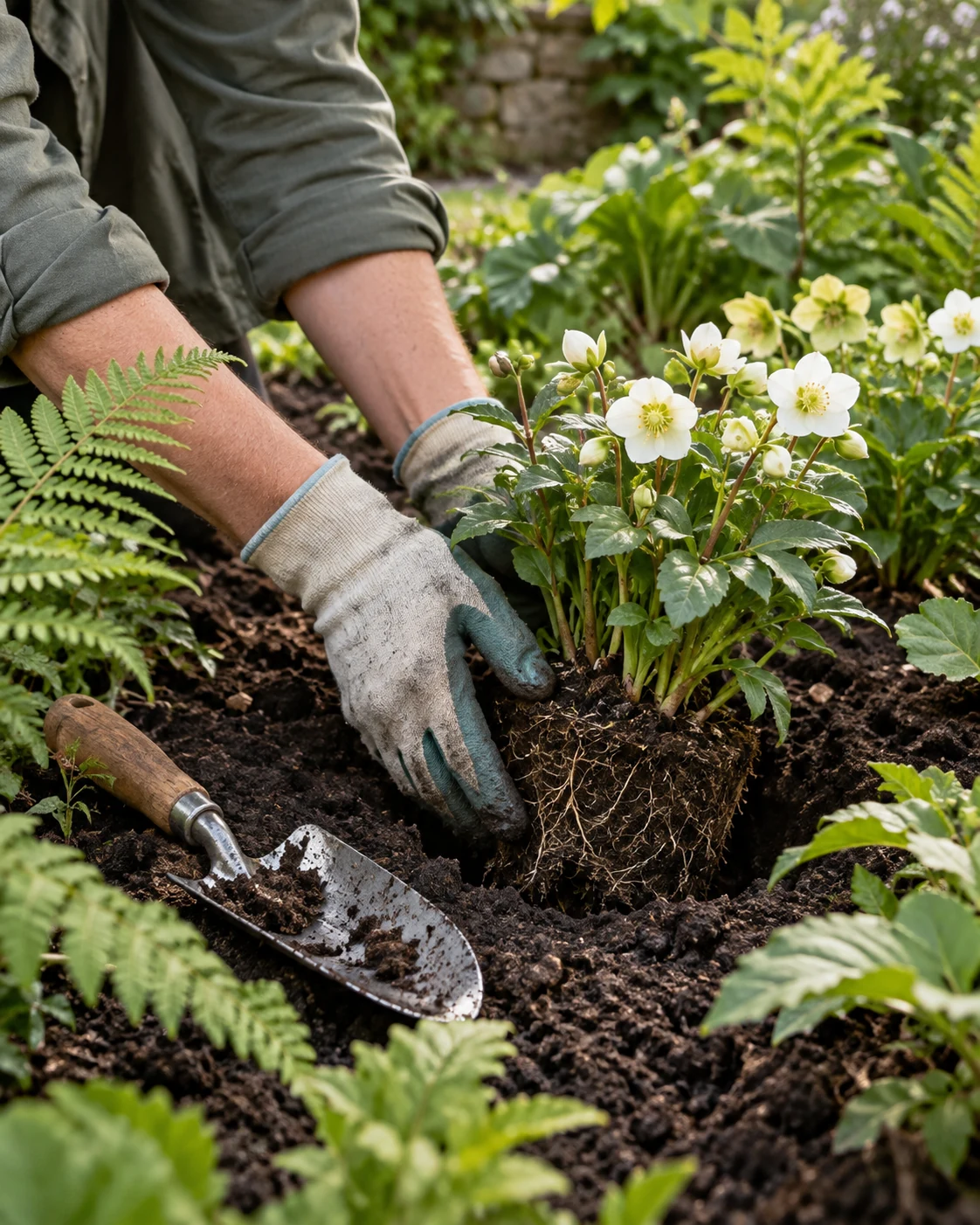
Allow space for mature growth and for access to maintain it. A narrow strip that looks generous around small nursery plants can become crowded later. Think about evergreen structure, seasonal interest and how much cutting back you want to do. New planting also needs establishment care. Agree who will water, how access to water will work and what attention is needed after the installation team leaves.
Ground conditions and water need site-specific decisions
Explain where water collects after rain and whether the garden changes sharply from sun to shade. Do not assume that every London garden shares one soil type or drainage solution. Working wet ground can cause damage, while adding materials without a clear purpose may create a new problem. The proposal should respond to what is actually found and to the intended use of the space.
Changes to levels, boundaries, structures and drainage can involve permissions or technical requirements. Check relevant restrictions with the council or appropriate specialist before treating a design as ready to build. This service page does not establish that a particular proposal is permitted. Protected trees and conservation-area conditions also need attention where they are relevant to the site.
Prepare the property for the agreed work
Discuss storage, working access, water and power requirements before the start. Identify shared routes and any restrictions on deliveries or parking. Move personal items from the work area where practical, but do not dismantle structures or disconnect services yourself just to make the site appear ready. Agree which preparation is your responsibility and which belongs in the contract.
Tell the team about known cables, pipes, irrigation, drains and features below the surface. Keep children and pets away from the work zone. If the garden must remain partly usable, explain that need early; it can influence the sequence. A project is easier to live with when the route through it and the handling of materials have been discussed, rather than improvised each morning.
Keep the finished garden manageable
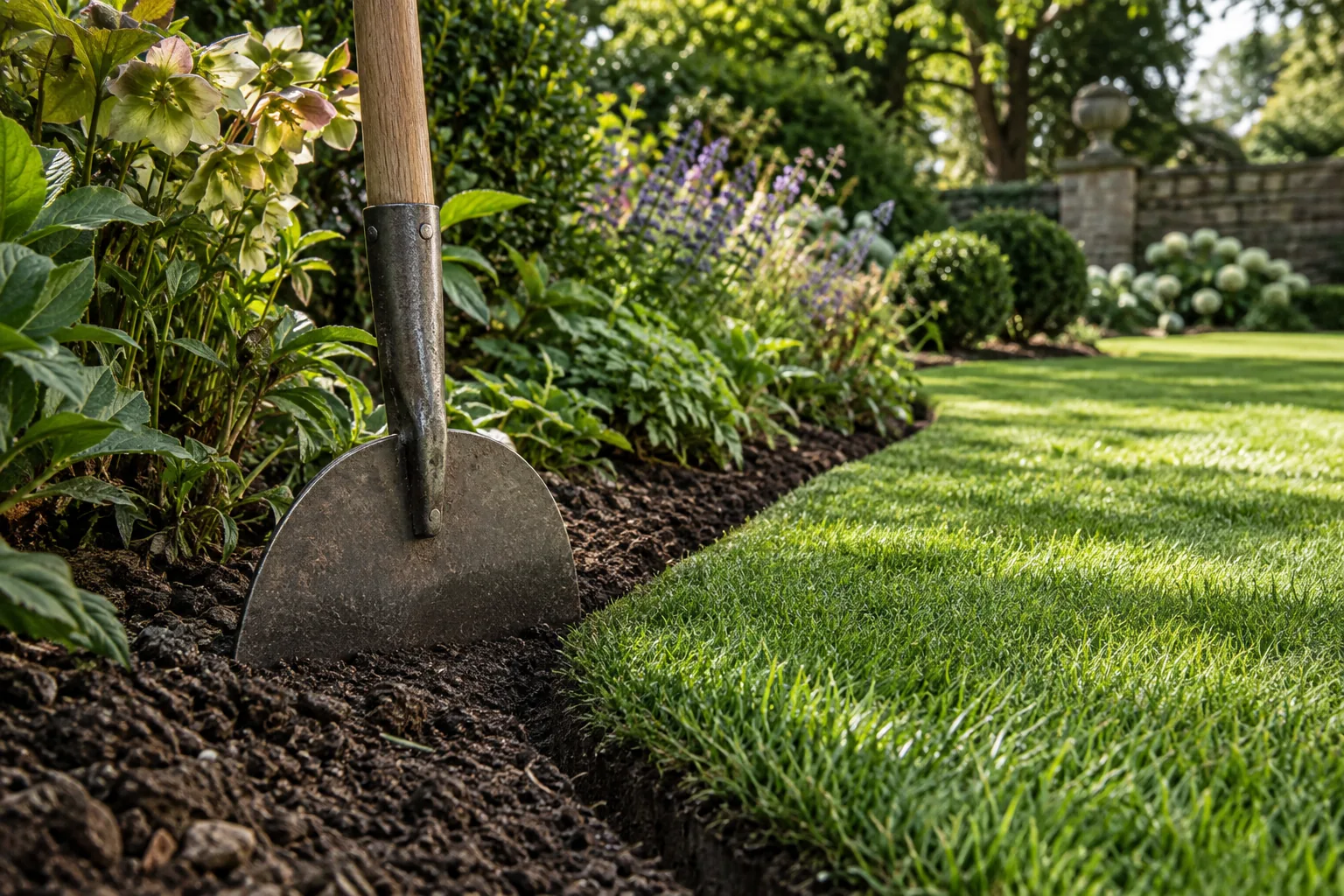
A new layout still needs care. Turf, beds, hedges, timber and hard surfaces all have different maintenance demands. Ask for the aftercare relevant to the installed materials and planting, and keep product information where it is supplied. Plan the routine before completion so the garden is not left without watering, mowing or basic upkeep during its most vulnerable early period.
For ongoing plant care, discuss garden maintenance. If an existing garden first needs opening up for assessment, garden clearance may be a useful separate step. Tree surgery should be considered on its own merits before a layout is designed around a tree that may be retained, reduced or removed subject to the necessary checks.
Landscaping questions
Need to discuss your own garden or property? Call with photographs and your postcode.
Ask about your visitCan I keep part of the existing garden?
Yes, make retained features part of the brief. Identify plants, trees, paving and structures you value and explain any known defects. A survey can then consider how they fit the proposed work. Retaining something should be a deliberate decision, with protection and access discussed, rather than an assumption left unstated.
Is the first discussion enough for a fixed price?
An initial conversation helps define the enquiry, but measurements and site conditions matter. The published process includes a landscaping visit and a detailed quotation. Ask what information is still needed and which assumptions affect the figure before treating an early budget conversation as a final specification.
Are materials included in the quote?
Check the written breakdown. The live service says materials can be provided upon request, but the actual products, quantities and preparation need agreeing. If you want to supply something yourself, discuss suitability, delivery timing and responsibility before ordering it. A material choice can affect construction as well as appearance.
Can new turf fix a muddy lawn?
Not necessarily. Persistent wetness may involve compaction, levels or drainage, and shade or heavy wear can also limit grass. Ask for the cause to be considered before replacement. New turf needs an appropriate base and aftercare; it is not a universal cover for an unresolved ground problem.
Can the project be done in stages?
Discuss a phased approach around the final plan and budget. The sequence should avoid undoing completed work to reach a later stage. Access, drainage and preparation may need attention before the visible finish. Ask which parts can sensibly stand alone and what temporary condition each phase will leave.
Do you build new fences and decking?
The existing service lists fencing, decking and associated repair enquiries. Describe the dimensions, condition and access, and confirm the proposed scope directly. Structural supports, boundary ownership, removal of old material and the finish should all be clear in the quotation rather than assumed from a general service heading.
How should I choose plants?
Start with light, moisture, available space and the amount of care you can sustain. Bring preferences for colour and style, but allow those practical conditions to guide the selection. Ask about mature size and establishment watering, particularly where a small bed or container limits the room for roots.
Where is the service available?
The coverage directory contains the approved London and M25-area locations. Call with the postcode, a description of the proposed changes and photographs. Project suitability, survey arrangements and scheduling need confirming separately; a listed area does not establish that a particular design or construction proposal can proceed.
Bring a clear brief, not a finished answer
Call 020 3746 2449 with the changes that matter most, the features to retain and a budget range you are comfortable discussing. Include photographs of the access and the whole garden. That creates the basis for a measured proposal, with the practical details considered alongside the appearance.
Call 020 3746 2449