
Gardeners
Tottenham
Make a compact garden easier to use through selective pruning, careful border work and realistic pot care. Discuss Tottenham gardening around the seating, paths and screening you need, with conservation checks and clear access arrangements.
- Recover room around seating
- Plan container watering between visits
- Retain useful boundary screening
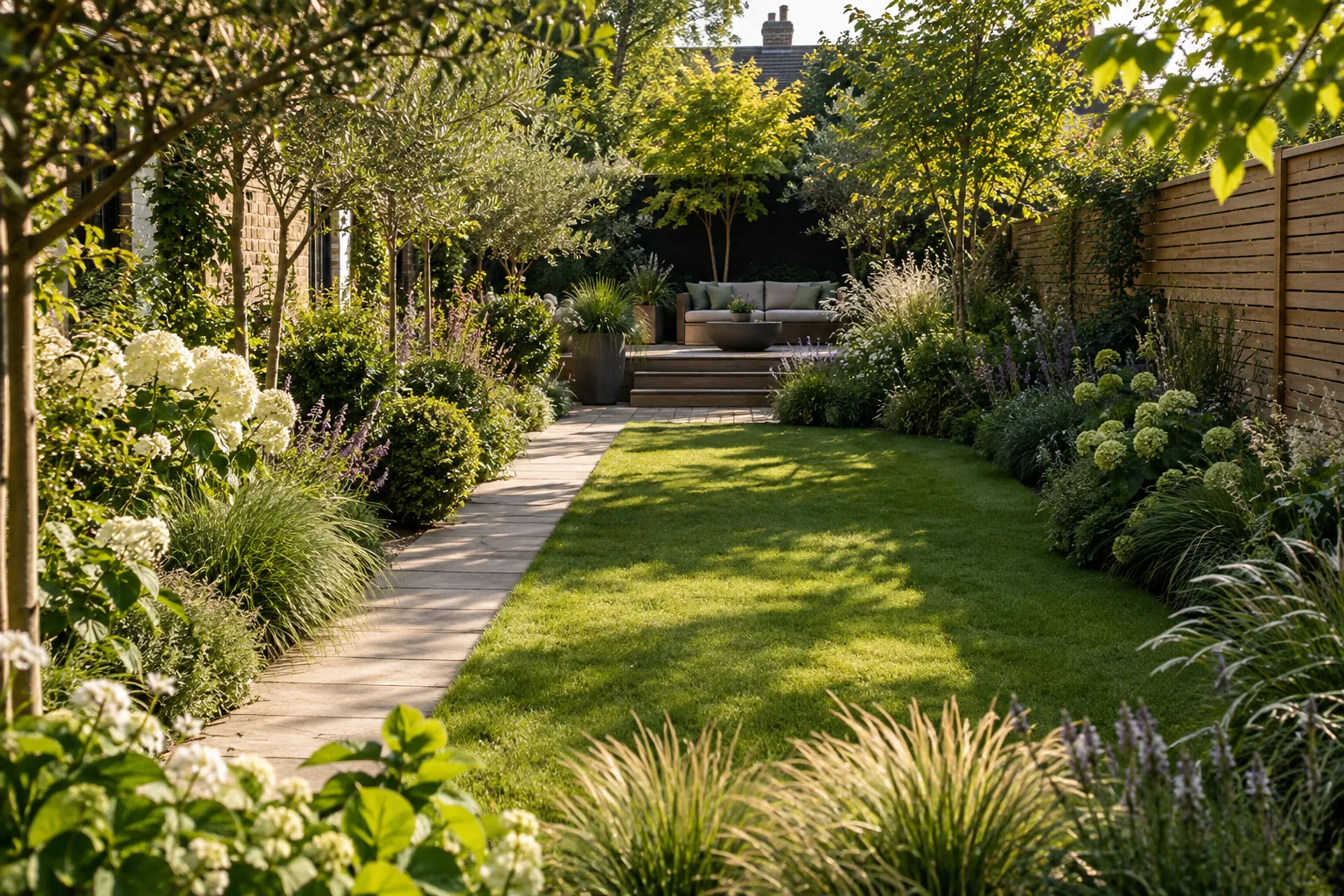
Make a compact garden work harder
A Tottenham garden can look untidy for several different reasons: grass has outgrown the mower, climbers have crossed a doorway, or a small bed has become difficult to weed without damaging everything around it. The most useful booking identifies which of those problems needs solving first. Go Gardeners can discuss routine care and one-off gardening, with the proposed work based on photographs, access and your priorities. Describe the result you want in everyday terms, such as a clear dining space or a front path that two people can pass along comfortably, before deciding how much work to book.
In a confined space, growth at the edges can matter as much as the total planted area. A projecting shrub can make a chair unusable or force people across a border. Start by identifying those pinch points. Light pruning, edging and selective weeding may restore room without stripping out the planting that gives the garden privacy. Check the shrub’s identity and growth habit before deciding how far it can be reduced.
Keep the working brief precise. A courtyard with pots needs a different sequence from a lawn with narrow beds, even if both occupy similar floor space. Garden maintenance can combine agreed tasks, but fitting more work into the list does not make it fit into the appointment. Choose the essential result, then name the tasks that would be useful if time remains.
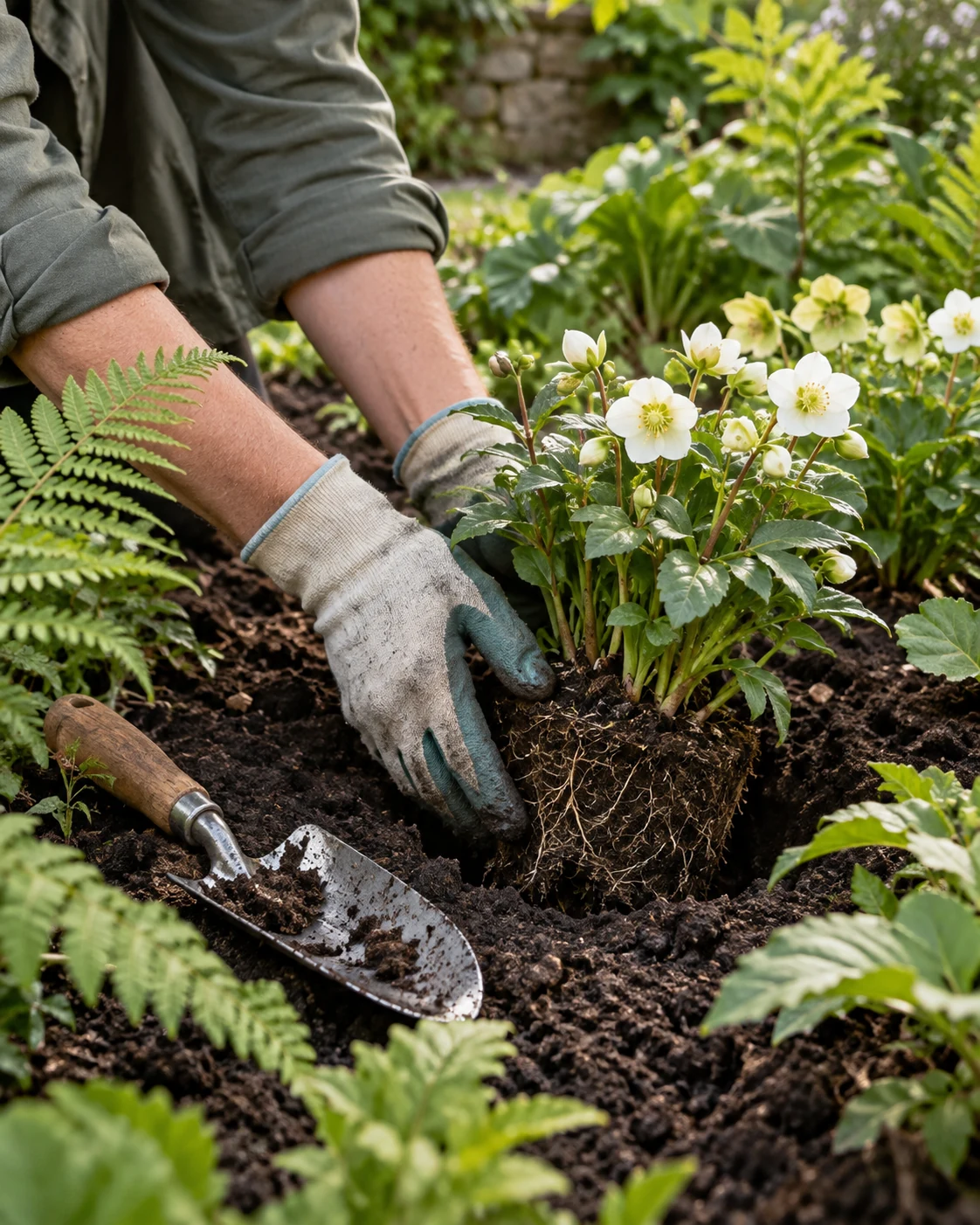
Separate tidying from a recovery job
Where ground is visible and plants are reachable, ordinary weeding, mowing and clipping may be enough. If vegetation hides steps or rubbish, begin with garden clearance. Tell the booking team about hazards you know are present and avoid entering inaccessible growth to investigate. A safe opening stage can reveal what further work is required without committing to wholesale removal beforehand.
Clearance is not automatically preparation for turf or planting. Roots, compacted ground and unwanted material may need additional work after top growth is removed. Keep an area for retained plants and agree whether stumps, hard waste and bulky objects are included in a separate quote. A photograph showing the area behind the first wall of growth is helpful if it can be taken safely.
Caring for boundaries without creating disputes
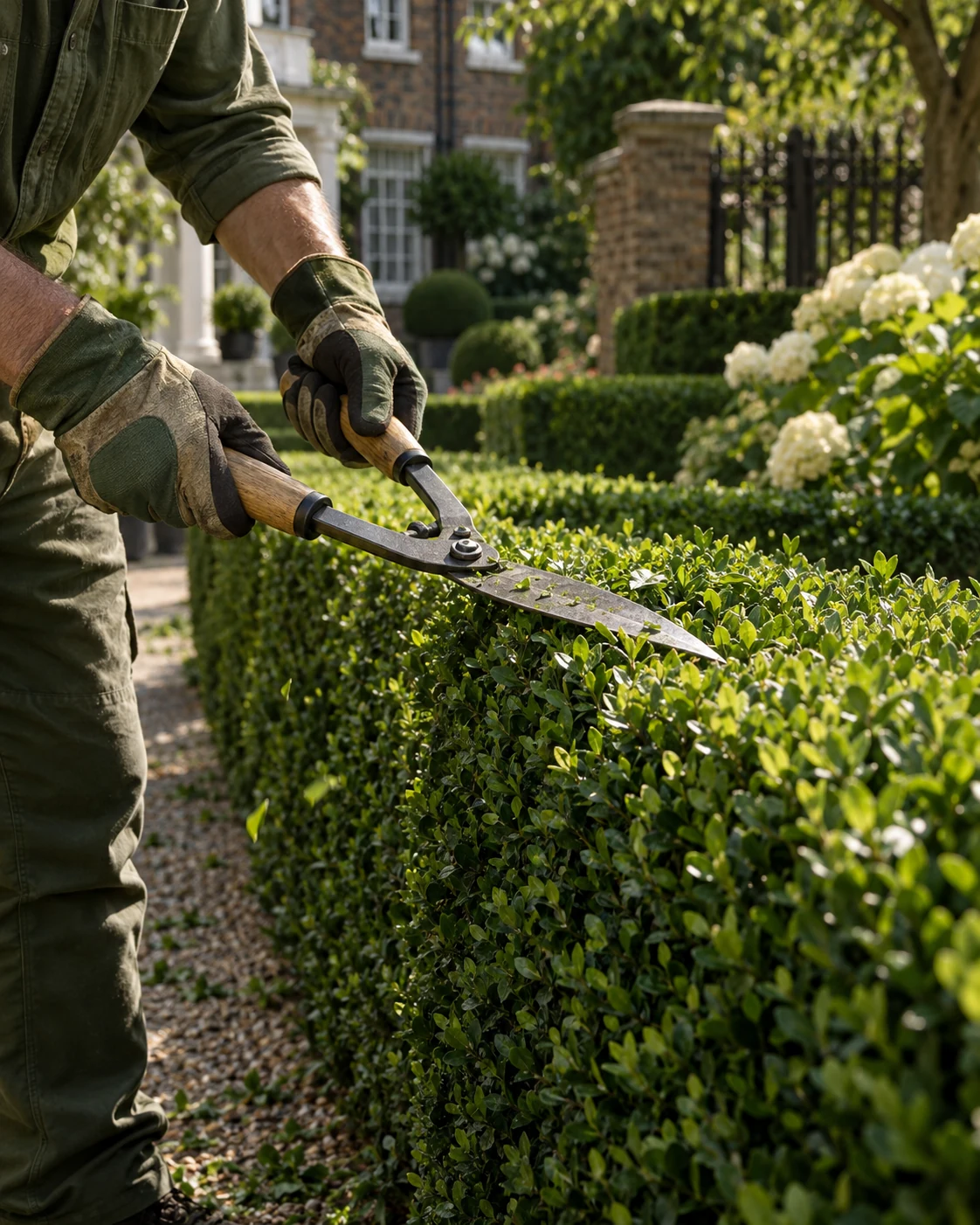
Describe the hedge’s approximate length, height and access to both sides. If the outside faces a public pavement, explain that constraint when booking. A gardener needs to know where cuttings can be caught and collected without obstructing others. Agree the finished outline with the person entitled to authorise the work; privacy screening and a neighbour’s expectations should not be decided by guesswork on the day.
Substantial tree branches require a different approach from young hedge growth. Use tree surgery for an assessment of height, branch weight and safe access. Protection checks come before cutting. Active bird nests also require care throughout the year: report activity and defer any work that would affect a nest in use or being built. A date in the diary does not override the conditions found on arrival.
Tottenham’s local conservation context
Haringey’s design and conservation guidance provides the route to conservation-area checks. For garden trees, confirm the property’s designation and any tree protection before pruning. Parts of an area having conservation status does not mean every Tottenham property has identical controls.
Keep the tree identified clearly in the enquiry: a wide photograph, its position relative to the house and the proposed change are more useful than “trim the big tree”. If ownership or permission is uncertain, resolve it before setting a work date. The government’s tree protection guidance explains the broader framework, while the council should confirm what applies to the particular case.
Lawn edges, wear and small grass areas
A narrow lawn may suffer where everyone follows the same route. Before treating a bare strip, consider whether it is serving as a path. Repeatedly reseeding a shortcut can waste money if the use never changes. A lawn care discussion should include wear, light, mowing history and moisture, with photographs taken from the same position over time where possible.
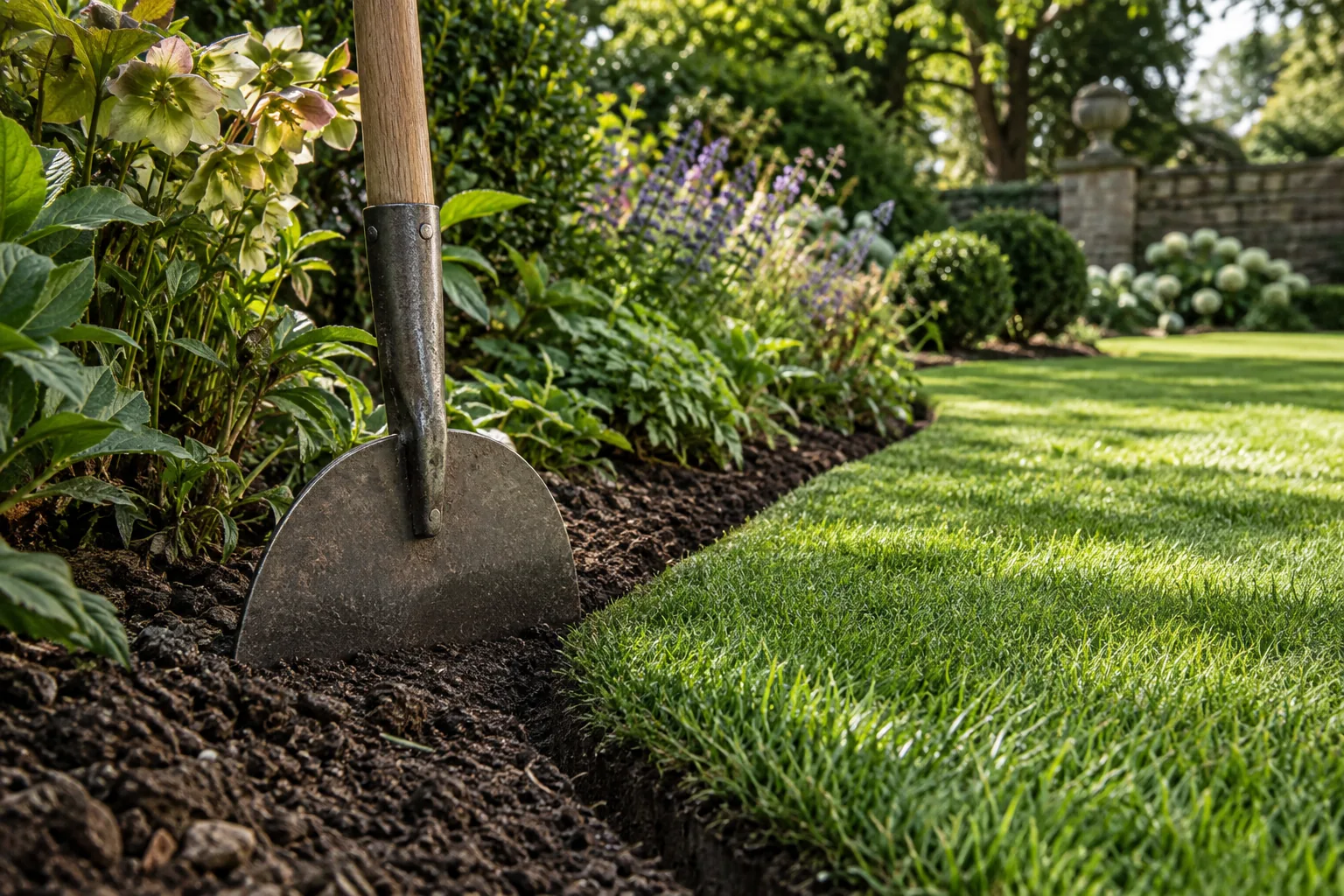
Keep grass long enough to tolerate the conditions instead of pursuing the shortest cut. During dry weather, unnecessary cutting can add stress. In wet periods, repeated traffic or equipment on soft turf can leave damage. A tidy edge can improve the appearance while the main surface needs restraint. If a permanent route is the answer, discuss its design and construction separately from mowing.
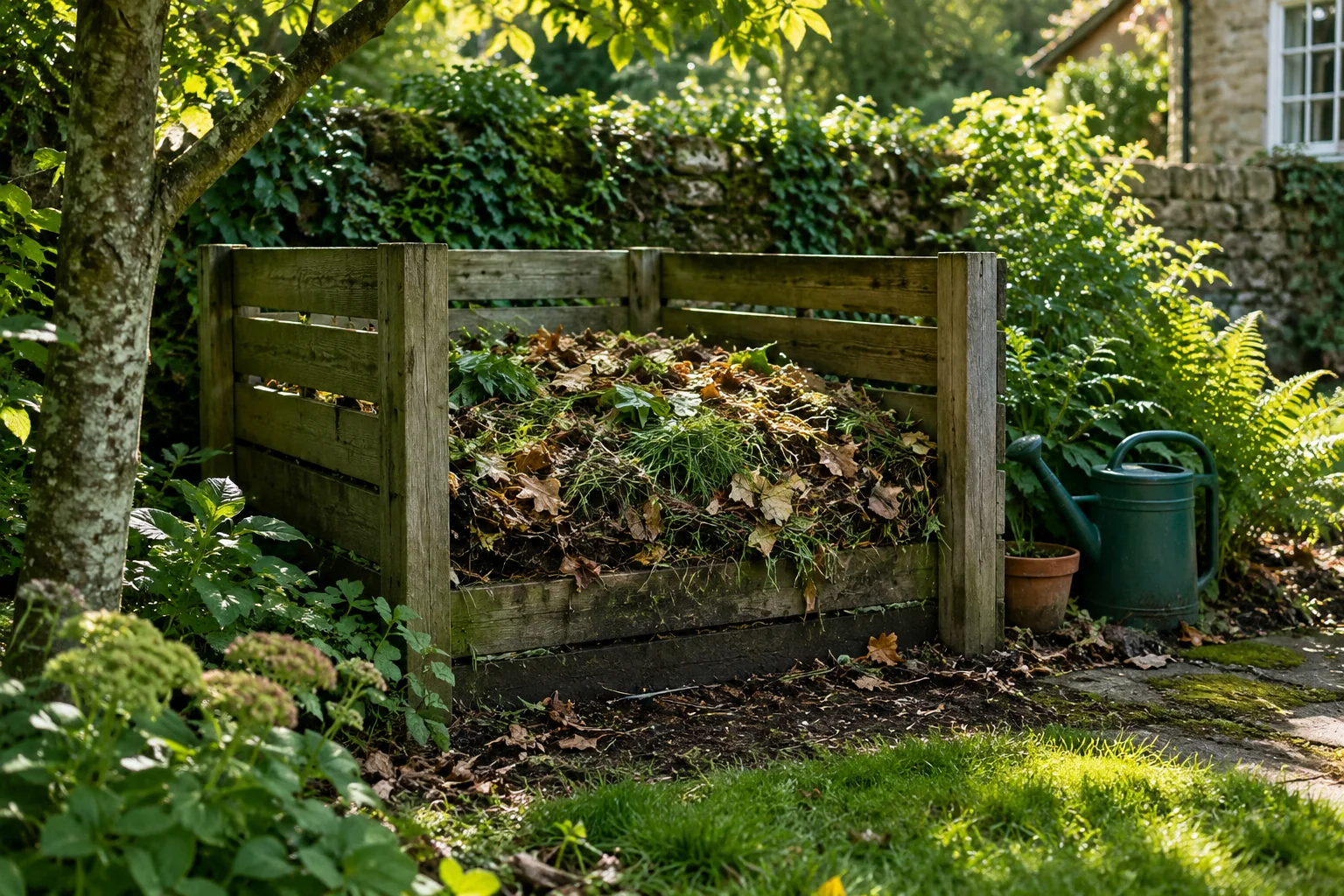
Containers need an aftercare plan
Pots can add planting where there is little open ground, but their maintenance does not end with planting day. Check drainage holes, the stability of the container and whether water can be delivered without carrying it through the house repeatedly. Match the plant’s mature size to the available space. A large shrub sold in a small nursery pot can become a considerable watering and pruning commitment.
The RHS guide to watering containers is useful for checking moisture rather than watering by habit alone. Agree who will check pots between gardening visits, particularly during holidays. If you want planting supplied, discuss the exact plants, quantities and materials beforehand. Unplanned shopping during a maintenance slot is not a reliable way to produce a considered scheme.
Choose a sustainable visiting interval
Regular care can keep weeds small and prevent access narrowing again. Discuss weekly, fortnightly or monthly visits according to the workload and the tasks you handle yourself. Record a simple seasonal list rather than expecting the same operations every time. A hedge may need occasional attention while grass and weeds require more frequent checks, so a useful maintenance schedule changes through the year.
One-off work suits a specific tidy-up or a reset before you take over the routine. Ask what remains after the appointment and how quickly the cleared area may regrow. If a bed will stand empty, plan ground cover, mulch or subsequent planting where appropriate. A bare patch left without follow-up is likely to need attention again; clearance is a starting point rather than permanent weed prevention.
Preparing the house route and shared access
Photograph every restricted part of the route, including turns, door thresholds and steps. Mention pale carpets, delicate floors or doors that must not be left open. If access crosses communal land, check permission and practical arrangements with those responsible. Do not assume a shared gate will be unlocked simply because it normally is. Tell the team where parking is possible and whether a visitor permit is required.
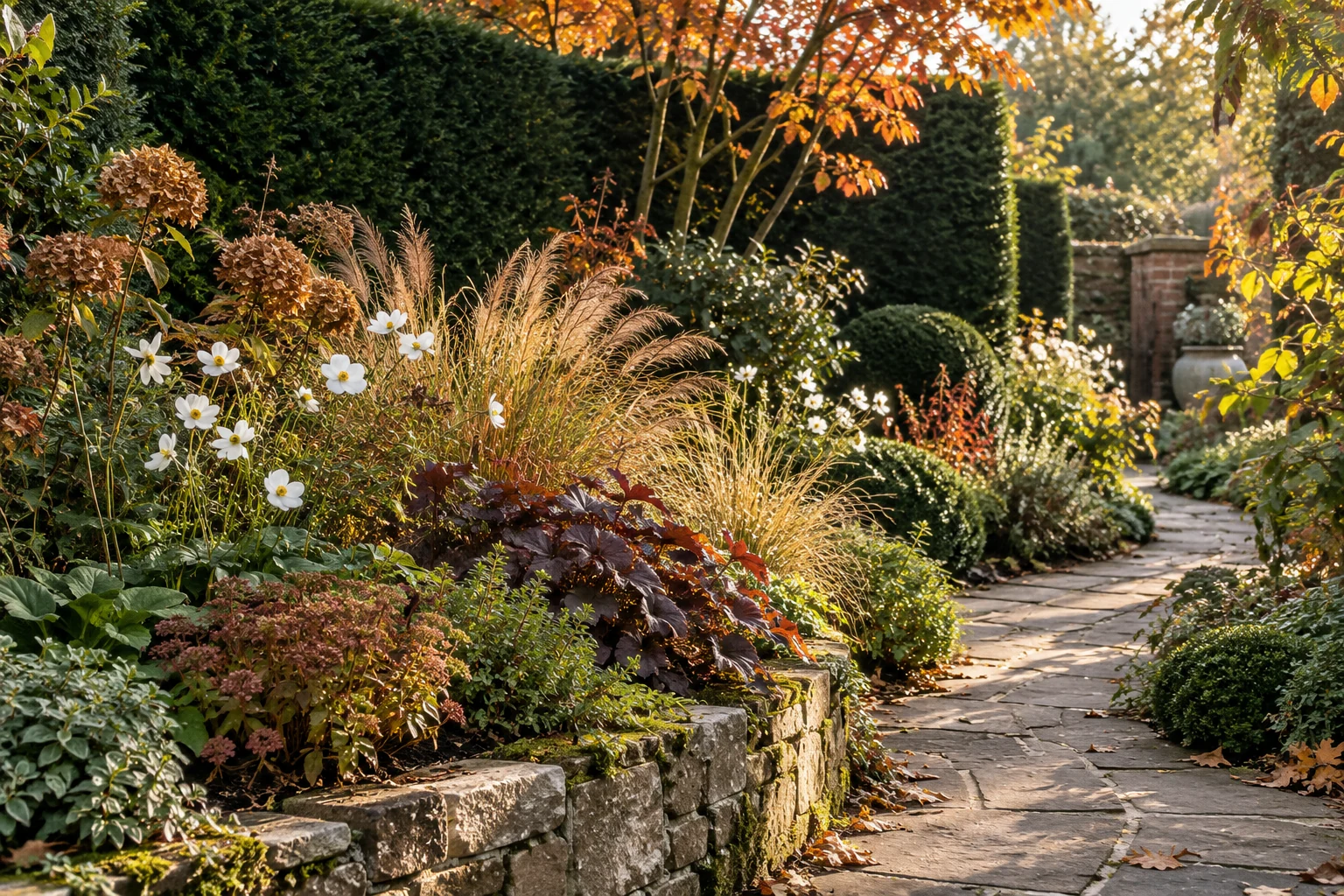
Move small furniture and loose items where safe, and mark bulbs, young plants and self-seeded flowers you want retained. Identify outdoor cables or irrigation lines. Keep pets away from tools and open gates. If you cannot attend, provide a marked image and a clear way to contact you. That is especially valuable on a first visit when the distinction between an unwanted seedling and a cherished plant may not be obvious.
How scope affects the charge
The published gardening rates for maintenance, clearance and lawn care are £79 for the first hour and £65 per subsequent actual hour. Two gardeners, tools and bags are described, with up to 120 litres of green waste included. Extra removal needs confirmation. Read the current price guide and confirm your postcode, service availability and any relevant congestion charge before agreeing the booking.
Carrying waste through several doors, picking weeds from closely planted pots and recovering tangled climbers can all take time that is not obvious from garden size alone. Share the difficult details early. Landscaping, jet washing and tree work use their own rates or project quotations. If you need a redesigned route or new beds, discuss garden design with a separate scope rather than treating construction as an extension of basic gardening.
Tottenham gardening questions
Need to discuss your own garden or property? Call with photographs and your postcode.
Ask about your visitCan you keep screening while making a seating area usable?
Show the view you want screened and the branches interfering with the seat. Selective pruning may help, depending on the plant. Agree the retained height and width first; cutting everything level can remove useful cover and may expose bare wood that will not regrow as hoped.
Is a tiny garden necessarily a short job?
No. Tight planting, many containers and difficult access can make a small space labour intensive. A broad photograph and close views of the detailed tasks give a fairer basis for estimating than floor area alone. State the outcome and allow the work to be assessed.
What should I do about a climber tangled around a cable?
Photograph it from a safe position and identify the cable if known. Mention it before booking and avoid pulling the growth. The safe approach depends on what it has reached; some situations need another specialist before routine gardening can begin around that part of the boundary.
Can a monthly visit replace watering my pots?
It cannot provide the frequent moisture checks many pots need in warm weather. Keep an aftercare arrangement with someone who can respond between visits. If that is impractical, discuss fewer containers or planting that better matches the care you can reliably provide.
Can you trim the street-facing side of my hedge?
Explain its position, height and pedestrian access so the working arrangement can be reviewed. Confirm that you can authorise the work. Do not assume the team can occupy the pavement or work around passing people without a suitable method and sufficient room.
Should I empty a bed before asking for new planting?
Usually it is better to photograph and identify what is there first. Some established plants may be worth retaining or dividing. Clearing in advance can remove useful structure and make it harder to assess the garden’s seasonal interest, especially if you have recently taken responsibility for it.
Is conservation-area permission part of an ordinary gardening booking?
Do not assume it is. Explain known restrictions and establish the required council consent or notice before tree work is scheduled. An estimate describes potential work; it does not establish that the proposal is authorised for the tree at your address.
Are other nearby areas in the directory?
Edmonton, Palmers Green, Hackney and Islington are included in the approved coverage directory. Check the page that matches the property and give the postcode when enquiring. The service and available date still need confirmation even if a neighbouring district is listed.
Book Tottenham gardening around a clear result
Call 020 3746 2449 and describe the part of the garden that is hardest to use. Send its photographs with the access route and any planting instructions. The next step is to agree a practical scope, the gardening price basis and a plan for what should happen after the first visit.
Call 020 3746 2449Gardening nearby.
View all 60 coverage areas ↗Tottenham on the map.
Approximate area centre for orientation. Call to confirm availability for your exact postcode.