
Gardeners
Enfield
Plan maintenance around what the ground and plants are showing you. Enfield gardening can address grass, borders and selective clearance while recording wet patches, protecting soft routes and distinguishing routine care from problems needing separate assessment.
- Record wet areas while the problem is visible
- Protect soft ground from unnecessary carrying
- Separate drainage concerns from routine gardening
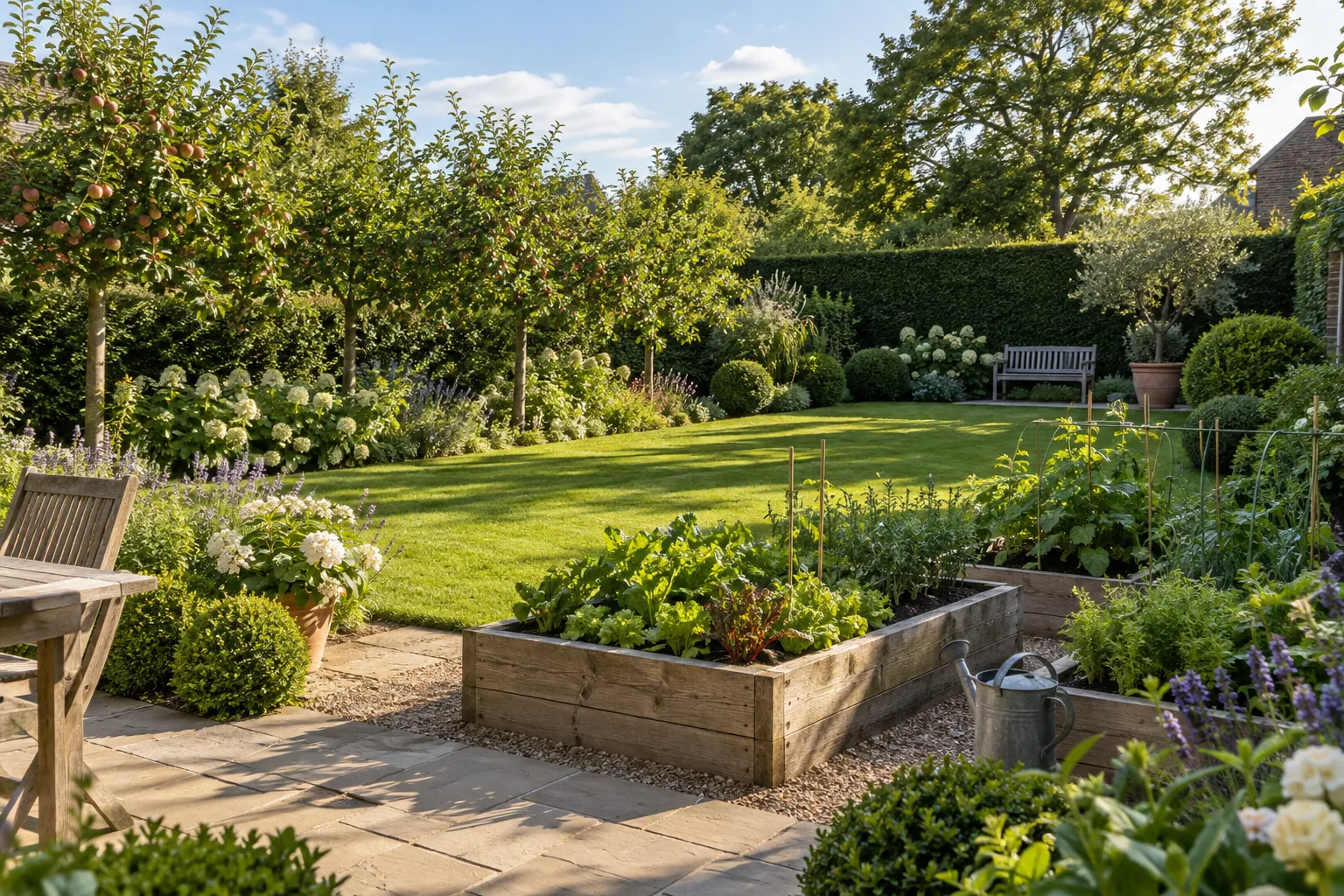
Record the problem while it is visible
Rain can make a garden’s practical problems much clearer than sunshine does. A muddy route, water lingering in a bed or turf that marks underfoot can explain why ordinary care has become difficult. For gardening in Enfield, share those observations with Go Gardeners alongside the visible mowing, weeding and trimming needs. Maintenance should respond to the actual ground and plants. A useful plan distinguishes work that can proceed sensibly from problems that need a separate assessment before more planting or materials are introduced.
Photograph wet areas after rain and note how long they take to change. Show the surrounding surfaces and levels rather than only a close-up of water. Explain whether the issue is seasonal, recent or associated with a particular route. The same garden can contain damp ground, dry wall-side beds and compacted walking areas, so one observation should not be applied automatically to the whole property.
These details help set a realistic garden-maintenance brief. Mowing and weeding can improve use and appearance, but they should not be sold as a guaranteed cure for persistent standing water. If the underlying arrangement needs changing, discuss garden design and landscaping separately. Avoid ordering bulk soil, turf or gravel as an automatic first response before the cause and intended use are understood.
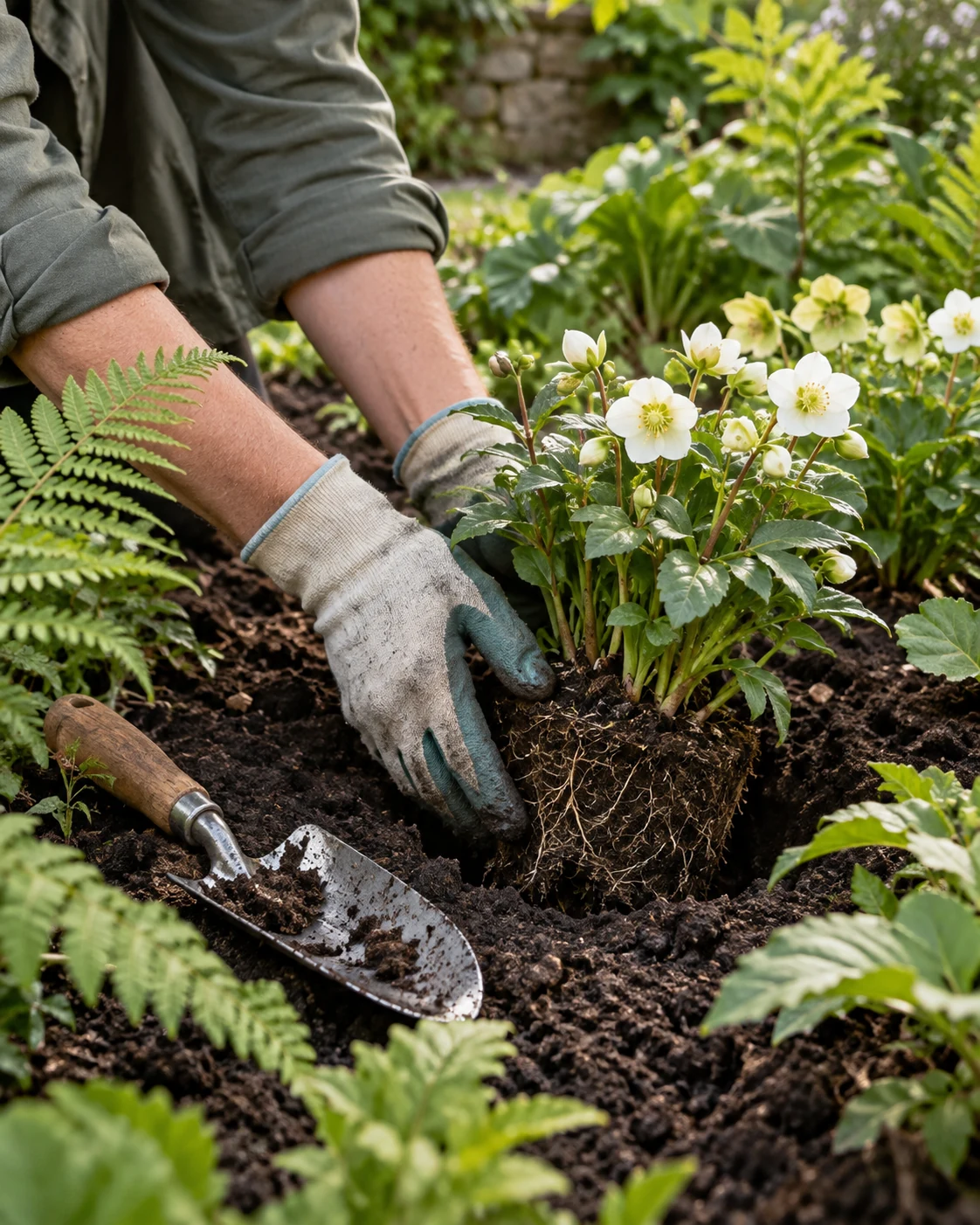
Protect soft ground during the visit
Show the access route and explain where it crosses grass or planted areas. Repeated carrying can have an effect on soft ground, particularly when waste must travel the length of the garden. Agree the route and a practical place for temporary bags. Where the surface is unsuitable for traffic, another task or a changed appointment may be more sensible than forcing the original list through unchanged.
Do not assume every wet-looking patch has the same solution. Compaction, water movement, surface levels and soil condition may require different responses. The RHS information on clay soils is relevant where clay is actually present, including care around wet soil; it does not establish that every Enfield garden has that soil. Use the garden’s own evidence and suitable assessment rather than a postcode stereotype.
Lawns need suitable working conditions
For mowing, explain the grass height, recent care and any soft or uneven areas. Remove small loose objects and pet waste where safe and flag roots, old edging and hidden dips. A recovering lawn may not be ready for the same close finish as a lawn already maintained regularly. Discuss the sensible first result and whether further work is likely to be needed.
Lawn care can be considered for recurring patches or planned repair. Explain shade, wear and moisture, and think about how repaired areas will be protected while establishing. If the same route is used every day, that use needs accounting for. New seed or turf should not be treated as an immediate cure that can withstand unchanged traffic without aftercare, particularly when the conditions causing deterioration have not been addressed.
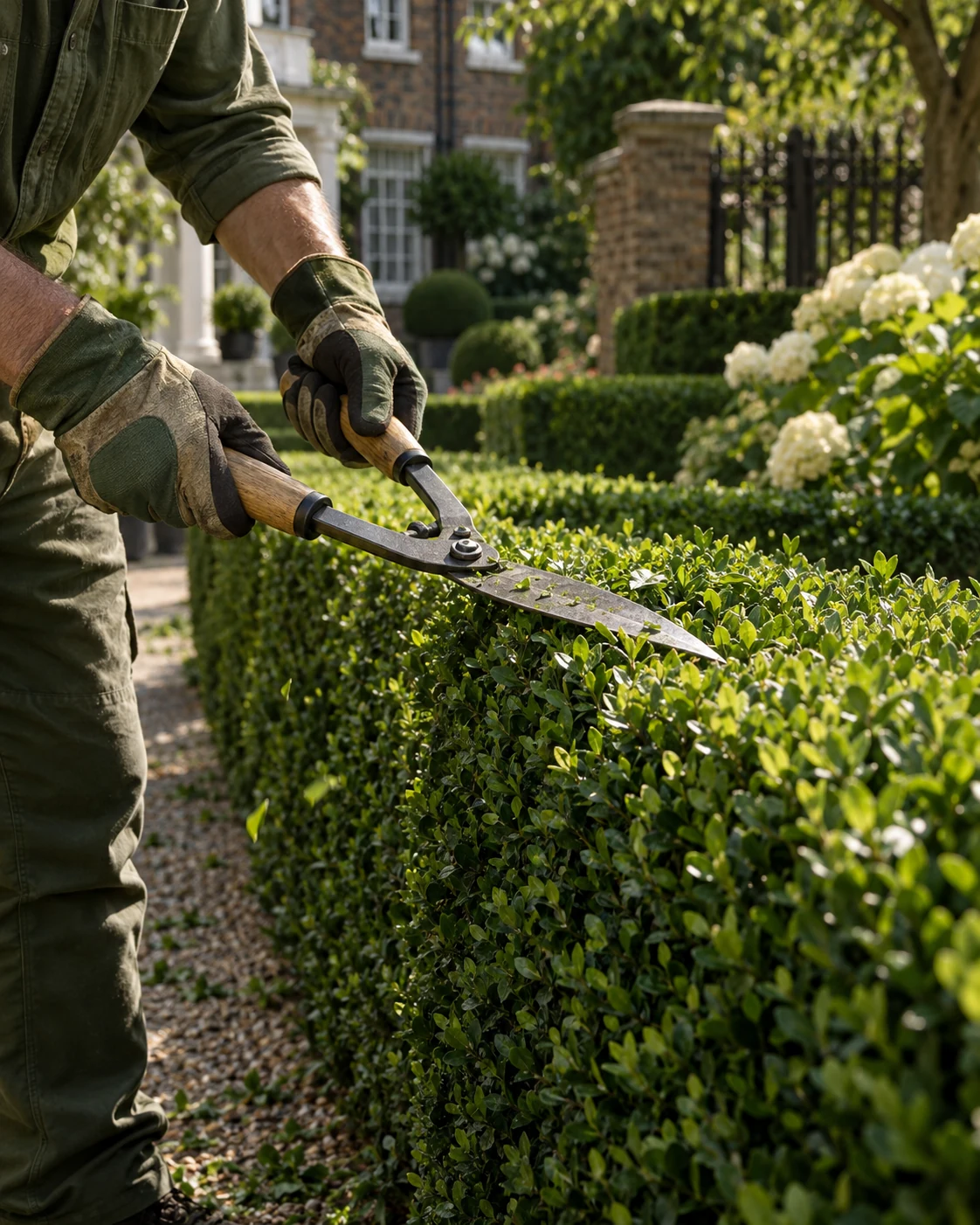
Clear growth without losing the useful structure
Where vegetation makes it difficult to assess the ground, garden clearance may provide a defined first stage. Mark retained shrubs, bulbs, productive plants and natural corners. Explain whether the goal is access or preparation for a particular project. Cutting visible growth does not automatically include removing all roots, repairing surfaces or correcting levels beneath it.
Once the space is revealed, allow time to decide what follows. A bed may need careful weed management, suitable cover or a different planting plan. An old path may need separate attention. Avoid committing to every next stage before the first is visible. The useful result of clearance is a more understandable and manageable garden, with further work based on what is actually there rather than assumptions made over a dense covering of growth.
Enfield tree protection before proposed cuts
Enfield Council’s tree protection and planning guidance explains how protected-tree enquiries and applications are handled. Check the actual property’s tree preservation orders and conservation-area position before proposed work. A garden tree may need permission or notice even when its owner is arranging ordinary maintenance elsewhere at the same time.
For substantial pruning or removal, discuss tree surgery with a separate assessment and price. Show the whole tree, nearby structures and the access route. State the observed concern and provide relevant reports where available. Resolve the required council process before proceeding. Do not treat root removal, large branch cutting or significant level changes near a tree as incidental additions to a routine gardening slot without appropriate consideration.
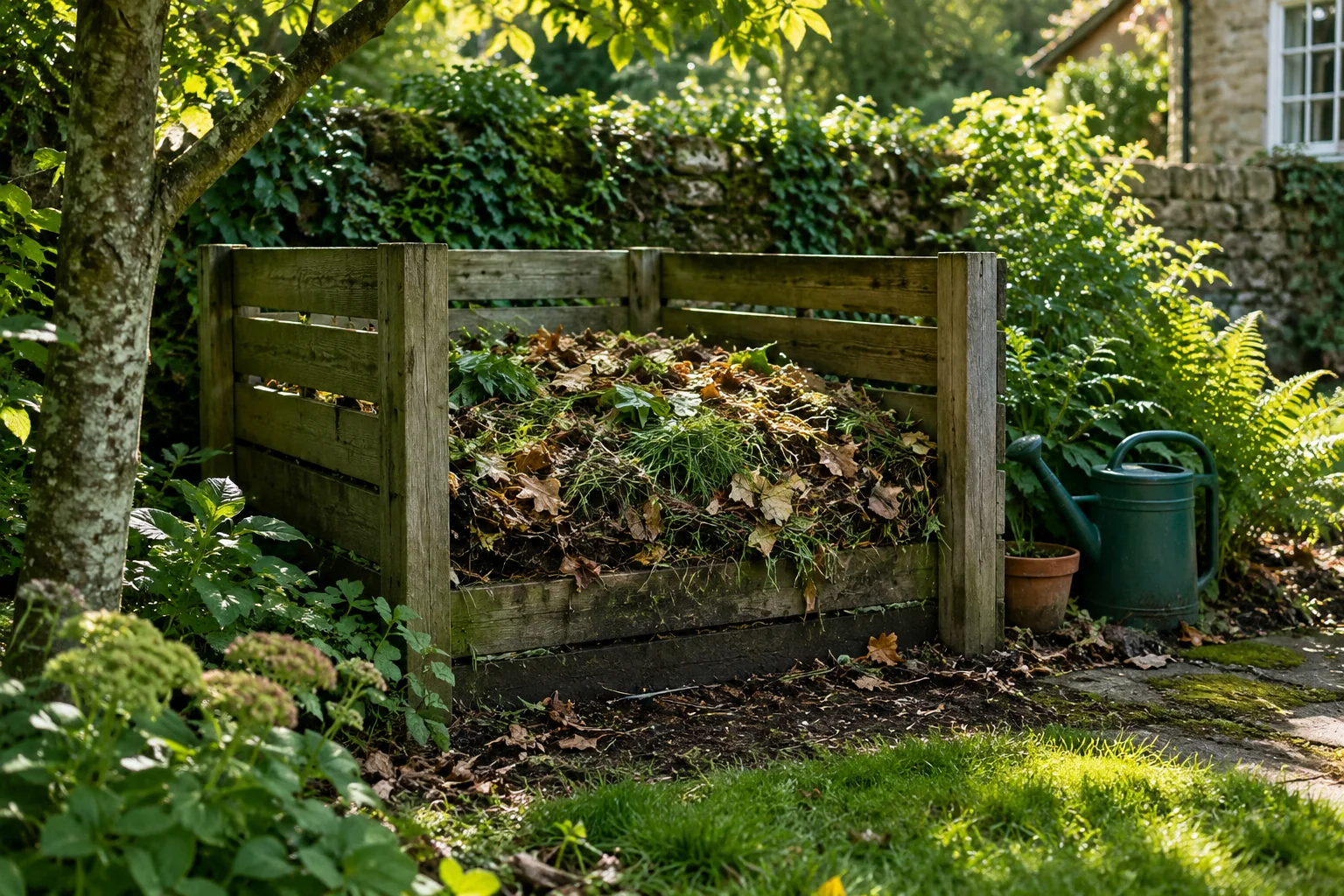
Borders that suit their conditions
Observe what is growing successfully before adding plants. Light, moisture and access can vary sharply between beds. A plant chosen for its appearance alone may struggle if it needs conditions the position does not provide. Explain whether the aim is seasonal flowers, screening, productive growing or simpler care. That gives planting decisions a practical purpose rather than filling gaps for the sake of an immediately full display.
Agree materials and quantities before the appointment if planting or mulching is wanted. Keep material clear of plant crowns and avoid burying existing growth. Establish responsibility for watering and monitoring new plants between visits. A bed that is hard to reach may need its layout considered first; adding plants can make access worse if the practical method of caring for them has not been worked out.
Seasonal work and wildlife observations
Spring maintenance should protect emerging shoots and identify shrubs before pruning. In summer, consider heat and plant stress before deciding on lawn cutting or substantial trimming. Pots and recent planting need checks between appointments, and a regular gardening interval may not be frequent enough for their watering needs. Tell the team about any intended absence so the limits of the arrangement are clear.
Before cutting hedges, shrubs and climbers, check for nesting activity and defer affected work where necessary. Autumn work can focus on leaves where they affect paths or grass while retaining selected stems if desired. Winter conditions may limit ground work. Weekly, fortnightly and monthly visits can be discussed, but the routine should change with growth and conditions rather than treating the same task list as appropriate throughout the year.

Estimate time, access and disposal together
The published gardening arrangement describes two gardeners with tools, equipment and bags. Charges are £79 for the first hour and £65 for each subsequent actual hour, including up to 120 litres of green waste removal. Consult the current prices and confirm postcode availability and any applicable additional charges, including congestion-related charges where relevant. Extra waste removal needs agreement; specialist tree and landscaping work uses a separate price basis.
Show parking, gates, steps and shared passages in the enquiry. Long carrying routes and careful work around retained plants can influence time as much as area. Decide whether suitable material can stay on site and identify a destination with enough capacity. Before arrival, mark plants to keep, move light personal items and flag irrigation or cables. Order the work so the most useful task happens first if the full list cannot fit the available appointment.
Enfield gardening questions
Need to discuss your own garden or property? Call with photographs and your postcode.
Ask about your visitCan gardeners work when my lawn is very soft?
Explain the condition and provide photographs before the visit where possible. Some tasks may need changing or postponing to avoid damaging the surface. A booked appointment should not become pressure to carry equipment repeatedly over ground that cannot support the work sensibly on that day.
Will aeration solve every wet patch?
No single treatment addresses all causes of water accumulation. Record where water appears and how long it remains, and show surrounding surfaces. A suitable assessment may be needed before choosing work. Routine lawn care should not be described as a guaranteed answer to unresolved drainage or level problems.
Should I add sand to heavy-looking soil?
Avoid applying a blanket remedy based on appearance or the neighbourhood. Establish the soil and problem first and use appropriate advice for the intended plants and conditions. Ordering bulk materials before understanding the issue can create extra work without addressing what is preventing the bed from performing well.
Can you clear around plants in a damp border?
Discuss the retained planting, access and current ground condition. Selective work may be possible, but repeated walking through wet soil can be undesirable. Mark valued plants and choose an achievable section rather than insisting every part of a soft bed be worked in one visit.
Are tree roots part of ordinary clearance?
Do not assume established tree roots can be cut as incidental clearance. The tree, proposed work and any protection need appropriate consideration. Explain the obstruction and discuss it separately, especially before changing levels, laying surfaces or removing significant roots near mature planting.
Can I book seasonal rather than regular care?
Yes, a defined seasonal appointment can be discussed if you handle the intervening work. Specify the outcome and the condition of the garden. If tasks repeatedly become unmanageable between sessions, review whether a different interval or a more focused continuing scope would be more practical.
What if a first clearance reveals damaged paving?
Treat it as a separate issue to assess. Removing growth makes the surface visible but does not repair unstable slabs or failed edges. Agree a safe next step and an appropriate scope rather than assuming the gardening hourly arrangement automatically covers whatever lies beneath the vegetation.
Which nearby listed areas can I view?
Read the pages for Edmonton, Barnet, Finchley and Palmers Green, or browse the coverage directory. Confirm the exact postcode, requested service and availability directly before making access arrangements for a visit.
Plan an Enfield visit around real conditions
Call 020 3746 2449 with photographs of the garden, any recurring wet areas and the route in. Explain the immediate result you need and what should remain untouched. Clear observations help distinguish suitable maintenance from larger questions, making the first appointment more useful and the next stage easier to decide.
Call 020 3746 2449Gardening nearby.
View all 60 coverage areas ↗Enfield on the map.
Approximate area centre for orientation. Call to confirm availability for your exact postcode.