
Gardeners
Harrow
Plan garden care around the layout you actually have. Harrow enquiries can account for steps, raised beds and sloping areas alongside lawns and boundaries, distinguishing useful maintenance from structural issues or a separate change of design.
- Show steps and levels before estimating work
- Care for raised beds with practical access
- Separate structural concerns from plant maintenance
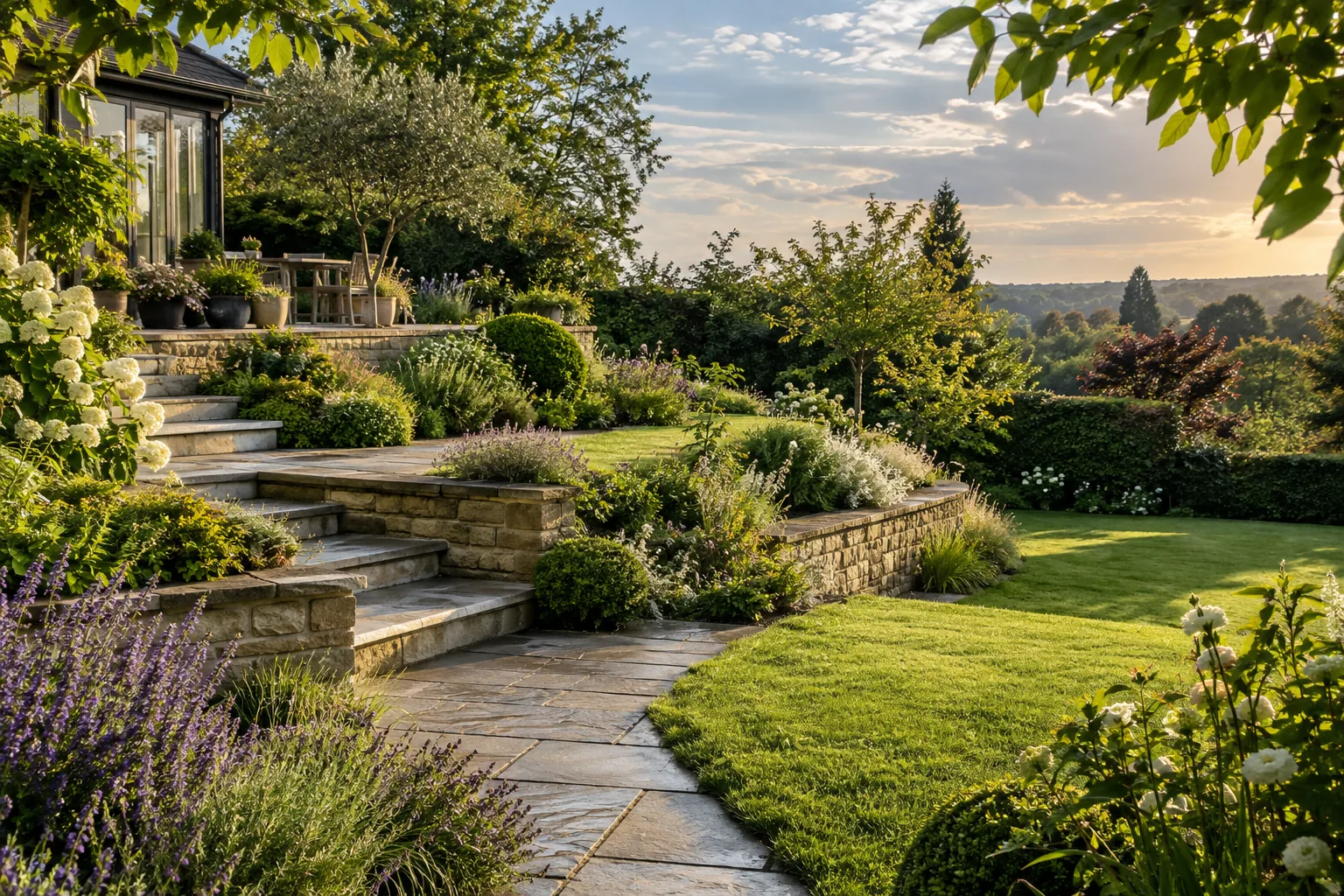
Photograph levels as well as planting
Changes of level can turn simple garden jobs into awkward ones. A bed above a retaining edge, steps between terraces or grass on a bank all deserve attention when planning a Harrow gardening visit. Not every local garden has these features, so show Go Gardeners your actual layout. Explain which parts are difficult to reach and what you want to keep using comfortably. The right brief accounts for the way people, tools and cuttings move through the space as well as the plants themselves.
Take a broad view that shows steps, slopes and boundaries. Include the route from the street and mention narrow landings, gates or sharp turns. A close photograph of a border can conceal the fact that it sits above a wall or is only reachable across soft ground. These details affect the practical scope and should be considered in the estimate.
Do not move heavy pots or makeshift steps simply to prepare for the gardeners. Identify them and discuss what can be handled within the appointment. Flag damaged surfaces, loose edges and unstable features. Garden maintenance can look after vegetation around a sound layout; it should not be expected to repair the structure that supports a raised bed or make unsafe steps reliable through tidying alone.
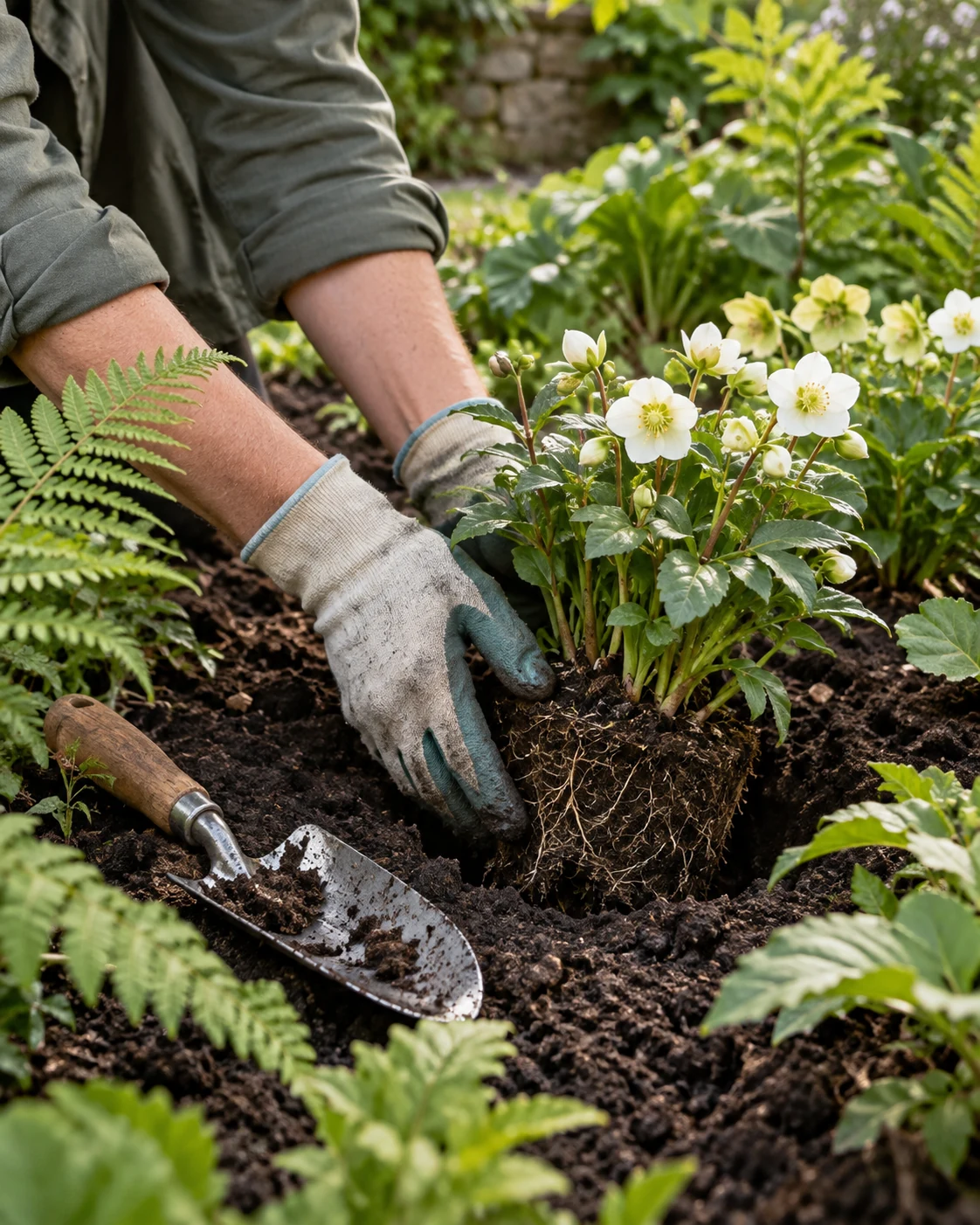
Choose manageable work on banks and slopes
Where grass lies on a slope, provide photographs and describe the gradient rather than assuming ordinary mowing is suitable. Show the access at the top and bottom, any hidden obstacles and areas that remain slippery or wet. The method and feasibility need discussion. A flat lawn elsewhere at the property does not establish how the bank should be maintained.
If the sloping area repeatedly becomes difficult to care for, consider a separate garden-design and landscaping enquiry. Appropriate planting or a different arrangement may be worth exploring, but it needs a site-specific plan. Do not add loose material or change levels casually, particularly around established trees or retaining structures. A maintenance appointment can provide useful observations without being presented as a structural survey or an automatic solution to every slope-related problem.
Make raised and narrow beds easier to reach
Explain which beds can be worked from a path and where access requires stepping among plants. Mark irrigation, emerging shoots and treasured plants before weeding. A raised edge can improve access in one place while limiting working space in another. The task list should reflect those differences rather than assuming equal areas take the same time to maintain.
After weeds are reduced, think about the bed’s future cover and care. Plants need room at their mature size, and watering should be practical from the route available. Agree any mulch or new materials in advance and keep them clear of plant crowns. A bed that looks full immediately after planting may become overcrowded later, so choose a sustainable arrangement rather than using density alone as a measure of a finished result.
Lawns and the pattern of use
For accessible grass areas, describe mowing needs separately from repair concerns. Show worn corners, dips and places where water accumulates. Remove small loose items and pet waste where safe, and identify low obstacles before cutting. If the grass has grown long, discuss the appearance and follow-up needed after the initial recovery rather than requesting an extreme single cut.
Lawn care may be useful where thinning repeats. Consider how people walk through the space and whether repair areas can be protected while establishing. An unavoidable route across fresh seed will remain a problem unless access is planned. Shade and root competition can also matter. Record what you observe over time instead of assuming one treatment is appropriate because another nearby lawn responded to it.
Check Harrow’s tree information before major cuts
Harrow Council publishes tree preservation order guidance and a conservation-area search. Use the actual property and tree to establish relevant protection before proposed work. A tree’s location within your boundary does not mean all pruning or removal can proceed without checking the required council process.
Use tree surgery for a separate discussion of substantial work. Explain the observed issue and photograph the whole tree, its relation to structures and the available route. Resolve any required permission or notice before proceeding. For a garden with levels, access and working space may need particular attention, but they do not replace the question of whether the proposed operation is appropriate for the tree itself.
Boundary trimming should preserve the right function
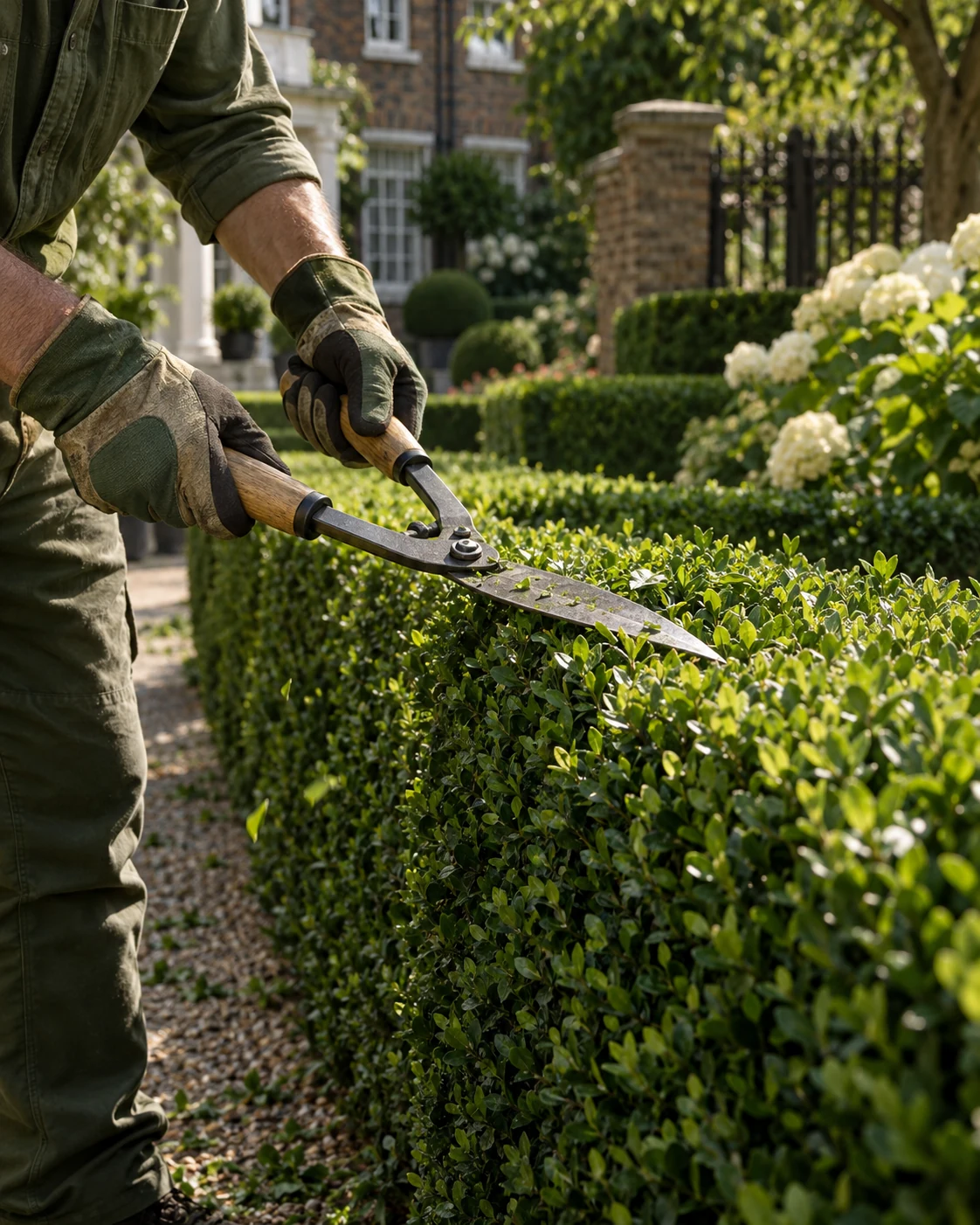
A hedge may provide screening, shelter or separation between different garden levels. Say which functions matter before deciding on a reduction. Give approximate height and length and show access to both faces. Identify the plant where possible; cutting hard into bare old growth can produce a very different result from trimming recent growth, depending on the species.
Check for nesting activity in hedges, shrubs and climbers before cutting and defer affected work where necessary. If a boundary is overgrown, do not assume concealed supports or fences are sound. Point out any known damage and keep structural repair separate from vegetation management. Where the hedge is no longer suitable for the position, a planned replacement discussion may be more useful than repeatedly reducing it without a clear longer-term aim.
Recovery, regular care and seasonal timing
If growth prevents access, garden clearance may provide the first stage. Specify what should remain, how much ground preparation is wanted and where material can be carried. Revealing the space may uncover further work requiring a separate quote. A useful recovery plan has a clear stopping point rather than expanding automatically to every issue found underneath the vegetation.
Weekly, fortnightly or monthly maintenance can then be considered according to growth and your own involvement. Spring work should protect emerging bulbs and perennials. Summer tasks need to account for plant stress and watering responsibility. Autumn leaf collection may be particularly important on steps and frequently used routes, while selected beds can retain natural cover if desired. Wet or icy conditions can limit winter work, especially where the route itself requires careful footing.
Agree cost and preparation before arrival
The published gardening arrangement describes two gardeners with tools, equipment and bags. Rates are £79 for the first hour and £65 per subsequent actual hour, including up to 120 litres of green waste removal. Check the live price guide. Confirm postcode availability and applicable additional charges, including any relevant congestion charge. Further disposal requires agreement, and tree or landscaping projects use a separate price basis.
The carrying route can be a substantial part of a job where material must pass over steps or through narrow gates. Show it clearly and confirm parking and unloading arrangements. Move small personal items if practical, flag cables and irrigation, and keep pets and children out of the work area. Order the tasks so the essential improvement happens first if the full list exceeds the initial time estimate or your preferred budget.
Harrow gardening questions
Need to discuss your own garden or property? Call with photographs and your postcode.
Ask about your visitCan gardeners maintain grass on a steep bank?
Send photographs and dimensions so the access and method can be considered before booking. Do not assume every slope suits an ordinary mowing arrangement. Explain obstacles and ground conditions, and be open to a separate discussion about a more manageable use of the area if necessary.
Can you weed a raised bed without stepping inside it?
That depends on its depth, height and access from the surrounding routes. Show the whole bed and explain any fragile edges. A sensible scope should account for how the centre is reached without damaging planting or relying on an unstable support.
Should I remove a shrub that overhangs steps?
First identify the shrub and consider whether appropriate pruning can restore the required clearance. Removal is not the only possible response. Show the extent of obstruction and the space available, and keep any repair of the steps themselves as a separate issue.
Does a conservation-area boundary affect all gardening?
Routine gardening and proposed tree work need distinguishing. Check council guidance for the actual operation and address rather than assuming every maintenance task requires the same process. Raise known restrictions early so any relevant permission or notice can be resolved before affected work proceeds.
Can I leave leaves on a sloping path?
If accumulation makes the route difficult to use, include collection as a priority and agree where material will go. The useful standard is a practical, accessible route. It is not necessary to apply the same leaf-removal instruction to every planted corner elsewhere in the garden.
Will a tidy-up fix a leaning retaining edge?
No, cutting vegetation may reveal the condition more clearly but does not repair a structural problem. Point it out before work and seek an appropriate separate assessment. Avoid assuming the edge is sound because it becomes more visible or looks cleaner after maintenance.
How should heavy pots be handled?
Describe their size, material and position, including any steps on the route. Do not assume moving them is included in general plant care. Agree what is practical and whether they can remain in place while the surrounding area is worked, rather than attempting an unsuitable move on the day.
Which listed areas are close by?
The directory includes Wembley, Ruislip, Edgware and Northolt. Use the coverage page for the wider list and confirm the exact postcode, required work and availability directly before making arrangements.
Arrange garden care for your Harrow layout
Call 020 3746 2449 with photographs showing both planting and levels. Explain the areas that are hardest to reach, the features to preserve and the first result you need. Clear information about the layout helps establish suitable work, a realistic estimate and a practical way to maintain the garden afterwards.
Call 020 3746 2449Gardening nearby.
View all 60 coverage areas ↗Harrow on the map.
Approximate area centre for orientation. Call to confirm availability for your exact postcode.