
Gardeners
Hackney
Keep useful planting while reducing the workload in a Hackney garden. Explore care for crop beds, deliberately long grass and mixed borders, with clear private-garden responsibilities, tree checks and a realistic plan for watering between visits.
- Label crops and wanted seedlings
- Manage wildlife areas deliberately
- Clarify estate and private boundaries
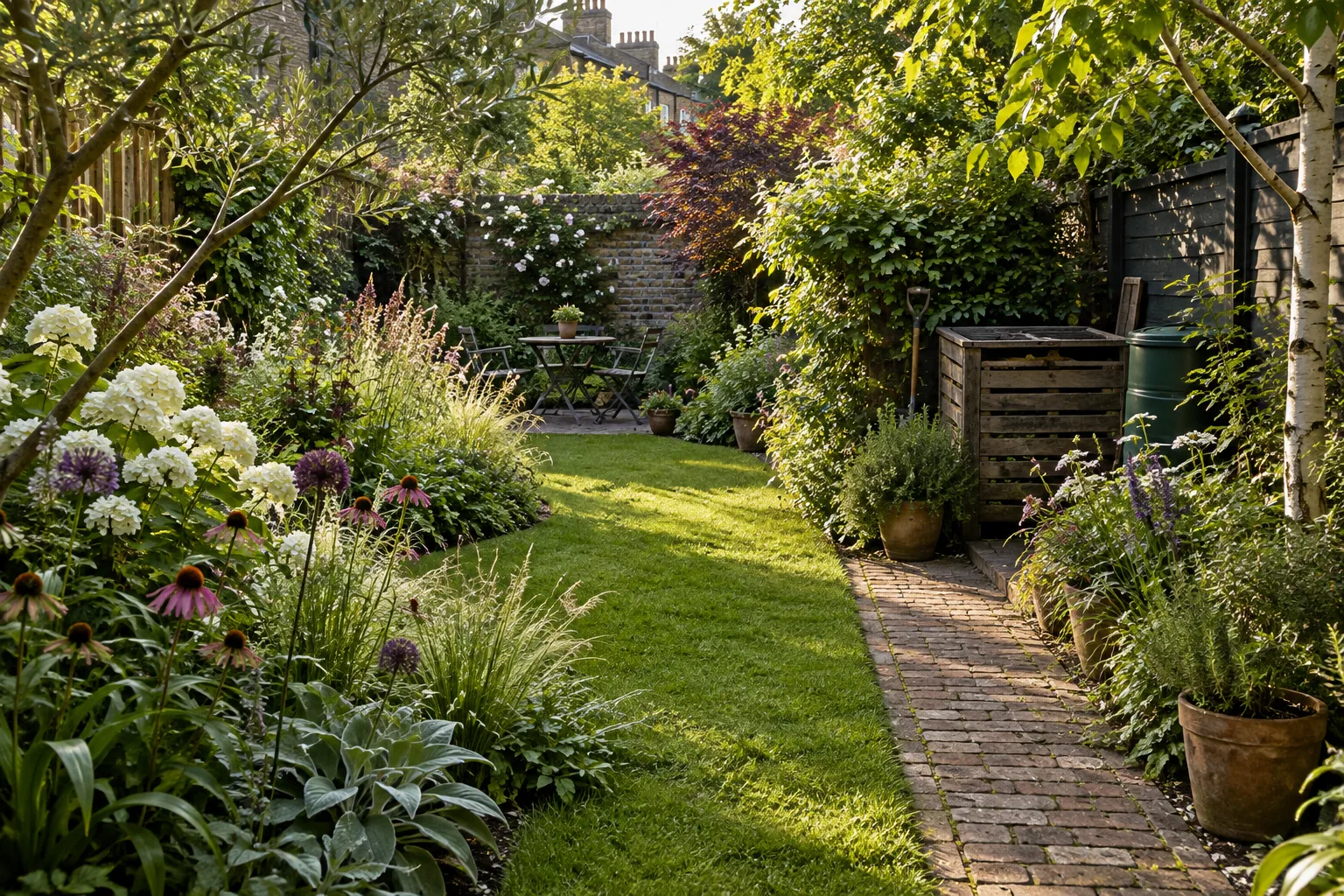
Keep useful planting while reducing the workload
The right starting point for a Hackney garden is the job that will make daily care easier. That might mean weeding a productive bed, cutting grass before it becomes unmanageable or opening a route past a spreading hedge. Go Gardeners can discuss regular upkeep and one-off recovery work without assuming every property needs the same package. Explain how you use the garden, what you want to keep and how equipment can enter. Current photographs make it easier to agree a practical scope, particularly when planting is dense or the access route crosses shared space.
A garden does not have to be stripped bare to become manageable. Mark herbs, young trees, bulbs and flowers you wish to retain before weeding begins. In mixed planting, an unidentified seedling may be welcome or unwanted depending on the plan. A marked photograph helps communicate that distinction when you cannot be present. Choose a manageable section if the whole garden cannot receive detailed attention within the proposed visit.
Garden maintenance can combine edging, mowing, suitable shrub work and careful border care. Ask for tasks in the order that serves you best. For someone growing food, clearing access to a raised bed may matter more than clipping an ornamental corner. For a household using the garden for play, the lawn and safe routes may come first. The brief should reflect the garden’s use rather than a standard sequence.
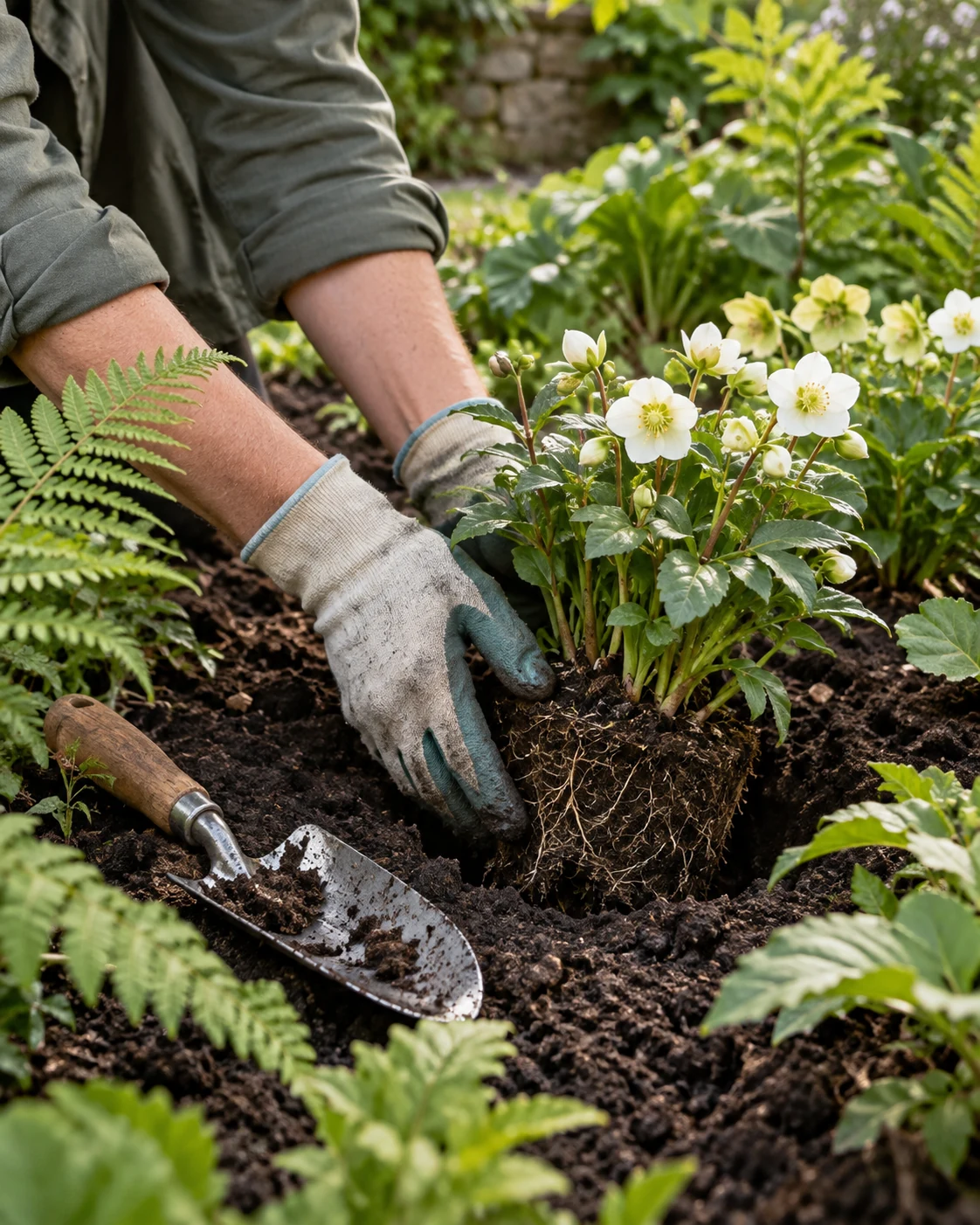
Productive beds and containers need continuing care
Explain which plants are crops and which beds are awaiting planting. Do not assume a gardener will recognise an intentional seedling row among weeds without instructions. Raised beds also need a clear view of their edges and any irrigation. If you want new planting, settle the exact plants and materials beforehand and decide who will provide the regular checks needed after the appointment.
Containers can require frequent watering in warm weather. The RHS guidance on watering vegetables is a useful reminder that container crops depend heavily on the person caring for them. An occasional maintenance visit cannot replace that attention. Before adding more pots, consider access to water, holiday care and whether fewer containers would be easier to maintain successfully.
Local responsibilities on estates and private land
Hackney Council’s grounds-maintenance guidance distinguishes communal provision from private-garden responsibilities. Check your tenancy or management arrangements before booking. A private gardening enquiry should identify exactly which beds, lawn or boundary can be worked on, particularly where the garden adjoins shared landscaped areas.
Tree protection is a separate question. The council’s conservation and heritage pages provide routes to the relevant checks. Establish ownership and any required permission before cutting. For substantial branches, ask about tree surgery with photographs of the full tree and nearby structures; do not add high work to a routine weeding appointment without an assessment.
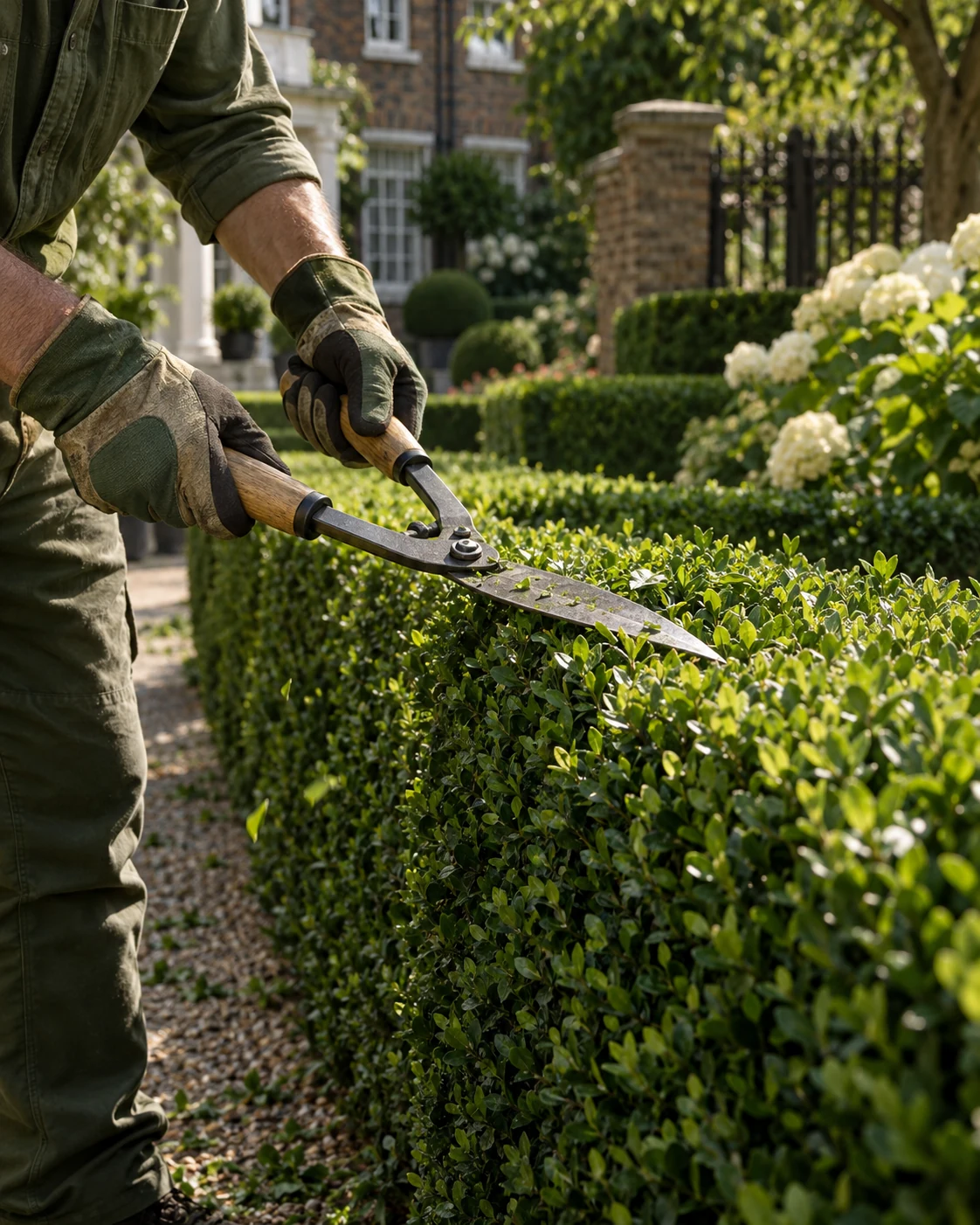
Open up overgrowth carefully
When access is blocked, garden clean-up may be the appropriate first stage. Show where paths and steps should be, and mention known wire, broken pots or other hazards. Start with a route and the area most needed. Once the ground is visible, the remaining planting and condition of surfaces can be assessed more accurately than from the outside of dense vegetation.
Agree the difference between removing top growth and preparing the ground for a new use. Roots, rubble and damaged edging do not disappear because the garden has been cut back. If you want a more accessible route, changed beds or new surfaces, discuss garden design and landscaping separately. A recovery visit can reveal the information needed for that project without committing to construction before the site is understood.
Lawns, long grass and deliberate wildlife areas
Mark any patch intentionally left long so it is not mistaken for unfinished mowing. If the remaining grass needs attention, describe its height, wear and moisture. Lawn care should respond to the condition of the surface rather than aiming for the lowest cut. Tell the gardeners about bulbs in turf, hidden edging and toys or play equipment that may conceal objects.
Where grass repeatedly thins, collect observations before choosing treatment. A shady strip and a busy shortcut need different solutions. In a dry spell, avoid unnecessary stress; after prolonged rain, avoid churning soft ground. A maintenance visit can improve presentation, but it should not promise to solve drainage, heavy wear or a poor layout by mowing alone. The right next step may be a change in use rather than more frequent cutting.
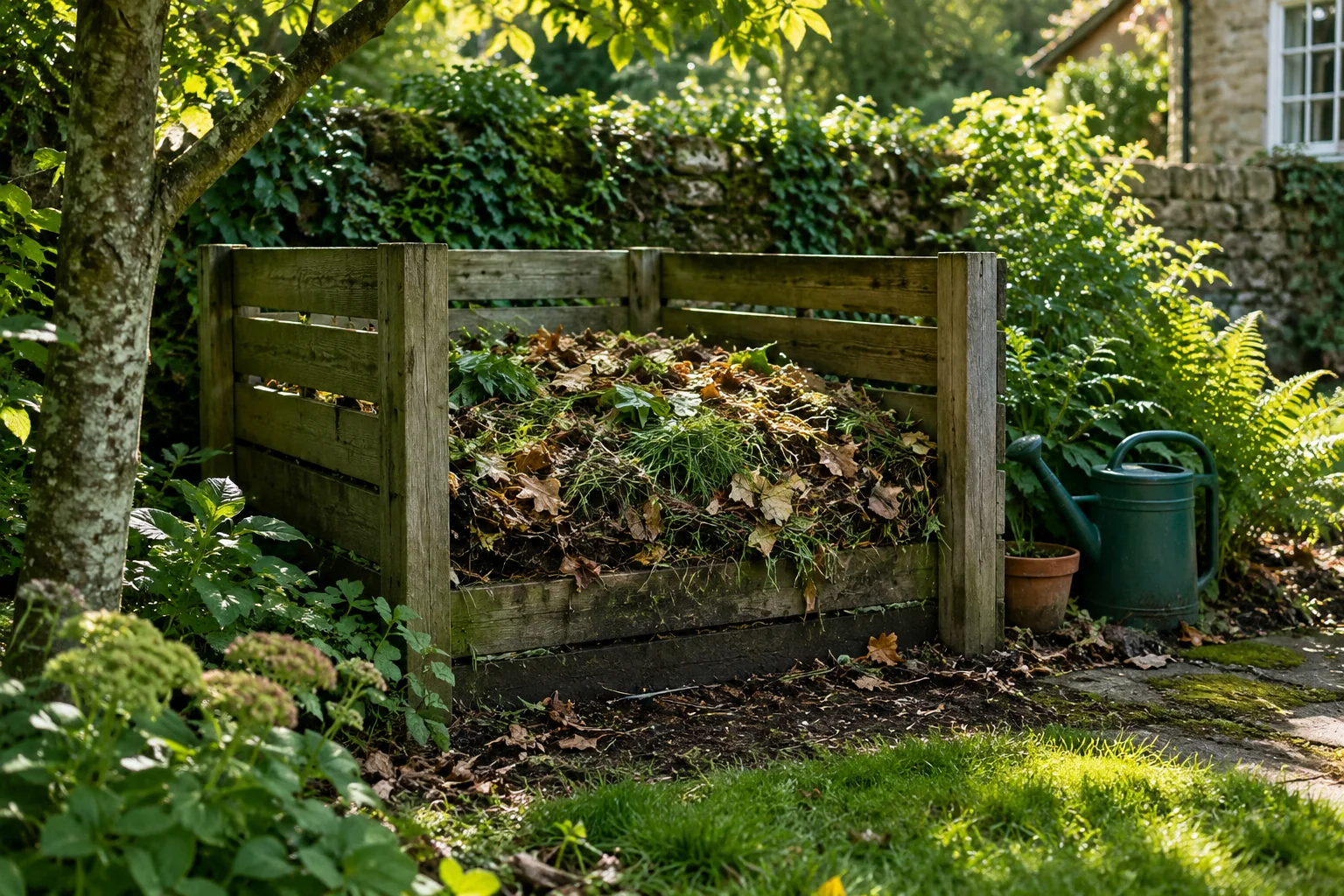
Pruning with wildlife and plant timing in mind
Hedges and shrubs should be identified before deciding on the extent of cutting. Tell us whether privacy, flowers or clear access is most important. A light trim and substantial reduction are different jobs, and some plants will not recover from severe cutting into old wood. Show both faces of a boundary where possible and explain whether access to the far side requires permission.
Inspect for active bird nests before hedge or dense shrub work, whatever the month. Affected operations may need postponing while mowing or weeding proceeds elsewhere. Do not rely on a blanket calendar rule to establish what is lawful or sensible. Spring shoots, summer heat, autumn leaves and winter ground conditions should all influence the task list, rather than repeating the same operations regardless of the season.
Regular visits or a defined one-off?
Discuss weekly, fortnightly or monthly visits if growth repeatedly outruns the time you have. Keep a rotating seasonal list and review it once actual working time is clear. Some tasks may need frequent attention, while hedges or particular shrubs need only occasional, correctly timed work. Plan what you can do between appointments, especially watering and noticing problems with new planting.
One-off work suits a specific reset or a preparation task before you take over. Set a priority order and decide what can remain if time runs short. Additional work depends on the schedule and may require another visit. A useful finish includes understanding the next stage, whether that is a simple home routine, a follow-up clearance or a separate quotation for a structural problem.
Preparing access, time and waste
Photograph the gate, steps and route through any building. Confirm shared access and parking requirements. Move small items safely, remove pet waste and label retained plants. Mention outdoor cables, irrigation and delicate surfaces. For an unattended visit, agree how entry and locking will work and provide a way to resolve unexpected decisions. Supplied tools do not remove the need for a clear and feasible carrying route.
The published maintenance, lawn care and clearance rate is £79 for the first hour and £65 for each subsequent actual hour. Two gardeners, equipment and bags are described, with up to 120 litres of green waste included. Extra removal must be agreed. Check the live prices and confirm postcode availability and any applicable area or congestion charge. Tree work, landscaping and jet washing have different pricing arrangements.
Hackney gardening questions
Need to discuss your own garden or property? Call with photographs and your postcode.
Ask about your visitCan you weed around vegetables without disturbing the crop?
Mark rows and identify crops before work. Seedlings can be difficult to distinguish from weeds, especially in a newly sown bed. A labelled plan and a contact method help the gardeners make careful decisions instead of removing growth simply because it appears in an untidy patch.
Can the visit include a deliberately wild corner?
Explain what management you want, such as keeping its edge clear while leaving the centre. “Wild” can describe many different intentions. Mark the boundary and identify retained habitat, so routine cutting elsewhere does not accidentally remove the part you are managing for wildlife.
What if my garden borders a communal estate bed?
Establish the boundary and authorisation first. Private gardening should not extend onto communal land because its planting appears connected. Check with the responsible landlord or manager and provide a settled scope before booking, including where tools and bags may stand without obstructing residents.
Is daily watering included with regular gardening?
An occasional appointment does not provide daily care. Agree any specific watering task and make a separate plan for checks between visits. Container crops and young plants may need close attention in warm weather, so avoid adding planting whose aftercare nobody can reliably provide.
Can a first clearance reveal what is worth keeping?
A selective opening stage can make that possible. Begin with access and mark plants already known to be valuable. Once growth is reduced, the condition of beds and shrubs is easier to see. Do not treat the initial cut as an automatic instruction to remove every established feature.
Should a tree be cut to improve a vegetable bed’s light?
That requires a separate assessment of the tree, protection and ownership. More light being desirable does not establish that pruning is appropriate or authorised. Consider crop position and planting choice too, rather than assuming tree reduction is the only or immediate solution to a shaded bed.
Why can waste affect the time estimate?
Cuttings have to be gathered, bagged and carried along the actual access route. Bulky growth can create substantial handling work even in a small plot. Show dense areas and confirm extra removal beyond the included allowance so the finish and charge are understood before cutting begins.
Which nearby area pages are included?
Islington, Tottenham, Walthamstow, Leyton and Stratford are listed in the coverage guide. Use the relevant page for another address and confirm the postcode and service directly. An area listing does not promise an immediate slot or resolve practical access for the individual property.
Explain what you want your Hackney garden to do
Call 020 3746 2449 with the postcode and current photographs. Tell us which planting stays, which route needs opening and what care you can manage afterwards. Go Gardeners can then discuss a useful appointment and a realistic plan for the garden’s next stage.
Call 020 3746 2449Gardening nearby.
View all 60 coverage areas ↗Hackney on the map.
Approximate area centre for orientation. Call to confirm availability for your exact postcode.