
Gardeners
Barnet
Bring a larger or established garden into manageable stages. Barnet gardening can focus regular care near the house, recover less accessible sections and preserve useful structure, with time, carrying routes and disposal considered across the whole plot.
- Divide the plot into meaningful working zones
- Recover the far end without stripping structure
- Account for carrying time across larger gardens
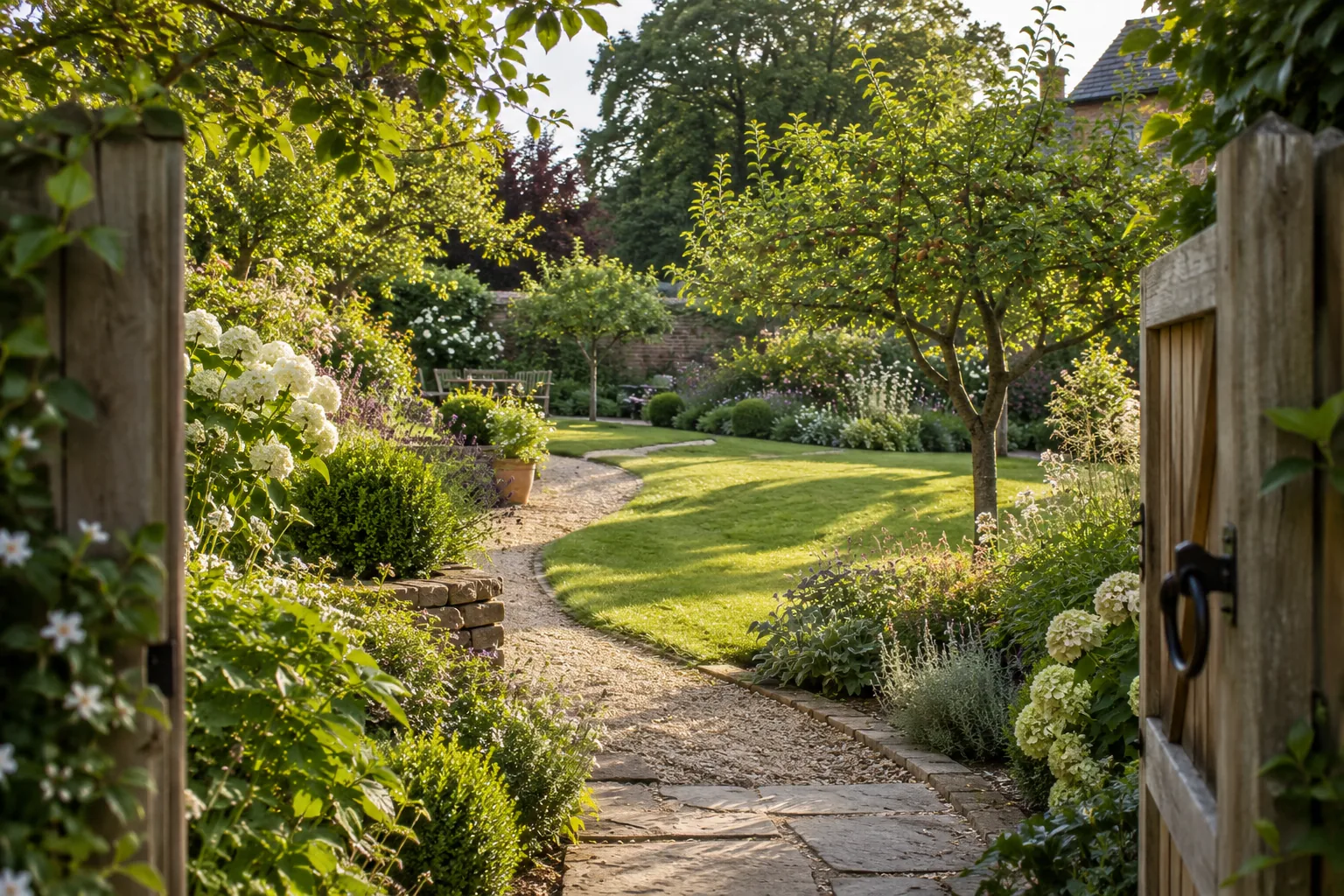
Divide the garden into working areas
A long garden can remain attractive near the house while the far end gradually becomes harder to manage. If that describes your Barnet property, the answer need not be an indiscriminate clear-out. Go Gardeners can discuss working in useful zones, preserving established planting and bringing the less accessible parts back into a realistic routine. Explain the scale, the routes between areas and the jobs you can maintain yourself. A phased plan can make progress measurable without assuming the entire garden must receive the same treatment at once.
Photograph the section nearest the house, the middle and the furthest area separately, with an overall view if possible. Explain the purpose of each: seating, lawn, planted beds, storage or a deliberately quieter corner. Distinguish the places that need regular presentation from those where a less intensive finish is acceptable. That helps make the appointment useful across a larger space.
Garden maintenance can concentrate on recurring tasks within the manageable zones. If the far end has become inaccessible, discuss a defined clearance stage there rather than enlarging every routine visit without a plan. Mark retained shrubs, fruit plants, bulbs and habitat features. The first objective might be recovering a route and identifying the layout, with further decisions made after the ground can actually be seen.
Understand the time spent between tasks
Distance matters when equipment and cuttings must move through a long plot. Show gates, steps, narrow links and the route to the street. A large lawn with clear access may be more straightforward than several small areas separated by obstacles. Explain where tools can be brought through and whether any shared route requires agreement. These details belong in the estimate.
Plan temporary bag locations so they do not block the working route or crush planting. If suitable material will remain on site, identify its destination and capacity. A compost area at the far end is useful only if it is accessible and appropriate for the material. Avoid assuming every woody cutting should be added whole or that an existing heap can accept an unlimited amount simply because it is out of view.
Maintain the structure before adding detail
Established shrubs, boundaries and trees give a garden much of its shape. Identify which are valuable and what needs adjusting before buying more plants. A border overwhelmed by weeds may still contain a sound framework. Selective work can reveal that structure without replacing it. Use earlier photographs or labels where dormant plants are difficult to recognise.
If the arrangement no longer fits your use, garden design and landscaping can be discussed separately. A garden that demands more care than you can support may benefit from a considered change in layout or planting. Reducing work does not automatically mean removing every bed: bare ground, complicated edges and unsuitable surfaces can create their own repeated tasks. The proposed change should solve a specific practical problem.
Barnet protection checks for established trees
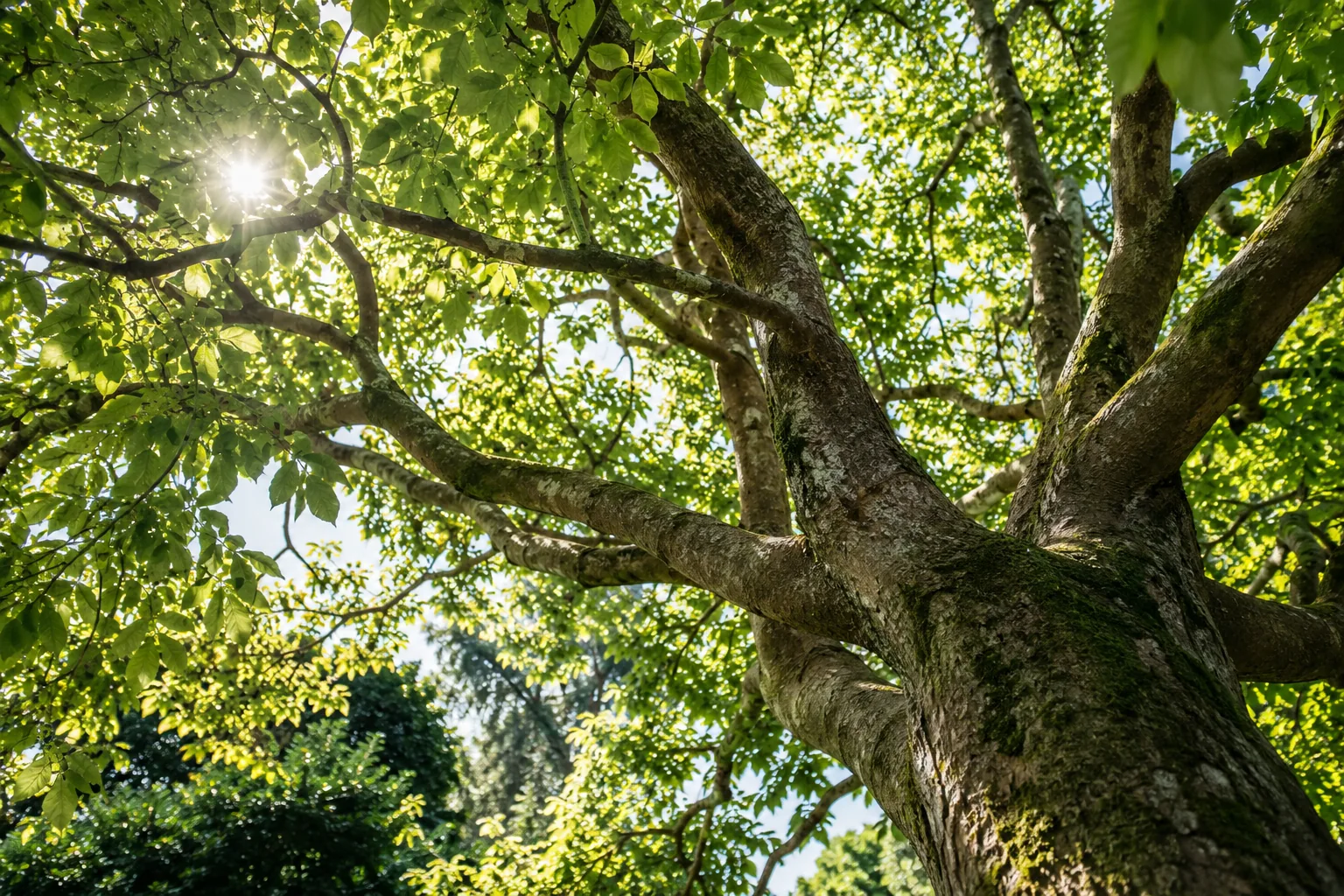
Barnet Council’s protected-tree guidance provides the relevant starting point for tree preservation orders and conservation-area requirements. Check the actual property and tree before proposing pruning or removal. The scale of a private garden does not establish whether a tree is protected or whether a particular operation is authorised.
For significant branches or reductions, make a tree-surgery enquiry with photographs of the whole tree and nearby structures. Explain the observed concern, not just a desired height. Any required council permission or notice needs resolving before work proceeds, and tree work should have its own assessment and price. Keep routine maintenance priorities available while those questions are clarified rather than treating a gardening appointment as a deadline for a major tree decision.
Give each lawn area a suitable role
One garden can contain open grass, shaded edges and worn access strips. Show them separately and describe their use. The same mowing or repair approach may not suit all of them. Remove loose objects and pet waste where safe, and identify roots, old edging or hidden dips before cutting. Mark areas intentionally left longer so they form part of the plan.
Lawn care can be considered for repeated thinning or a planned repair, but establishment and future use matter. If an area receives constant traffic, think about how it can be protected after work. If dense shade limits growth, consider realistic expectations before replacing the grass repeatedly. A small planted alternative or a revised route may deserve a separate discussion where the current lawn function continually conflicts with its conditions.
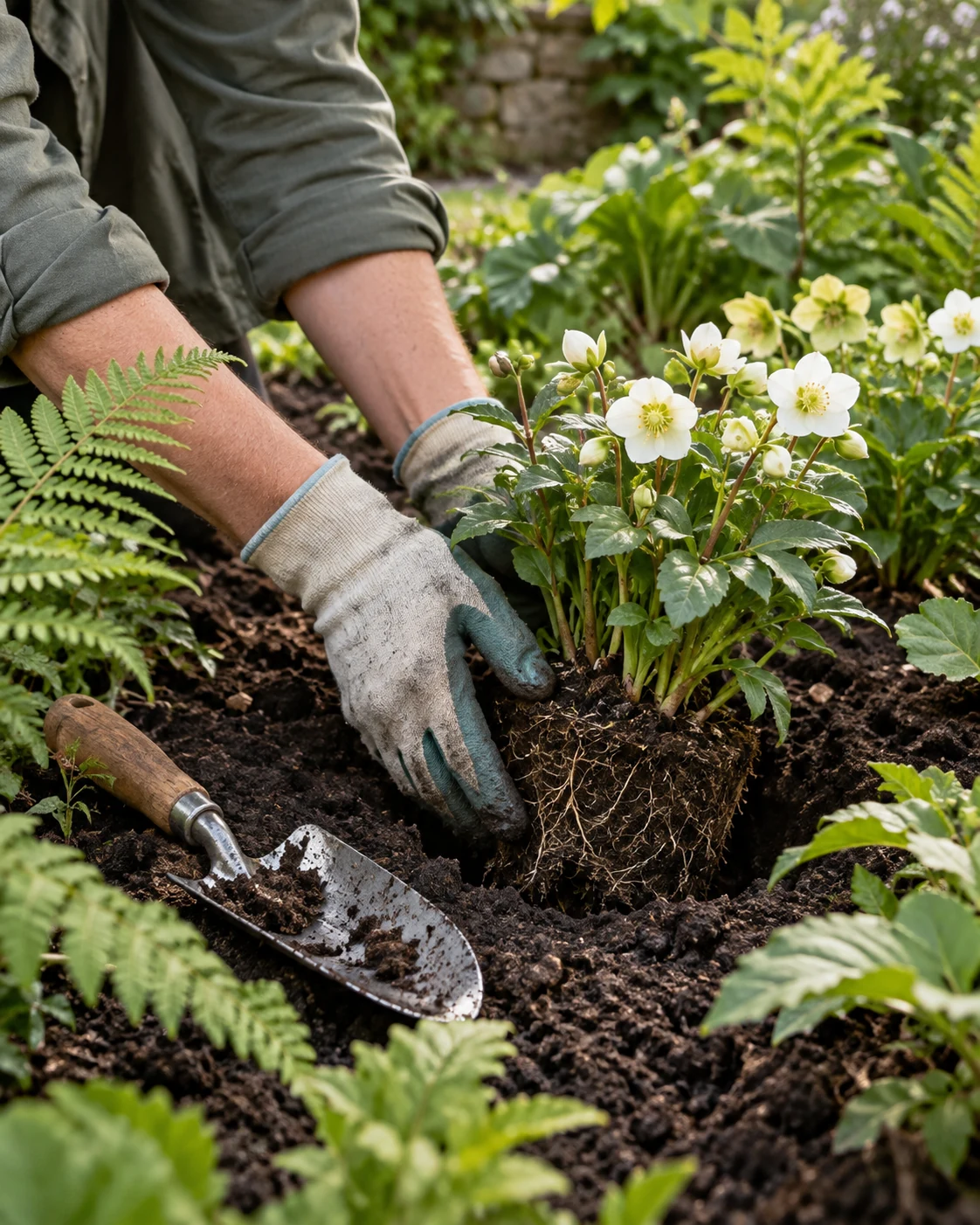
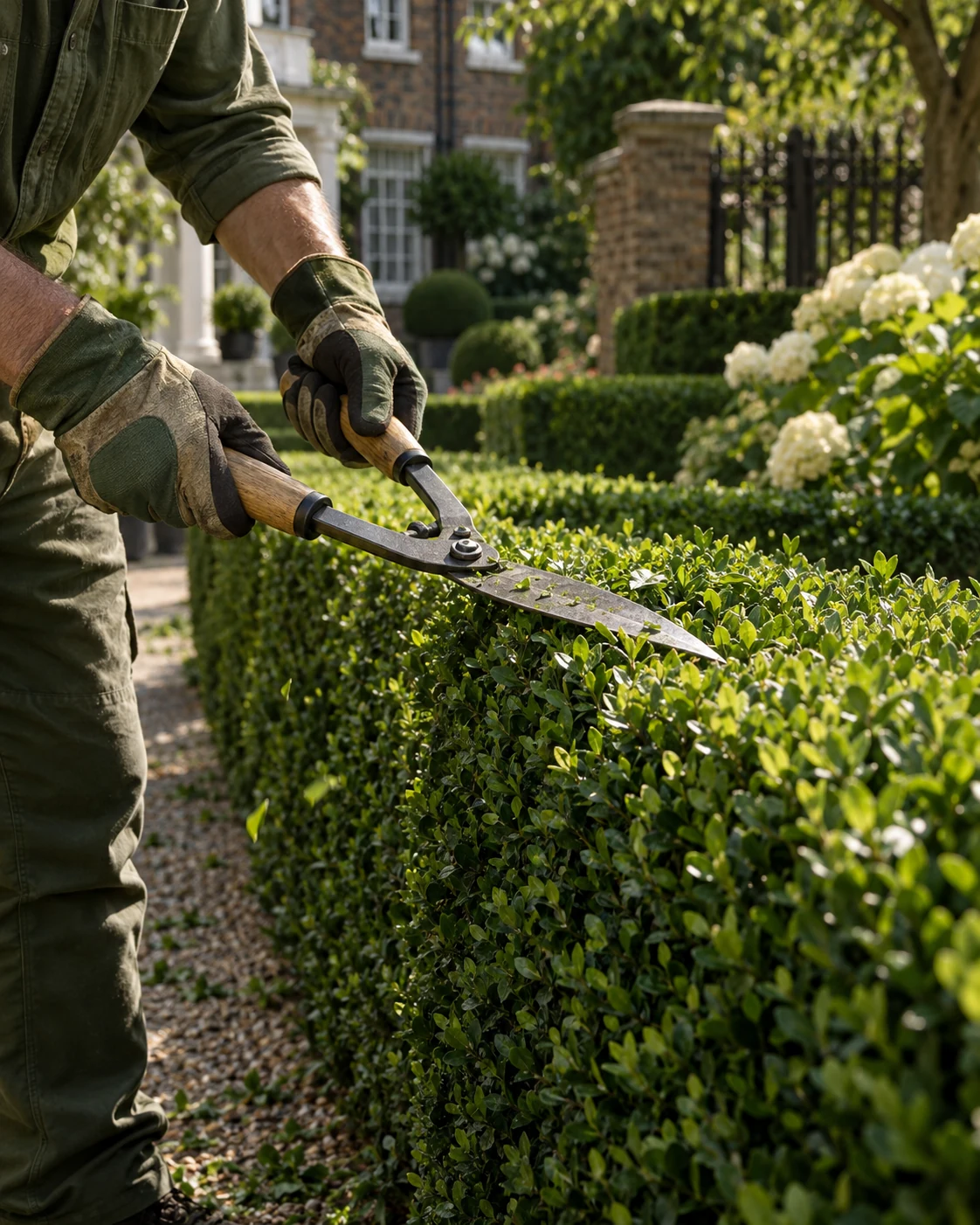
Borders and hedges need selective attention
Choose a manageable border section rather than starting everywhere without a finish. Mark plants to retain and explain uncertain growth. Weeding around established roots can require care and time, so the estimate should reflect the task rather than only its area. Afterwards, consider suitable cover and aftercare instead of leaving exposed soil without a next step.
For hedges, provide dimensions, species if known and access to both faces. State whether the need is light shaping or a substantial reduction. Check for nesting activity before cutting dense shrubs, hedges and climbers and defer affected work where required. A long boundary can generate considerable waste, making disposal part of the scope rather than a detail to resolve after the cutting has been completed.
A seasonal rhythm for larger plots
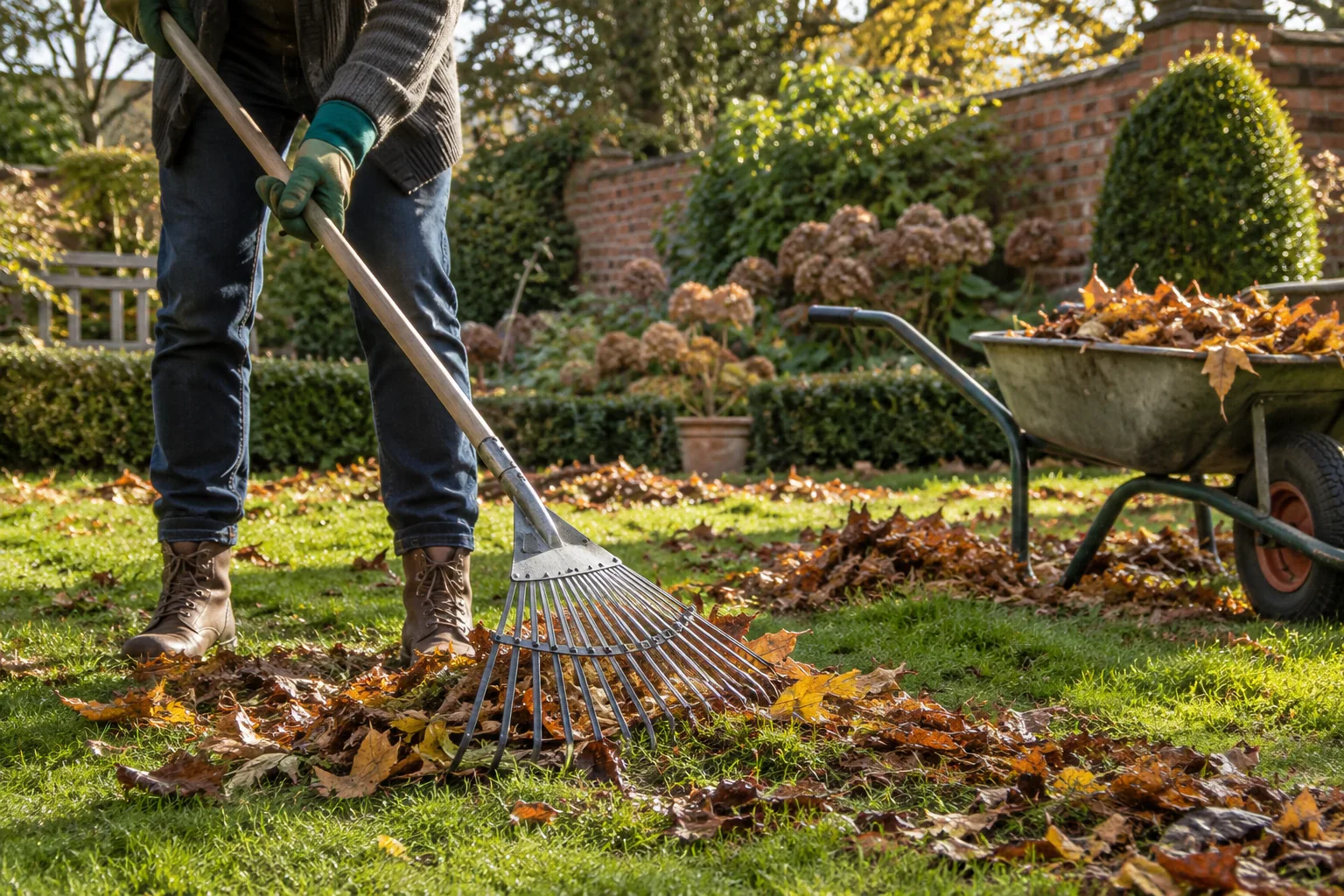
Spring attention can protect emerging bulbs and perennials while dealing with early weeds. In summer, keep the most-used zones manageable and establish responsibility for watering pots and new planting between visits. Avoid adding an entire new border if the household cannot provide the necessary aftercare. In autumn, focus leaf collection where it affects paths and grass, while deciding where selected stems or natural cover can remain.
Winter work depends on ground conditions. Repeatedly carrying material across wet turf can undermine an otherwise useful tidy. Weekly, fortnightly or monthly appointments can be discussed according to the workload and your own involvement, with seasonal changes to the task list. For a one-off recovery, agree a stopping point and likely follow-up rather than expecting a large, partly concealed space to be fully resolved in a single uncertain session.
Budget by scope, access and waste
The published gardening rate is £79 for the first hour and £65 for each subsequent actual hour, with two gardeners, tools, equipment and bags. Up to 120 litres of green waste removal is included in the stated arrangement. See the price guide and confirm availability, postcode and any applicable extras, including congestion-related charges where relevant. Additional removal needs agreement, and specialist projects use a separate pricing basis.
Show the largest growth and the longest carrying route honestly. Explain parking, locks and any shared access. If your budget cannot cover the whole list, prioritise the zones that will deliver the most useful result and plan another stage. Additional hours are subject to the schedule, so they should not be assumed. Before arrival, mark retained plants, move small personal items and keep pets and children away from the working area.
Barnet gardening questions
Need to discuss your own garden or property? Call with photographs and your postcode.
Ask about your visitCan one part of the garden be maintained more often?
Yes, define the zones and the standard you want in each. The area near the house may need regular attention while another section receives seasonal work. A clear plan prevents the same amount of time being spread thinly across the whole plot without completing the important tasks.
Should I clear the far end before making a design plan?
An agreed first stage can reveal access and existing features, but avoid removing valued structure prematurely. Mark plants and habitat areas to retain. Once the ground is visible, you can make better decisions about layout, planting and the amount of ongoing care you want to support.
Does a larger garden automatically need weekly visits?
Frequency depends on the tasks, growth and your own contribution, not just area. A simple large space may need a different routine from intensive small borders. Discuss a starting interval and review whether it remains useful as the season and the workload change.
Can old fruit plants be included in a general tidy?
Identify them and explain whether you want retention, suitable pruning or removal considered. Different fruit plants have different management needs. Do not treat all woody growth as an ordinary hedge, and avoid hard cutting before the plant and intended outcome have been established.
Will you remove all ivy from trees?
Discuss the actual tree and reason for concern rather than assuming removal is always necessary. Substantial tree work and protection checks may need separate consideration. A blanket instruction across a mature garden can lead to unnecessary intervention without addressing the issue you observed.
Can the compost area take all the cuttings?
Assess the material and available capacity first. Woody stems and large volumes need an appropriate plan, and diseased or persistent material may need separate handling. Confirm what stays and where, rather than leaving a new pile simply because the garden has room at the far end.
What should photographs show for a long plot?
Include each working zone, the links between them and the route to the street. Show dense growth and difficult corners as well as open areas. This helps the estimate reflect carrying, access and selective work instead of relying only on a distant view from the back door.
Which neighbouring approved pages are available?
Read about Finchley, Edgware, Enfield and Hampstead, or use the coverage directory. Confirm the precise postcode and service availability directly before planning entry or making arrangements around a proposed appointment.
Put your Barnet garden into manageable stages
Call 020 3746 2449 with photographs of each area and the result you need most. Explain what you want to retain, how access works and the jobs you can handle yourself. A defined first stage can improve daily use now while giving the rest of the garden a realistic route into continuing care.
Call 020 3746 2449Gardening nearby.
View all 60 coverage areas ↗Barnet on the map.
Approximate area centre for orientation. Call to confirm availability for your exact postcode.