
Gardeners
Finchley
Discover what an inherited garden contains before removing its character. Finchley care can restore practical access, manage known growth and preserve uncertain planting, using seasonal observations to guide pruning, lawn decisions and any later redesign or planting work.
- Record inherited planting through the seasons
- Preserve uncertain plants during first-stage work
- Identify shrubs before deciding on hard pruning
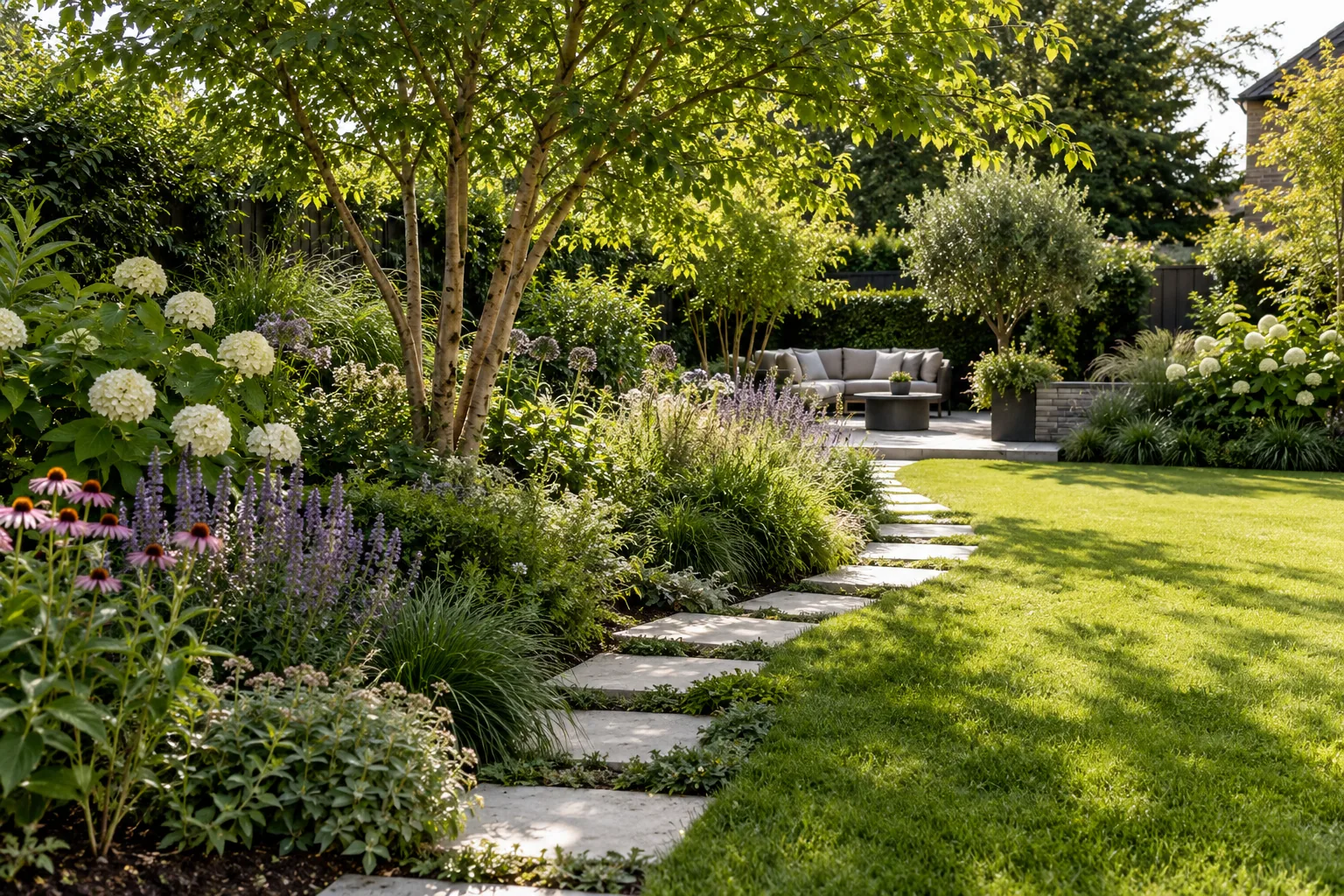
Make a record before a clear-out
Inherited planting can take a full growing season to reveal itself. A patch that looks empty in winter may contain bulbs, while a large shrub may turn out to be the feature you most enjoy in spring. If you are arranging gardening in Finchley after moving home or taking on a neglected garden, Go Gardeners can discuss a careful first stage. Deal with immediate access and manageable growth, mark what is known and leave room to learn about plants before making irreversible removal decisions.
Photograph the garden from fixed viewpoints and note any labels, planting plans or earlier photographs available. Mark plants you definitely want to retain and places where you are uncertain. A cautious instruction is particularly useful when no one can confidently identify dormant growth. Not knowing a plant’s name does not make it unwanted, and seasonal absence does not mean the bed is empty.
Garden maintenance can help establish order through mowing, weeding and suitable trimming. Where vegetation prevents access, discuss selective garden clearance with clear exclusions. The first stage may be revealing paths and beds rather than preparing every area for replacement. Once the layout is visible, you can make better choices about what to keep, what to change and how much recurring work you want to take on.
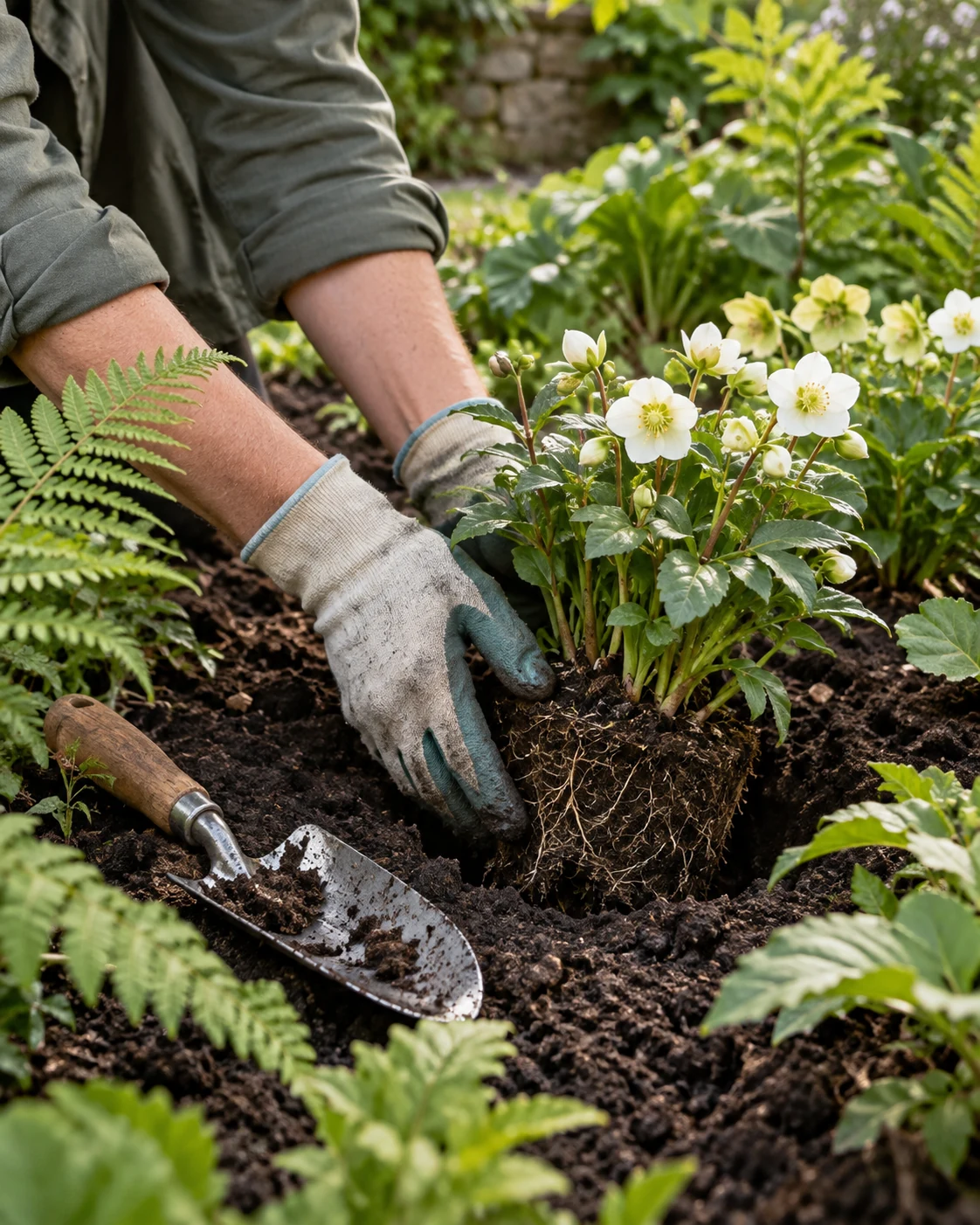
Distinguish vigorous plants from unwanted growth
A plant can be valuable and still need containing. Explain whether the problem is spread, height, obstruction or competition with other planting. A border described only as overgrown leaves too much interpretation to the gardener. Close photographs and marked areas can establish which growth should be managed and which plants provide the structure you want to preserve.
Where weeds are tangled through desirable plants, allow for selective work rather than assuming every clump can be pulled quickly. Choose manageable sections, especially if identification is uncertain. Afterwards, consider suitable soil cover or planting so the cleared area does not simply restart the same workload. Materials should be agreed in advance, with care not to bury crowns, emerging shoots or bulbs beneath an indiscriminate covering.
Pruning should follow identification
Before cutting shrubs or climbers, establish the plant and its flowering habit as far as possible. Removing all recent growth can mean losing the display you were hoping to discover. Tell the gardeners whether the aim is a modest shape, clear passage or a substantial size reduction. These objectives may lead to different timings and levels of intervention.
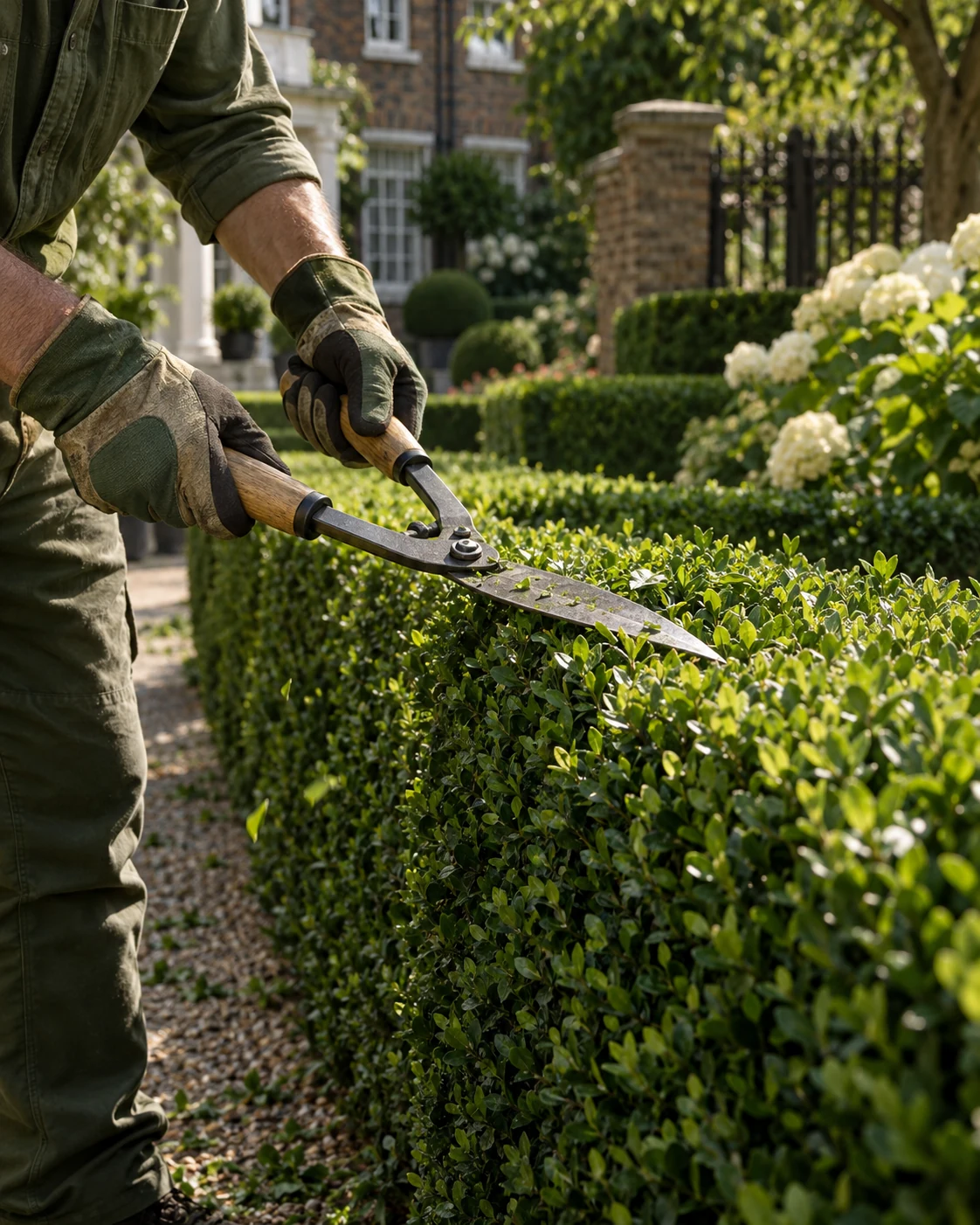
For hedges, provide dimensions and access to both faces. Check for nesting activity in dense growth before cutting and defer affected work where necessary. Mention loose trellis and damaged fence panels separately. A cutting task cannot be assumed to repair a weak support, and exposing the structure may reveal work that needs another plan. If the plant is fundamentally unsuitable for its place, a staged or replacement decision can be considered separately.
Finchley tree checks with Barnet Council
Barnet Council’s protected-tree guidance is the starting point for checking tree preservation orders and conservation-area requirements. Establish the exact property’s position before proposed tree work. A newly purchased garden does not come with automatic freedom to prune or remove established trees, and previous owners’ actions do not settle the position for a new operation.
Use a tree-surgery enquiry for substantial pruning or removal, with photographs of the whole tree and nearby structures. Explain the concern and share relevant reports if available. Resolve required permission or notice before proceeding. Keep tree decisions separate from an urgent wish to tidy the rest of the garden; routine tasks can often be planned while the appropriate specialist work and local requirements are considered.
Discover how light moves through the garden
Observe light at different times and through the season, particularly beneath deciduous planting. A bed that receives spring sun may become shaded later. Note which plants perform well before buying replacements. Also record damp and dry patches. A neighbourhood name cannot determine every garden’s soil, drainage or exposure, and one photograph taken in pleasant weather may conceal the condition that matters most.
If a bed or path is poorly placed for your use, discuss garden design and landscaping as a separate stage. Learning from the existing garden first can improve that conversation. A maintenance appointment can reveal practical constraints and care needs, but it should not be presented as a guarantee that routine weeding will correct drainage, unsuitable levels or a layout that prevents access to the planting.
Assess the lawn before replacing it
Explain the grass’s length, its recent care and how you intend to use it. Remove visible small objects and pet waste where safe, and identify roots, edging and hidden dips before mowing. A first recovery cut may expose sparse areas that were not obvious beneath long growth. That result can inform the next step rather than being treated as evidence that the entire lawn must immediately go.
Lawn care can be discussed for repair or recurring thinning. Shade, wear and moisture need considering alongside the proposed treatment. Fresh seed or turf also needs an establishment plan and protection from normal traffic where appropriate. If a patch is an unavoidable route, decide how people will move while it recovers. Repeating repairs without addressing use or conditions can spend money without delivering a durable improvement.
Build knowledge into a seasonal routine
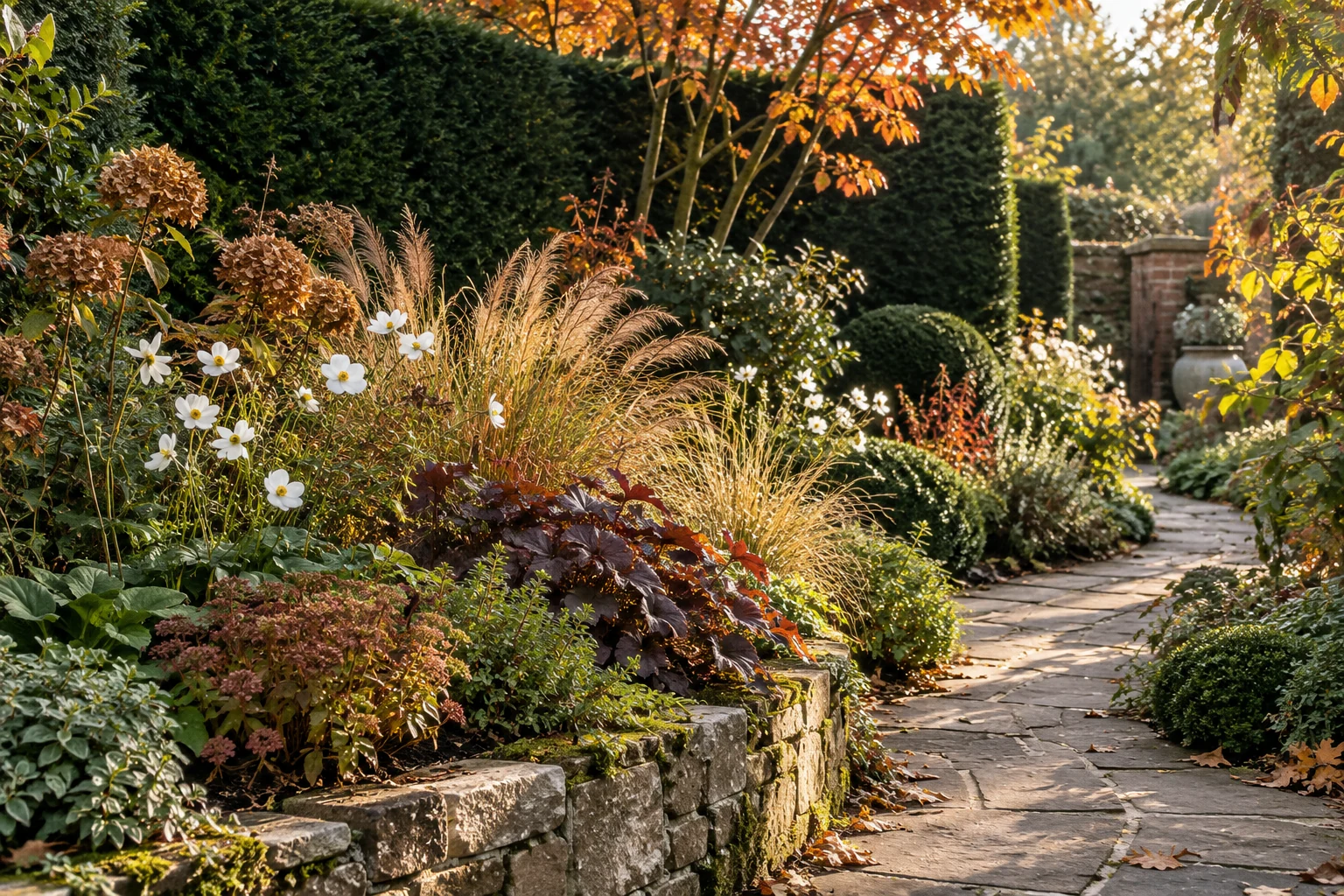
In spring, use labels and photographs to record emerging bulbs and perennials while managing early weeds. In summer, note flowering and mature spread before deciding on future reductions. New planting and containers need moisture checks between appointments, with a named person responsible. Avoid filling every apparent gap before you know which established plants will occupy it later in the year.
Autumn is useful for reviewing what worked and collecting leaves where they interfere with access or grass. Selected stems can remain if desired. In winter, ground conditions may limit practical work and the absence of foliage can make plant identification harder. Weekly, fortnightly or monthly visits can be considered, with the frequency based on the actual workload. A seasonal record can help turn the first cautious year into a more confident continuing plan.
Price and prepare the first appointment
The published gardening arrangement includes two gardeners, tools, equipment and bags. Rates are £79 for the first hour and £65 for subsequent actual hours, with up to 120 litres of green waste removal included. See the current price guide and confirm the postcode, availability and any applicable extras, including congestion-related charges where relevant. Additional disposal needs agreement, and tree or landscaping projects are priced separately.
Photograph the gate, carrying route, steps and any access through the property. Confirm parking and permissions for shared areas. Mark retained plants, remove lightweight personal items and identify cables or irrigation. Set a priority order with a clear stopping point if the whole list exceeds the available time. If you will be away, confirm a contact method and security arrangements so uncertainty about one plant does not become an avoidable decision made without your input.
Finchley gardening questions
Need to discuss your own garden or property? Call with photographs and your postcode.
Ask about your visitShould I wait a year before doing any work?
You can deal with practical access and manageable maintenance while observing uncertain planting. Waiting to identify plants does not require leaving every path obstructed. Agree a cautious first stage, mark exclusions and use photographs to record what appears through the seasons before making major removal decisions.
What if I cannot tell bulbs from weeds?
Flag the uncertainty and avoid indiscriminate clearance in that section. Labels or photographs from a previous season help. Some plants are difficult to identify when dormant or very young, so retaining them temporarily can be more sensible than treating an uncertain patch as empty ground.
Can a large shrub be kept but made easier to reach around?
Explain the clearance needed and identify the shrub before deciding how to prune. Selective work may help, but the plant’s response and flowering habit matter. A substantial reduction should not be assumed suitable merely because the surrounding bed is being tidied at the same time.
Can gardeners help create a plant inventory?
Discuss the level of identification or recording you need before booking. A normal maintenance appointment should not be assumed to include a complete botanical survey. You can still provide labels, retain uncertain plants and build your own seasonal photographs into the ongoing care plan.
Is new turf the quickest way to reset a garden?
Only if it suits the conditions, use and aftercare you can provide. Ground preparation and establishment matter, as do shade and repeated traffic. Assess the existing lawn first rather than assuming replacement will solve a problem whose cause remains unchanged.
Does buying the property authorise tree work?
Ownership does not replace checking tree preservation orders and conservation-area requirements. Use the council’s guidance for the actual tree and operation. Keep relevant documents and establish any required permission or notice before treating significant pruning or removal as ready to proceed.
Can the first visit be deliberately limited?
Yes, choose a defined outcome such as accessible routes and one manageable bed. State what should remain untouched and what can wait. A limited stage is useful when you want to learn about the garden before committing to broader clearance, planting or a different layout.
Which approved pages cover neighbouring areas?
See Barnet, Edgware, Hampstead and Enfield, or use the coverage directory. Confirm the precise postcode, required service and availability directly before arranging keys or making plans around an appointment.
Begin a considered Finchley garden plan
Call 020 3746 2449 with photographs and a note of what you know about the planting. Explain the immediate tasks, the areas to preserve and access arrangements. A cautious, clearly defined first visit can make the garden usable while leaving space to understand and care for what is already growing.
Call 020 3746 2449Gardening nearby.
View all 60 coverage areas ↗Finchley on the map.
Approximate area centre for orientation. Call to confirm availability for your exact postcode.