
Gardeners
Greenwich
For gardens with levels or raised beds, the route between working areas matters as much as their size. Plan accessible planting care, lawn work and waste handling around the real layout, with structural concerns kept visible for separate assessment.
- Include every level in the working brief
- Assess reach and moisture in raised beds
- Plan waste handling across steps and turns
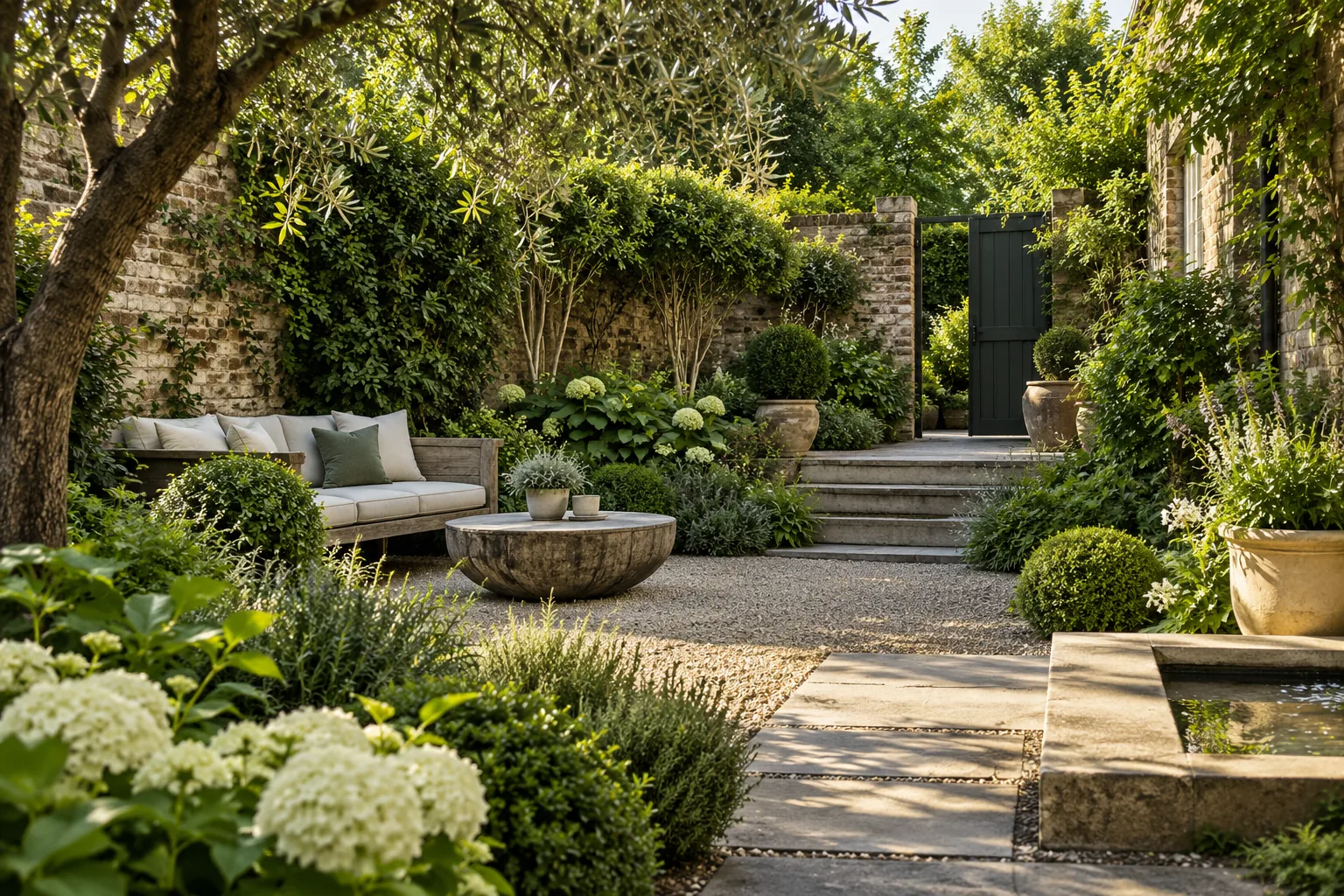
Describe the garden in working levels
Steps, raised beds and separate levels change the way gardening work has to be planned. If your Greenwich garden has those features, a view from the kitchen can conceal much of the handling involved: carrying equipment down a flight, bringing bags back up and keeping a narrow landing usable. Go Gardeners can discuss maintenance around the actual layout. Include the transitions between spaces in your enquiry, then explain the work needed on each level. This is a property-specific assessment, not an assumption that every garden in Greenwich is sloping or difficult to reach.
Label the different areas on a rough sketch or annotated photograph. Note the route between them, including steps, narrow turns and surfaces that become slippery. Explain where equipment can stand safely and whether a gate provides an alternative entrance. An estimate based on one uninterrupted lawn will not describe a garden divided into several separate working spaces.
Prioritise by use. The terrace outside the door might need attention before a distant border, while leaves on steps may matter more than detailed shaping elsewhere. Garden maintenance can combine appropriate tasks across the levels once the route and priorities are clear. Keep structural problems separate: loose steps, failing walls and damaged balustrades require the right assessment rather than a gardening workaround.
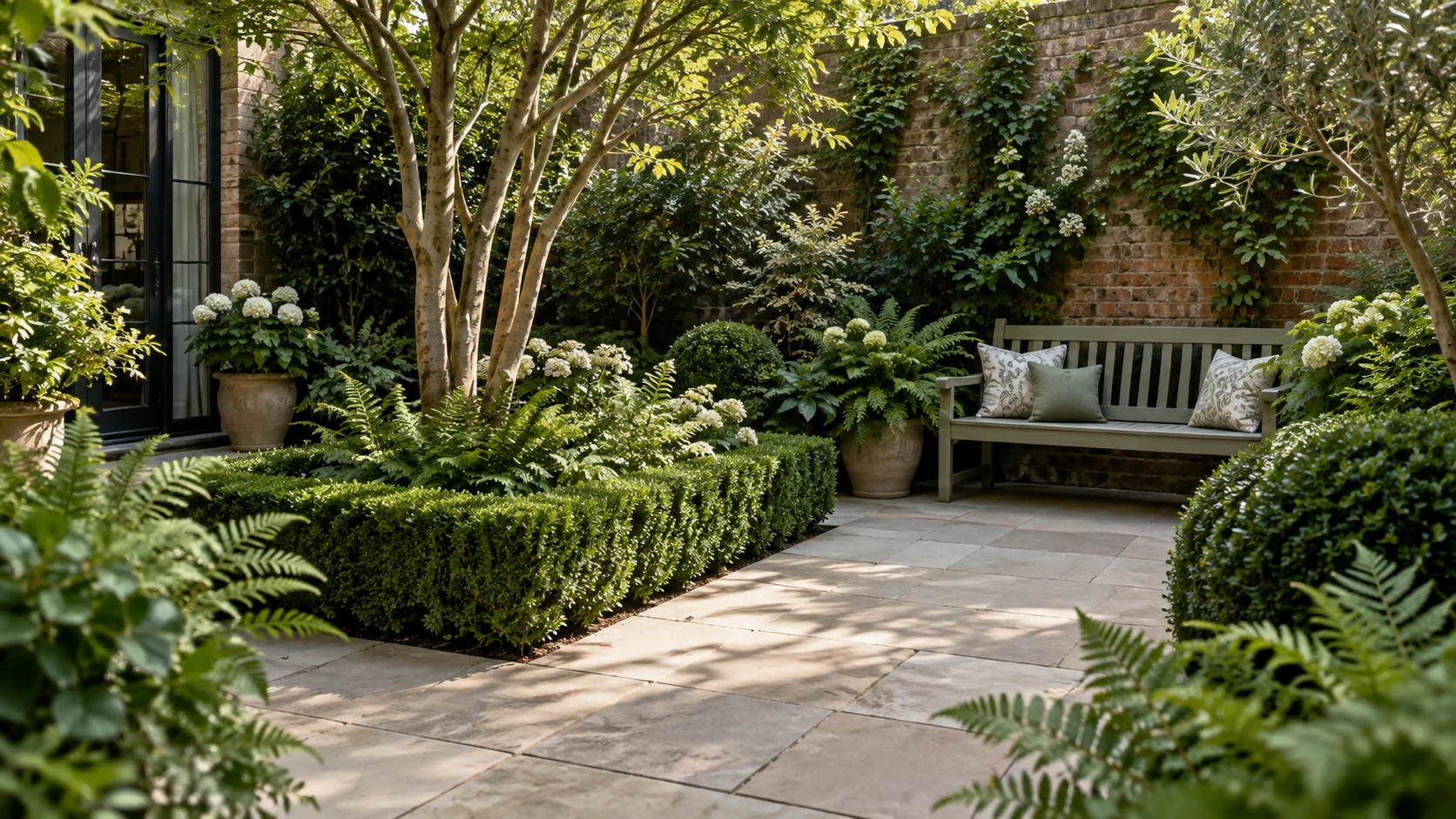
Raised beds are not automatically easy beds
An elevated bed can be accessible from one side and awkward from another. Show its depth and the space behind it. Avoid expecting a gardener to reach across delicate plants or lean over an unstable edge. Explain whether the bed contains ornamental planting, vegetables or a mixture so the retained growth can be identified before weeding.
Observe moisture rather than assuming the raised position guarantees good drainage. The construction, soil and planting all matter. Some beds dry quickly; others retain water because their outlets or underlying structure are unsuitable. A maintenance visit can identify concerns for discussion, but it cannot promise to diagnose concealed construction or cure persistent water problems simply by adding compost.
Planting beside walls and steps
Wall-side planting can experience different light and rainfall from an open bed. Record which parts remain dry or shaded and which plants already perform well. Before adding replacements, consider mature size and clearance around routes. A shrub that repeatedly obscures a handrail may be in the wrong place even if it can temporarily be clipped back.
Selective pruning and weeding can improve the existing planting without automatically removing it. Mark valued climbers and show their supports. If the arrangement needs fundamental change, discuss garden design and landscaping separately. The maintenance brief should not quietly turn into rebuilding a retaining structure or installing a new terrace, and any relevant property or planning constraints need checking.
Greenwich conservation and garden-tree checks
Royal Greenwich’s planning policies map includes conservation areas. Use the exact property location when checking a proposed garden-tree operation. A nearby landmark or the general character of a street does not establish the status of an individual tree.
The council’s Greenwich and Blackheath conservation management material is relevant to properties within its mapped area, rather than a description of every Greenwich garden. Tree Preservation Orders and conservation-area requirements should be checked before relevant cutting. Request tree surgery for substantial pruning or removal and provide clear tree identification. Resolve required consent or notice first; restricted access also belongs in that separate assessment.
Lawns with changes of level
For lawn care, show edges, slopes and the access to each patch of grass. Mention how the ground behaves after rain and where it is worn. Smaller separated lawns can involve more handling than their combined area suggests. Loose objects, children’s equipment and low cables should be removed or identified before mowing.
The appropriate cut depends on growth and ground condition. Long grass may need a staged reduction; dry or wet stressed turf should not be forced into an ordinary mowing routine. Where a section persistently fails beneath shade or traffic, discuss the underlying cause. Seeding it again without changing the conditions may simply repeat the same disappointment. Alternative planting or a revised route might deserve consideration.
Clearance needs a safe waste route
Dense vegetation on another level can conceal both the ground and the route out. For garden clean-up, show the growth and the steps or passage used to remove it. Disclose known wire, broken objects or unstable structures. Explain which plants are to remain, particularly climbers that may cover several levels of the garden.
Bag handling and disposal need a clear arrangement. Green material is different from rubble, old paving or discarded household items. Specify non-green materials separately rather than assuming they are included. Choose a temporary bag location that keeps steps, doors and shared access open. Cutting vegetation is only part of the job if every bag then has to be carried a considerable distance.
Match visits to growth and your own contribution
Regular care is useful when the same tasks recur faster than you can manage them. Weekly, fortnightly and monthly appointments can be discussed according to availability and the garden’s actual workload. You might handle accessible pots while gardeners concentrate on mowing and heavier border work. Make that division explicit so nothing essential falls between the two.
A one-off appointment suits a defined list or preparation for a separate project. Put the most useful outcomes first and allow for a follow-up if opening an area reveals more work. A single appointment should not be expected to remove every consequence of years of neglect. Review how the garden behaves after the visit before deciding whether more frequent care or a layout change is the better investment.
Seasonal care across different exposures
Separate levels or walls can create different conditions within one garden. In spring, protect emerging bulbs while tackling weeds. Summer work should reflect actual moisture, with an agreed person checking containers and establishing plants between appointments. The RHS drought-care advice is useful before demanding a low cut from stressed grass.
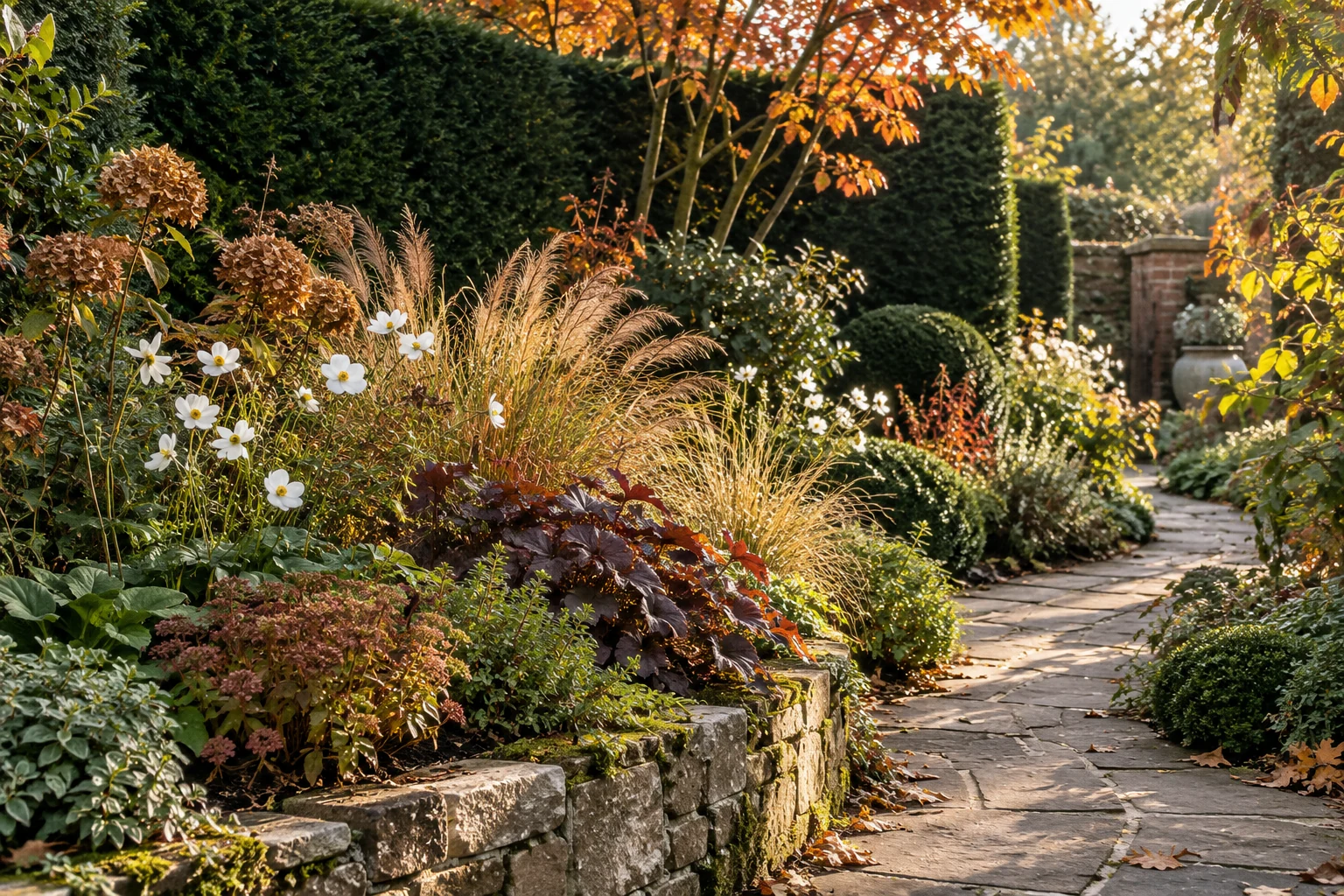
In autumn, keep leaf accumulations off frequently used steps and avoid thick cover on lawns. Selected seedheads or a suitable habitat corner can remain by agreement. Winter work may be limited by icy surfaces or saturated ground. Check dense planting for active nests before cutting and defer affected work; neither a tidy calendar nor a quieter season removes the need for that check.
Price and preparation for a Greenwich enquiry
Maintenance, lawn care and clearance are published at £79 for the first hour and £65 per subsequent actual hour. The arrangement provides two gardeners, equipment and bags, including up to 120 litres of green waste. Extra removal needs agreement. Read the live prices page and request the relevant quote for landscaping or tree work, which use different pricing arrangements.
Confirm postcode availability, parking and possible congestion charges. Send entrance and level-change photographs before agreeing the visit. Move light furniture where safe, identify cables and irrigation, and arrange for pets and children to stay away from the working area. The coverage directory includes Lewisham, Catford, Eltham and Bexleyheath for nearby enquiries; exact address and appointment details still need confirmation.
Greenwich gardening questions
Need to discuss your own garden or property? Call with photographs and your postcode.
Ask about your visitDoes a stepped garden need a different estimate?
The carrying route affects time and equipment handling, so include every level in the enquiry. The total planted area alone is not enough. Show steps, turning spaces and alternative entrances so the proposed arrangement can be assessed before the appointment.
Can you weed a deep raised bed?
Describe its dimensions and access on each side. Safe reach and the planting arrangement matter. Avoid assuming that elevation makes every part accessible; a deep bed with delicate plants at the front may need a different approach from a narrow open strip.
Will maintenance repair a loose step?
No repair should be assumed within a gardening brief. Identify unstable surfaces beforehand and arrange the appropriate assessment. Gardening work may need to avoid the affected route until it is safe, so disclosing the issue helps establish a workable appointment.
Can waste be carried through the house?
Explain the full route, surfaces and doors in advance. Its practicality needs agreement, including how the property will be protected and secured. Do not leave that discussion until filled bags are ready to move from the garden.
Why do plants beside the wall keep drying?
The position may receive different rainfall or light from the open garden, but the actual soil, roots and watering also matter. Observe conditions and share details. Changing plants or care may help; assuming one universal local soil type will not establish the cause.
Can the lower lawn be cut if the upper lawn is wet?
Each area should be considered on its condition and safe access. A dry patch does not make a slippery route suitable for carrying equipment. Agree priorities flexibly so work can proceed sensibly where possible without damaging soft turf elsewhere.
Should I prune a tree to brighten a terrace?
Begin with its condition, suitability for the proposed operation and protection status. Significant tree work needs a separate assessment and relevant council checks. The wish for more sunlight is useful context, but it does not establish permission or guarantee the result.
Can I book only the most accessible level first?
A limited first stage may be practical. Define its boundary and intended finish, and explain any growth extending into it from another level. Agree the time and waste basis so the booking remains useful even if the rest of the garden will wait.
Arrange gardening that accounts for every level
Call 020 3746 2449 with your Greenwich postcode and photographs showing how the working areas connect. Explain which space you need first and any access restrictions. Agree the scope, carrying route and price basis before the visit so the plan reflects the whole property.
Call 020 3746 2449Gardening nearby.
View all 60 coverage areas ↗Greenwich on the map.
Approximate area centre for orientation. Call to confirm availability for your exact postcode.