
Gardeners
Bexleyheath
A successful clearance needs a future for the space it reveals. Define the first usable area, separate vegetation from hidden rubbish and repairs, and plan planting or continued care before an open bed becomes another weeding project.
- Define what a clearance should leave behind
- Separate green waste from hidden materials
- Plan aftercare for newly exposed ground
Decide what recovery should achieve
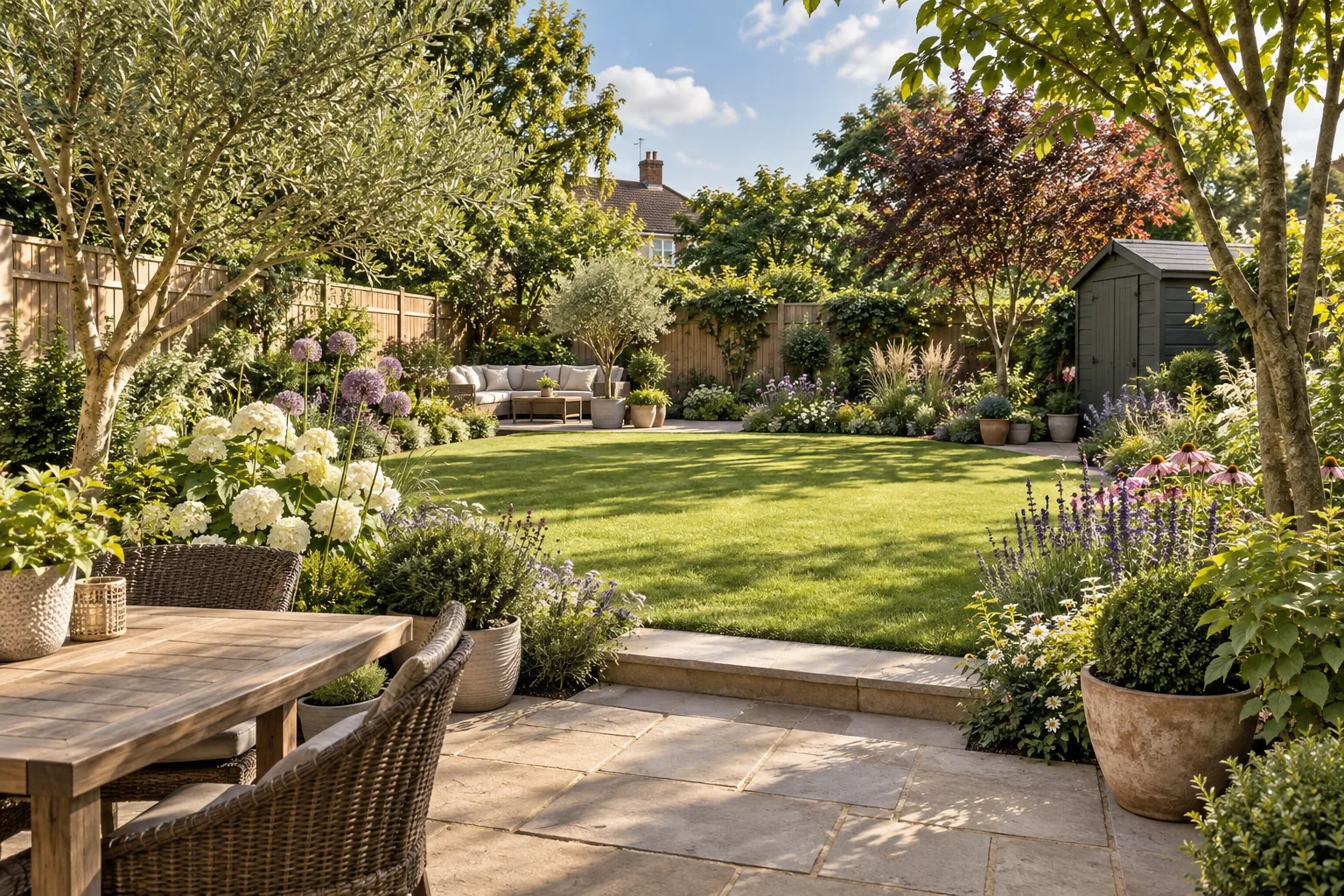
A useful garden tidy leaves you with something you can maintain. Simply exposing every inch of ground can replace overgrowth with a much larger weeding job. For Bexleyheath enquiries, Go Gardeners can help define a sensible recovery plan: keep the planting worth retaining, open the areas you need and agree what will happen to the ground afterwards. Show the current condition honestly, including the corners you have stopped using. The best first step depends on what is hidden, what is growing and how you intend to use the space.
Choose a concrete purpose before setting a cutting list. You might want room for a table, access to a shed or a lawn that can be mown again. Mark the relevant areas on a photograph and identify any beds that should remain untouched. A clearly limited brief can produce a more useful result than requesting an unspecified overhaul within a fixed allowance.
Garden clearance is appropriate where dense vegetation obstructs access or conceals the surface. It does not automatically include replanting, repairs or disposal of household materials. If the objective is to prepare for landscaping, explain the proposed next stage so retained plants and access routes can be considered. Avoid removing sound planting only to discover that it supplied screening you still need.
Assess before removing
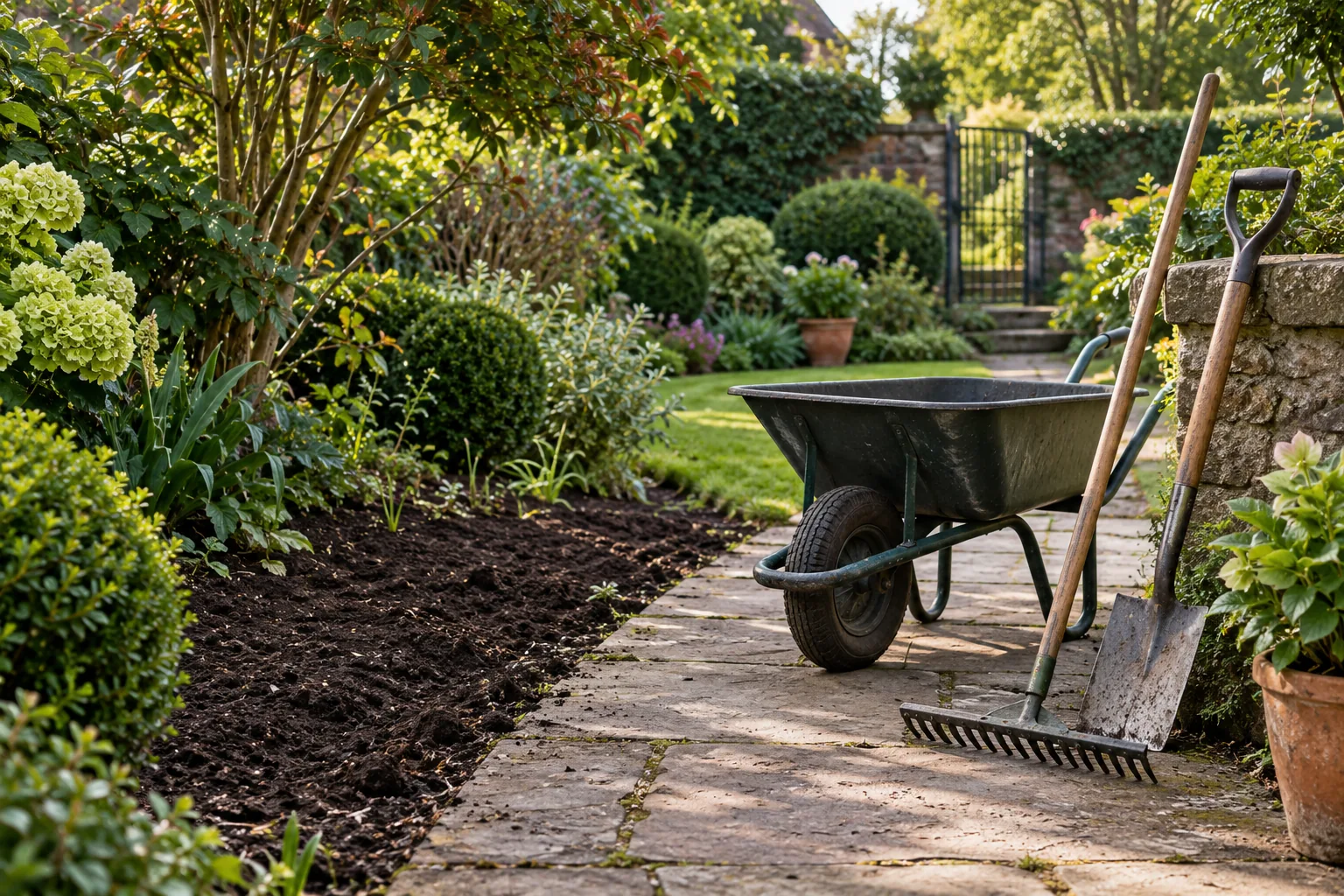
Photograph existing shrubs, trees and climbers as well as the weeds between them. A mature plant may be untidy rather than beyond recovery. Some tolerate renovation, while others can be damaged by cutting into old wood. Tell the gardeners which plants are sentimental, useful for privacy or important to wildlife, even if they currently look neglected.
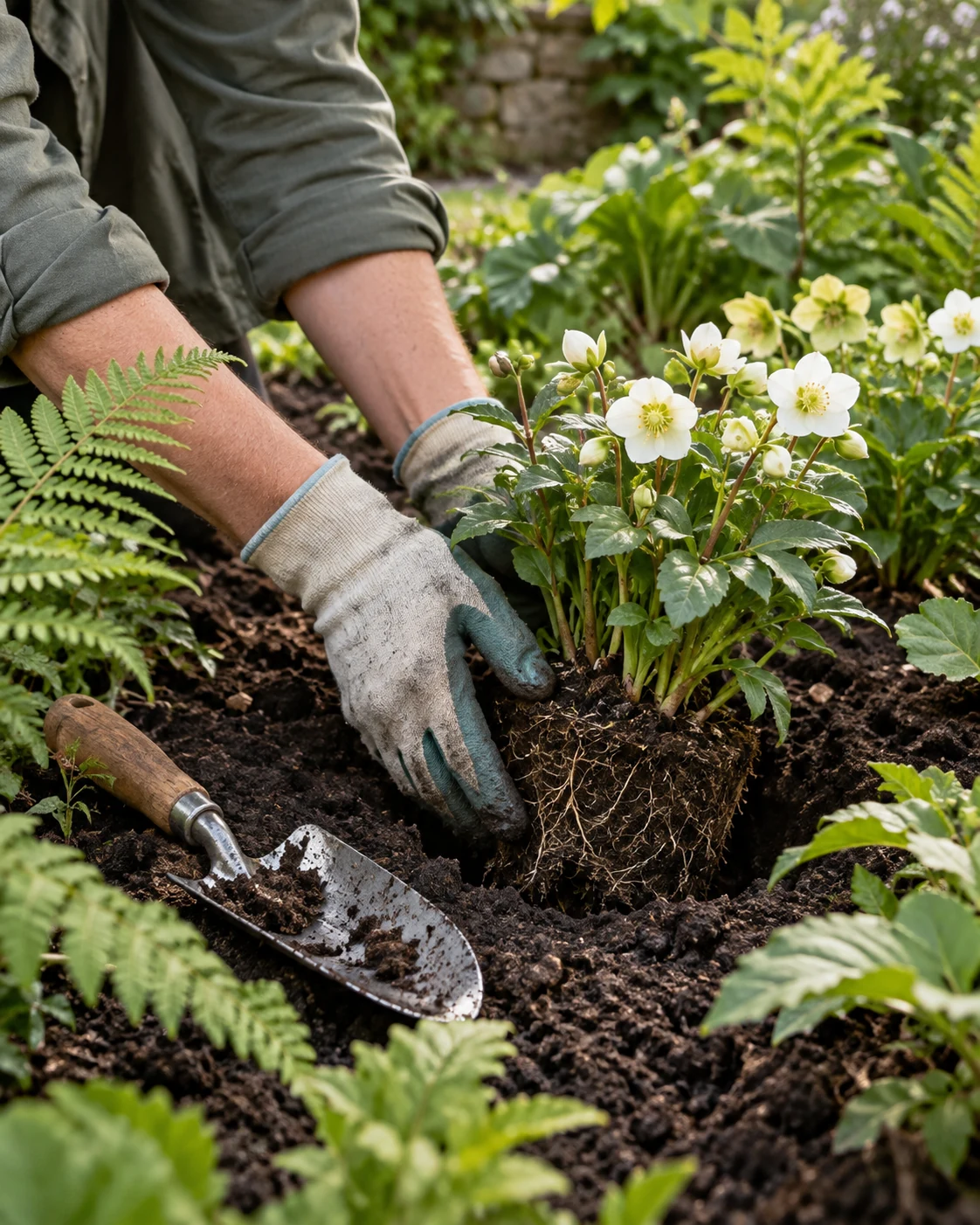
If you have moved recently, a cautious first season can reveal bulbs and perennials that are invisible at another time. Mark uncertain patches and focus early work on obvious obstructions. Where a bed is genuinely being cleared, discuss root removal and the intended finish. Cutting top growth and preparing a bed for new planting are different amounts of work and should be priced accordingly.
Deal with the cause of repeated overgrowth
Once light reaches newly exposed soil, weeds can return quickly. Decide whether the area will be replanted, covered with suitable mulch or included in regular care. Leaving a large bare bed without follow-up often recreates the original problem. Consider how much ground you can weed and water yourself before expanding a clearance brief.
Routine maintenance can keep recovered areas under observation while growth is still easy to manage. Choose an interval based on the work and season. Weekly, fortnightly or monthly options can be discussed, but frequent visits are not automatically required everywhere. A small planted area with clear ownership may be easier to sustain than an ambitious scheme whose aftercare has not been arranged.
Local tree protection in Bexleyheath
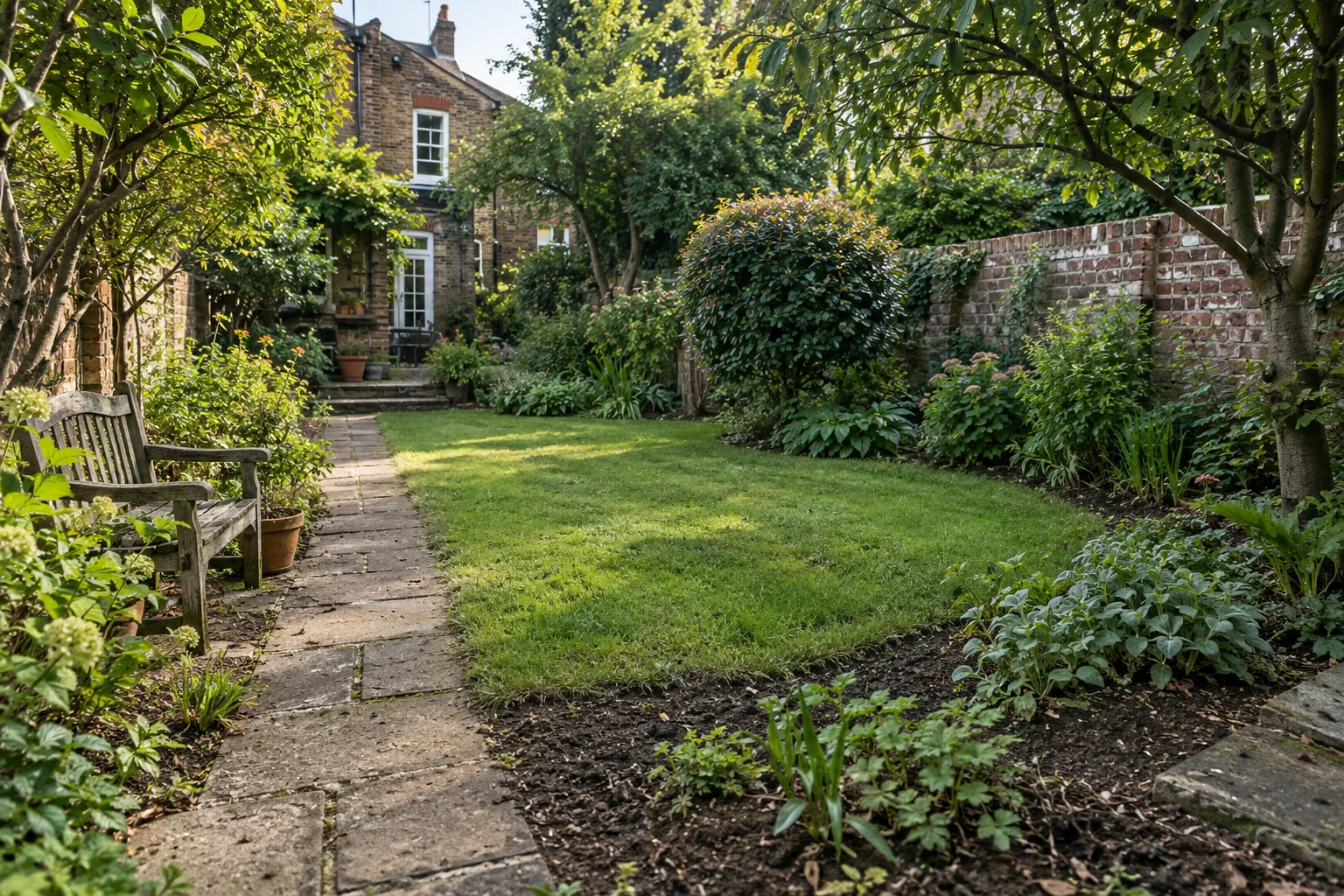
Bexley Council’s tree, hedge and fence guidance is a relevant starting point for checking a tree at a Bexleyheath address within the borough. Tree protection depends on the actual tree and property. Do not infer that pruning is unrestricted because the tree is in a rear garden or was planted by a previous owner.
The council’s conservation and heritage information provides further context for designated areas. Check any required permission or notice before proposed tree work. Substantial pruning or removal should be discussed through tree surgery, not treated as an ordinary clearance extra. Removing surrounding weeds does not establish permission to alter the tree itself.
Revealed surfaces and hidden materials
Growth can hide paving edges, broken glass, loose wire and damaged structures. Disclose known hazards and keep people and pets away from a clearance area. If a surface or fence appears unstable once vegetation is removed, it needs the appropriate assessment. A gardener should not be expected to repair concealed building defects within the original vegetation brief.
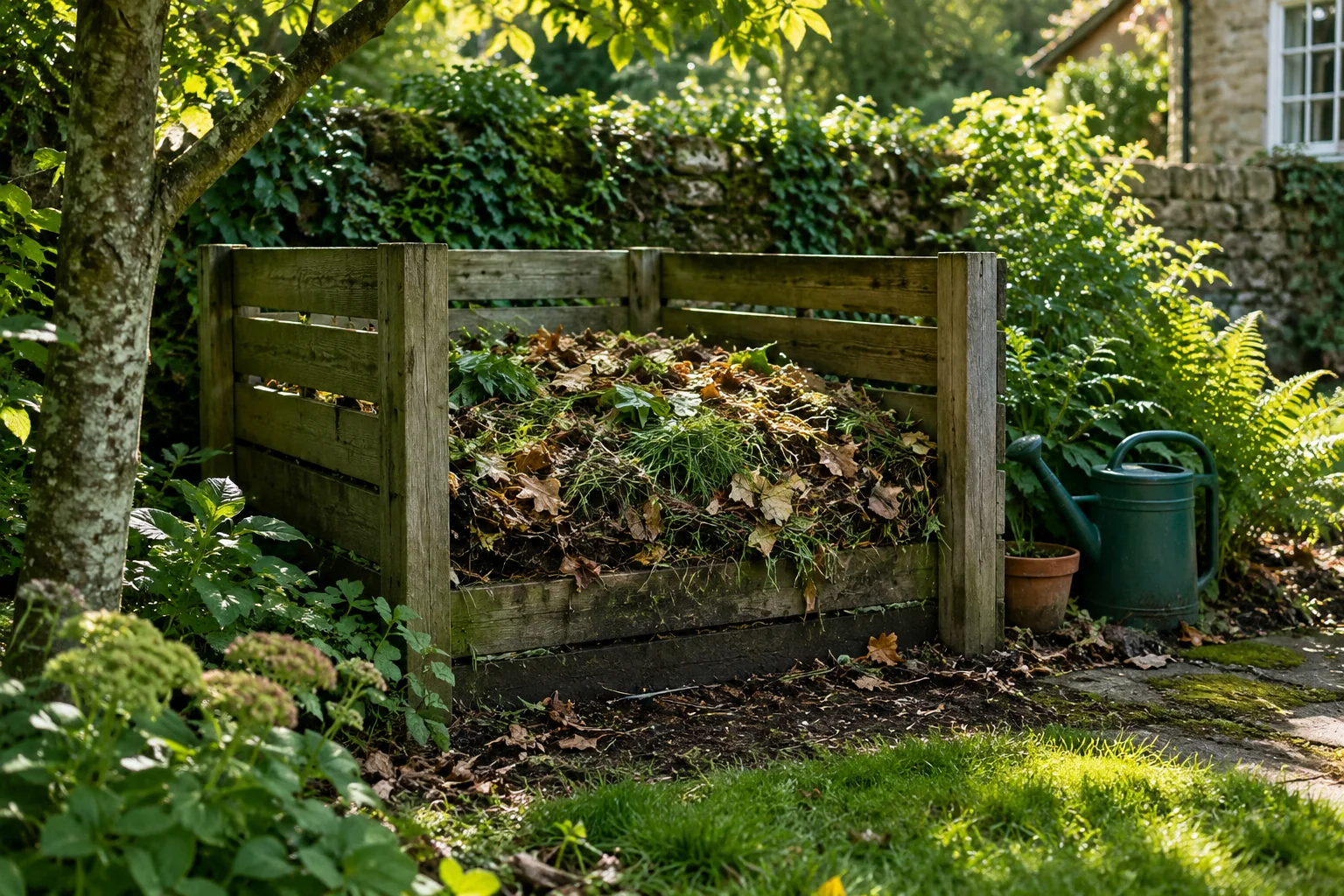
List rubbish separately from green waste. Timber, rubble, plant pots and old outdoor equipment do not become garden clippings merely because they were found outside. Show photographs and agree who will remove them. If you want usable materials retained, choose a storage point that will not obstruct the newly cleared space. This is especially helpful when a project will continue in stages.
Bringing grass back into routine care
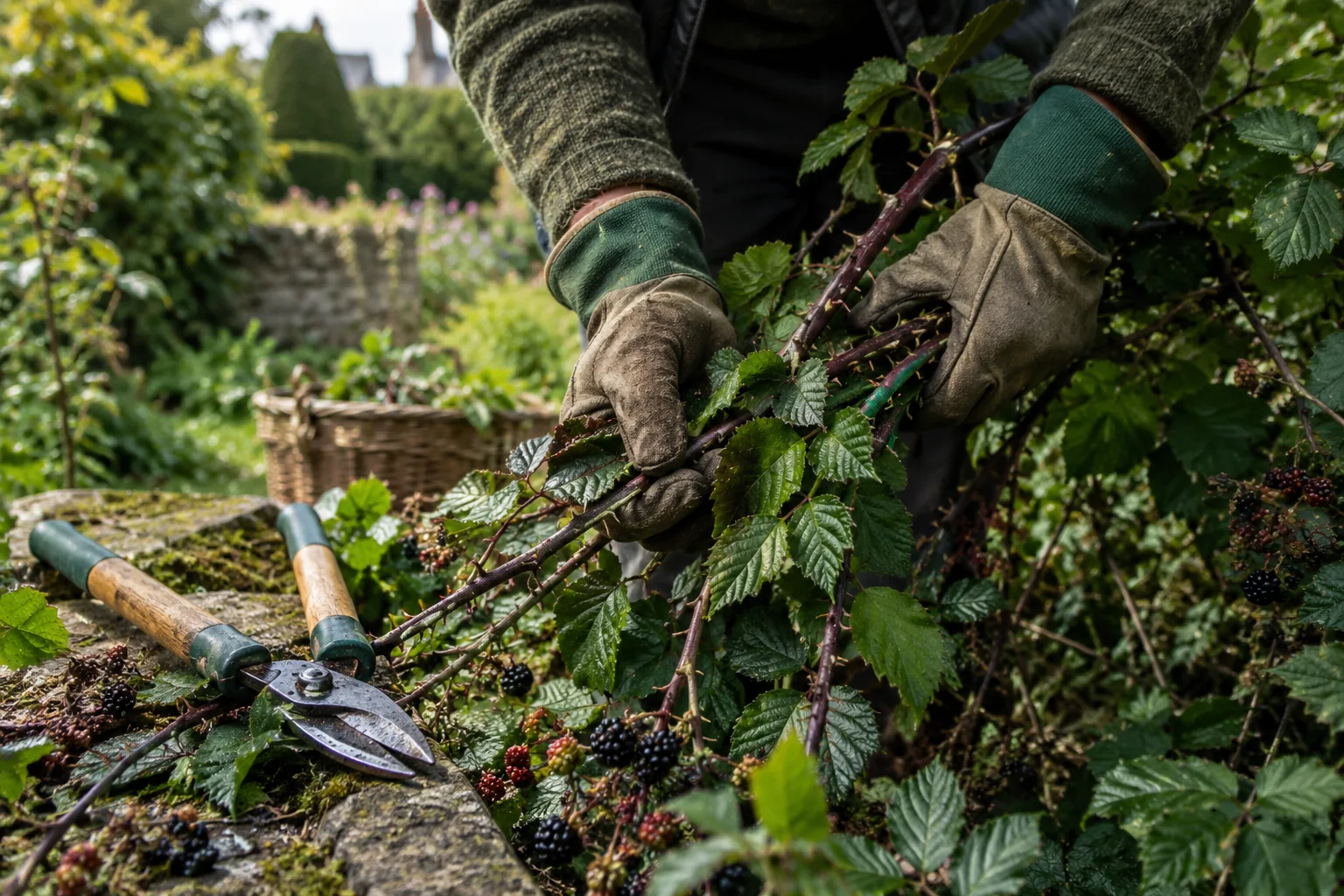
A long lawn can need a gradual reduction rather than the lowest cut in one pass. Show the height and any objects hidden in it. Bulbs, wildlife patches and freshly planted areas should be marked. Lawn care can then be discussed according to the grass’s condition and use, with a realistic distinction between tidying and rehabilitation.
Watch what happens after rain and during dry weather. Persistent moss or bare patches may relate to shade, compaction, wear or drainage. Feeding and seed will not necessarily overcome an unchanged site problem. Keep a simple record of the affected areas so a later improvement discussion is based on evidence. If a permanent path is needed across the lawn, consider that before reseeding the same worn strip again.
A practical seasonal recovery sequence
Spring can be useful for spotting returning plants and young weeds, but clearing everything indiscriminately risks losing desirable shoots. In summer, expose and protect the root zones of retained plants without leaving new planting to dry out. Existing lawns under drought stress may need a pause in mowing. The RHS lawn drought guide explains why browning is not itself evidence that replacement is necessary.
Autumn provides an opportunity to review planting and collect leaves from routes, while winter reveals structure. Work must still suit soil and weather conditions. Do not repeatedly cross waterlogged turf for a non-urgent task. Before cutting hedges or dense shrubs, check for active bird nests and defer affected work. Nest protection does not amount to a simple calendar ban or an assurance that winter cutting is always unobjectionable.
Access, waste and a workable estimate
Include entrance photographs, gate measurements where tight, steps and the path from parking. Carrying equipment and filled bags through a long or narrow route affects the job. Tell the booking team about shared access and confirm any needed agreement. Move light furniture and toys where safe, and identify lights, cables and irrigation.
The published gardening arrangement uses two gardeners with tools, equipment and bags. Maintenance, clearance and lawn care are £79 for the first hour and £65 for each subsequent actual hour on site, including up to 120 litres of green waste. Extra removal needs confirming. See the live price guide for the applicable service; landscaping and tree work have separate pricing. Confirm postcode availability and possible congestion charges before booking.
Follow-up work after the first clearance
Review the space before buying replacement plants. Note light, drainage, mature plant sizes and how the room is used. A narrow border should not be filled with shrubs that immediately overgrow it. If the underlying layout is the problem, discuss garden design and landscaping separately rather than expecting routine visits to compensate indefinitely.
Agree who will water new planting and inspect weeds between appointments. A first-stage clearance should leave a clear next decision, even if the whole project is not complete. For nearby listed areas, see coverage, including Sidcup, Eltham, Greenwich and Orpington. Give the exact postcode for service availability; directory inclusion is not a guarantee of an immediate slot.
Bexleyheath clearance and gardening questions
Need to discuss your own garden or property? Call with photographs and your postcode.
Ask about your visitCan you clear only half of an overgrown garden?
A defined section can be a sensible first stage. Identify its boundary and make sure access to it is practical. Consider how growth from the untouched section will be managed, especially where brambles or other vigorous plants extend across the dividing line.
Will the soil be ready for planting after cutting?
Not necessarily. Top-growth removal, root clearance, soil preparation and planting are separate tasks. Explain your intended finish before booking so the estimate reflects it. Otherwise a visually open bed may still contain roots or need further preparation before you buy plants.
How can I protect plants hidden among weeds?
Mark known locations and share older photographs if they show the planting clearly. Ask for caution around uncertain patches. Some plants are seasonal and cannot be identified confidently from every stage of growth, so retaining a small area temporarily can avoid an irreversible mistake.
Is green waste volume predictable from a photograph?
Photographs help, but dense or woody growth can produce more material than expected. Show several angles and give dimensions where possible. Agree how excess over the included allowance will be handled rather than relying on a single wide image to establish an exact disposal quantity.
Can you remove an old shed during a tidy?
Describe it separately and do not assume dismantling or building-waste removal is included. Its condition and materials can require a different service. Vegetation around a shed can be scoped independently so the structure is accessible for the appropriate next assessment.
Should all leaves be removed from every bed?
Focus first on paths, lawns and sensitive planting. In suitable places some leaves can support soil and wildlife, but the decision depends on plant health and the intended use. Agree what stays so deliberate habitat is not confused with unfinished clearance.
What if the first visit reveals a drainage problem?
Record where water collects and discuss a separate investigation if needed. Clearance can make the issue visible but does not guarantee a cure. Avoid buying turf or planting a new border until the cause and the consequences for the proposed use are understood.
Can you maintain the garden after its recovery?
Discuss the tasks you will handle and the growth likely to return. Regular care can concentrate on weeds, mowing and boundaries, with other work at appropriate times. Review the first few intervals instead of assuming the initial schedule will suit every season unchanged.
Start a Bexleyheath recovery with a defined first stage
Call 020 3746 2449 with your postcode, photographs and the area you want usable first. Identify retained planting and any known hidden materials. Agree the finish, time basis and waste arrangement so the first visit supports the next stage instead of creating another unfinished job.
Call 020 3746 2449Gardening nearby.
View all 60 coverage areas ↗Bexleyheath on the map.
Approximate area centre for orientation. Call to confirm availability for your exact postcode.