
Gardeners
Catford
Give a compact planted garden the attention its detail requires. Sort wanted seedlings from weeds, choose appropriate container tasks and assess crowded shrubs, with a realistic division between periodic gardening and the watering needed between visits.
- Selective weeding around herbs and perennials
- Explicit materials and aftercare for pots
- Assess crowding before buying replacements
Give each part of the planting a purpose
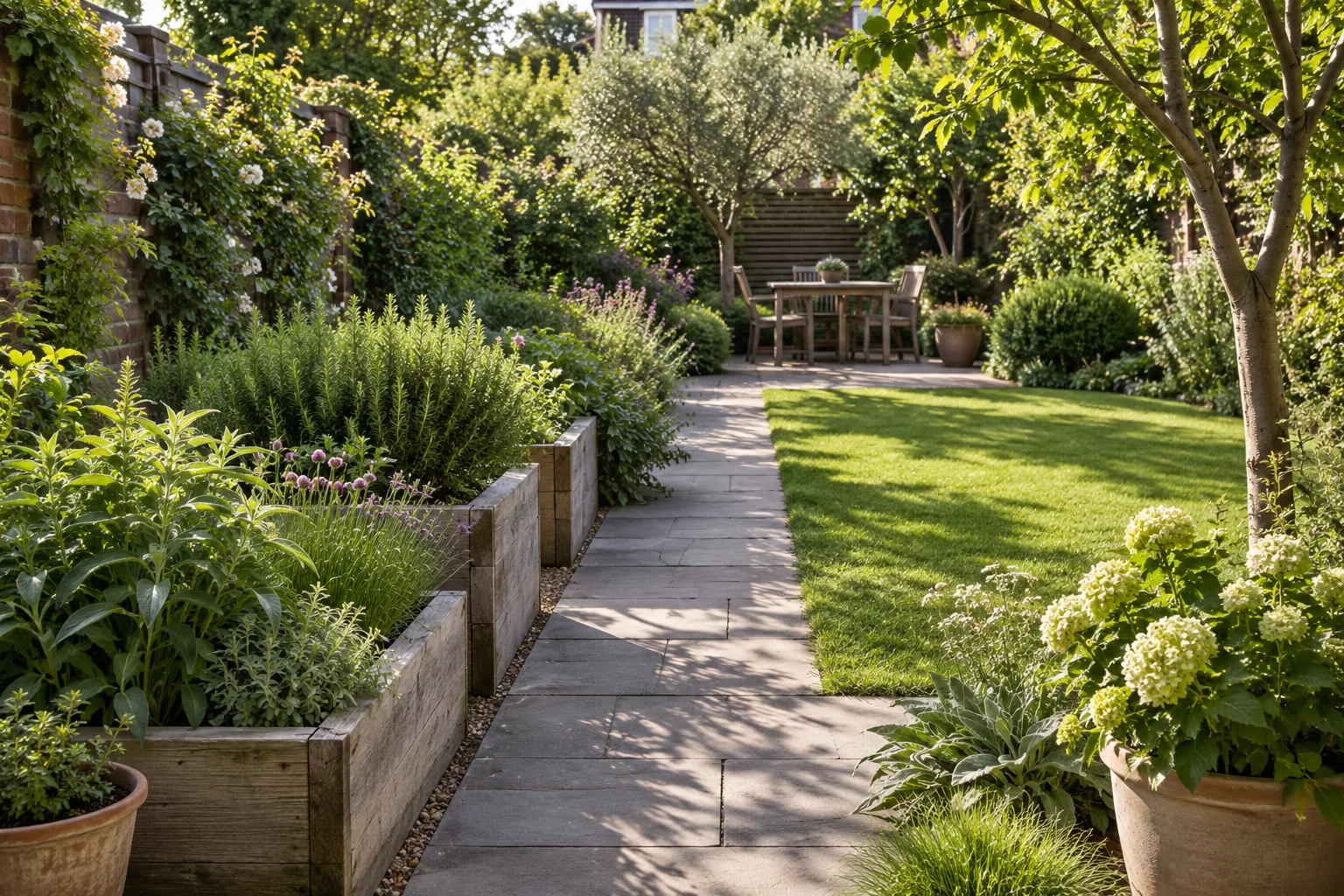
A small border can demand more attention than a larger lawn. Different shrubs, bulbs, herbs and self-seeded plants may compete in a few square metres, leaving no obvious place to begin weeding or pruning. For Catford gardening, Go Gardeners can discuss careful work around that mix instead of treating a compact space as a quick blanket cut-back. The useful starting point is a decision about what the bed should provide: flowers, screening, somewhere to grow food or simply planting you can reach and care for.
Take stock before buying another plant. A shrub may provide privacy but shade herbs beneath it; a vigorous climber may flower well while covering a window. List the functions you need and identify conflicts. Maintenance can improve the present planting, but it cannot give every crowded plant unlimited light and root space.
For a first garden maintenance visit, mark what you value and leave uncertain plants for discussion. A selective weed and tidy can reveal the structure without committing to wholesale removal. If several plants are in unsuitable positions, consider a staged change rather than repeatedly cutting them harder. Removing one poorly placed plant may eventually reduce more work than an elaborate new maintenance routine.
Weed without emptying the border
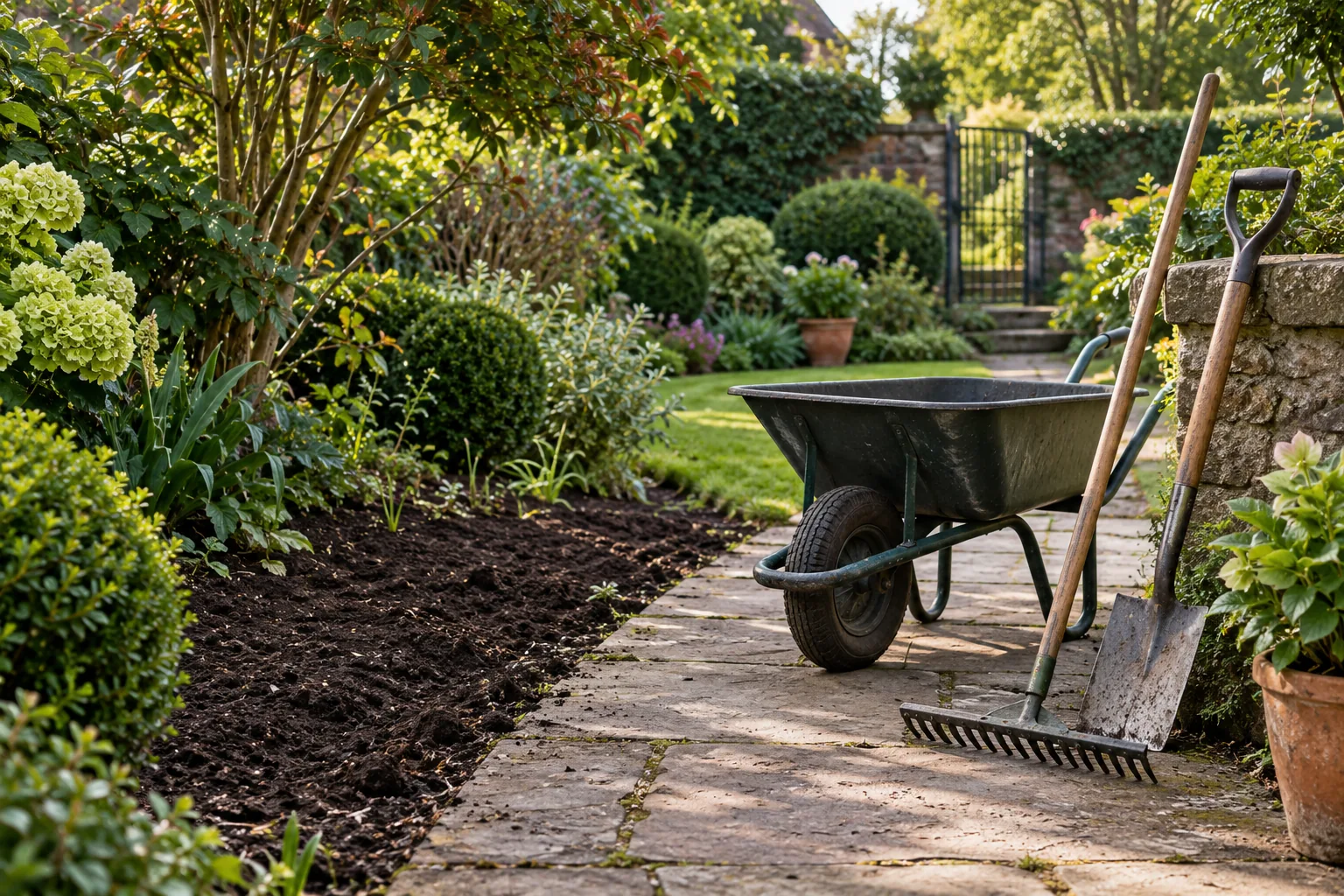
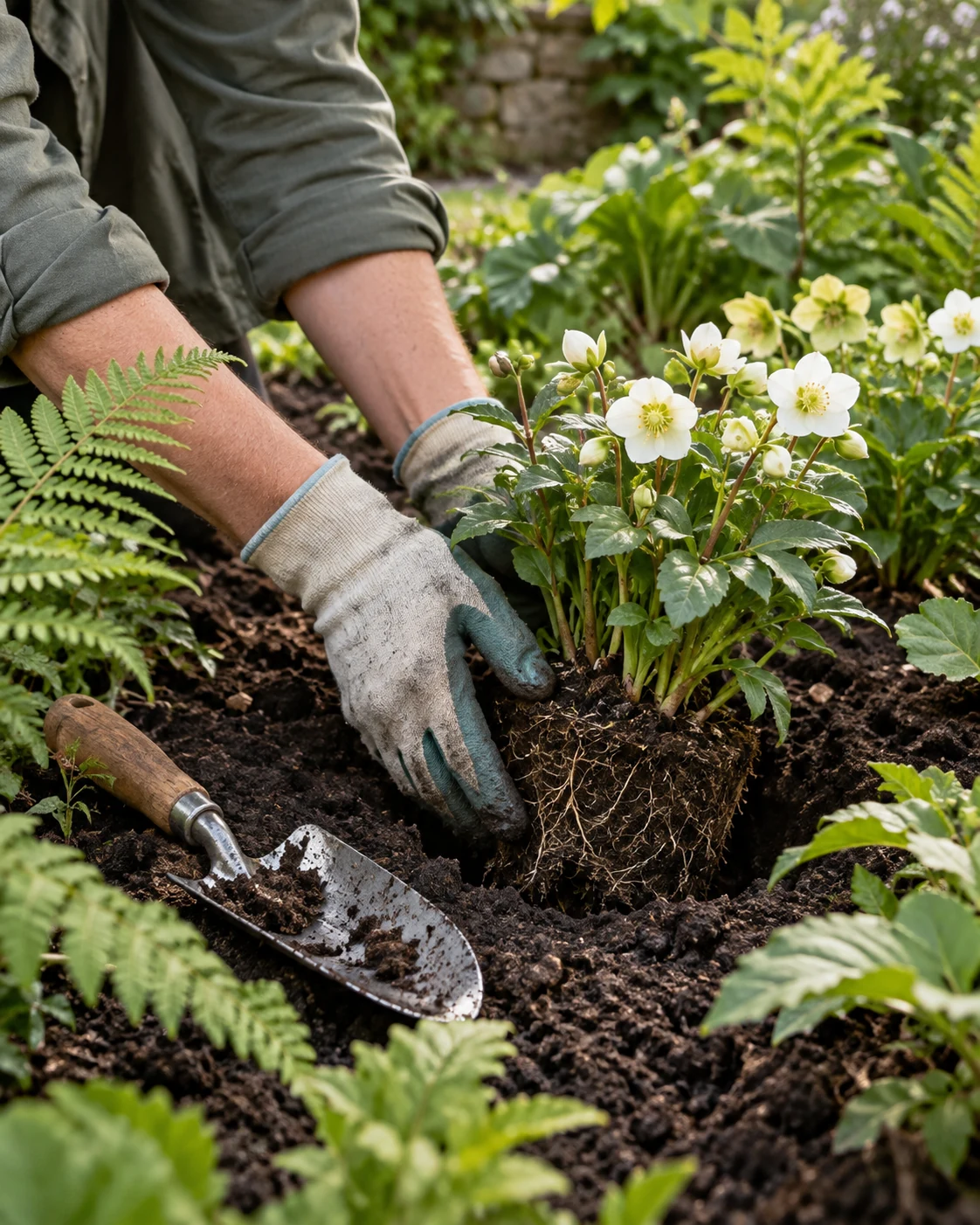
Weeding is easier when the retained plants are identifiable. Label young perennials, herbs and bulbs, especially when they are dormant or have been recently cut back. Explain your view of self-seeders. A plant is not necessarily unwanted because it appeared without being bought, but vigorous seedlings can crowd more valuable planting if left indefinitely.
Distinguish annual weeds from persistent rooted growth that may need follow-up. A single session cannot promise that every weed root or future seedling will disappear. Once the soil is open, agree how it will be covered or managed. Suitable mulch and well-chosen planting may reduce later work, but neither removes the need to check new growth and water plants while they establish.
Containers need an aftercare agreement
Pots can make a paved garden productive, but they concentrate responsibility. Limited compost dries and loses nutrients differently from a border. Before adding containers, decide who will check moisture, whether water is easy to reach and how pots can drain. Do not place every new plant in a decorative container without considering its eventual size.
A gardening visit can include agreed container tasks, such as removing spent growth, checking plant condition or repotting with prepared materials. Specify the plants, compost and containers beforehand. An occasional appointment cannot substitute for frequent checks during warm weather. If you are often away, discuss a realistic arrangement rather than expecting a maintenance visit to reverse prolonged drying afterwards.
Catford tree work and local protection
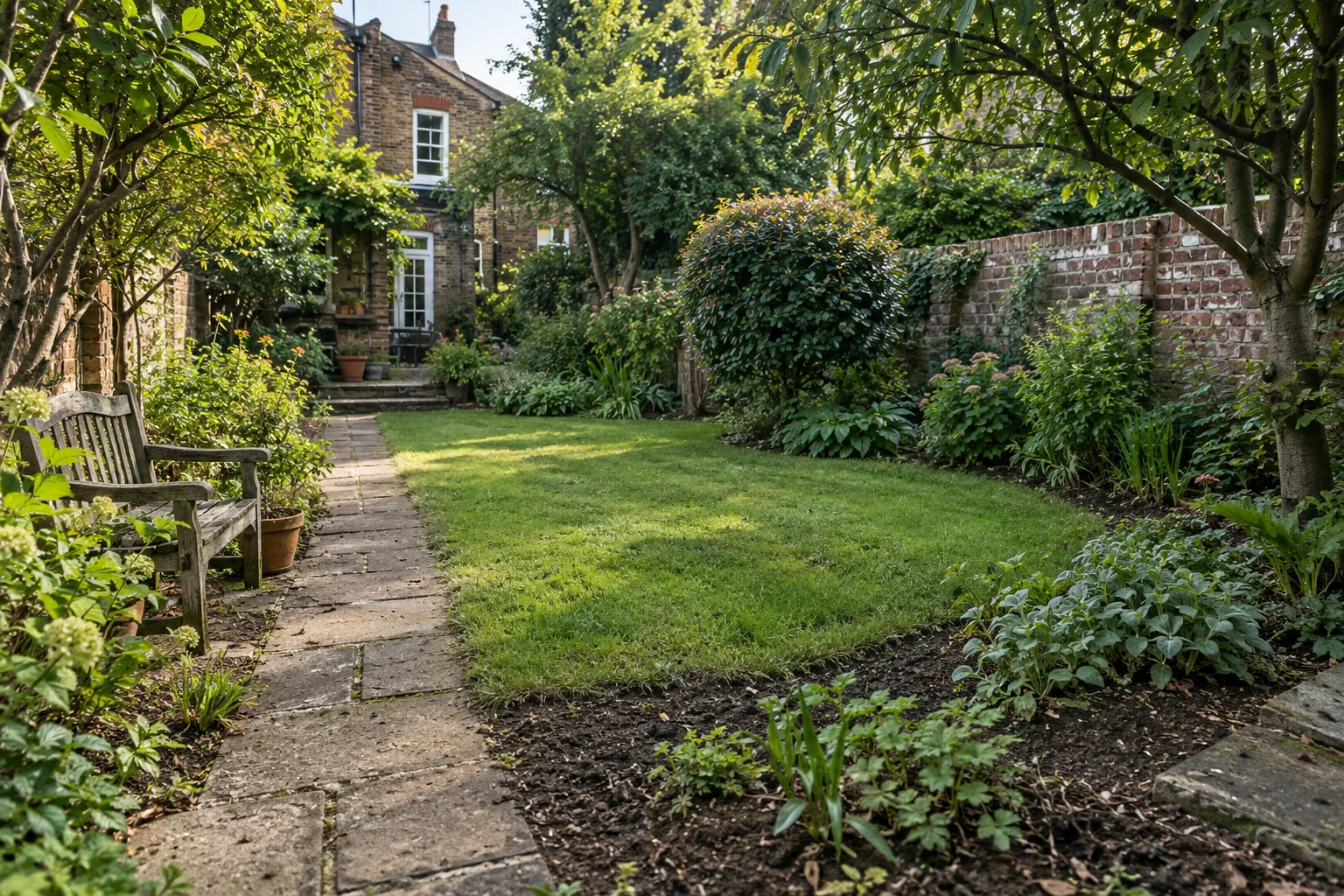
For a Catford address in Lewisham borough, the council’s conservation-area maps help establish relevant location information. Proposed garden-tree work also needs a Tree Preservation Order check where applicable. The important fact is the particular property’s position, not an assumption that every Catford tree has the same status.
Consult the council’s tree-work application guidance and resolve consent or notice requirements before work. Significant pruning or removal belongs in a tree-surgery enquiry. A tree crowding a border may need assessment, but its size or inconvenience does not establish that cutting is permitted or that removal is the right horticultural answer.
Grass, gravel and paving edges
Where the lawn is small, awkward corners and furniture can account for much of the work. Show the whole outline when requesting lawn care, including patches beside walls and under shrubs. Describe the grass’s use and the conditions where it struggles. A lower cut will not remedy permanent shade or concentrated foot traffic.
Weeds in paving joints also need a realistic brief. Removing visible growth does not repair failed joints or change the construction below. If loose paving or drainage problems are apparent, note them separately. A clean-looking surface should not hide a trip hazard. Discuss garden design if the mix of surfaces and planting no longer suits the space, rather than expecting ongoing weeding to solve a structural layout problem.
Clearing a compact garden carefully
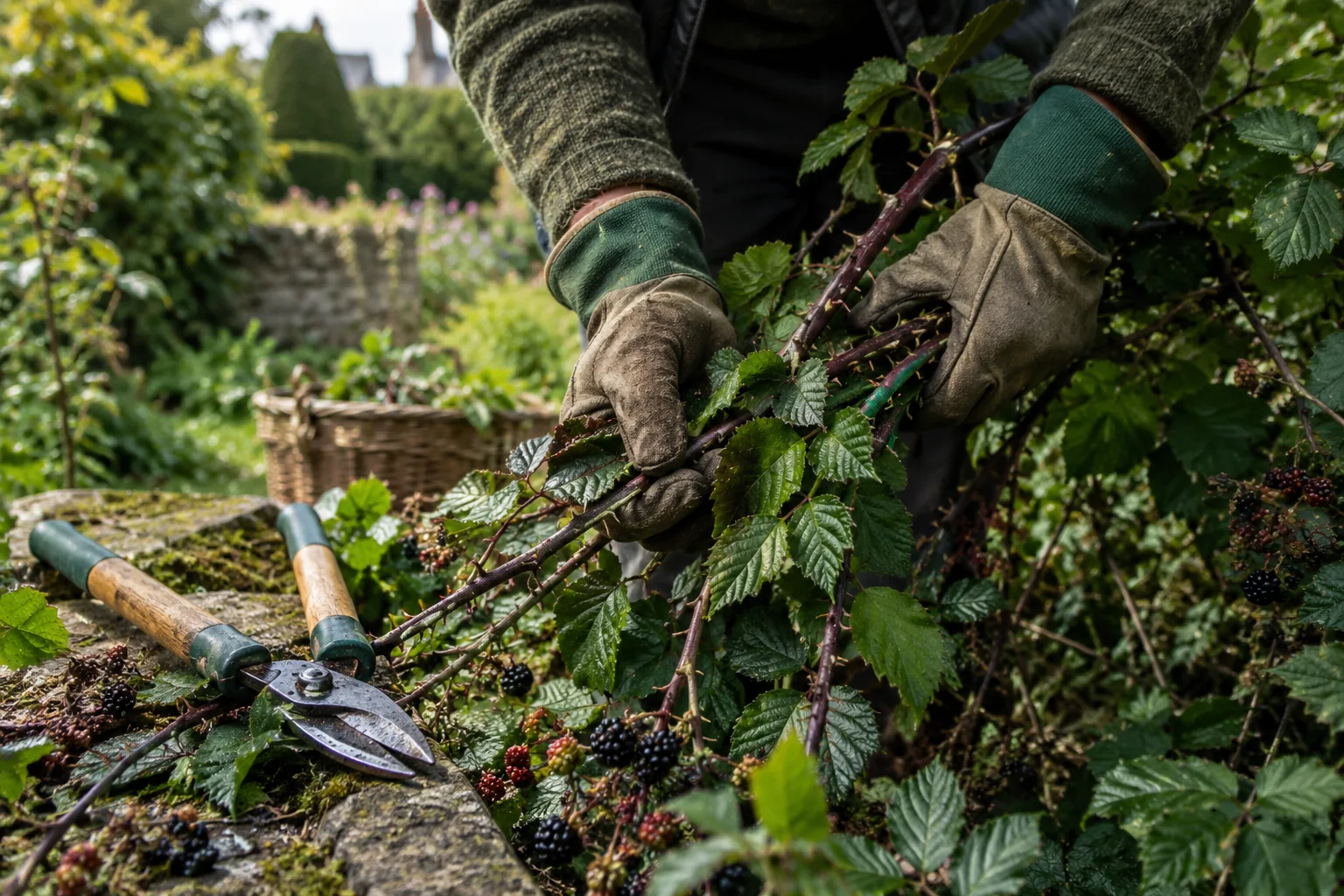
In a small space, access and retained planting can make clearance detailed work. Garden clean-up may involve separating wanted plants from tangled growth rather than simply cutting a large open area. Explain which climbers are attached to supports and which objects are underneath the vegetation. Known glass, wire and damaged structures should be disclosed.
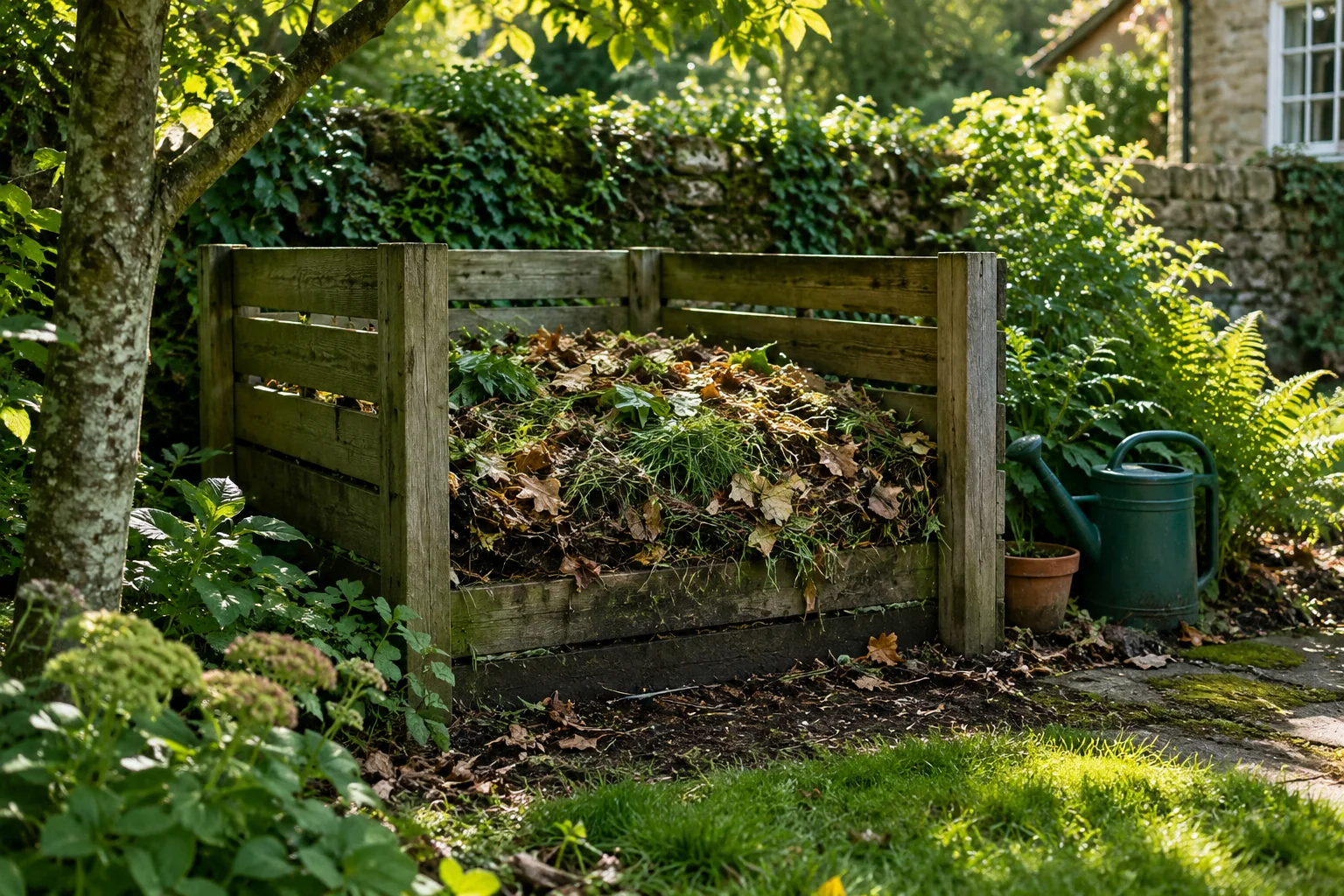
Keep green waste separate from rubbish in the brief. Old pots, broken furniture and rubble require explicit arrangements. Decide where bags can stand without blocking the only route to the house. A compact garden does not mean unlimited waste fits within the standard allowance, especially where a dense hedge or mature climber is being reduced.
Timing work around flowers and wildlife
Pruning should follow the plant’s requirements and the result you want. Cutting every shrub on the same day may remove flowers or encourage awkward regrowth. Tell the gardeners when the plant usually flowers and show older photographs if useful. Where identification is uncertain, retaining it until the relevant season can be a more informed choice.
Dense shrubs, hedges and climbers need checks for active nests before cutting. Affected work should be deferred appropriately, following the government wild-bird protection guidance. Wildlife value can also be retained through selected seedheads or a small undisturbed corner. Define those areas so deliberate habitat is distinguished from work that has been omitted accidentally.
A changing seasonal task list
Spring visits can focus on early weeds and emerging plants, taking care around bulbs. Summer may require more attention to grass growth, deadheading and containers, but conditions should guide the work. The RHS drought-care advice is useful before treating a brown lawn as a failed lawn. Establishing plants still need their own watering checks.
Autumn offers a chance to reconsider overcrowded planting and move leaves from frequently used surfaces. Winter reveals the shape of deciduous plants but does not make every pruning operation suitable. Frozen or waterlogged soil can limit access. Keep alternatives on the list so a visit can concentrate on sensible work rather than damaging a soft area to complete a cosmetic task.
Setting up a practical Catford appointment
Send a wide view, detail photographs of crowded planting and the route from parking. Mention gate width, steps, shared doors and access through the house. Agree who has authority to request removal, particularly for rented or shared gardens. Move light items where safe and identify cables, irrigation and fragile features before work.
Maintenance, lawn care and clearance are published at £79 for the first hour and £65 per subsequent actual hour, with two gardeners, equipment and bags. Up to 120 litres of green waste is included; additional removal needs agreement. Check the live price guide for the service requested. Tree work and landscaping use separate quotes. Confirm postcode availability and possible congestion charges. Weekly, fortnightly or monthly care can be discussed after establishing the work required.
Catford gardening questions
Need to discuss your own garden or property? Call with photographs and your postcode.
Ask about your visitCan a gardener work around vegetables and herbs?
Identify edible plants and describe what should stay, including seedlings that are easy to confuse with weeds. Explain any products or methods you want discussed before use. Harvesting, feeding and pruning requirements differ between plants, so avoid treating an edible bed as an ordinary mixed hedge.
Should I replace all the compost in a container?
That depends on the plant, pot size and purpose of the work. Share details before buying materials. Repotting, refreshing surface compost and replacing failed planting are different tasks; the appropriate choice should follow the plant’s condition rather than a blanket annual rule.
Can a small garden take longer than expected?
Yes. Narrow access, intricate planting and careful separation of wanted growth can be time-consuming. Describe those details when enquiring. The garden’s footprint alone does not establish the hours or waste volume, especially when little can be moved without affecting surrounding plants.
What if I want to keep some self-seeded flowers?
Mark them or provide clear photographs and explain how much spread is acceptable. A selective approach can retain useful plants while preventing overcrowding. Review the decision over the season because a welcome seedling can still outgrow the space it first occupied.
Can you make a shaded border easier to manage?
Discuss the actual light, moisture and existing planting. Appropriate maintenance may help, but repeated failure can indicate that plant choices need changing. Do not assume heavy pruning of nearby trees is either permitted or an appropriate shortcut to a sunnier bed.
Is a monthly visit enough for containers?
It may cover certain maintenance tasks, but it cannot be assumed sufficient for watering and inspection. Assign those checks between appointments. Conditions vary with weather, pot size and plant growth, so an apparently simple container display may need frequent attention in summer.
Can you leave the garden partly finished within my budget?
Agree the priority order and a useful stopping point before booking. A completed section is often easier to maintain than superficial work everywhere. Confirm how extra time or disposal would be approved and schedule a follow-up separately if the remaining work is worthwhile.
Where can I find nearby coverage?
See the coverage page for approved locations, including Lewisham, Greenwich, Beckenham and Bromley. Use the relevant area page for context, then provide your exact postcode. A directory listing does not settle appointment availability, access requirements or the service’s final scope.
Make the most of the planting space you have
Call 020 3746 2449 with your Catford postcode and the plants or tasks that need attention. Explain what the garden should provide and what you can maintain between visits. Agree a selective first stage, the materials if needed and the price basis before changing the planting permanently.
Call 020 3746 2449Gardening nearby.
View all 60 coverage areas ↗Catford on the map.
Approximate area centre for orientation. Call to confirm availability for your exact postcode.