
Gardeners
Eltham
Use the patterns of daily life to guide garden care. Look at worn grass, paths through beds and planting around play or seating, then choose maintenance that supports everyday use while recognising where a layout change may help.
- Assess wear before repairing the lawn
- Keep play and planting requirements visible
- Choose tasks around actual seasonal conditions
Read the signs of everyday use
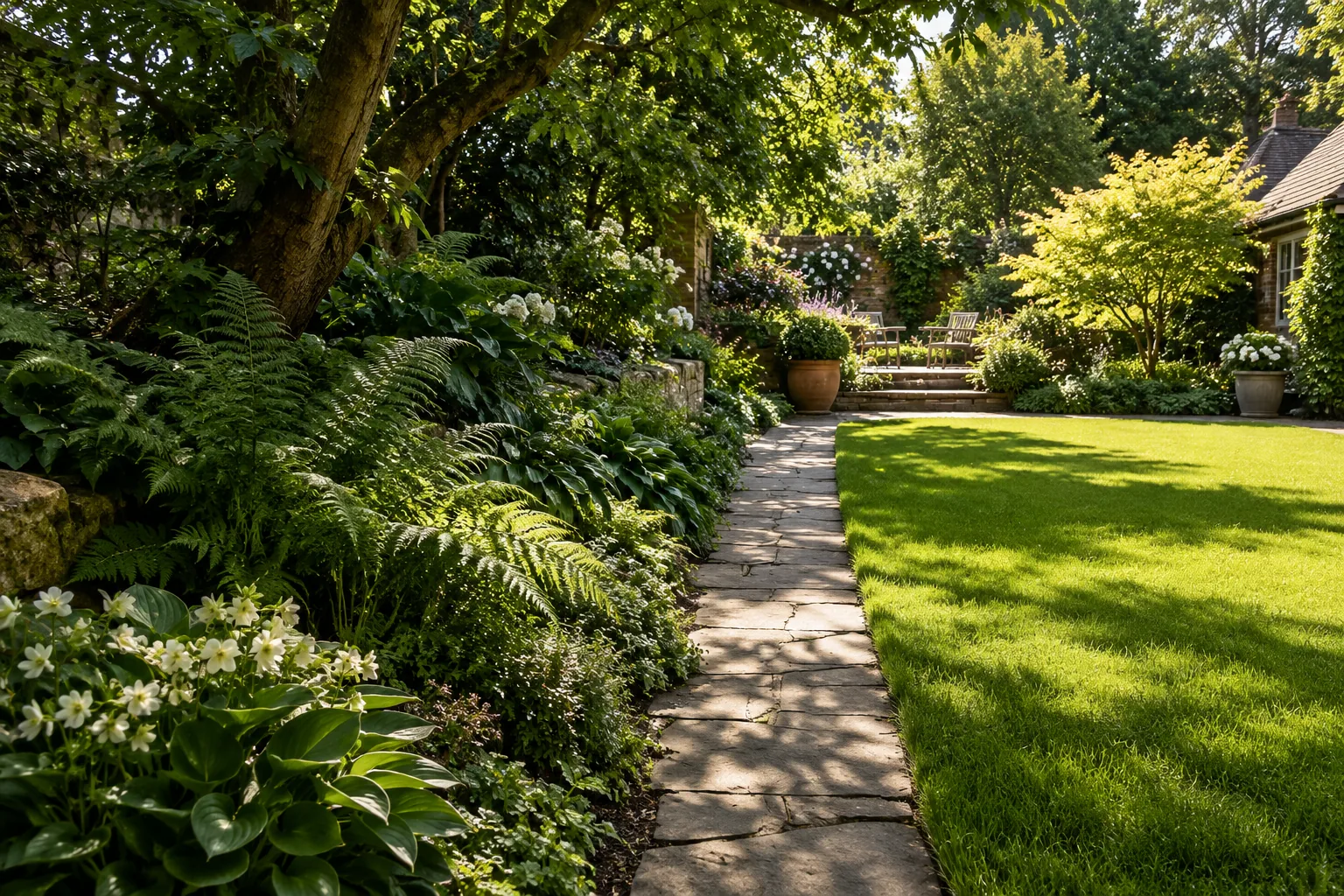
Family use and healthy planting can pull a garden in different directions. A ball repeatedly lands in a border, the lawn wears beside the back door and shrubs begin to narrow the route around outdoor furniture. An Eltham gardening enquiry is more useful when it describes those patterns of use. Go Gardeners can discuss routine care and one-off work around the space you actually need, with separate consideration for repairs or a change of layout. Start with the troublesome areas and the plants you would be disappointed to lose.
Walk the garden after an ordinary week. Look for shortcuts through planting, grass worn around play equipment and pots that are repeatedly moved. These are clues about circulation, not necessarily a failure of maintenance. A gardener can tidy and care for planting, but a repeatedly trampled strip may need a more suitable route rather than another sowing of grass seed.
Record what happens when the garden is busy. Do chairs block mowing access? Does a washing line affect the working area? Are children using a corner you hoped would become a border? Discuss those constraints before a visit. Garden maintenance is easier to plan when the brief includes the uses that must continue, alongside the visible work.
Lawn care for a working garden
Show the whole lawn and close views of bare or muddy patches. Describe shade, wear and standing water, and say when it was last cut. Lawn care can then be considered as a combination of appropriate mowing and assessment rather than a demand for instant uniform green. Compaction, moisture and light all influence what improvement is realistic.
Remove loose toys, pet waste and small furniture where safe before mowing. Mark bulbs and deliberate long-grass areas. During dry conditions, avoid assuming that a shorter cut will make tired grass neater for longer. The RHS drought-care guidance explains why established turf may need restraint. A newly repaired patch also needs protection from immediate heavy use if it is to establish.
Borders with clear boundaries
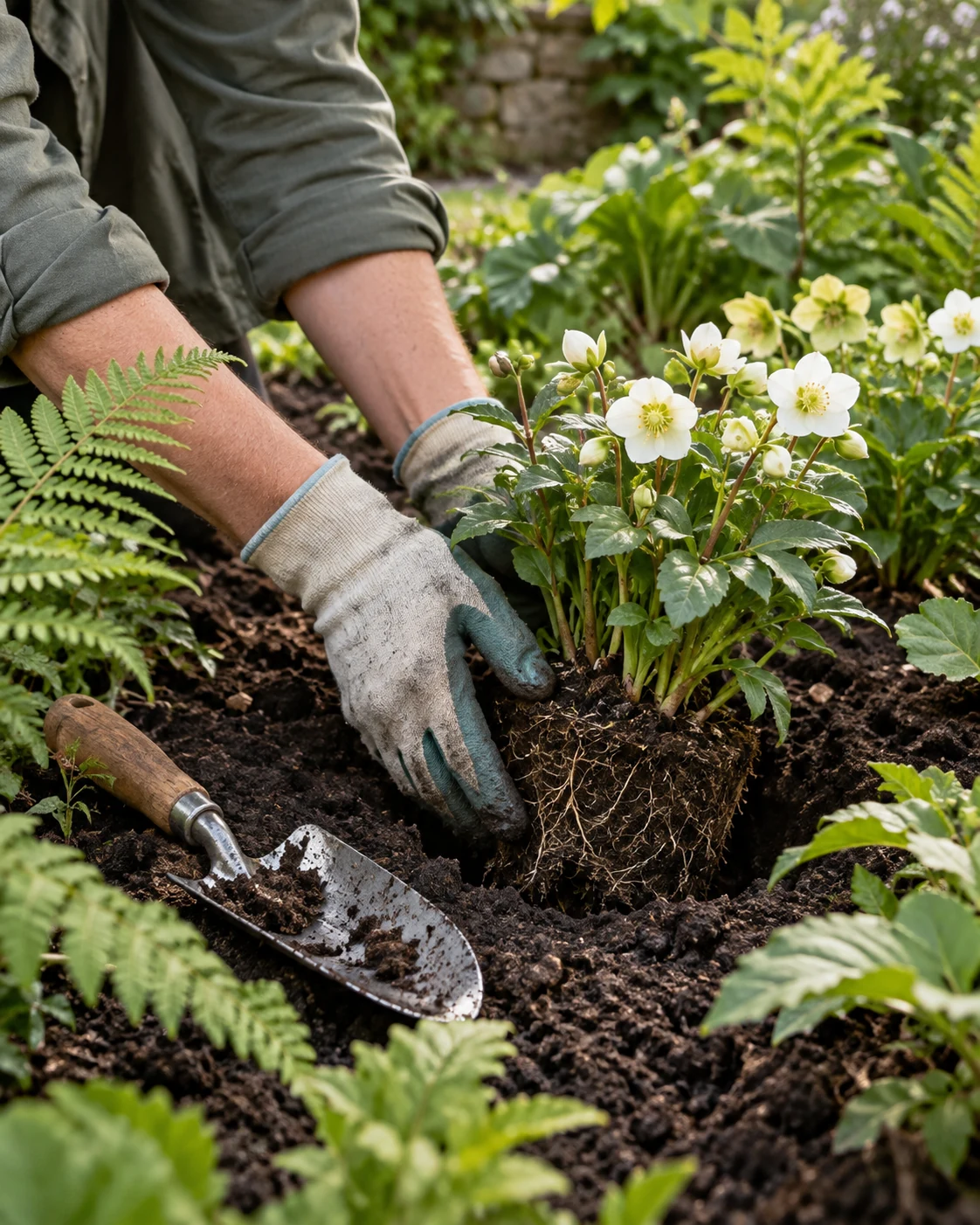
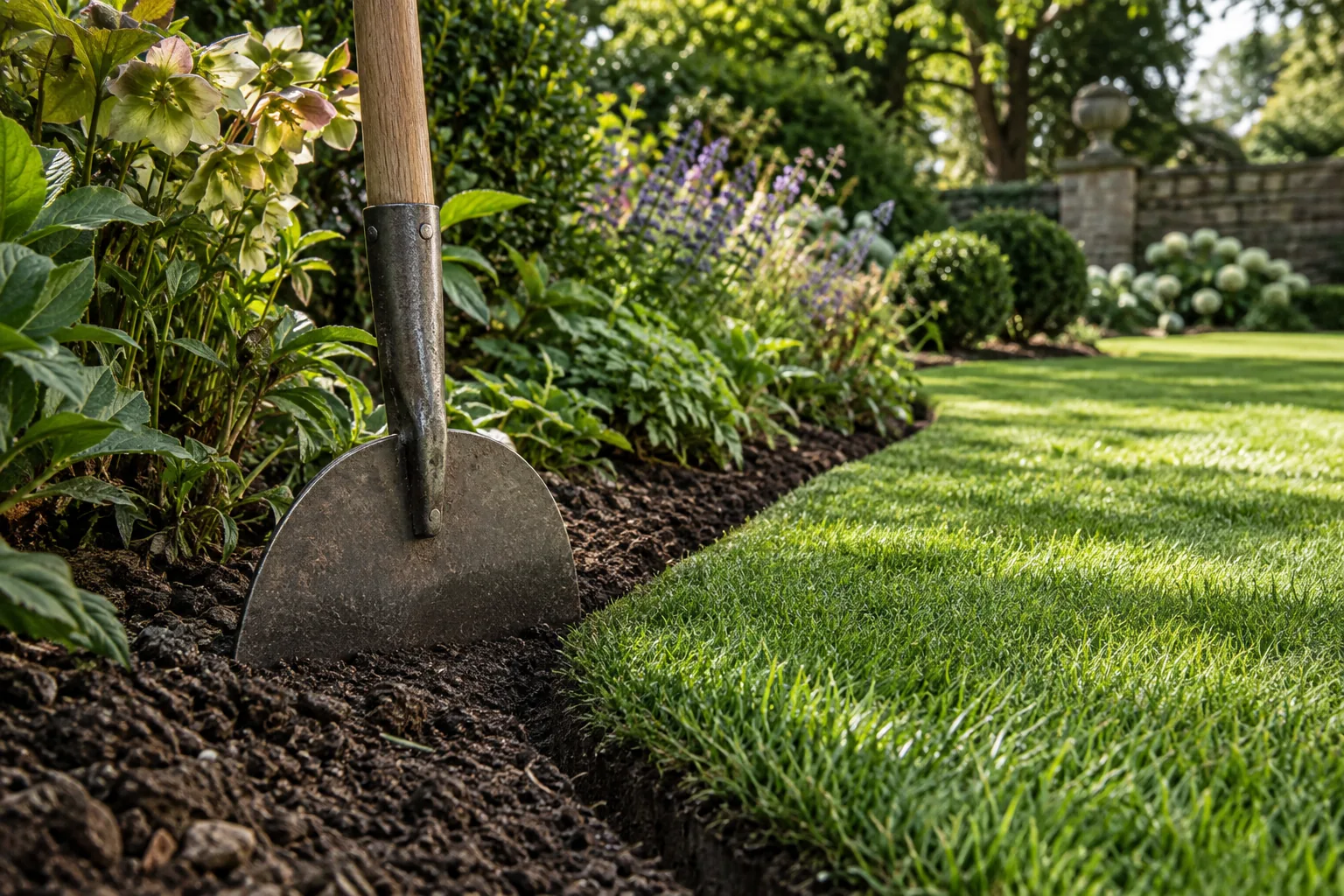
A defined edge helps people recognise where lawn ends and planting begins. Edging, selective weeding and reducing encroachment can make a bed easier to manage without stripping it bare. Identify favourite plants and any growth you intentionally allow to seed. Children or pets may also affect plant choices, so mention how the area is used before discussing replacements.
Think about mature size. A small plant beside a narrow path can become a recurring obstruction if it is unsuitable for the space. Repeated clipping may keep it within bounds temporarily while losing flowers or leaving bare stems. If several plants are struggling with the same layout constraint, a separate garden design discussion may be more sensible than permanently increasing maintenance.
Eltham tree and conservation checks
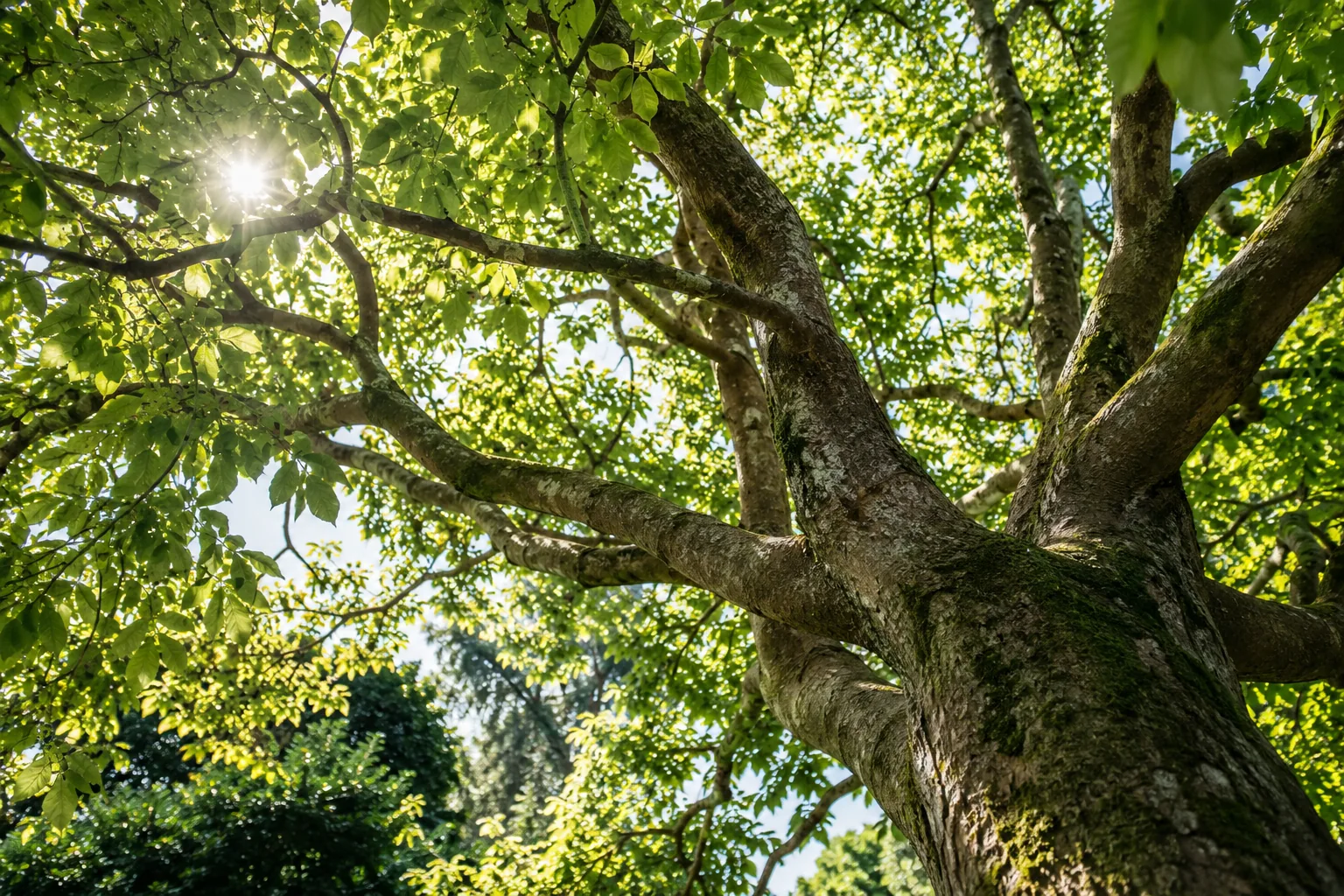
Royal Greenwich publishes a planning policies map that includes conservation-area information. For an Eltham property within the borough, check the actual address when proposed work affects a tree. The presence of a nearby designated area does not establish that every garden shares the same restrictions.
Tree Preservation Orders and conservation-area requirements need resolving before relevant pruning or removal. The government tree-protection guidance explains the national framework. Mention known protection when requesting tree surgery. Do not treat removal of shade over a play lawn as proof that cutting is permissible or horticulturally appropriate. Significant tree work needs its own scope and appropriate checks.
Reclaiming an unused corner
Where a corner has become a storage place or dense tangle, define what should happen next. Garden clean-up can open the area, but vegetation, old furniture and building waste are different materials requiring explicit arrangements. Send photographs that show the base of the growth and any items you know are hidden.
Choose an achievable first finish. Access to inspect a fence is different from a new planted bed ready for use. A cleared patch may need repair, soil preparation or further weed management before planting. Keeping these stages separate in the brief helps prevent a rushed decision about what to install. It also gives you time to decide whether the recovered space should be planted, used for storage or kept open.
Wildlife checks alongside practical trimming
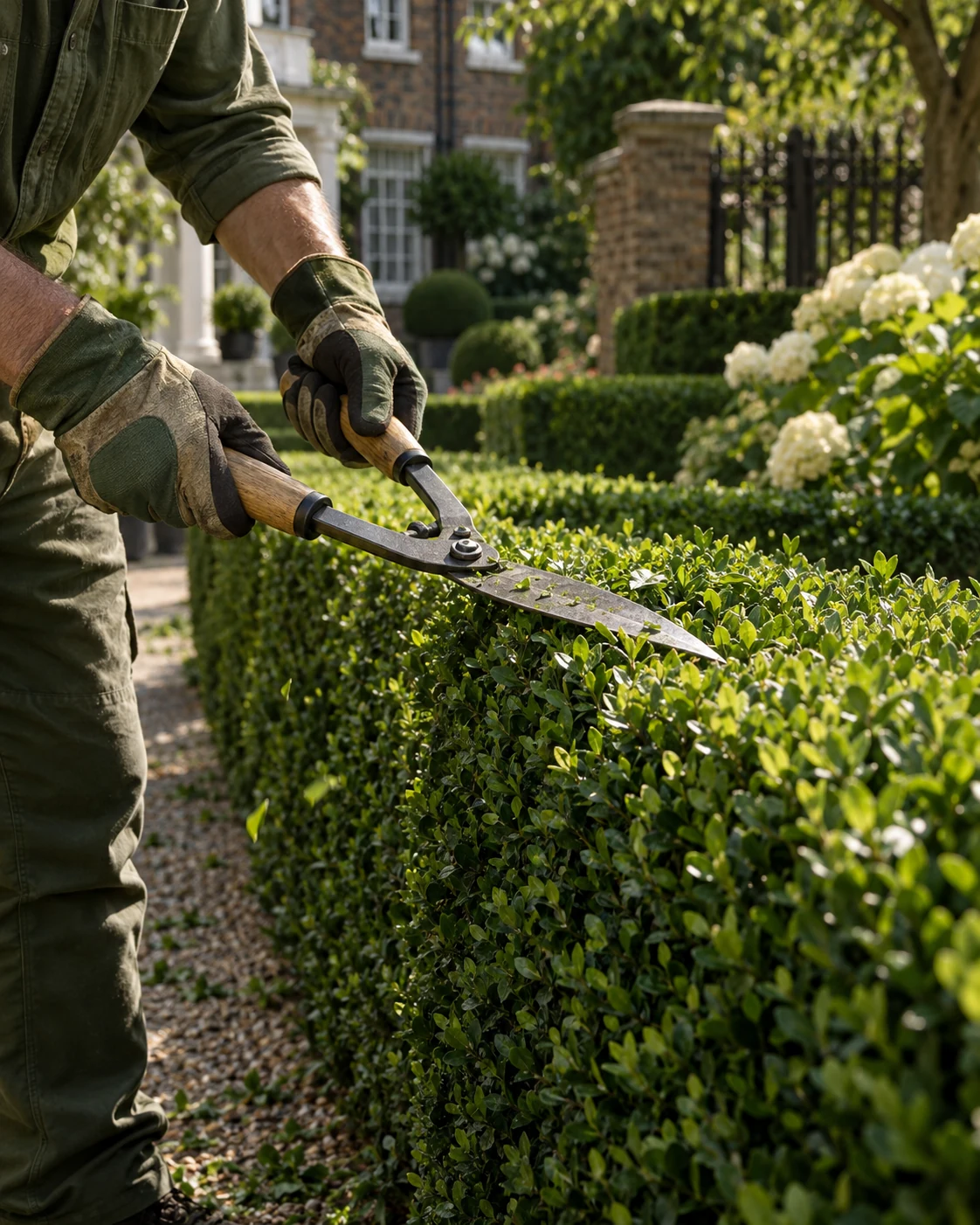
Hedges often provide privacy and shelter, so explain the required height and width before cutting. Give the length and access to both faces. A light trim is not the same as a substantial reduction into woody growth. The species and condition influence what can be done without leaving a lasting bare patch.
Check hedges, shrubs and climbers for active nesting birds before work. If a nest is being built or used, affected work must be deferred appropriately. See the government’s wild-bird protection guidance. A general month range is not a substitute for checking the vegetation. Have alternative priorities ready so another suitable part of the garden can receive attention where possible.
Seasonal jobs that earn their place
In spring, deal with young weeds while protecting bulbs and new perennial shoots. Check plants before pruning so flowering wood is not removed unnecessarily. In summer, mowing frequency should follow growth, while pots and newly planted borders need moisture checks between gardening appointments. An occasional visit cannot be assumed to provide all establishment watering.
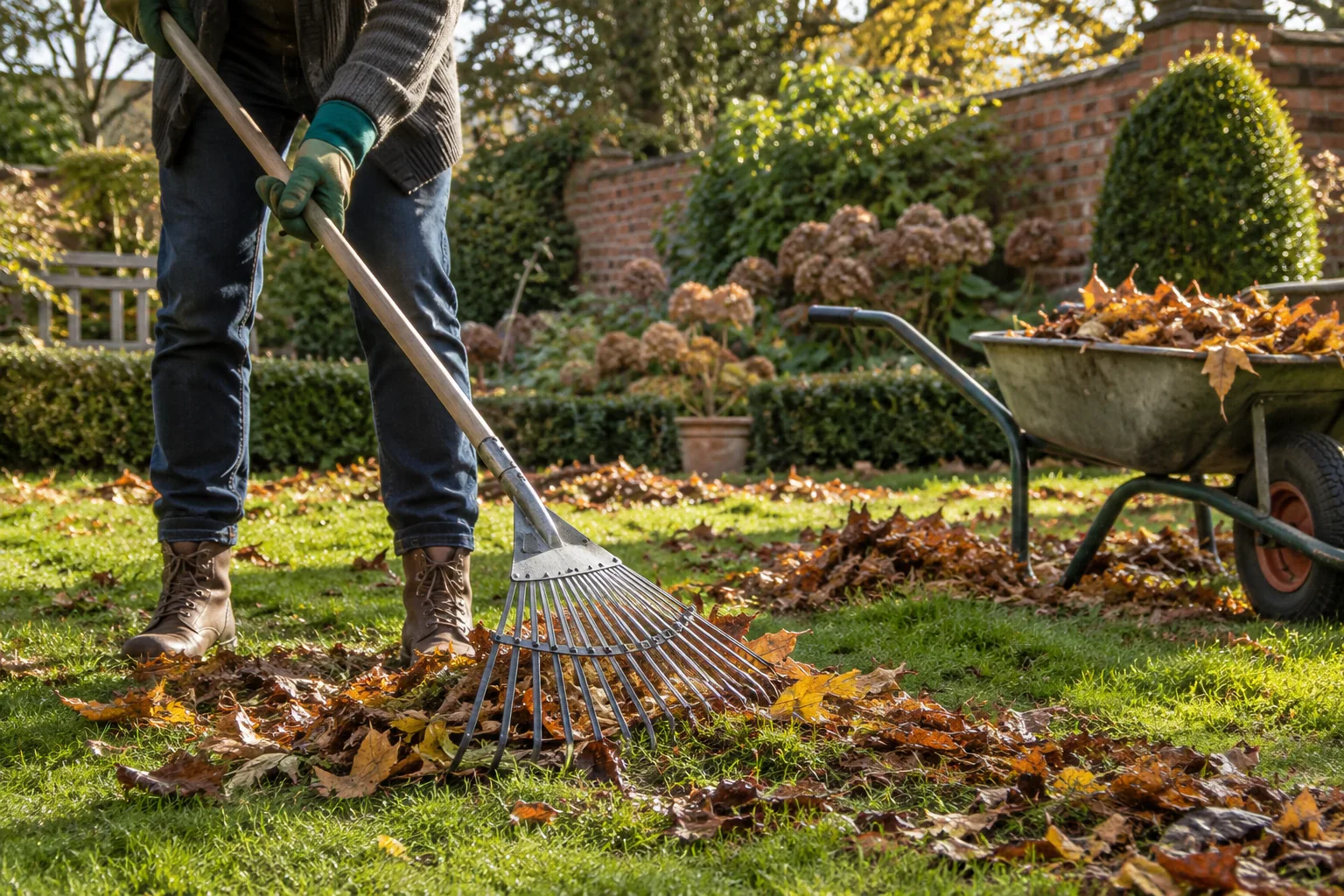
Autumn leaf work is particularly useful on steps, routes and lawns. Selected seedheads can remain where you want winter structure or wildlife interest. In winter, assess the shape of planting and the usability of routes, but avoid unnecessary traffic on frozen or saturated grass. A flexible list allows work to respond to conditions rather than completing a calendar job at the expense of the garden.
Preparing for a visit with children or pets at home
Keep the working area separate from play and agree which doors and gates must stay closed. Remove light obstacles where practical, point out hidden cables and irrigation, and identify fragile objects. Tell the booking team about steps, narrow passages and access through the house. A photograph of the route from parking is as valuable as the photograph of the lawn.
Agree whether you will be present and how decisions can be confirmed. Written instructions should identify what stays as well as what goes. If a shared passage is involved, establish the necessary agreement and avoid blocking exits with bags. Plan somewhere safe for waste to wait without making the recovered route unusable again.
Choosing a schedule and understanding the charge
A one-off visit can deal with a defined seasonal list or reopen a neglected section. Continuing care can address grass and weeds before they become major jobs. Weekly, fortnightly or monthly appointments can be discussed according to availability, garden growth and the tasks you do yourself. Review the interval as the season changes.
For maintenance, clearance and lawn care, published rates are £79 for the first hour and £65 for subsequent actual hours, with two gardeners, equipment, bags and up to 120 litres of green waste. Extra removal needs agreement. Check the current price guide; landscaping and tree work have different quotation arrangements. Confirm postcode availability and possible congestion charges. The coverage directory includes Greenwich, Lewisham, Sidcup and Bexleyheath nearby.
Questions about gardening in Eltham
Need to discuss your own garden or property? Call with photographs and your postcode.
Ask about your visitCan you improve grass around a climbing frame?
Describe how the equipment is used and show the worn area. Lawn care may be possible, but constant concentrated traffic can limit recovery. Moving equipment or changing the surface might be worth considering before spending repeatedly on the same patch without altering its use.
Will a shorter cut make mowing less frequent?
Not necessarily, and cutting too low can stress grass. The appropriate height depends on conditions and the lawn. Discuss a workable interval instead of treating the lowest setting as a shortcut, particularly during hot, dry weather or when grass has grown unusually long.
Can you retain a small area for wildlife?
Mark its boundary and explain the intended management. A deliberate longer-grass patch can sit alongside maintained routes and a usable lawn. It still needs a plan, so agree when it will be checked or cut rather than allowing its edges to spread by accident.
Should I remove a shrub that scratches people on a path?
First establish its identity, condition and available space. Selective pruning may help; a plant fundamentally too large for the position may need another solution. Decide the lasting outcome before paying for repeated trims that do not resolve the circulation problem.
Can children use the garden during the work?
Arrange a separate safe area and keep children away from tools, cutting and waste handling. Explain access needs before the appointment so doors and gates can be managed. The gardening brief should not rely on someone moving in and out of the working area continually.
Are replacement plants part of the hourly charge?
Materials and planting need an explicit agreement. Discuss the plants, supply and preparation in advance, along with who will water afterwards. A maintenance appointment does not automatically include a new planting scheme or a guarantee that every chosen plant suits the site.
What should I photograph for an estimate?
Include the full garden, close details of difficult areas and the complete access route. Show slopes, gates and furniture rather than hiding them. Say which tasks matter first so the estimate addresses your actual priorities and not only the easiest visible part.
Can we leave a large job for another visit?
Yes, establish a sensible stopping point and follow-up scope. Extension on the day depends on availability. Prioritising essentials protects the budget and gives you time to assess newly exposed planting or surfaces before deciding what further work is worthwhile.
Arrange care around the way you use your Eltham garden
Call 020 3746 2449 with your postcode and the three changes that would make the space easier to use. Add current photographs and access details. Agree the priorities, waste handling and price basis so the visit supports both daily use and the planting you want to keep.
Call 020 3746 2449Gardening nearby.
View all 60 coverage areas ↗Eltham on the map.
Approximate area centre for orientation. Call to confirm availability for your exact postcode.