
Gardeners
Lewisham
Shared gardens work better with clear decisions before the tools arrive. Establish authority, define private and communal areas, allocate watering and access responsibilities, and create one maintenance brief that residents can understand and review together.
- One agreed scope for shared planting
- Keep communal routes open during work
- Allocate watering between maintenance visits
Establish the area and the decision maker
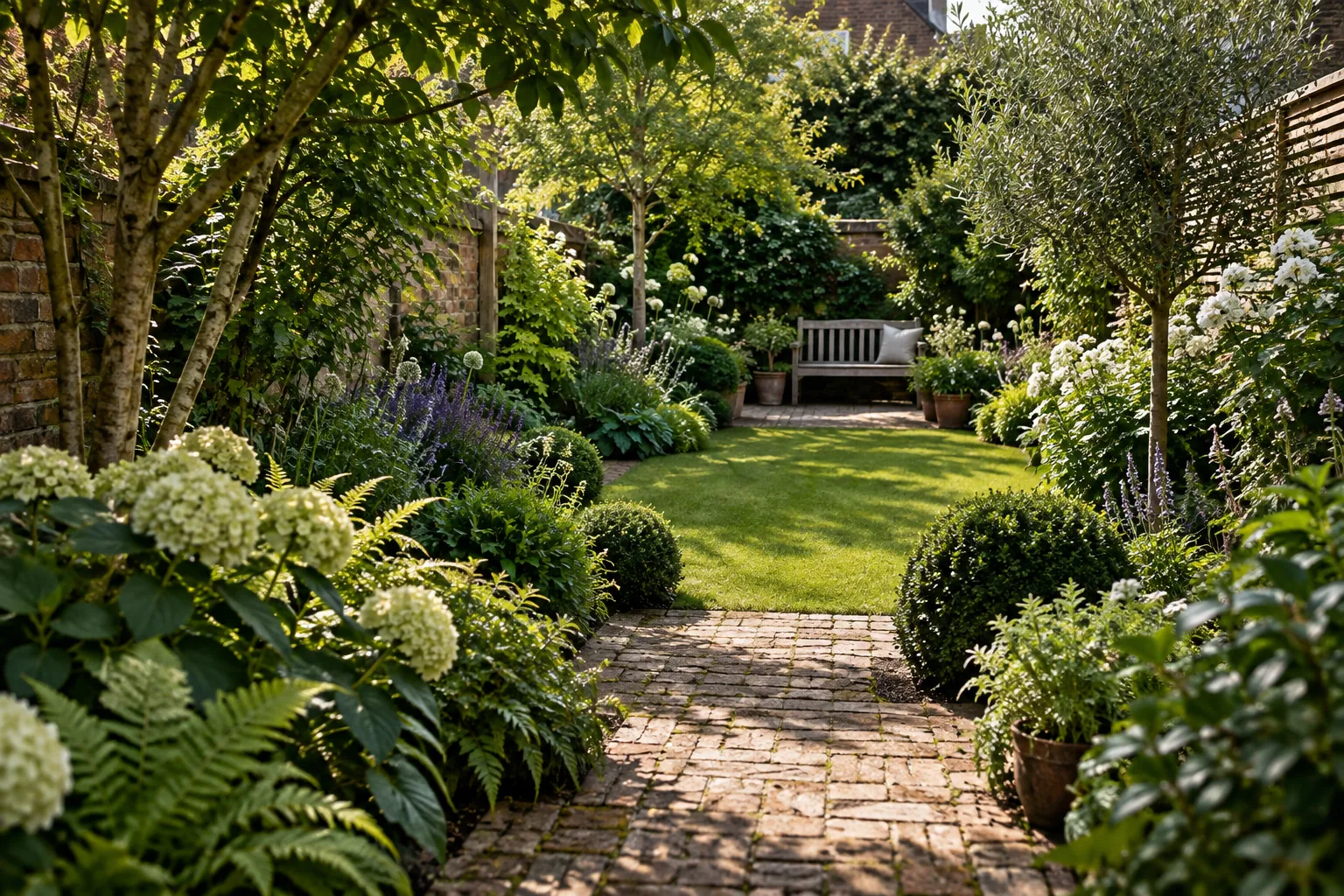
Who has agreed to the work is the first question in a shared garden. A resident may want a hedge lowered while another values its screening; a landlord may approve maintenance without authorising the removal of established planting. For a Lewisham gardening enquiry involving several households, settle those decisions before the appointment. Go Gardeners can discuss a clear maintenance brief once the area, authority and intended result are established. The same care is useful for a private garden when several people have different ideas about what should stay.
Identify exactly which beds, grass and boundaries are included. A photograph annotated with a simple outline is helpful where a private patio meets communal planting. Confirm who may approve the work and any conditions set by an owner or managing party. Routine tidying should not become an unagreed redesign because one person happens to be present when the gardeners arrive.
Nominate a practical contact for questions. Collect preferences beforehand and turn them into one brief, including retained plants and any excluded areas. Garden maintenance can then focus on mowing, weeding, edging and appropriate trimming without conflicting instructions. If a major decision remains unresolved, leave that element out until agreement exists rather than expecting gardeners to arbitrate between residents.
A maintenance list people can understand
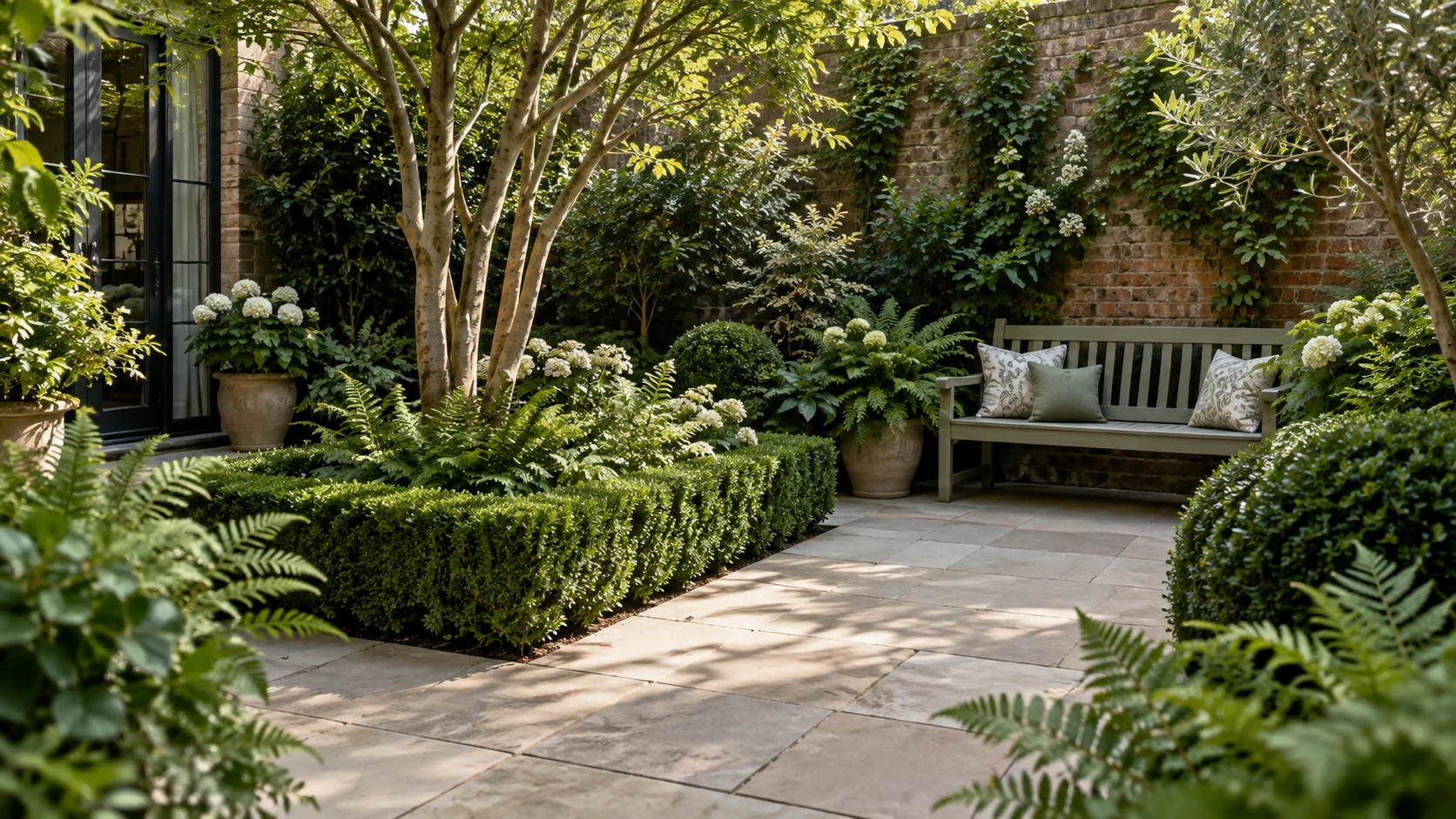
Describe outcomes that are easy to assess together. Clear the communal step, keep the path open, mow the agreed grassed area and weed the named bed. Distinguish those recurring tasks from changes such as removing a shrub or creating a new border. A concise written record helps when the person booking is different from the person seeing the completed work.
Priorities also protect the budget. If time is limited, decide which practical tasks take precedence over detailed presentation. Avoid a long list where every item is described as urgent. Review the result with the next visit in mind: what regrew fastest, what could residents manage themselves and which job needs a separate quote? That makes continuing care responsive rather than automatic.
Lawns used by several households
Shared use can create concentrated wear at entrances, seating and washing lines. Show those patterns when discussing lawn care. Repeated seed applications may achieve little if traffic and shade remain unchanged. An assessment should consider the underlying conditions and the practical ability to keep an area clear while repairs establish.
Before mowing, agree who will move furniture, toys and loose objects. Identify deliberate long-grass patches and bulbs so they are not accidentally cut. Grass length, moisture and ground firmness affect suitable work. A frequently used lawn cannot be promised a uniform appearance through all weather, and reducing it extremely low may worsen stress rather than simplify future care.
Lewisham tree protection and local designations
Lewisham Council publishes maps of conservation areas. Use the property’s precise location if proposed work involves garden trees; do not assume the name Lewisham establishes protection or exemption. Tree Preservation Orders also need considering, and a shared ownership arrangement does not override those controls.
The council provides guidance for applications for tree works. Establish the required consent or notice before arranging cutting. Significant pruning and removal should be quoted through tree surgery, with the tree clearly identified. Resident agreement is one requirement for a workable brief; it does not by itself establish legal authorisation or the suitability of the operation.
Keeping communal routes usable during work
A shared passage cannot simply become a bag store for the duration of a visit. Explain which entrances must remain open and any quiet-hour or access arrangements that apply. Photograph the route from parking, including doors, steps and tight turns. Confirm keys and how the team should enter without relying on a particular resident being available unexpectedly.
If equipment must pass through a building, describe the floor surfaces and doors in advance. Keep pets and children away from the working area and agree how gates will be secured. Mention lighting cables, irrigation and fragile features. These are property-specific facts; they should be included in the estimate rather than inferred from the size of the visible garden.

An overgrown bed needs an agreed future
Garden clearance can be useful where vegetation prevents access or hides the planting. Before removal, agree whether the bed will be replanted, maintained as open ground or redesigned. Without that decision, one household’s cleared improvement may look to another like the loss of privacy or habitat.
Mark shrubs and perennials to keep and disclose known wire, glass or abandoned items. Non-green materials require a separate arrangement. Once a bed is open, root removal and soil preparation may still be needed for planting; do not assume cutting growth completes every stage. If several residents want a different layout, a separate garden design enquiry can establish a coherent plan before materials are bought.
Wildlife and seasonal priorities
A shared garden can retain wildlife value while keeping everyday routes tidy. Agree where seedheads, leaves or longer grass may remain and make the boundary obvious. Before trimming dense shrubs or hedges, check for active nests and defer affected work. The government wild-bird guidance explains why actual nesting activity matters rather than treating a fixed date as a universal permission to cut.
Spring weeds are easier to manage early, but emerging bulbs and perennials need recognition. Summer visits should respond to rainfall and growth, with an agreed person checking pots and new planting between appointments. Autumn leaf collection can prioritise steps and lawns. Winter work should avoid unnecessary damage to frozen or saturated turf, even where a routine date was provisionally planned.
Divide gardening responsibilities explicitly
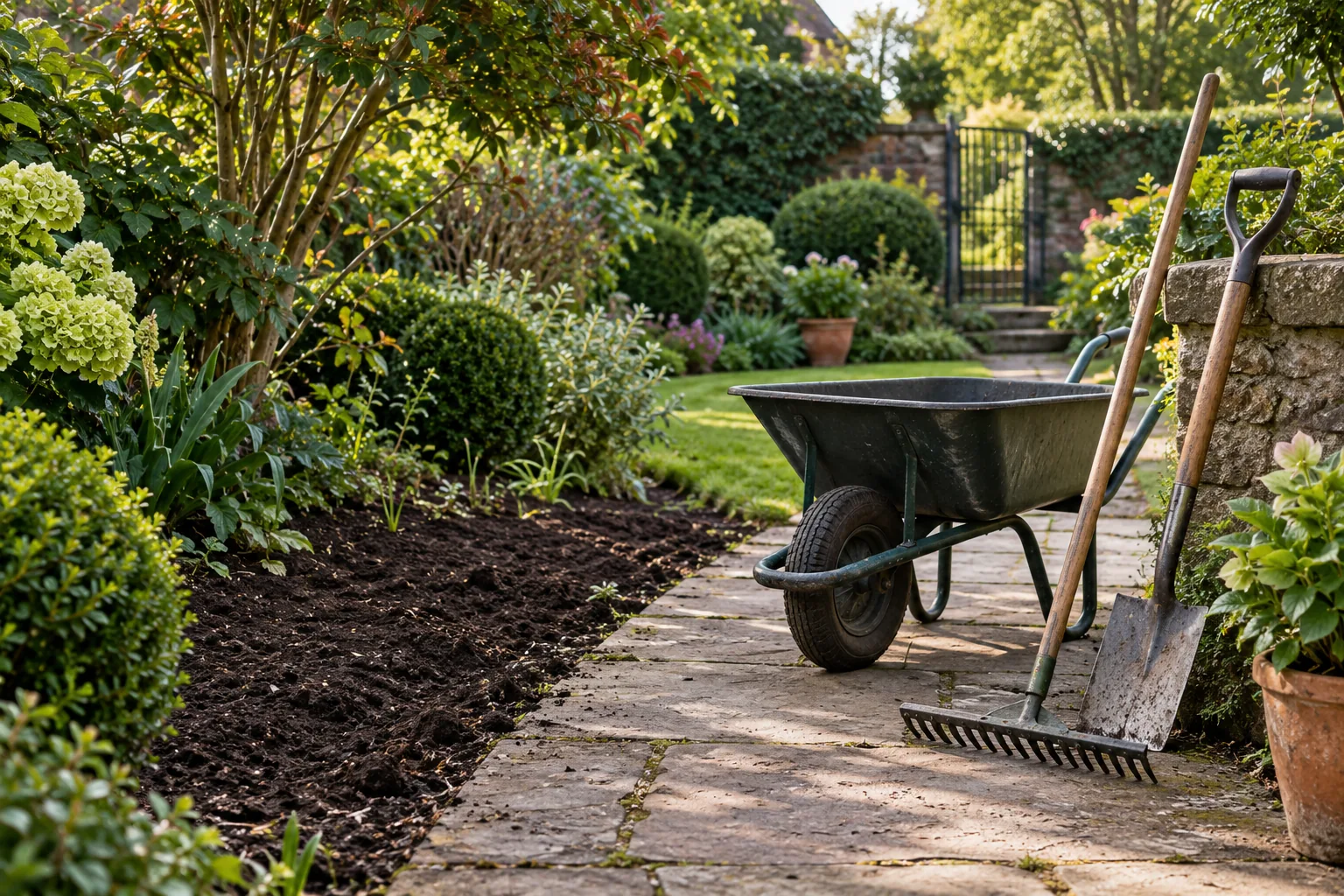
Residents sometimes assume somebody else is watering. A simple division of responsibilities prevents that gap. Identify who checks newly planted material, who moves bins before a visit and who reports access problems. An occasional gardening appointment cannot replace the frequent attention a container or establishing shrub may need in warm weather.
Regular weekly, fortnightly or monthly care can be discussed according to growth and availability. A one-off session suits a defined recovery or seasonal list. Review the arrangement when occupancy changes or a new planting scheme is installed. A task list written for last year’s garden may no longer reflect either the work or the people sharing it.
Price, waste and the booking record
Published maintenance, lawn-care and clearance rates are £79 for the first hour and £65 for subsequent actual hours on site. Two gardeners, tools, equipment and bags are supplied, with up to 120 litres of green waste included. Extra removal needs agreement. Record who may approve additions so a resident does not unintentionally expand the charge for everyone else.
Check the current prices for the relevant service; tree surgery and landscaping require their own quotes. Confirm postcode availability, parking and possible congestion charges. Decide where suitable material can remain if composting is agreed, without blocking shared routes. The coverage directory also includes Catford, Greenwich, Eltham and Beckenham for nearby enquiries, subject to confirmation of the exact address and appointment.
Lewisham shared-garden questions
Need to discuss your own garden or property? Call with photographs and your postcode.
Ask about your visitCan one resident arrange maintenance for everyone?
The necessary authority and cost arrangements need confirming with the relevant owner or residents. Give one agreed scope and contact rather than several competing lists. The gardeners should not have to decide who owns a border or whether another household consented to removing planting.
Can the private patio be booked separately?
Identify its boundary, access and any planting shared with adjoining areas. A separate scope may be practical, but gates and routes can still involve communal arrangements. Make sure the brief does not accidentally include a hedge or bed that belongs to somebody else.
How should we handle different pruning preferences?
Resolve the intended height, screening and retained plants before booking. Photographs with annotations can make the agreement clearer. Where the decision remains disputed, exclude the relevant plant temporarily rather than asking the person on site to choose on behalf of absent residents.
Can you keep bags in the entrance hall?
Agree a suitable location in advance and keep exits unobstructed. Filled waste bags should not be assumed suitable for indoor storage or a communal escape route. The handling arrangement needs to reflect the building as well as the amount of vegetation being cut.
Who should water new communal planting?
Name a responsible person and a backup before planting. Explain how moisture will be checked rather than relying only on a calendar. Containers and newly planted rootballs may dry quickly, and an infrequent maintenance schedule cannot be assumed to cover their establishment needs.
Can a worn lawn be repaired while everyone uses it?
The repair method and recovery time need consideration. If access cannot be diverted, successful establishment may be difficult. Discuss the pattern of traffic honestly; an alternative route or surface may be a more sustainable answer than repeated repairs in unchanged conditions.
Should a communal tree be pruned with the hedges?
Significant tree work needs a separate assessment, clear authority and protection checks. A maintenance booking does not establish permission. Identify the tree and proposed operation so the applicable council requirements and the appropriate tree-surgery scope can be resolved before cutting.
Can our instructions change between regular visits?
Yes, through the agreed contact and with a clear updated brief. Changes involving additional work, materials or removal should be discussed before the appointment. Keep a simple record so the team works from current priorities and residents know what has actually been requested.
Book Lewisham gardening with one clear brief
Call 020 3746 2449 with the postcode, agreed working area and contact details. Include access photographs and the decisions already made about retained planting. Confirm the priorities, price basis and who can authorise changes so the visit is useful to everyone sharing the space.
Call 020 3746 2449Gardening nearby.
View all 60 coverage areas ↗Lewisham on the map.
Approximate area centre for orientation. Call to confirm availability for your exact postcode.