
Gardeners
Sidcup
Make everyday routes usable without indiscriminate cutting. Assess hedges beside gates, planting around sheds and worn lawn corners, then choose a defined first appointment or regular care with access, retained plants and waste handling agreed.
- Prioritise gates, steps and everyday routes
- Distinguish clearance from structural repairs
- Agree shared access before the appointment
Make paths and entrances the starting point
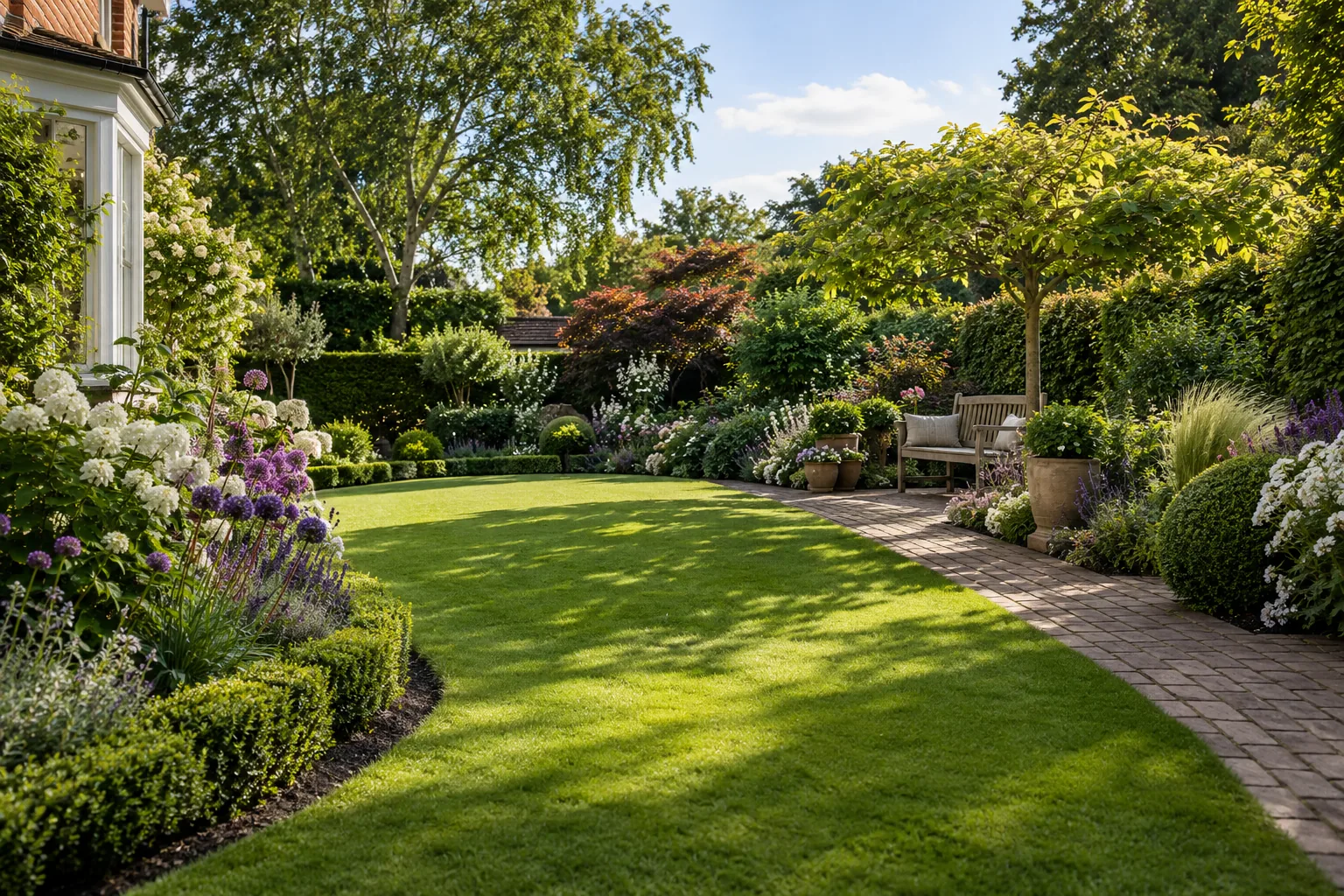
Keeping the route between the house, lawn and shed clear can change how often a garden gets used. In Sidcup, a useful gardening brief might begin with a hedge narrowing a passage, grass hiding a bed edge or shrubs catching against a gate. Go Gardeners can discuss those practical obstacles alongside routine care. Explain where you need room to walk, sit or move a bin, then identify the planting that should remain. That gives a first visit a clear purpose without prescribing unnecessary cutting.
Photograph each pinch point from both directions. A branch brushing your shoulder calls for a different response from a hedge that has grown across half a narrow path. Describe the width you need and check where the boundary lies. Work should respect neighbouring property and should not depend on reaching through another garden without permission.
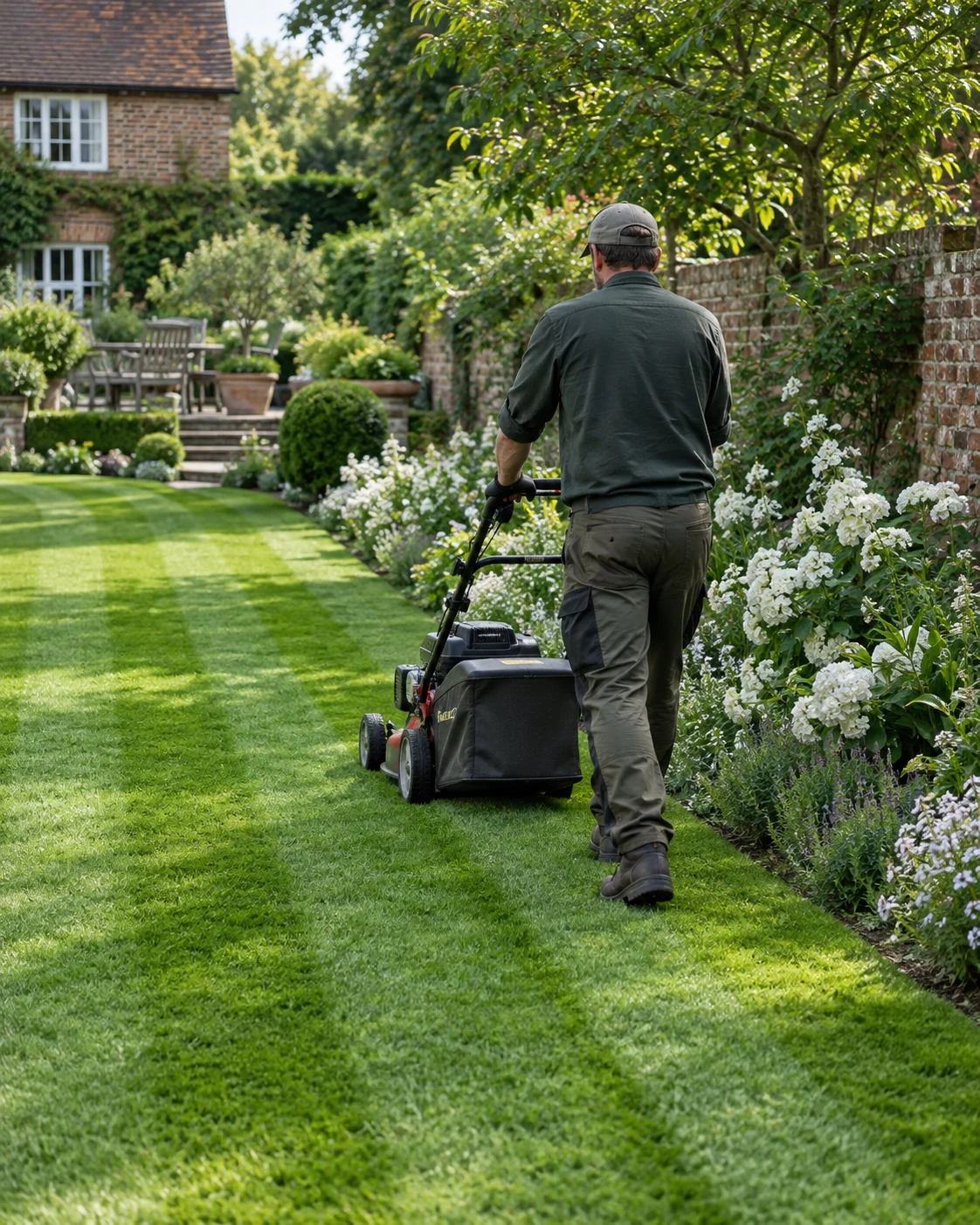
After access is restored, maintain the margin before it becomes overgrown again. Garden maintenance can combine selective trimming with edging, weeding and routine mowing. Leave enough room for the plant’s natural growth rather than continually forcing an unsuitable shrub into a tiny space. If repeated clipping creates a bare face, replacement or a layout change may deserve a separate discussion.
Sorting a mixed maintenance list
Separate urgent access tasks from appearance and longer-term improvements. Clearing a step or reopening a gate belongs near the top. Deadheading, detailed border edging and shaping a distant shrub can follow. Tell the gardeners what matters if the initial time allowance is used. A prioritised list is easier to price and assess than an instruction to make the entire garden perfect.
Look at what you can manage afterwards. If hand watering is difficult, avoid adding a row of small containers simply because they look tidy on the day. If you enjoy planting but cannot keep up with mowing, focus the visit accordingly. A garden remains manageable when the work fits the people using it, including how often they can inspect plants and clear newly appearing weeds.
Recovering the ground around sheds and fences
Hidden strips often need more thought than a simple cut-back. Dense growth may conceal glass, old wire, damaged panels or items deliberately stored. Share anything you know before booking garden clearance. Identify climbers attached to a structure and explain which should be retained, since pulling stems without looking can disturb supports or reveal existing damage.
Once an area is open, check whether the fence or shed needs attention from another trade. Gardening does not repair structural faults. Agree a realistic finish: vegetation removed to permit inspection is different from a bed prepared and planted. Keeping that distinction clear avoids spending the whole budget on cutting before the necessary repair or redesign has been considered.
Sidcup addresses and council tree guidance
Use the authority responsible for your actual address when checking a proposed tree operation. For properties in Bexley, the council’s questions about trees, hedges and fences explain the need to consider tree protection. Do not assume the area name alone establishes which council information applies at a boundary location.
A mature tree may need a Tree Preservation Order or conservation-area check before pruning or removal. National tree protection guidance explains the framework and exceptions. Resolve the property’s position and required consent or notice before agreeing the work. For significant branches or height work, request tree surgery as a separate scope rather than adding it to a hedge-trimming list.
Lawn edges and awkward corners
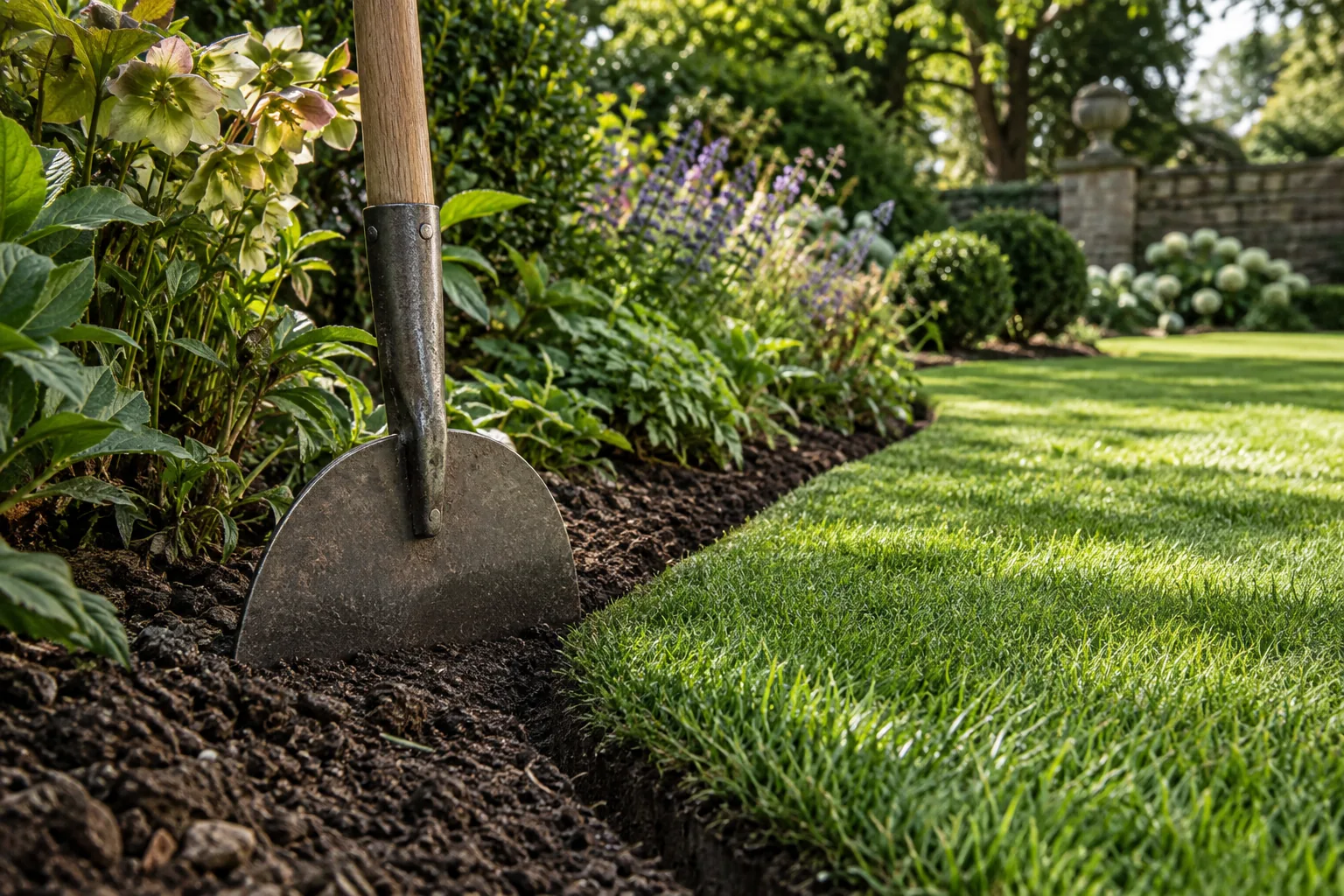
A defined edge often makes a modest lawn easier to maintain. Show curves, tree bases and tight corners in the initial photographs, not only the open centre. Furniture, play equipment and planted islands affect the time needed. Move light items beforehand where safe and identify irrigation or low cables that are not obvious in long grass.
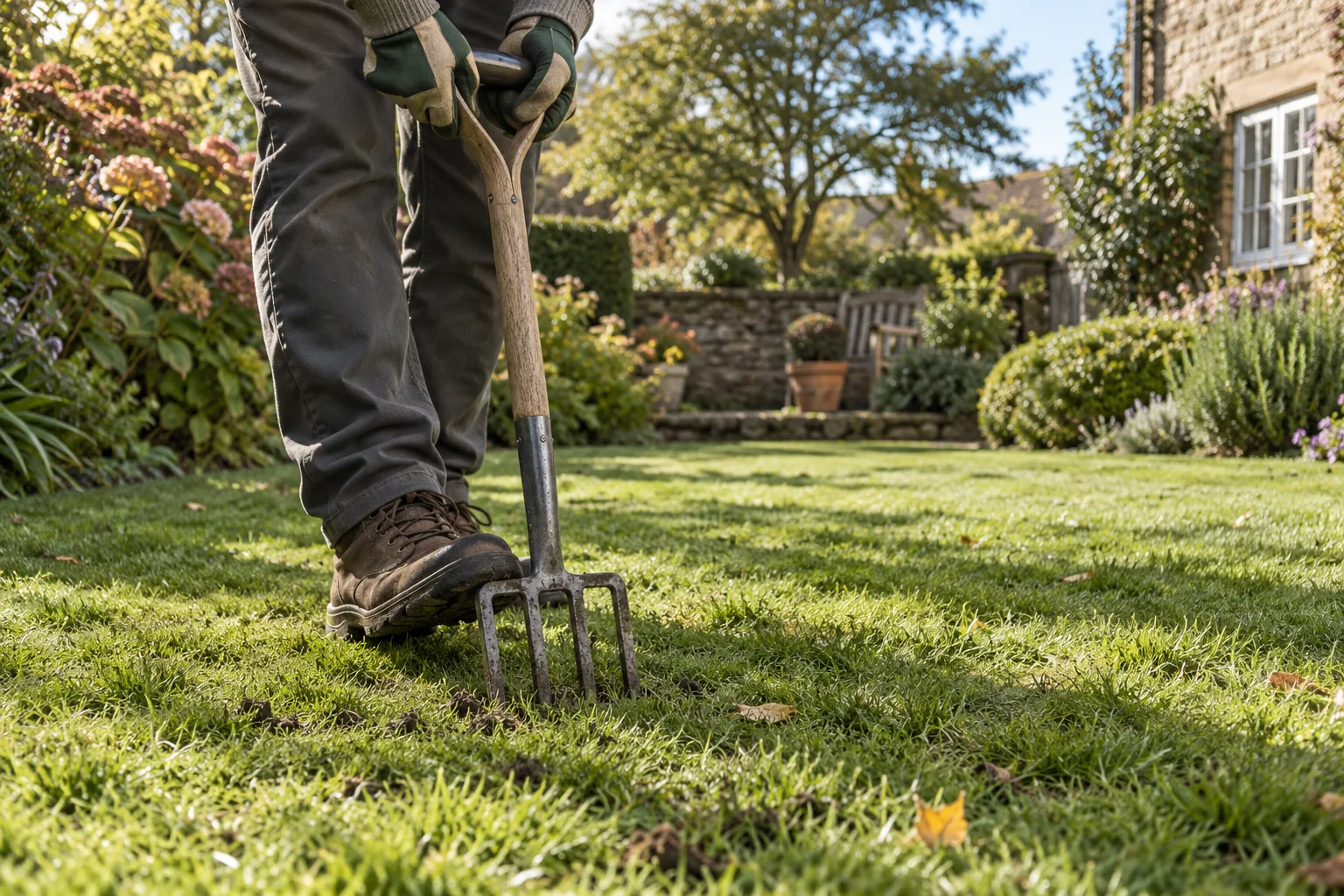
If the lawn has thin areas, note the pattern of use and shade. Lawn care can assess the issue more usefully when you say whether the patch stays wet, is repeatedly walked across or dries beside paving. Cutting lower does not cure those problems. Where a route is permanently worn through the grass, a design change may be more realistic than repeated reseeding without changing the traffic.
Keep shrub pruning specific
Describe a pruning problem in terms of the plant and the obstruction. A shrub may need a light clearance near a gate while retaining flowering wood elsewhere. An older plant may respond poorly to a severe reduction. If you do not know its name, send photographs of leaves, stems and flowers if available rather than guessing a species.
Check dense vegetation for nesting activity before work. Where an active nest is present, affected cutting must be deferred appropriately. The government’s wild-bird protection guidance supports making that assessment; a date outside the main breeding period is not automatic permission to disturb a nest. Leave room in the task list for other work if the planned hedge job cannot proceed.
Work with the season and ground condition
Spring is a good moment to find emerging weeds before they spread, but also a time when desirable plants can be hard to recognise. Mark bulbs and young shoots. Summer lawn care should respond to growth and moisture, with less aggressive cutting during dry stress. New planting needs an agreed watering routine between appointments.
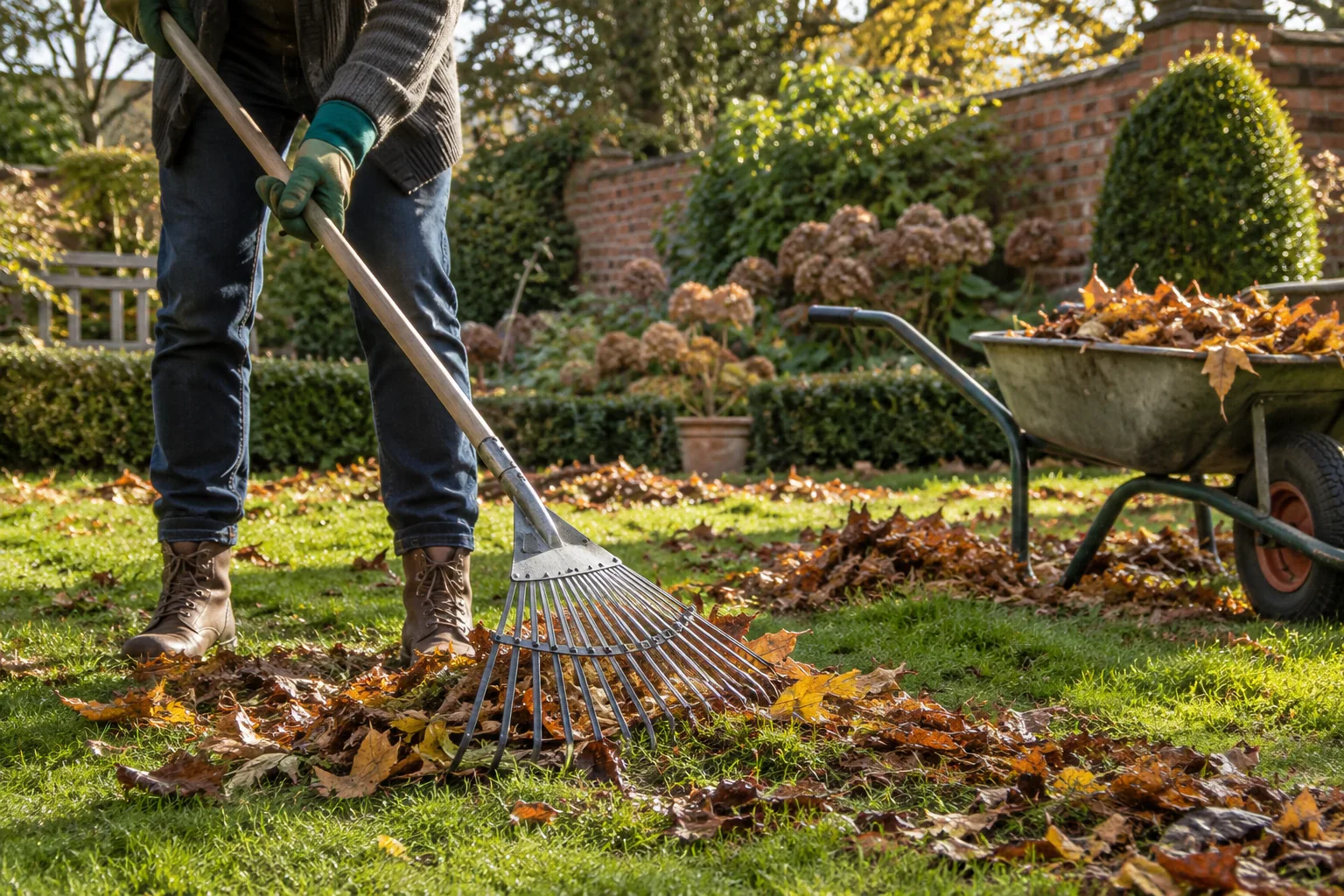
Autumn leaves are worth moving from frequently used routes and thick accumulations on lawns. Some material can remain in a suitable habitat area if that is your choice. During winter, do not insist that wet turf be crossed repeatedly just to complete a cosmetic job. A flexible list allows useful work on accessible areas while protecting the ground that needs to rest.
Booking around real access arrangements
Show the gate width, steps and route from parking. If a side passage is shared, confirm the relevant agreement and keep exits clear. If access is through the house, describe surfaces and security arrangements. Mention any doors that must be locked between trips so pets cannot escape. Those details influence handling and should be known before the appointment.
The published gardening arrangement supplies tools, equipment and bags. It still needs suitable property access and practical nearby parking. Agree where waste will wait and whether the gardeners can contact you if something unexpected is revealed. If you will be away, written priorities and clearly marked retained plants are especially useful; they reduce decisions that otherwise depend on guesswork.
One visit or continuing care?
A one-off appointment suits an agreed access recovery or seasonal tidy. Regular visits make more sense where the same grass and hedge growth keeps returning. Weekly, fortnightly or monthly arrangements can be discussed according to work and availability. The frequency should change when growth or your own contribution changes, rather than becoming a fixed list repeated throughout the year.
Check the current gardening prices. Maintenance, clearance and lawn care are £79 for the first hour and £65 per subsequent actual hour, with two gardeners and up to 120 litres of green waste included. Additional removal needs agreement. Tree work and garden design or landscaping use separate quotes. Confirm postcode availability and applicable congestion charges. For other approved locations, consult coverage, including Bexleyheath, Eltham, Orpington and Bromley.
Sidcup gardening questions
Need to discuss your own garden or property? Call with photographs and your postcode.
Ask about your visitCan you widen the usable path without removing the hedge?
Describe the obstruction and send photographs showing both the hedge and path. Selective trimming may help, but the plant’s condition and response to cutting matter. If the hedge has outgrown the space, repeated severe clipping may not create a healthy permanent solution.
What if I cannot identify a climber on my shed?
Mark it for discussion and show its leaves, base and support. Explain whether you want to retain it. A first visit can avoid disturbing uncertain planting until its care is clearer, particularly where pulling growth might affect a damaged panel or roof.
Does garden clearance include old timber and rubble?
Do not assume so. Describe non-green materials separately, with photographs and estimated quantities. They need an explicit disposal arrangement and may require another service. A vegetation-clearance estimate should not silently become permission to handle every item uncovered beneath the growth.
Can the gardeners work while I am away?
Agree entry, security and a contact method beforehand. Leave a written priority order and clear plant labels. Make sure the gate can actually be opened and the route is usable; instructions inside a locked property will not resolve access on arrival.
Should I reseed the worn strip beside the gate?
First consider why it is worn. Concentrated foot traffic, shade and wet ground can limit success. Lawn care may help, but a permanent walking route might need another surface. Discuss that possibility before paying repeatedly for seed in unchanged conditions.
Can I set a maximum time for the visit?
Explain the allowance and rank the tasks. Agree how additional time would be authorised and what should happen if the list is unfinished. An achievable stopping point gives the team a practical target and lets you decide whether a follow-up is worthwhile.
What happens if birds are nesting in the hedge?
Affected work should be deferred and the nest left undisturbed. Other agreed jobs may still be possible elsewhere in the garden. Mention nesting activity you have seen when enquiring, but allow for a fresh check because bird activity can change.
How much waste can I keep on site?
Only as much as you have a suitable agreed place to handle. Choose a composting or storage point that will not block paths. Woody branches and persistent weeds need thought. If removal beyond the included allowance is required, confirm the extra charge before work.
Reopen the routes that matter in your Sidcup garden
Call 020 3746 2449 with the postcode and photographs of the access and obstacles. List the route or space you want usable first. The next step is to agree appropriate tasks, a price basis and waste handling, with a clear boundary between gardening and any separate repair work.
Call 020 3746 2449Gardening nearby.
View all 60 coverage areas ↗Sidcup on the map.
Approximate area centre for orientation. Call to confirm availability for your exact postcode.