
Gardeners
Chiswick
Keep the character of established planting while making room to enjoy the garden. Chiswick enquiries can cover flowering shrubs, climbers, containers and terrace edges, with a clear plan for seasonal care and the work between appointments.
- Preserve flowering shrubs and valued climbers
- Coordinate terrace planting and container care
- Adapt tasks to seasonal plant growth
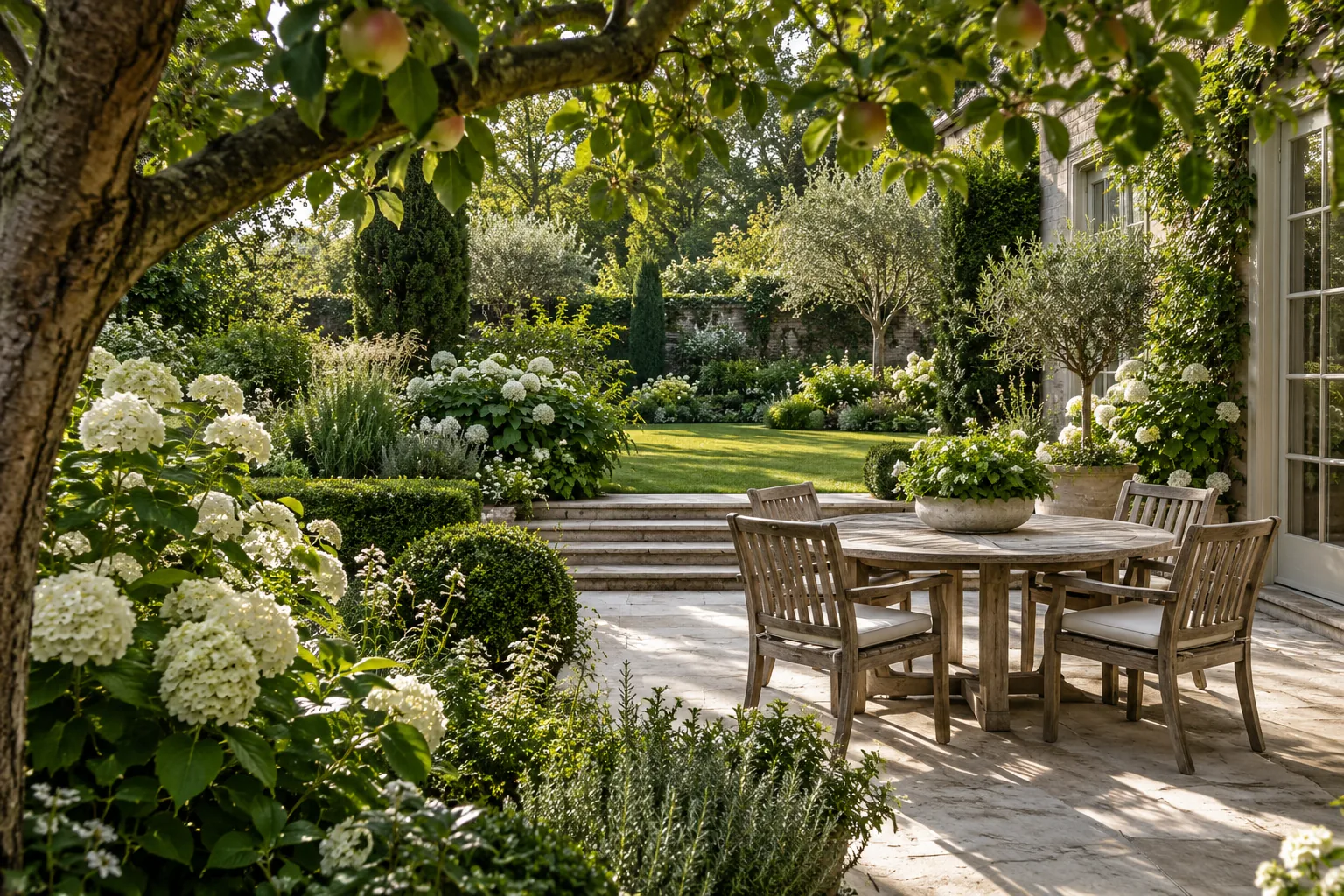
Start with the plants worth keeping
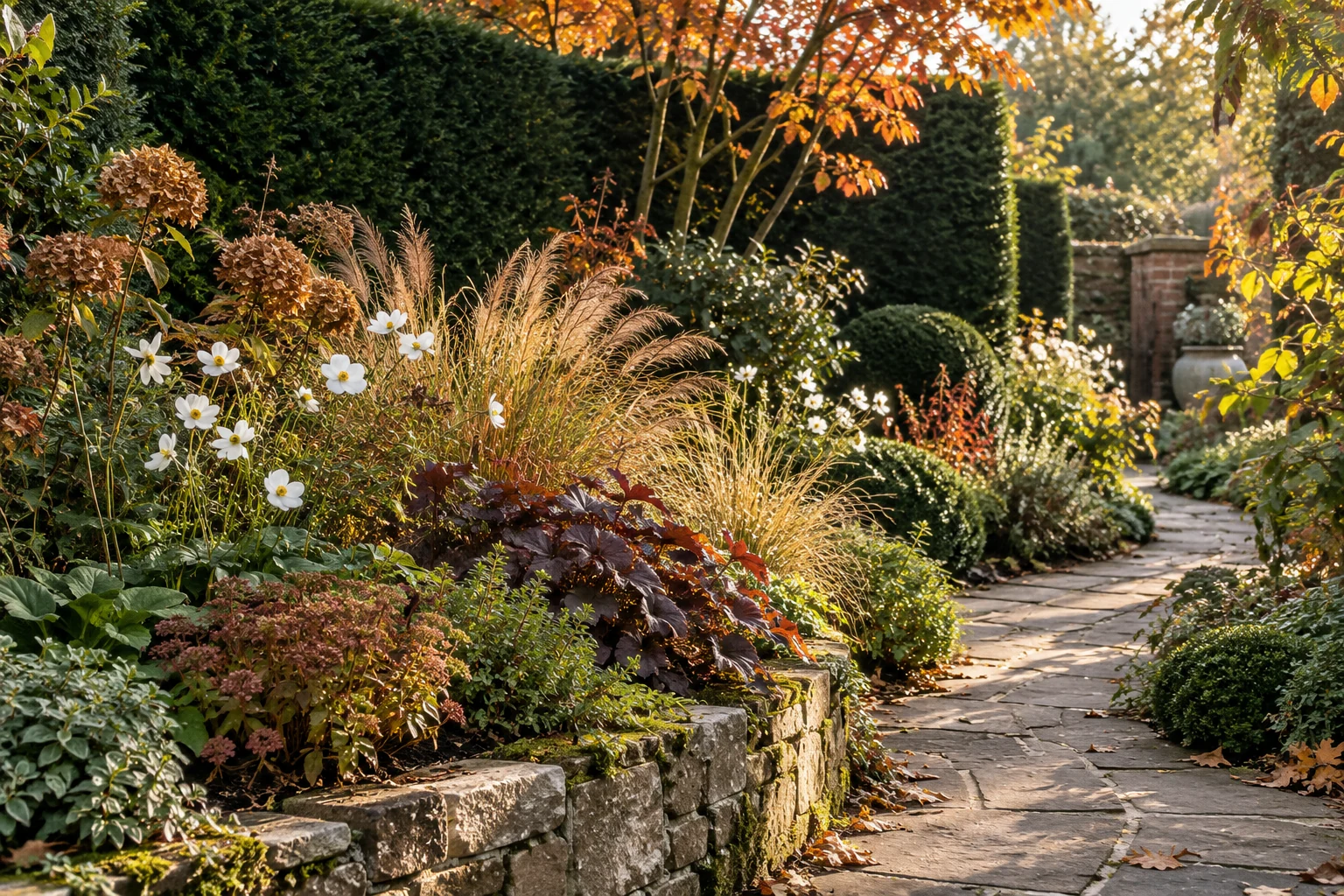
Good garden care leaves the right things alone as well as keeping growth in hand. An established climber, a favourite flowering shrub or a shaded seat may give a Chiswick garden much of its character. Before arranging a visit, show Go Gardeners what you value and what is becoming difficult. The aim might be a more comfortable terrace, a boundary that no longer leans across the path or borders whose plants can be seen again. Those details give a gardening estimate something concrete to work towards.
Make a short retention list alongside the job list. Include plants with sentimental value, bulbs that disappear after flowering and corners deliberately managed less intensively. Photographs from earlier in the year are useful when the current view tells only part of the story. A new owner may reasonably prefer a cautious first season rather than an immediate comprehensive clear-out.
For established planting, garden maintenance can bring together weeding, edging, mowing and appropriate trimming. Where old growth blocks access to the planting itself, clearance work may be needed first. Describe what needs revealing and what should remain. Clearing around a shrub is a different instruction from removing it, and that distinction should be explicit before the team starts.
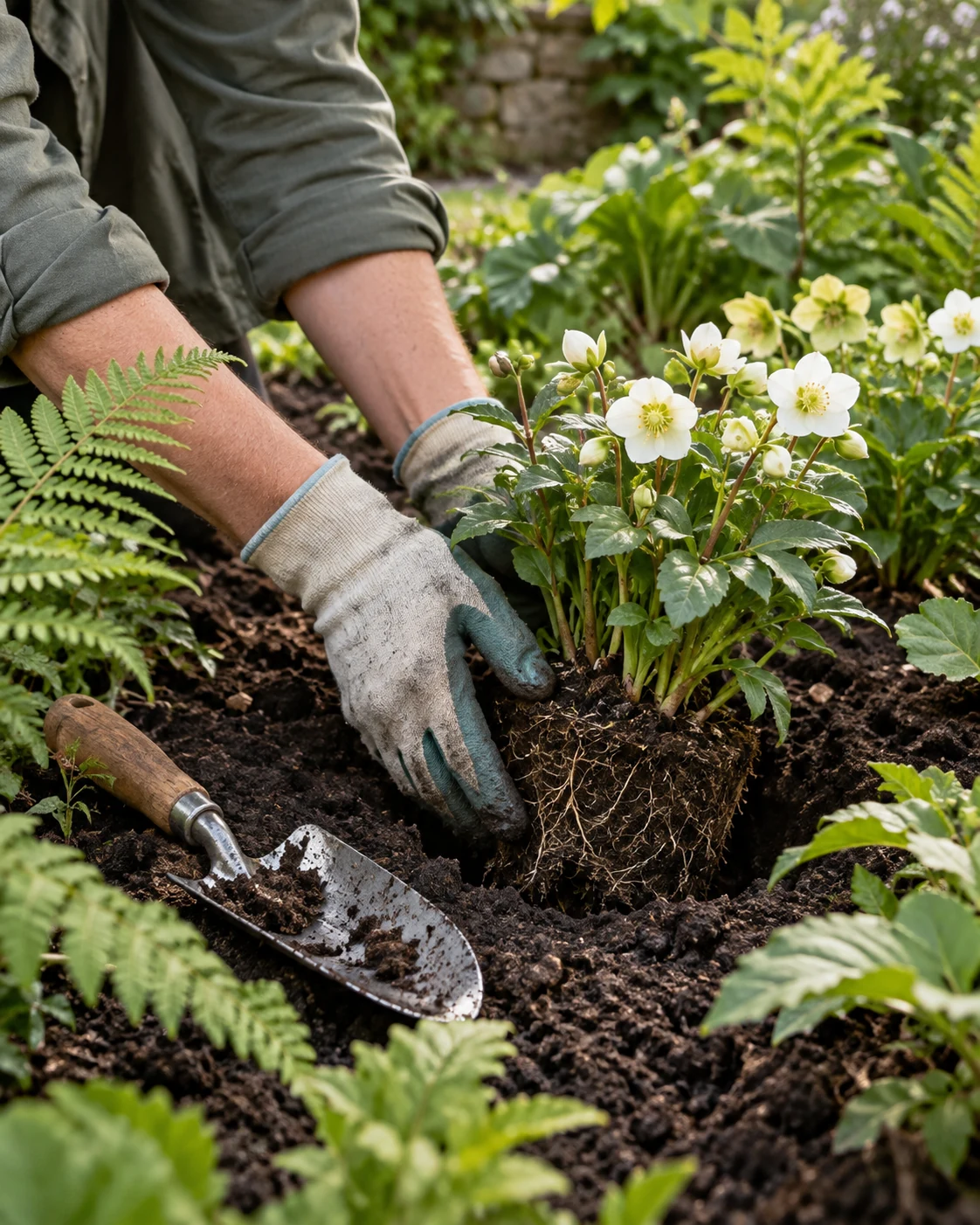
A flowering boundary needs more than a straight line
A hedge and a row of flowering shrubs may look similar from a distance, yet require different treatment. Send a close view of leaves and stems as well as a photograph of the whole boundary. Explain whether the problem is width, height, loss of flowers or simple obstruction. A request for a neat edge should not become an assumption that every stem can be cut back to the same plane.
Check for nesting activity before cutting hedges, climbers or dense shrubs and defer affected work where necessary. The government’s wild-bird guidance covers nests in use or being built. The date alone does not establish that cutting is appropriate. Agree another priority if a planned task cannot proceed, such as weeding an open bed or improving a clear path elsewhere in the garden.
Local tree checks for a Chiswick address
Chiswick enquiries should use the property’s actual council and protection status. Hounslow publishes conservation-area information, while Ealing also provides conservation-area guidance. Do not infer the answer from the neighbourhood name. Check the relevant boundary and any tree preservation order before making plans for substantial pruning or removal.
If a tree is overshadowing a terrace, state the problem without prescribing a heavy reduction at the outset. Tree surgery needs its own assessment and price. Show neighbouring buildings, fences and the available working space. Ordinary garden maintenance is not a substitute for deciding whether tree work is appropriate, and a request to create more light does not remove the need for permission or notice where required.
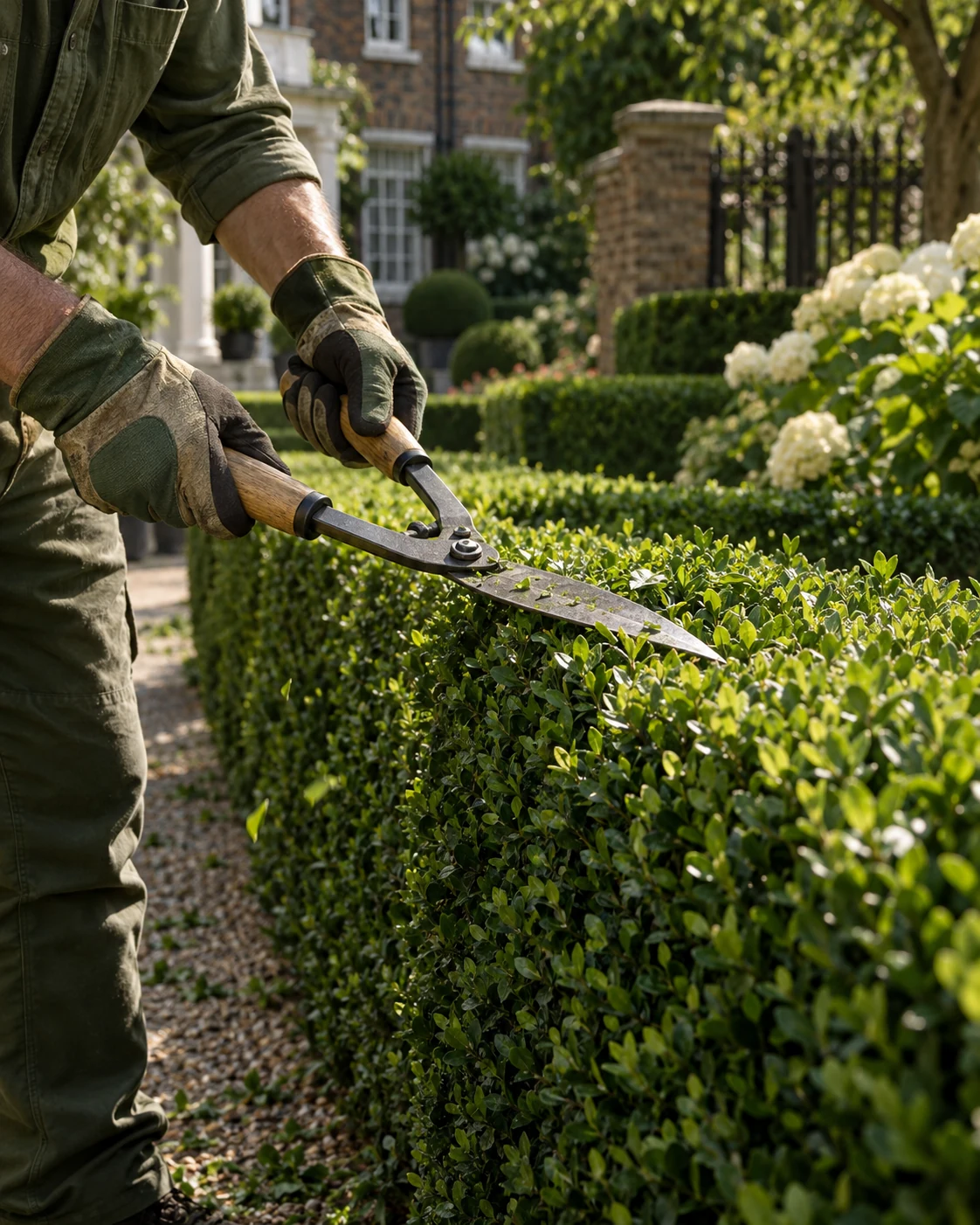
Manage the terrace as part of the planting
Overhanging growth, weeds between accessible joints and pots crowding the route can make a seating area feel smaller than it is. Decide how much clear floor space you actually need before removing plants. A slight adjustment to container positions or selective trimming may be enough. Mention heavy furniture, fragile pots and irrigation pipes so that the working area can be planned sensibly.
Where surface cleaning is also wanted, explain the paving material and condition and ask for a separate suitable scope. Loose pointing, unstable slabs and damaged edges should be identified rather than hidden by a request to make everything clean. Plant maintenance and repair of a surface solve different problems. If the terrace layout repeatedly compromises access or planting, garden design and landscaping offers a more appropriate conversation about changing the arrangement.
Pots need a plan between appointments
Containers place the available root space and water supply under your control, which also makes them dependent on regular attention. Tell the gardeners which pots dry out first and which remain wet. Check whether drainage holes are open before assuming that yellowing growth needs more water. A pot can be damp at the surface while its root area tells a different story, so inspect rather than water to a rigid calendar.
The RHS guide to watering containers is a useful reference for your ongoing routine. An occasional maintenance visit can include agreed container tasks, but it cannot replace frequent checks when conditions demand them. If you are away, arrange who will look after new plants and pots. Grouping them sensibly may help the practical routine, provided each plant’s light and moisture needs are respected.
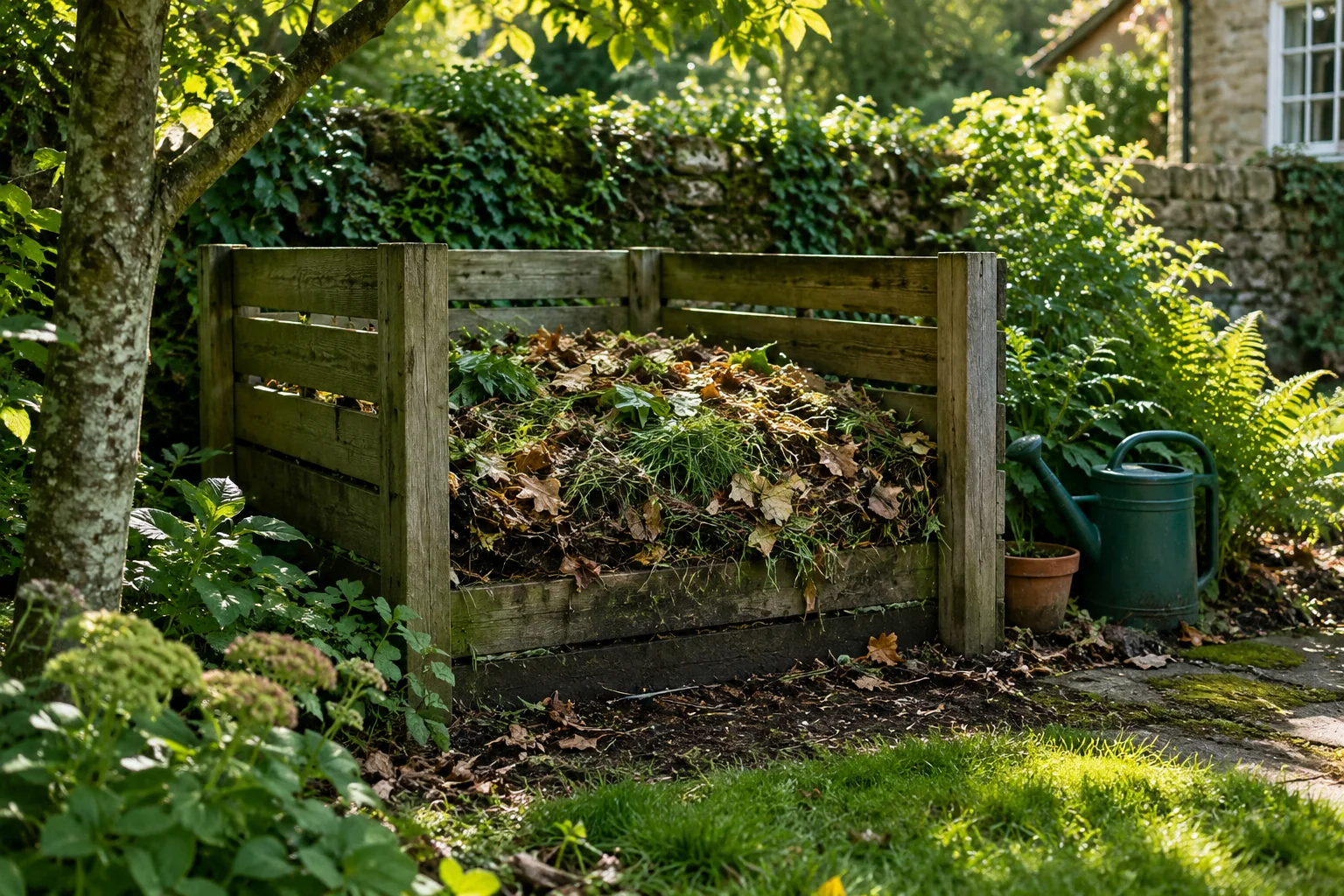
Care for lawn edges and shaded corners
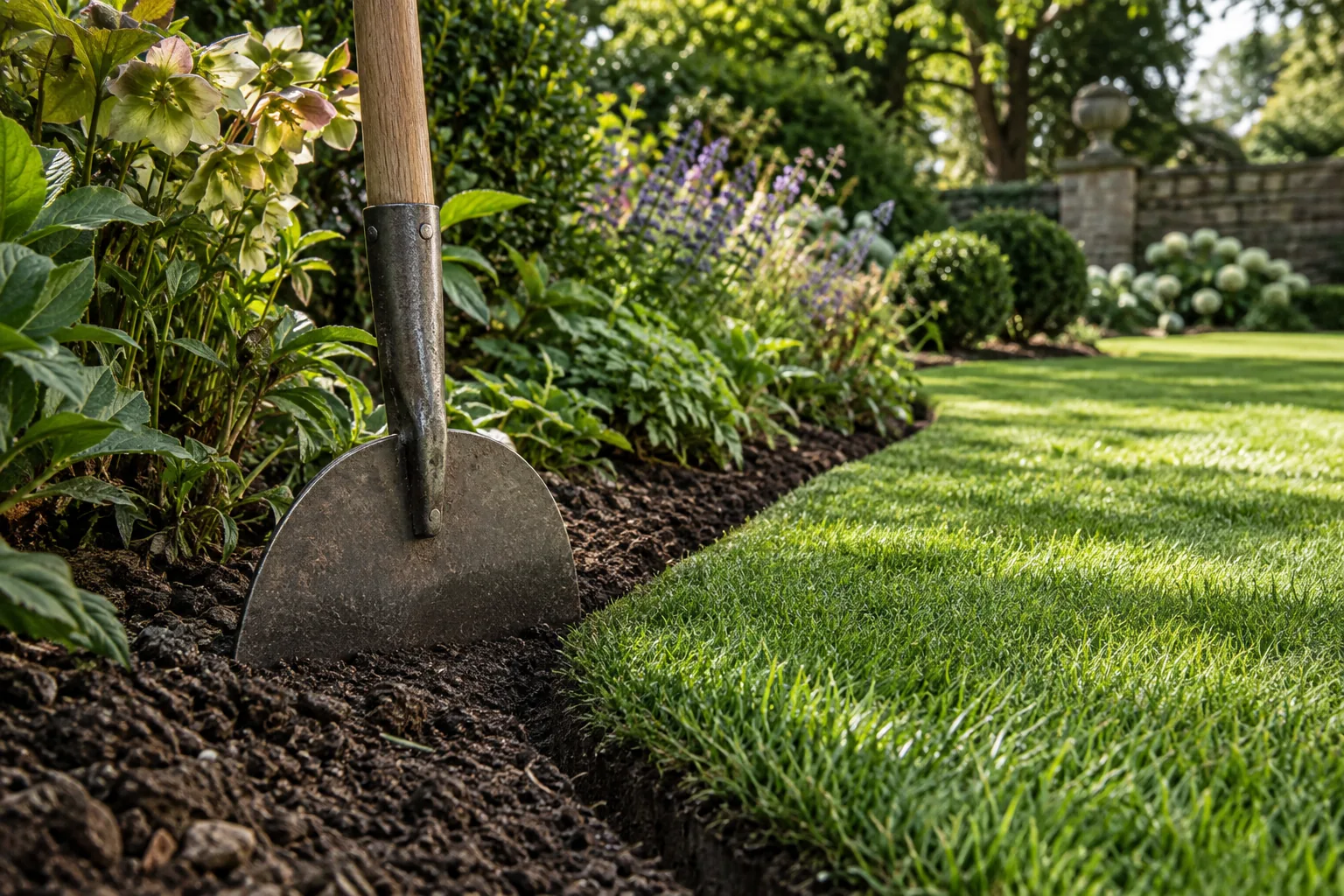
A clearly maintained edge can make a lawn easier to care for without reducing every border to a narrow strip. Decide where the edge belongs and whether any bulbs or groundcover should cross it. Show areas where grass thins, the surface dips or regular walking creates a track. Such observations are useful for a lawn-care enquiry and prevent mowing from being treated as the answer to every grass problem.
Avoid promising yourself a uniform lawn where the conditions vary sharply. A sheltered corner beneath shrubs may need a different approach from the open centre. Keep a note of seasonal shade, wear and water accumulation. If grass has repeatedly failed in one patch, discuss whether another form of planting would be more practical before paying for another identical repair. The best option depends on how that part of the garden is used.
A seasonal rhythm for established gardens
In spring, make space around emerging perennials while identifying plants before pruning. Work around bulbs until their foliage can be treated appropriately. Summer is a time to balance presentation with plant condition: removing spent flowers may be useful, but indiscriminate cutting can remove later interest. Keep new planting under observation and avoid adding more plants than you can water and maintain between visits.
Autumn work can prioritise leaf build-up where it makes paths awkward or smothers useful planting. Elsewhere, selected stems can remain if you enjoy their shape or want habitat. Winter appointments should respond to the condition of the ground. If beds are saturated, choose work that does not compact them. Regular care becomes more useful when each visit has a seasonal reason rather than repeating the same cosmetic tidy throughout the year.
Agree time, access and the price basis
Go Gardeners publishes £79 for the first gardening hour and £65 for subsequent actual hours, with two gardeners, equipment, tools and bags. Up to 120 litres of green waste removal is included in the stated arrangement. Additional removal must be agreed. Review the published price guide and confirm the postcode, availability and any applicable congestion or other additional charges before booking.
Include photographs of the route to the garden. Steps, a narrow side entrance, a shared hall or a long carrying distance affect the work even when the planted area is small. Confirm parking and any access permission needed. For regular care, discuss a weekly, fortnightly or monthly interval based on growth and your contribution. For a single appointment, decide what should happen first if the full wish list exceeds the available time.
Chiswick garden questions
Need to discuss your own garden or property? Call with photographs and your postcode.
Ask about your visitCan a tidy-up preserve the garden’s informal appearance?
Yes, if you describe what informal means in your space. Identify plants allowed to self-seed, stems you wish to retain and paths that must stay clear. A retention photograph is often clearer than asking for a natural look while also requesting that every bed be thoroughly cleared.
Should I prune all my climbers at the same time?
No single timing suits every climber. Identify the plant and the purpose of cutting before deciding on the work. Show how it is supported and mention loose trellis. Growth control, flower production and repair of supports are related issues, but they need separate decisions.
Can I include watering in a regular visit?
Discuss the task, water access and the plants involved. The visit interval may still leave long gaps during warm weather, so make an independent watering arrangement. Young plants and containers often need checking more frequently than a general gardening schedule provides.
Who checks protection before tree work?
Raise any known designation at enquiry stage and establish the required checks with the relevant council. The postcode and exact tree matter. Do not assume permission is included in a maintenance booking or that an old pruning cut proves further work is authorised.
Can gardeners work around a furnished terrace?
Explain what can be moved and what must remain. Clear lightweight personal items beforehand where practical, and flag heavy or fragile pieces. Access to the plants and a safe carrying route are needed, even if the intended work is limited to borders around the seating area.
What if weeds are tangled through a valued plant?
Point out the plant and allow time for careful separation where feasible. Pulling a whole clump indiscriminately can damage what you intend to save. The extent of root entanglement affects the task, and some areas may require staged attention rather than a single quick pass.
Is green waste removal unlimited?
The published allowance is up to 120 litres. Show the likely quantity before booking, especially for woody cuttings that occupy considerable space. Confirm extra disposal or a suitable on-site arrangement rather than assuming the hourly charge covers every possible volume.
Are nearby gardening pages available?
Read about Acton, Brentford, Hammersmith and Richmond through the area directory. The coverage page provides the full list; individual availability still needs confirmation with the exact address and required work.
Discuss the next stage of your Chiswick garden
Call 020 3746 2449 and explain what should be easier after the visit. Share photographs of favourite plants as well as problem areas, include access details and set out your priorities. With a clear scope, the appointment can support the garden you already enjoy while addressing the work that has become difficult to keep up with.
Call 020 3746 2449Gardening nearby.
View all 60 coverage areas ↗Chiswick on the map.
Approximate area centre for orientation. Call to confirm availability for your exact postcode.