
Gardeners
Hammersmith
Make a compact outdoor space more comfortable without crowding it further. Hammersmith gardening can focus on containers, climbers and restricted borders, with careful planning for household access, heavy pots and the care plants need between visits.
- Assess pots and root space before replacing plants
- Identify climbers and inspect their supports
- Plan carrying routes through compact properties
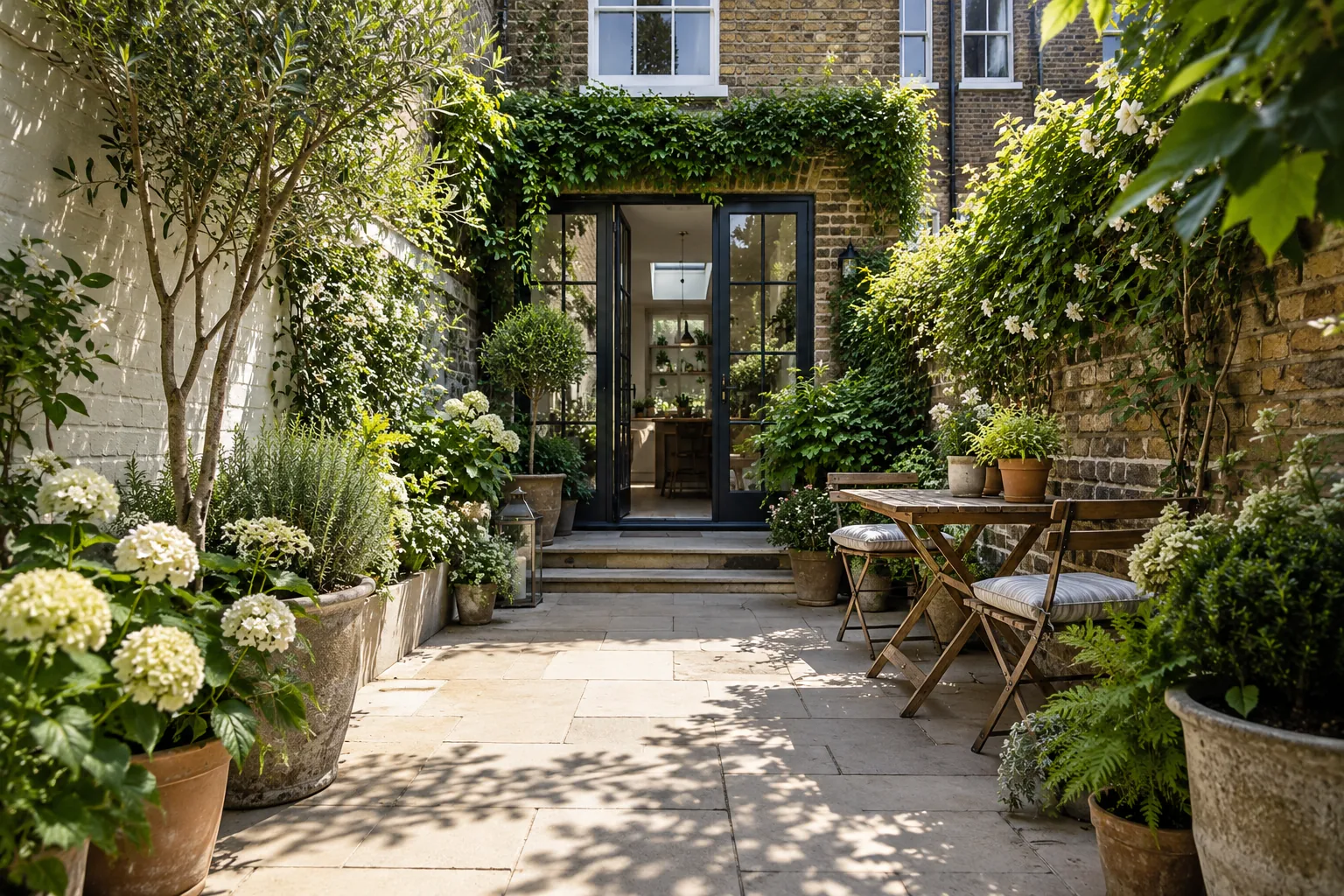
Assess the courtyard as one connected space
A small courtyard can place every plant, pot and practical object on view at once. That makes selective care more useful than simply adding more planting or cutting everything shorter. For gardening in Hammersmith, Go Gardeners can discuss the work that will make a compact outdoor space more comfortable to use: a manageable climber, clear floor space, healthy containers or borders that no longer spill across the route. Show the whole arrangement so the estimate reflects how the pieces fit together.
Photograph from more than one corner, including the doorway and any narrow route between furniture and plants. Explain which objects are fixed, which can move and what you want to use the area for. A garden with little soil can still contain substantial plant work, particularly when climbers and containers have grown together or when access is through the home.
Garden maintenance can include suitable weeding, pruning and routine plant care without a lawn. If unwanted growth blocks the space or conceals its edges, discuss garden clearance with clear retention instructions. The intention might be to regain a small seating area rather than remove all greenery. A useful brief names the plants providing structure and the clutter or growth that prevents the space functioning.
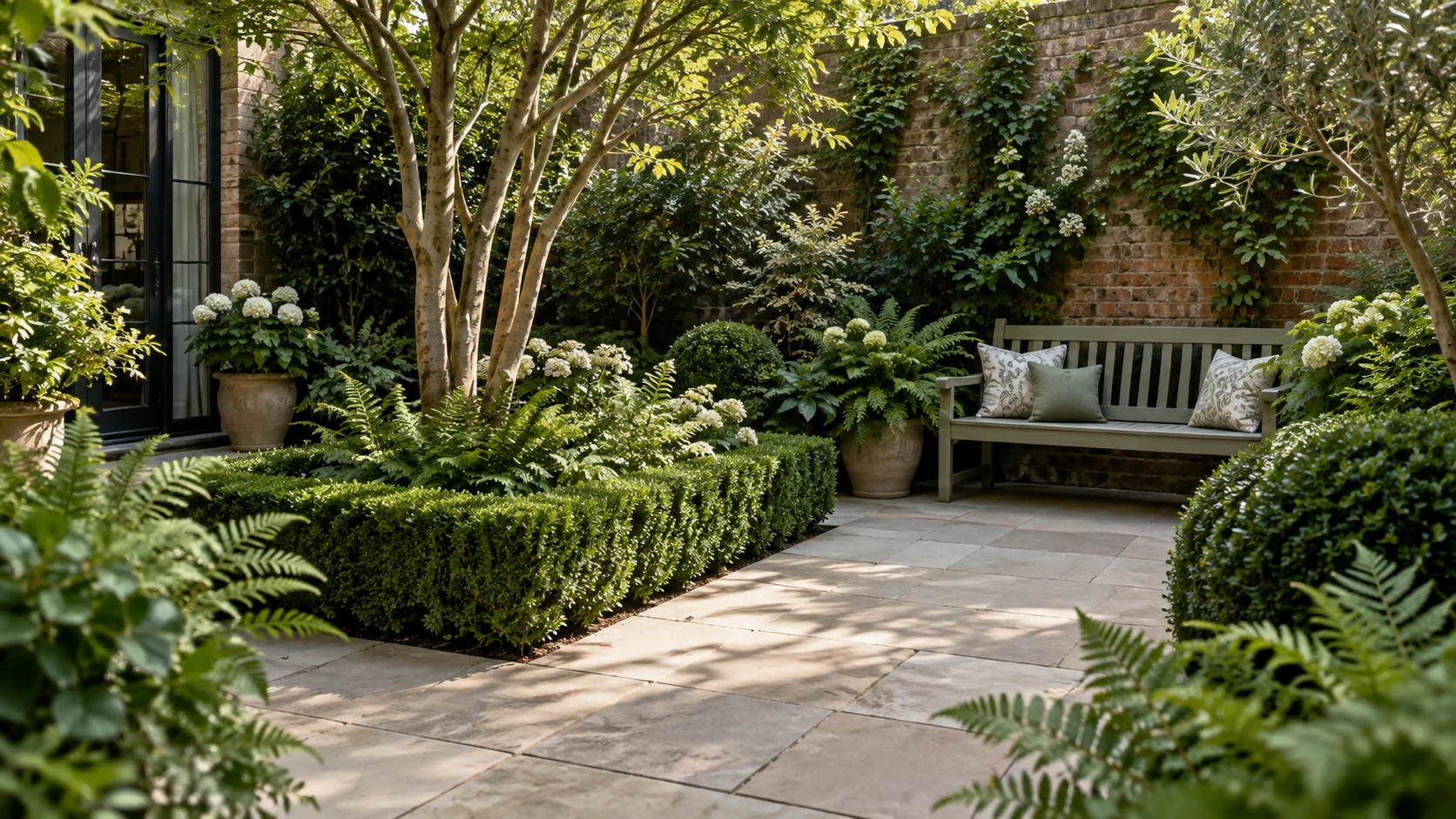
Container care begins below the flowers
Weak growth in a pot can relate to root space, moisture, drainage or plant choice. Show the container as well as the foliage, and explain how it is watered. Check for blocked drainage before assuming more water or feed is the answer. Pots on sheltered or exposed edges may behave differently, so a rigid routine for all of them may not work well.
Repotting needs suitable materials, room to work and a decision about the container’s future position. Agree that scope in advance and identify heavy or fragile pieces. The RHS container-watering guide is useful for the ongoing routine, but an occasional appointment cannot replace regular moisture checks. Establish who will water between visits and during absences, especially for plants whose roots have not yet filled their new compost.
Climbers: identify, support and then prune
A climber can soften a wall while eventually overwhelming a light trellis or narrowing an entrance. Identify the plant and explain whether you want flowers, screening or simply less bulk. Different climbers require different pruning decisions, so a general instruction to cut it all back can sacrifice the growth you value. Send close photographs as well as the whole wall.
Show the support and mention loose fixings or damaged timber. Cutting vegetation does not repair an unstable support, and work should not depend on pulling against a weak structure. Check dense growth for nesting activity and defer affected cutting where necessary. If substantial tree branches are intertwined with the climber, distinguish them and ask about tree surgery rather than assuming all woody growth belongs to the same routine task.
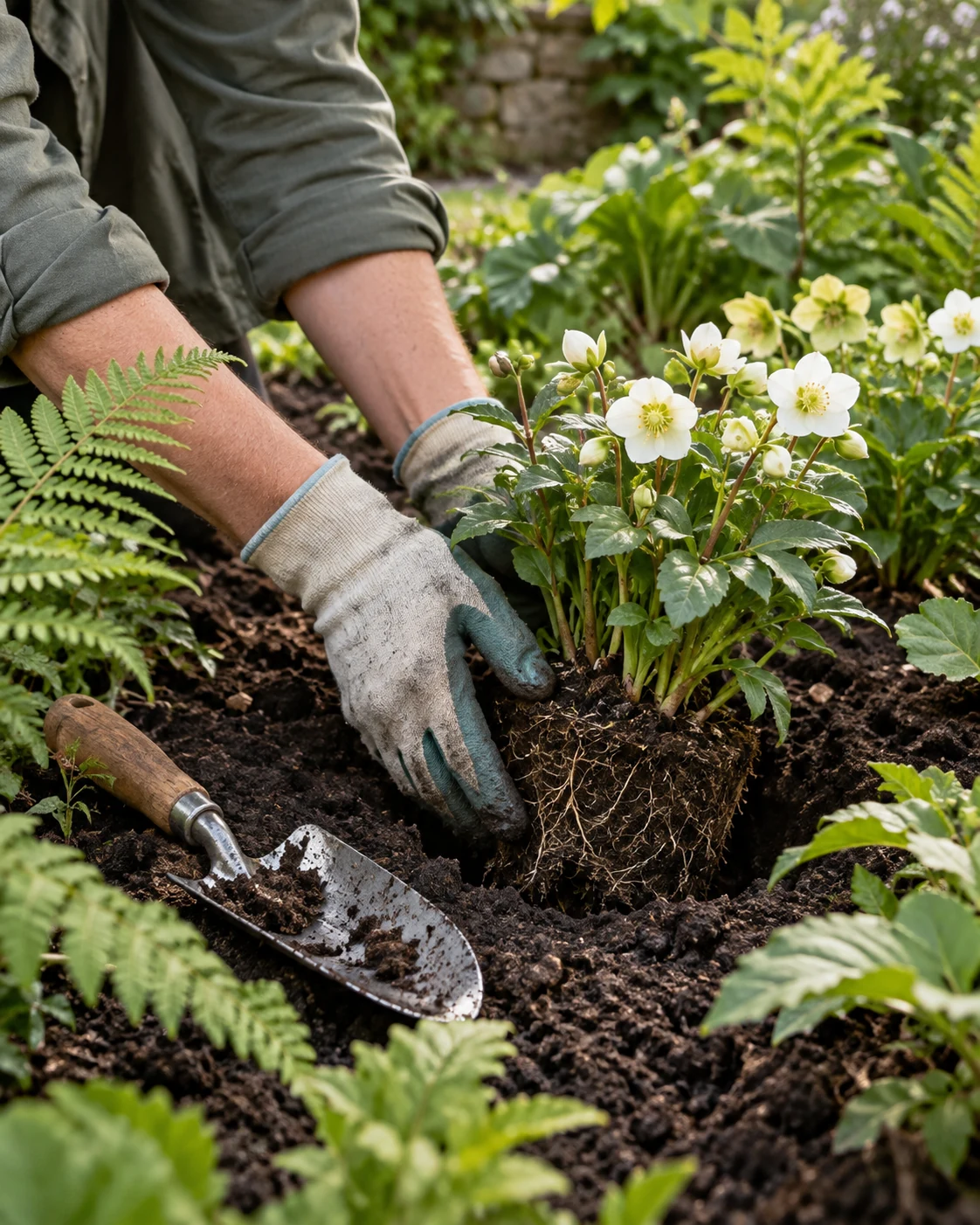
Hammersmith tree and conservation checks
Use the relevant council information for your exact address when considering tree work. Government guidance on protected trees explains the role of tree preservation orders and conservation-area requirements. Check the position with Hammersmith and Fulham Council before proceeding, rather than assuming a small private courtyard is outside those requirements.
Provide a photograph of the whole tree and its relation to walls, windows and neighbouring boundaries. State the concern clearly and avoid using the garden’s limited size as the sole reason for a severe reduction. Tree work requires its own assessment and price. A routine maintenance appointment can address other suitable tasks while the local position and appropriate operation are established, avoiding a rushed decision about mature growth.
Borders in shade and restricted root space
Look at light over the day rather than judging from one bright photograph. A wall-side strip may receive limited rain or compete with roots even when the surface appears sheltered and damp. Show what grows successfully and where plants repeatedly fail. Avoid assuming that a fashionable plant will suit the bed simply because it fits the visible gap at purchase.
When weeding, mark small plants and emerging bulbs so the limited planting is preserved carefully. Consider suitable soil cover afterwards, with materials agreed separately. If the bed is inaccessible behind permanent furniture, discuss whether the arrangement can be improved. Garden design and landscaping may provide a separate plan for the balance between planted and usable space; ordinary maintenance should not be expected to solve a recurring access problem through careful reaching alone.
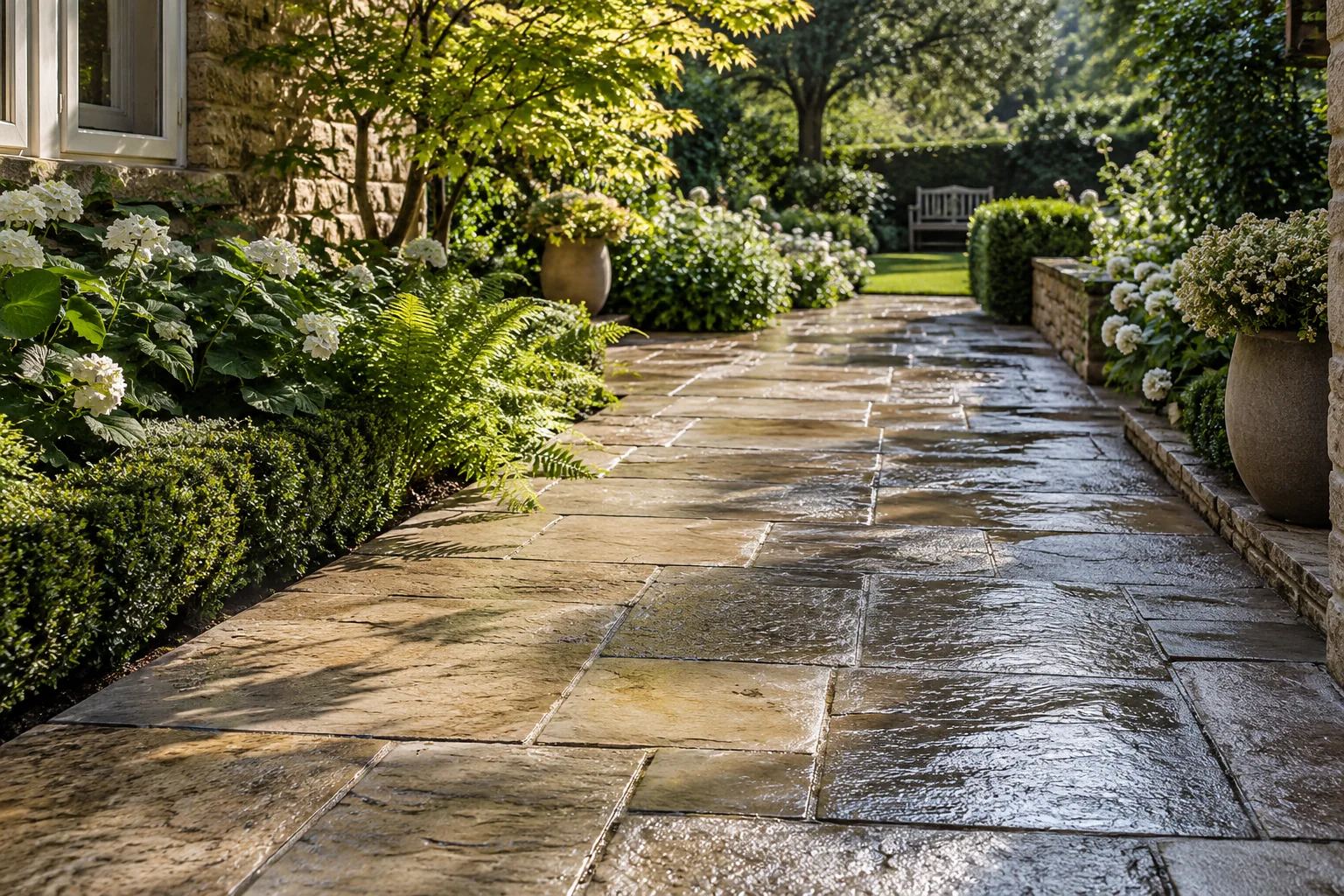
Small lawns and paved areas need different scopes
Where a Hammersmith garden includes grass, show its full size, edges and shaded corners. Lawn care can be considered for thinning or repair, while mowing can sit within routine maintenance. The fact that the lawn is small does not establish that it is simple: furniture, close planting and poor access can create a fiddly task, and repeated wear may be concentrated in a small area.
For paving, identify weeds and overhanging growth separately from surface cleaning or repair. Loose slabs, failed joints and drainage concerns should be raised before work. A plant tidy does not make an unsound surface sound, nor does it guarantee that a cleaning method will suit every material. Explain the desired finish and ask for the relevant separate scope rather than including every outdoor issue under a request for general gardening.
Seasonal attention in a compact garden
Spring offers a chance to identify emerging growth and decide which containers need attention before they fill out. Summer work should consider heat, moisture and the need to keep the seating area usable. Avoid making a large new planting commitment if nobody can provide aftercare. In small spaces, one neglected pot can have a noticeable effect, but replacing plants repeatedly is not a substitute for understanding why they struggled.
Autumn leaf collection can focus on the entrance, paving and any grass. Selected stems may remain if you enjoy them and they do not prevent access. Winter conditions can limit work in soft beds or on frosty turf. Regular weekly, fortnightly or monthly care can be discussed, but a planted courtyard may need a different rhythm from a lawn-led garden. Review the tasks instead of assuming frequency follows area alone.
Access, price and disposal in one conversation
Go Gardeners publishes £79 for the first gardening hour and £65 for subsequent actual hours. The arrangement describes two gardeners with tools, equipment and bags and includes up to 120 litres of green waste removal. Read the price guide and confirm availability, postcode and any applicable additional charges, including congestion-related charges where relevant. Extra removal needs agreement rather than being assumed unlimited.
If the route is through the home, explain doors, turns, flooring and how access should be managed. For a shared hallway, establish permission and keep other residents’ passage available. Confirm parking and carrying distance, and identify a practical temporary place for bags. Small footprint does not remove the importance of handling time. Set priorities and a contact arrangement so choices can be resolved clearly if the available appointment does not accommodate every proposed task.
Hammersmith gardening questions
Need to discuss your own garden or property? Call with photographs and your postcode.
Ask about your visitCan I book gardeners for a courtyard without grass?
Yes, describe the containers, beds, climbers and weeds you want addressed. Include photographs of the doorway and working space. The scope and gardening minimum still need agreeing, but a lawn is not necessary for an outdoor space to benefit from appropriate maintenance.
Will you move large containers to clean underneath?
Do not assume that movement is included or practical. Give the dimensions, material and route, and explain whether the pots can remain in place. Heavy-container handling needs agreement, especially where there are steps, fragile surfaces or limited room to lift and reposition them.
Can a climber be cut back without losing all its flowers?
Identify the plant and discuss its growth and flowering habit before deciding the cut. The right answer depends on the climber and the result you want. Avoid treating every wall plant as a hedge that can be reduced uniformly whenever its outline becomes untidy.
Why does one pot stay wet while another dries quickly?
Container size, material, plant roots, drainage and position can all contribute. Show both and explain the watering routine. Applying the same amount of water to every pot does not guarantee the same root conditions, so start with observation rather than more feed or replacement plants.
Can you clear a shared garden behind flats?
Explain who authorises the work, which planting belongs to the booking and how access is shared. Resolve conflicting instructions before the visit. Clear photographs and marked boundaries help avoid removing plants another resident expected to retain or leaving material in communal routes.
Is courtyard tree work automatically unrestricted?
No. Check tree preservation orders and conservation-area requirements for the property and proposed operation with the council. A tree’s small setting or private ownership does not settle its status. Significant pruning or removal should have a separate assessment and confirmed scope.
Can an occasional visit cover all watering?
It can include agreed watering during the appointment, but containers may need checks much more often. Establish an independent routine and someone responsible during absences. A maintenance interval should not be presented as enough to guarantee moisture for every pot through changing summer conditions.
Which approved neighbouring pages can I read?
See Fulham, Chiswick and Acton, alongside the full coverage directory. Confirm your exact postcode, service and appointment availability directly. The nearby pages help orient the enquiry but do not reserve a date or establish access arrangements.
Discuss care for your Hammersmith outdoor space
Call 020 3746 2449 with photographs showing the whole courtyard or garden. Explain the plants to preserve, the space you want to use and the route through the property. Those details help turn a compact-space enquiry into a clear, realistic appointment with suitable care and waste arrangements.
Call 020 3746 2449Gardening nearby.
View all 60 coverage areas ↗Hammersmith on the map.
Approximate area centre for orientation. Call to confirm availability for your exact postcode.