
Gardeners
Brentford
Recover an overgrown space in stages that make sense. Brentford gardening can begin with usable access and retained planting, then develop into routine care once the ground, waste requirements and future workload are clearer.
- Reveal the layout before ordering new plants
- Agree bulky and mixed-material disposal
- Build a routine after the first clearance
Recover the space in a sensible order
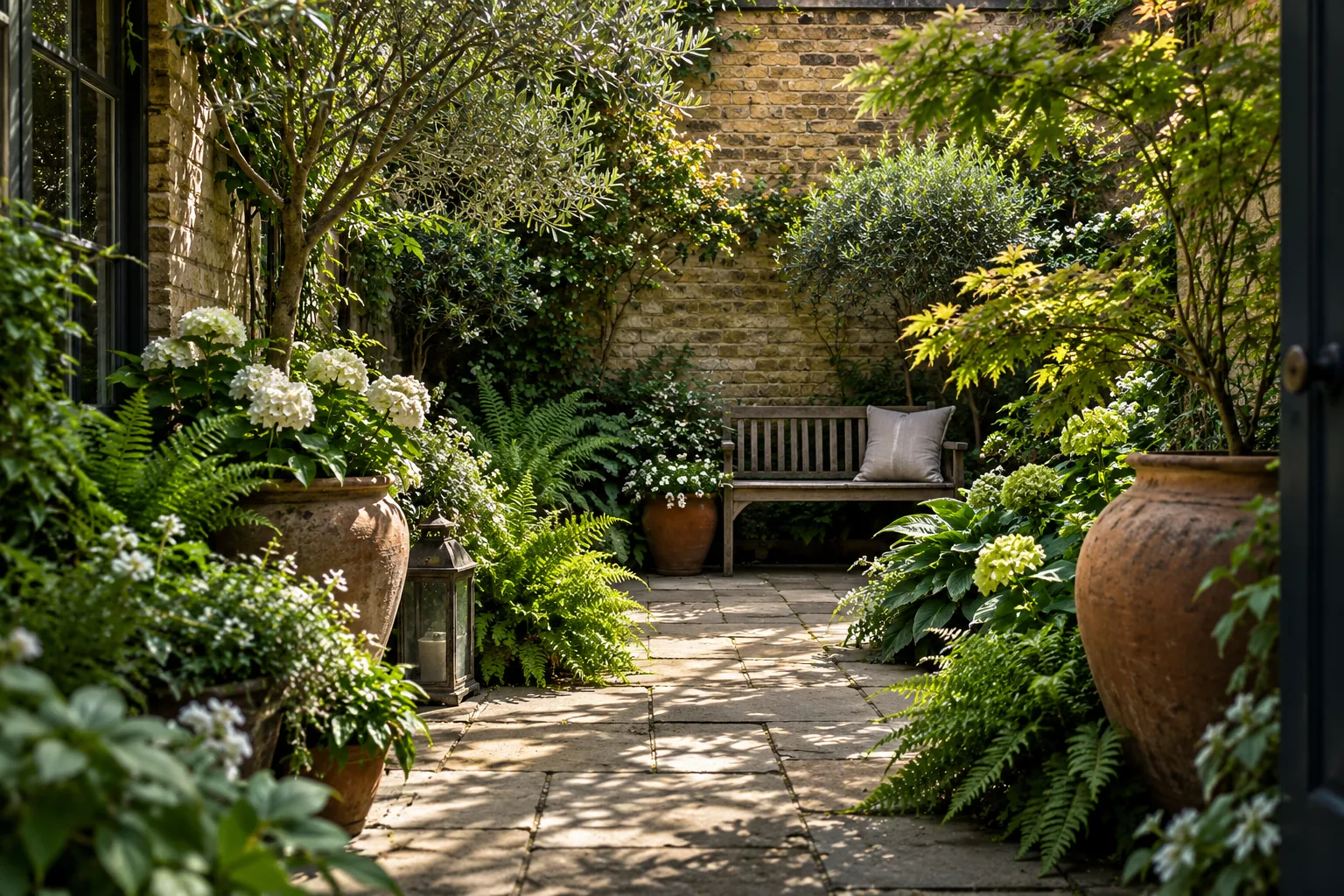
The first decision in a neglected garden is often what to uncover, not what to plant. In Brentford, Go Gardeners can discuss a one-off recovery visit or continuing care once the space is manageable. Start with the practical result you need: reaching the back gate, using the patio or finding the edges of a lawn again. Photographs of the whole space, the entrance and anything you want retained help distinguish a straightforward tidy from work that needs several stages and a separate plan.
When vegetation has grown together, resist the temptation to specify that everything should go. Identify sound shrubs, useful screening and features hidden beneath growth. If you do not know what is there, say so. A cautious first stage can reveal the layout and allow better decisions, particularly when you have recently taken responsibility for the property.
Garden clearance may be the right starting point where the ground cannot be reached safely. Explain whether the aim is access, removal of unwanted vegetation or preparation for a future project. These are different outcomes. Bagging loose debris does not automatically include removing established roots, repairing boundaries or laying new surfaces. An agreed scope prevents the first appointment becoming an open-ended attempt to solve every outdoor problem at once.
Separate garden growth from other rubbish
Show the team any items concealed among plants: old furniture, timber, building materials, broken pots and abandoned equipment. A gardening waste allowance should not be treated as a general rubbish collection. Identify anything potentially sharp or hazardous without handling it unnecessarily. If specialist disposal is needed, establish that before booking rather than mixing it into the green material.
Decide what can remain on site. A suitable compost area may take some clean plant material, but its capacity and intended use matter. Woody stems, persistent weeds and diseased material need thought before being added. Bags should have a clear temporary location that does not block a fire exit, shared passage or the route being restored. The work is only useful if the finished access remains usable after the cutting stops.
Plan access from the street to the work
A photograph taken from the back door may miss the most important constraint. Include the front entrance, the side route and any gates between the street and garden. Explain steps, changes of level and narrow corners. If the property has a shared rear route, confirm the arrangements with the appropriate person rather than assuming that tools and waste can be carried there freely.
Parking and unloading should be discussed during the estimate. Explain any restrictions, permit arrangements or distance from a possible parking place to the entrance. For access through a flat or house, agree how the route will be managed and secured. Be precise about locks and who can open them; a plan that depends on an unavailable keyholder can delay an otherwise well-prepared gardening visit.
Local checks before changing established trees
For Brentford properties, Hounslow’s conservation-area guidance provides a starting point for checking designated areas. The status of the exact address and any tree preservation order should be established before proposed tree works. A garden being overgrown does not remove those checks, and clearing undergrowth should not quietly expand into cutting a mature tree.
Photograph trees separately and use a tree-surgery enquiry for substantial pruning or removal. Describe the concern: dead-looking branches, obstruction, the tree’s relation to a building or another observed problem. Avoid diagnosing the cause from a distant photograph. Known permissions, previous reports and relevant correspondence can help define what needs assessment, but they should not be taken as blanket authorisation for a different operation.
What happens after the first clear-out
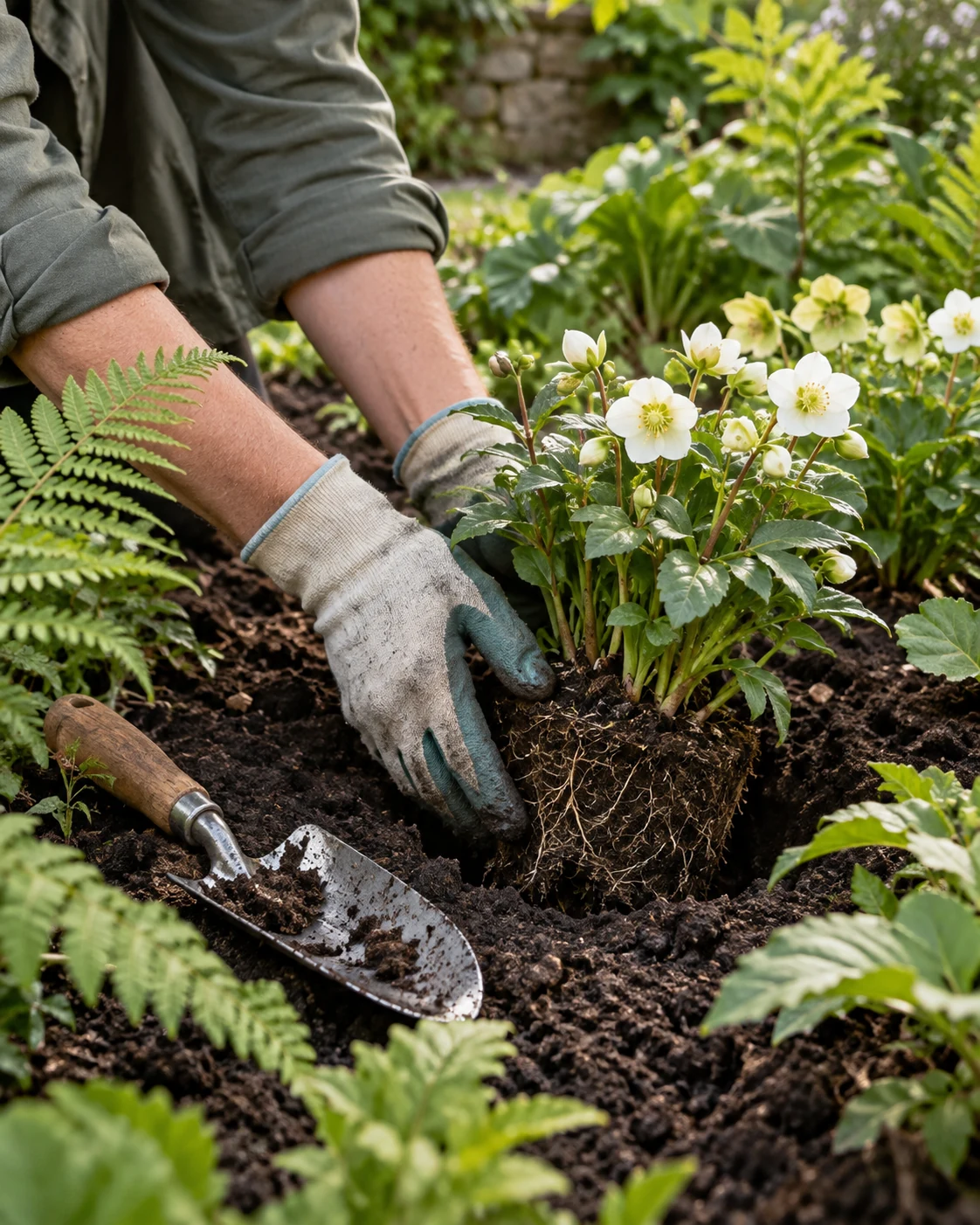
Once the edges and surfaces are visible, decide how much garden you can maintain. An exposed bed with no follow-up plan can quickly become another weeding job. You may want to retain a smaller planted area, add suitable groundcover or restore an existing boundary. Allow the revealed conditions to inform these choices rather than buying a full set of plants before anyone can see the ground.
Garden design and landscaping is worth discussing if the arrangement no longer suits the way you live. A path that repeatedly becomes a storage area, or a lawn that is hard to reach with equipment, may need a design decision. Routine garden maintenance then looks after the resulting space; it should not be expected to compensate indefinitely for a layout that makes every task unnecessarily difficult.

Bring the grass back into a workable routine
An overgrown lawn may contain objects that cannot be seen from the edge. Remove visible light items safely and flag anything concealed or immovable. Show the longest growth and mention uneven ground, old edging and areas deliberately left as habitat. The first cut may be part of recovery rather than the final appearance you want for everyday use.
Afterwards, consider the pattern of shade, walking routes and drainage before deciding on lawn care beyond mowing. Bare areas may have several causes. Photograph a wet patch after rain and note how long it lasts, rather than assuming the soil needs the same treatment as a neighbouring property. Repairs should be based on the actual surface and use of your garden, with realistic time for establishment and ongoing care.
Wildlife and seasonal limits belong in the plan
Dense growth can contain wildlife that is not visible in the first photographs. Before cutting hedges, shrubs or climbers, check for nesting activity and defer affected work where needed. Government guidance on wild birds explains the protection of nests being used or built. An appointment date or the description clearance does not make every cut appropriate.
Seasonal work should also respond to plant growth and the ground. Spring clearance needs care around emerging bulbs and perennials. Summer recovery should leave an achievable watering commitment for anything newly planted. In autumn, leaves may need collecting from working routes, while selected undisturbed corners can remain. During wet winter conditions, avoid turning a simple tidy into unnecessary compaction by repeatedly carrying heavy material across soft beds.
Price the job you actually have
The published gardening rate is £79 for the first hour, then £65 for each subsequent actual hour on site. The described service uses two gardeners with tools, equipment and bags, and includes up to 120 litres of green waste removal. Consult the live price guide. Confirm the address, availability and applicable additional charges, including any relevant congestion charge, before booking.
The amount of tangled growth, access and waste handling can matter more than the garden’s footprint. Additional disposal needs agreement, and larger tree or landscaping work has a different price basis. If the first estimate exceeds your budget, reduce the scope intelligently: restore one essential route and one usable area, then plan the rest. Cutting the available time without changing expectations is unlikely to produce a satisfactory finish.
Brentford gardening questions
Need to discuss your own garden or property? Call with photographs and your postcode.
Ask about your visitCan I book a first visit before deciding on a redesign?
Yes, discuss a defined clearance stage that reveals the space without removing features you may want. Mark retained plants and structures. Once the layout is visible, photographs and measurements can support a more informed design conversation instead of committing to a scheme based on hidden ground.
Will a clearance remove every root?
That depends on the agreed scope and the plants involved. Cutting growth, lifting selected roots and preparing ground for planting are separate levels of work. Identify persistent plants and your intended finish so the estimate does not rely on an ambiguous instruction to clear the garden.
What should I do about old objects under brambles?
Mention them and provide safe photographs if possible. Do not reach into concealed sharp or hazardous material. General rubbish and building waste should be identified separately from plant cuttings, with an appropriate handling and disposal arrangement agreed before gardening starts.
Can I keep one overgrown corner for wildlife?
Make its boundary clear and specify the access that must remain around it. Retaining a corner is compatible with managing the rest, provided expectations are explicit. It is especially useful to mark the edge before work so a deliberately retained patch is not mistaken for unfinished clearance.
Is work near the river automatically a drainage job?
No. An address alone does not establish a garden’s drainage behaviour. Show the actual problem, its timing and how long water remains. Levels, surfaces, compaction and other factors may need assessment; routine gardening should not be presented as a guaranteed drainage solution.
Can the gardeners maintain the result afterwards?
Discuss weekly, fortnightly or monthly care once the scale of recurring work is clearer. A new routine might focus on mowing and weed control while you manage pots. Review the interval through the seasons rather than booking the same task list indefinitely without checking its usefulness.
How much waste can leave with the visit?
Up to 120 litres of green waste is included in the stated gardening arrangement. Extra removal must be confirmed, particularly where dense stems or bulky pruning are involved. A photograph of the growth and carrying route helps the discussion, although it cannot guarantee an exact volume remotely.
Where else can I read about local coverage?
Nearby area pages include Chiswick, Isleworth, Ealing and Richmond. The coverage directory shows the full area list. Call with the postcode and the actual work to confirm an available service.
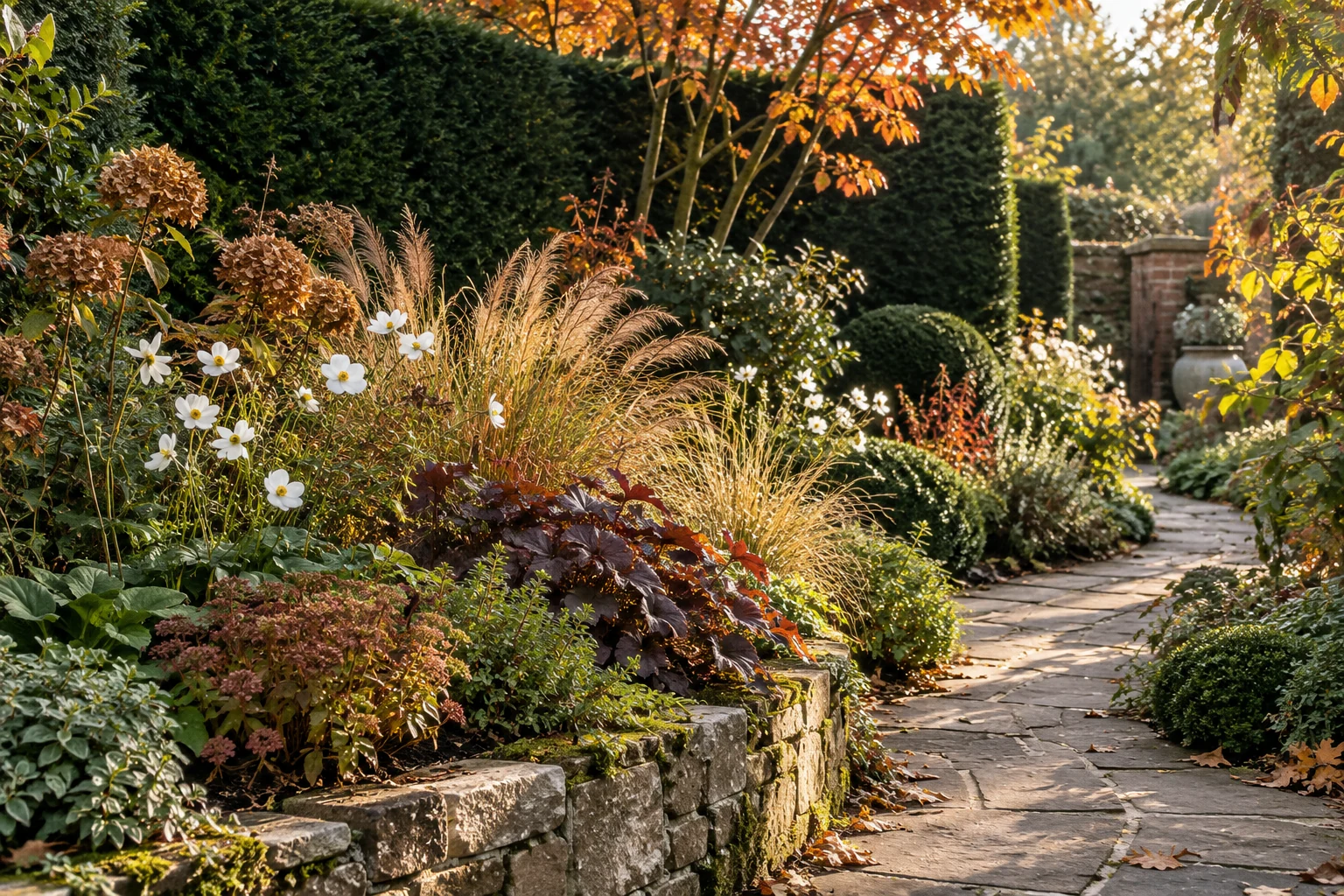
Make the first Brentford visit count
Call 020 3746 2449 with photographs, access details and the part of the garden you most want back in use. State what should stay, what can wait and how waste should be handled. A clear first stage gives you a practical result and a sound basis for deciding what happens next.
Call 020 3746 2449Gardening nearby.
View all 60 coverage areas ↗Brentford on the map.
Approximate area centre for orientation. Call to confirm availability for your exact postcode.