
Gardeners
Richmond
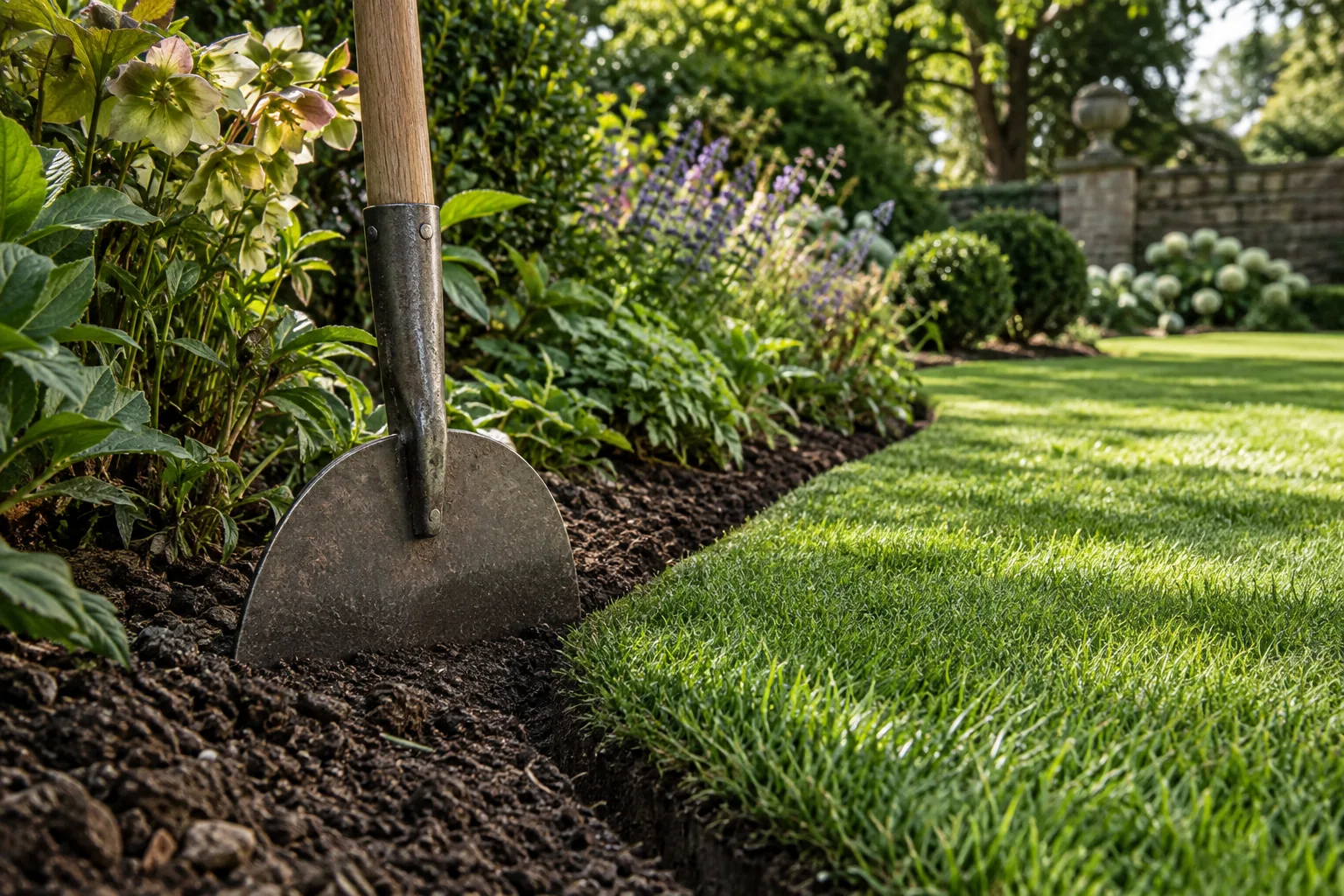
Choose where you want a clear edge and where seasonal growth should remain. Richmond gardening can combine practical maintenance with retained stems, longer grass and selected leaf cover, using clear boundaries and property-specific checks for proposed tree work.
- Define formal edges and retained natural areas
- Collect leaves where they affect everyday use
- Keep long-grass boundaries clear in the mowing plan
Define the level of intervention
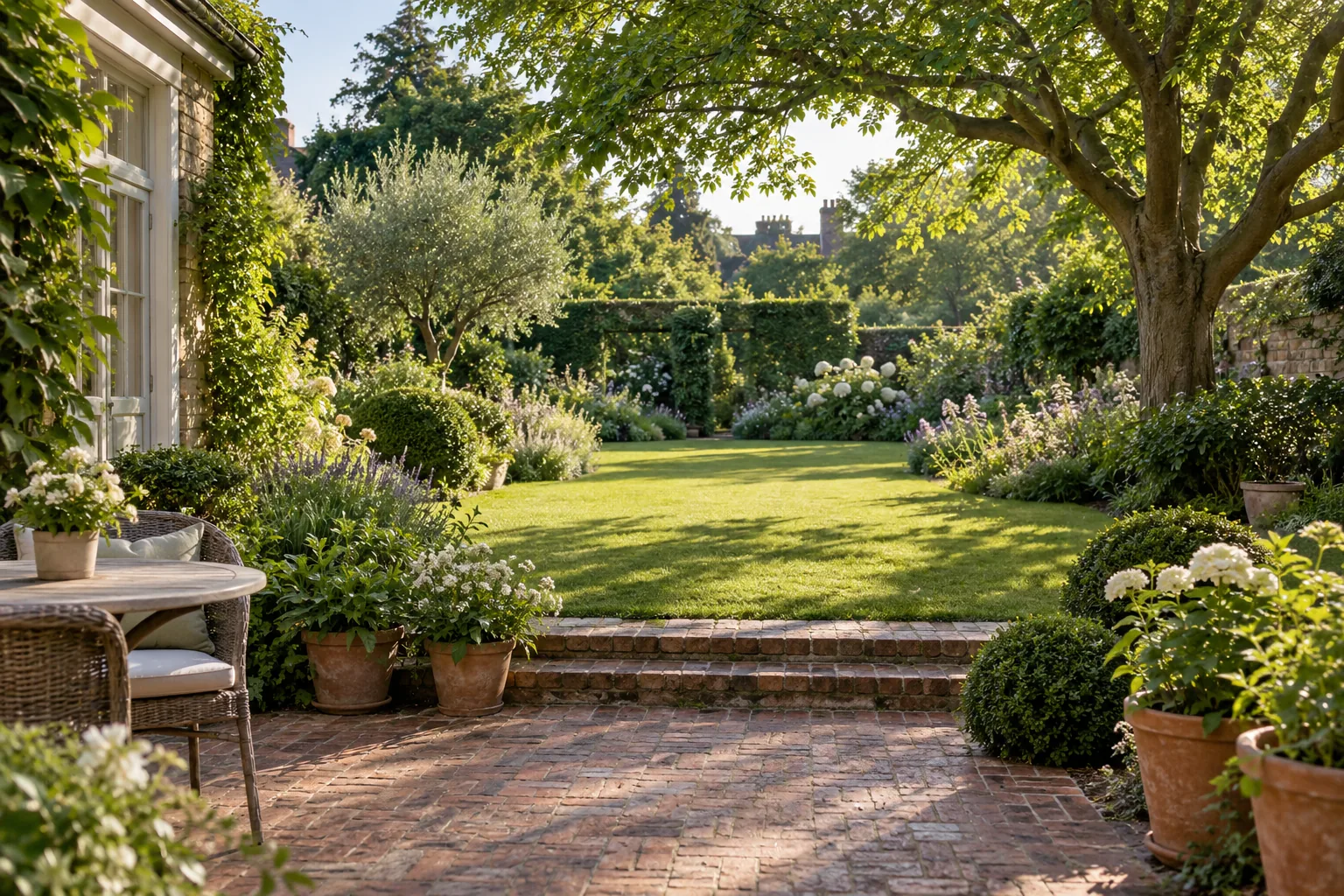
There is a difference between a garden that has been abandoned and one that is being allowed some seasonal freedom. Seedheads, longer grass and fallen leaves can all belong in a considered plan. For gardening in Richmond, tell Go Gardeners which natural features you welcome and which growth is making the space difficult. The aim may be selective care rather than a comprehensive clear-out. Clear boundaries and expectations allow practical access, attractive planting and retained habitat to be considered together without assuming one finish suits every corner.
Walk through the garden and decide where you want a formal edge, an open route or a softer planted area. Photograph each type and identify what should be kept. Asking for a wildlife-friendly garden is useful context, but it does not tell a gardener which seedlings, stems or patches of grass you wish to retain. Specific instructions make selective work achievable.
Garden maintenance can manage the parts intended for regular use while leaving clearly agreed areas less intensively treated. If dense vegetation has obscured the layout, clearance may be needed in selected sections. A first stage can reveal the ground and preserve the main structure rather than removing every plant. The useful distinction is between deliberate retention and growth that prevents you caring for the space at all.
Keep paths clear without stripping borders
Where planting spills onto a route, identify the clearance you need and the plant providing it. Selective pruning may be more suitable than cutting the whole border back to one line. Mark bulbs, low perennials and self-seeded plants you value. If the bed is unfamiliar, a cautious approach can avoid removing useful seasonal growth that is not obvious in its current condition.
Consider the working route as well as the finished one. Tools and bags need somewhere practical to pass without crushing retained plants. Tell the gardeners about narrow gaps, steps and fragile edges. If the route is fundamentally too awkward, garden design and landscaping may offer a separate opportunity to improve access. Repeated maintenance should not be expected to compensate indefinitely for a layout that requires walking through the planting to reach ordinary tasks.
Richmond tree protection needs a precise check
Before adding a tree to the cutting list, identify it on photographs and check its status using Richmond upon Thames Council’s protected-tree information. Protection can arise through an order or a conservation-area designation. Establish the requirements for the specific operation you are considering. An existing pruning scar, private ownership or an account of work elsewhere is not a substitute for that check.
For substantial work, discuss tree surgery separately and share photographs of the whole tree, nearby structures and the route in. Explain the observed concern and provide relevant reports where available. Resolve any required council permission or notice before work proceeds. A desire for more sunlight or a less leafy terrace is a useful description of your aim, but it does not alone establish what intervention is appropriate for the tree.
A lawn can have more than one mowing pattern
If you want some grass kept short and another section allowed to grow, mark the boundary clearly. Describe how you use the short area and when you want to review the longer one. Identify bulbs and any plants you wish to see flower. A photographed shape or simple plan prevents an intentional patch being confused with incomplete work.
For the regularly mown lawn, discuss lawn care when thinning, shade or wear is the main issue. Repeatedly mowing does not solve every cause of sparse grass. Note how the light changes and where people walk. A small area that persistently fails may need a separate planting or layout decision rather than another identical repair, especially if the conditions remain unsuitable for the result you are expecting.
Leaf collection where it has a purpose
Decide which leaves must move and which can remain. Paths, small emerging plants and grass may need a different approach from an established shrub border. Show any troublesome accumulation and specify the finish you want. Collecting every leaf from every bed is not automatically the most useful use of a gardening appointment, nor is leaving everything appropriate where it obstructs daily access.
If you want leaves retained for a suitable on-site use, identify the storage place before work. Its capacity matters, as does keeping entrances and shared routes clear. Fresh material may keep arriving after a visit, so a leaf-free garden should not be promised as a continuing result. A practical seasonal routine can focus on the areas where collection makes the most difference while allowing selected natural cover elsewhere.
Protect wildlife through the work plan
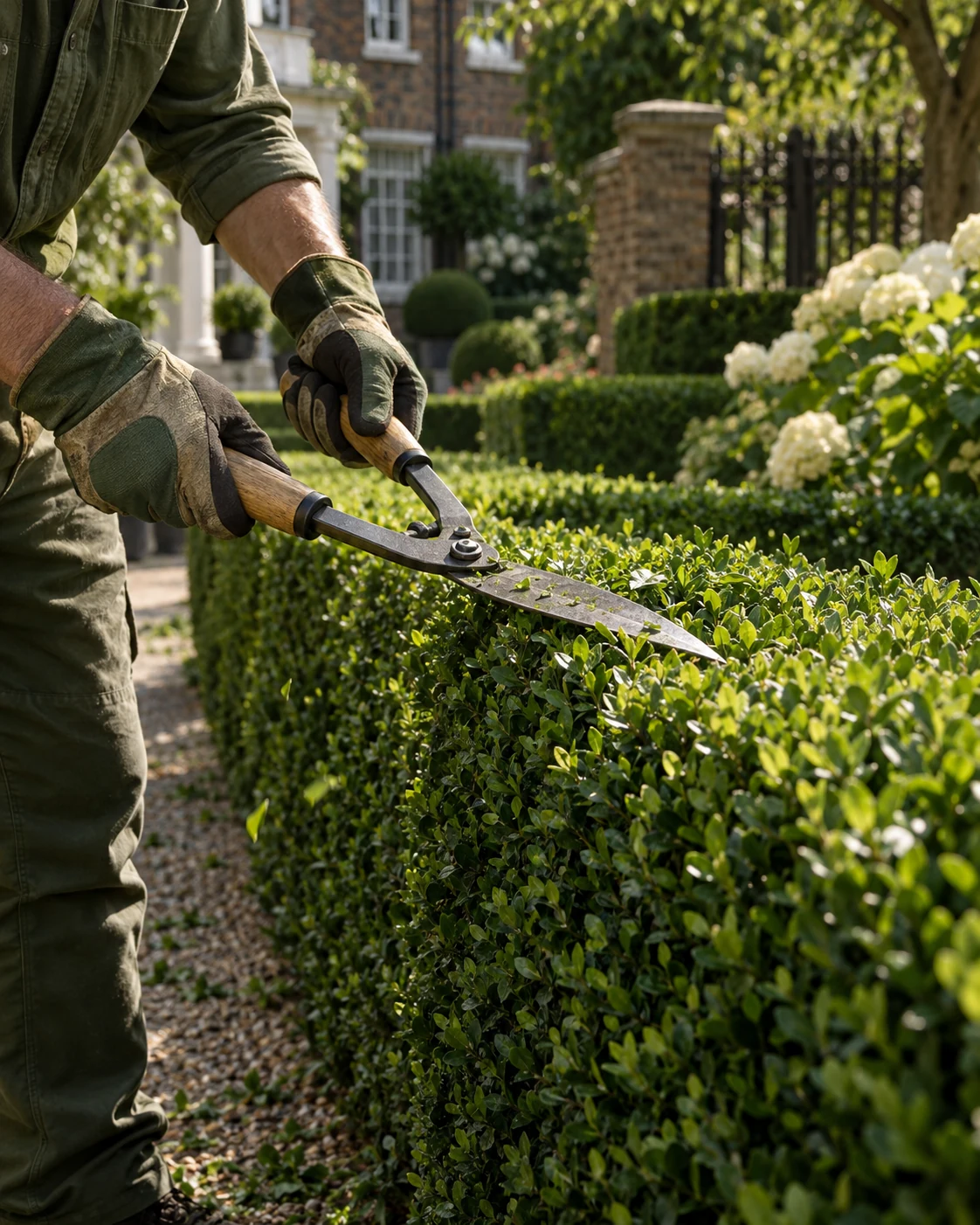
Check hedges, shrubs and climbers for nesting activity before cutting and defer affected work where necessary. Explain any recent observations of birds using a section. The government guidance on wild birds is relevant to nests in use or being built. A preferred appointment date does not remove the need to consider the actual growth being worked.
Have alternative tasks ready, such as accessible weeding or mowing elsewhere. Avoid presenting all natural features as untouchable or assuming every untidy area is useful habitat; the plan should reflect the actual garden and your responsibilities. A retained corner can still need its edge managed so it does not obstruct access. This balance is easier to maintain when the limits are clear and reviewed as growth changes.
Seasonal care with a clear purpose
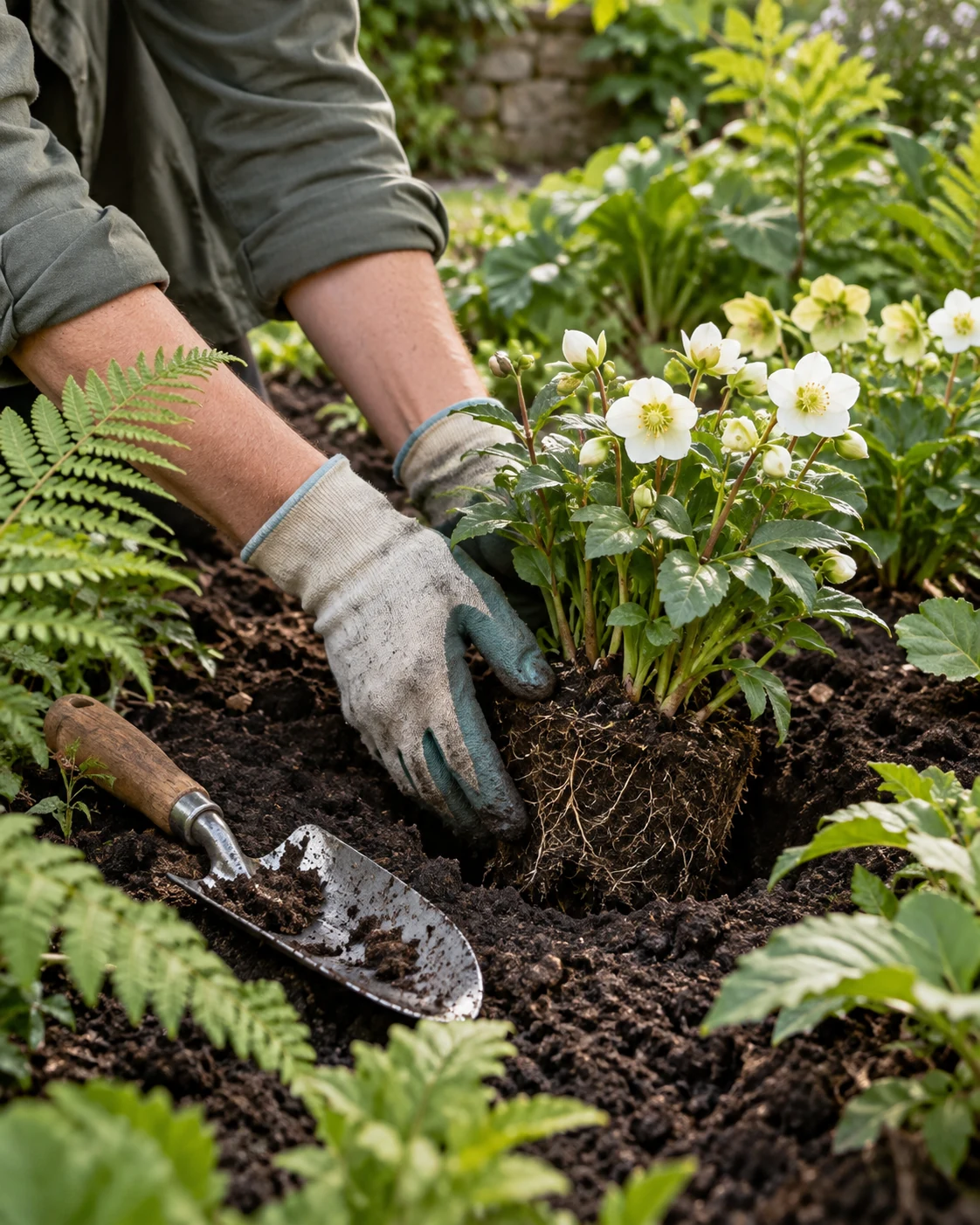
Spring work should protect emerging bulbs and perennial shoots while reducing weeds around them. Identify shrubs before deciding on pruning. Summer appointments may focus on maintaining usable areas and monitoring new planting, with watering responsibility established between visits. Avoid adding more plants than the household can care for, particularly if the main reason for seeking help is an already demanding routine.
Autumn can combine selective leaf collection with decisions about retained stems. Winter work should respect frozen turf and saturated ground. Weekly, fortnightly or monthly care can be discussed according to growth and your own contribution, but an inflexible task list is unlikely to suit the whole year. For a one-off appointment, set a specific outcome and decide what can wait rather than expecting a limited slot to settle every long-term garden decision.

Prices, access and waste arrangements
The published gardening arrangement describes two gardeners, tools, equipment and bags, at £79 for the first hour and £65 for each subsequent actual hour. Up to 120 litres of green waste removal is included. Check the price guide and confirm postcode availability and applicable additional charges, including congestion-related charges where relevant. Extra removal must be agreed, while specialist tree and landscaping work has its own price basis.
Show gates, steps, the carrying route and any access through the property. Confirm parking and permissions for shared areas. Selective work around retained planting can take time even where the garden is small, so photographs should show that complexity. Before arrival, move small loose items, identify irrigation and cables and keep pets and children out of the working area. Agree a contact method if choices may arise while you are away.
Richmond gardening questions
Need to discuss your own garden or property? Call with photographs and your postcode.
Ask about your visitCan a regular visit leave some areas deliberately informal?
Yes, define those areas and the work you still want around their edges. Name valued plants and indicate any routes that must remain clear. A practical management boundary helps preserve the intended appearance without leaving the gardeners to guess whether overgrowth is deliberate.
Do all trees in Richmond have protection?
Do not assume either universal protection or universal freedom to cut. Check the actual property and tree with the council before proposed work. Orders, conservation-area status and the operation involved need consideration, so a broad statement about the town cannot settle a specific pruning enquiry.
Can leaves stay beneath shrubs?
Discuss the planting and your preferred finish. Some areas may accommodate retained natural cover, while small plants or nearby routes need more clearance. Explain the individual areas rather than applying one instruction to the whole garden regardless of plant size, access and use.
Can gardeners create a long-grass shape in my lawn?
Provide a clear outline and explain what should be mown around it. Mark bulbs and flowers to retain. Discuss how and when the longer section will be managed later; leaving grass temporarily is a management choice rather than a promise that it will need no future attention.
Should a shady lawn be replaced straight away?
First assess the shade, wear and moisture pattern and clarify the result you need. Replacing turf without considering the conditions can repeat the problem. A suitable planted alternative may be worth discussing for a persistently poor corner, but it should be planned separately and with the site’s limitations in mind.
What if a nest affects the planned hedge work?
Defer affected cutting where required and discuss other agreed tasks that can proceed. Inform the team of nesting observations before the day if possible. The availability of alternatives helps keep the appointment useful without making completion of one hedge section the overriding objective.
Can I keep the garden waste on site?
Agree the material, quantity and a suitable destination before work. A compost area or leaf-storage space needs enough capacity and a clear purpose. Leaving a large pile where it blocks a route is not a satisfactory substitute for discussing extra removal beyond the included allowance.
Where can I find neighbouring coverage information?
Read about Twickenham, Isleworth, Chiswick and Kingston upon Thames, or use the coverage directory. Confirm your precise postcode, service and availability directly before arranging access or planning a visit around the enquiry.
Arrange thoughtful maintenance in Richmond
Call 020 3746 2449 with photographs and a clear description of what should be tidied and what should remain. Include tree concerns, access details and waste preferences. An agreed level of intervention helps the visit improve the garden’s usefulness while preserving the seasonal character you want to keep.
Call 020 3746 2449Gardening nearby.
View all 60 coverage areas ↗Richmond on the map.
Approximate area centre for orientation. Call to confirm availability for your exact postcode.