
Gardeners
Kingston upon Thames
Use evidence from your own ground to guide maintenance. Record water after rain, protect soft turf and distinguish routine lawn or border care from unresolved drainage, root or structural concerns that need a separate assessment.
- Record wet-ground behaviour after rainfall
- Protect soft turf during maintenance
- Separate gardening from drainage diagnosis
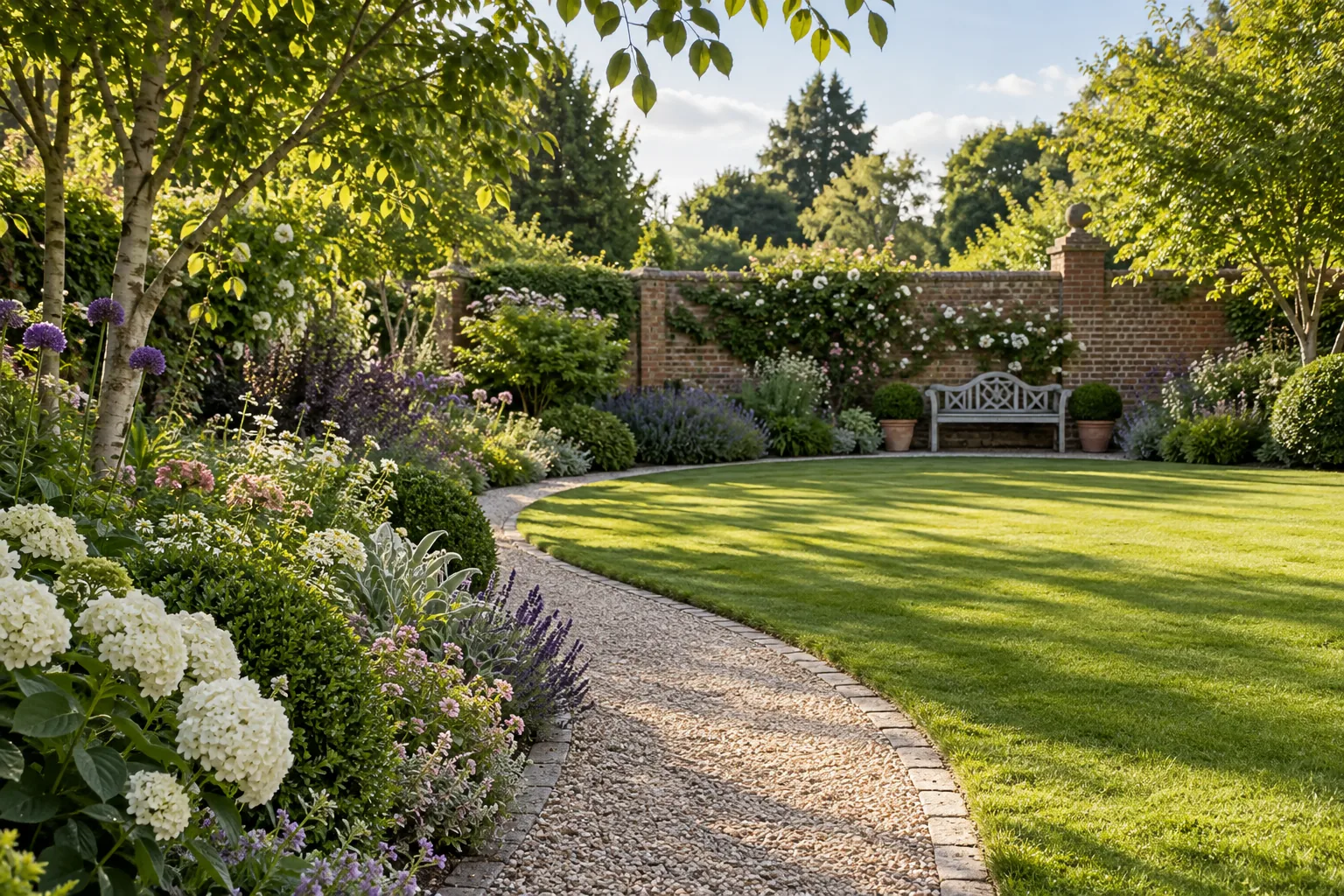
Record the problem while it is visible
A puddle that disappears by lunchtime and a lawn that remains wet for days are different gardening problems. Before booking work in Kingston upon Thames, observe what happens after rain and how the affected area is used. Go Gardeners can discuss maintenance that respects the ground’s condition and identify where a separate assessment may be needed. Mowing, weeding and clearing growth can improve access, but should not be described as guaranteed drainage repairs. The useful evidence comes from your property, not an assumed soil type for the whole area.
Photograph standing water and note how long it remains. Include the surrounding levels, paving and planting, not only the puddle itself. Say whether the issue is recent, seasonal or longstanding and whether building or landscaping work has changed the area. A dry-weather visit alone may not reveal the behaviour you want addressed.
Distinguish garden conditions from possible building or drainage defects. Water against a wall, an overflowing drain or movement in paving deserves the appropriate assessment. Garden maintenance can manage vegetation and routine care, but a gardener should not be expected to diagnose concealed pipework from a photograph. Keep the concern explicit rather than adding a vague instruction to improve the soil.
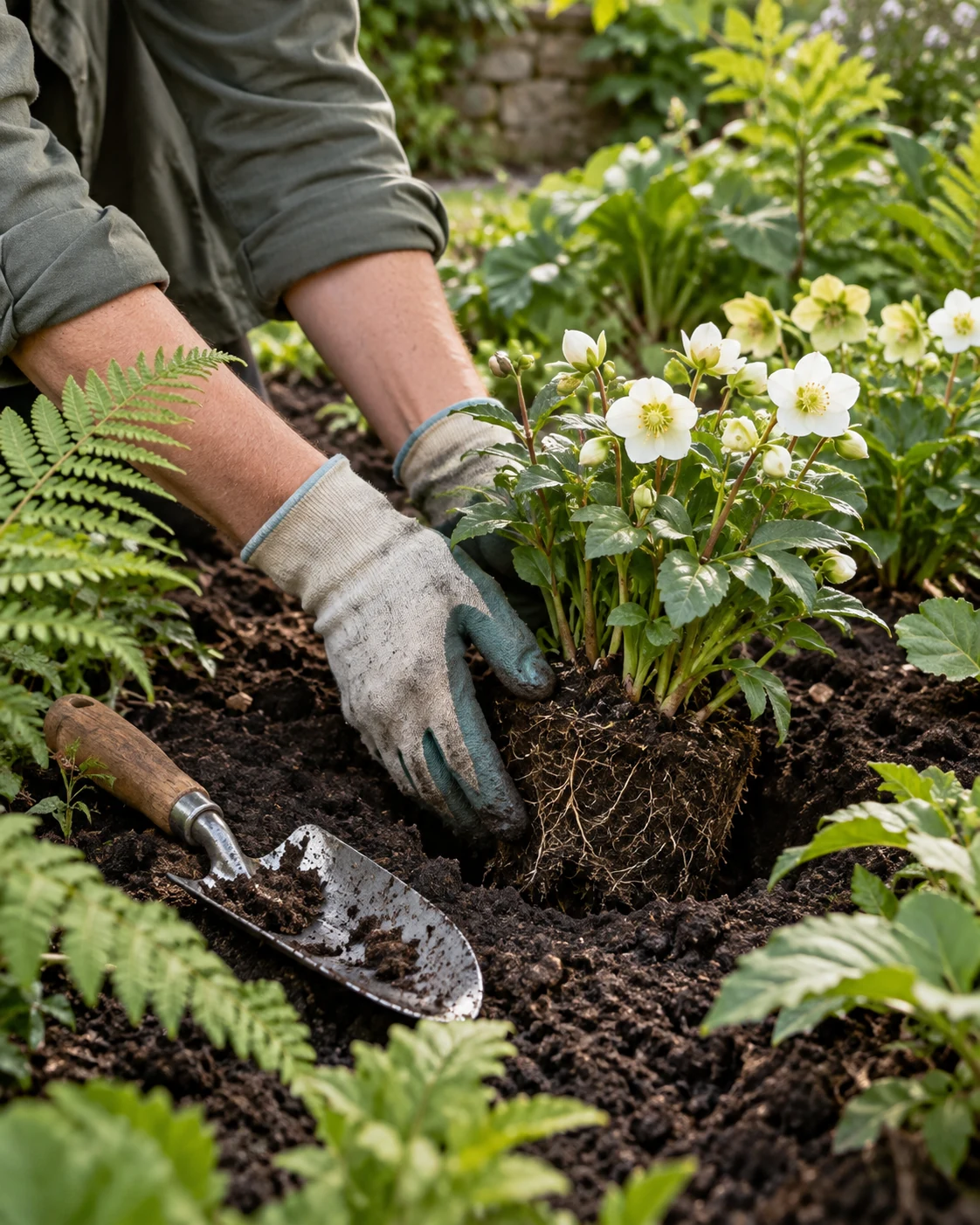
Protect soft turf from unnecessary traffic
Repeatedly crossing saturated grass can make a surface worse. Show the access route and identify areas that stay soft. A planned mowing date does not make the ground suitable for machinery or repeated bag carrying. Keep alternative tasks available so a visit can concentrate on sensible work where access permits.
For lawn care, describe shade, compaction and use alongside wetness. Moss or thin growth may have several contributing causes. Seed and feed are not automatic answers where the underlying conditions remain unchanged. A frequently used route across grass may need a separate layout decision, particularly if every wet spell recreates the same worn strip.
Soil advice should follow the actual site
Observe texture, moisture and successful plants before choosing amendments. Different parts of one garden can behave differently because of construction, compaction, roots and exposure. Avoid ordering a universal remedy based on a postcode or a brief description of heavy ground. If a bed needs improvement, discuss what is being planted and the condition in which work can sensibly proceed.
Working wet soil aggressively can damage its structure. The RHS clay-soil guidance is relevant if clay is actually present, rather than proof that every Kingston garden shares that soil. Appropriate organic matter and careful management may be useful in suitable circumstances, but routine gardening should not promise a universal cure for waterlogging or structural drainage faults.
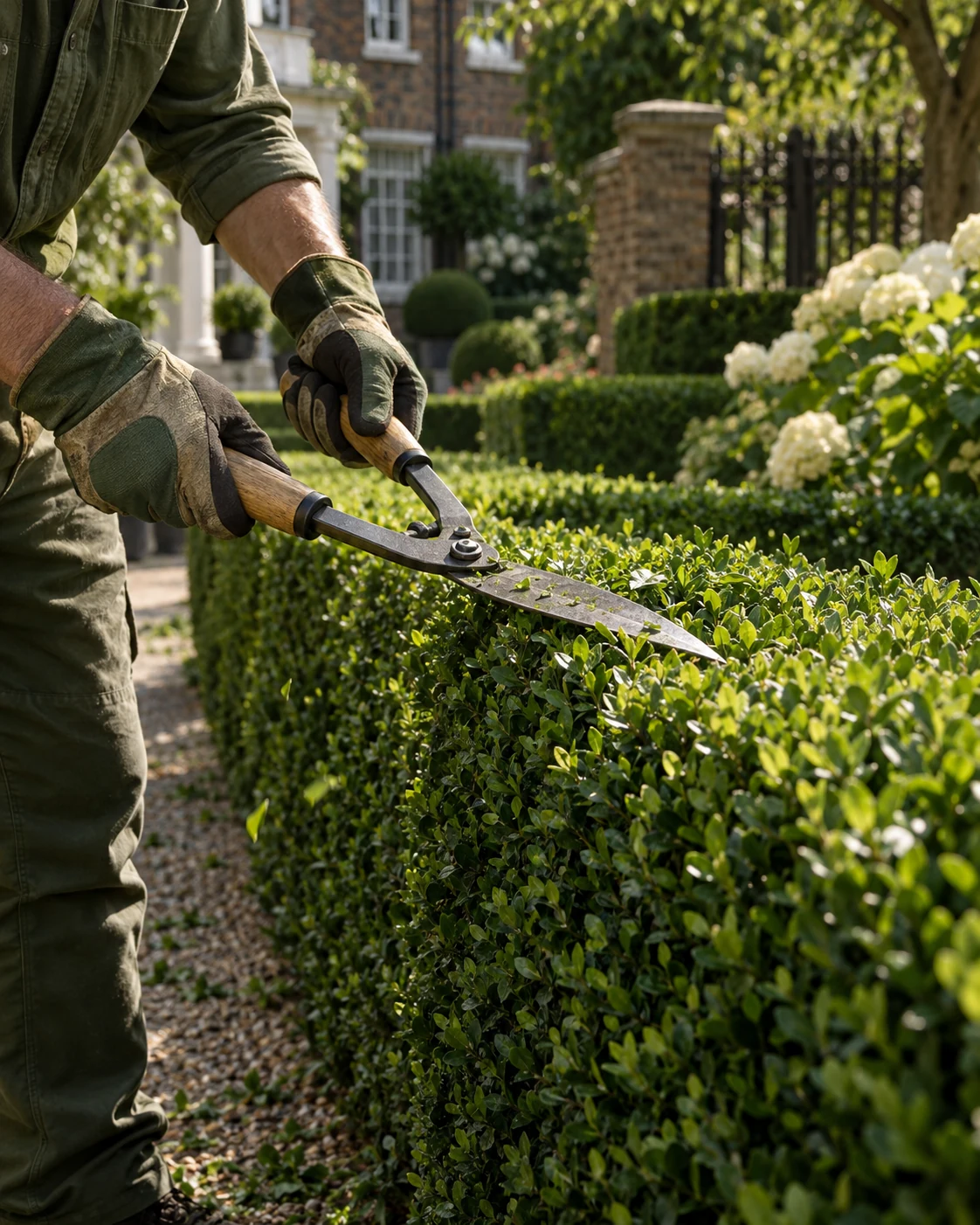
Kingston tree checks and root-related concerns
The Royal Borough of Kingston upon Thames provides a protected-tree check. Use the actual tree and address before proposed pruning or removal. Protection can relate to a Tree Preservation Order or conservation-area status, and private ownership does not remove the need to establish the position.
The council’s trees in conservation areas guidance gives further information. Resolve required consent or notice before work. Significant operations belong in a separate tree-surgery enquiry. Suspected effects on buildings or drainage need appropriate professional evidence; neither removing a tree nor cutting roots should be treated as an informal gardening remedy for an unexplained wet patch.
Borders that remain usable through wet periods
If a border is difficult to reach, explain the route and the intended maintenance. Selective weeding around valued plants may be possible while deeper preparation waits for better conditions. Mark dormant bulbs and perennials so caution does not become accidental removal. A clear edge can improve access without turning every bed into bare soil.
Plant choices should match the actual conditions. Record plants that thrive and those that fail, including differences between winter wetness and summer dryness. A bed may experience both. Before replacement planting, consider light, mature size and establishment care. A separate garden design discussion can look at the arrangement where repeated maintenance is compensating for an unsuitable layout.
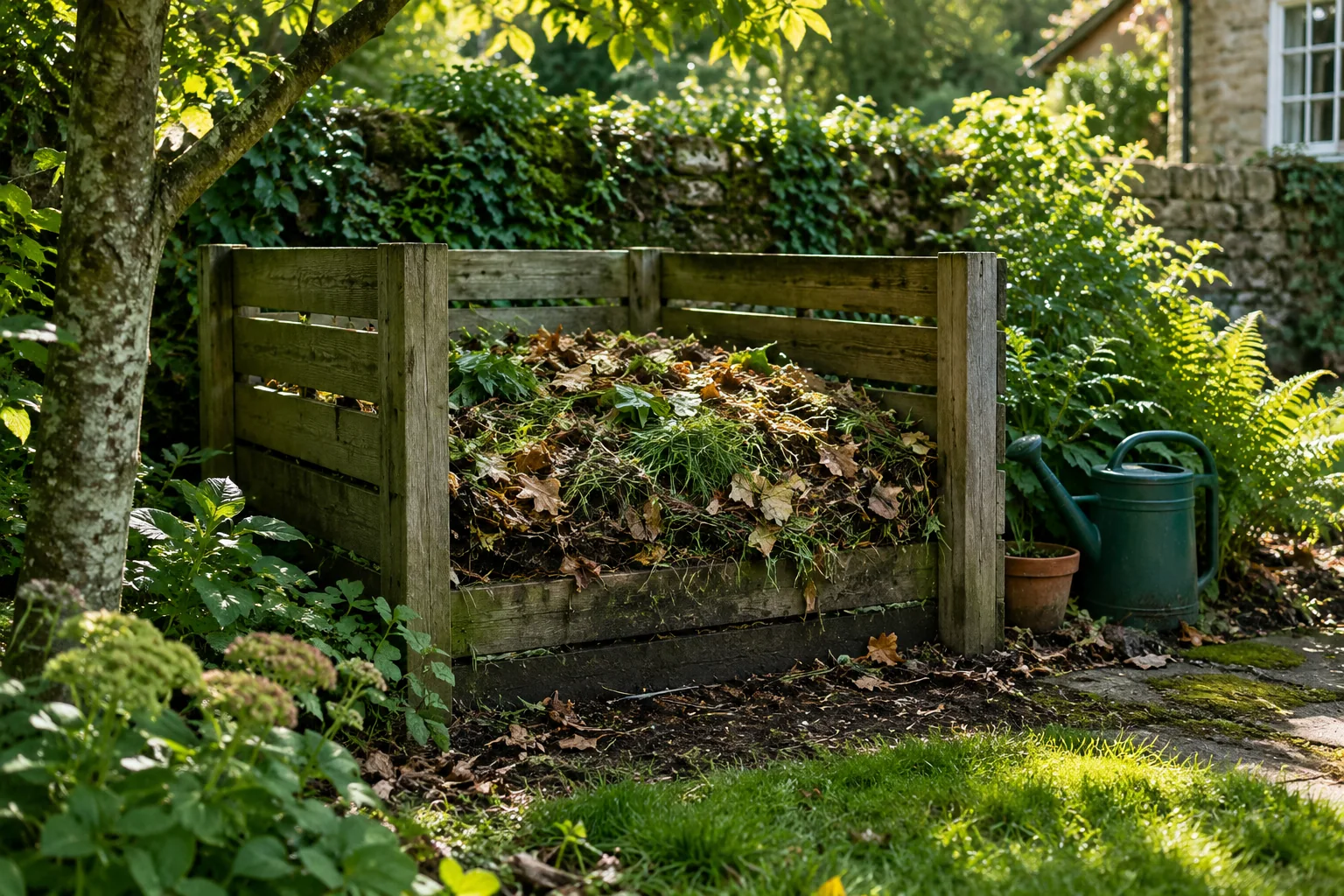
Clearance can reveal, rather than resolve, problems
Garden clean-up may uncover paving, drains or beds hidden by growth. Define the first useful outcome, such as reaching a boundary or exposing a surface for inspection. Cutting vegetation does not establish that the revealed surface is sound or that root removal and soil preparation are included.
Disclose known glass, wire, rubbish and damaged structures. Separate green waste from building materials and household items in the brief. If water or instability becomes apparent, the next step may need another service. A staged approach allows that assessment before purchasing turf or plants for an area whose underlying problem has not yet been understood.
Seasonal care beyond the wet-weather problem
Spring visits can deal with early weeds and protect emerging growth. Summer may require adjustment in the opposite direction: ground that was wet in winter can dry, and containers or new planting still need moisture checks. The RHS lawn drought advice helps distinguish temporary browning from a need for immediate replacement.
Autumn leaves should be moved from frequently used routes and thick accumulations on turf. Winter work should respect frozen and saturated surfaces. Before cutting hedges, shrubs or climbers, check for active nests and defer affected operations. Do not rely on a blanket calendar rule; the actual wildlife activity and applicable protections matter at the time of work.

Arrange visits around recurring needs
Regular weekly, fortnightly or monthly maintenance can be discussed according to growth and availability. It may keep mowing, edging and weeds manageable while separate ground issues are assessed. Explain what you will do yourself and who checks containers or young plants between visits. An occasional appointment cannot be assumed to provide every watering check.
A one-off booking suits a defined list or a first-stage recovery. Rank the tasks and agree a sensible stopping point if conditions prevent the main job. If the garden needs a larger layout or drainage project, obtain the relevant assessment and quote separately. Maintenance can support the garden during that process without pretending to replace it.
Pricing and access for a Kingston enquiry
Published maintenance, clearance and lawn-care charges are £79 for the first hour and £65 for subsequent actual hours on site. Two gardeners, equipment and bags are provided, including up to 120 litres of green waste. Extra removal needs agreement. Check the live price guide for the relevant service; tree work and landscaping use different quotation arrangements.
Send entrance photographs and explain steps, narrow gates, shared passages or access through the home. Confirm parking, postcode availability and possible congestion charges. Move light objects where safe and identify cables, irrigation and fragile features. The coverage directory includes Surbiton, Wimbledon, Richmond and East Molesey nearby; the exact address and appointment remain subject to confirmation.

Kingston upon Thames gardening questions
Need to discuss your own garden or property? Call with photographs and your postcode.
Ask about your visitShould I book mowing if the lawn is waterlogged?
Explain the condition before booking and provide current photographs. The appropriate response depends on the surface and safe access. Avoid assuming the task must proceed because a date was planned; alternative work or a revised appointment may protect the lawn from further damage.
Can a tidy-up solve standing water?
Removing growth can reveal the area and improve access, but it is not a guaranteed drainage remedy. Record the water’s behaviour and any related building or surface issues. Persistent problems may need a separate investigation before new planting or turf is considered.
Do all Kingston gardens have the same soil?
No such assumption should guide a booking. Observe your own ground and planting. Compaction, construction and local conditions can create differences within one property, so a soil-management decision should follow the site rather than an area-wide claim.
Can you add sand to improve a wet bed?
Do not order an amendment as a universal fix. The actual soil, quantity, purpose and drainage conditions need consideration. Discuss the problem first, and avoid expecting a routine maintenance visit to correct structural waterlogging through a single added material.
What if a tree root appears beside a drain?
Do not cut roots casually. Identify the concern and obtain appropriate assessment, including tree-protection checks where work is proposed. A visible root does not establish the cause of a drainage defect or authorise removal as part of ordinary gardening.
Can we maintain the dry areas while another section waits?
A clearly divided scope may be useful, provided access is safe and does not damage the wet section. Mark the areas and priorities. Keep the unresolved concern visible for follow-up rather than interpreting a partial maintenance visit as a completed diagnosis.
Should I replace mossy grass with new turf immediately?
Consider shade, moisture, wear and compaction first. New turf may face the same conditions and fail again. Lawn care can assess realistic options, while a different route, planting scheme or separate ground investigation may be more useful than immediate replacement.
How can I prepare photographs of a recurring problem?
Take the same area after rain and when it has dried, including nearby levels and surfaces. Note dates and how long water remains. Pair those views with the access route and task priorities so the enquiry describes both the problem and the practical work requested.
Discuss the evidence from your Kingston garden
Call 020 3746 2449 with the postcode, photographs and observations of the ground. Separate the maintenance you need from any unresolved drainage or structural concern. Agree a suitable first scope, the relevant price basis and what will require further assessment before planting or repair work proceeds.
Call 020 3746 2449Gardening nearby.
View all 60 coverage areas ↗Kingston upon Thames on the map.
Approximate area centre for orientation. Call to confirm availability for your exact postcode.