
Gardeners
Wimbledon
Protect the plants that give a garden its flowers. Identify roses and climbers before cutting, check their supports and plan selective border work alongside lawn care, with timing and wildlife considered before a major pruning decision.
- Identify roses before choosing pruning
- Check supports alongside climber growth
- Retain seasonal plants during border work
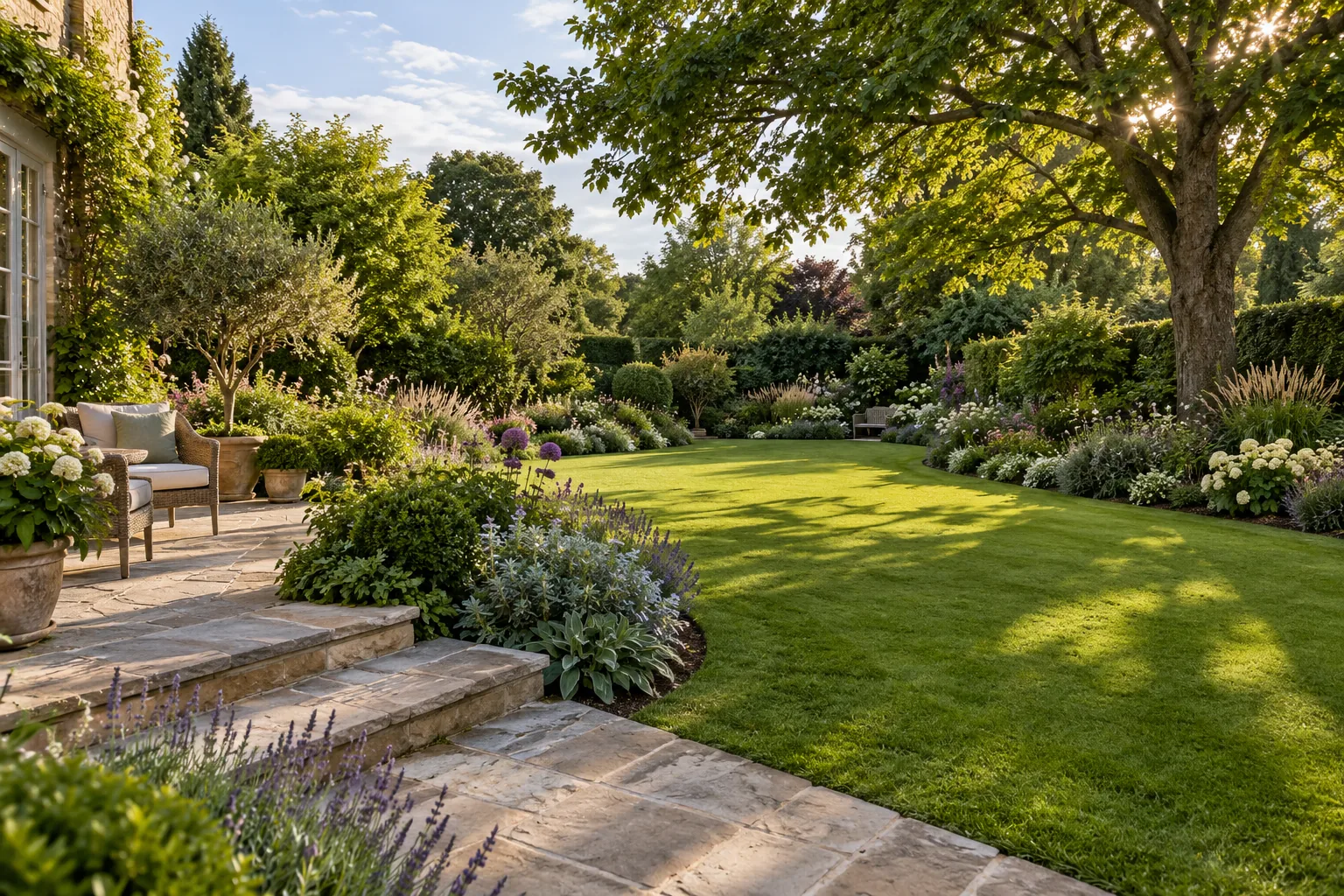
Identify the plant before choosing the cut
If a rose or flowering shrub has stopped performing, more cutting is not automatically the answer. The plant may have been pruned at an unsuitable time, become congested or outgrown its support. For Wimbledon garden care, Go Gardeners can discuss a selective brief that treats flowering plants as plants with different requirements. Tell us what flowers you want to keep and what has changed. That can sit alongside mowing and weeding, while substantial tree work or a revised planting layout receives its own assessment.
A climber covering a fence may be a rose, clematis or another plant with a different pruning pattern. Even roses are not all treated alike. The RHS climbing-rose pruning guide distinguishes climbing and rambling roses, illustrating why identification matters before shortening stems. If you are unsure, provide photographs of growth, flowers and the base where possible.
Explain the problem rather than prescribing a severe haircut. Perhaps stems obstruct a path, flowers appear only at the top or old growth is crowding the centre. A garden maintenance visit can be planned around suitable selective work. Where identity or timing remains uncertain, dealing with other tasks first may protect a display that would otherwise be lost unnecessarily.
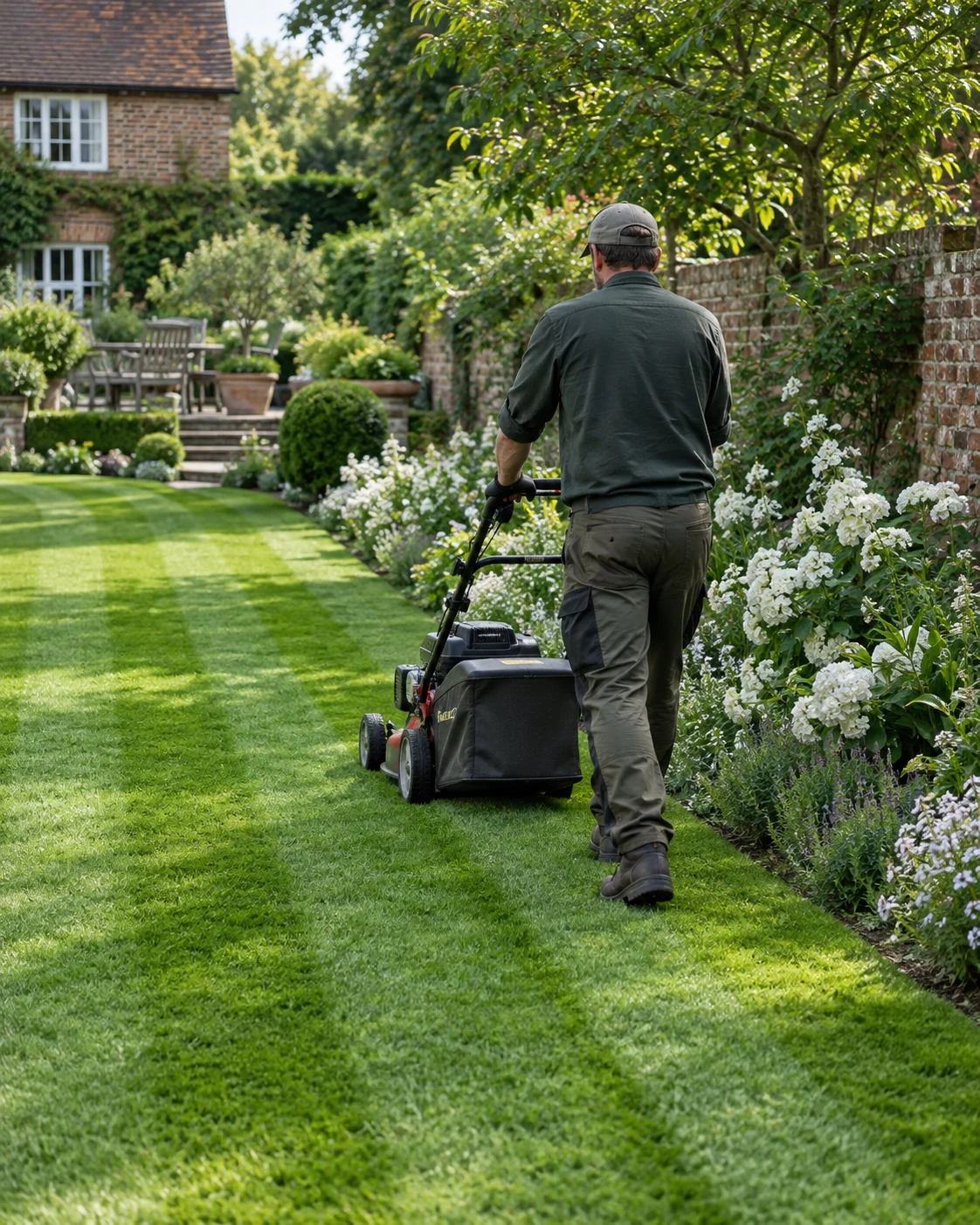
Supports and access are part of plant care
Show trellis, wires and arches as well as foliage. A plant can be healthy while its support is failing. Loose fixings, damaged timber or a leaning arch need attention before assuming pruning alone will solve the problem. Repairs or installation should be agreed as a separate scope where required, rather than hidden within a request to tidy the climber.
Describe the working height and space around the plant. Dense planting at the base or a narrow route behind it may limit access. Do not assume that a climbing plant makes all height work part of standard gardening. Clear photographs help determine the appropriate service and avoid a booking whose main task cannot be assessed from the original description.
Keep the rest of the border manageable
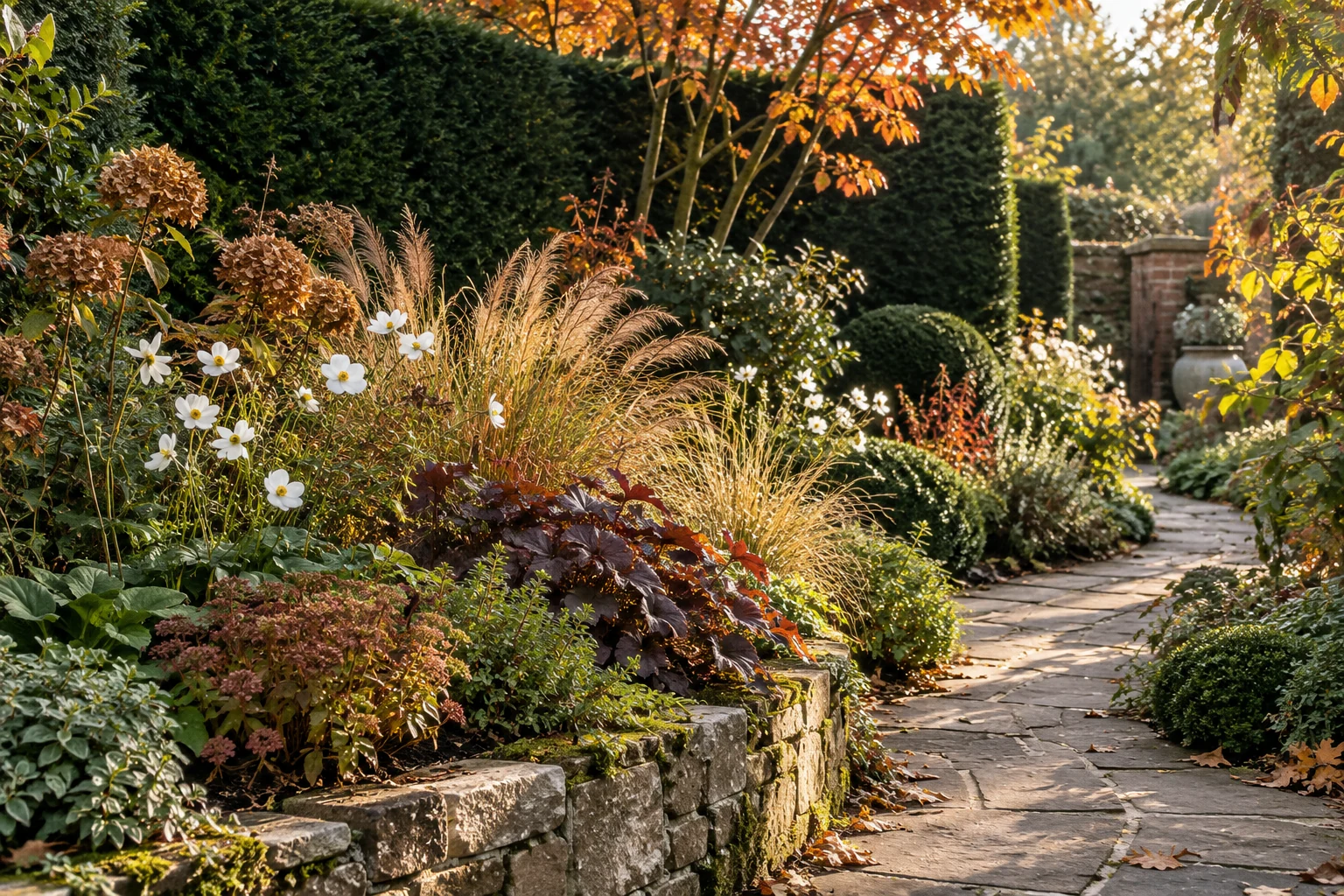
Selective weeding can reveal the framework of a border without stripping it bare. Mark bulbs, perennials and young shrubs, especially if they have died back seasonally. Explain which self-seeders are welcome. A neat surface immediately after work is not the only useful result; preserving plants that will grow later can matter more than removing every visible shoot.
Once gaps appear, avoid buying replacements simply to fill them quickly. Observe light, moisture and the mature size of neighbours. Some spaces are temporary gaps in a seasonal planting scheme. If the overall arrangement no longer works, a separate garden design discussion can consider changes. Routine maintenance should not be sold as a guaranteed solution to unsuitable plant choices or concealed drainage problems.
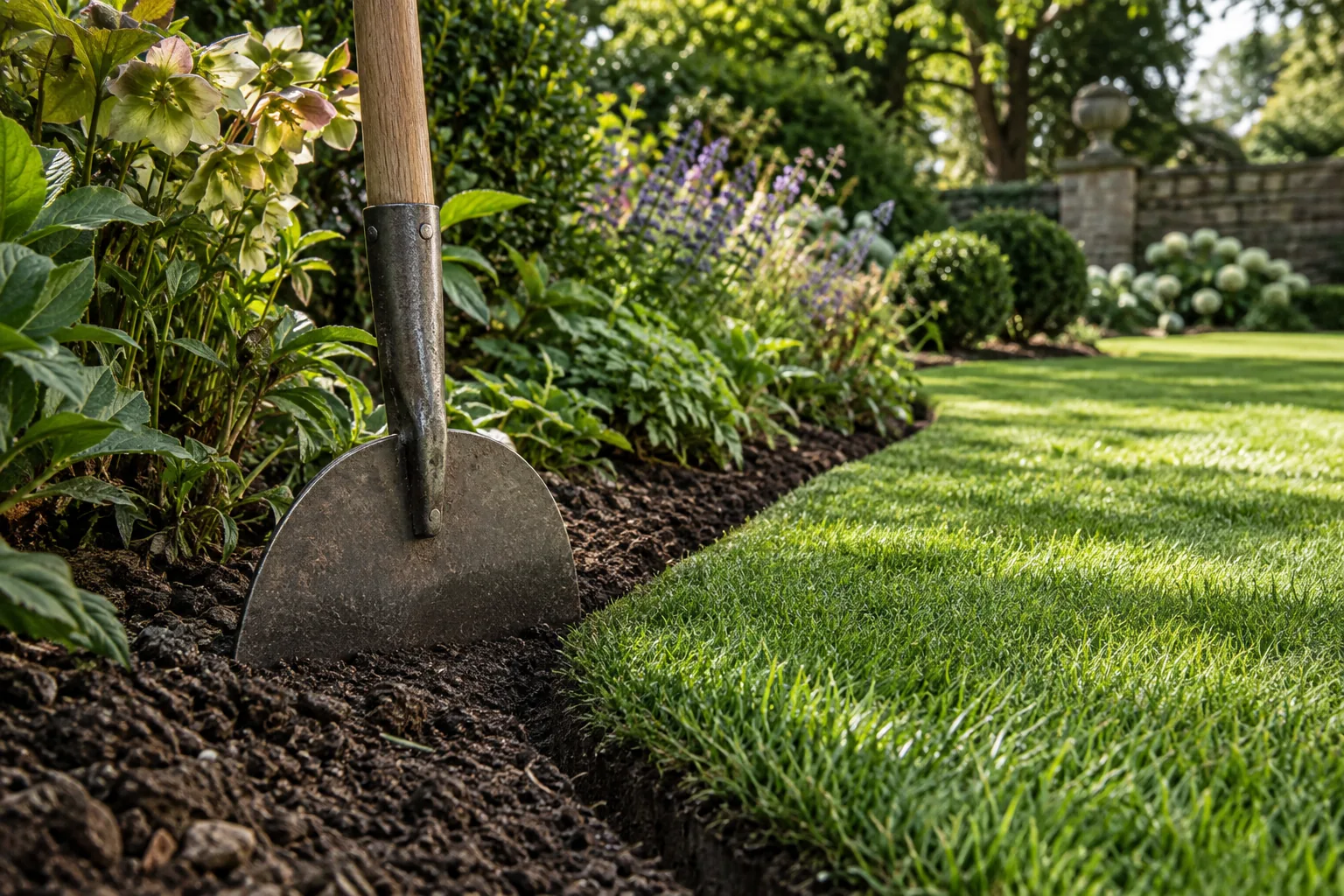
Wimbledon trees and conservation status
For a property in Merton borough, use the council’s Tree Preservation Order information to begin checking proposed tree work. The conservation-area guidance provides location information relevant to designated properties. Check the specific address and tree; Wimbledon is not one uniform protection category.
Resolve applicable permission or notice before pruning or removal. Significant operations should be assessed through tree surgery, with known protection disclosed. A tree shading a flower bed may influence planting choices, but a wish for more light does not establish that cutting is appropriate or authorised. Do not assume a neighbour’s work establishes permission for another tree.
Lawn presentation without unrealistic promises
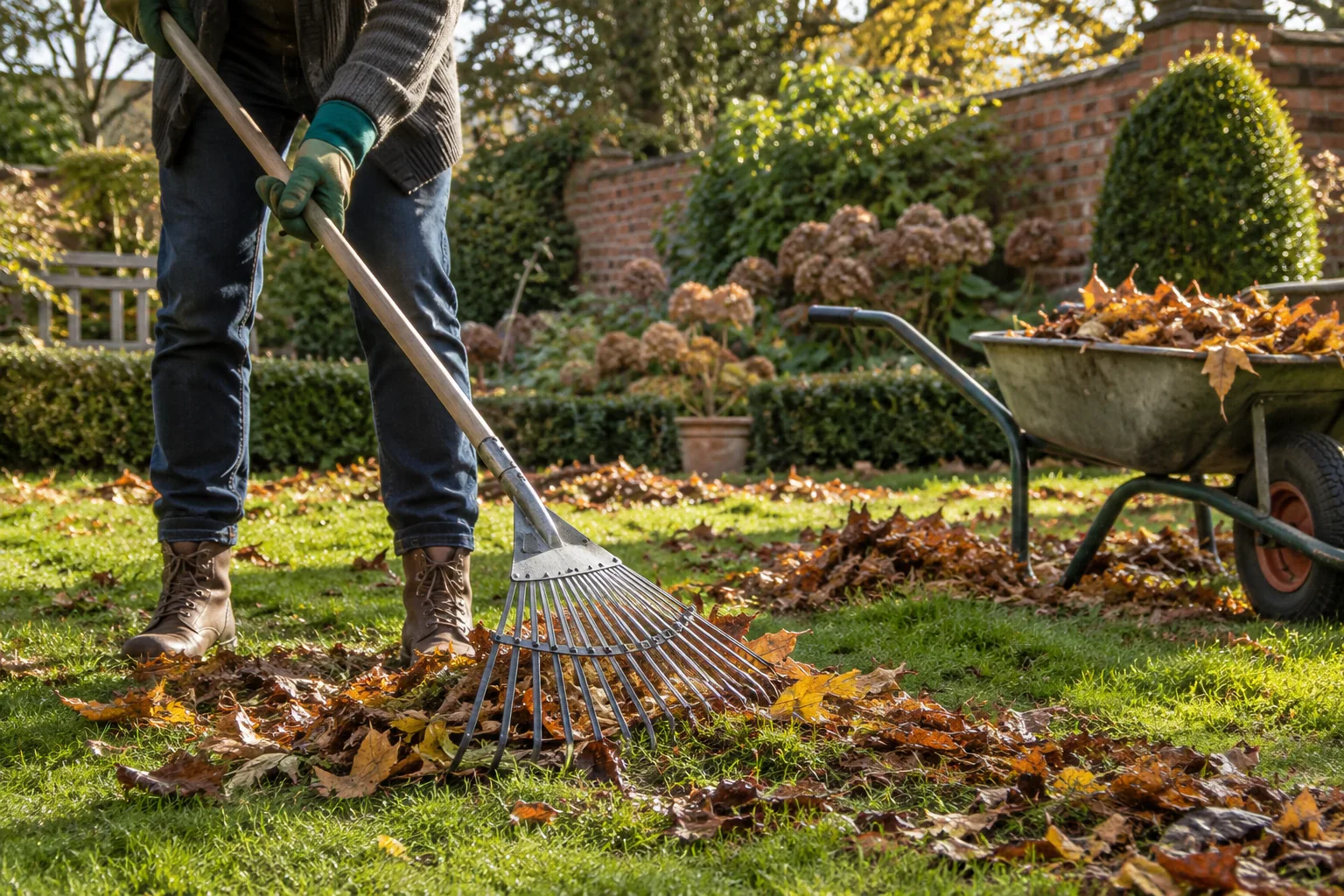
A cared-for lawn can frame a flowering border, but its condition depends on use, light and ground as well as mowing. For lawn care, show worn patches, shade and any water collection. Describe the existing height and last cut. Long grass may need gradual reduction, and saturated ground may not be suitable for ordinary work.
During dry conditions, avoid demanding the lowest possible cut. The RHS lawn drought guidance explains why established grass can brown temporarily and why restraint can be useful. Thin areas may need assessment before seed or feed is purchased. A maintenance visit should not promise instant uniform turf where root competition, traffic or drainage continues to limit growth.
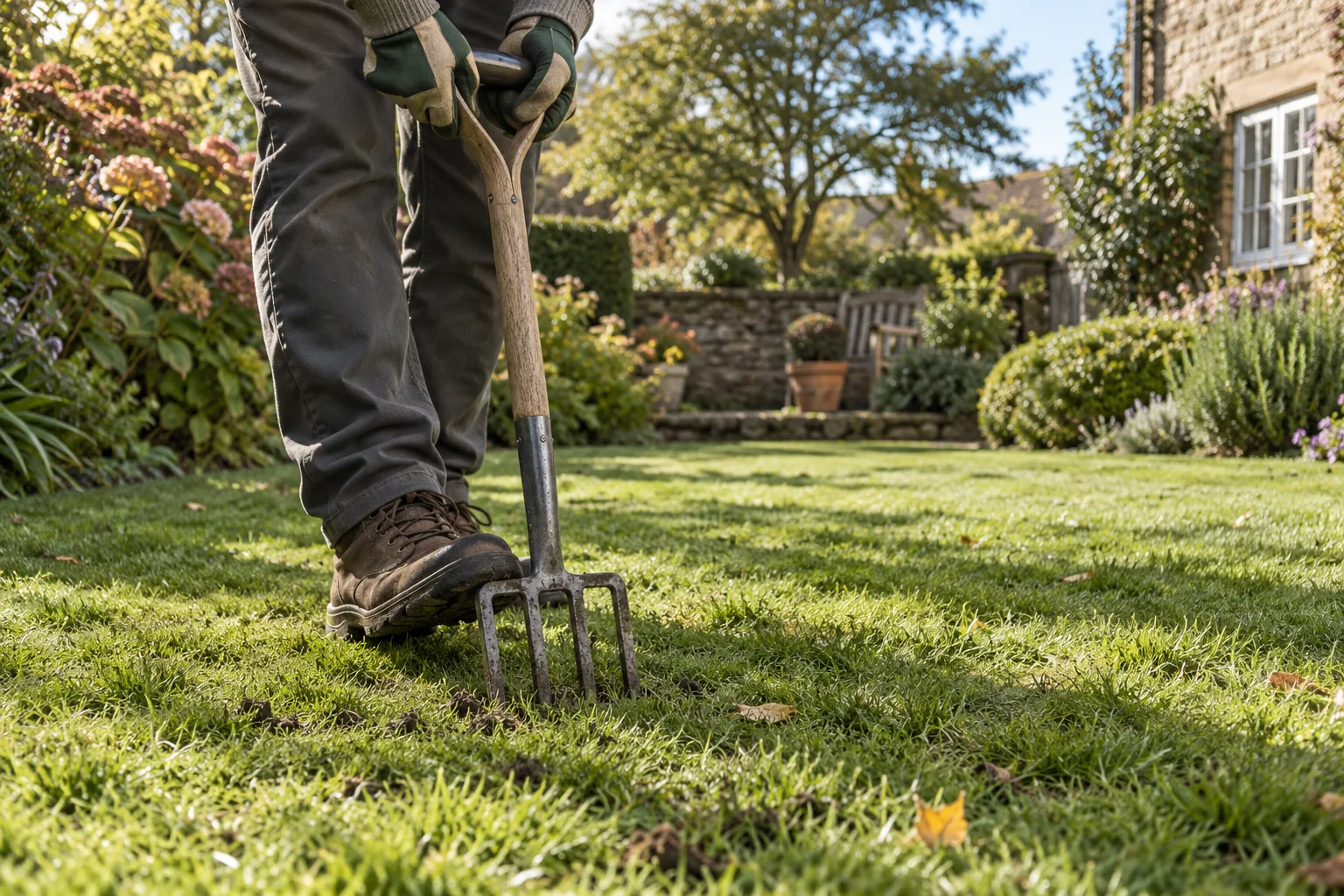
Recovering neglected planting in stages
For a border lost beneath brambles or self-seeded growth, garden clean-up may be the first step. Identify valued shrubs and any old plant labels or photographs. A staged approach can open enough space to inspect retained plants before committing to removal. Disclose known glass, wire, rubbish or damaged structures beneath the vegetation.
Agree what the first stage leaves behind. Cutting unwanted top growth differs from removing roots and preparing ground for planting. Newly exposed soil also needs a management plan to prevent rapid weed return. Decide who will weed or water afterwards, and keep green waste distinct from timber, rubble and household items that require their own disposal arrangement.
Seasons should guide flowering-plant work
Spring is a time to identify emerging plants and manage early weeds, but not a universal pruning date. Summer may bring deadheading, selective trimming and moisture checks for pots and establishing plants. Record flowering patterns if you are uncertain about a shrub. That observation can be more useful than repeatedly cutting it on the same annual date.
Autumn and winter reveal structure and allow planning, but wet or frozen ground can limit practical access. Selected seedheads can remain for winter interest and wildlife by agreement. Check hedges, shrubs and climbers for active nests before cutting and defer affected work. The relevant wildlife checks apply to the vegetation and activity present, rather than a blanket calendar promise that any particular month is always safe.
Maintenance frequency and your own role
Regular weekly, fortnightly or monthly visits can be discussed according to workload and availability. You might manage watering and deadheading while gardeners handle mowing, weeding and appropriate heavier pruning. Write that division down so a task is not assumed to belong to somebody else. Containers and young plants may need attention between appointments.
One-off work suits a clearly defined seasonal list or an initial recovery. Review the result before setting a permanent schedule. A flowering garden changes through the year, so the same task list will not always make sense. The most useful arrangement keeps recurring work under control while allowing plant-specific jobs to happen when appropriate.
Scope, price and preparation
Published maintenance, clearance and lawn-care rates are £79 for the first hour and £65 per subsequent actual hour on site. Two gardeners, equipment and bags are supplied, with up to 120 litres of green waste included. Extra removal needs agreement. Consult the current prices; landscaping and tree work use their own quotations.
Confirm postcode availability, parking and possible congestion charges. Show gates, steps, shared access and any route through the home. Move light items where safe and identify cables, irrigation and fragile features. The coverage page includes Putney, Wandsworth, Sutton and Kingston upon Thames nearby. An area listing is a starting point for an enquiry, with the exact address and appointment still to be confirmed.
Wimbledon gardening questions about flowering plants
Need to discuss your own garden or property? Call with photographs and your postcode.
Ask about your visitCan every rose be pruned at the same time?
No single approach should be assumed. Identify the rose type and the desired result first. Climbing and rambling roses can need different treatment, and the flowering pattern is useful evidence. Provide photographs and labels where available rather than requesting one uniform cut across all roses.
Why does a climber flower only near its top?
Its growth, training, pruning and conditions may all be relevant. Show the framework and support as well as the flowers. An assessment can consider suitable work, but hard cutting without understanding the plant can remove useful growth without solving the underlying arrangement.
Can you repair an arch while pruning the plant?
Describe the structure and damage separately. Gardening should not be assumed to include structural repair or new installation. The safe sequence may require the support to be addressed before plant work, particularly where existing growth is masking weakness.
Should all spent seedheads be removed?
Not necessarily. Some are useful for appearance or wildlife, while other plants benefit from different care. Agree what should remain and why. A border can be deliberately maintained without every stem being cut down to the same height.
Can a first visit avoid permanent planting changes?
Yes, define a selective maintenance scope and mark excluded plants. This can be useful after moving home or while identifying a border. Keep clear access and weed management priorities, then make larger decisions once you have observed more of the growing season.
Is extra feeding the answer to poor flowering?
It may not be. Light, pruning, plant maturity, moisture and health can influence performance. Describe the plant and recent care before buying products. Applying more feed without considering the cause can spend money while leaving the original problem unresolved.
Can a gardener look after plants I buy beforehand?
Agree the exact planting work and materials in advance. Consider site suitability and mature size before purchase, and assign aftercare. A plant supplied by you still needs appropriate preparation and watering; ownership of the materials does not make establishment automatic.
What if nesting birds are using the climber?
Affected cutting should be deferred and the nest left undisturbed. Mention activity you have observed and allow for a fresh check before work. Alternative tasks elsewhere may be possible, but a pruning deadline does not override nest protection.
Plan Wimbledon gardening around the plants you value
Call 020 3746 2449 with the postcode and photographs of the plants, supports and access. Explain the flowering or growth problem and identify what should remain. Agree suitable first tasks, the waste arrangement and the relevant price basis before committing to a major cut-back.
Call 020 3746 2449Gardening nearby.
View all 60 coverage areas ↗Wimbledon on the map.
Approximate area centre for orientation. Call to confirm availability for your exact postcode.