
Gardeners
East Molesey
Prepare the areas people will actually use before an occasion. Prioritise routes, lawn condition and seating, allow realistic time for assessment and distinguish gardening from surface cleaning or larger changes, with aftercare planned beyond the gathering.
- Plan around walking and seating areas
- Allow realistic time before an occasion
- Keep plants manageable after the event
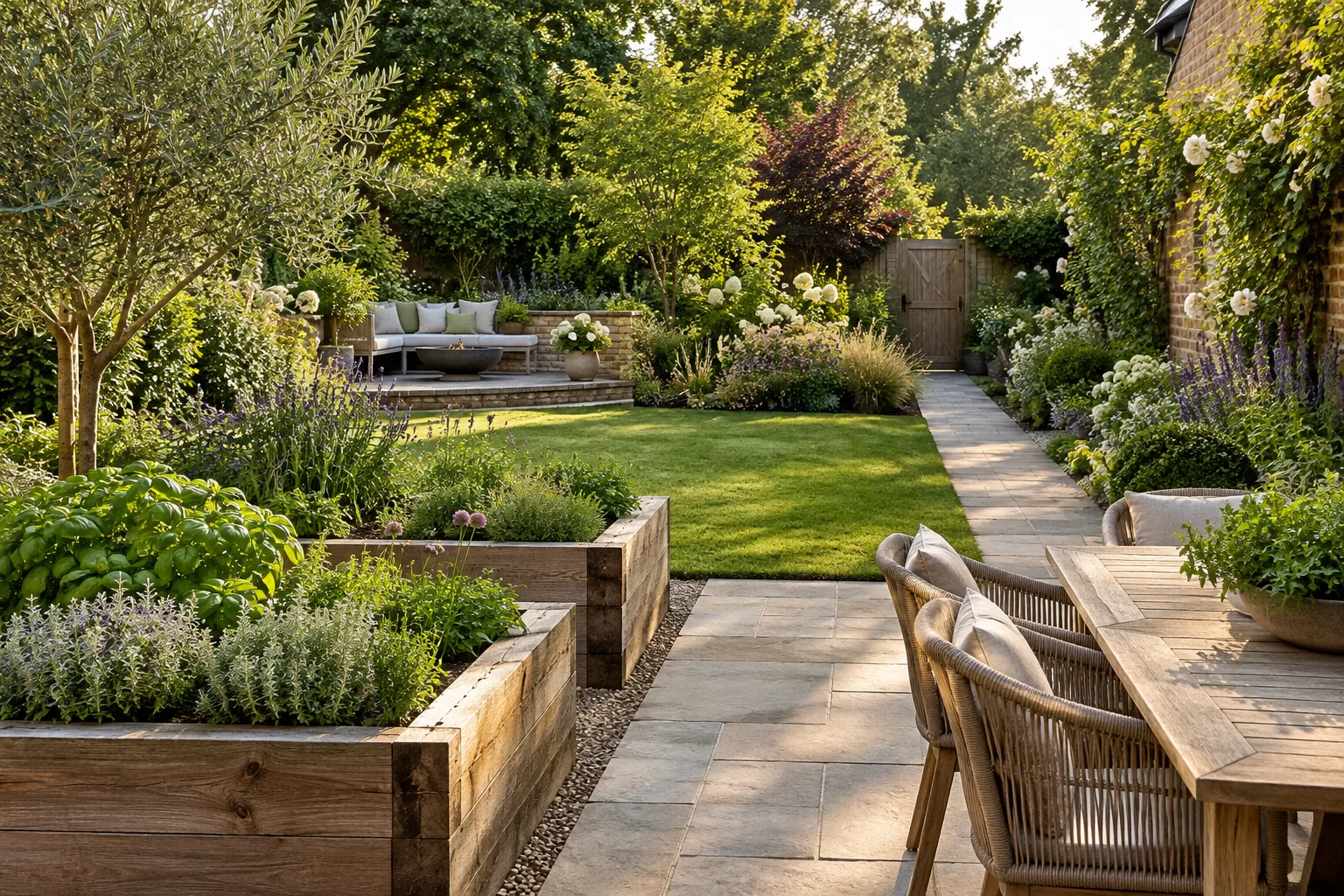
Work backwards from how the garden will be used
Preparing a garden for guests calls for a short, useful list rather than a last-minute attempt to change everything. Clear routes, appropriate lawn care and a usable seating area often matter more than a drastic prune of every shrub. For East Molesey enquiries, Go Gardeners can discuss a one-off preparation visit or continuing maintenance around the way you use the garden. Explain the date you have in mind alongside the actual work, and allow time for assessment and availability. A deadline should guide priorities without promising immediate attendance or a weather-independent finish.
Decide where people will walk, sit and gather. Look at the route from the house and the space needed around furniture. A narrow gap beside a shrub or leaves on steps may be more important than an untidy distant bed. Put practical use ahead of optional detailed presentation when the time allowance is limited.
For garden maintenance, describe a measurable finish: the agreed lawn cut, vegetation clear of the route and selected beds weeded. Mark plants and areas that should remain untouched. If the garden needs major recovery, do not disguise it as a quick preparation tidy. Current photographs help establish whether a one-off session or a staged plan is the more realistic starting point.
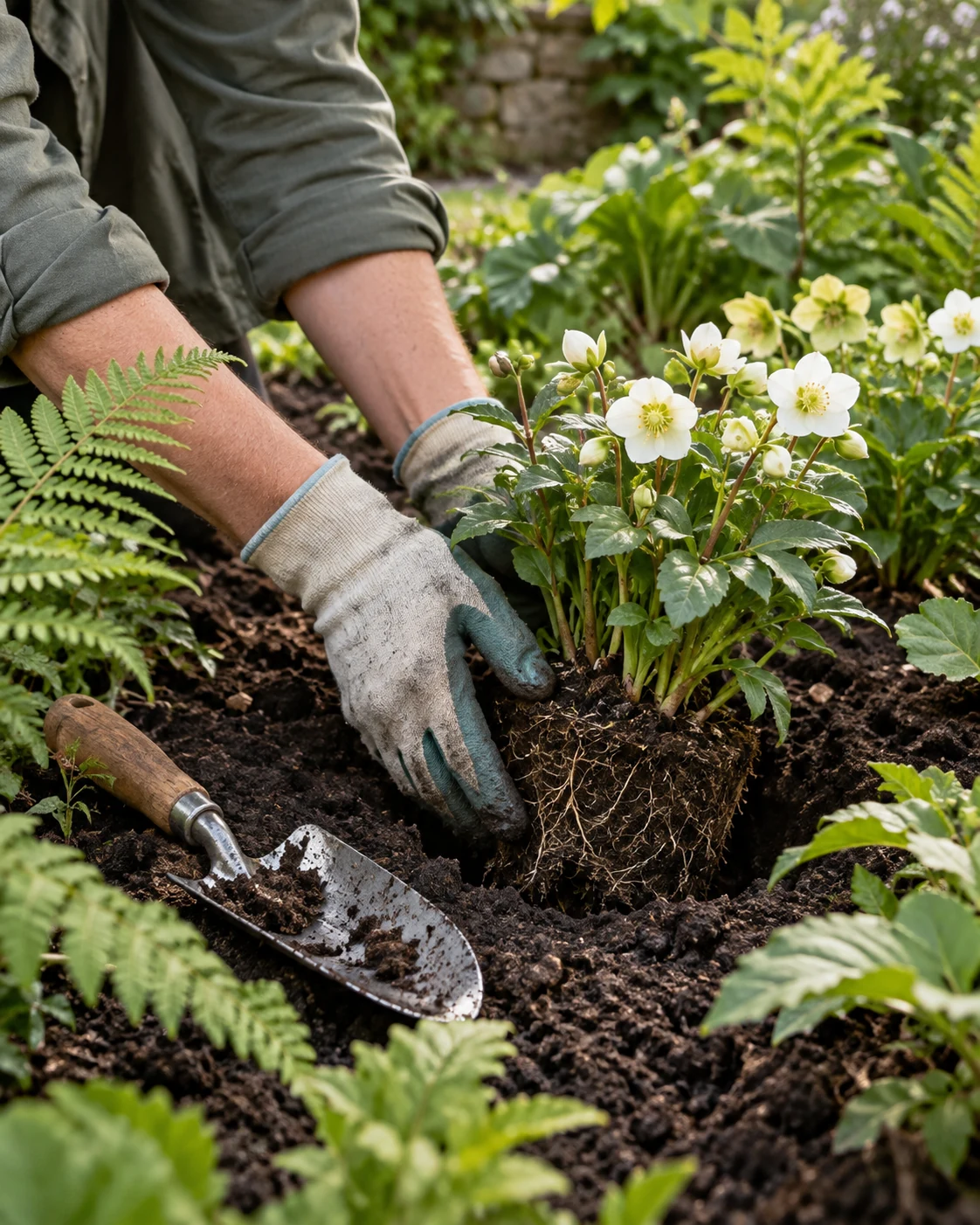
Give lawn work time to make sense
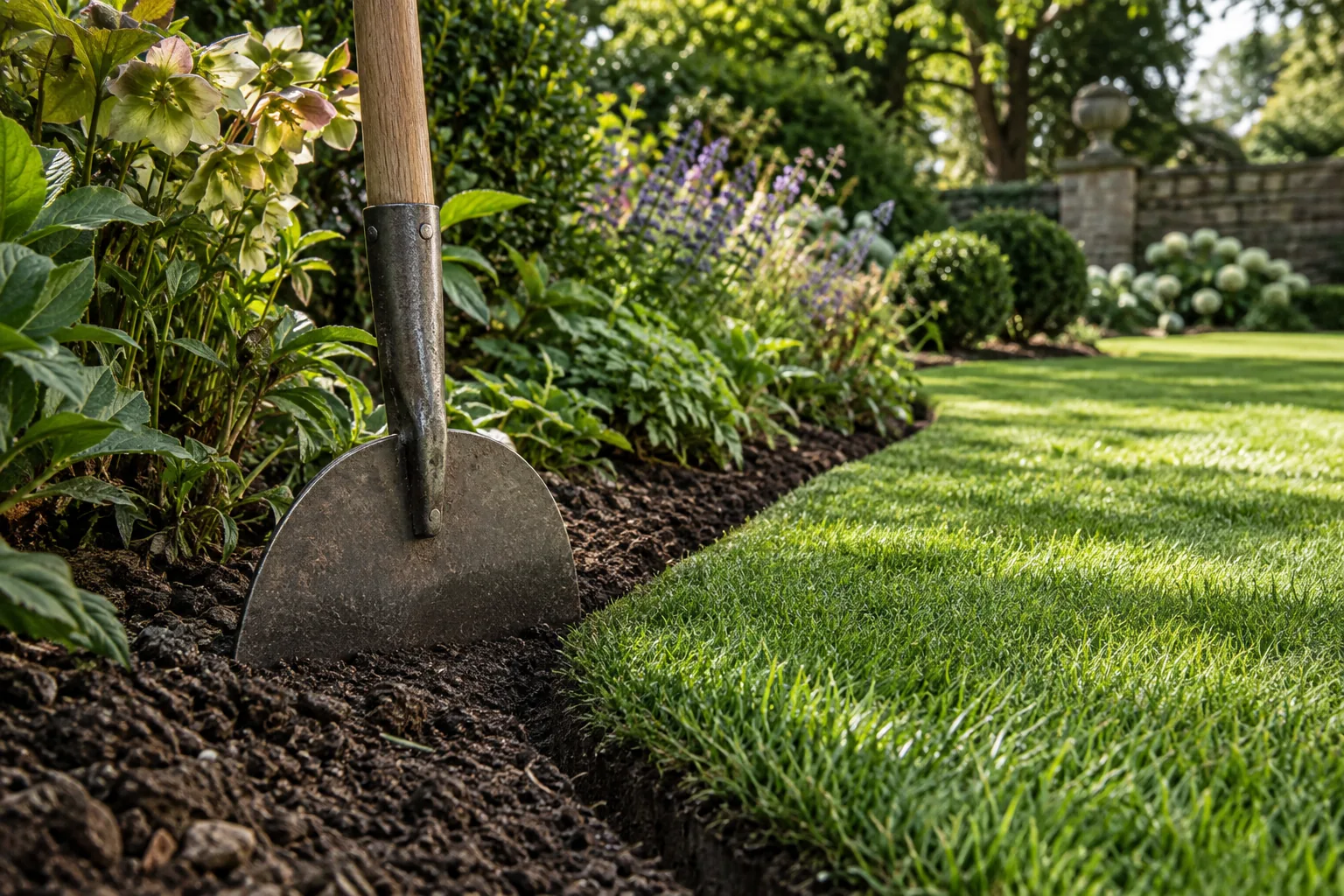
Show the grass’s present height, shade and wear when requesting lawn care. Long growth may need gradual reduction, while saturated or drought-stressed turf can limit suitable work. An exceptionally short cut is not automatically the best preparation for use and may expose unevenness or stress the grass.
Bare patches need a separate decision. Reseeding or turf work can require establishment time and protection from immediate traffic. If guests will use the area soon, be realistic about what can be achieved by that date. The RHS drought-care guide explains why brown established grass does not automatically mean replacement is appropriate. Set expectations from conditions rather than an idealised photograph.
Seating areas and surface condition
Move light furniture where safe before gardening, or explain what must stay. Weeds in joints and overhanging planting can be addressed within an agreed task list. Loose paving, unstable steps and damaged structures need the relevant assessment; gardening should not conceal a defect beneath a cleaner appearance.
If the surface needs deeper cleaning, discuss jet washing separately. Identify the material, its condition and the drainage route, with water and electricity available for the service. Do not assume every surface is suitable for one pressure or method. The correct scope and price basis matter when combining cleaning and gardening, rather than applying hourly gardening rates to all outdoor work.
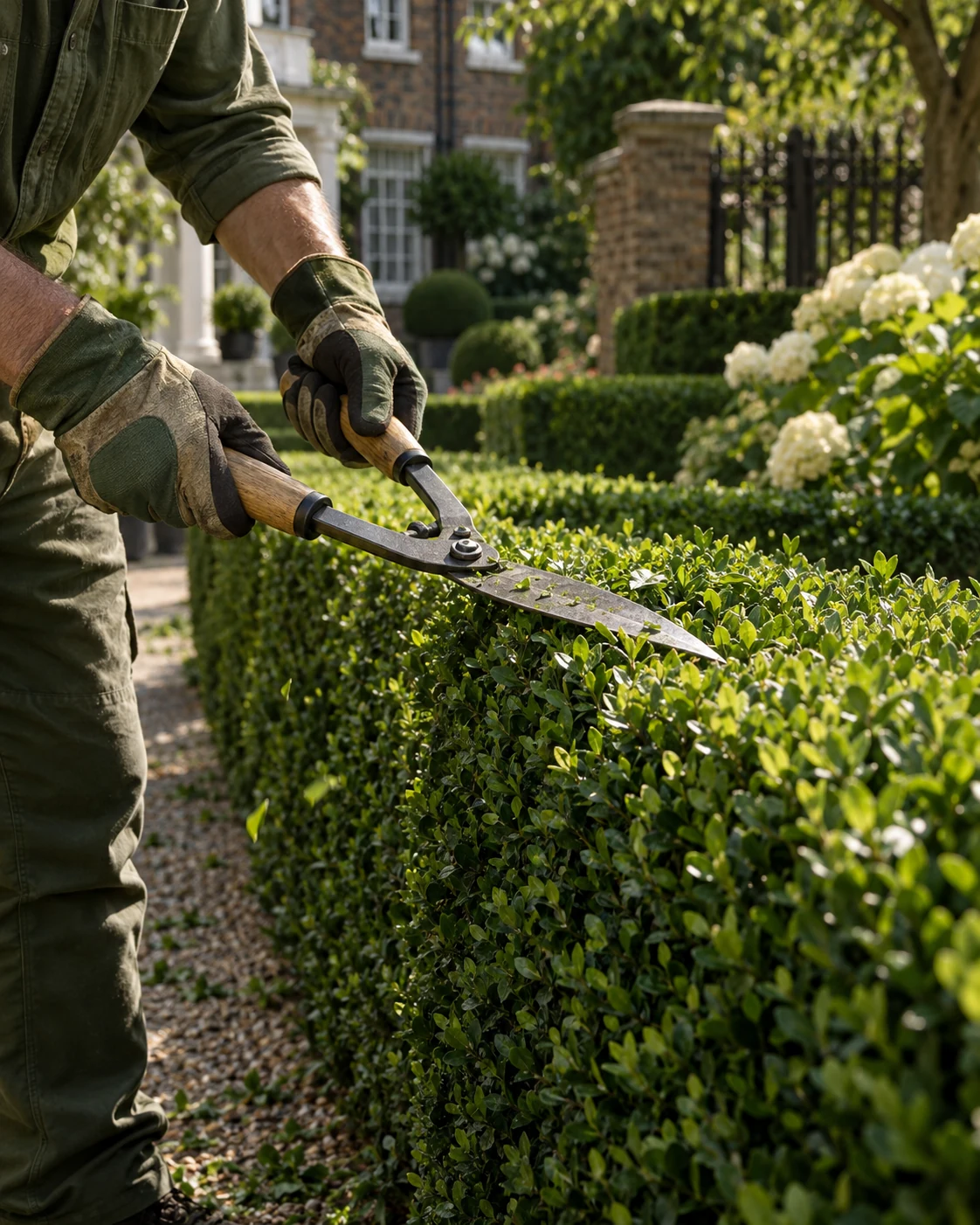
East Molesey tree protection checks
Elmbridge Borough Council’s Tree Preservation Order guidance provides a way to check whether trees at a property are protected by an order or conservation-area status. For an East Molesey address in the borough, use the exact location and identify the particular tree. Nearby designations do not establish that every garden has identical restrictions.
Resolve required permission or notice before relevant pruning or removal. The government tree-protection guidance explains the broader framework and exceptions. Significant tree work belongs in a separate tree-surgery enquiry. A desire to open a view for an event does not establish that cutting is suitable or authorised, and a short deadline should not bypass those checks.
Prune for the plant, not only the occasion
A flowering shrub can lose its display if it is cut indiscriminately just before guests arrive. Identify the plant and the required clearance, and discuss what can sensibly be done now. Selective work around a route may be more appropriate than a large reduction. Mark favourite plants and any dormant bulbs or young perennials that should be retained during weeding.
Dense shrubs, climbers and hedges need checks for active nests before cutting. Affected work should be deferred appropriately. The government wild-bird guidance supports checking actual nesting activity rather than relying on a blanket calendar assumption. Include other priorities on the list so the appointment can be considered flexibly if the main cutting task cannot proceed.
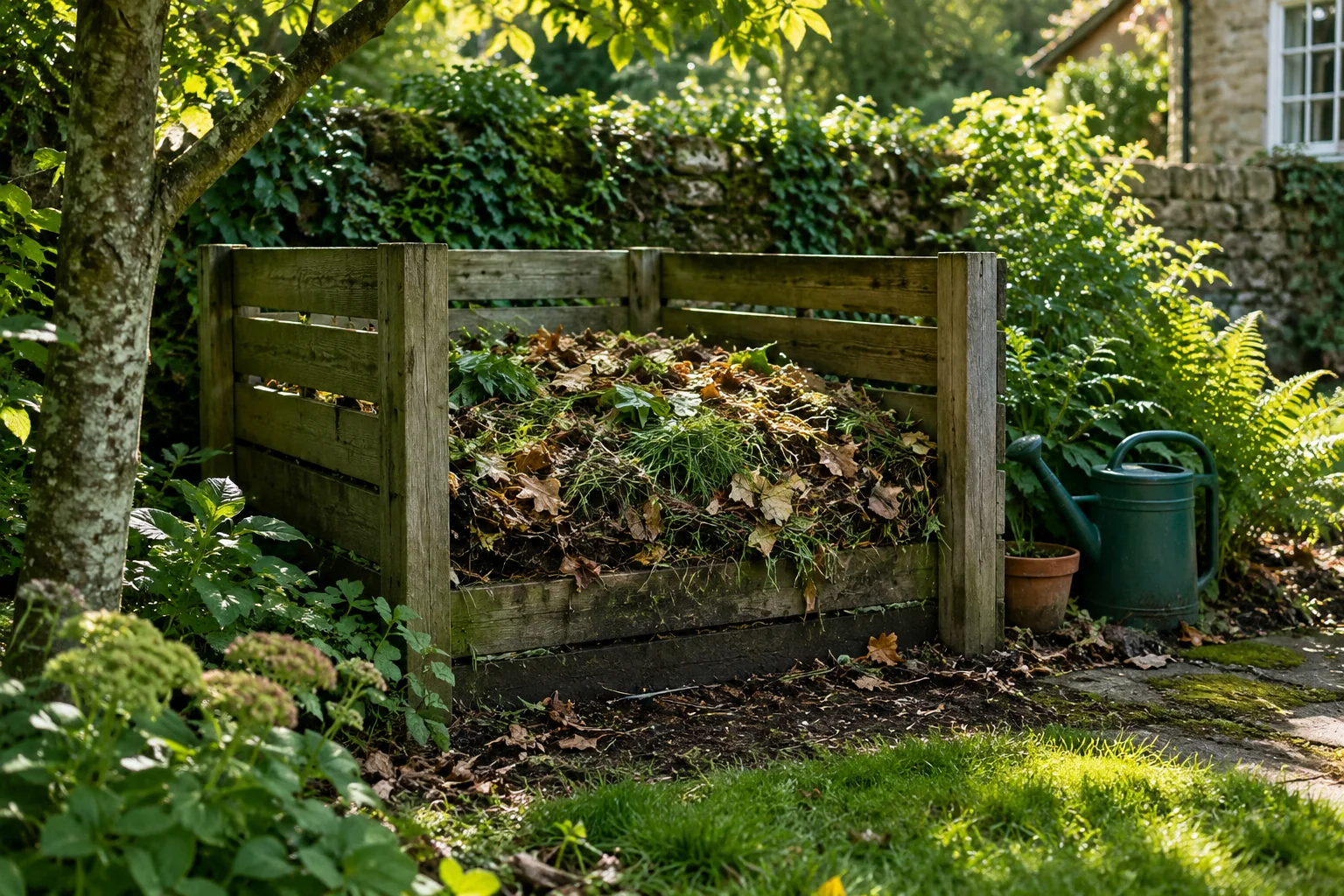
Containers can help, with aftercare
Seasonal pots can add interest, but only where light, drainage and watering arrangements suit the planting. Agree exact plants, containers and compost before booking work. Materials are not automatically included in maintenance hours. Consider how pots will affect movement around the seating area rather than filling every available corner.
Assign somebody to check moisture between appointments, particularly for new plants. An occasional gardening visit cannot be assumed to keep pots watered throughout warm weather. If you will be away immediately after the occasion, include that in the plan. A smaller collection with reliable care may be more worthwhile than a large display that declines as soon as its initial purpose is over.
When the garden needs clearance first
If growth hides paths or much of the ground, garden clean-up may be the appropriate first service. Define the usable area you need and identify retained planting. Disclose known glass, wire, old furniture or damaged structures beneath vegetation. Non-green waste needs a separate handling arrangement rather than being assumed part of clipping disposal.
Agree the finish of the first stage. Opening access differs from removing all roots, preparing soil and installing a new scheme. A recovered area may reveal a repair or drainage issue that needs another assessment. If your longer-term aim is a different layout, discuss garden design and landscaping separately and avoid rushing permanent choices simply to meet one date.
Keep the result manageable afterwards
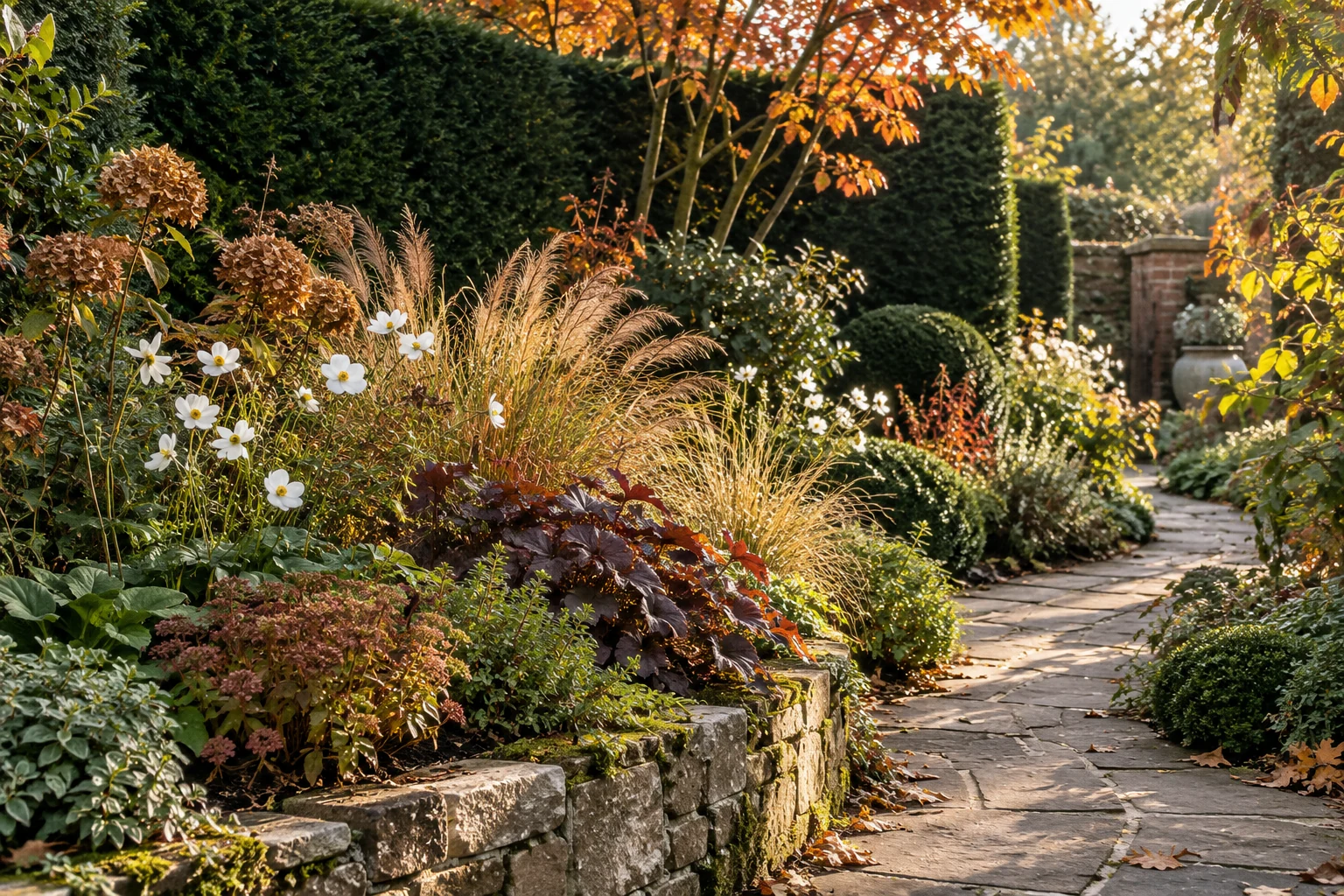
A preparation visit can reveal which tasks recur most quickly. Weekly, fortnightly or monthly care can be discussed according to the garden and availability. You might handle watering and light deadheading while gardeners manage mowing, weeds and appropriate pruning. Make the division clear so nothing essential is assumed to belong to somebody else.
Spring work should protect emerging plants while addressing young weeds. Summer tasks respond to growth and moisture; autumn can prioritise leaves on routes and lawns. Winter conditions may limit access on frozen or saturated ground. A sensible maintenance plan changes through the year instead of repeating an event-preparation checklist when the garden’s needs have moved on.
Price, access and a realistic appointment
Maintenance, clearance and lawn care are published at £79 for the first hour and £65 per subsequent actual hour on site. The arrangement provides two gardeners, equipment and bags, with up to 120 litres of green waste included. Confirm extra removal in advance. Consult the live price guide for the relevant service; tree work, landscaping and jet washing use different pricing arrangements.
When confirming postcode availability, parking and any applicable congestion charges, also explain which entrance guests will use and where the seating must fit. Put those areas first in the agreed list. Give the intended date, then identify useful backup tasks if ground conditions or nesting activity prevent the main job; an extension or another appointment cannot be assumed. Keep pets and children away from the working space. For neighbouring locations, the coverage directory includes Kingston upon Thames, Surbiton, Richmond and Twickenham.
East Molesey garden-preparation questions
Need to discuss your own garden or property? Call with photographs and your postcode.
Ask about your visitHow far ahead should I enquire before a gathering?
Provide the date and work as early as practical so availability and a realistic scope can be discussed. Do not assume immediate attendance. A larger recovery, materials or specialist task may need more planning than a routine tidy, and conditions can affect what is sensible.
Can a neglected lawn look established in one visit?
A suitable cut and edge may improve presentation, but recovery is different from routine mowing. Long growth, shade and damage can require more time or staged care. Agree what can reasonably change now instead of expecting instant repair of longstanding turf problems.
Should shrubs be cut hard to create seating space?
Identify the plants and the clearance required first. Severe pruning may remove flowers or leave lasting gaps. A selective temporary improvement or a later design change may be more appropriate, especially where the shrub has fundamentally outgrown its position.
Can you clean the patio during a gardening booking?
Raise it as a separate service with its own surface assessment and price. Water, electricity and drainage need checking for jet washing. Combining enquiries does not mean every cleaning task is included within the published hourly gardening charge.
Are seasonal plants and pots included automatically?
No materials should be assumed. Agree exact plants, containers, compost and supply in advance, including their suitability for the site. You also need a watering arrangement after planting; the initial display is only the beginning of its care.
What if rain leaves the garden too soft?
Actual ground condition and safe access guide suitable work. A planned date does not remove the risk of damaging saturated turf. Keep priorities flexible and discuss alternatives where possible rather than expecting the identical list to proceed regardless of weather.
Can you focus only on the area guests will use?
A defined area can be a practical scope. Show its boundaries, access and the routes people will take. Consider growth extending into it from adjoining areas, and agree a useful stopping point if the rest of the garden will remain for another visit.
How do I maintain the result after the occasion?
Review the recurring jobs and assign your own contribution, particularly watering. Regular care may help, but the interval should follow actual growth. Do not leave newly exposed ground unmanaged or assume a one-off tidy prevents weeds and encroachment returning.
Prepare an East Molesey garden with clear priorities
Call 020 3746 2449 with your postcode, intended date and the space you want usable. Send current views and access details. Agree a realistic gardening scope, any separate cleaning or specialist work, and the waste arrangement so the visit serves the garden beyond a single occasion.
Call 020 3746 2449Gardening nearby.
View all 60 coverage areas ↗East Molesey on the map.
Approximate area centre for orientation. Call to confirm availability for your exact postcode.