
Gardeners
Surbiton
Plan beyond the day new plants go into the ground. Match planting stages and containers to the care available, agree materials before work and assign watering between appointments while retaining established plants that already suit the garden.
- Assign watering before planting begins
- Agree exact materials and preparation
- Choose stages the available care can sustain
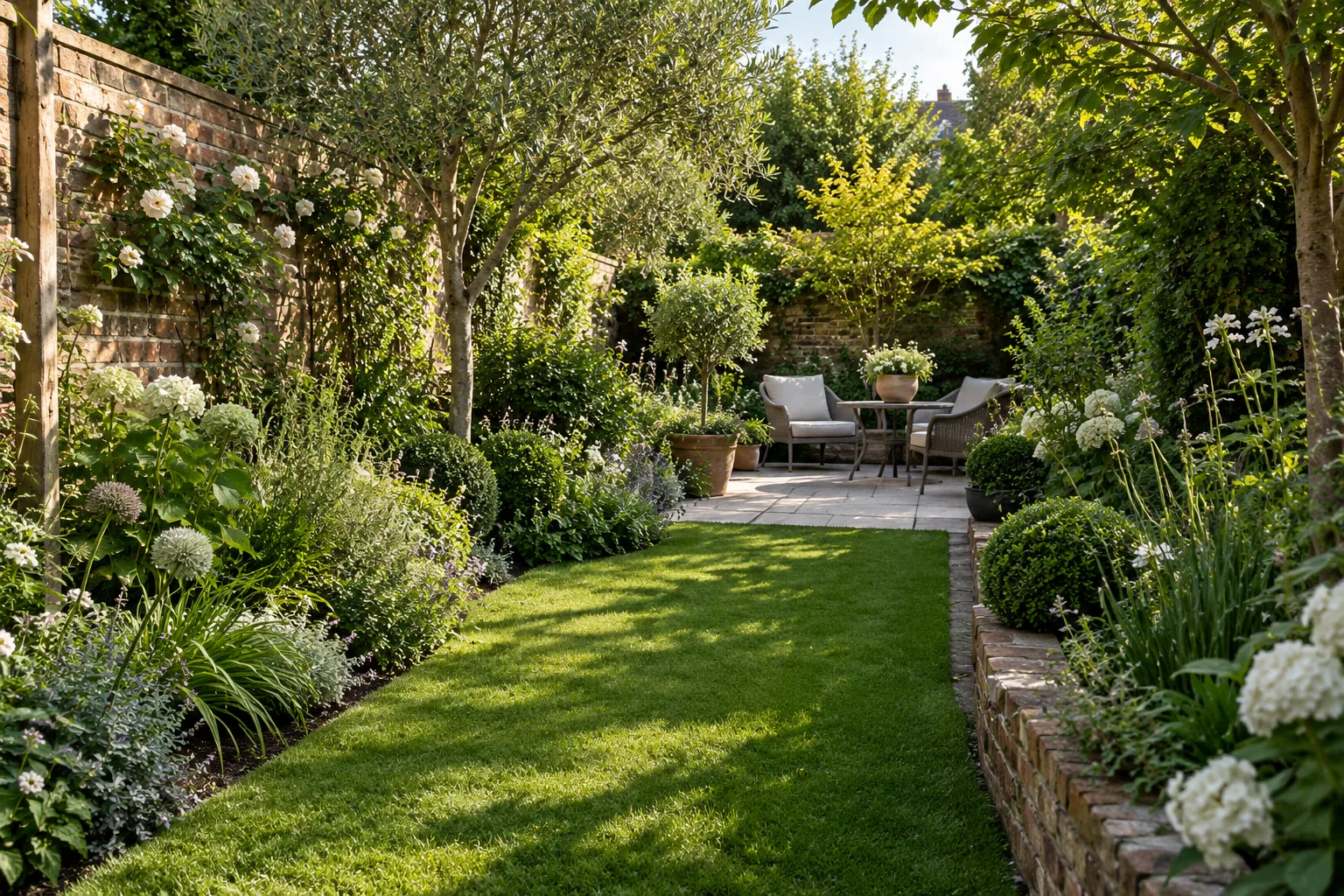
Start with the care available between visits
Buying plants is the beginning of a gardening commitment, not its completion. Before arranging planting or a refresh in Surbiton, decide who will water, check weeds and notice a struggling plant during the following weeks. Go Gardeners can discuss maintenance and agreed planting tasks, but an occasional visit cannot silently become daily aftercare. A realistic plan starts with the attention available between appointments. That may mean fewer containers, a smaller first planting stage or retaining suitable established plants while you work out what the garden needs.
Write down how often someone can inspect the garden and how water reaches each area. A tap near the house may be inconvenient for the farthest bed. A person who can water at weekends may not be available during a hot weekday spell. Those details should influence the scale and timing of new planting.
Garden maintenance can include specified care tasks, but the brief should distinguish what happens during the visit from what residents handle afterwards. Agree a named person for containers and establishing plants. If you travel frequently, make an explicit arrangement rather than assuming a periodic appointment guarantees moisture at every rootball throughout your absence.
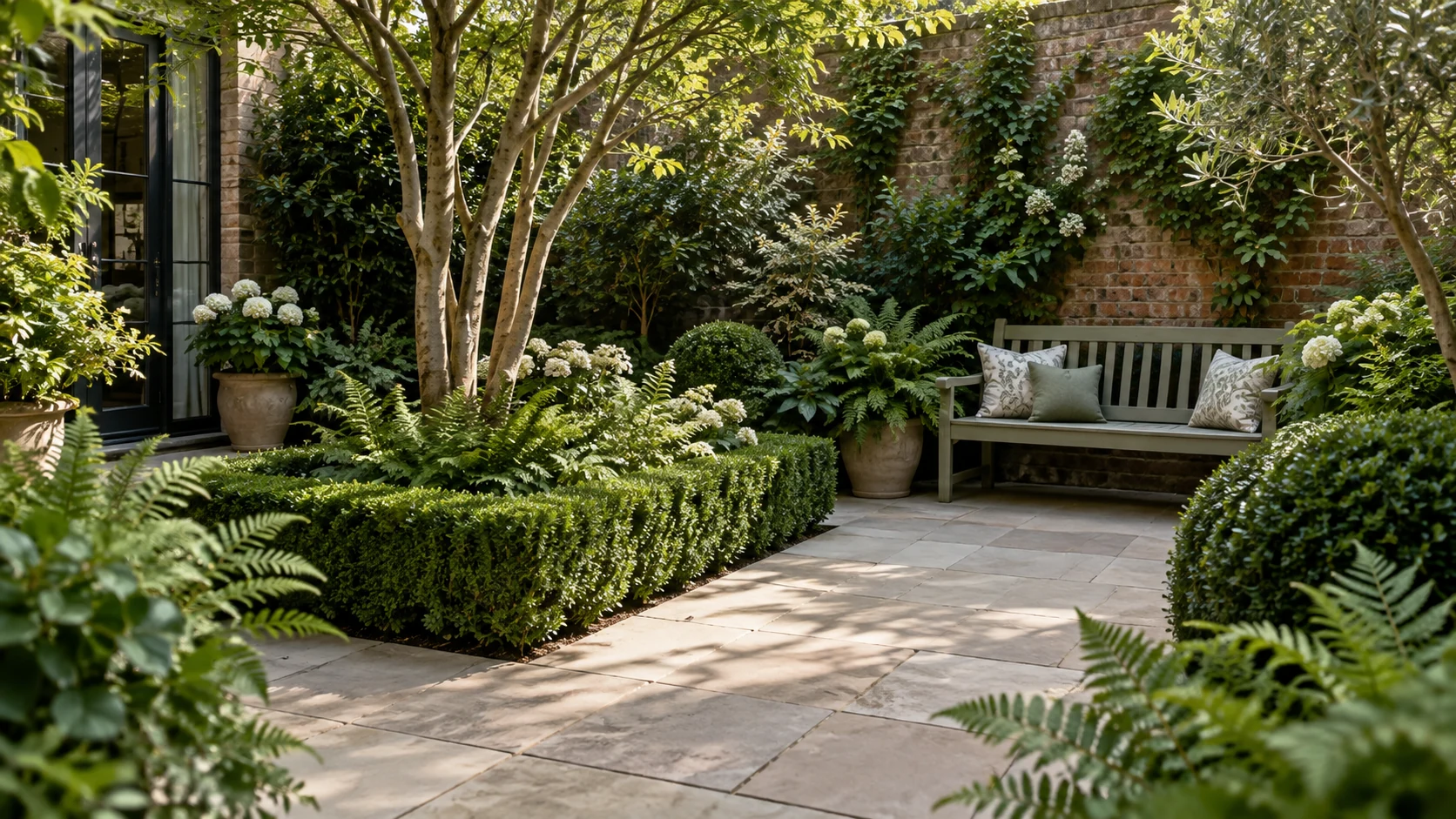
Choose a planting stage you can sustain
A small well-prepared area can be more successful than filling every gap at once. Identify the purpose of the planting and observe light, moisture and existing plants. Consider mature size before purchase, especially beside paths and windows. A shrub that is compact in a nursery pot may eventually create the same obstruction you have just paid to remove.
Discuss exact materials in advance, including plant sizes, compost or other preparation, and who supplies them. Do not assume these are automatically included in gardening hours. Where the layout or plant selection needs a broader rethink, a separate garden design enquiry can establish the plan. Routine maintenance is more effective when it supports a coherent scheme rather than correcting repeated impulse purchases.
Existing plants may be the lower-work option
Before removing an established shrub, assess what it contributes. It may provide screening and survive with modest care, while replacements require closer attention. Mark valued plants and uncertain dormant areas. Selective weeding and appropriate pruning can reveal useful planting without committing to permanent removal.
Pruning depends on species, condition and flowering habit. Explain the problem: too much width, congested stems or growth over a route. Cutting every plant to one height is rarely a thoughtful maintenance instruction. If identification is uncertain, provide leaf and flower photographs where possible and allow a decision to wait until the relevant season rather than making an irreversible cut without enough evidence.
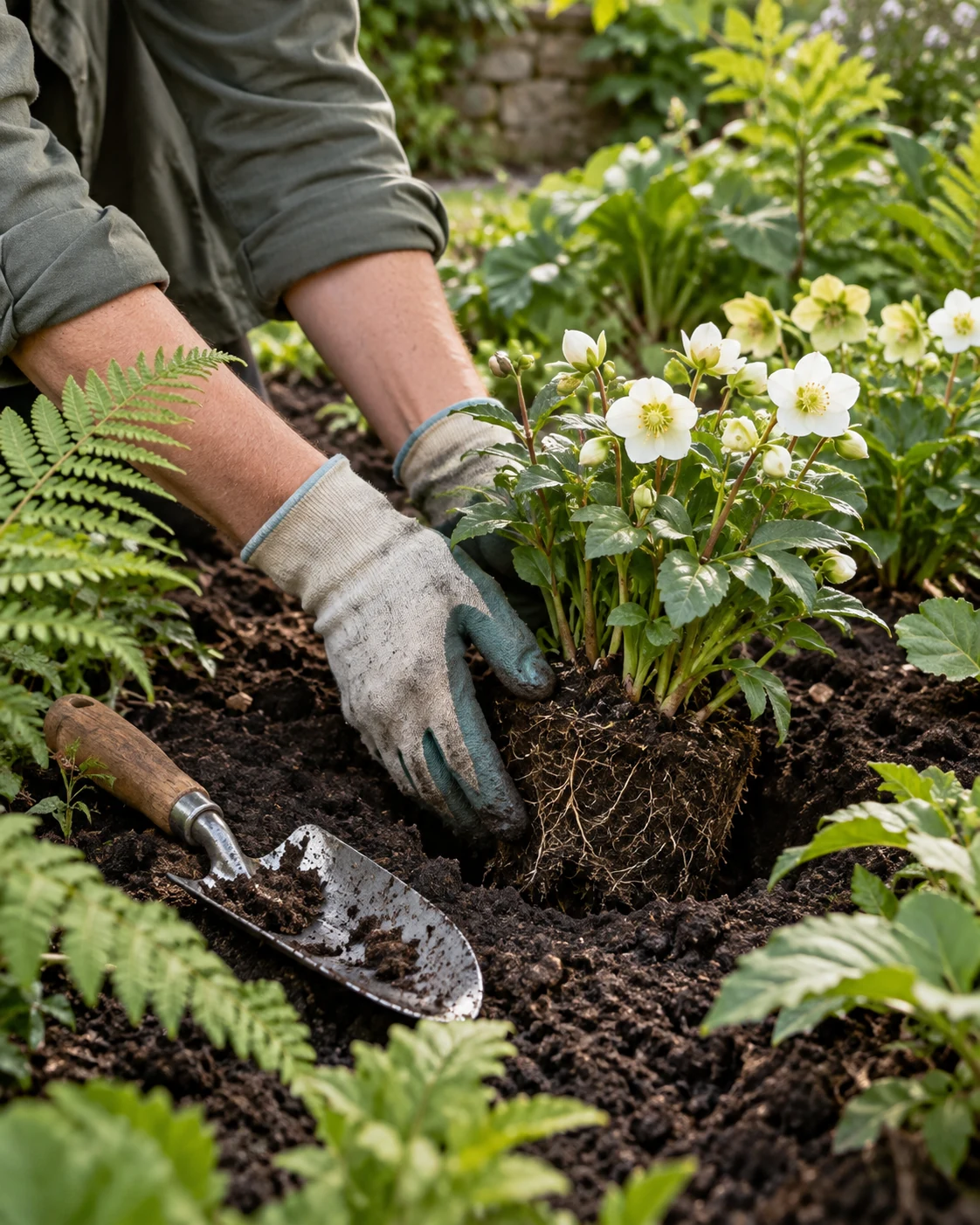
Containers deserve their own routine
Check moisture in the compost rather than judging only the surface or the appearance of nearby soil. Pot size, exposure and plant growth influence drying. Drainage matters too; more water is not the answer to a container that remains saturated. Tell the gardeners which pots repeatedly struggle and what care they have received.
Repotting, replacing plants and moving substantial containers are distinct tasks. Show dimensions and access before expecting a heavy planted pot to be moved. Agree materials and the intended position. Grouping plants for convenience may help in some circumstances, but do not create an arrangement that blocks a door or leaves incompatible plants on one unthinking watering schedule.
Surbiton trees and the correct council check
For a Surbiton property in Kingston borough, the council’s protected-tree information provides a starting point for proposed tree work. Check the individual address and tree. A garden’s private status or its need for more planting space does not establish that pruning or removal is unrestricted.
The council also explains trees in conservation areas. Resolve applicable consent or notice before scheduling work. Significant operations should be assessed through tree surgery, with restricted access and known protection disclosed. Do not treat tree work as an informal addition to a planting appointment merely because it would simplify the proposed layout.

Grass care while planting establishes
For lawn care, show the entire lawn and the routes used to reach new beds. Frequent carrying over one strip can create wear, so plan where materials will pass. Remove loose objects and pet waste where safe, and identify bulbs or areas intentionally left longer. Mowing height and timing should follow growth and conditions.
Bare patches may need assessment of traffic, light, compaction and moisture before seed is bought. In dry weather, established lawns may brown temporarily while new plants require particular attention. The RHS drought-care guide helps distinguish those needs. Do not assume every brown area needs turf replacement or that the same watering response suits lawn, pots and new shrubs.
Recovering a bed before replanting
If the intended planting area is overgrown, garden clean-up may be the first stage. Specify retained plants and disclose known objects beneath the vegetation. Cutting top growth, removing persistent roots and preparing ground are different tasks. Agree the finish before ordering plants that may arrive before the bed is ready.
Plan the gap between clearance and planting. Bare ground can quickly grow weeds, and a delayed project needs interim management. Keep non-green materials separate from clippings in the scope. If clearance reveals unstable structures, water problems or damaged surfaces, arrange the appropriate assessment before proceeding. A useful first visit can establish what needs doing without promising every later stage in the same allowance.
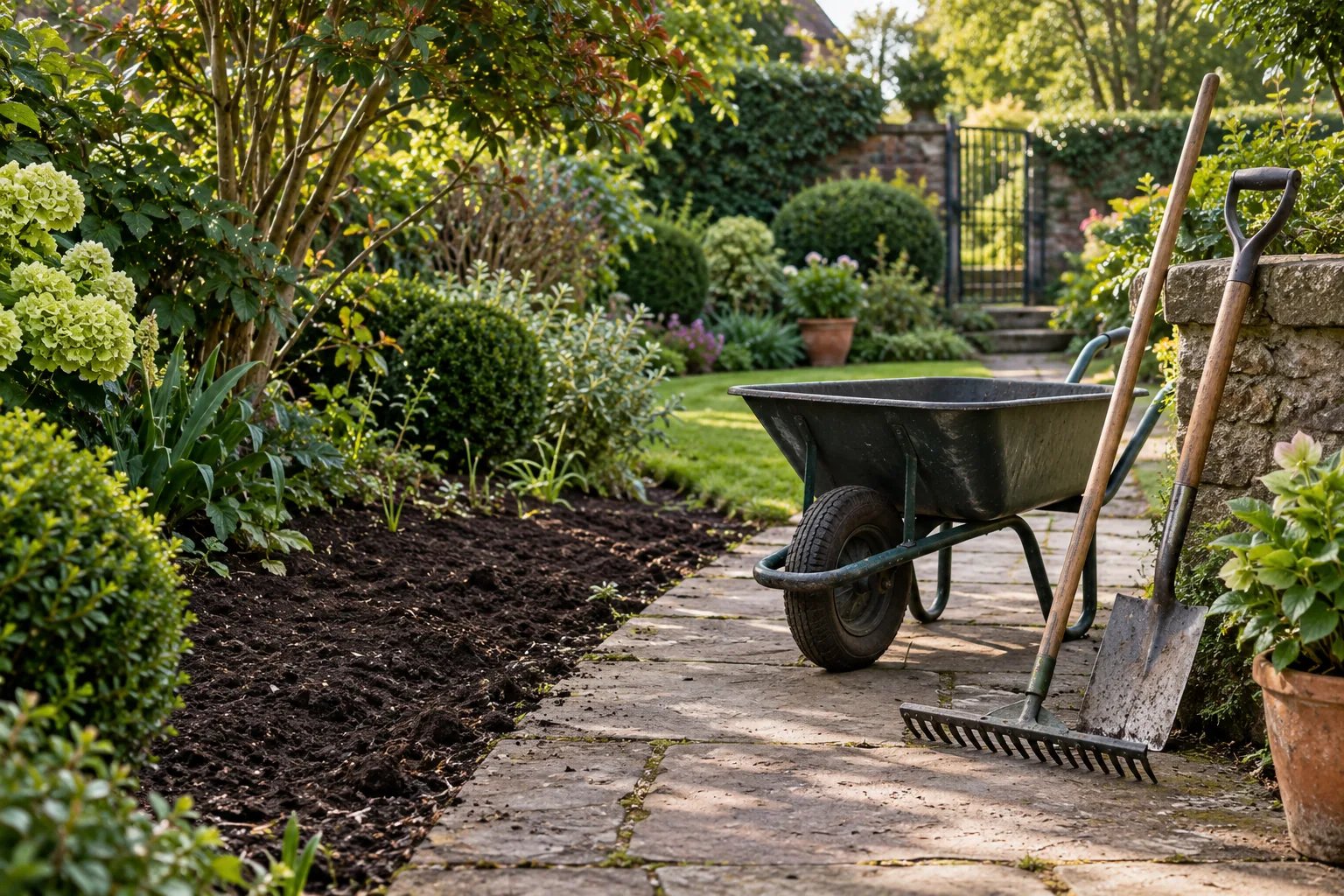
Seasonal decisions and realistic visit frequency
Spring offers a chance to identify emerging plants and control young weeds. Summer care needs to respond to heat and rainfall, especially for containers and small rootballs. Autumn can be useful for reviewing what survived and adjusting a planting plan. Winter exposes structure but frozen or saturated ground may limit sensible access and planting work.
Weekly, fortnightly or monthly maintenance can be discussed according to the actual workload and availability. One-off care suits a defined seasonal list or first stage. Before cutting dense hedges, shrubs or climbers, check active nests and defer affected work appropriately. The plan should allow those conditions rather than promise a rigid list completed identically on every visit.
Agreeing the appointment and price
Published maintenance, clearance and lawn-care charges are £79 for the first hour and £65 per subsequent actual hour on site, with two gardeners, equipment and bags. Up to 120 litres of green waste is included; extra removal needs agreement. Check the current prices for the relevant service. Landscaping and tree surgery use separate quotation arrangements.
Confirm postcode availability, nearby parking and possible congestion charges. Photograph gates, steps and any shared or through-house route. Agree entry, security and a contact for decisions if you will be absent. Identify cables, irrigation and fragile objects. The coverage page includes Kingston upon Thames, East Molesey, Epsom and Wimbledon nearby, with exact address and appointment details to be confirmed.

Surbiton planting and aftercare questions
Need to discuss your own garden or property? Call with photographs and your postcode.
Ask about your visitCan I book planting before a long holiday?
Discuss the timing and establish who will check the plants while you are away. New planting can need attention more often than a periodic gardening visit. If reliable aftercare is unavailable, reducing the scope or choosing another time may be more sensible than planting everything immediately.
Do new shrubs need the same watering as an established border?
Not necessarily. Their rootballs and surrounding conditions need checking, and rainfall may not supply what an establishing plant needs. Assign responsibility and discuss suitable care. Avoid assuming a border that looks damp at the surface means every newly planted root is adequately supplied.
Can you use plants I have already bought?
Agree the exact task, materials and site suitability in advance. Show the plants and intended positions, including their likely mature size. The fact that material has been purchased does not guarantee it suits the light, moisture or space available in the garden.
Is replacing established planting always easier to maintain?
No. Appropriate established plants may need less attention than new material. Consider why a plant is being removed and what will replace it. A design change can be worthwhile, but it should include establishment and future care rather than only the appearance on planting day.
Can the gardeners monitor my pots monthly?
A visit can include agreed checks, but monthly attention may not cover moisture needs between appointments. Name somebody to inspect them and respond to weather. A container collection should fit the care available, particularly during warm or windy periods.
What if the cleared bed is not ready when plants arrive?
Preparation should be scoped before ordering. If persistent roots, repairs or drainage issues remain, planting may need to wait. Avoid forcing the next stage simply because materials are on site; the bed’s actual condition and suitable preparation determine what can proceed sensibly.
Can you move containers away from my only entrance?
Show their size, weight-related details and the proposed route. Handling needs assessment and agreement. The aim should include keeping doors and access clear afterwards, so do not relocate a heavy pot into another position that creates an equally difficult obstruction.
How should we divide work after a planting visit?
Write down who waters, checks weeds and reports concerns, alongside the gardeners’ recurring tasks. Review that division as plants establish and seasons change. Clear responsibility is more useful than a general expectation that a maintenance booking means every aspect of care is covered.
Plan Surbiton garden care beyond planting day
Call 020 3746 2449 with your postcode, current planting and the changes you are considering. Explain the aftercare available and access for materials. Agree a manageable first stage, supplied items and the relevant price basis so the work can be sustained after the appointment.
Call 020 3746 2449Gardening nearby.
View all 60 coverage areas ↗Surbiton on the map.
Approximate area centre for orientation. Call to confirm availability for your exact postcode.