
Gardeners
Twickenham
Keep the garden useful as household routines change. Twickenham appointments can address worn grass, planting beside play or seating areas and boundary growth, with care planned around equipment, access and what the space needs to accommodate now.
- Match garden care to current household uses
- Plan protection for repaired lawn areas
- Work around fixed equipment with an agreed scope
Make room for current uses
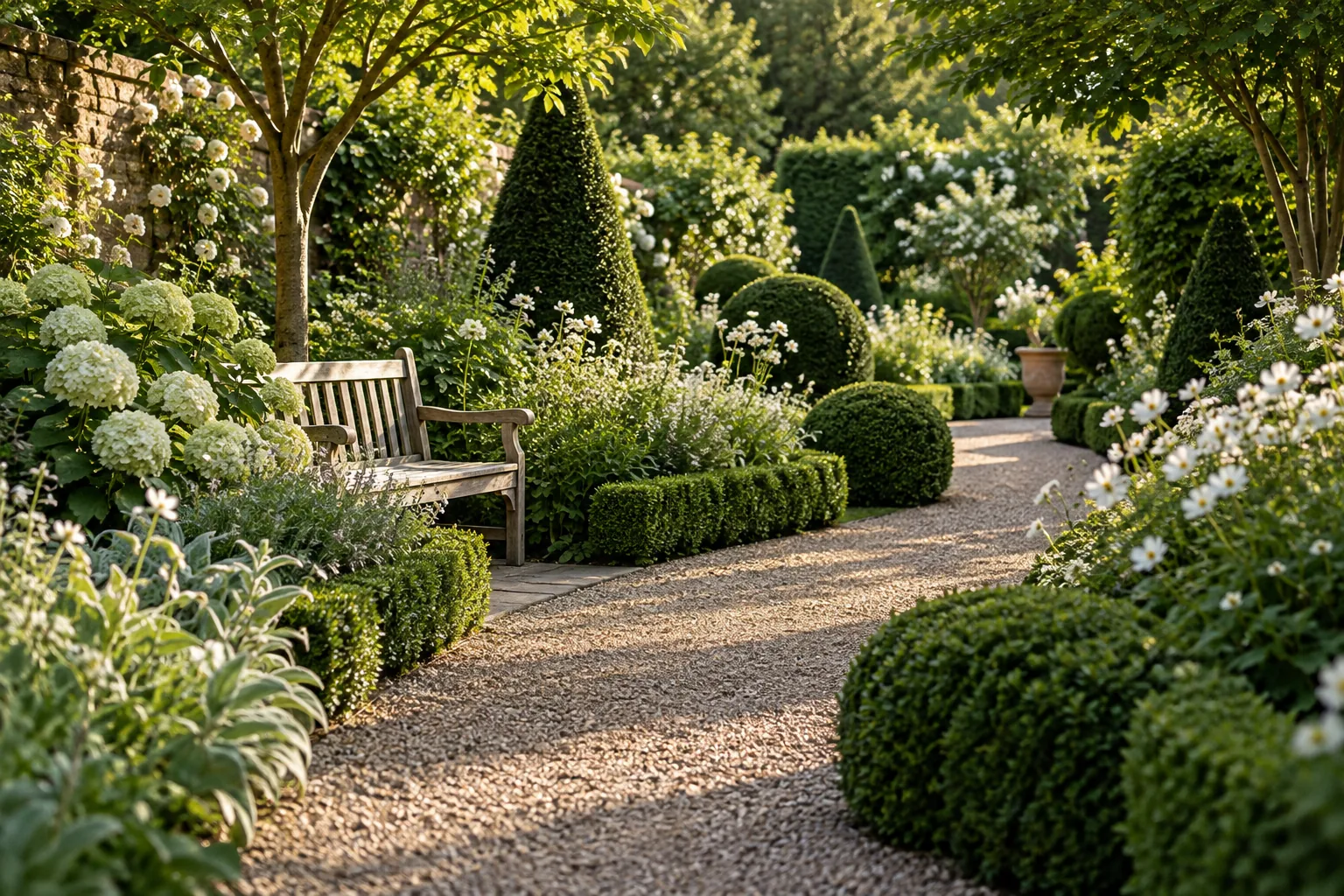
A family garden changes as the people using it change. Grass that once needed room for play may now sit beside a vegetable bed, outdoor workspace or larger seating area. For a Twickenham gardening enquiry, explain those current uses rather than relying on the garden’s old routine. Go Gardeners can discuss care for the space you have now, including mowing, selective pruning and border work. The useful result is a garden that accommodates everyday life while leaving a level of maintenance you can realistically continue.
List the activities that need space and the planting you value around them. A hedge may still provide privacy even where its width needs attention. An old bed may contain useful perennial plants despite a period of neglect. Show those features in photographs and identify what should remain. A general request to open everything up can otherwise conceal several very different decisions.
Garden maintenance can manage recurring growth around the layout. If dense vegetation prevents access, clearance work may be an initial stage. Agree whether the aim is revealing the space or preparing it for an already defined project. Once the ground is visible, review what has been uncovered before ordering materials or assuming the entire wish list belongs in the same appointment.
Lawns need an honest account of wear
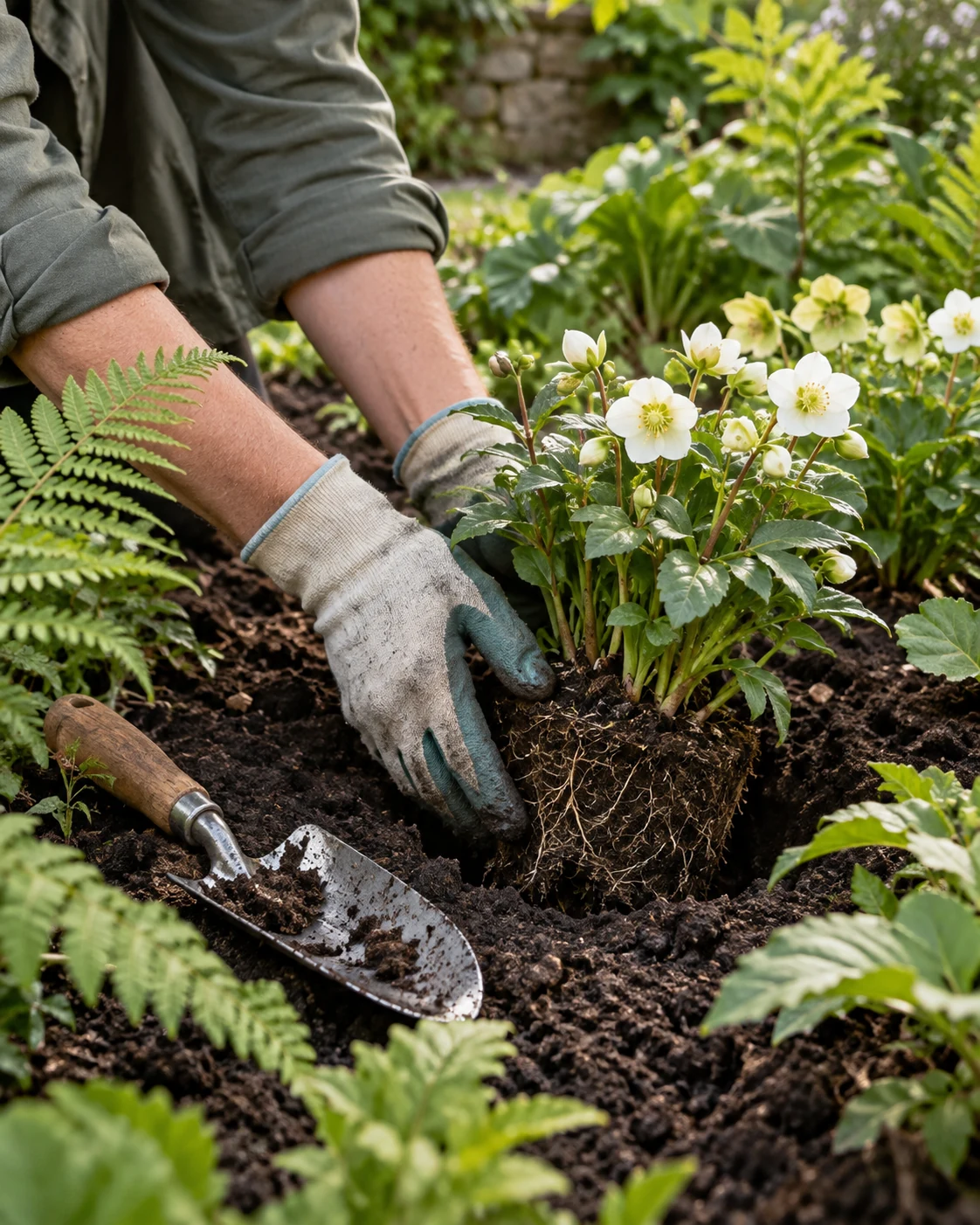
Tell the gardeners where people play, where pets run and where furniture stands for long periods. A photograph immediately after moving a table can hide the reason for a worn patch. Remove small loose items and pet waste where safe, and flag roots, old edging or uneven areas. Mowing should begin with a clear understanding of the surface and the places that need care.
For persistent thinning, discuss lawn care separately from a simple cut. A repair needs suitable conditions, aftercare and a realistic period without the same concentrated wear. If the garden cannot spare the repaired strip, consider the timing before proceeding. Repeatedly seeding an unavoidable route without changing its use is unlikely to be a durable plan, regardless of how neat it looks when the work is first finished.
Borders beside play and seating spaces
Look at how plants will grow into the occupied area. Selective pruning may restore clearance, but a plant that is fundamentally too large for the position may need a longer-term decision. Identify species before hard cutting and explain any concern about thorns, fragile stems or plants within easy reach of children. Do not assume all garden plants are suitable for every household situation.
When planting is wanted, agree materials and a purpose before the visit. Consider mature spread, light and watering access, as well as flower colour. A bed alongside a busy route should be maintainable without constant damage from passing people. If the arrangement itself needs changing, discuss garden design and landscaping as a separate scope rather than using routine care to repeatedly force plants away from a space they will naturally occupy again.
Local trees require property-specific checks
Richmond upon Thames Council’s protected-tree information covers tree preservation orders and conservation-area protection. For proposed work in a Twickenham garden, establish the actual property’s position and identify the tree clearly. Neighbouring work, private ownership or a desire for more play space does not settle whether pruning or removal can proceed.
Substantial branches and tree reductions need a tree-surgery enquiry with their own assessment and price. Show the whole tree, structures nearby and access to the garden. Explain the observed problem rather than specifying a severe cut as the only acceptable answer. Resolve any required council permission or notice before work, and keep the proposed operation consistent with what has actually been checked and agreed.
Hedges and climbers around boundaries
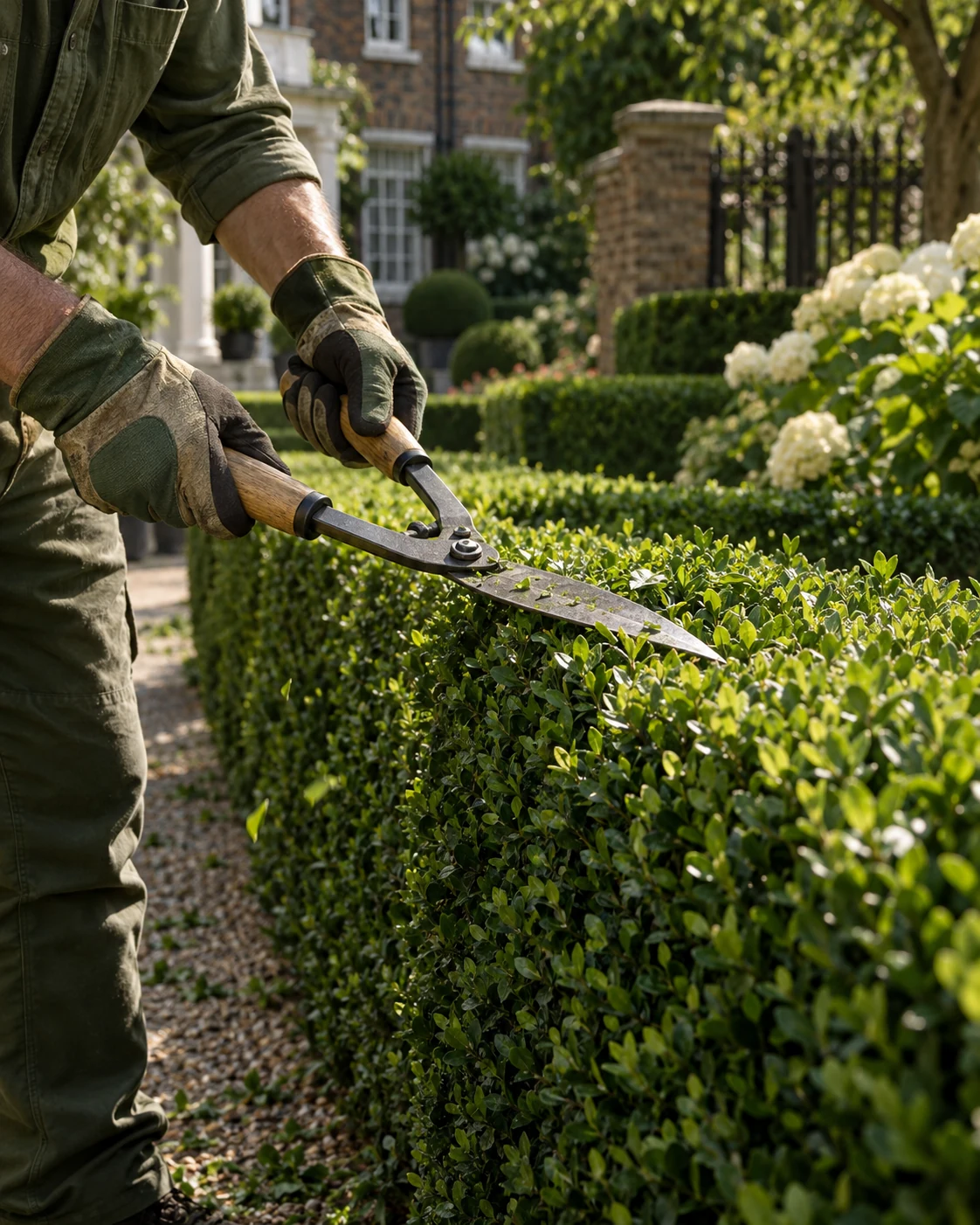
Provide approximate dimensions and access to each side of a hedge. Distinguish a light trim from substantial height or width reduction, and say how much screening you wish to retain. An old fence behind thick foliage may be weakened or damaged; identify known problems before cutting exposes them. Vegetation management should not be mistaken for a repair of the supporting boundary.
Before cutting dense growth, check for nesting activity and defer affected work where necessary. The government’s wild-bird guidance explains relevant nest protections. Plan other useful tasks if one section cannot be worked. This is particularly helpful when a visit has been arranged around a household event, since the date should not become pressure to cut a plant that needs to be left alone.
Use seasonal changes to review the routine
Spring is a chance to identify emerging plants and keep early weeds from obscuring them. Mark bulbs and young shoots before work, especially in a border that looks mostly bare. In summer, assess lawn and plant condition before deciding what to cut. Pots and new planting need care between appointments, and the person responsible should know where water is available and what needs checking.
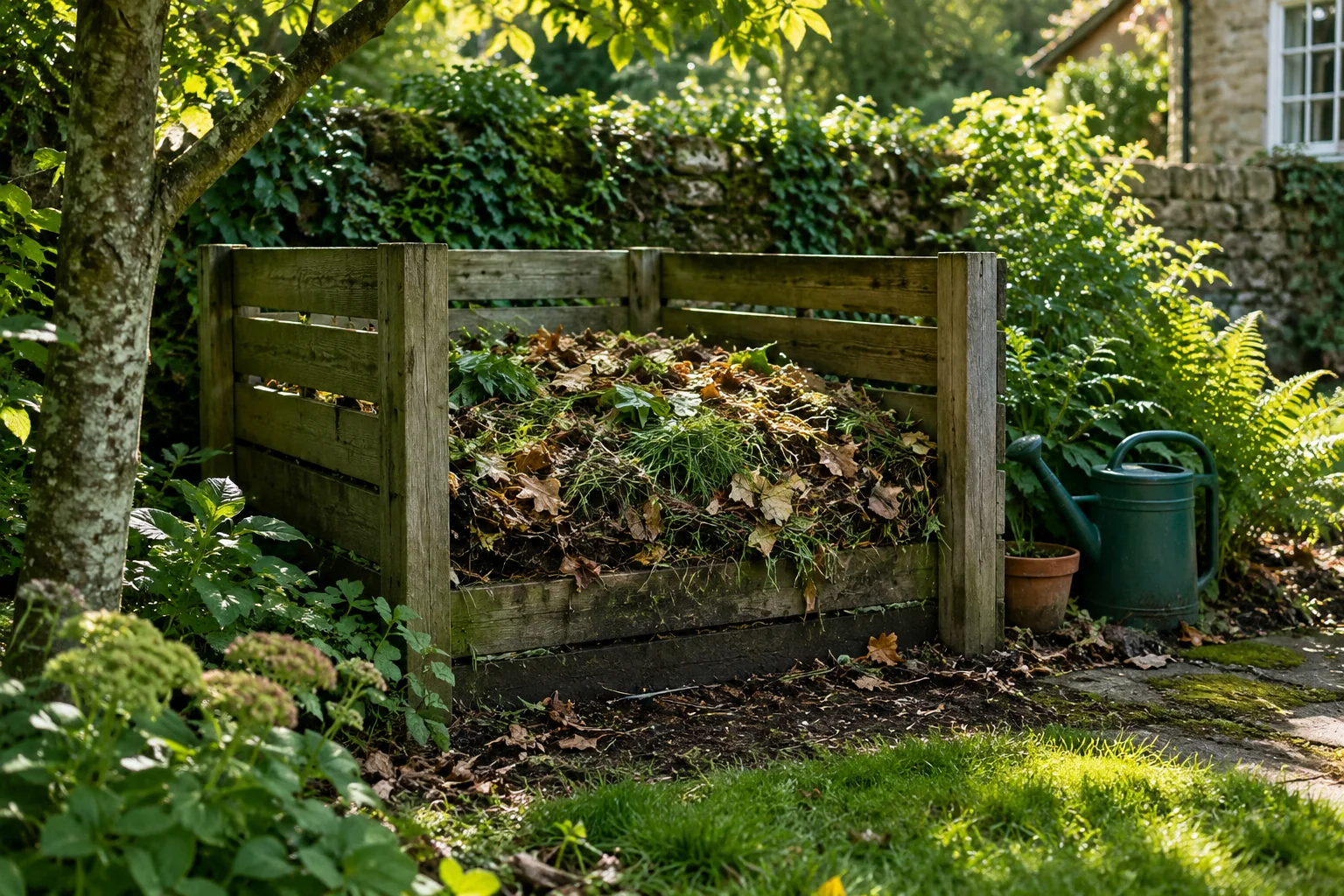
Autumn work can prioritise leaves on paths and lawns while retaining selected stems in beds if you want winter structure. During winter, avoid unnecessary traffic on saturated turf or soft beds. Weekly, fortnightly and monthly visits can be discussed, but the right frequency depends on growth and your contribution. A useful arrangement changes as the household and season change instead of preserving a task list that no longer reflects the garden’s use.
Access on the day needs confirming
Photograph gates, side passages and steps and explain whether tools must pass through the home. If parking restrictions or event-related arrangements affect your street, confirm the position for the proposed date. Do not assume an earlier visit’s parking arrangement still applies. Mention shared routes and establish any permission needed before committing to an appointment that relies on them.
Move lightweight play equipment and personal items where practical, and identify heavy or fixed features rather than attempting an unsuitable move. Keep children and pets outside the working area. If you will be absent, confirm keys, locks, contact details and how the property should be secured. Clear instructions about retained plants and the order of tasks reduce the number of decisions that need making while you are away.
Gardening prices and disposal
The published gardening rates are £79 for the first hour and £65 for each subsequent actual hour. The described arrangement supplies two gardeners, tools, equipment and bags, including up to 120 litres of green waste removal. Check the live prices and confirm postcode availability and any applicable extras, including congestion-related charges where relevant. Additional waste removal must be agreed, and specialist tree or landscaping work uses a separate price basis.
Growth density, selective work around valued plants and carrying distances can affect time as much as the garden’s area. Show the longest grass and most crowded sections in the enquiry. If your budget is limited, order the work around the result you need most. Additional time is subject to the schedule, so a planned follow-up may be more realistic than expecting every task to be finished by extending the first appointment automatically.
Twickenham gardening questions
Need to discuss your own garden or property? Call with photographs and your postcode.
Ask about your visitCan you work around a fixed trampoline?
Show its size, clearance and the surrounding grass in photographs. Explain whether it can be moved by an appropriate arrangement or must stay in place. Do not assume moving heavy play equipment forms part of ordinary mowing; agree the practical scope before the visit.
When should a worn play lawn be repaired?
Choose a period when the repaired area can receive suitable aftercare and be protected from concentrated use. The method depends on the lawn and conditions. A short gap before a party or school holiday may not provide the establishment time a repair needs.
Can I keep a productive bed beside the lawn?
Yes, mark its edge, identify crops and explain how you access it. The mowing and edging brief should protect planted growth and irrigation. If the bed repeatedly obstructs the route or is hard to reach, consider a separate layout discussion rather than accepting ongoing damage.
Is a tree reduction a way to get more lawn light?
More light may be your aim, but the proposed tree operation still needs appropriate assessment and protection checks. Explain the grass problem and the tree’s position separately. Do not assume pruning is suitable, authorised or sufficient simply because the lawn would benefit from less shade.
Can you tidy before a weekend gathering?
Enquire early with the date and priorities. Availability, weather and plant-related checks need confirmation. Focus on accessible areas and realistic tasks, and distinguish ordinary tidying from new planting or turf work that requires aftercare before normal use.
Should every seedhead be removed in autumn?
That is a preference to discuss in relation to the plants and the garden’s use. Some can remain for structure or habitat while routes and selected beds are tidied. Mark the areas where you want a more natural finish so the team does not apply one standard everywhere.
What if the green waste exceeds the allowance?
Confirm extra removal or a suitable on-site destination before assuming it is included. The stated allowance is up to 120 litres. Bulky shrub growth can occupy considerable space, so provide clear photographs and avoid leaving disposal decisions until the final minutes of the appointment.
Are neighbouring areas included in coverage?
Approved pages include Richmond, Isleworth, Kingston upon Thames and East Molesey. The coverage directory contains the full list. Confirm the postcode and available service directly before arranging access.
Arrange gardening for your Twickenham household
Call 020 3746 2449 with photographs and a description of how you use the garden now. Include equipment that must remain, plants to preserve and practical access details. That gives the estimate a clear basis and helps set up a first visit that supports everyday use as well as appearance.
Call 020 3746 2449Gardening nearby.
View all 60 coverage areas ↗Twickenham on the map.
Approximate area centre for orientation. Call to confirm availability for your exact postcode.