
Gardeners
Isleworth
Share the garden workload in a way that fits your own time and interests. Isleworth visits can combine lawns, borders and suitable trimming, with recurring tasks, seasonal changes and access arrangements clearly discussed before booking.
- Divide recurring jobs around your own gardening
- Keep lawns and boundaries useful through the seasons
- Review visit intervals after the first appointment
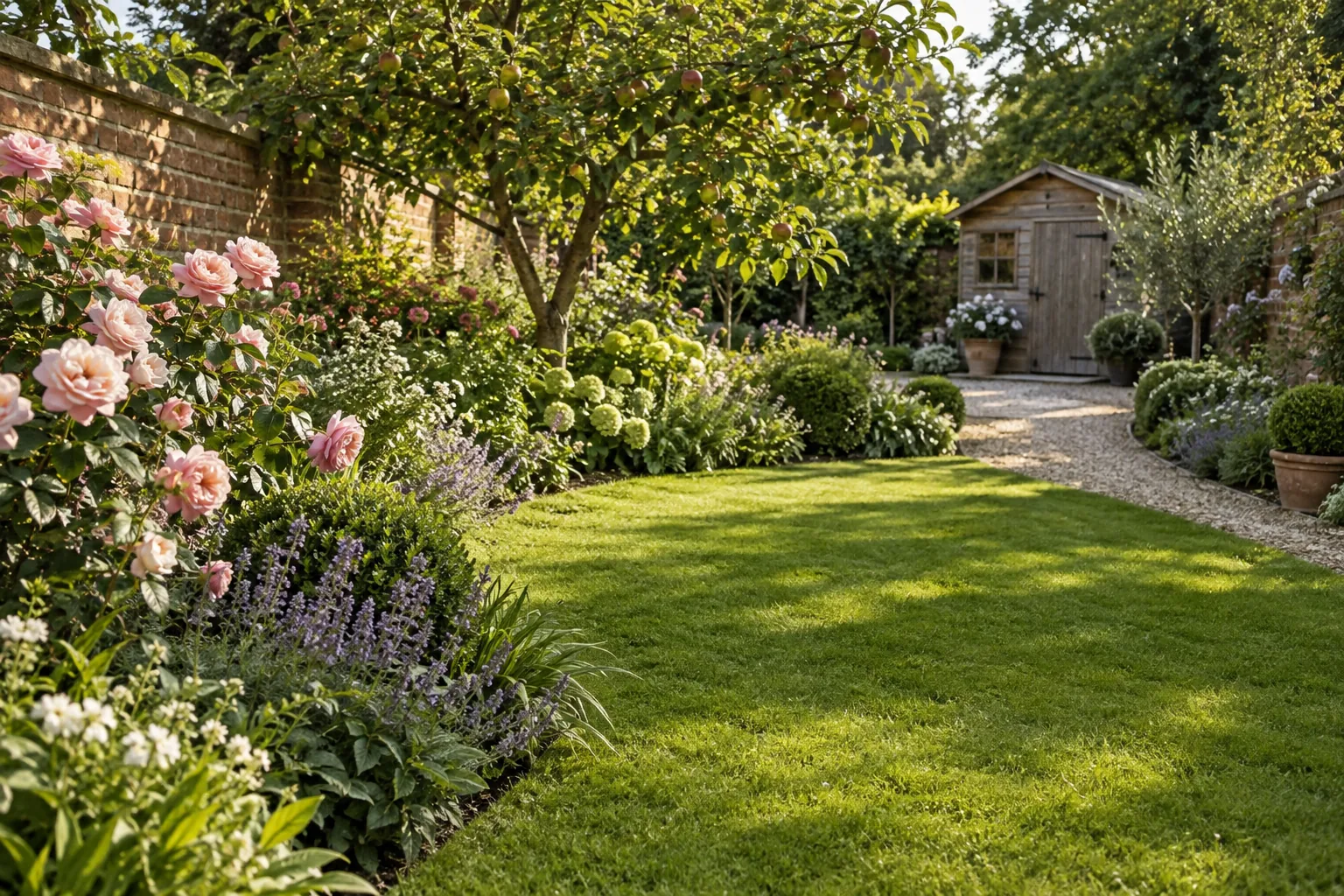
Decide what you want to hand over
A useful garden routine should fit the household, not become another set of missed deadlines. If mowing, weeding and trimming are competing for the same free afternoon, Go Gardeners can discuss dividing those jobs into a manageable plan for your Isleworth property. Explain what you can comfortably do yourself and where help would make the greatest difference. A regular appointment, a seasonal session or a one-off recovery each works best when its purpose is clear and the work between visits is understood.
Some people enjoy planting but dislike keeping lawn edges neat. Others can manage the grass and need help with awkward borders or a long hedge. Describe your own split of responsibilities when enquiring about garden maintenance. It avoids paying for tasks you were planning to do while the difficult work remains untouched at the end of the visit.
Write a short list organised by outcome rather than by every individual plant. For example, you may want a clear route to the shed, beds that can be weeded without stepping over overhanging shrubs, and grass kept at a usable height. Photographs should show those relationships. Include awkward corners and the entrance, not just the best view from the house, so the estimate reflects the work involved.
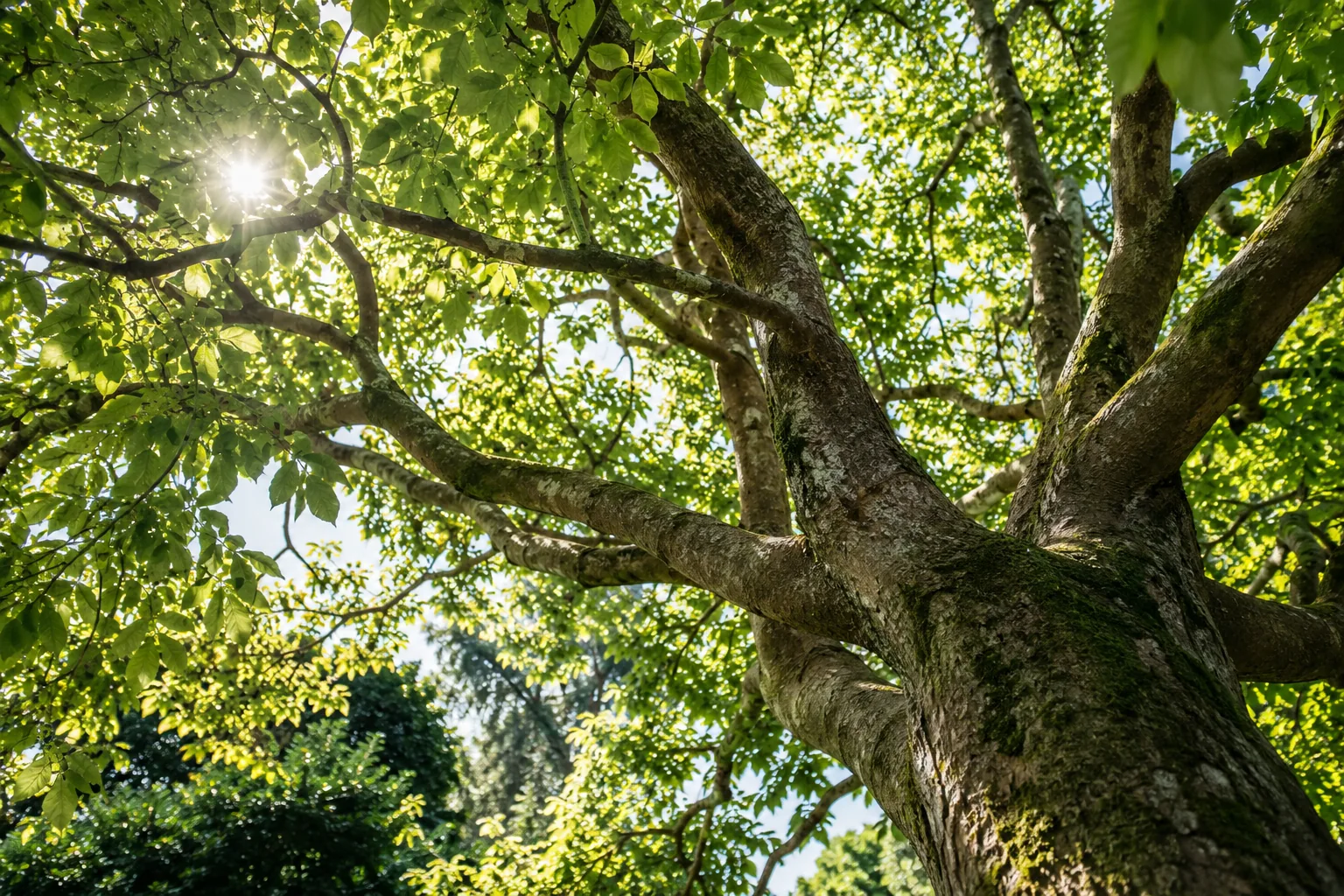
Make recurring tasks easier to sustain
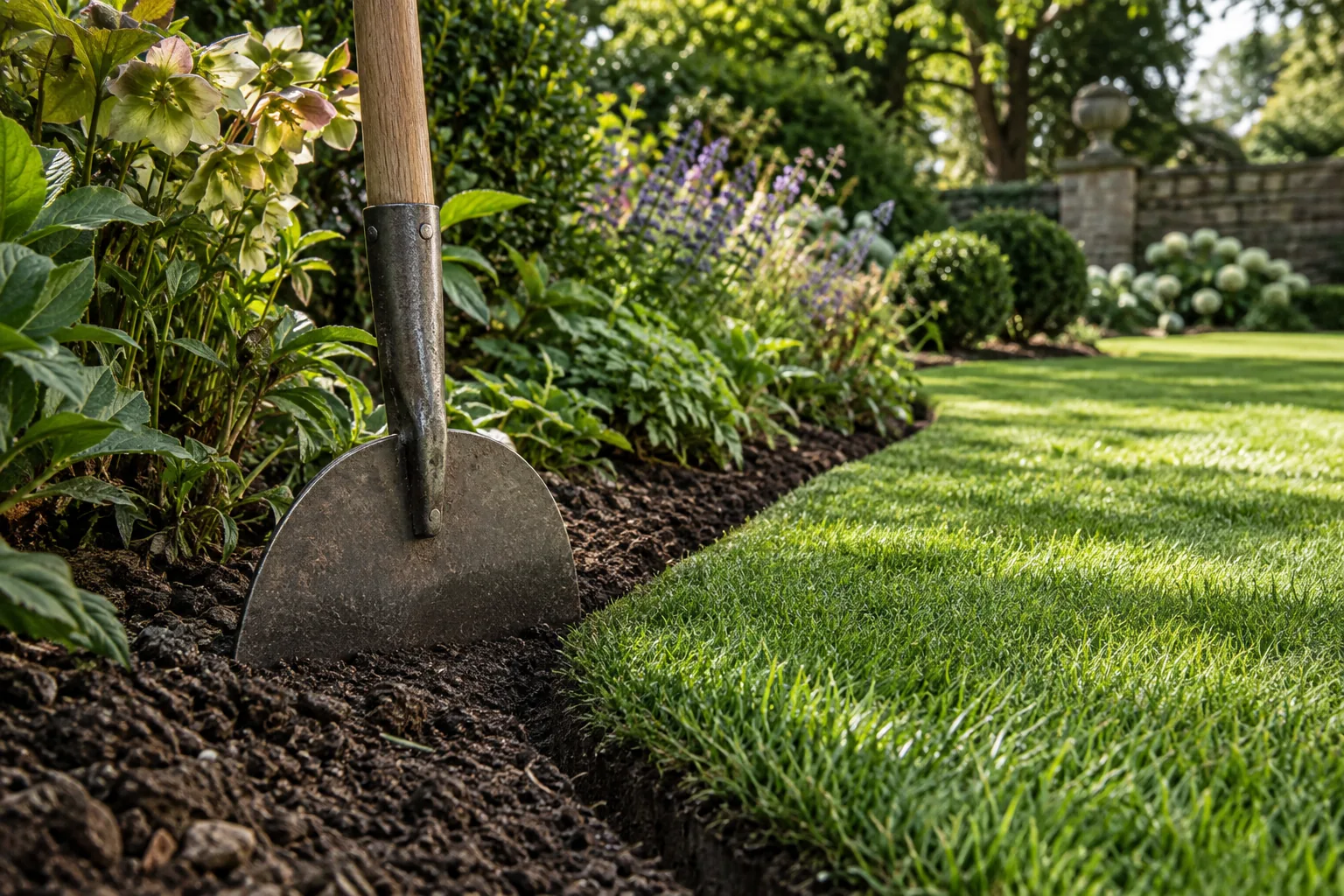
An untidy edge often returns because it is hard to reach or unclear where it belongs. Agree a line that can be maintained and protect bulbs or low planting that should remain beyond it. In borders, distinguish unwanted growth from plants that spread by design. A completely bare bed is not necessarily easier to manage if nothing is planned to occupy the space afterwards.
Look for avoidable obstacles. Light items left on grass, empty pots at a gate and tools scattered along a path slow ordinary care. Move what you can safely handle before the visit and flag heavy objects. Clear access lets the gardeners use the booked time for plant care rather than moving the same objects before each task.
Give lawns a realistic brief
Tell the gardeners how the lawn is used. A family play space needs a different discussion from a small decorative patch beside a terrace. Mention pets, furniture, worn routes and any area intentionally allowed to flower. Ask about lawn care when you need more than mowing, such as investigating repeated thinning or planning repair of damaged patches.
Photograph wet areas after rain and dry areas during the problem period. The pattern can be more informative than a single general photograph. If grass grows poorly beneath established planting, consider whether light, root competition or wear is limiting it before buying more turf. A healthy-looking lawn immediately after work does not settle the conditions that will determine how it performs over the following months.
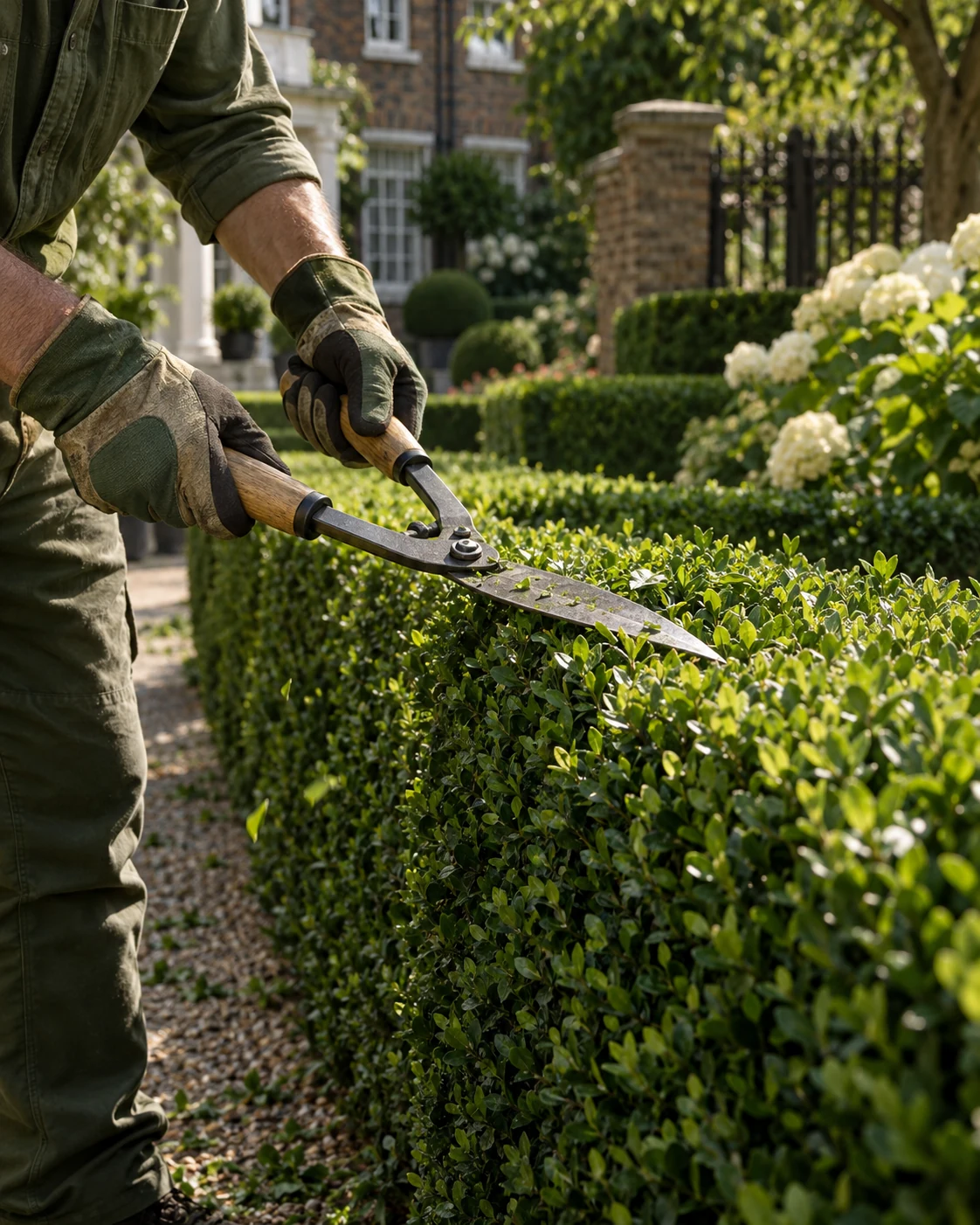
Hedges, shrubs and the space around them
For trimming, provide the approximate height and length, and explain access to both sides. Identify whether the task is light shaping, regaining a path or reducing substantial woody growth. These jobs are not interchangeable. The plant’s identity and condition influence what is sensible, especially where a hedge has been allowed to become much wider than the desired boundary.
Do not plan pruning solely around an event or a photograph. Flowering time and nesting activity may change the appropriate action. Check dense growth for active nests before work and defer affected cutting where required. If the problem includes large branches or a mature tree, ask about tree surgery rather than adding high work to a maintenance list without assessment. Clear objectives make the distinction easier to establish.
Isleworth tree and conservation checks
Hounslow Council provides information on conservation areas. Before proposed work to a garden tree in Isleworth, establish the property’s status and whether the tree has separate protection. Use the actual address and a clear identification of the tree; neither a general area name nor work carried out elsewhere resolves the position for your garden.
Where permission or notice is required, address it before treating the work as ready to book. Retain any relevant documents and explain the precise operation being considered. The national tree-protection guidance offers background, but the council is the appropriate place to check the local requirements. Do not assume the maintenance team will obtain authorisation unless a specific arrangement has been discussed and confirmed.
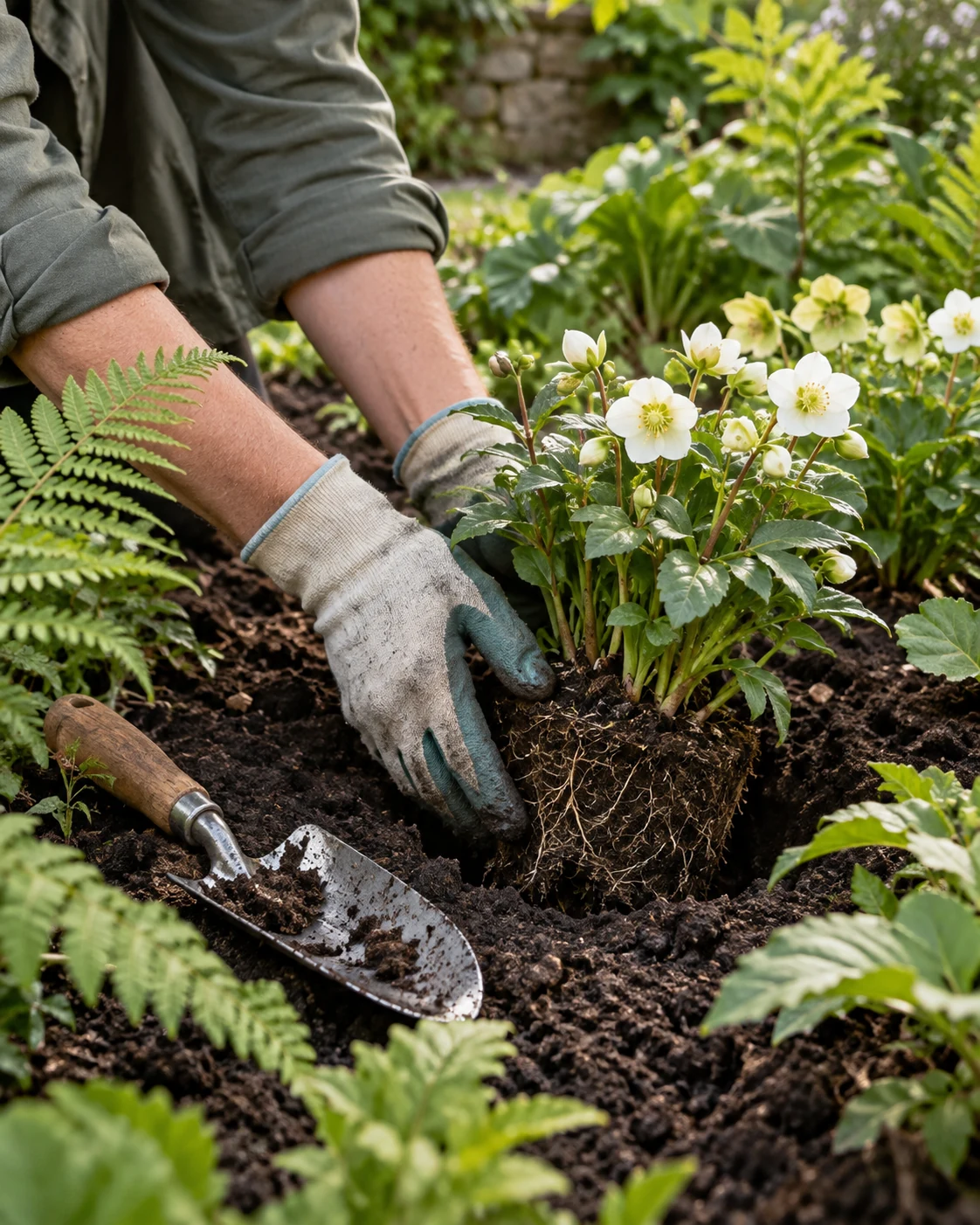
One-off work can prepare a regular routine
If growth has gone beyond ordinary upkeep, use a first appointment to establish a manageable baseline. Garden clearance can be discussed for obstructed paths and dense unwanted vegetation. Mark retained planting and be clear about how much ground preparation you need. Removing visible growth may reveal further work, so allow a decision point instead of assuming every concealed issue is included.
Once the garden is accessible, review the recurring workload. Weekly, fortnightly or monthly visits are possible options, but frequency should follow the tasks and the season. A first appointment is also a chance to spot a layout problem. If a border or path makes routine care persistently awkward, garden design and landscaping may provide a better long-term solution than simply increasing the hours spent working around it.
Seasonal priorities with room for judgement
In spring, preserve emerging shoots while reducing weeds before they overwhelm new growth. Identify shrubs before pruning and make a note of what flowers when. Summer attention may concentrate on containers, young planting and keeping usable areas open, with mowing adapted to the grass’s condition. A scheduled visit should not encourage a severe cut on a stressed lawn just because mowing was on the original list.
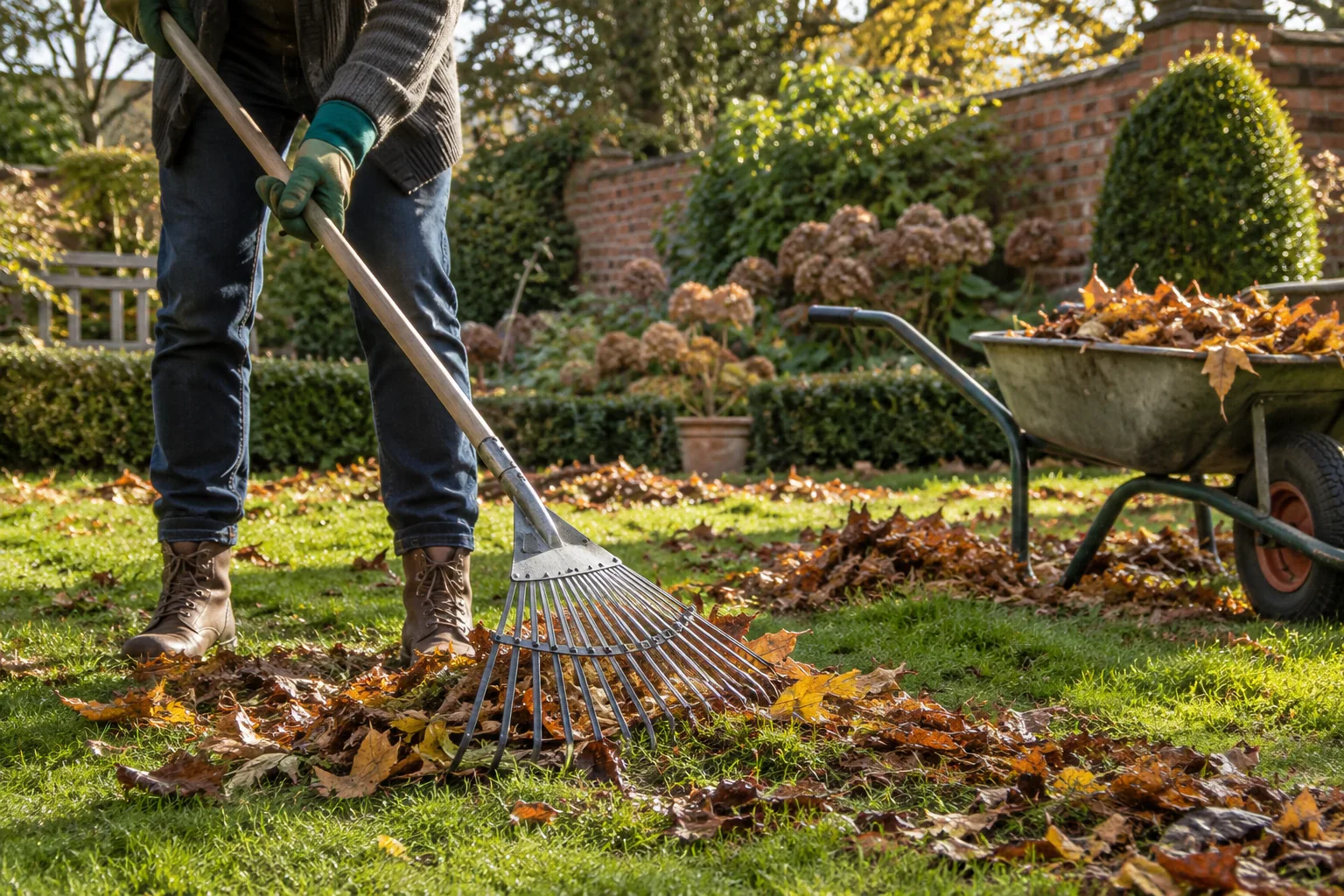
Autumn gives you a chance to decide where leaves should be collected and where selected stems can remain. Keep the main paths usable while avoiding an unnecessary purge of every plant remnant. In winter, soft ground may limit what can sensibly be done in beds or on turf. Keep alternative priorities available and accept that a careful pause can be preferable to leaving compacted soil and deep footprints behind.
Prices, waste and preparation
The published gardening arrangement is two gardeners with tools, equipment and bags. Rates are £79 for the first hour and £65 for each subsequent actual hour, with up to 120 litres of green waste removal included. Check the price page and confirm availability, address and any applicable extra charges, including congestion-related charges if relevant. Additional waste removal needs an explicit agreement.
Before arrival, explain parking, access, locks and any shared route. Mark plants to keep, remove pet waste and small loose objects, and identify irrigation or cables. Agree a suitable place for bags and decide who can answer questions during the visit. If you will be out, leave instructions through the agreed channel and confirm how the property should be secured, rather than relying on a note behind a locked door.
Questions about gardening in Isleworth
Need to discuss your own garden or property? Call with photographs and your postcode.
Ask about your visitHow often should I book maintenance?
Start with the growth rate, the tasks you cannot do and the standard you want to maintain. A fortnightly lawn visit may suit one garden while another needs a different rhythm. Review the arrangement after the first few visits and through seasonal changes instead of treating the initial interval as permanent.
Can I provide a list for each appointment?
Yes, a short ordered list is useful. Keep it achievable and flag changes since the previous visit, such as a plant you now wish to retain. If the list grows substantially, discuss the likely time before the day rather than assuming extra work fits automatically.
Can you work in a garden shared by two flats?
Explain who has authority to arrange the work, which beds are included and what access agreements apply. Conflicting instructions should be resolved beforehand. Label private planting if necessary so the gardeners do not have to decide which resident’s preference takes precedence during the appointment.
Will pruning make every shrub smaller safely?
The plant and the desired reduction need assessment. Some shrubs tolerate renovation better than others, and timing matters. Send identifiable photographs and explain your goal. A gradual plan or replacement discussion may be more appropriate than cutting every plant hard in a single visit.
Can I keep fallen leaves for compost?
Discuss a suitable place and the material involved before collection starts. Retaining leaves can avoid unnecessary removal, but piles should not obstruct routes or overwhelm small compost facilities. Decide which leaves you want gathered and where they should be stored so the result is practical.
Is extra planting included automatically?
Planting needs a clear scope and the right materials arranged in advance. Supply an exact list if you are providing plants and explain the site conditions. Ongoing watering must also be planned; putting plants in the ground is only the beginning of their establishment.
What happens if the grass is too wet to mow?
The work should respond to actual conditions. Agree whether another priority can be tackled, or discuss rescheduling where needed. Forcing equipment across soft turf can leave damage, so an appointment should not be judged solely by whether the original mowing instruction was carried out.
Are neighbouring areas covered too?
The approved list includes Brentford, Twickenham, Richmond and Chiswick. Check the coverage directory and confirm the exact postcode, service and availability directly. A nearby page is a useful starting point rather than a reserved appointment.
Put an Isleworth gardening routine in place
Call 020 3746 2449 with the garden’s photographs, access arrangements and the tasks you want help keeping up with. Explain your own contribution and the result that matters most. Together those details support a realistic first visit and a continuing routine that is clear enough to maintain as the garden changes.
Call 020 3746 2449Gardening nearby.
View all 60 coverage areas ↗Isleworth on the map.
Approximate area centre for orientation. Call to confirm availability for your exact postcode.