
Gardeners
Edmonton
Recover access, manage grass and keep useful planting in an Edmonton garden. Plan routine care or a staged clean-up with clear information about ownership, tree checks, the carrying route and how cuttings will be handled.
- Open the route to sheds and storage
- Keep valued plants during recovery
- Agree bulky cuttings before work
Start with access, then work outwards
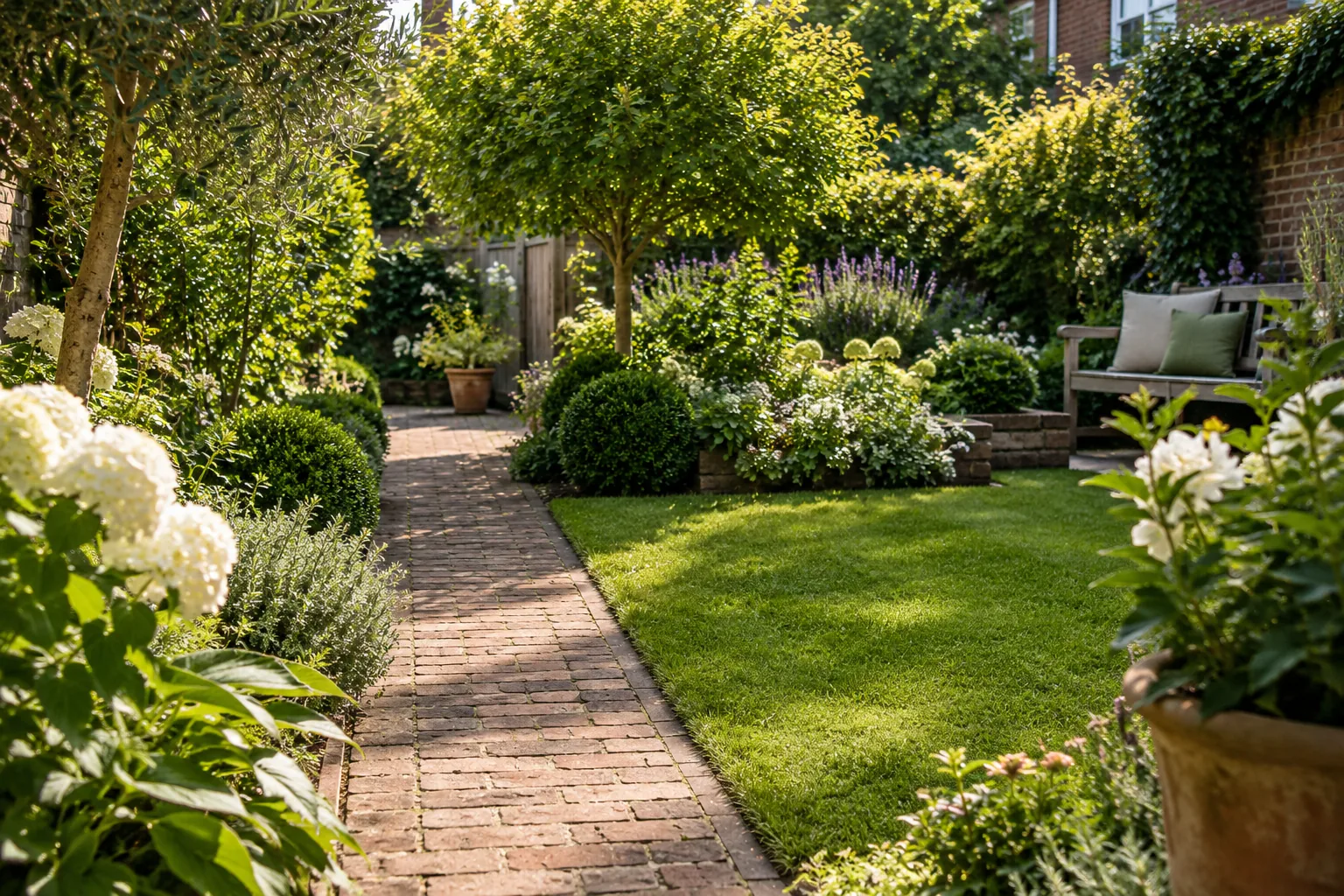
A useful Edmonton gardening visit begins with a clear route through the space. If grass obscures a stepping stone, a hedge catches the washing line or brambles block the shed, put those practical problems ahead of cosmetic tidying. Go Gardeners can discuss a one-off recovery visit or ongoing care once the garden is manageable. Send photographs showing the full length of the garden and its entrance, then explain what you want to reach, keep and use. An estimate should follow the work visible at your property, rather than assumptions about the size or condition of gardens in Edmonton.
For an overgrown garden, opening the working route often makes the rest of the job more efficient. Identify the back door, gate, bins and shed before cutting starts. Long vegetation may hide pots, loose wire or broken edging, so a clearance should proceed carefully rather than treating the whole space as a blank canvas. Mark a route that can remain available while bags and tools are moved.
Once access is restored, separate recoverable planting from growth you want removed. A neglected border may still contain bulbs, roses or useful shrubs. The garden clean-up service is a sensible conversation when growth prevents normal upkeep. Explain whether your goal is simply to reopen the garden or to prepare particular beds for later planting; these are different amounts of work.
Gardening tasks that can share a visit
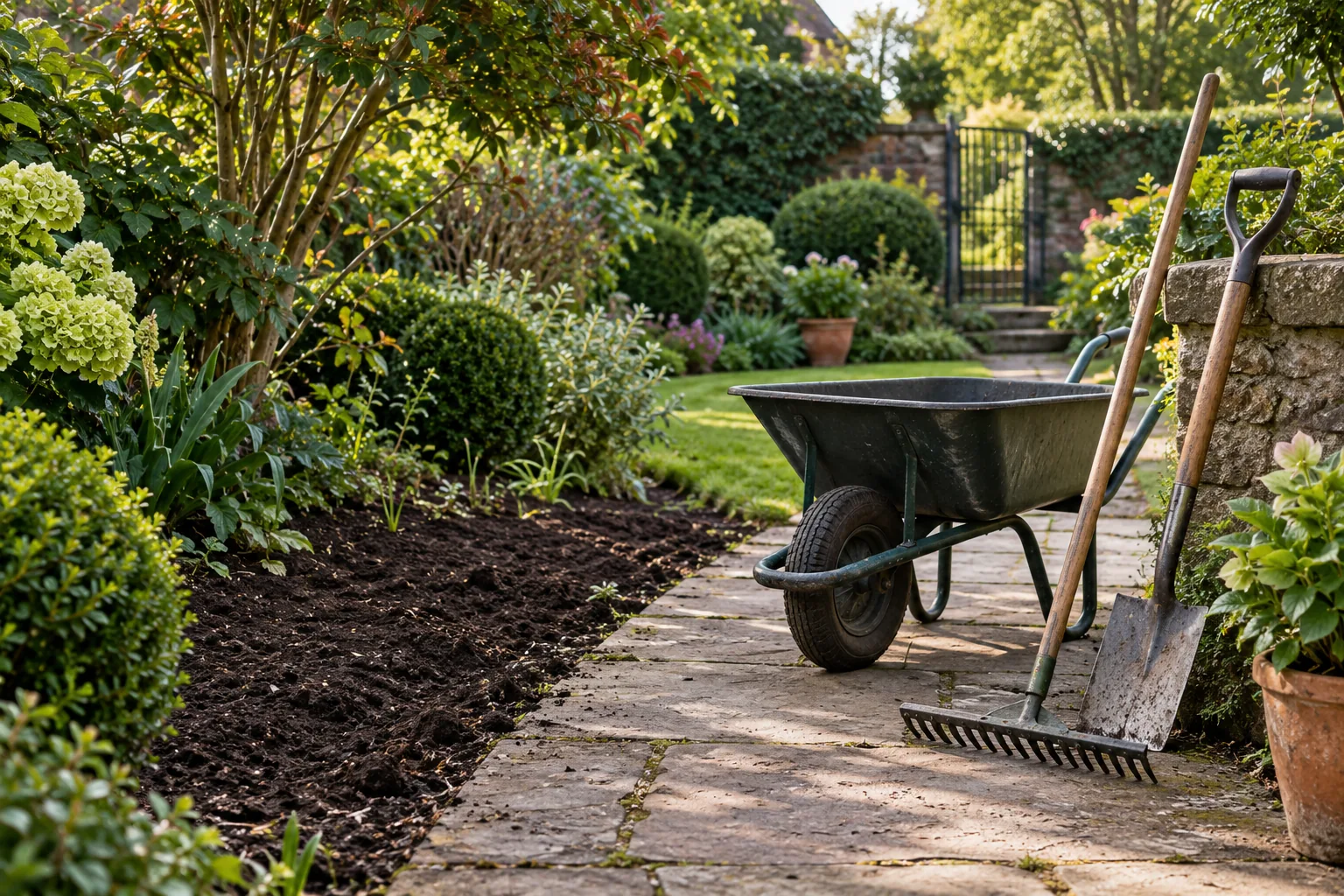
Mowing, edging, hand weeding, light shrub work and collecting suitable cuttings can be combined within garden maintenance. Prioritise a short list rather than assuming every task can be completed in a fixed slot. If the front entrance matters most, say so even when the rear garden looks more dramatic in photographs. Routine work should serve the way the household actually uses the property.
Some tasks need a separate assessment. A tall tree, substantial woody reduction or branches over a building belong in a tree surgery enquiry. Replacing a broken path, changing levels and rebuilding a retaining edge are not ordinary tidying. For an altered layout, use garden design and landscaping to discuss the project before buying materials or clearing features that might be retained.
Assess the lawn before choosing a treatment
Grass that has become long should not automatically be cut down to a very short finish in one pass. Show its height and note how long it has been left. Wet, flattened growth and hidden debris can affect the method and time. Keep a chosen wildlife strip clearly marked, and point out any spring bulbs growing through the turf so their foliage is not removed too early.
For recurring bare patches, gather more evidence before ordering seed. Is the problem beside a heavily used gate, under a canopy or in a place that stays wet? Lawn care can consider mowing and recovery work, but no treatment can guarantee success while a cause such as repeated trampling remains. Move a temporary play item or vary a walking route if that is feasible for your household.
Local checks for trees and ownership
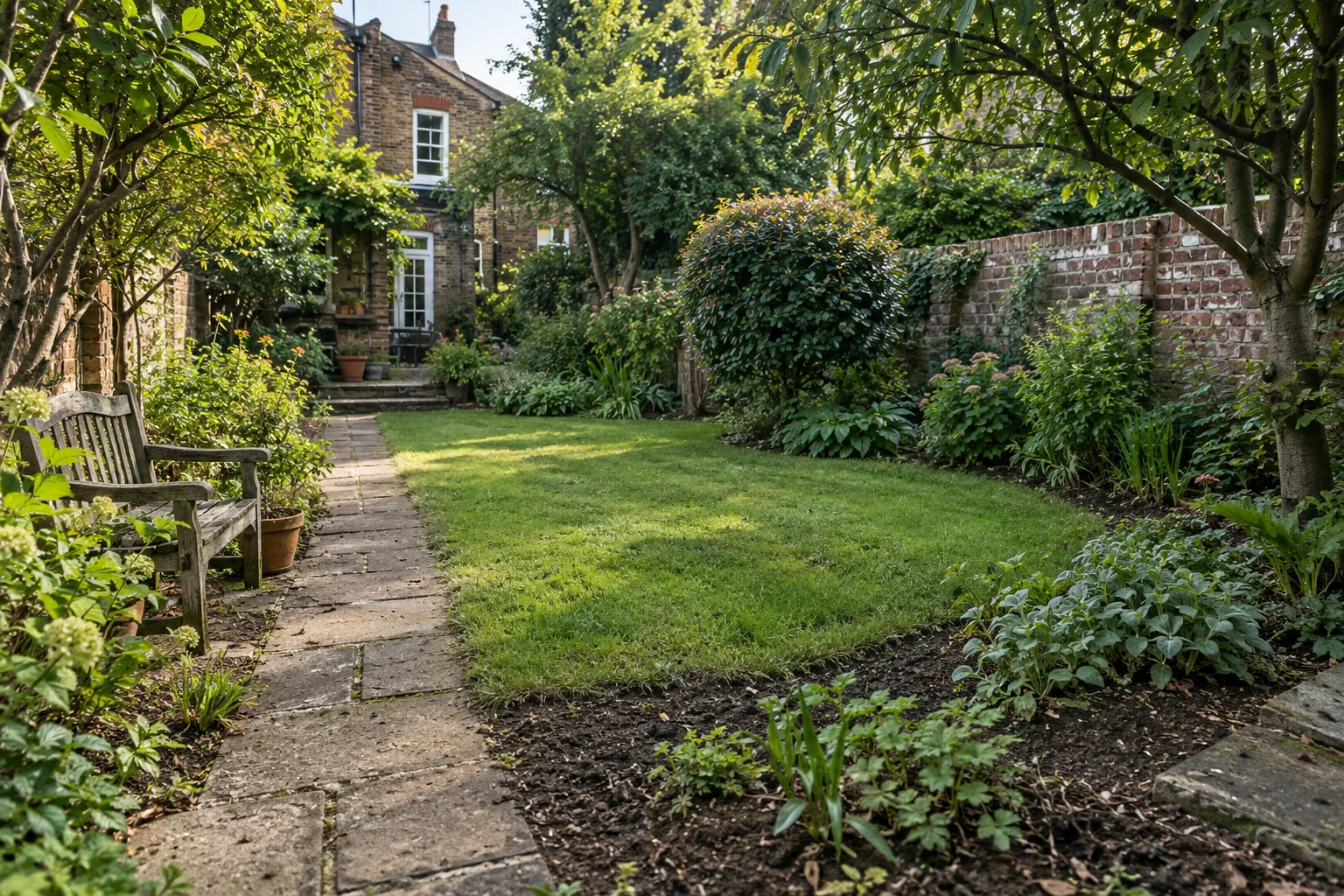
Enfield Council’s tree information distinguishes public trees from those on private land. Its property mapping tools include conservation areas and tree preservation orders. Check the actual address and tree before agreeing pruning or removal; an Edmonton address alone does not settle protection.
Ownership matters even where branches reach your garden. Identify the trunk’s location and obtain the necessary authority for the proposed work. Do not ask a maintenance visit to resolve a boundary disagreement or to prune a council tree. Take clear photographs and keep any written permission with the booking information. If you rent, check your tenancy responsibilities and obtain approval before substantial changes to established planting.
A realistic rhythm for regular care
Regular appointments are useful when routine growth repeatedly gets ahead of you. Weekly, fortnightly or monthly arrangements can be discussed, with the interval based on grass growth, planted area and what you can do between visits. A simple garden with a small lawn does not need the same plan as densely planted borders. Review the list after the first visit, when the working time is easier to judge.
A one-off appointment works better for a defined milestone: recovering a path, reducing an agreed hedge or preparing the garden for a family gathering. Leave room for discoveries beneath growth. A concealed damaged surface or unexpected amount of waste may change what is sensible that day. Extra time depends on scheduling; a second appointment may be needed instead of an unplanned extension.
Seasonal work should follow the garden
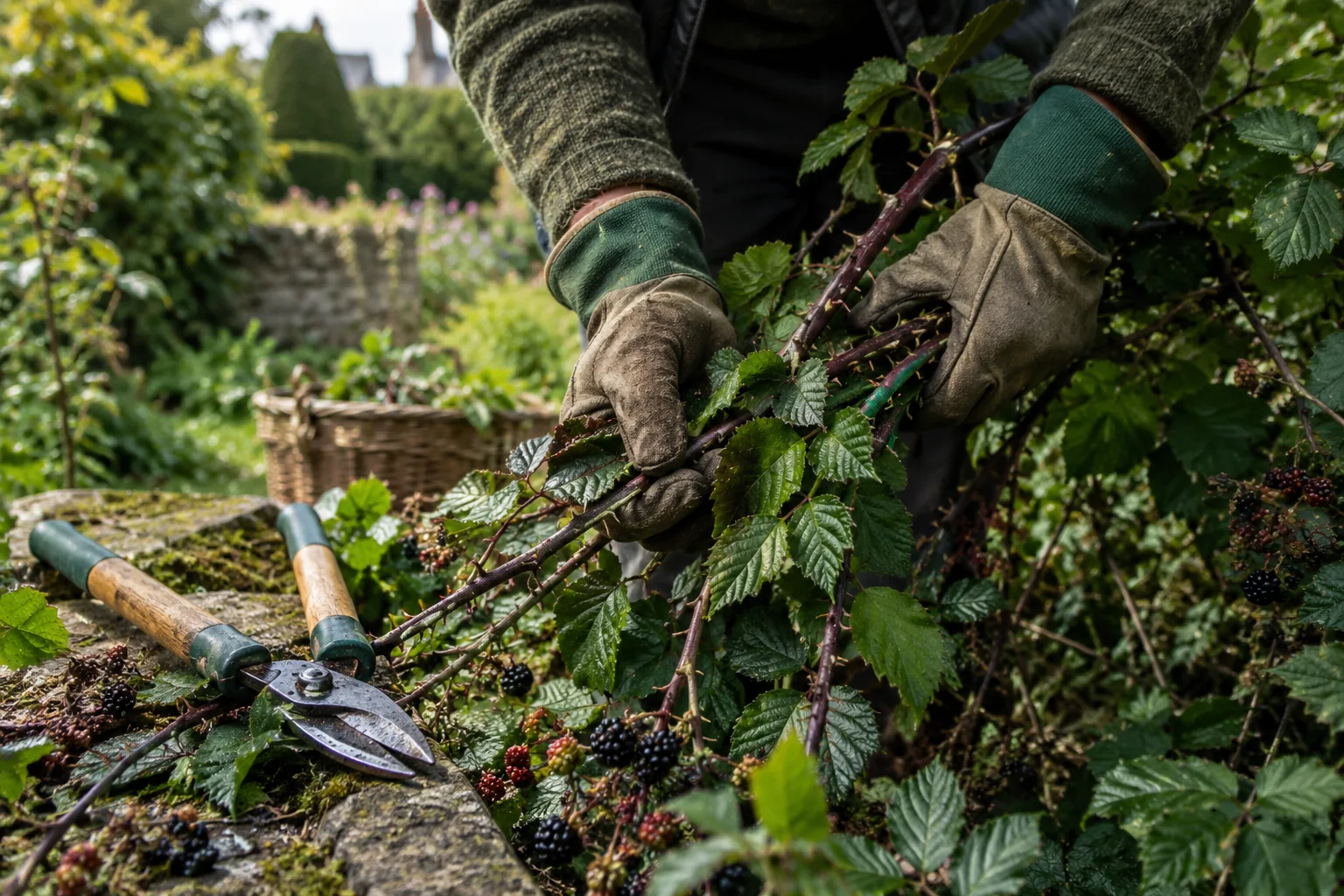
Spring tidying needs care around emerging shoots. Remove obvious weeds while the roots are small, but ask before pulling unidentified growth. In summer, combine deadheading with checks on new plants and containers. Watering is still a household responsibility between visits unless a specific arrangement is agreed; an occasional gardening appointment cannot compensate for a small pot drying out repeatedly during hot weather.
Autumn is useful for collecting leaves from paths and grass while retaining selected seedheads and habitat. Winter work should avoid churning saturated ground simply to satisfy a calendar. Hedge and shrub work requires a check for active bird nests whenever it is proposed, including outside the usual spring and summer period. Defer affected work; there is no reliable month that removes the need to look.
Ground conditions need observation
Do not buy soil improvers on the assumption that every local garden has the same soil. Note where a fork goes in easily, where water pools and where the surface becomes hard. A photograph taken after rain can be more informative than a dry summer overview. Mention recent building work, rubble encountered while planting or ground that has been repeatedly driven over, as these can affect cultivation.
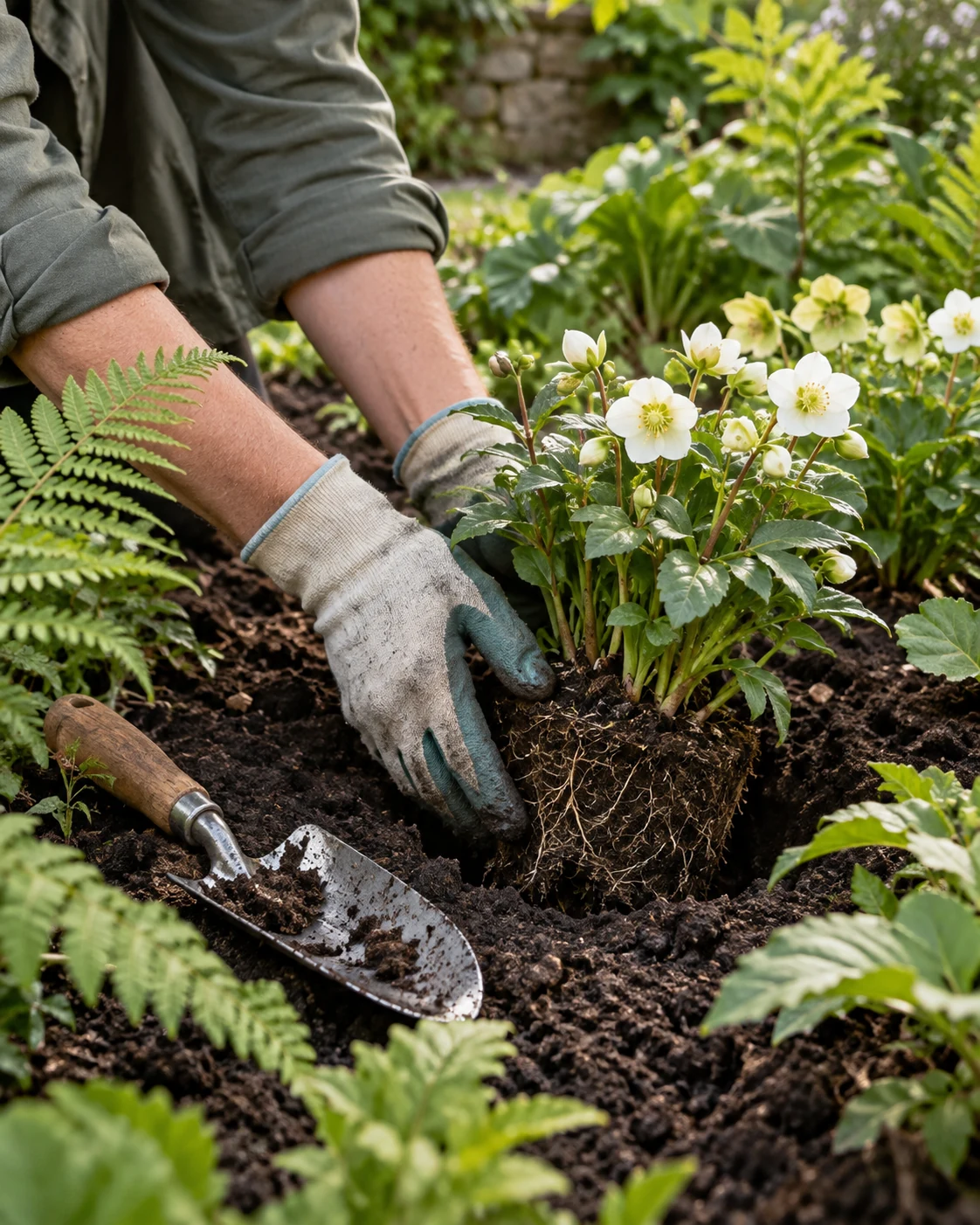
Start improvement on one manageable bed. Remove persistent weeds properly, protect roots you intend to retain and choose planting for the observed light and moisture. Mulch is useful only after the underlying task is understood; it should not hide plastic, bury stems or cover a drainage problem. If standing water threatens the building or needs a structural remedy, seek the appropriate assessment rather than expecting weeding to cure it.
Preparation and the booking process
Provide the postcode, wide photographs, a close-up of difficult growth and an image of the entrance. Describe steps, narrow gates and any route through the house. Confirm parking arrangements and permissions for shared passages. Then agree the priority order, approximate time and handling of cuttings. Tools, equipment and bags are supplied for the published gardening arrangement, but a workable carrying route is still needed.
Before arrival, remove pet waste and light loose objects where you can safely do so. Mark keepers, tell the gardeners about hidden cables and make sure the route is unlocked. Keep children and animals outside the working area. If you will be absent, leave clear instructions about entry and securing the property, with a way to contact you if a choice arises that cannot sensibly be made from photographs.
What affects an Edmonton gardening price?
Published maintenance, lawn care and clearance pricing starts at £79 for the first hour, then £65 for each subsequent actual hour on site. The stated arrangement is two gardeners with tools and bags, including up to 120 litres of green waste. Confirm additional removal before it is undertaken. Check the live prices page when booking because the relevant service and postcode need to be confirmed.
Time depends on cutting height, the density of weeds, carrying distance and the finish requested. Bagging a large volume can take longer than the cutting itself. Area availability and congestion charges can apply. Tree surgery, landscaping and jet washing have different pricing arrangements, so do not multiply the gardening hourly figure across a mixed project. Ask for an itemised scope when several services are being considered.
Edmonton gardening questions
Need to discuss your own garden or property? Call with photographs and your postcode.
Ask about your visitCan a first visit focus only on the route to my shed?
Yes, explain that access is the required outcome and show the route from both ends. Identify plants that must remain beside it. Making a safe, usable path is a clearer scope than asking for the entire rear garden to be finished within an unspecified budget.
Should I cut long grass before sending photographs?
Leave it visible if mowing is part of the enquiry. Current photographs help estimate the work accurately. You can remove loose toys and obvious litter where safe, but avoid walking into growth that may conceal sharp objects or an uneven surface just to improve the photograph.
Can a rented garden be cleared completely?
Agree removal with the property owner where required. Routine upkeep and removing established shrubs are different decisions. Send a list or marked photograph of the plants to keep, particularly if you have recently moved in and do not yet know what will emerge through the season.
What happens if the green waste exceeds the allowance?
Discuss extra removal or an appropriate on-site option before the work proceeds. The included 120 litres is a volume allowance, not a promise to take unlimited bags. Dense hedge clippings and brambles can quickly make waste handling a significant part of a recovery visit.
Can you promise the lawn will recover after one cut?
No single mowing visit can establish why grass has thinned or how it will recover. It may need time, a change in use or separate improvement work. Share the history of the patch, especially if it repeatedly fails after reseeding or remains wet for long periods.
Do I need to supply gardening tools?
The standard gardening arrangement supplies equipment and bags. Tell the booking team if the route is unusually narrow or a tool cannot pass through a door. Supplied tools do not remove the need to agree suitable access, parking and the space available for working safely.
Can you work around a hedge used by birds?
Mention activity at enquiry stage and check again before cutting. An active nest can mean postponing the affected part while other agreed tasks continue. Tidying elsewhere in the garden may still be possible, but the working method must avoid disturbing the nesting area.
Which nearby areas are listed?
Enfield, Tottenham and Palmers Green appear in the approved area directory alongside Edmonton. Use the coverage guide to find the relevant page, then confirm the exact address and requested service directly. Directory inclusion does not guarantee an immediate appointment on your preferred date.
Arrange the Edmonton work in priority order
Call 020 3746 2449 with your postcode and describe the first thing you want to use again. Add photographs of the garden and carrying route. Go Gardeners can then discuss the gardening scope, time basis and waste arrangement, with a follow-up plan if recovery is better handled in stages.
Call 020 3746 2449Gardening nearby.
View all 60 coverage areas ↗Edmonton on the map.
Approximate area centre for orientation. Call to confirm availability for your exact postcode.