
Gardeners
Palmers Green
Keep mowing, border care and hedges within a manageable routine. Palmers Green gardening guidance helps distinguish everyday upkeep from staged recovery, with practical preparation, tree-status checks and a clear understanding of time and waste charges.
- Balance front and rear garden tasks
- Identify shrubs before hard pruning
- Build a seasonal upkeep routine
Build a manageable maintenance list
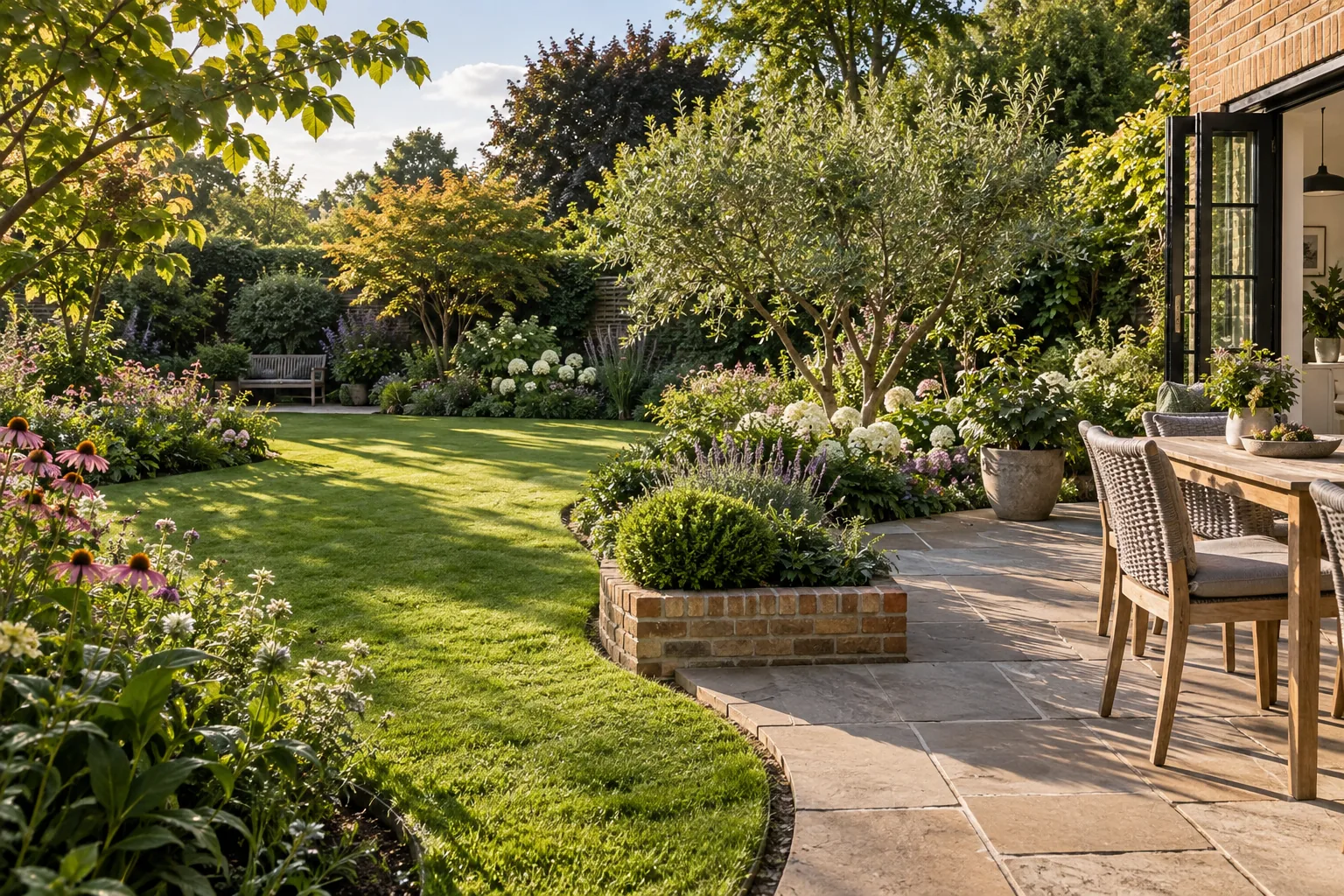
Keeping a garden comfortable to use is often a matter of managing a few recurring jobs before they accumulate. In Palmers Green, Go Gardeners can discuss mowing, border care, hedge work and one-off tidying around the space you actually have. Begin with what has become difficult: a lawn you cannot keep up with, shrubs pushing into the path or weeds spreading through established plants. Photographs and a clear priority list help establish a useful first visit. There is no need to decide on a complete redesign just because ordinary maintenance has fallen behind.
A good list separates essential upkeep from improvements that can wait. Put the main access route, lawn and plants needing timely attention first. Then consider smaller jobs such as redefining edges or removing unwanted seedlings. Garden maintenance can combine several tasks, but their order should reflect the household’s needs. If the front garden is the part you see and use every day, make that preference clear rather than letting the largest area dictate the appointment.
Avoid measuring success only by the quantity cut away. A border can look tidier after careful weeding while retaining flowers and cover. A hedge may need a light shape rather than a hard reduction. Identify valuable plants before work begins, especially where desirable self-seeders grow among weeds. The gardeners need to know what you want preserved as well as what you want removed.
Lawn care begins with its use
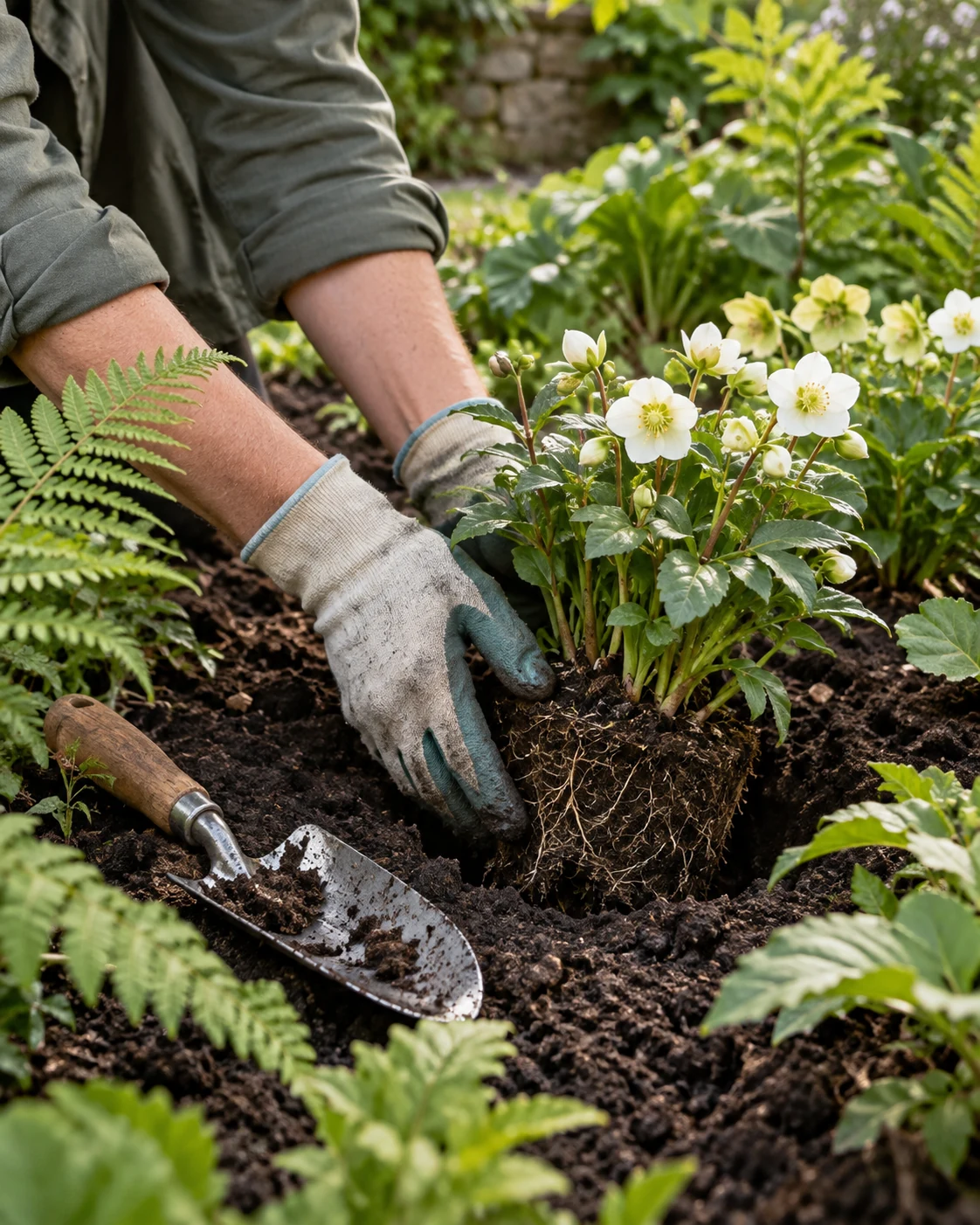
Tell us how the grass is used and when it was last cut. A play area, a route to the shed and an ornamental patch receive different wear. Show long growth from the side as well as above so its depth is visible. The lawn care service can then be discussed with a realistic view of the work rather than a photograph that conceals flattened or wet grass.
Where bare areas return after reseeding, investigate the cause. Shade, traffic and poor drainage need different responses. A short cut is not always kinder to stressed grass; in hot weather it may need a higher cut or a pause. If the lawn is frequently crossed at one point, a separate path may be worth considering. That is a layout decision, not a problem that mowing alone can promise to solve.
Hedges and mixed borders
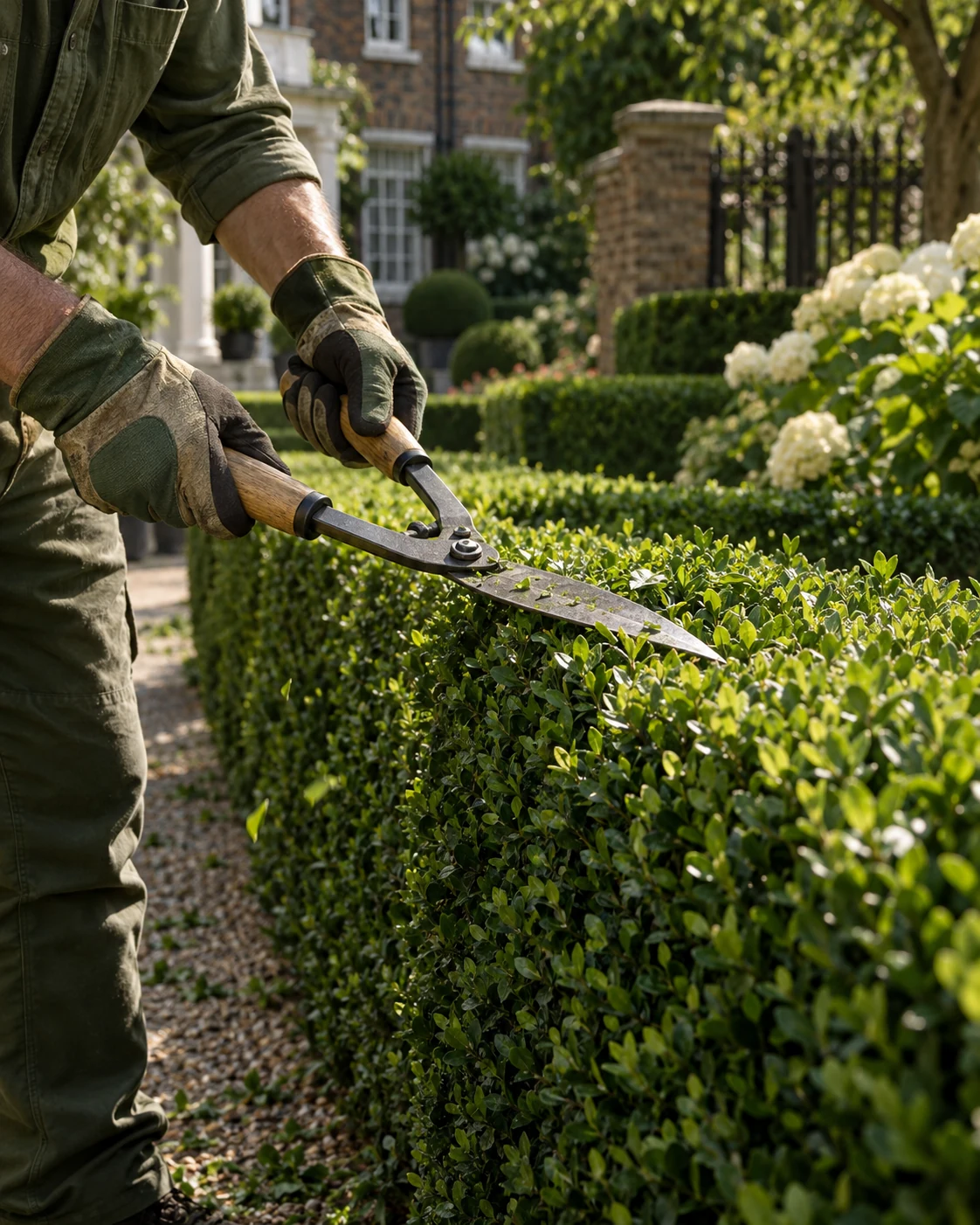
For a hedge enquiry, give its approximate height and length and explain whether both sides can be reached. Note nearby fences, steps and planted beds. A hedge may look straightforward from the front while its rear face is inaccessible. Agree the intended outline before cutting, particularly if the planting provides privacy or is shared with another property. Do not rely on a vague instruction to “take it right back”.
Mixed borders need plant-specific decisions. Not every woody plant tolerates hard pruning, and flowering time matters. Check dense growth for active bird nests before work at any time of year; affected tasks may need to wait while other jobs proceed. High or substantial branches should be assessed through tree surgery rather than added to an ordinary gardening list without a safe plan.
Local protection checks in Palmers Green
Enfield’s find-my-nearest service includes tree preservation orders and conservation areas. Check the actual property before agreeing tree work. The council’s tree guidance also helps distinguish council-managed trees from private responsibilities. A garden’s location in Palmers Green does not establish the status of each tree.
Keep written information about known restrictions with the booking details. Where a neighbour owns the tree or access crosses their land, settle permission first. If you rent, distinguish routine care from changes requiring the owner’s approval. A quotation is not evidence that all proposed work is authorised, so unresolved ownership or protection questions should be addressed before a date is agreed for that part of the job.
Recovering overgrown ground in stages
If dense growth hides the lawn edge or makes the shed unreachable, garden clean-up may be the useful first appointment. Start with the route and a clearly defined area. Tell the booking team about old wire, rubble or other hazards you know are present. Do not enter tangled vegetation merely to obtain a better photograph if you cannot see where you are stepping.
After the first opening, decide what the revealed ground needs. Removing top growth does not necessarily remove roots, repair a path or prepare a planting bed. For an entirely different arrangement, discuss garden design and landscaping before buying materials. A staged recovery can preserve worthwhile shrubs and allow informed decisions about the space instead of committing to replacement before its condition is visible.
Through the seasons, adjust the workload
In spring, weed before unwanted plants become established and work carefully around bulbs and new perennial shoots. Summer care may include deadheading and controlling growth beside paths. Newly planted beds and pots need regular moisture checks between gardening appointments. Decide who will do that before adding plants; a fortnightly visit cannot prevent a small pot drying out during a hot spell.
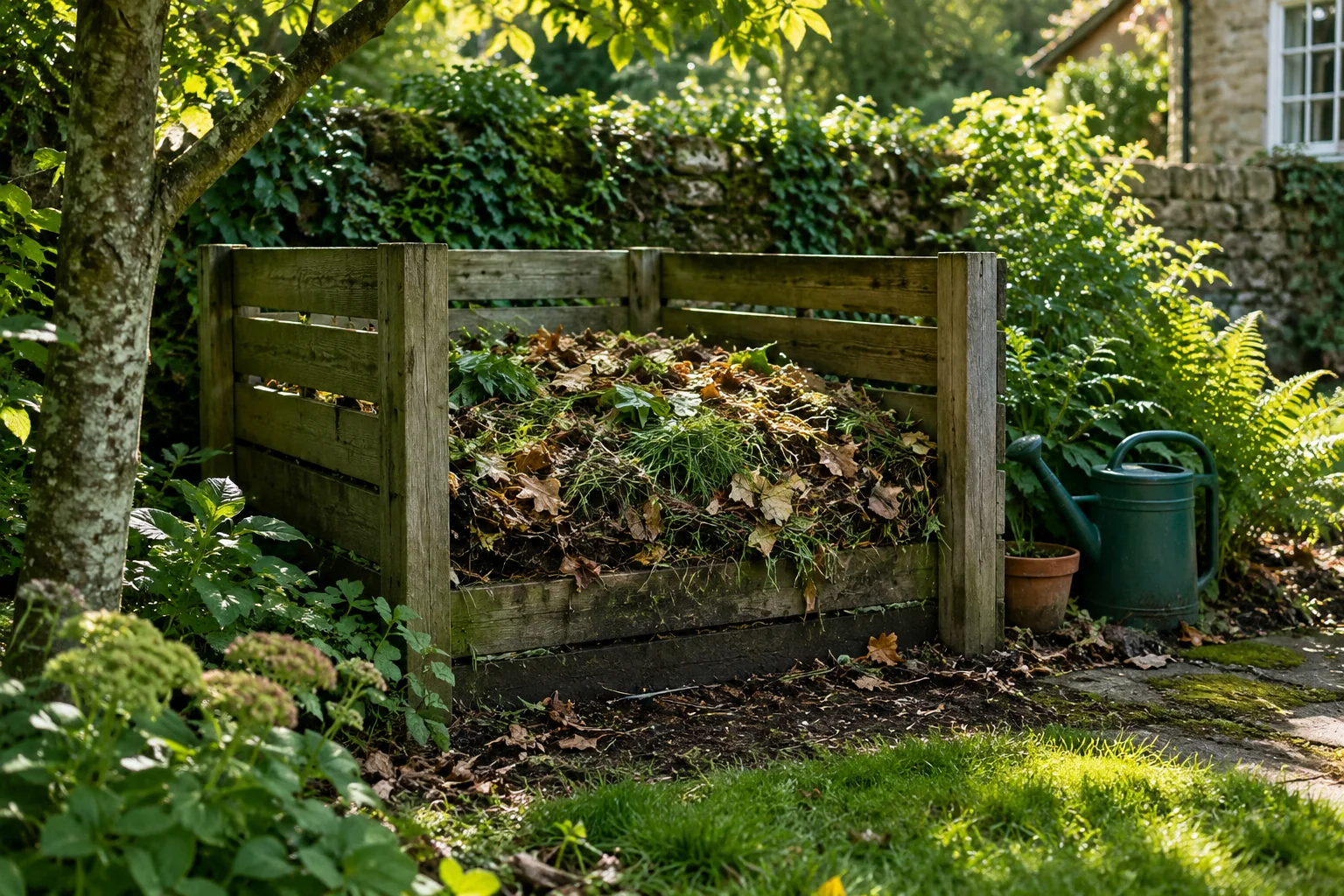
Autumn leaf collection helps keep turf and walking routes usable, while some stems and leaves may remain in suitable planted areas. In winter, avoid excessive traffic on wet or frozen grass. Regular weekly, fortnightly or monthly care can be discussed, but its frequency should change with the tasks and the care you provide yourself. A one-off tidy-up is also useful if you want to resume routine work from a manageable starting point.
Access and preparation for a productive visit
Send the postcode, an overview of the garden and photographs of the gate or route through the house. Mention steps, narrow passages and shared access. Parking arrangements and carrying distance should be understood early because tools and waste need to move safely. If there is an outbuilding at the rear, show the full route rather than only the area closest to the house.
Move lightweight furniture and toys where practical, remove pet waste and identify cables or watering lines. Keep children and animals away from tools and open gates. Mark plants to retain and explain where suitable cuttings may be kept. If you will be out, agree entry and locking instructions directly. Leave a contact method in case the garden reveals a decision that the photographs could not resolve.
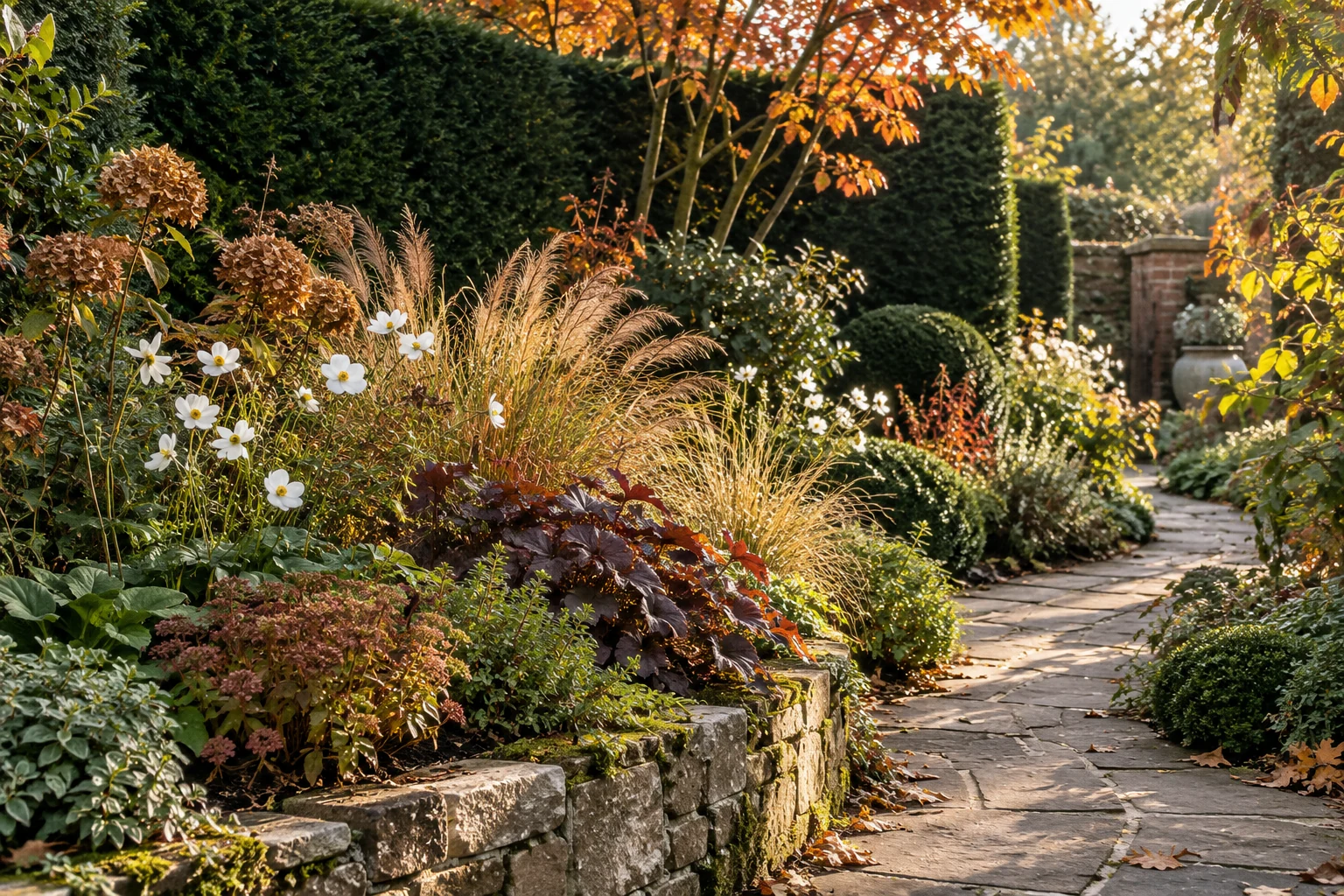
Agree time, waste and price clearly
Published maintenance, lawn care and clearance rates are £79 for the first hour and £65 for subsequent actual hours on site. The gardening arrangement describes two gardeners with equipment and bags, plus up to 120 litres of green waste. Confirm any extra removal. Consult the live price guide and check availability and applicable area or congestion charges with the booking team.
The density of growth, access and desired finish affect time as well as the garden’s area. A hedge can generate more bulky material than expected. Tree work, landscaping and jet washing use different pricing arrangements and need their own scope. If you have a spending limit, say which jobs must happen and which can be left. Any extension also depends on the team’s schedule, so allow for a follow-up where needed.
Palmers Green gardening questions
Need to discuss your own garden or property? Call with photographs and your postcode.
Ask about your visitCan regular care include both front and rear gardens?
Yes, describe each area and say which takes priority. The same visit can address agreed tasks in both, but moving between separate spaces affects time. Include the route to the rear and identify where equipment can pass without relying on an unconfirmed shared entrance.
Should a hedge be reduced as far as possible?
Only after identifying the plant and considering its condition. Some hedges will not recover from a severe cut into old wood. Explain the height and width you want to retain, and keep privacy needs in mind before agreeing a reduction that may take a long time to regrow.
Can I keep the good plants during clearance?
Label them and provide a marked image before the visit. If you are unsure what is present, begin with selective access work and identification. Dense growth can conceal useful plants, so a staged approach is often more informative than an instruction to remove everything immediately.
Why is my grass thin beside the washing line?
Repeated walking may be contributing, but photographs and the site’s conditions are needed to judge it. Note whether the patch stays wet or shaded. Lawn treatment should be chosen after considering use; seed alone may fail again if the same concentrated traffic continues every day.
Is every tree in a conservation area treated the same?
The relevant rules and exceptions need checking for the tree and proposed operation. Use council guidance and provide the exact location. Do not assume a neighbour’s previous work or the tree’s size in a photograph establishes whether consent or notice is required at your property.
Will the gardening team bring bags and tools?
The published gardening arrangement includes them. Give details of restricted gates or steps so equipment access can be considered. You still need to confirm a suitable working route and the waste plan; supplied bags do not mean unlimited green waste removal is included.
What if I want planting added during the visit?
Discuss the plants and materials in advance, including quantities and who will supply them. Show the bed’s light and current planting. A clear shopping and aftercare plan is more reliable than expecting the gardeners to select and source an entire scheme during a routine maintenance appointment.
Which nearby pages are available?
Edmonton, Tottenham, Enfield and Finchley are included in the coverage list. For another property, choose its area and confirm the postcode directly. The directory helps you find information; the requested service, access and available date are still established during booking.
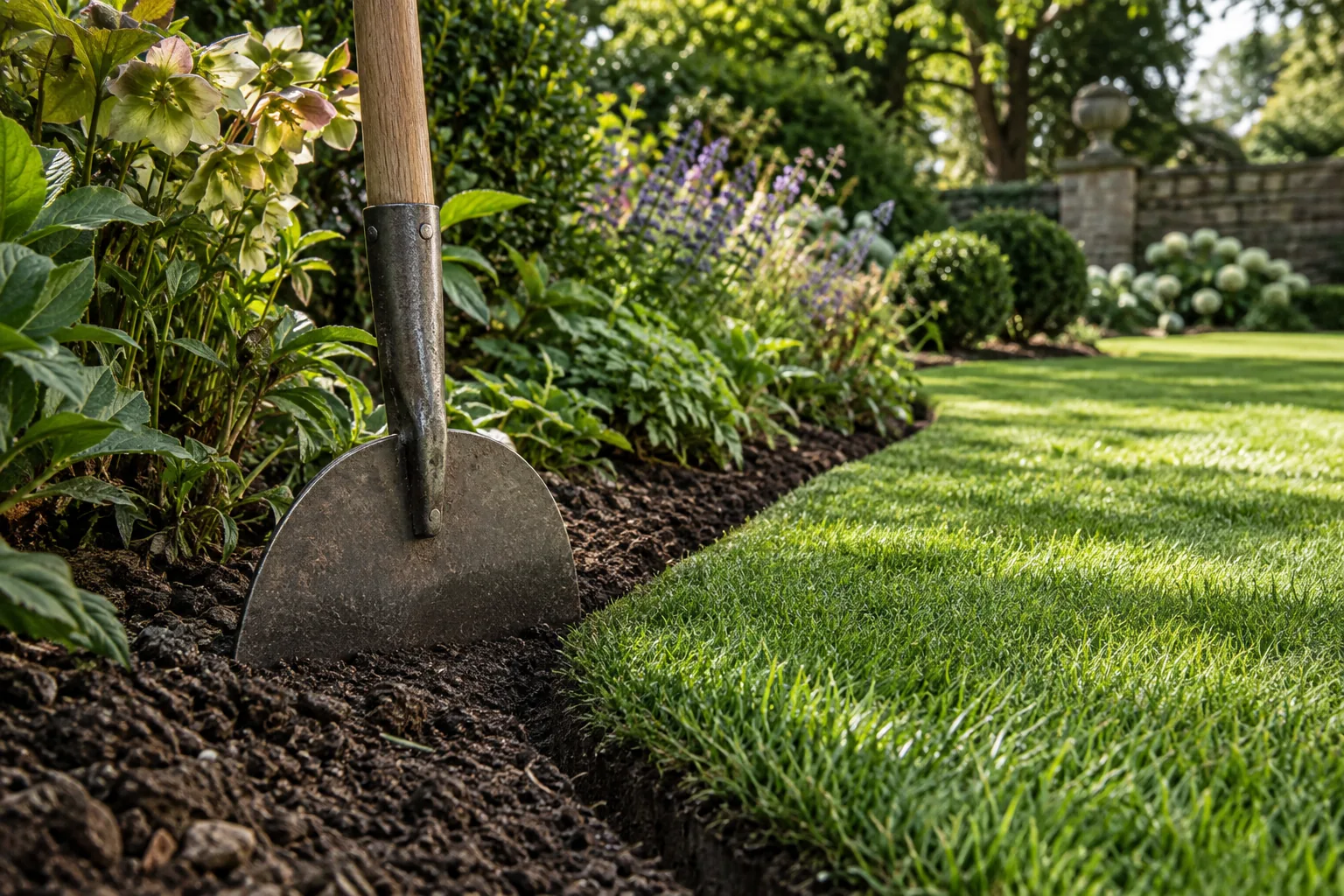
Arrange care for your Palmers Green garden
Call 020 3746 2449 with a few current photographs and the work you most want completed. Mention the access route, retained plants and any tree restrictions. Go Gardeners can then discuss the right first appointment and whether recurring care or a planned follow-up will be more useful.
Call 020 3746 2449Gardening nearby.
View all 60 coverage areas ↗Palmers Green on the map.
Approximate area centre for orientation. Call to confirm availability for your exact postcode.