
Gardeners
Barking
Turn a property handover or general tidy-up into a clear list of gardening outcomes. Barking guidance explains authorisation, retained planting, lawn presentation and mixed-waste limits, helping everyone agree the intended finish before a visit is booked.
- Translate handover notes into tasks
- Keep removal permissions explicit
- Separate garden cuttings from mixed items
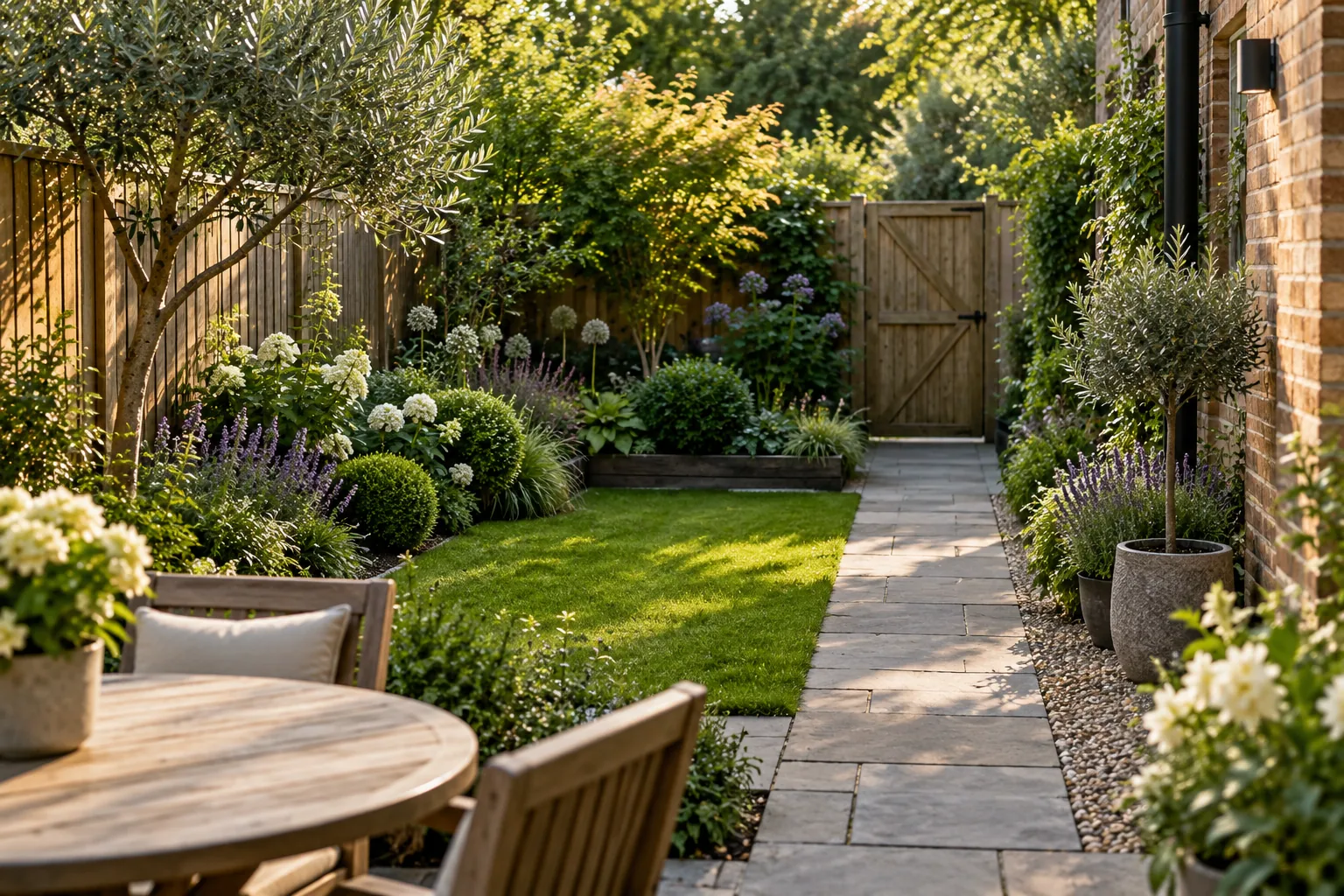
Turn a handover list into specific work
Preparing a garden for a handover needs a clear finish that everyone understands. If you are arranging work at a Barking property before moving, letting it or taking it over, Go Gardeners can discuss the gardening tasks separately from repairs and waste items. Start with current photographs and the written requirements you have been given. A lawn cut, weeded border and clear path can be defined; a vague request for “everything sorted” cannot. The same approach is useful for ordinary care when several people are involved in deciding what the garden should look like.
Identify the areas that need attention and the person entitled to authorise changes. Routine mowing and weeding may be within an occupier’s responsibilities, while removing shrubs or altering beds may need approval. Keep written instructions and mark plants that must remain. If a letting agent or owner has provided a condition list, share the relevant garden details rather than asking the gardeners to infer the required standard from photographs alone.
Garden maintenance can combine suitable mowing, edging, weeding and light pruning. Rank the tasks by their effect on access and presentation. Set a clear first outcome if the available budget will not cover every item. A gardening appointment is not a guarantee of a deposit outcome or a substitute for agreement between the parties responsible for the property.
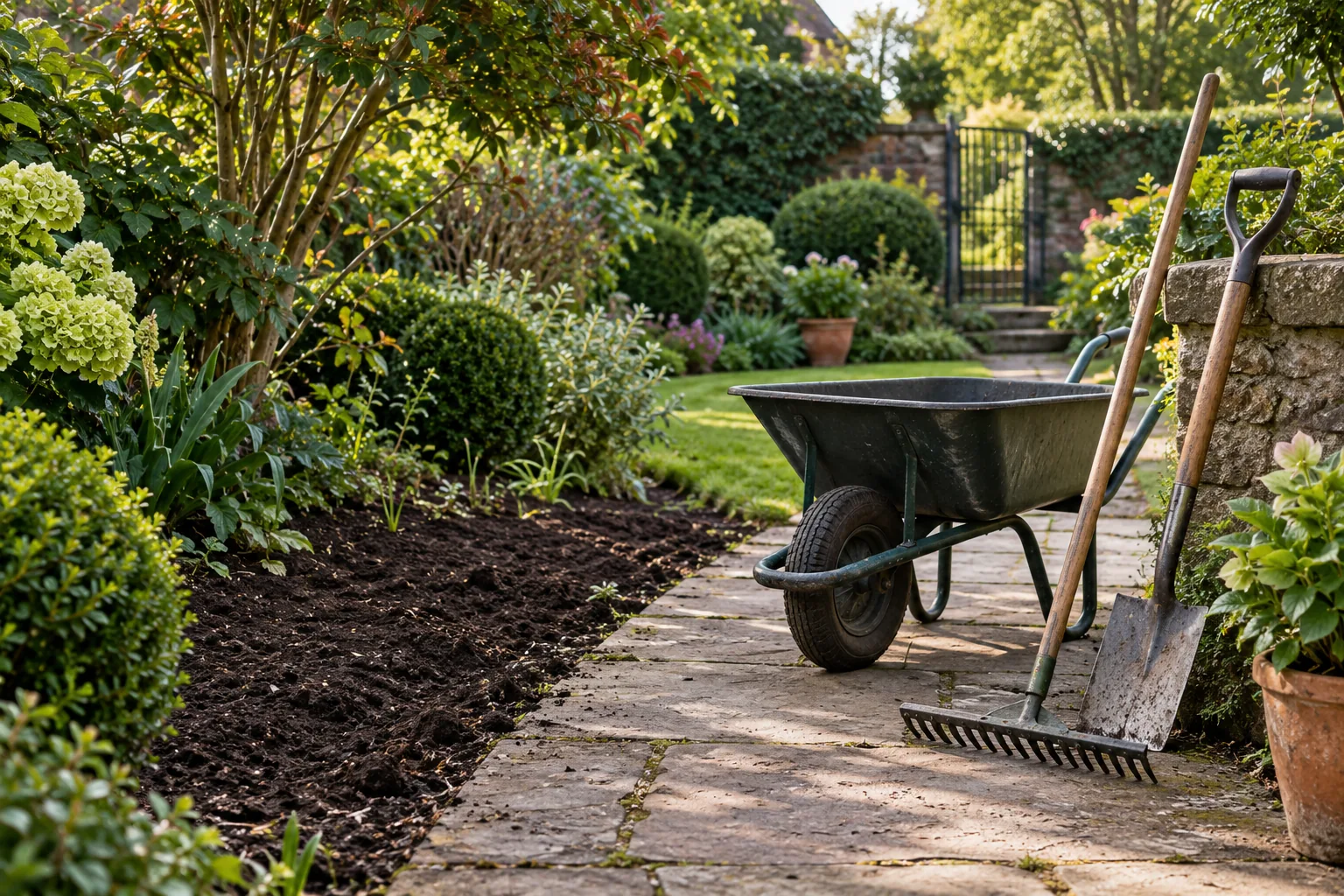
Front approaches and working boundaries
Show the entrance, paths and any vegetation affecting gates or pavement access. A small front garden may require detailed work around pots and established planting. Explain the boundary and what can be reached from within the property. Where work needs access outside your land, suitable permissions and a workable arrangement should be considered before the appointment rather than assumed once tools are unpacked.
For hedges, give height, length and the desired retained outline. Privacy and visibility both matter, but plant identity determines how far reduction is sensible. A severe cut can leave bare wood that does not recover as expected. Inspect for active bird nests throughout the year before cutting, and defer affected work. A deadline for photographs or a handover does not remove the need for those checks.
Recover an inaccessible garden honestly
If long growth hides the ground or blocks entry, ask about garden clean-up with the current condition visible. Do not cut a narrow strip just for the estimate while leaving the rest unexplained. Mention known broken pots, wire or concealed steps, and avoid entering areas where footing is uncertain. The first safe opening may reveal conditions that change the remaining work.
Distinguish top-growth clearance from root removal and preparation. Old furniture, building debris and household rubbish are not automatically covered by green-waste handling. List them separately and request confirmation. A useful clean-up ends with the agreed material dealt with, not with a clear lawn surrounded by unplanned piles. If repairs become visible, decide their next step separately instead of assuming gardening includes structural work.
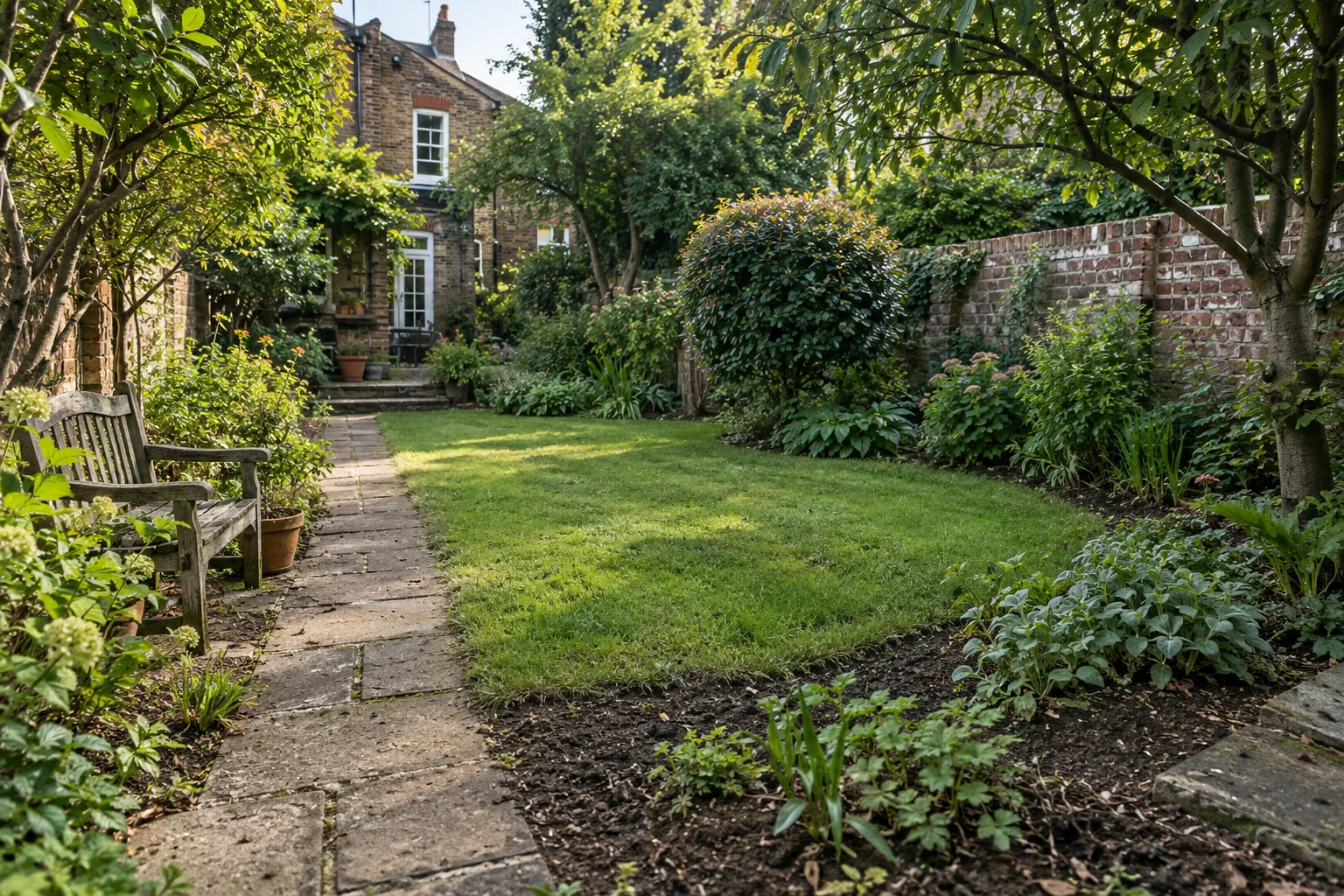
Barking tree information before substantial cutting
Barking and Dagenham’s trees and development guidance provides local context for retaining and protecting trees. Confirm the actual tree’s status with the council before proposed pruning or removal. This check is still needed where a private property is changing occupier or where an owner requests a tidier appearance.
Use tree surgery for substantial branches or high work, with photographs showing the full tree and surrounding structures. Establish ownership and any required consent or notice in advance. A brief saying “cut back all trees” is not a suitable specification. If the concern is a neighbour’s tree, resolve authority and access rather than asking a gardening visit to decide the boundary position or settle the disagreement.
Lawn presentation and its practical limits
For lawn care, show grass length and damaged areas and state when it was last cut. A measured first cut may be appropriate for long growth. Shortening it as far as possible can leave a poor finish or stress the grass, particularly in dry weather. Remove loose objects safely and mark bulbs or areas intentionally left longer before work begins.
If the lawn is patchy, distinguish immediate presentation from recovery. Seed cannot produce an established surface in time for an imminent photograph, and repeated wear can undermine repairs. Share the cause if known: standing furniture, pet use, heavy traffic or wet ground. A realistic scope may improve neatness now while identifying a separate aftercare plan rather than promising instant restoration that the growing process cannot deliver.
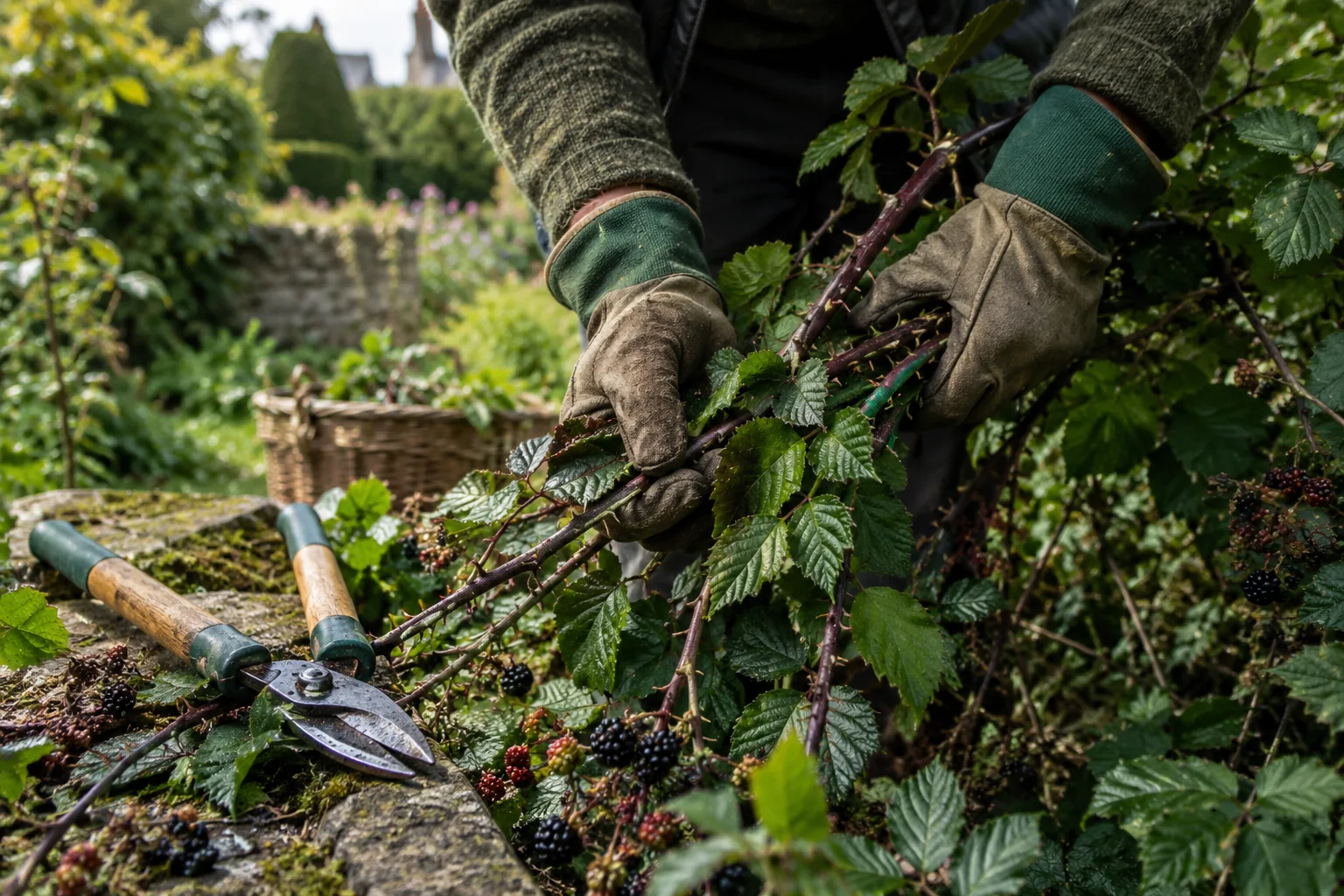
Decide between a reset and regular care
A one-off visit suits a defined handover or recovery list. State the intended date early, allowing for availability and weather. Any extension depends on the team’s schedule; a second appointment may be needed if hidden conditions or the amount of growth exceed the initial scope. Prioritise essential tasks before optional detail so the garden gains a useful result even if not every improvement fits.
Regular weekly, fortnightly or monthly care can be discussed once the property is in routine use. The interval should reflect the planting and what the occupier will do between appointments. Newly planted areas and pots still need moisture checks, especially during warm spells. If the next occupant will be responsible for aftercare, leave a clear understanding of what has been planted or deliberately retained rather than an unexplained arrangement.
Seasonal timing should remain flexible
Spring work needs care around fresh shoots and bulbs. Summer mowing should respond to heat and rainfall, while pruning must suit the species and its flowering habit. Autumn leaf collection can improve access and protect turf, but every planted bed does not automatically need stripping bare. Winter ground may be too soft or frozen for some work even when another task is suitable.
Do not force a whole garden into one seasonal instruction. A shrub that should wait can be left while weeding and path work continue. If a new layout is required after the handover, garden design and landscaping should have a separate scope and preparation plan. Maintenance improves the current garden; changes to surfaces, drainage or levels need their own assessment and cannot be assumed part of tidying.
Booking information, preparation and charges
Send the postcode, priority list and photographs of all work areas, plus the gate, steps and carrying route. Confirm parking and shared-access arrangements. Move light items safely, clear pet waste and identify cables or irrigation. Keep children and animals outside the working space. For an unattended visit, agree key access, locking instructions and the contact authorised to answer questions about unexpected findings.
The published maintenance, clearance and lawn care price is £79 for the first hour and £65 for each subsequent actual hour. Two gardeners, tools and bags are described, including up to 120 litres of green waste. Confirm extra removal and consult the live prices. Area availability and congestion charges can apply. Tree work, landscaping and jet washing use different pricing, while carrying distance and material volume influence the gardening time.
Barking gardening questions
Need to discuss your own garden or property? Call with photographs and your postcode.
Ask about your visitCan you guarantee a landlord will accept the finish?
The work can be scoped against clear instructions, but acceptance is a matter for the relevant parties. Share the condition list and agree specific gardening outcomes before booking. Avoid relying on a general phrase such as “handover standard” when it has not been defined in practical terms.
Should established shrubs be removed before moving out?
Obtain the necessary owner approval before removal. Routine upkeep and changing permanent planting are different actions. Mark anything that must remain and provide written instructions where relevant, so an effort to tidy the garden does not create an avoidable dispute about features expected to stay.
Can you cut long grass immediately before photographs?
State the deadline when enquiring and show the grass as it is. Availability and weather need confirming, and a sensible cut may leave height on stressed or overlong turf. Do not assume the shortest possible finish is achievable or desirable simply because photographs are due.
Does garden clearance include dumped household items?
List and photograph those items separately. Green-waste handling is not an unlimited mixed-rubbish service. Confirm what can be removed and how it will be charged before the visit, including the carrying route, rather than expecting the gardening hourly allowance to cover every object discovered.
What if the rear gate is controlled by another resident?
Agree access with the person responsible before booking. Confirm the key, timing and whether bags and equipment may pass through. A route that is usually open is not a dependable plan unless it will be available for the whole appointment and the property can be secured afterwards.
Can a deadline override nesting activity in a hedge?
No. Active nests need protecting and affected cutting may have to wait. Report any activity you have seen and check before work. Other tasks may be possible elsewhere, but the proposed finish must respond to the conditions rather than treat the deadline as permission to proceed regardless.
Can you leave a maintenance plan for the next occupier?
Discuss the desired information and keep it practical: retained plants, recent work and immediate aftercare. New planting should not be added without someone able to water it. A clear handover of responsibilities is more useful than a complicated plan nobody has agreed to follow.
Which nearby areas can I check?
Dagenham, Ilford, Stratford and Romford are included in the coverage directory. For another property, use its relevant page and confirm the postcode and service directly. Each booking still needs its own scope, available date and access arrangements rather than relying on a neighbouring area’s listing.
Agree the Barking garden finish before booking
Call 020 3746 2449 with current photographs, postcode and the written priorities where available. Explain who authorises the work and any deadline. Go Gardeners can discuss a defined gardening appointment, waste handling and any separate work needed beyond the maintenance or clearance scope.
Call 020 3746 2449Gardening nearby.
View all 60 coverage areas ↗Barking on the map.
Approximate area centre for orientation. Call to confirm availability for your exact postcode.