
Gardeners
Ilford
Reveal worthwhile planting in a crowded border and plan what happens to bare ground. Ilford gardening guidance covers selective weeding, mulching, lawn edges and new-plant aftercare, with local tree checks and clear preparation for an appointment.
- Protect wanted self-seeded flowers
- Choose mulch for a defined purpose
- Plan bare ground after weeding
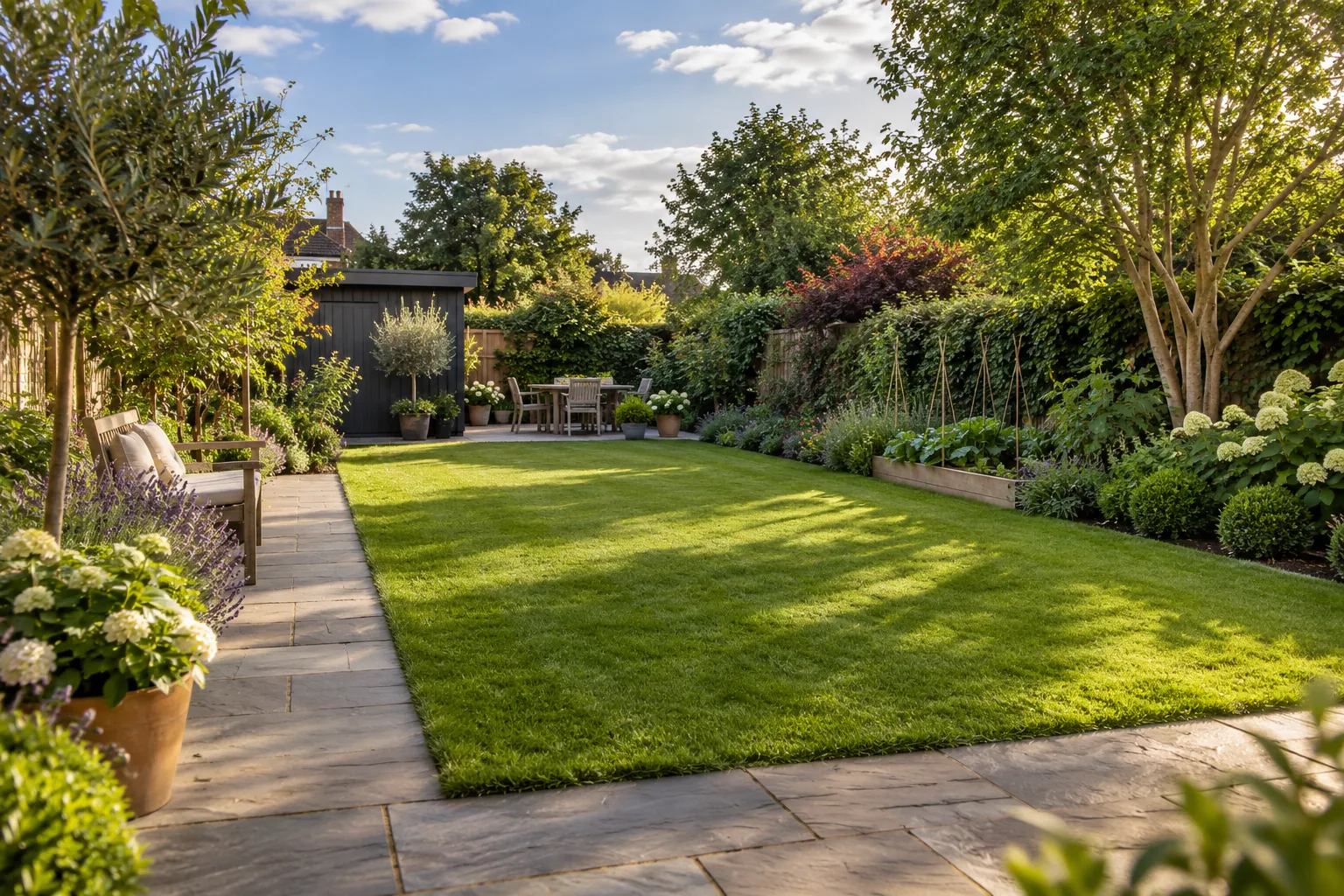
Bring order back to a crowded border
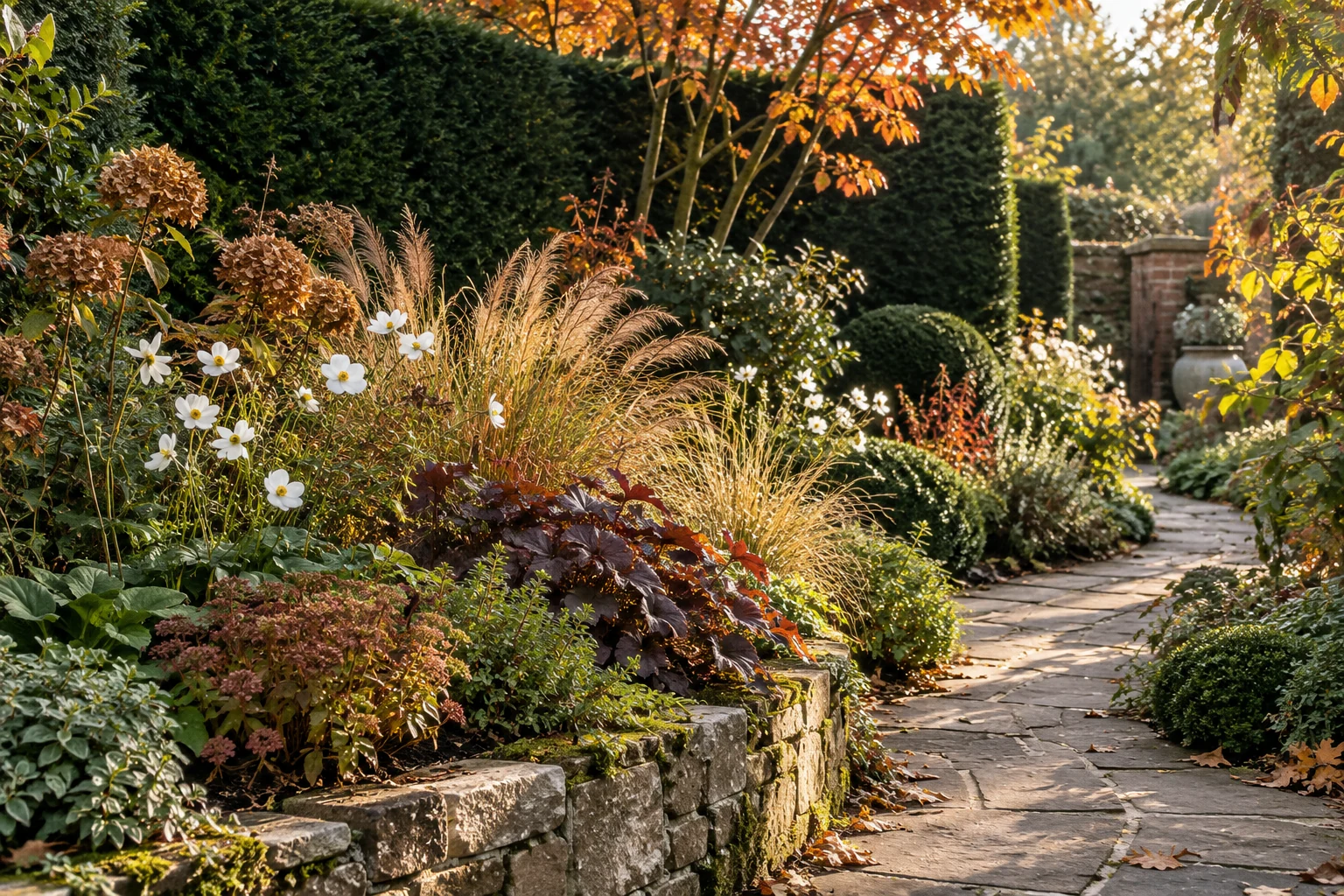
A border can be worth keeping even when its outline has disappeared beneath weeds. For an Ilford garden with established shrubs, perennials or bulbs, begin by deciding what is valuable and what work would reveal it. Go Gardeners can discuss careful maintenance, a seasonal tidy or a more substantial clean-up. The brief should explain the planting you enjoy, the parts that demand too much attention and the care you can provide afterwards. A few labelled photographs can protect a good plant and make an initial visit more useful than an instruction to clear the entire bed.
Start with access for weeding and the relationship between plants and paths. A shrub leaning over the edge may need selective pruning, while a herbaceous plant may need support or division at a suitable time. Treat those as different tasks. Pulling or cutting everything level can remove flowers and established structure without solving the cause of crowding. Identify the plants and the desired result before substantial work begins.
Garden maintenance can combine hand weeding, edging, suitable pruning and other routine jobs. Work on a manageable section if detailed care across the whole garden would exceed the proposed appointment. Mark seedlings and self-seeded flowers you wish to retain. A clean outline is useful, but it should not come at the cost of removing plants simply because they are temporarily small or unfamiliar.
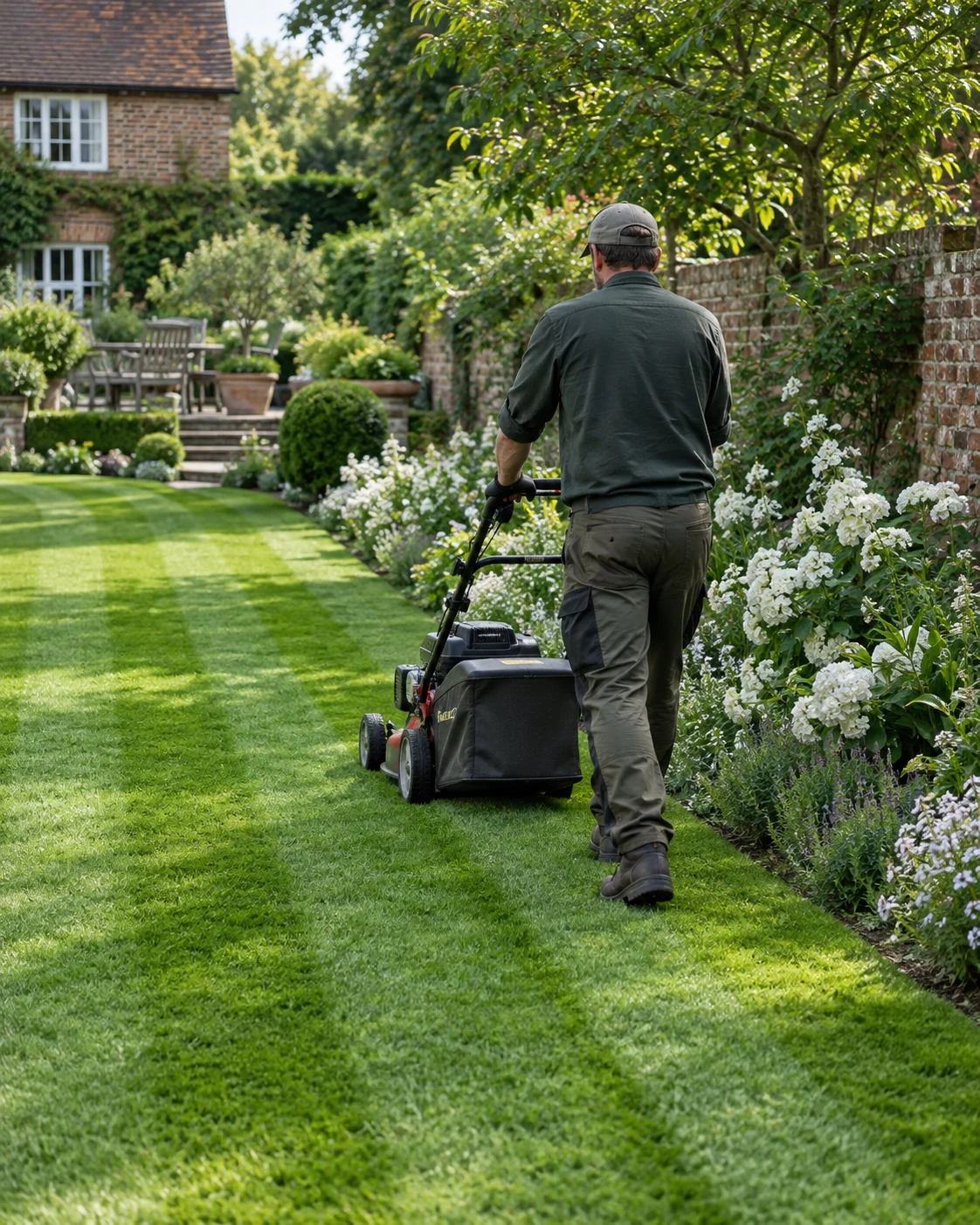
Plan bare ground before adding mulch
Once weeds are reduced, decide how the ground will be occupied. Suitable mulch can help with moisture and weed management, but it should not be used to conceal rubbish or applied without considering existing stems and plants. The RHS mulching guide explains the role of different materials. Agree the material, quantity and preparation before the gardening visit if supply is required.
Mulching is not a permanent promise that weeds will never return. Persistent weeds may need continuing management, and new seeds can arrive. Avoid spreading material over dry, unresolved problems without discussing the purpose. If the border needs a new shape or a different planting scheme, garden design and landscaping can treat it as a separate project with light, moisture and future maintenance considered together.
Decide how much planting you can sustain
Consider who will water new plants and containers while they establish. A garden can look complete on planting day yet become demanding during the following weeks. Match the scheme to the care available, including holidays. Fewer well-chosen plants with room to develop can be more manageable than filling every gap immediately and paying later to correct crowding.
Observe the site rather than assigning one condition to all Ilford gardens. Note sun through the day, where water lingers and where ground dries rapidly. Previous construction or repeated foot traffic may affect one part of a bed differently from another. A photograph after rain and a short record of what already grows well provide useful evidence for choosing the next step.
Local tree and waste information
Redbridge’s tree-protection guidance provides the route to checking tree status and conservation controls. Establish ownership and any required consent or notice before proposed pruning. A tree standing on private land or near a border is not automatically free of restrictions, and its protection should not be inferred from its apparent size alone.
For high or substantial work, request tree surgery with photographs of the whole tree and nearby structures. If you intend to use council collections for retained cuttings, check Redbridge’s garden-waste information rather than assuming every bag or material is accepted. Council collection arrangements and the waste included with a gardening booking are separate matters to confirm.
Lawn edges and the rest of the garden
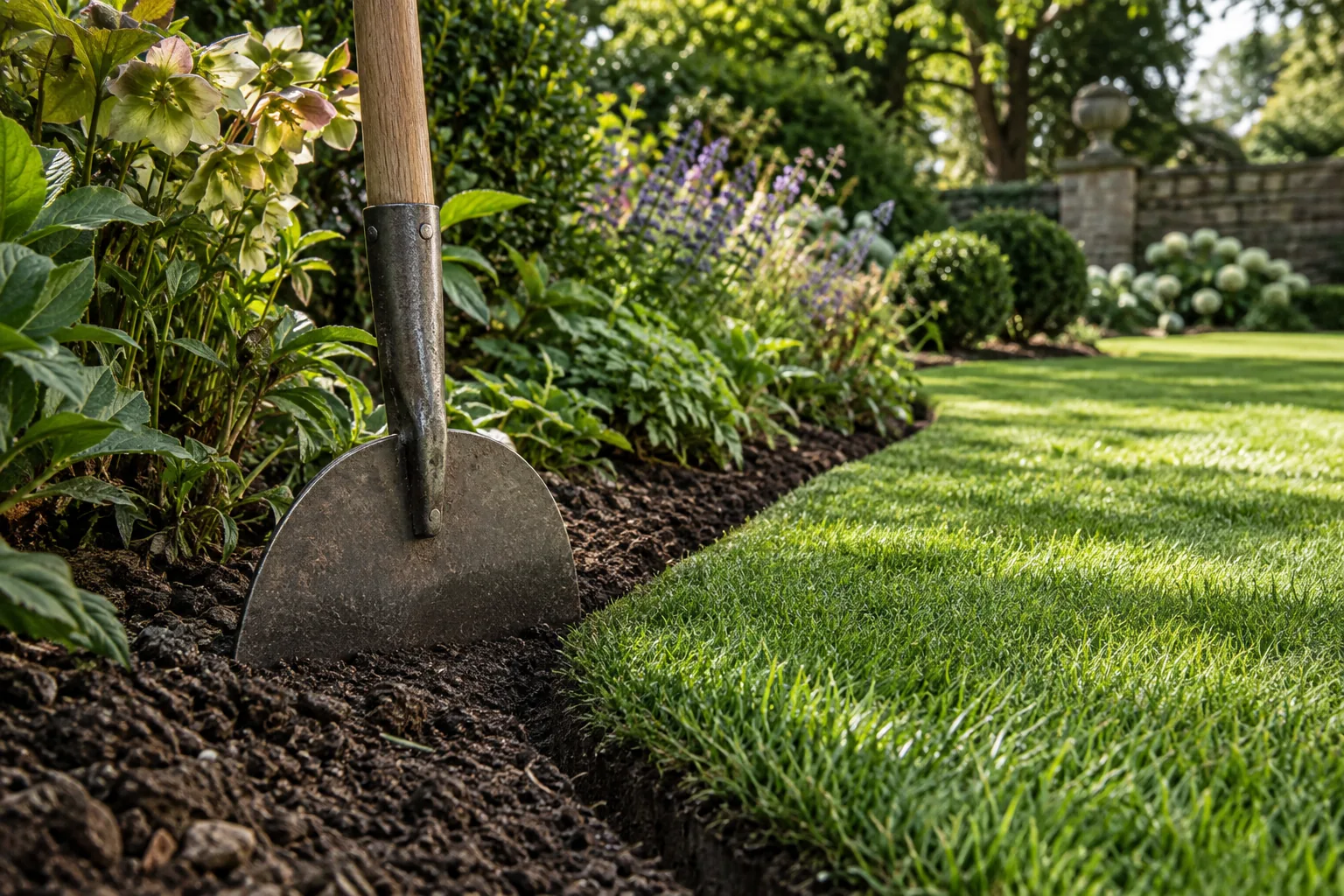
Border care often sits beside mowing and path work. Show the lawn’s length and worn areas when discussing lawn care. A clean edge may improve presentation while a stressed surface needs a higher cut or time to recover. Where a route crosses the grass repeatedly, investigate that use before choosing reseeding or another treatment that may fail again under the same pressure.
For grass beneath shrubs or trees, expectations need to reflect shade and moisture. New turf is not automatically a solution to the same difficult conditions. Keep bulbs and intentional long areas marked so they are not cut as if they were ordinary lawn. If the surface remains wet or the layout forces wear into one strip, explain the problem separately rather than expecting mowing alone to resolve it.
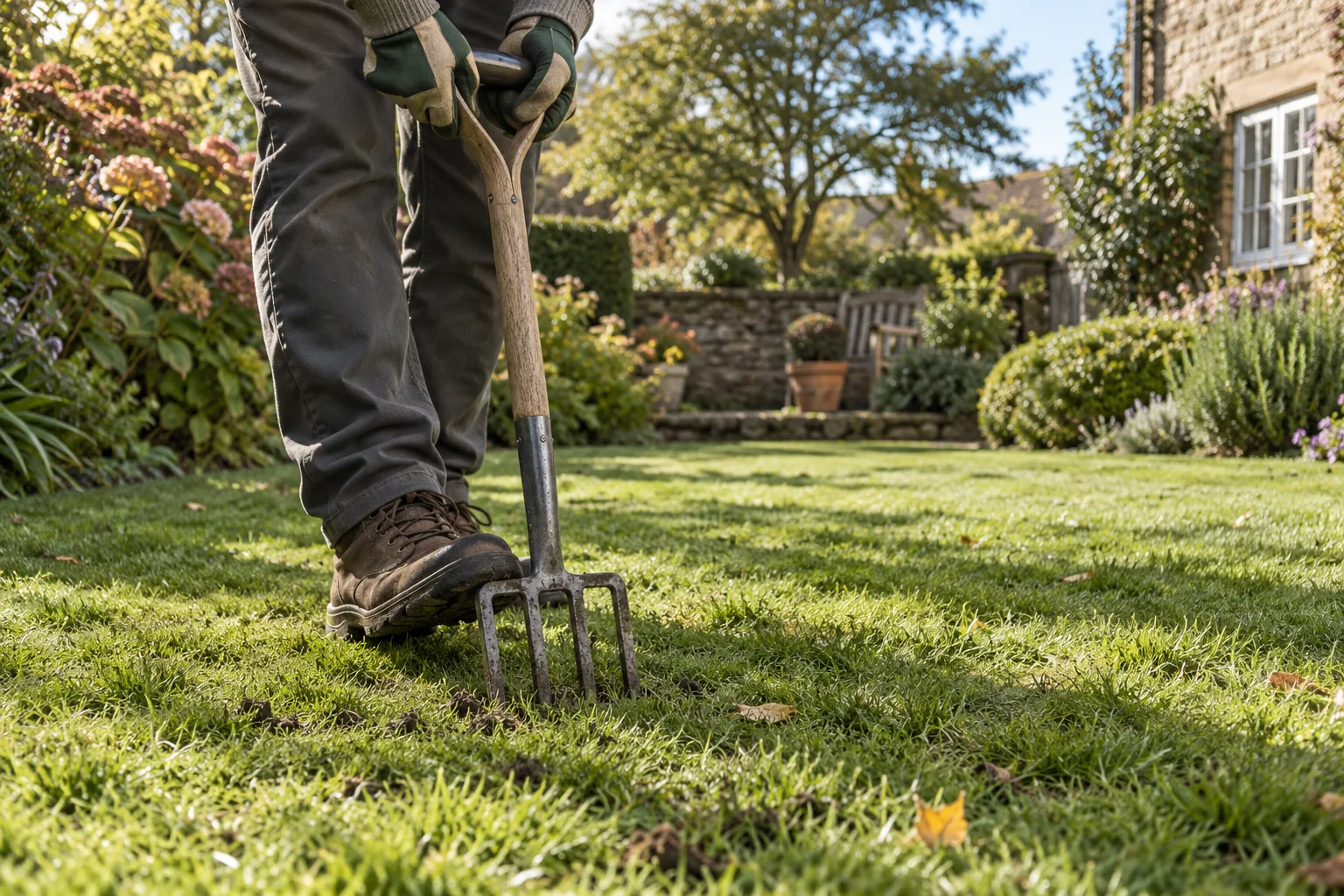
When a bed needs clearance rather than upkeep
Dense brambles or growth hiding the ground may need garden clean-up as a first stage. State which plants should remain and whether the objective is access, removal of visible growth or a further defined preparation. Roots, stumps and hard waste need explicit agreement. An estimate based on top growth should not be assumed to include everything required for immediate replanting.
A selective recovery can reveal the condition of edging and surfaces. If damaged paving or an unstable boundary is found, that needs its own assessment. A one-off appointment can establish the garden’s baseline; regular care can then keep weeds smaller and tasks easier to manage. Decide what happens to exposed ground so the newly opened bed does not become another neglected area before its next stage is arranged.
Seasonal care with a useful routine
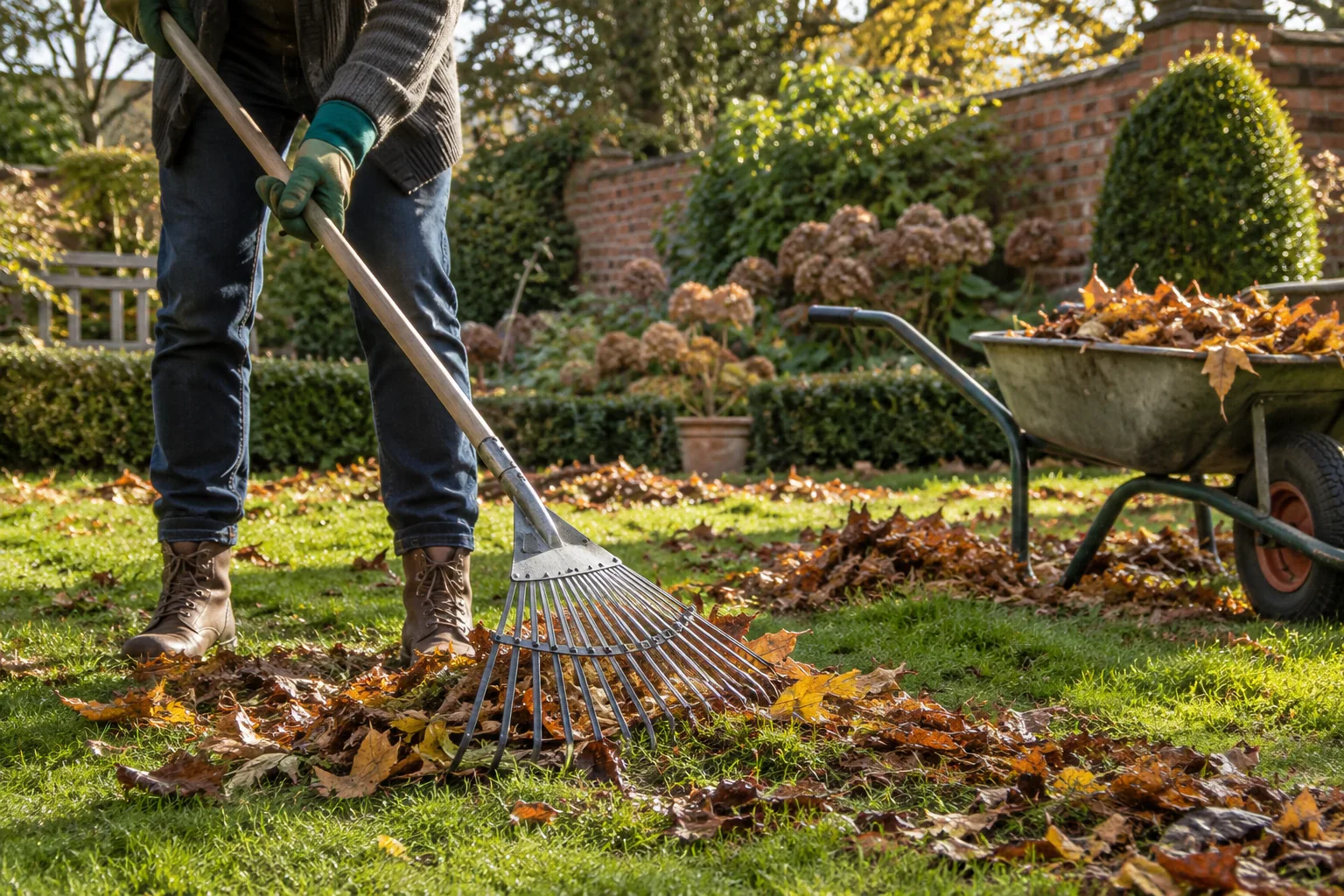
Spring work should protect emerging shoots while tackling early weeds. Summer may bring deadheading, support and suitable pruning, with watering still needed between visits. Autumn is a chance to review gaps and collect leaves from grass and paths while retaining selected stems where appropriate. In winter, avoid unnecessary pressure on wet or frozen ground and choose pruning by plant requirements rather than a universal calendar.
Check dense shrubs and hedges for active bird nests before cutting at any time of year, and postpone affected work. Weekly, fortnightly or monthly maintenance can be discussed according to growth and the jobs you handle yourself. A seasonal one-off can also be useful. Review the list after the first visit rather than committing to an identical set of tasks regardless of weather and plant development.
Prepare the appointment and understand the price
Send the postcode, an overview and close views of crowded planting, plus the entrance route. Mention steps, narrow gates, shared passages and parking needs. Move lightweight items where safe, remove pet waste and identify cables or irrigation. Label plants to retain and keep children and animals away from tools. If absent, agree entry and locking details and provide a way to resolve unexpected choices.
Maintenance, lawn care and clearance are published at £79 for the first hour and £65 per subsequent actual hour. Two gardeners, tools and bags are described, with up to 120 litres of green waste included. Agree extra removal and consult the live price guide. Area availability and congestion charges can apply. Landscaping, tree work and jet washing use different pricing; careful hand work, carrying distance and waste volume also affect time.
Ilford gardening questions
Need to discuss your own garden or property? Call with photographs and your postcode.
Ask about your visitCan you weed without removing self-seeded flowers?
Identify or label the plants you want retained and provide a marked photograph. Self-seeded growth is not automatically unwanted, but its value depends on your plan. Clear instructions are especially useful when flowers and weeds are at a similar early stage and are difficult to distinguish at a glance.
Will mulch solve a persistent weed problem permanently?
No material should be sold as a permanent substitute for maintenance. Preparation and the kind of weed matter, and new seeds can germinate later. Discuss the purpose, material and ongoing care rather than covering growth and assuming the problem has disappeared beneath a tidy-looking surface.
Can I add plants during a border-care appointment?
Agree the exact plants, quantities and materials in advance. Show the bed’s current planting and conditions, and decide who will water afterwards. A clear planting list is more reliable than expecting a complete new scheme to be selected and supplied during routine weeding work.
Should crowded plants all be cut at once?
The right timing and method depend on their identity. Some may need thinning, division or support rather than a general reduction. Identify valued flowering plants and ask what can be done now, leaving unsuitable work for another stage instead of applying one treatment across a mixed bed.
Can a narrow lawn be kept while widening a border?
Explain the intended use and show the proposed line. A modest change may still affect mowing, access and mature plant space. If the layout needs redesigning, discuss that project separately so its shape and preparation are considered rather than altered casually during an ordinary tidy-up.
Can cuttings be left for council collection?
Check the council’s current rules and confirm a suitable place and quantity. Do not assume any bag, material or collection date will fit. The arrangement should be agreed before work so the gardeners do not leave bulky material blocking a path or awaiting an unsuitable service.
Do tree roots matter when reshaping a bed?
Yes, raise nearby established trees before digging or changing levels. Protection and the tree’s condition may affect what is appropriate. A small border project should not be treated as permission to damage roots, and substantial concerns need the right specialist advice before preparation starts.
Which nearby areas are listed?
Wanstead, Barking, Dagenham, Romford and Stratford appear in the coverage directory. Select the page relevant to another property and confirm its postcode directly. The service, access arrangement and available date still need agreeing for the individual enquiry rather than inferred from area proximity.
Give your Ilford borders a considered next step
Call 020 3746 2449 with photographs, postcode and a short list of plants to retain. Explain whether the aim is careful upkeep or the recovery of an inaccessible bed. Go Gardeners can discuss a useful first visit and a realistic plan for the space after it has been weeded or cleared.
Call 020 3746 2449Gardening nearby.
View all 60 coverage areas ↗Ilford on the map.
Approximate area centre for orientation. Call to confirm availability for your exact postcode.