
Gardeners
Romford
Estimate substantial gardening by considering collection and carrying as well as cutting. Romford guidance covers hedge dimensions, green-waste plans and staged recovery, with practical lawn advice and clear distinctions between maintenance, tree work and landscaping projects.
- Measure growth before estimating volume
- Agree retained and removed material
- Keep carrying routes in the time plan
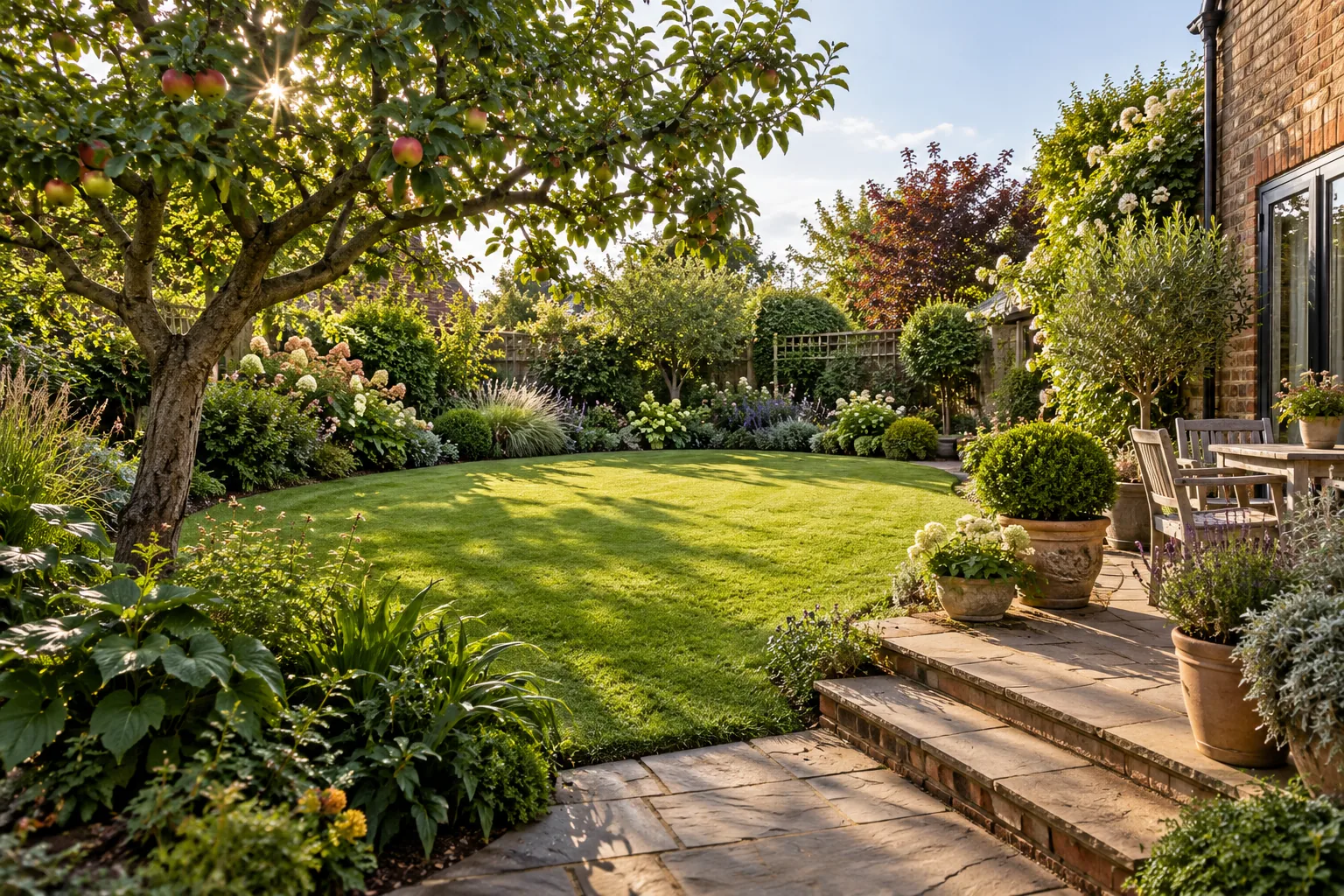
Measure the tasks that create volume
The amount cut is only part of a gardening job; collecting and moving it can be equally important. If your Romford enquiry includes a long hedge, a heavily overgrown bed or a substantial seasonal tidy-up, show the likely waste as clearly as the planting. Go Gardeners can discuss the scope, access and disposal arrangement before an appointment is agreed. That helps you compare a manageable maintenance visit with a larger recovery job and decide what should happen first. A realistic estimate should reflect both the work in the garden and the route every bag will travel.
For hedges, estimate height, length and width, with photographs of the top and both ends where safely possible. Explain how many faces need work and whether the far side is accessible. A long low boundary and a short tall hedge can have very different practical demands. The name of the plant also matters when discussing reduction, since a severe cut is not suitable for every hedge.
For clearance, show density rather than only the outer edge of the growth. Mention what is known to be underneath, such as old fencing, loose wire or a path. Do not enter concealed ground for better photographs if footing is uncertain. Garden clean-up can be scoped in stages, opening a route or recovering one area before the remaining condition is assessed.
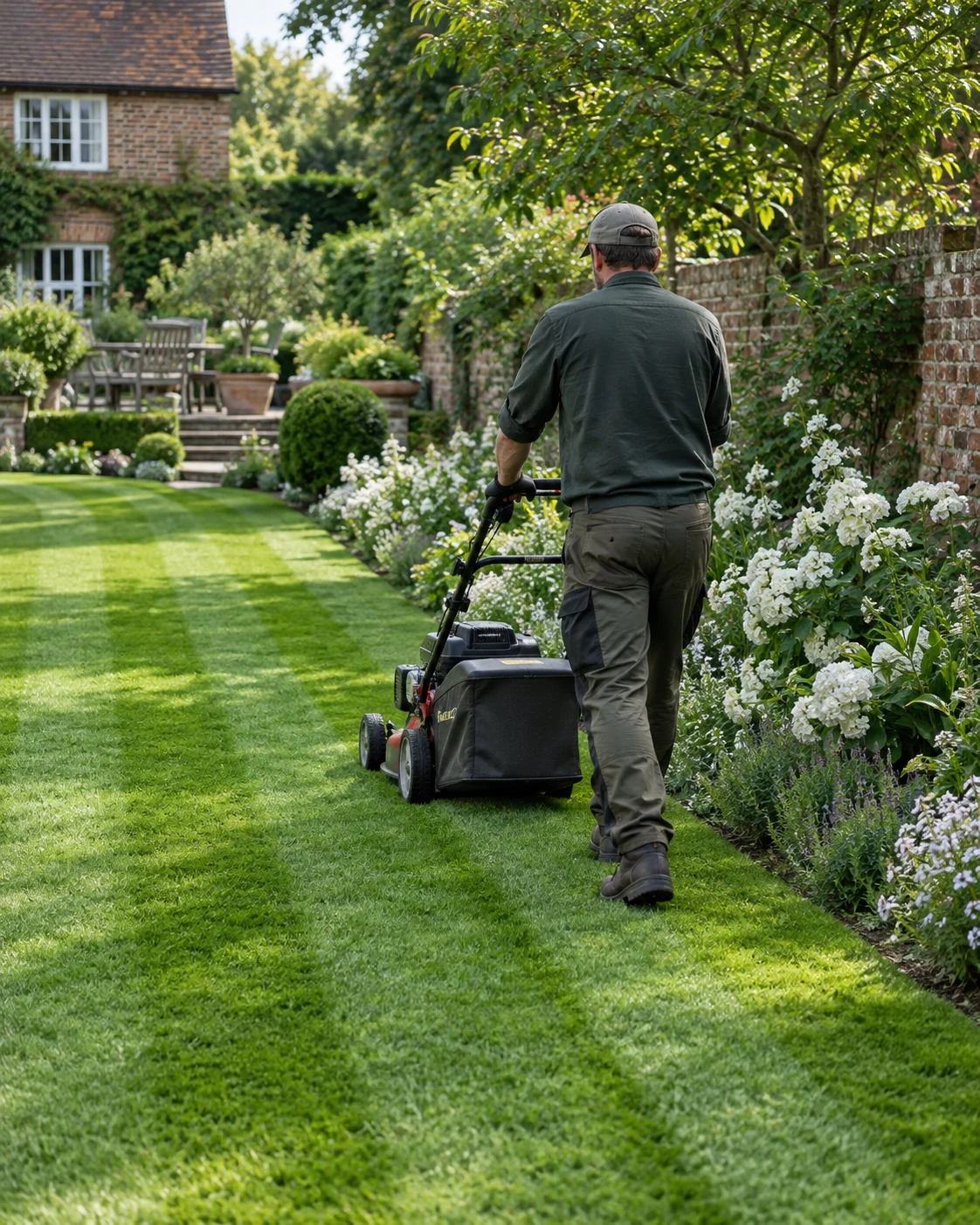
Plan green waste before cutting starts
Agree what will leave the property, what may remain for a suitable purpose and where temporary bags can stand. A compost area is not unlimited storage, and bulky woody material may need a different plan from soft clippings. Keep access routes clear. Leaving a pile across the newly recovered path defeats a practical aim of the appointment even if the cutting itself is complete.
If you intend to use a council collection, check Havering’s current garden-waste service information for its arrangements and accepted material. That is separate from the allowance included with the gardening service. Do not assume a household collection or recycling facility will accept contractor-generated material without checking the relevant rules and arranging lawful handling with the party responsible.
Keep a maintenance list smaller than the wish list
Once the space is accessible, garden maintenance can combine mowing, weeding, edging and suitable pruning. Put the daily-use areas first. A detailed bed, long hedge and lawn may all need care, but not necessarily on every visit. A rotating list can spread work sensibly and avoid spending the entire appointment repeatedly on the most visually obvious task.
Regular weekly, fortnightly or monthly options can be discussed according to growth and your own input. A one-off appointment suits a defined seasonal job or recovery. Review the estimated time after the first visit and decide whether the interval works. If a neglected area produces unexpected findings, agree the next stage rather than assuming the team can continue indefinitely beyond its schedule.
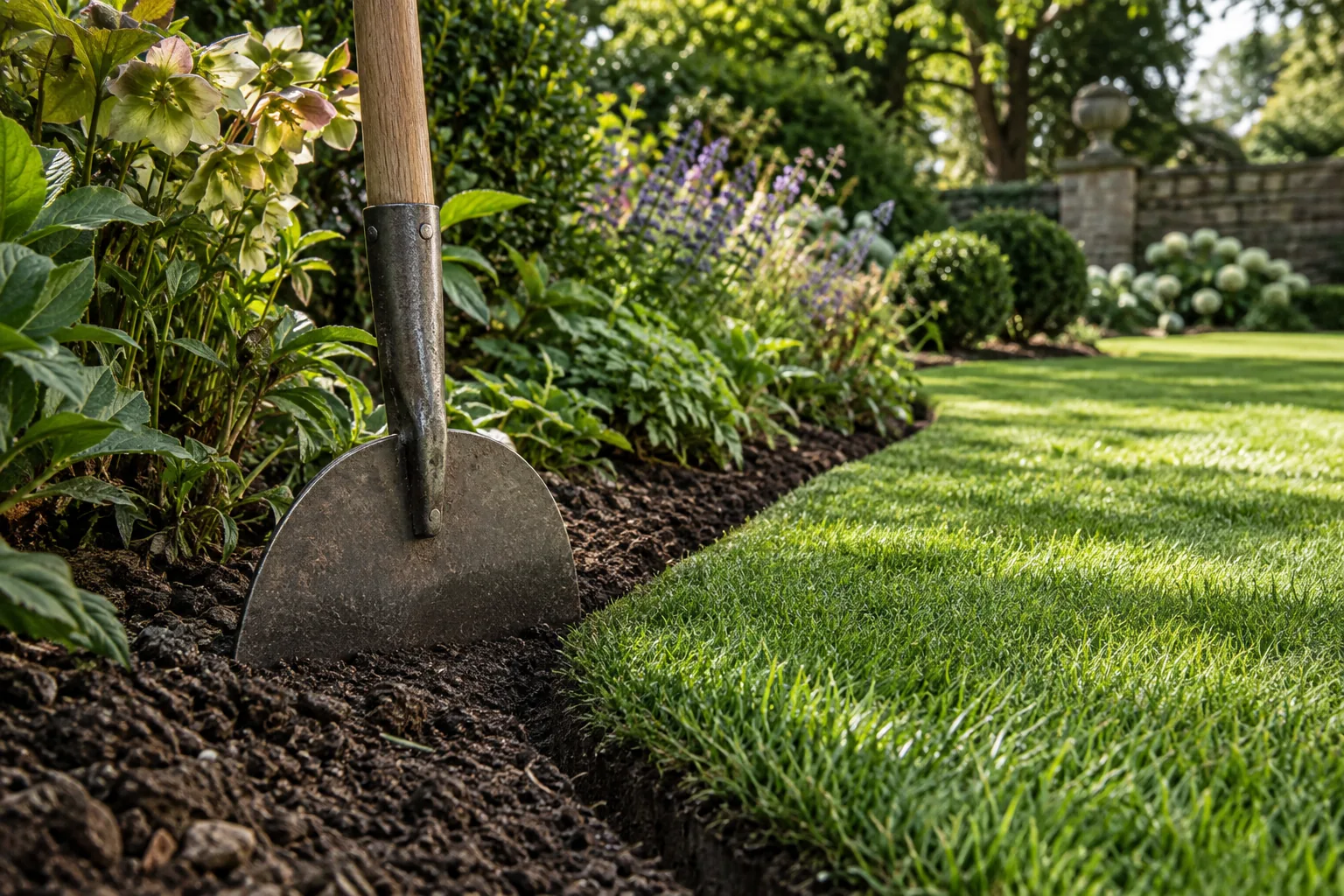
Lawn care depends on condition, not just area
When discussing lawn care, explain length, wear, shade and whether the surface remains wet. Show long growth from the side so the depth is visible. A careful first cut may leave more height than a regularly maintained lawn. Remove obvious loose items safely and mark bulbs or intentionally long areas. A mower cannot account for concealed objects that have not been identified.
Recurring bare patches need investigation before treatment is selected. A busy route, prolonged furniture cover and poor drainage call for different responses. Dry-weather browning is also not automatically a reason for replacement. Grass may need restraint during heat, while soft ground may need less traffic after rain. A gardening estimate should distinguish ordinary mowing from improvement work and avoid promising that one cut will resolve a persistent growing problem.
Romford trees and overhanging boundaries
Havering’s private-tree guidance explains that private trees are not maintained by the council and highlights protection checks. Confirm the tree’s status, ownership and any required consent or notice before proposed work. A boundary position or a desire for more light does not establish that a reduction is authorised or appropriate.
For substantial branches or high work, use tree surgery with a full-tree photograph and surrounding structures shown. If work requires a neighbour’s land, arrange permission first. Do not leave the gardeners to resolve a dispute about the boundary or the intended height of a shared screen. Clear authority and an agreed specification protect the useful purpose of the visit from avoidable decisions on arrival.
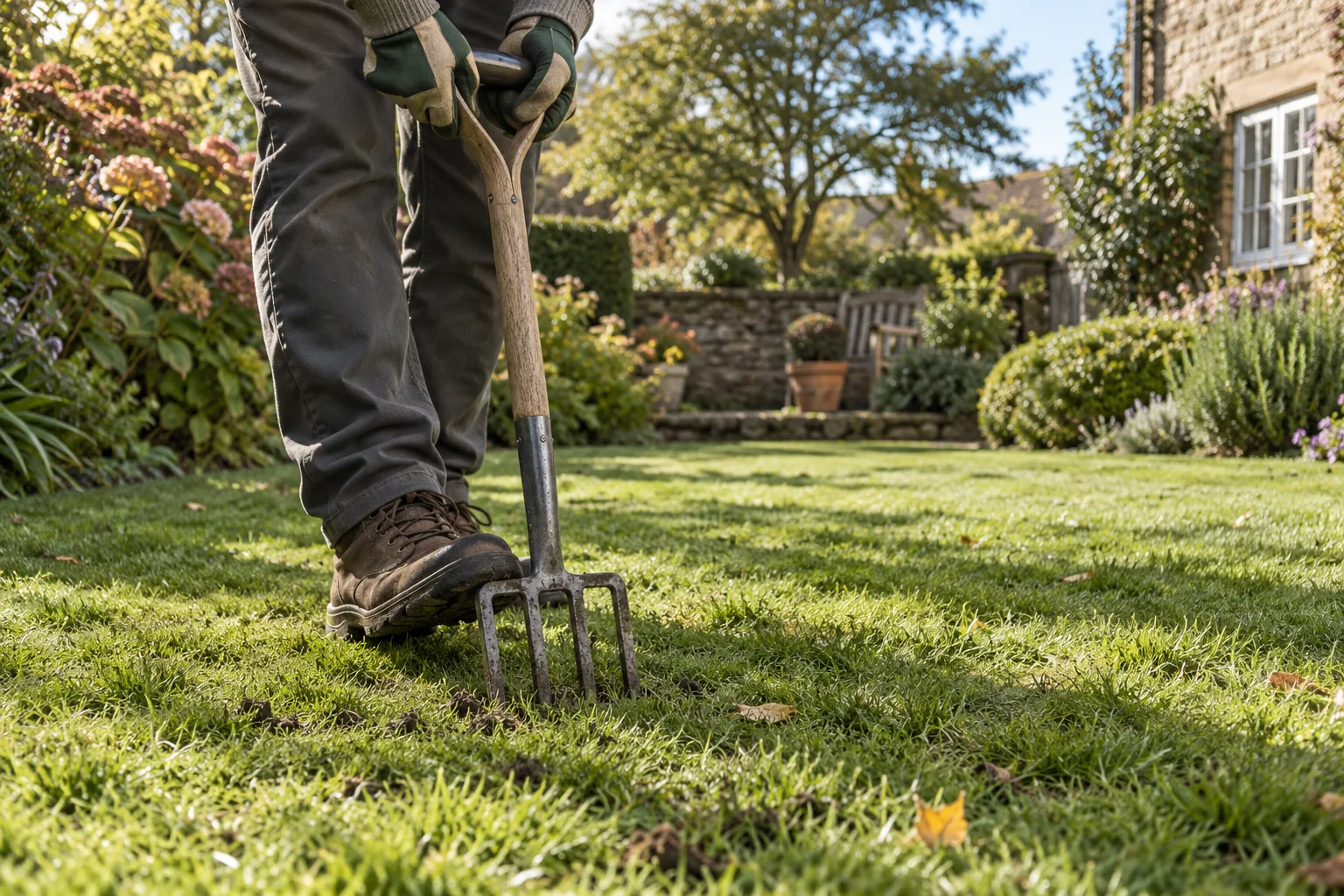
Prepare ground for the result you actually want
Removing top growth is different from preparing a bed for planting or a lawn for replacement. State the desired finish and ask what is included. Roots, stumps, rubble and damaged edging may need separate work. For a new route, changed levels or an entirely different layout, discuss garden design and landscaping before buying materials or assuming ordinary gardening covers construction preparation.
Observe moisture and light at your own property. Do not apply one soil description to all Romford gardens. Compaction, previous building work and shade can create different conditions within one plot. Record where water pools and how long it remains. Maintenance can improve planting and appearance, but it is not a guaranteed cure for structural drainage or a surface whose levels direct water towards a building.
Seasonal cutting and wildlife checks
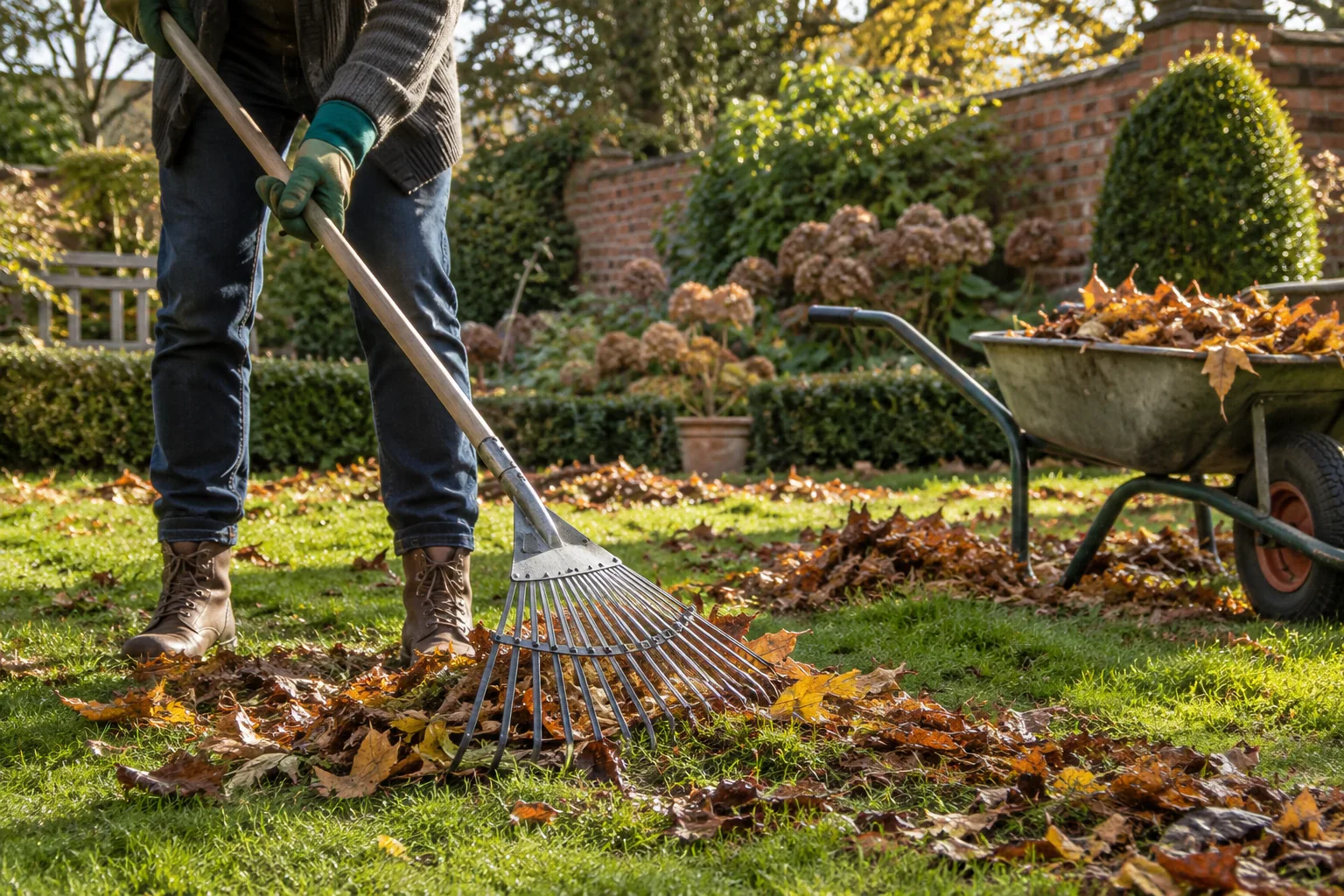
Spring weeding needs care around emerging plants. Summer work should respond to heat and rainfall, with new planting watered appropriately between appointments. Autumn leaves may increase the collection workload considerably, while winter weather can limit traffic on turf. Suitable pruning depends on the plant, so a whole mixed border should not automatically receive the same cut because one hedge is ready.
Inspect hedges and dense shrubs for active bird nests before cutting in any season and defer affected tasks where necessary. State any activity you have seen. Other work may remain possible, but a planned date does not make every operation appropriate. If a wildlife area or leaf pile is intentional, label it and describe its management rather than leaving the team to decide whether it is material awaiting removal.
Access, preparation and the price basis
Show every restriction on the route from parking: gates, steps, turns and doors. Confirm shared access and any parking permit. Move light furniture safely, remove pet waste and identify cables or irrigation. Keep children and animals clear. If you will be absent, agree entry and locking arrangements and provide a contact method for unexpected decisions. The carrying route should be understood before waste volumes and time are estimated.
Maintenance, clearance and lawn care are published at £79 for the first hour and £65 per subsequent actual hour. The gardening arrangement states two people with tools and bags, including up to 120 litres of green waste. Confirm extra removal and check the live price guide. Postcode availability and area or congestion charges may apply. Tree work, landscaping and jet washing use other pricing arrangements; detailed hand work and carrying distance affect the gardening time.
Romford gardening questions
Need to discuss your own garden or property? Call with photographs and your postcode.
Ask about your visitWhy can a hedge create more waste than expected?
Height, width and the extent of reduction all affect volume. Dense woody growth can be bulky even when the hedge looks narrow from one angle. Show its dimensions and explain the intended finish so handling and removal are considered alongside the time needed for cutting.
Can material stay in my compost area?
Discuss what the material is and whether there is sufficient suitable space. A compost corner should not become an unplanned pile of every type of cutting. Agree the retained quantity and location, keeping paths and gates usable and arranging removal for anything the on-site plan cannot accommodate.
Can I rely on a council collection for all the cuttings?
Check current acceptance and collection rules directly, including rules relevant to material from contractor work. Confirm the plan before gardening begins. The council service and Go Gardeners’ included waste allowance are different arrangements, and neither should be treated as unlimited disposal without an explicit agreement.
Is a long garden automatically a larger charge?
Length alone does not describe the work. Growth density, detail, access and carrying distance matter. An open maintained lawn can differ greatly from a shorter plot with tangled borders and a narrow house route. Current photographs and a priority list give a more useful basis for estimating.
Can you complete just one side of a hedge?
Describe the authorised scope and access. A defined face may be considered, but the plant’s health, shape and shared-boundary expectations still matter. Explain what should remain and obtain any relevant agreement rather than assuming the far side or top can be included without permission.
Will clearance remove every root?
Only if that preparation is specifically agreed. Cutting top growth, removing roots and preparing for construction or planting are different tasks. Ask for the resulting condition to be described clearly so a cleared-looking area is not mistaken for ground ready for its next use.
What if the amount of work exceeds the first estimate?
Use the agreed priority order and discuss the remaining scope. An extension depends on the team’s schedule, and a follow-up may be needed. Avoid making essential outcomes depend on every optional item being completed in the same slot when the initial condition is partly concealed.
Which nearby pages are available?
Ilford, Dagenham, Barking and Chigwell are included in the coverage directory. Use the relevant area page for another property and confirm the postcode directly. Service availability, practical access and the appointment date are established individually rather than guaranteed by another nearby listing.
Make the Romford waste plan part of the booking
Call 020 3746 2449 with photographs, postcode and the dimensions of substantial growth. Explain the carrying route and any material you hope to retain. Go Gardeners can discuss the cutting, collection and removal together, with a clear priority order for the work in your garden.
Call 020 3746 2449Gardening nearby.
View all 60 coverage areas ↗Romford on the map.
Approximate area centre for orientation. Call to confirm availability for your exact postcode.