
Gardeners
Dagenham
Fit gardening around the way a household uses its outdoor space. Dagenham advice covers busy lawns, movable play items, manageable borders and privacy, with practical preparation and a maintenance rhythm that reflects the care available between appointments.
- Plan mowing around play equipment
- Set realistic goals for busy grass
- Keep planting within available care
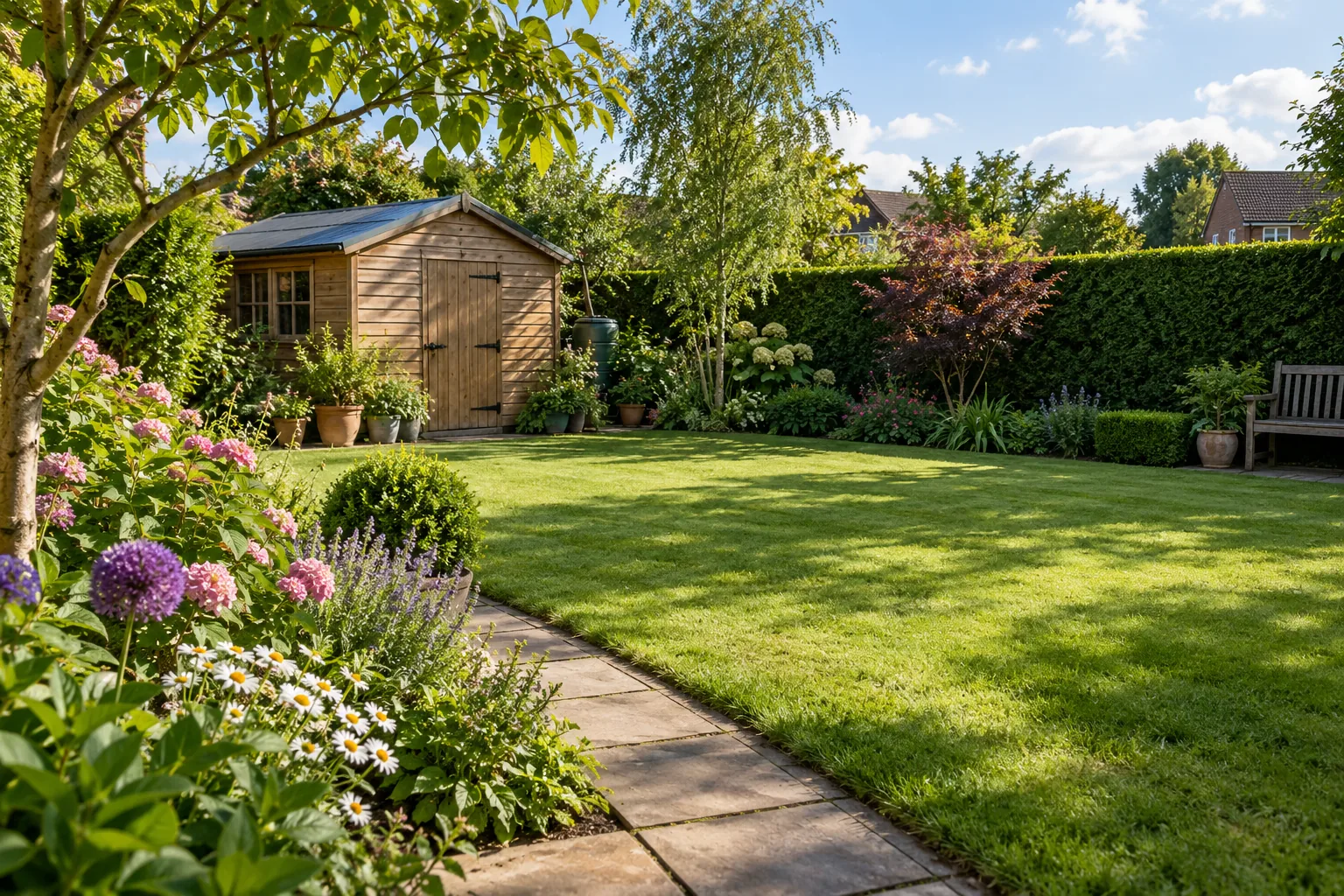
Plan work around how the garden is used
A family garden needs room for everyday use as well as plants. If toys, furniture and a busy lawn make upkeep awkward at your Dagenham property, Go Gardeners can discuss a routine that works around those uses. Describe what stays in place, what can be moved and the tasks you most need help with. Maintenance should make the space easier to manage after the gardeners leave, rather than create a finish that the household cannot sustain. Current photographs and an honest account of wear, access and available time provide the most useful starting point.
Identify the routes everyone follows and the spaces needed for seating, play and storage. If the lawn is crossed to reach the shed, that use should inform its care. If a shrub catches furniture every time it is moved, selective pruning may be more useful than tidying a distant bed first. Rank the results rather than supplying a long unprioritised list of tasks.
Garden maintenance can combine suitable mowing, edging, weeding and light pruning. Explain what you can do between visits and where help makes the biggest difference. A parent who can water plants but cannot manage a hedge needs a different brief from a household that wants routine lawn work handled regularly. Clear division of responsibilities prevents a task being left because everyone assumed someone else would do it.
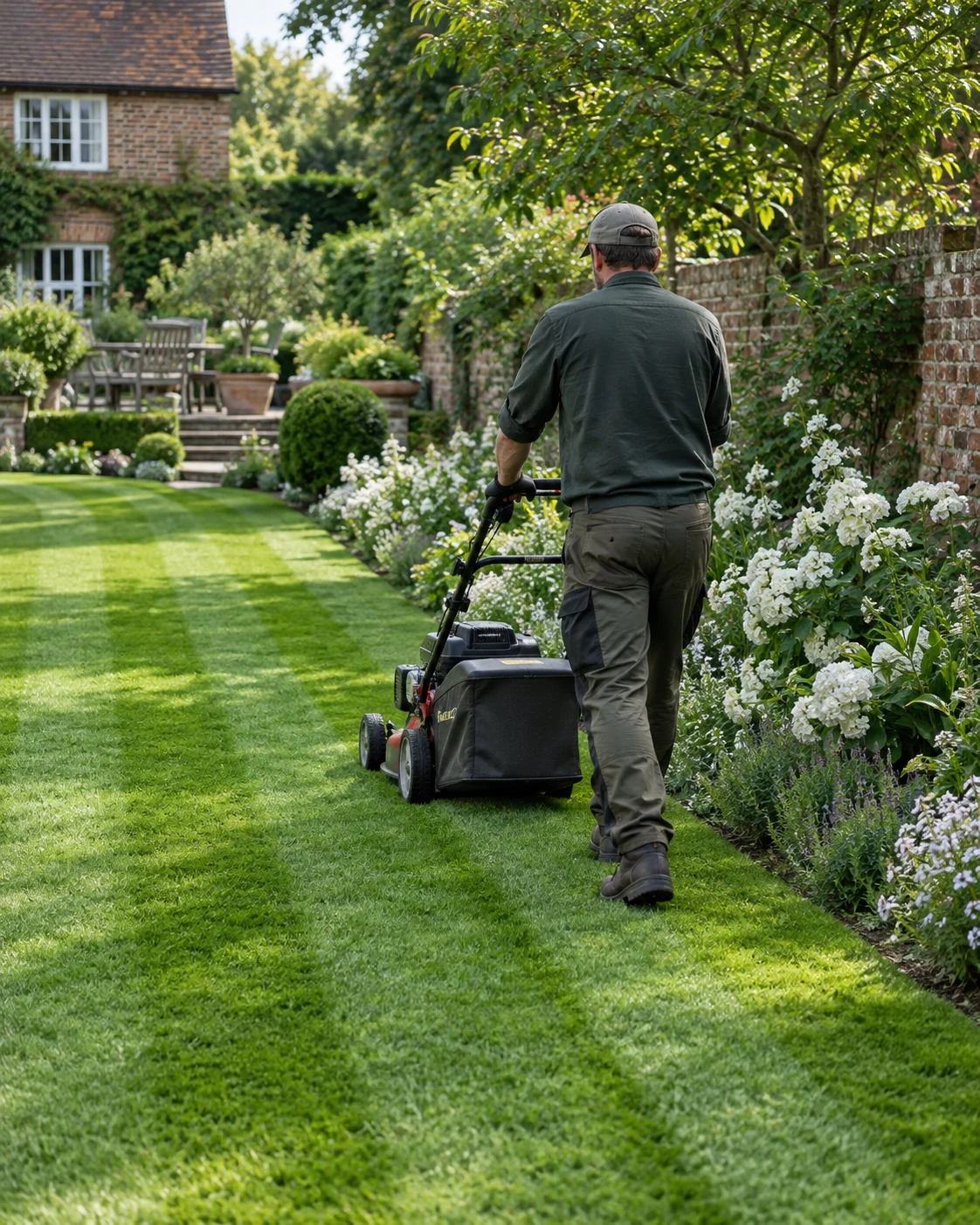
Grass needs a realistic standard
Show worn areas and tell us how the grass is used when enquiring about lawn care. Play, furniture and repeated walking all affect the surface. A lawn used actively may need different expectations from an ornamental patch. Do not choose the shortest cut as the only definition of a good result; height should respond to growth, weather and the condition of the grass.
Before mowing, remove toys and small loose items safely and identify objects hidden by long growth. Mention play equipment that cannot be moved and mark bulbs in turf. If a patch repeatedly fails after reseeding, investigate the cause. A gardening appointment can improve care and presentation but cannot guarantee that grass will withstand unchanged concentrated use or recover instantly from a long period beneath a large object.
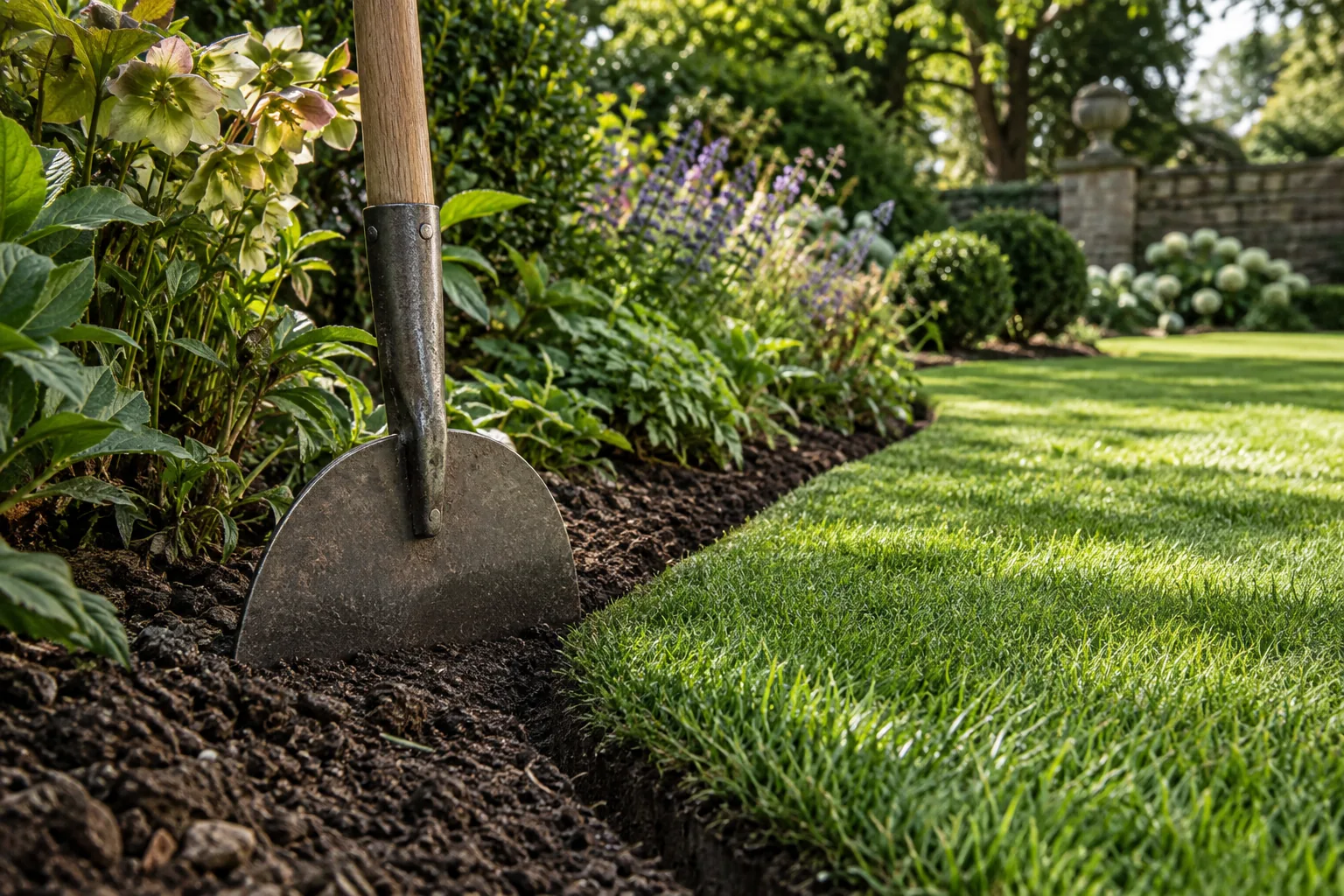
Make borders easier to look after
Keep beds accessible for weeding and choose planting for the time available. A narrow strip crammed with unsuitable shrubs can create more work than a well-planned bed with room for mature growth. Identify the plants you value before cutting. Some may need pruning at a specific time, while others could be moved or replaced through a separate project rather than repeatedly clipped into an unnatural size.
Discuss garden design and landscaping if the arrangement is the underlying problem. A new path, altered beds or different surfaces need preparation and a project scope. Maintenance can care for the current space; it should not be sold as a guaranteed cure for awkward levels or persistent drainage. Observe light and moisture at your own property instead of assuming all Dagenham gardens share one soil condition.
Privacy without uncontrolled growth
Describe the hedge or shrubs providing screening and the parts affecting access. Give approximate height and length, and explain whether both sides are reachable. Agree how much privacy should remain before any reduction. A hedge that looks dense on the outside may not respond well to a severe cut into older wood, so identify the plant rather than assuming it can be reduced indefinitely.
Inspect hedges and dense shrubs for active bird nests before work whenever cutting is proposed, and postpone affected operations. Other tasks can sometimes continue elsewhere. For substantial branches and high work, use tree surgery rather than a casual addition to the mowing list. Safe access, ownership and a clear tree-work specification need establishing before the appointment can be arranged appropriately.
Dagenham tree checks and property responsibilities
Barking and Dagenham’s local trees guidance provides context for tree retention and protection. Check the actual tree and address with the council before proposed work, including required consent or notice. Private ownership does not remove the need to establish protection, and a neighbour’s previous pruning does not settle your tree’s position.
If you rent, check who can authorise substantial planting changes. For a shared boundary, obtain the relevant agreement and access before cutting. Keep written instructions and identify the tree or hedge in photographs. A gardening visit should not be expected to resolve a disagreement about ownership, decide an unclear boundary or undertake a change that the person booking has no authority to instruct.
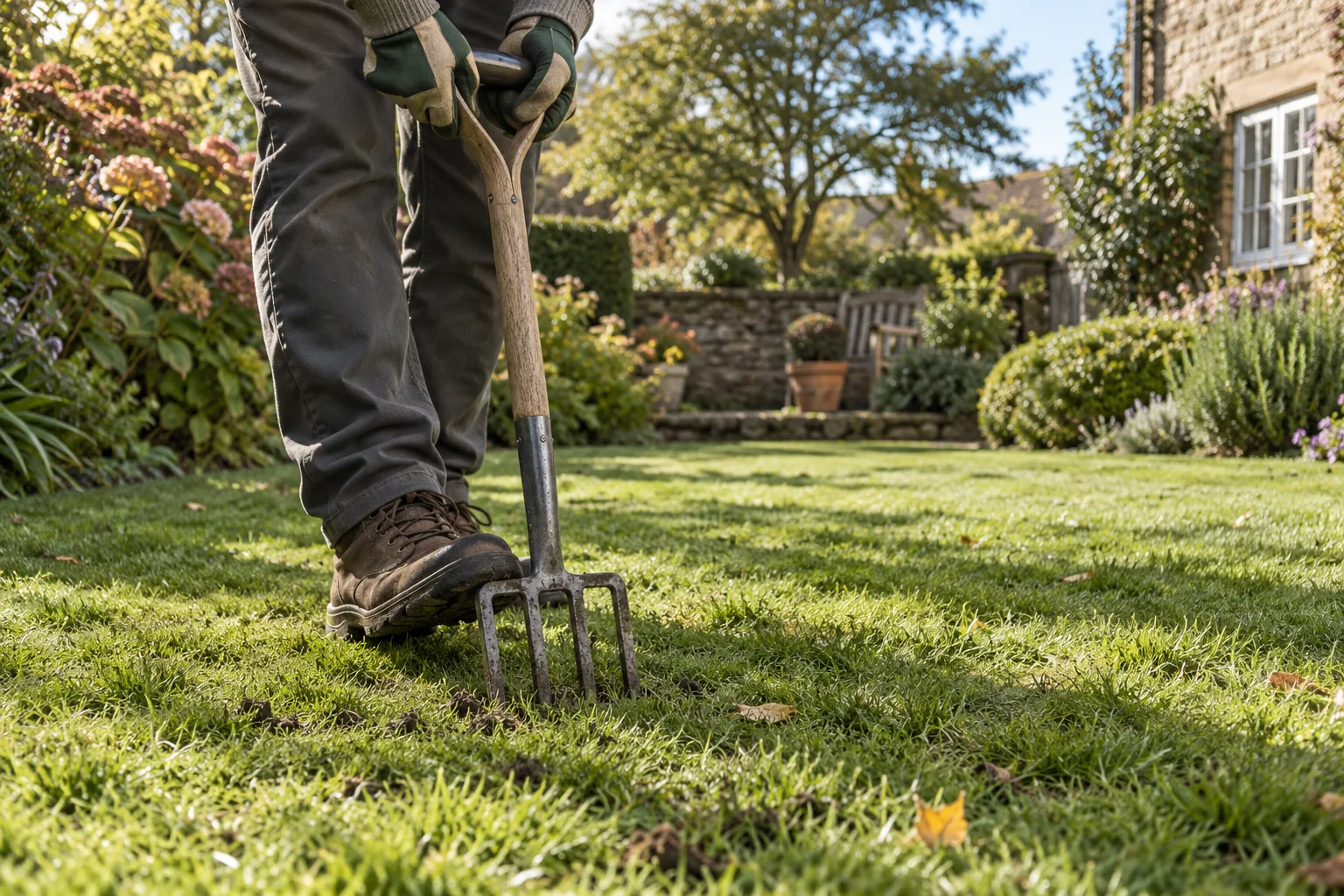
Recover a neglected area without taking on everything
An unused corner can be dealt with as a defined garden clean-up rather than making the entire garden a clearance project. State what you want recovered and what should remain. Dense growth may hide sharp objects, old edging or uneven ground, so provide known information and avoid entering it for photographs if the route is unsafe.
Agree whether the finish is visible-growth removal or further preparation. Roots, hard waste and damaged surfaces need separate clarity. After opening the area, decide how it will be used and maintained. If the household already has limited gardening time, adding a demanding new bed may be less practical than a simpler arrangement. The best next step is one that fits ongoing care, not merely an attractive end-of-day photograph.
Seasonal jobs and a workable interval
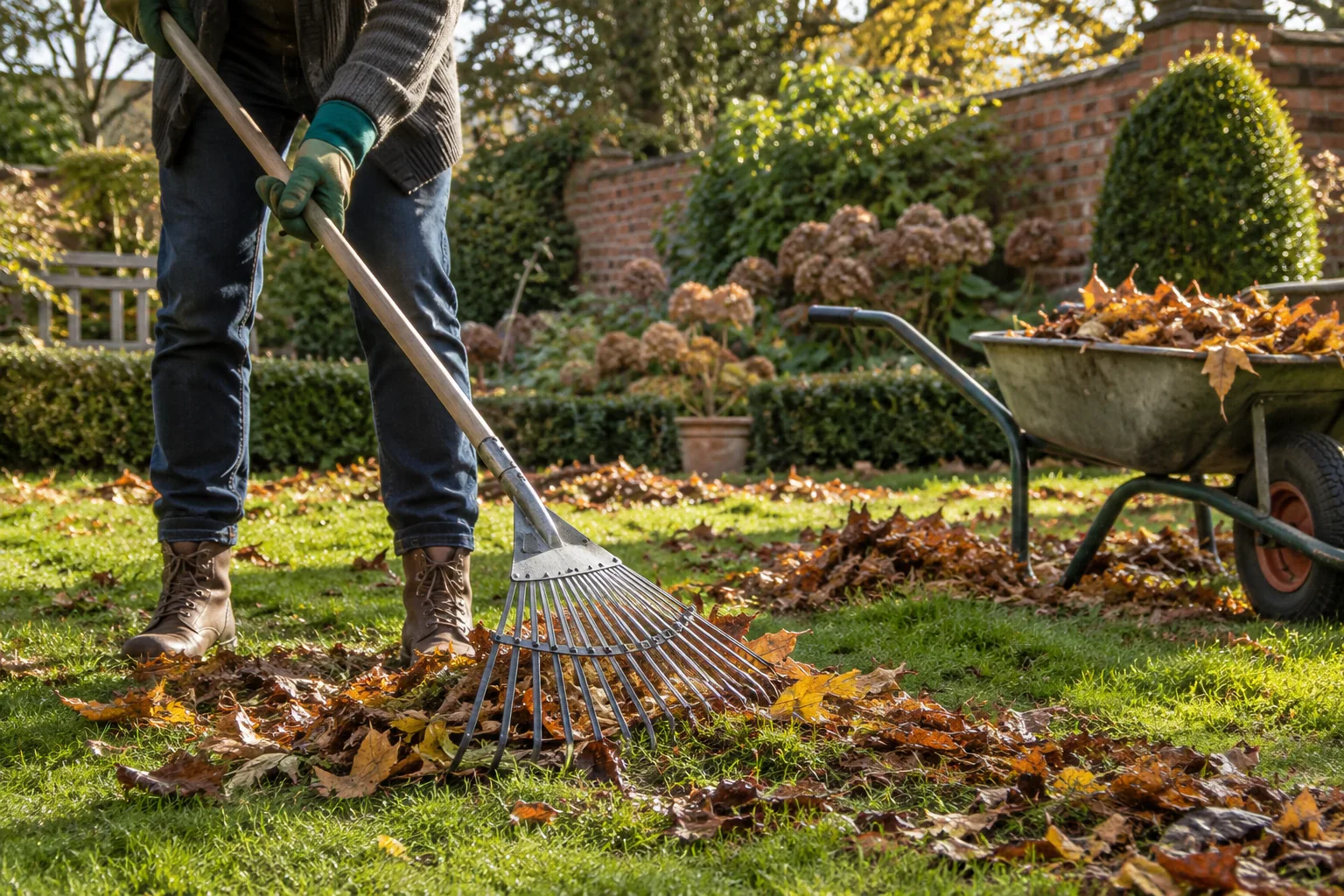
Spring visits can address small weeds and work carefully around new shoots. Summer care may focus on mowing, suitable clipping and keeping the space usable, while watering remains important for young plants and pots between appointments. Autumn leaves should be cleared where they cover grass or walking routes, with selected material retained where appropriate. Winter conditions can limit traffic on wet or frozen ground.
Regular weekly, fortnightly or monthly appointments can be discussed, but the interval should reflect growth and household input. A one-off reset can be equally useful if you want to take over from a manageable starting point. Review the task list after the first visit. Repeating the same work regardless of the season can waste time, while a rotating list helps attention reach jobs that would otherwise be postponed indefinitely.
Preparation, access and the charge
Show the route from parking to garden, including gates, steps and shared passages. Confirm access permissions and parking arrangements. Move small furniture and toys where safe, remove pet waste and identify cables or irrigation. Children and pets need to remain outside the working area. If absent, agree entry, locking and the person to contact for decisions that cannot be resolved from the photographs.
Published maintenance, lawn care and clearance rates are £79 for the first hour and £65 for each subsequent actual hour. The arrangement describes two gardeners with tools and bags, including up to 120 litres of green waste. Extra removal needs agreement. Check the live prices and confirm postcode availability and any area or congestion charge. Tree work, landscaping and jet washing have different pricing; growth, hand work and carrying distance also affect time.
Dagenham gardening questions
Need to discuss your own garden or property? Call with photographs and your postcode.
Ask about your visitCan you mow around play equipment?
Show the equipment and explain what can be moved safely before the visit. Some areas may need a different approach or remain inaccessible. Identify hidden pegs, anchors and loose objects so the lawn’s appearance does not conceal a practical obstacle that affects the work.
Will a family lawn ever look like an ornamental lawn?
Its use and conditions set realistic expectations. Active play and repeated traffic can affect appearance even with regular care. Discuss a suitable routine and any practical changes to wear patterns rather than expecting a mowing appointment to guarantee a display finish under every kind of use.
Can one troublesome corner be cleared on its own?
Yes, mark the boundary of the intended work and identify anything to retain. A defined area can be a useful first stage. Explain the finish you need and what will happen afterwards, so the recovered corner does not remain bare and unmanaged once cutting has been completed.
Should I buy low-maintenance plants before asking for help?
Consider the site’s light, moisture and available space first. A label does not remove the need for establishment care or account for mature size. Agree a planting list and who will water it before purchase, particularly if the aim is to reduce rather than increase the ongoing workload.
Can a hedge be kept private but narrower?
The answer depends on the plant and its growth. Give the desired retained outline and show the hedge’s current width. Selective work may be useful, but some plants do not recover well from cutting into old wood. Do not assume a severe reduction can preserve the same appearance immediately.
Can children use the garden during the appointment?
Keep them away from the working area, tools and moving equipment. Agree the route needed for access and ensure another adult is responsible for supervision. A household’s usual play space may temporarily be part of the work area, so plan an alternative while gardening is underway.
What if I can only afford the most important jobs?
Give a ranked list with a clear first outcome and state the budget when enquiring. Optional tasks can remain for another stage. Extra time is subject to the schedule, so agree what happens if the initial appointment is used before every item is completed.
Which nearby locations are covered in the directory?
Barking, Ilford, Romford and Stratford are in the approved coverage list. Confirm the postcode and service for another property directly. Nearby listings help locate information but do not promise an immediate appointment or establish access arrangements for the individual garden.
Build a Dagenham gardening routine the household can keep
Call 020 3746 2449 with photographs, postcode and the task you most need help managing. Explain how the garden is used and what can be moved before arrival. Go Gardeners can discuss a practical appointment and continuing care that fits the space and the household’s available time.
Call 020 3746 2449Gardening nearby.
View all 60 coverage areas ↗Dagenham on the map.
Approximate area centre for orientation. Call to confirm availability for your exact postcode.