
Gardeners
Northolt
Reduce the gardening backlog by understanding which tasks keep returning. Northolt care can combine lawn edges, selective weeding and suitable trimming, with practical decisions about empty beds, pots and the work you want to handle yourself.
- Identify recurring tasks before changing the garden
- Keep empty beds from restarting the backlog
- Review containers and awkward grass corners
Find the tasks that repeatedly fall behind
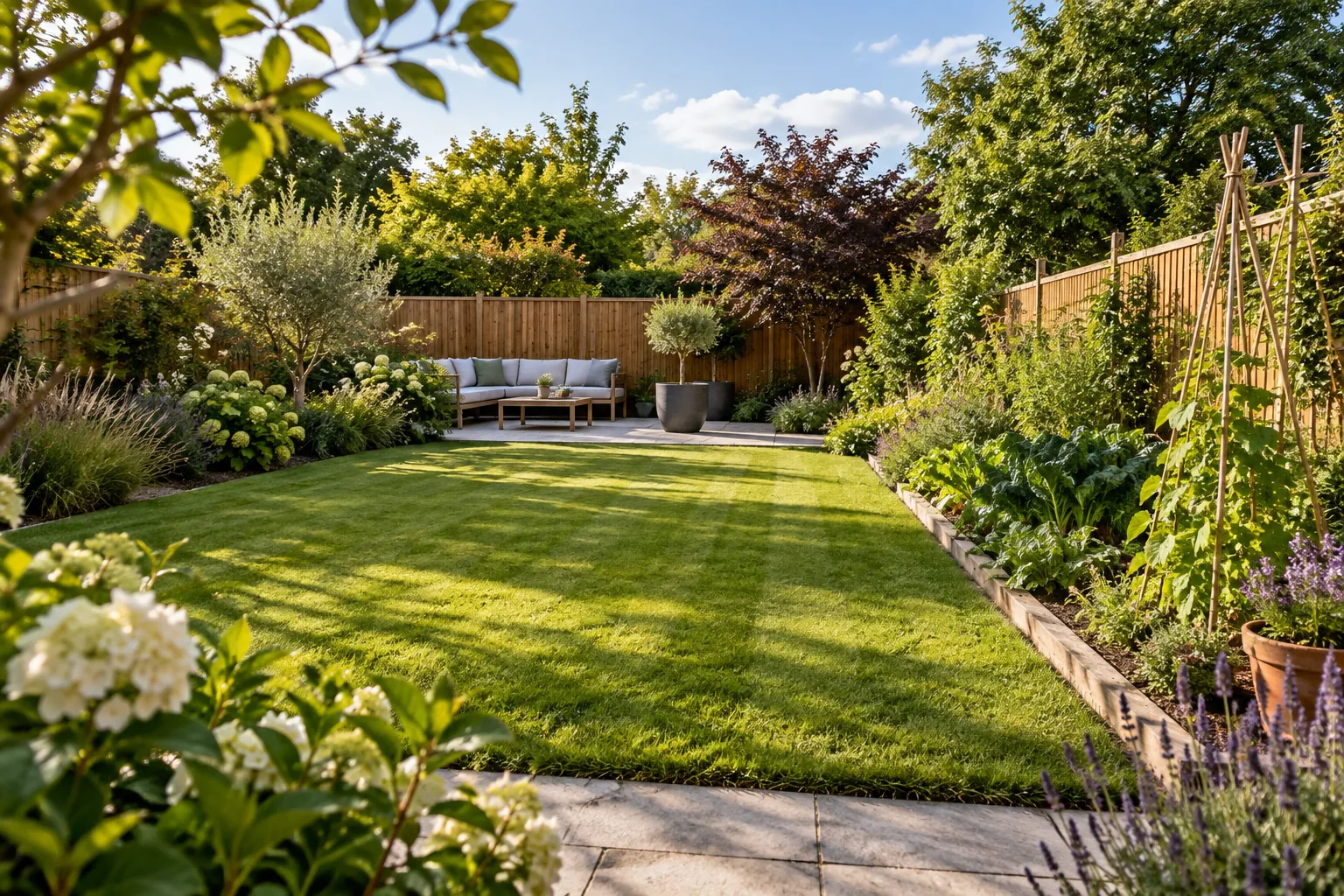
The easiest garden to maintain is not necessarily the one with the fewest plants. Bare beds, awkward grass corners and scattered small pots can demand attention repeatedly. If you want a more manageable Northolt garden, Go Gardeners can discuss the maintenance needed now and the decisions that may reduce unnecessary work later. Explain which jobs return most often and which parts you enjoy. That gives the visit a useful direction without promising a maintenance-free space or proposing a redesign before the existing garden has been understood.
Keep a brief note over a few weeks: grass becoming too long, weeds in an empty bed, a hedge pressing into the path or pots drying out. This record distinguishes recurring work from a single neglected task. Photographs of the same area at different times can also help, particularly when a problem appears only after rain or during strong summer growth.
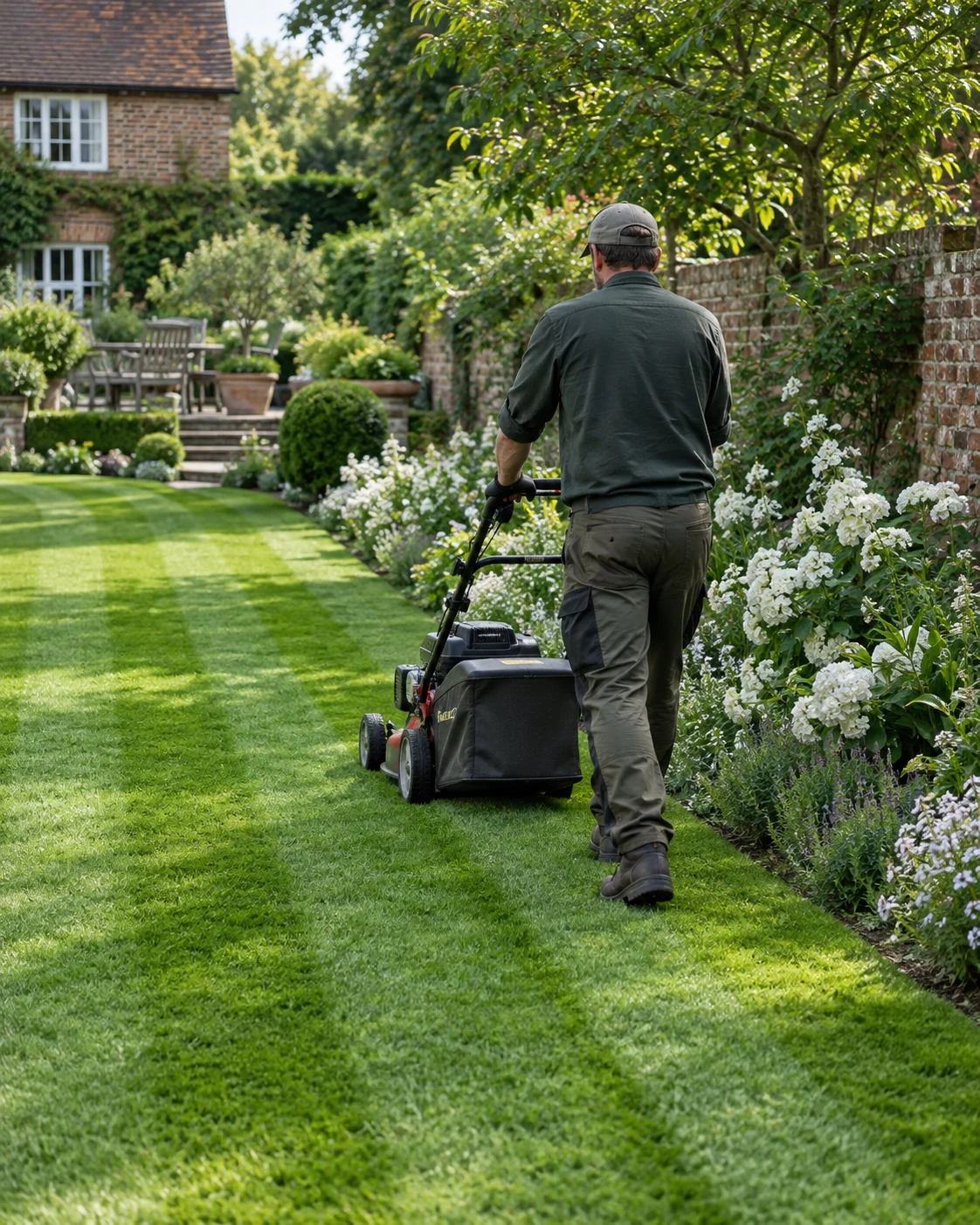
For the ongoing workload, garden maintenance can combine suitable mowing, weeding, edging and trimming. If the garden cannot yet be reached comfortably, discuss clearance as a first stage. Be clear about what you intend to retain. The first useful outcome may be a manageable baseline rather than a completely finished planting scheme, especially where overgrowth conceals the ground and makes the full task uncertain.
Bare soil is a decision, not a finish
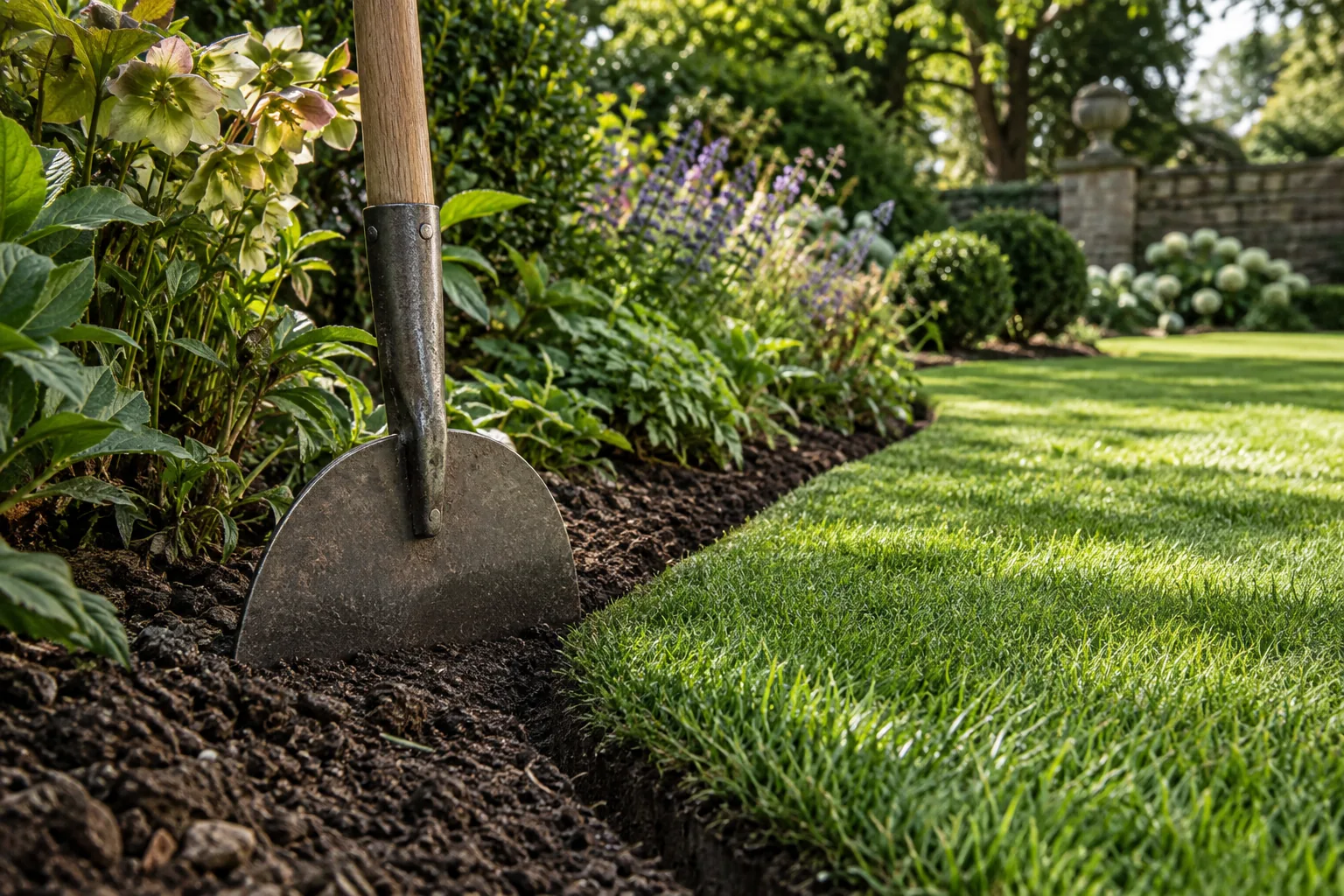
Weeding a bed exposes its shape, but leaving it empty indefinitely can create another repeating job. Think about what the space is for and how much care you can provide. Appropriate planting or mulch may be worth considering, with suitability and materials agreed before the appointment. Avoid burying plant crowns or covering bulbs simply to achieve a uniform-looking surface.
If you want fewer planted areas, plan the change rather than letting unsuitable beds lapse into storage or weeds. Garden design and landscaping can explore a layout that fits your use, while routine maintenance cares for the arrangement you have. Removing plants is not automatically less work in the long term; the replacement surface, edges and drainage still need thought, as does the practical route for future upkeep.
Make grass corners accessible
Mowing takes longer around low branches, loose objects and complicated edges. Show the whole lawn, including the corners that are often missed. Identify buried edging, cables, irrigation and raised roots. Remove small toys and pet waste safely before the appointment. If you want a patch left long for flowers or wildlife, mark its outline clearly so it becomes part of the plan.
For repeated thinning, a lawn-care enquiry should include the pattern of shade, wear and moisture. Do not assume a closer cut will produce denser grass. Newly repaired areas need suitable conditions and aftercare, and the route people take across them matters. Discuss the cause and how the lawn will be used afterwards before choosing seed, turf or a different treatment for a patch that repeatedly fails.
Fewer pots can still mean better planting
Small containers can dry rapidly and create many separate watering decisions. Before adding more, assess which ones suit the available light and how they are watered. Grouping pots may make care easier, provided the plants’ needs remain compatible. Heavy pots and fragile containers should be identified before anyone plans to move them during a general gardening appointment.
If repotting or new planting is wanted, agree the exact task and materials in advance. Check drainage and root space rather than assuming feeding alone will resolve weak growth. Decide who will monitor moisture between visits and during absences. An occasional appointment can improve container care, but it cannot replace the ongoing responsibility that comes with keeping plants in a restricted volume of compost.
Northolt tree checks before substantial work
Ealing Council publishes protected-tree information. Check the actual Northolt property and tree for relevant orders and conservation-area requirements before proposed pruning or removal. A maintenance plan should include these checks where they affect the intended operation, rather than treating tree size as the only consideration.
For substantial work, discuss tree surgery separately and provide photographs of the whole tree, nearby structures and the access route. Explain the concern rather than prescribing a large reduction without assessment. Resolve required council permission or notice before proceeding. A routine gardener’s visit can address other suitable work while the tree question is clarified, so there is no need to force a decision merely to combine everything on one day.

Hedges and shrubs that fit their space
Measure the approximate length and height of a hedge and explain the clearance needed beside it. A light trim can preserve a useful shape; a major reduction needs consideration of the species and condition. Some plants respond poorly when cut back into bare old wood. Ask for a realistic approach rather than assuming every boundary can be compressed to the same narrow width.
Check dense growth for nesting activity before cutting and defer affected work where needed. If the hedge obscures a damaged fence, distinguish the planting task from repairing the boundary. Removing growth may reveal the problem without resolving it. Where a plant is persistently too large for its position, discuss a staged plan or a separate replacement decision instead of repeating severe cuts with no long-term aim.
A routine that changes with the season
Weekly, fortnightly and monthly appointments can be considered in relation to the work and what you manage yourself. In spring, protect emerging shoots while controlling early weeds. During summer, adjust mowing to the grass’s condition and keep new planting under observation. A dry period is not a reason to cut stressed grass harder simply because the calendar says it is due.
Autumn work can focus on leaves where they affect lawns and routes, with selected stems or natural cover retained if desired. In winter, avoid unnecessary traffic on saturated ground or frozen turf. An adaptable list gives the appointment a useful purpose in changing conditions. For one-off work, set an order of priorities and allow for a follow-up if the full task cannot be achieved within the agreed time or available schedule.

Cost, waste and the route in
Published gardening charges are £79 for the first hour and £65 for subsequent actual hours. The described arrangement includes two gardeners, tools, equipment and bags and up to 120 litres of green waste removal. Check the price guide, confirm availability for the postcode and establish any applicable extras, including congestion-related charges where relevant. Additional green waste needs a confirmed removal or on-site arrangement.
Imagine arriving with equipment and then leaving with the cuttings: is every part of that journey available? Photograph the entrance, establish parking and check keys or shared-passage agreements. Limited entry can add handling even to a small job. Labels for retained plants and cleared lightweight personal items also help. Arrange for children and pets to stay elsewhere during work, and give the team a way to reach you about choices and final security if you will be absent.
Northolt gardening questions
Need to discuss your own garden or property? Call with photographs and your postcode.
Ask about your visitCan you help reduce the work rather than add plants?
Explain the tasks you find hardest to sustain. Maintenance can restore order, while a separate layout or planting discussion may identify longer-term changes. The answer is not automatically removing everything; empty beds and complicated surfaces can create their own recurring work if no practical plan follows.
Is mulch a substitute for weeding?
It should be considered as part of suitable bed preparation and ongoing care, not a promise that weeds will never return. Agree the material and placement and protect existing plant crowns. Persistent unwanted growth may need further attention rather than simply being concealed beneath a covering.
Should I combine all small pots into one large planter?
That depends on the plants, position, weight and available root space. A larger container may simplify some care, but incompatible plants should not be grouped only for convenience. Discuss the intended arrangement and how it will be watered before buying or moving heavy containers.
Can I book help only with the difficult hedge?
Yes, describe the dimensions, species if known and access on both sides. State the desired reduction and identify any nesting activity or damaged supports. The estimate and minimum charge should be confirmed; hedge work is not defined solely by how small the garden looks.
What if my lawn has awkward triangular corners?
Show them in photographs and explain the edges and obstructions. The appointment can include an agreed approach to these areas. If their shape repeatedly makes care difficult, a separate layout adjustment may be worth considering rather than expecting ordinary mowing to overcome every design constraint.
Can a first visit reveal what is worth keeping?
It can help make the garden more visible, but uncertain plants should be treated cautiously. Mark known favourites and provide earlier photographs if available. You may prefer to observe an unfamiliar bed through a season before making removal decisions that cannot easily be reversed.
Are waste bags supplied with gardening?
The published arrangement describes tools, equipment and bags. Included green waste removal is up to 120 litres, with additional disposal needing agreement. Clarify where bags can stand and whether retained material has a suitable destination so waste handling supports the planned finish.
Which other approved pages are relevant locally?
Read about Greenford, Southall, Hayes and Ruislip, or browse the coverage directory. Confirm your exact postcode and requested service directly, including availability, before arranging entry for an appointment.

Make Northolt garden care more manageable
Call 020 3746 2449 with the recurring tasks that cause the most difficulty, photographs and access details. Explain what you enjoy doing yourself and what you would prefer to hand over. That information helps create an achievable first visit and a routine built around the way you actually use the garden.
Call 020 3746 2449Gardening nearby.
View all 60 coverage areas ↗Northolt on the map.
Approximate area centre for orientation. Call to confirm availability for your exact postcode.