
Gardeners
Ruislip
Care for established shrubs and shaded corners without treating every plant alike. Ruislip gardening can combine selective border work, realistic lawn care and purposeful leaf collection, while keeping tree checks and seasonal limitations in the plan.
- Retain mature shrubs with selective care
- Consider realistic options for shaded grass
- Collect leaves where they affect daily use
Read the garden before setting the task list
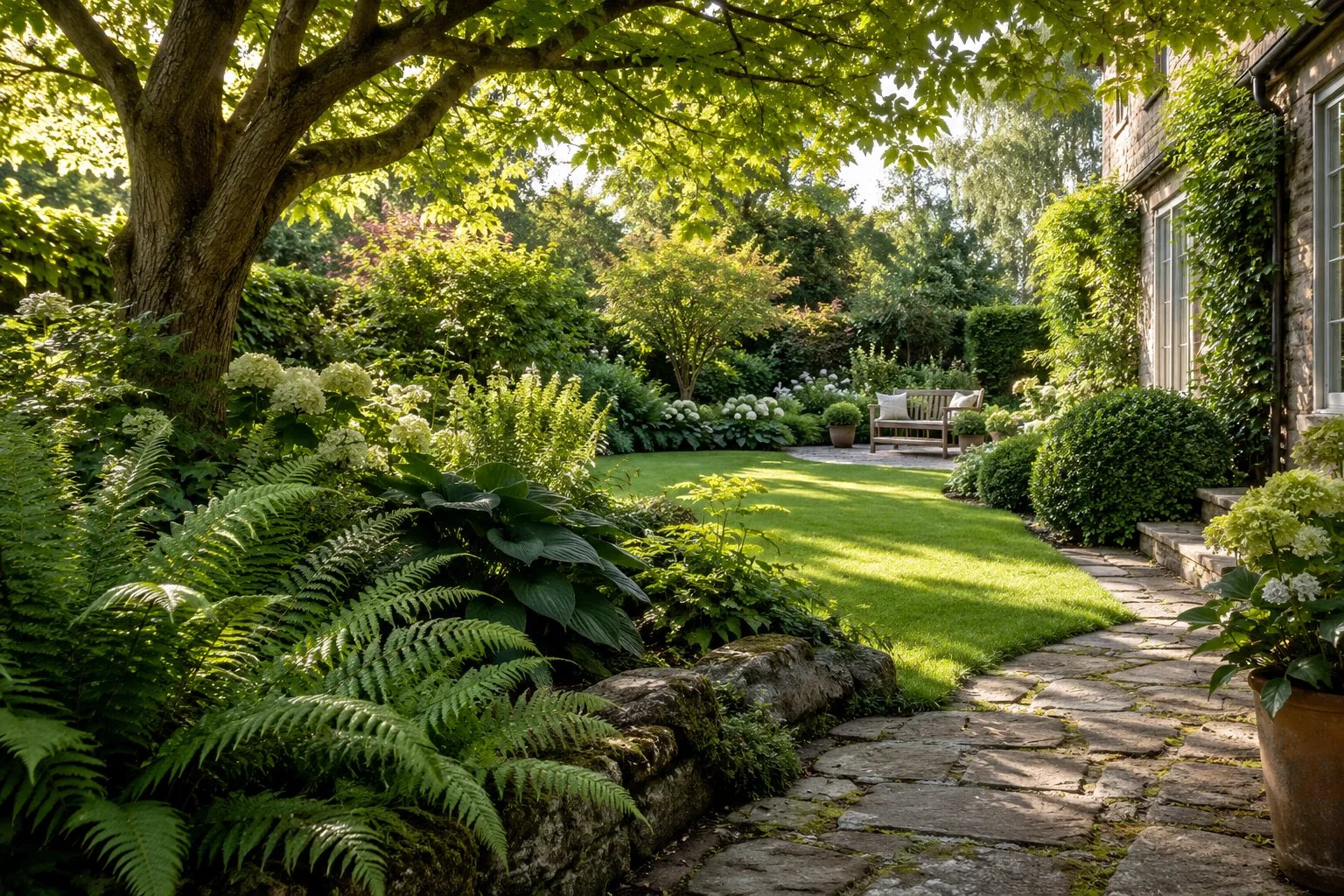
Established planting can be the best part of a garden and its most demanding responsibility. In Ruislip, a useful maintenance brief might focus on keeping shrubs in proportion, protecting a shaded border and making leaf collection manageable. Go Gardeners can discuss those tasks alongside mowing and general upkeep. Describe the garden’s existing structure and the parts you want to retain. A considered first visit should make the space easier to care for without treating mature growth as something to cut away indiscriminately.
Begin with a wide view of the whole garden and a few close photographs of problem plants. Explain what has changed: a shrub obscuring a window, a path becoming narrow or a lawn thinning beneath foliage. The change often matters more than the fact that the garden looks untidy today. Include photographs from earlier seasons if they show flowering or growth that is currently absent.
Garden maintenance can combine ordinary mowing, edging, weeding and suitable trimming. Where vegetation has blocked access entirely, clearance may be a separate starting point. In either case, mark valued plants and intended habitat areas. A retained corner should have a clear boundary so the gardeners can distinguish deliberate management from a patch that was simply overlooked.
Look after shrubs according to their growth
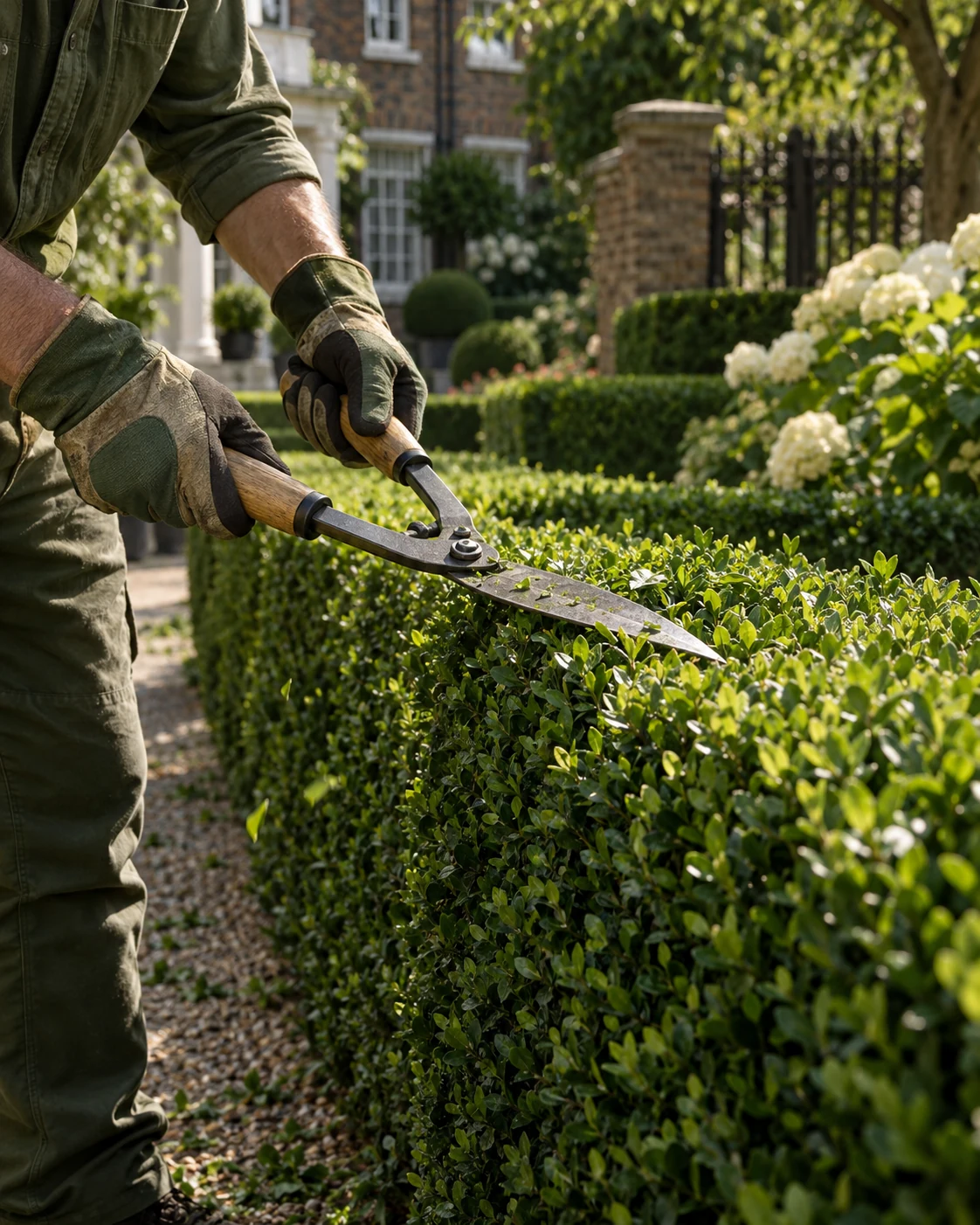
A shrub does not necessarily need pruning because the rest of the garden is being tidied. Identify it, consider its flowering habit and define the problem before deciding on cutting. Removing selected growth may be appropriate where a path is obstructed; reducing every stem uniformly may not give the result you want. Explain the space needed around the plant and the screening it currently provides.
For a long hedge, send dimensions and access details for both faces. A light seasonal trim differs from reclaiming substantial width. Mention old bare areas and failed sections, since a severe cut may expose more than expected. If the boundary no longer suits the garden, a longer-term plan can be more useful than repeated attempts to force unsuitable growth into an ever smaller shape.
Ruislip tree work starts with a local check
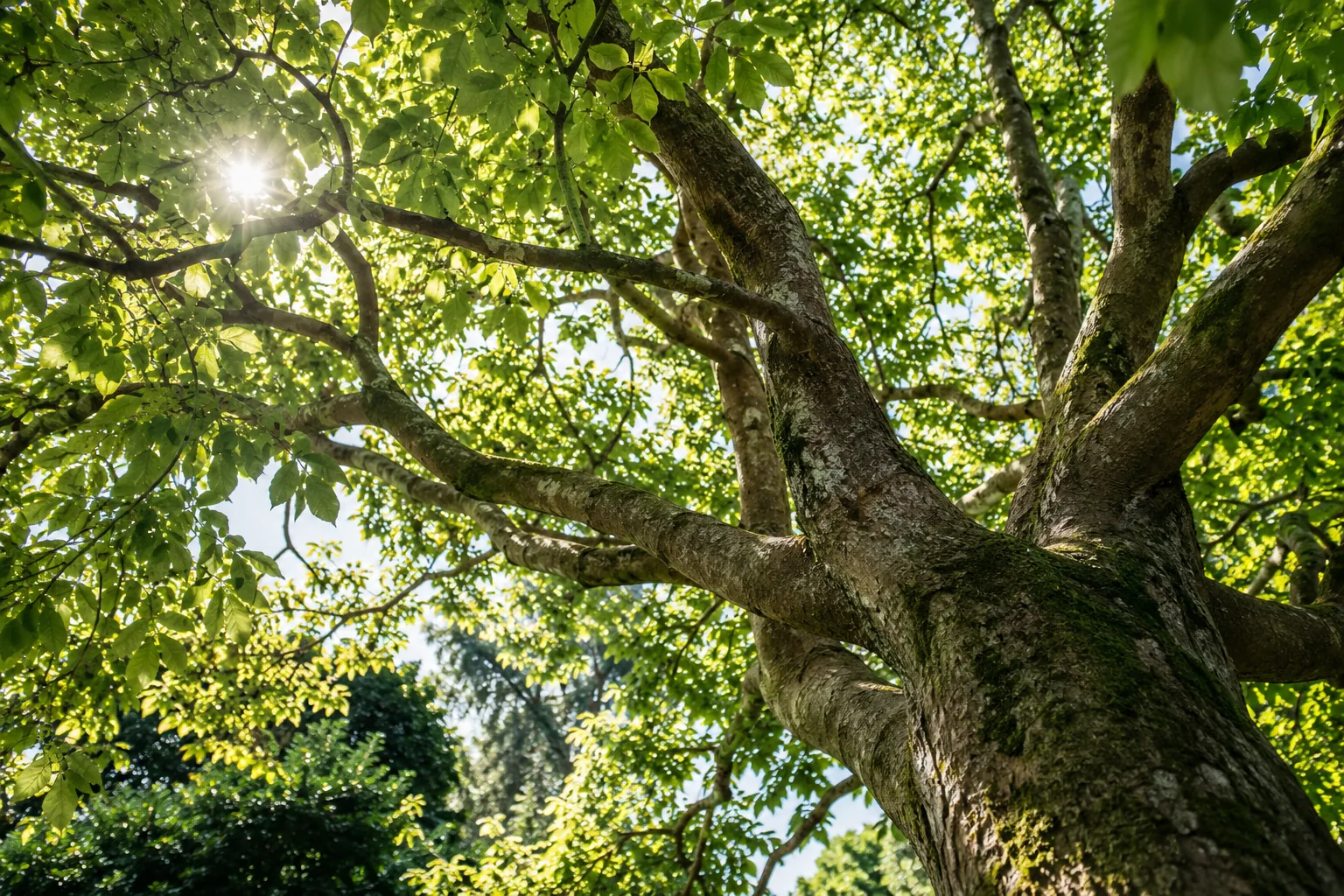
Use Hillingdon Council’s protected-tree guidance before planning work to established trees. Check whether the actual tree or property is affected by an order or conservation-area requirement. Do not assume the position from the age of the house, the appearance of the street or a tree standing within a private fence.
For substantial branches or removal, discuss tree surgery separately. Photograph the whole tree, nearby structures and the route in. State what concerns you and provide any relevant previous reports. Required permission or notice needs establishing before work proceeds; a routine gardening booking does not resolve it. Avoid specifying major pruning solely to change the lawn’s light without considering whether that operation is appropriate for the tree.
Be realistic about grass in shade
Shade changes over the day and through the year. Note which part of the lawn receives useful light and which lies beneath dense foliage for long periods. Also record wear and dry conditions around roots. A photograph taken at one sunny moment may conceal the pattern you are asking the gardeners to help with.
The RHS guide to lawns in shade discusses the limits of grass in low light. For a lawn-care enquiry, describe those conditions and your expectations. Repeated reseeding is not always the most sensible answer. If a small corner continually fails, a suitable planted alternative or a change of use may deserve discussion, particularly where the lawn is difficult to maintain without disturbing established roots.
Leaf collection with a purpose
Tell the gardeners where leaves cause a practical problem. A deep layer on grass, a slippery route or a blocked access to storage may deserve prompt attention. Not every leaf in every bed needs removing. Decide where a natural layer is welcome and where it interferes with small plants, bulbs or regular use. Clear instructions prevent the entire garden being treated as one uniform collection area.
If you want leaves retained, agree a suitable storage place with enough room. Do not fill a narrow passage or heap material against a door simply to avoid disposal. Leaf collection can become a recurring seasonal task where it remains useful, but its timing depends on conditions and ongoing fall. A single visit cannot ensure the garden stays leaf-free afterwards, and that should not be the measure of whether the appointment succeeded.
Protect beds from unnecessary disturbance
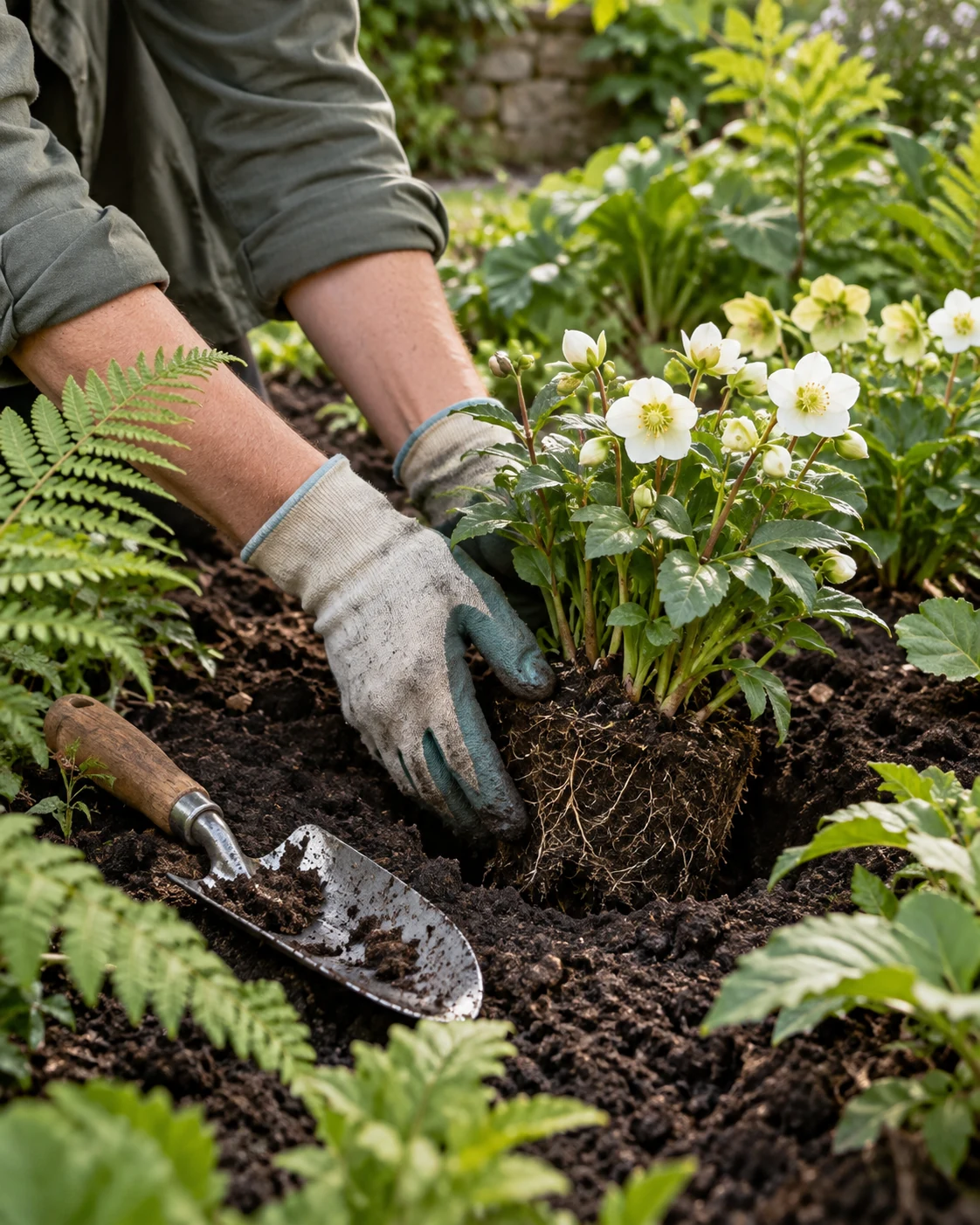
In established borders, mark plants before weeding and avoid working blindly around dormant growth. Choose an achievable section, especially where weeds are tangled through desirable roots. A careful finish may take longer than cutting everything down, but it preserves the planting you wanted to keep. Mention any underground irrigation and avoid stacking tools or bags on low plants.
Review what will cover the soil after weeding. Appropriate mulch or additional planting may be useful, with the material and quantity agreed beforehand. Observe moisture, light and access instead of applying a neighbourhood-wide soil assumption. If the bed’s depth or position makes care persistently awkward, consider garden design and landscaping as a separate project. Maintenance should support a workable layout, not obscure that the layout needs reconsidering.
Seasonal work and wildlife checks
Dense shrubs, hedges and climbers need checks for nesting activity before cutting. Defer affected work where required and keep other priorities available. The presence of wildlife habitat is a reason to plan thoughtfully, not to promise that a particular date makes every task safe. Explain any recent observations, such as birds repeatedly entering one area, during the booking conversation.
Spring work should protect emerging growth. In summer, consider plant condition before deciding on cuts and ensure someone can care for new planting between visits. Autumn tasks can balance leaf collection with retained stems and shelter. Winter ground conditions may limit access to beds and turf. Weekly, fortnightly or monthly maintenance can be discussed, but the tasks and frequency should change when the garden’s needs change rather than follow a rigid year-round formula.

Agree practical details and the price
Published gardening rates are £79 for the first hour and £65 for subsequent actual hours. The arrangement describes two gardeners with equipment, tools and bags and includes up to 120 litres of green waste removal. See the current price guide, then confirm the postcode, availability and any applicable extra charges, including relevant congestion-related charges. Additional green waste disposal must be agreed separately.
Large shrubs can create bulky cuttings even in a modest garden. Show the carrying route, gates and steps and explain parking arrangements. If you want some material left on site, identify a suitable place and its capacity. Before the appointment, move small loose objects, remove pet waste and flag fragile features. If the task list is long, rank it so the most useful result happens first within the agreed time and budget.
Ruislip gardening questions
Need to discuss your own garden or property? Call with photographs and your postcode.
Ask about your visitCan I retain an established woodland-style corner?
Show its boundary and explain which paths need access around it. Identify plants or natural features to preserve and specify the limited work you want within the area. An informal corner can be managed deliberately, provided it is clearly distinguished from vegetation included in general clearance.
Should fallen leaves be removed from all beds?
Decide according to the planting and the way the bed is used. Some areas may tolerate a retained layer while small plants or emerging growth need space. Give specific instructions rather than assuming the same leaf-clearing standard is useful in every part of the garden.
Can tree roots be cut to improve the lawn?
Do not include root cutting as a casual maintenance instruction. Established roots and tree protection need appropriate consideration. Discuss the lawn problem and the tree separately, with relevant council checks where needed, instead of treating roots as ordinary obstacles to remove during grass repair.
Can a shaded lawn become a planted bed?
That can be explored as a separate plan based on light, roots, soil and how you use the space. It needs suitable preparation and plant choices. A change of use should be discussed before materials are ordered, rather than improvised after a routine mowing appointment.
Will gardeners identify every dormant plant?
Identification may be limited when no useful growth is visible. Provide labels or photographs from a previous season and flag uncertain areas. Retaining an unknown plant until it can be assessed is often more sensible than assuming the absence of current foliage makes it unwanted.
How do I describe a large hedge for an estimate?
Give approximate height, length and width, photographs of both ends and details of access to each face. State whether you want a light trim or a larger reduction. Include the waste route, since moving bulky cuttings can be a substantial part of the appointment.
Can work continue if a nest is found?
Affected cutting should be deferred where needed. Other agreed tasks elsewhere may still be practical, depending on the circumstances. A priority list with alternatives is useful, but it should never become pressure to disturb occupied growth simply to complete the original plan.
What other listed areas are nearby?
Read the pages for Northolt, Hayes, Harrow and Greenford, or use the coverage directory. The exact address and requested service still need an availability check directly with the booking team.
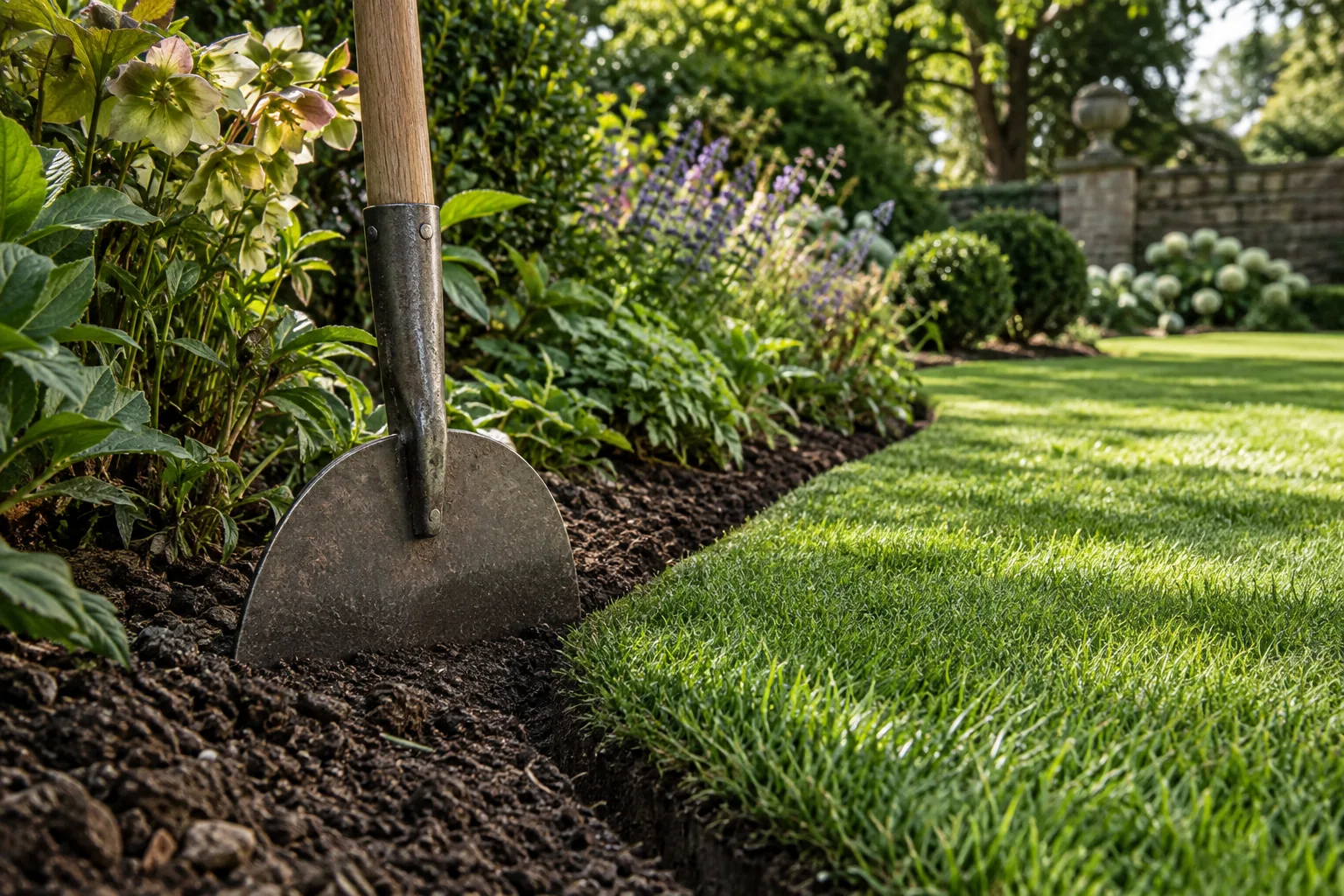
Discuss considered garden care in Ruislip
Call 020 3746 2449 with photographs of the established planting and the areas that are becoming hard to maintain. Include what you want preserved, your access arrangements and the first useful outcome. A clear brief helps put routine care, seasonal tasks and any specialist work into a sensible order.
Call 020 3746 2449Gardening nearby.
View all 60 coverage areas ↗Ruislip on the map.
Approximate area centre for orientation. Call to confirm availability for your exact postcode.