
Gardeners
Hayes
Make the ground and aftercare plan ready before adding more plants. Hayes gardening enquiries can cover a manageable first clear-out, realistic lawn repair and practical preparation, with larger layout or tree decisions considered as separate work.
- Understand the ground before buying materials
- Plan aftercare for each new planting stage
- Recover manageable areas before larger projects
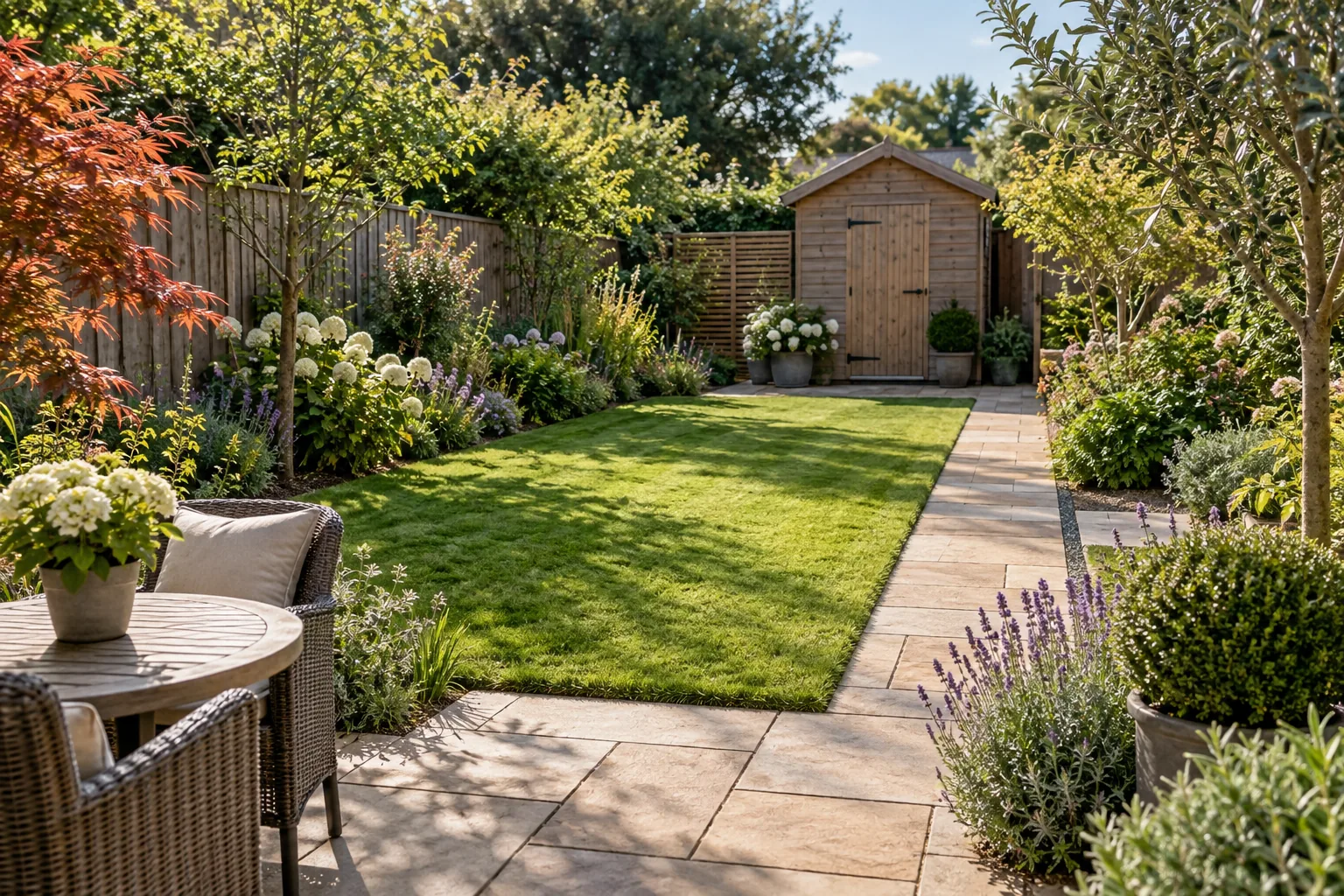
Begin with a workable first stage
Before spending money on new plants, make sure the garden is ready to look after them. An overgrown bed, difficult water access or a lawn used as the main route to storage can undermine a fresh start. For gardening in Hayes, Go Gardeners can discuss restoring order first and introducing new work at a sensible pace. Describe the garden as it stands today, what you want to keep and the time you can give it afterwards. Those details help make the appointment useful beyond its immediate appearance.
Choose a result you can recognise when the visit is complete. It might be an accessible patio, a mown lawn with clear edges or one bed ready for further decisions. Garden maintenance is suitable for routine care where the space is reachable. Where dense vegetation prevents ordinary access, start with a garden-clearance enquiry and photographs of the affected sections.
Keep the scope specific. Removing visible growth, lifting established roots and preparing a bed for planting are different tasks. Mark shrubs, bulbs and useful screening before cutting starts. If you have just moved in, photographs from another season or a cautious retention plan may prevent losing plants that are temporarily dormant. A complete removal should be a deliberate choice rather than the default meaning of a tidy-up.
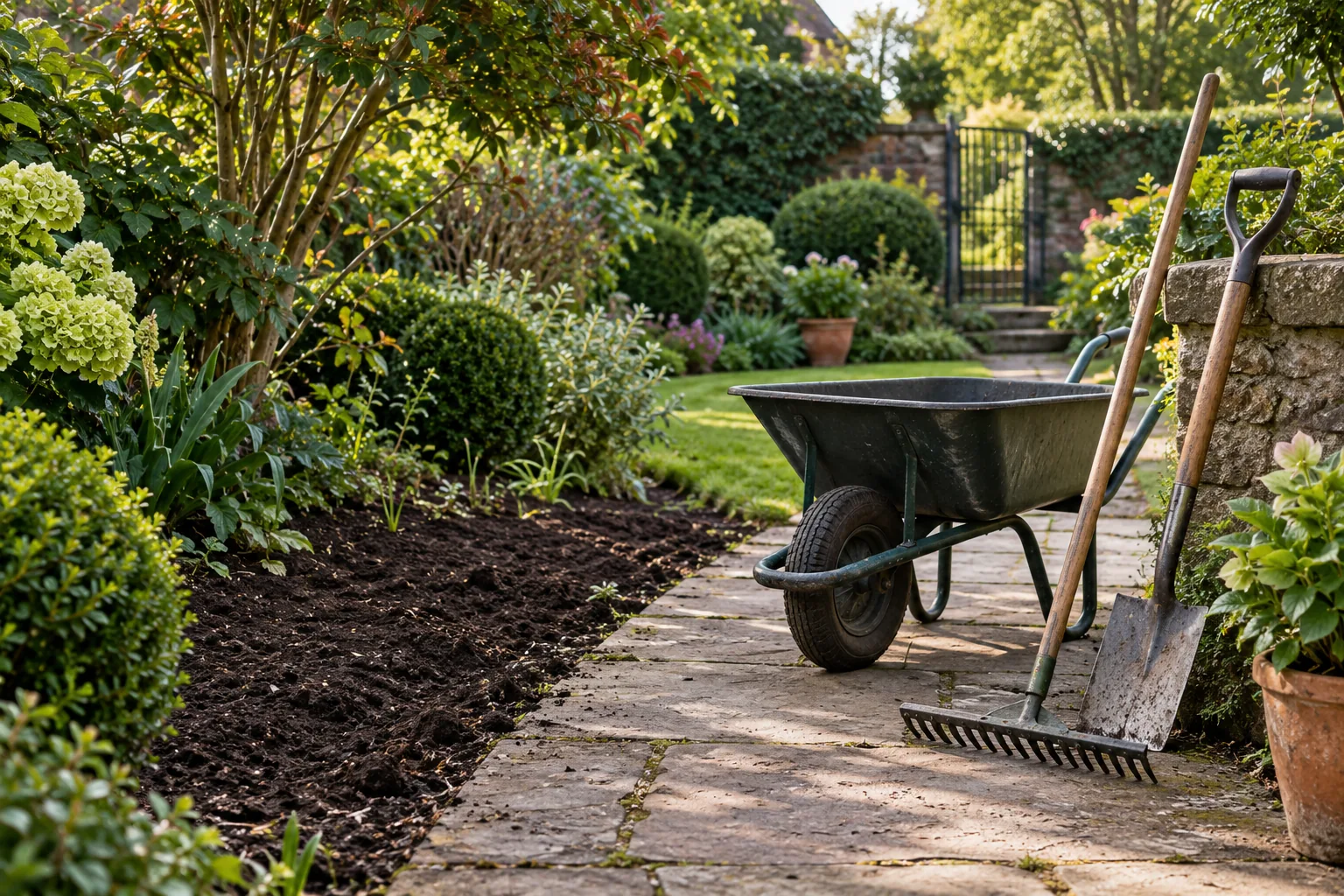
Learn from the ground before changing it
A Hayes address does not establish one soil type or drainage pattern for every garden. Look at your own space after rain and during a dry period. Note where water rests, where people tread and where plants have thrived. A border shaded by a building can behave differently from an open bed, so show both rather than offering one photograph as evidence for the entire plot.
If there is a persistent wet patch, record its timing and duration. Routine weeding cannot be promised to resolve a structural drainage problem. Avoid adding soil or changing levels around trees and buildings without a suitable plan. When the layout or ground arrangement needs more than upkeep, discuss garden design and landscaping separately. The appropriate first step may be assessment rather than buying turf, gravel or a large quantity of compost.
Plant fewer things with a clear aftercare plan
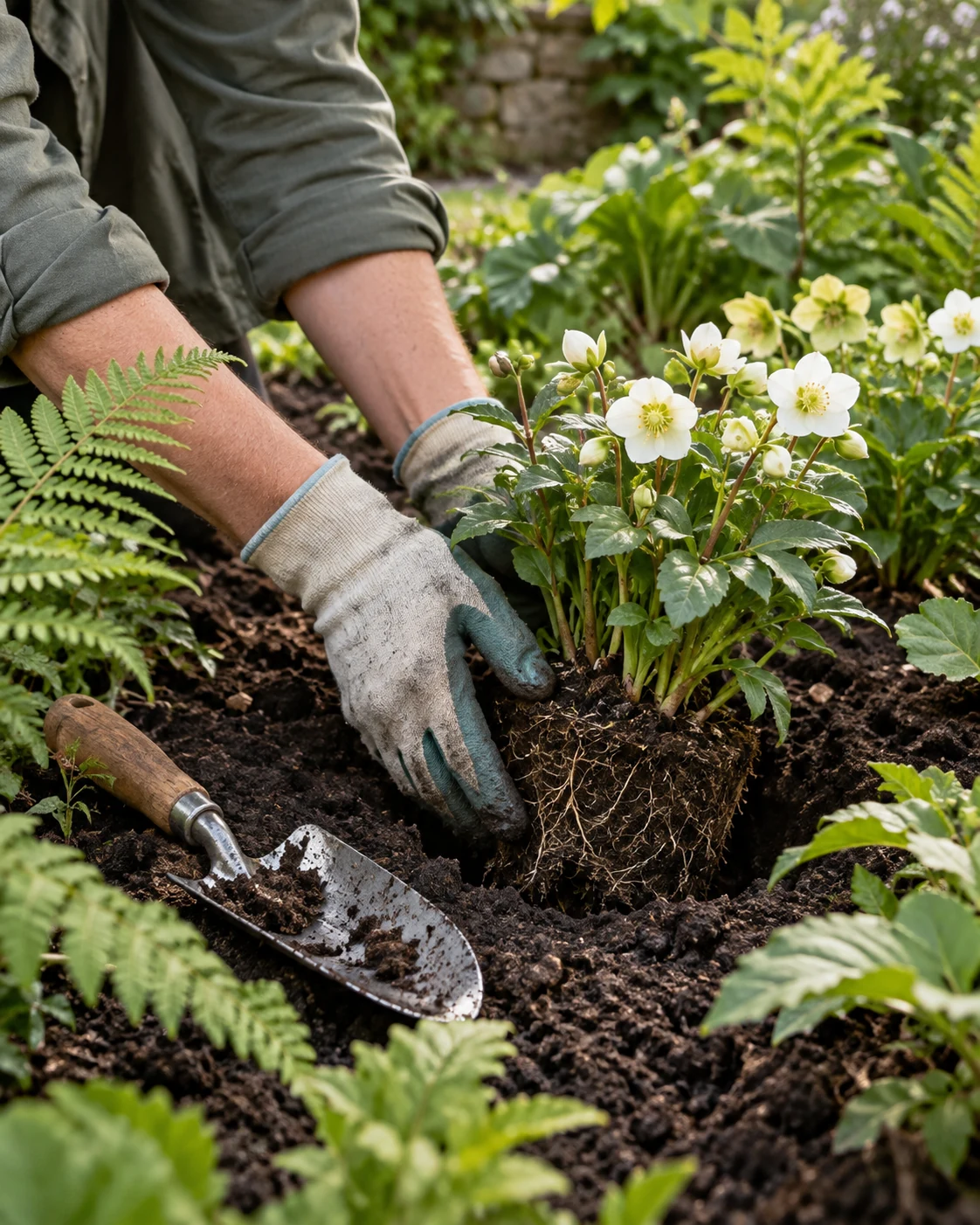
Before planting, consider light, mature spread and the practical route for watering. A plant that fits a nursery pot may eventually obstruct the only path. Grouping by appearance alone can put incompatible needs together. Explain what you want the bed to do: provide seasonal flowers, screening, herbs or simpler care. That purpose helps narrow the choices without pretending any planting is maintenance-free.
Agree materials in advance if planting is part of the appointment. If you supply plants, give the exact list and quantities rather than relying on an instruction to put in whatever arrives. Decide who checks moisture during establishment and how the plants will be protected from routine foot traffic. A single gardening visit cannot substitute for aftercare, particularly for containers and plants whose roots have not yet grown into the surrounding soil.
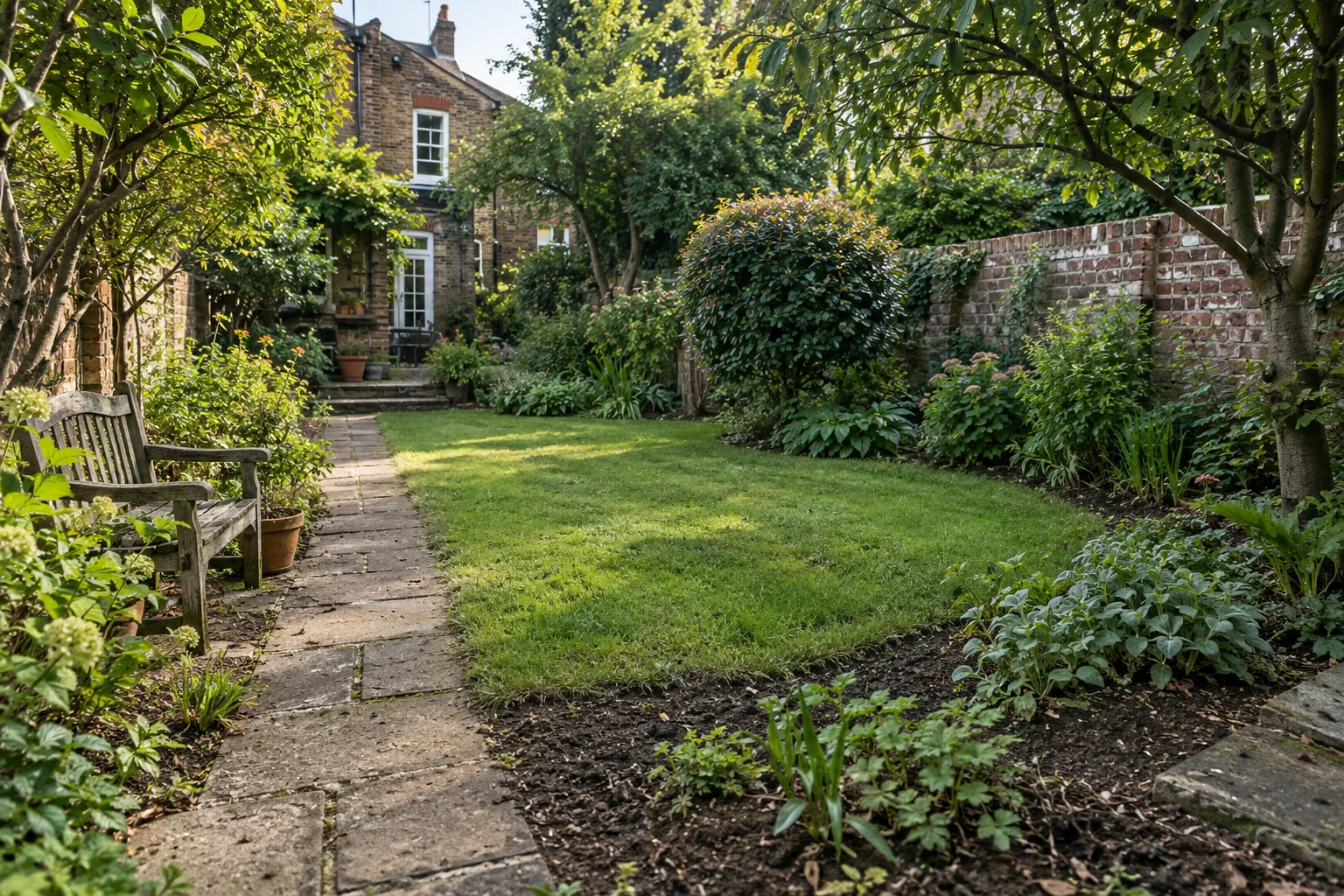
Lawns: repair the cause as well as the appearance
For grass, explain length, use and the worst areas. Move small loose objects safely and flag low obstacles, roots or edging that long growth might conceal. A first cut after neglect may be a recovery step, with a different immediate appearance from a lawn already under regular care. Discuss this before expecting a very close finish in one operation.
Lawn care is worth a separate conversation when patches keep returning. Describe shade, wear and surface conditions, and show how people move through the garden. A newly repaired strip will struggle if it remains the unavoidable route to a shed. Consider the timing and temporary access needed for establishment rather than treating new seed or turf as something that can be put down and used normally straight away.
Hillingdon checks for trees and protected areas
Hillingdon Council’s guidance on work to protected trees explains the need to establish protection before proposed works. For a Hayes garden, check the actual tree and property, including relevant conservation-area status. This is a property-specific question, not a reason to assume that every local tree needs the same process or that private ownership removes restrictions.
Photograph substantial trees separately from routine hedge work. For significant pruning or removal, use the tree-surgery service discussion and define the concern clearly. Any required council permission or notice should be resolved before proceeding. A general maintenance estimate should not be read as approval for tree work, and cutting branches simply because access equipment is available is not a substitute for deciding what the tree actually needs.
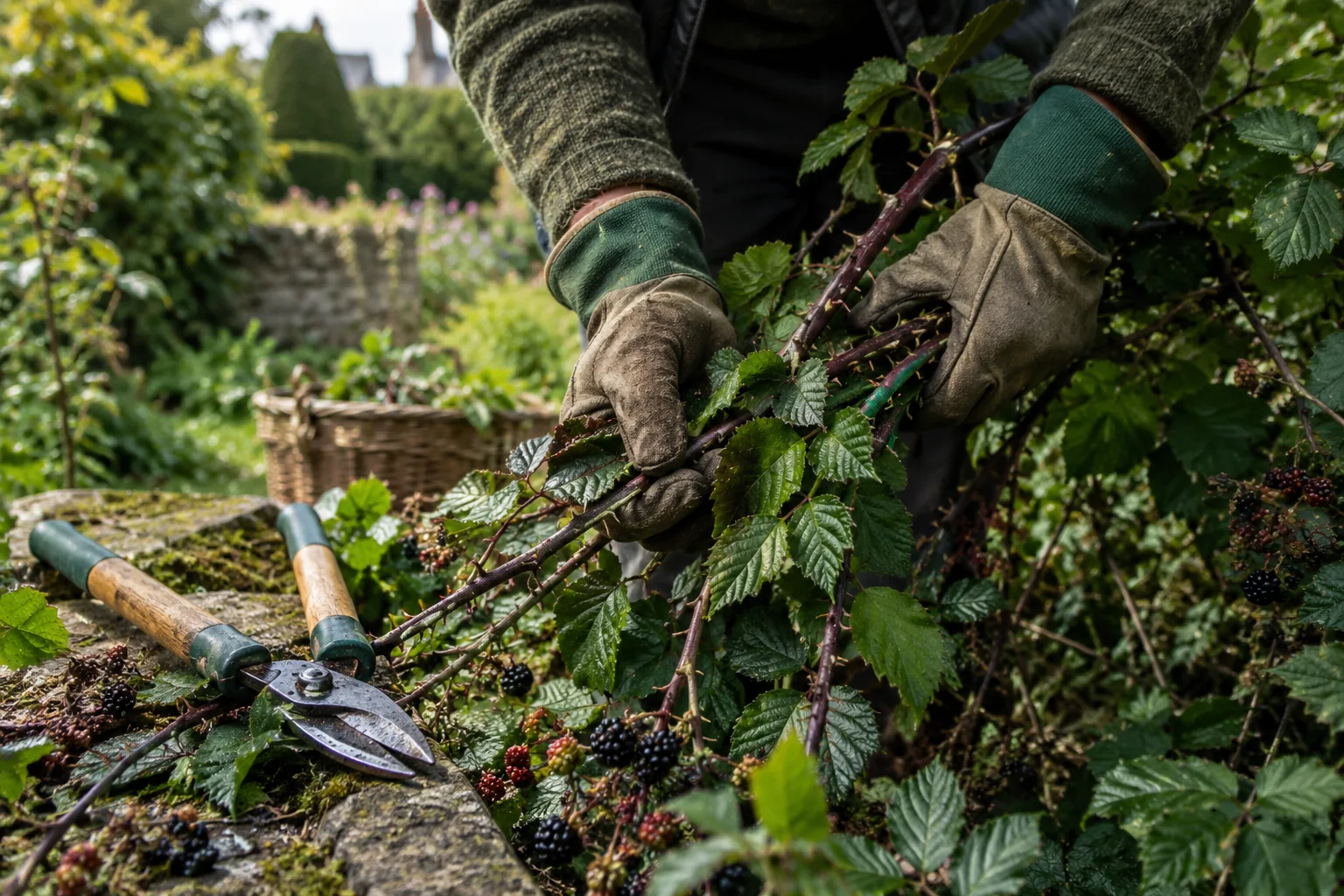
Keep boundaries useful without careless reductions
Give a hedge’s approximate length and height, the access on each side and the width you need for the path. Identify the plant if you can. A light trim and a substantial reduction can have very different consequences, so explain the intended result rather than asking only for the hedge to be done. Mention loose fences or supports hidden behind the growth.
Check dense shrubs, climbers and hedges for nesting activity before cutting. Affected work should be deferred where necessary. The relevant issue is the actual nest and proposed disturbance, not a blanket assumption that a calendar date makes every cut acceptable. If one task cannot proceed, have another useful priority ready. Selective work elsewhere can improve the garden without pressuring the team to disturb a sensitive section.
Fit appointments to growth and household time
Weekly, fortnightly and monthly care can be discussed according to what you need help with. You might maintain containers yourself while gardeners deal with grass and larger beds. Review the arrangement when growth changes. Spring attention can protect young shoots during weeding; summer work may be more about monitoring plants than cutting them; autumn can focus on leaf accumulation where it affects use.
Winter tasks depend on conditions. Avoid repeated traffic over soft turf or working soil simply because an appointment is in the diary. Keep the job list flexible enough to choose sensible alternatives. For a one-off visit, rank the work and accept that discoveries beneath overgrowth may require a further estimate. Additional hours are subject to the team’s schedule rather than being guaranteed on the day.
Price, waste and access for a Hayes enquiry
The published gardening price is £79 for the first hour and £65 for subsequent actual hours. Two gardeners with tools, equipment and bags are described, and up to 120 litres of green waste removal is included. Read the current price page and confirm the postcode, availability and any applicable extra charges, including congestion-related charges where relevant. Additional removal must be agreed before it is assumed.
Photographs should include the gate and carrying route. Explain parking, steps, locks and any shared passage. If entry is through the house, agree the practical arrangements beforehand. Decide where retained material can go, and do not assume a small green bin will hold bulky woody cuttings. Keep pets and children out of the working area and provide a contact route for decisions if you will not be present during the appointment.
Hayes gardening questions
Need to discuss your own garden or property? Call with photographs and your postcode.
Ask about your visitShould I order plants before booking the gardeners?
Discuss the bed, conditions and intended work first. Ordering in advance can leave you with unsuitable plants or insufficient preparation time. If you already have plants, share the list, sizes and quantities so the appointment can be planned around them and their immediate aftercare.
Can clearance reveal whether the lawn is salvageable?
It can make the ground easier to inspect, but it does not guarantee the grass beneath is usable. Agree a first stage and review what appears. Uneven levels, shade or debris may require a separate response before mowing alone can become the regular routine.
Can you help with a bed beside a driveway?
Show its width, access and the space needed to keep vehicles and pedestrians clear. Identify plants to retain and explain any buried irrigation or cables. Plant care can be discussed, while alterations to surfacing, levels or the layout should have their own defined scope.
Will adding compost solve every soil problem?
No single material addresses all causes of poor growth or standing water. Start with observations of the site and the intended plants. Compaction, shade, drainage and previous use may need consideration. Avoid ordering bulk materials as an automatic response before understanding the problem.
Can an old hedge be made narrow in one cut?
That depends on the species, condition and proposed reduction. Some plants do not regrow well from old bare wood. Send clear photographs and discuss a realistic target, including whether a staged approach or a longer-term replacement plan would better suit the space.
What if access is via a locked rear lane?
Confirm permission, the working route and every required key or code before the visit. Explain whether unloading can happen there and whether other people need uninterrupted passage. An access arrangement must be workable for tools and waste, not just for a person walking through.
Are tree jobs charged at the gardening rate?
Substantial tree work needs its own assessment and price. The maintenance hourly figure should not be applied automatically to pruning or removal. Protection checks and a suitable working arrangement may also affect whether the proposed operation can proceed and when it can be scheduled.
Which adjacent areas can I compare?
The approved pages include Southall, Northolt, Greenford and Ruislip. Use the coverage directory for the full area list, then confirm the exact postcode and availability for your required service directly.
Take the next practical step in Hayes
Call 020 3746 2449 and explain what you want to achieve before buying materials or committing to a larger project. Photographs, an honest description of growth and clear access details help establish a useful first appointment. Start with a manageable improvement and an aftercare plan that you can continue.
Call 020 3746 2449Gardening nearby.
View all 60 coverage areas ↗Hayes on the map.
Approximate area centre for orientation. Call to confirm availability for your exact postcode.