
Gardeners
Watford
Balance the competing jobs of a front garden: entrance, bins, boundaries and planting. Define the private working area, assess mature plant size and choose priorities for front and rear spaces without assuming their care needs are identical.
- Define private and shared planting boundaries
- Keep entrances usable around everyday storage
- Set distinct priorities for front and rear
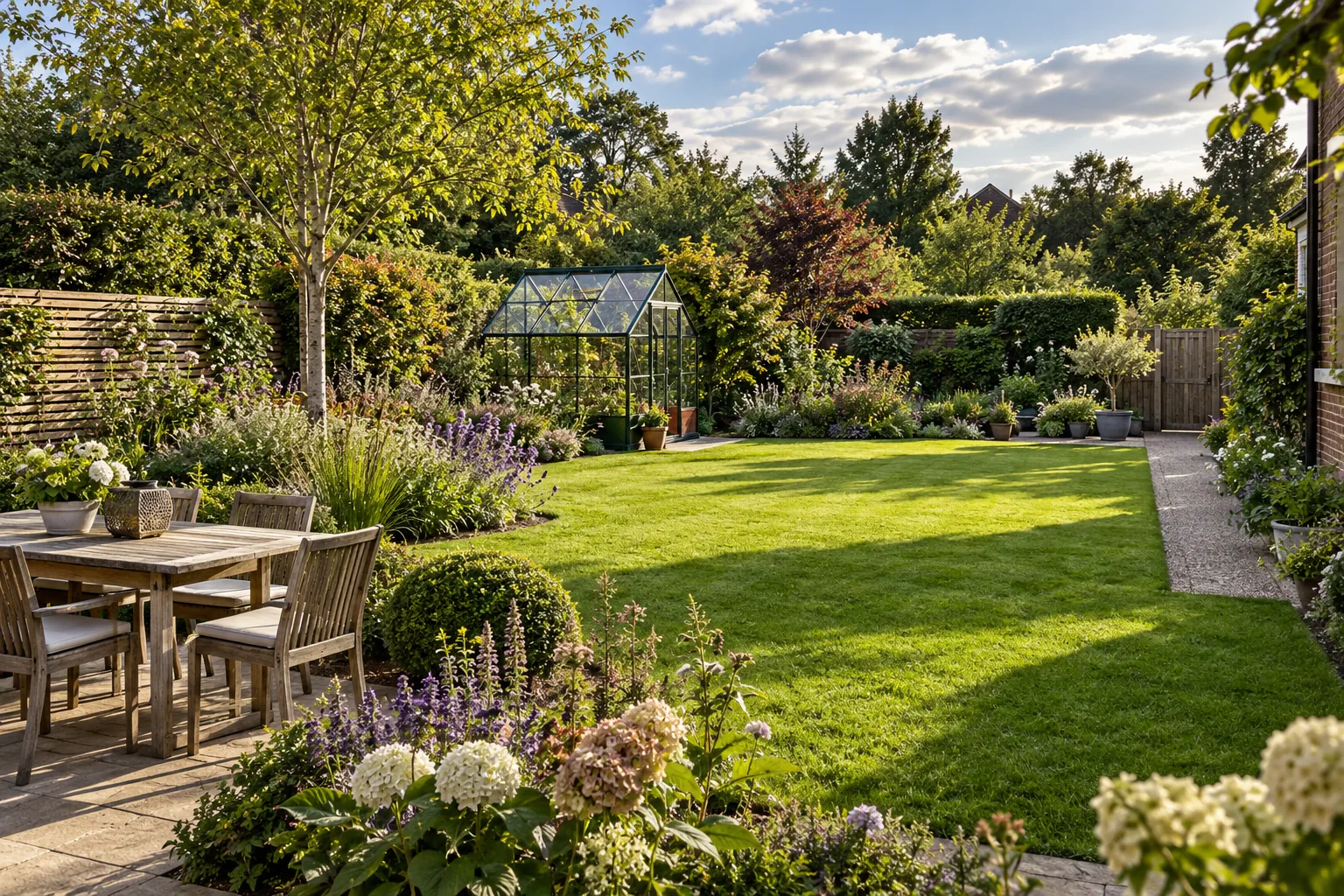
Define the private working area
The front garden has several jobs at once: access to the door, room for bins, a boundary and planting seen throughout the year. When one begins to obstruct another, repeated quick trims can become frustrating. Go Gardeners can discuss Watford garden maintenance with those functions in mind. Identify the space that belongs to the booking and the routes that must remain clear, then decide which plants and features you want to retain. A front garden and a private rear garden may need different priorities even when they are maintained during the same visit.
Show where your planting ends and the pavement, shared access or neighbouring property begins. Confirm authority for any shared bed or boundary. A maintenance request should not rely on gardeners deciding ownership on arrival. If work affects a hedge beside a public route, describe the obstruction while keeping the relevant boundary and access arrangements clear.
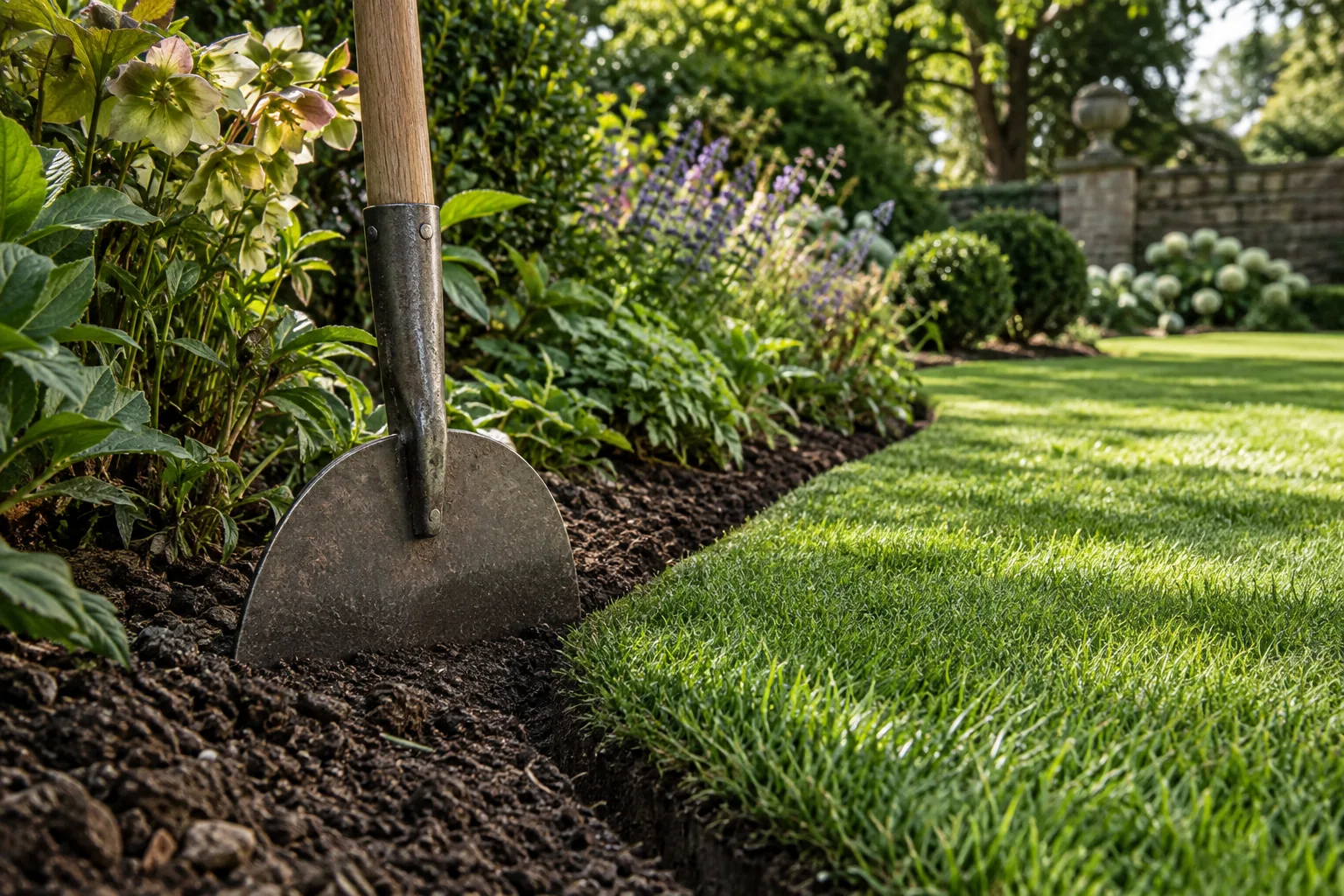
Garden maintenance can include appropriate weeding, edging and selective trimming within an agreed area. Mark retained plants and clarify whether a strip is ornamental, a deliberate wildlife area or simply overgrown. Clear instructions avoid removing planting because it appears untidy from one direction while overlooking its purpose as screening or a boundary.
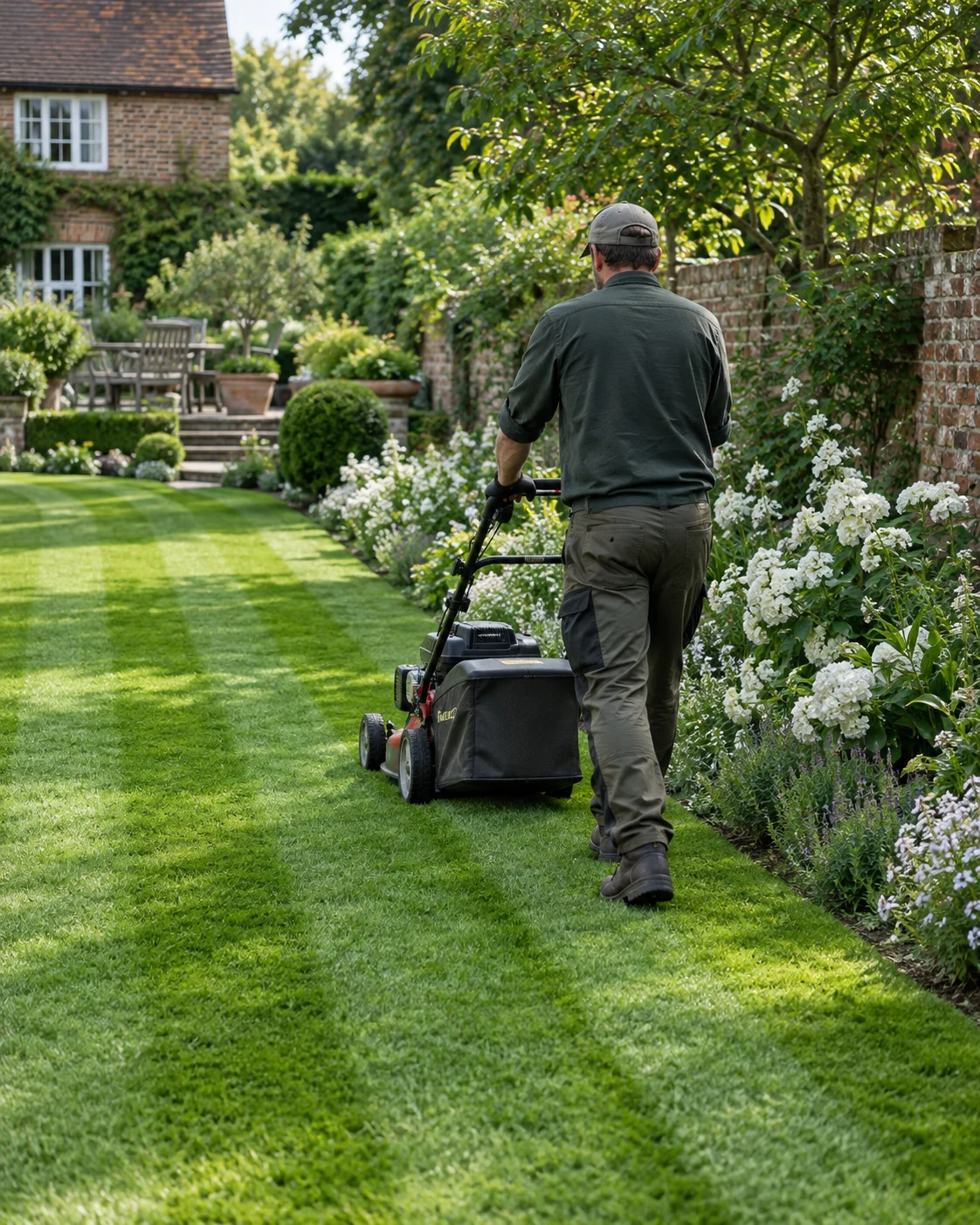
Keep entrances functional
Look at the route when bins are out and when cars, bicycles or deliveries occupy the space. A path that appears clear in an empty photograph may narrow considerably during ordinary use. Explain which clearance matters daily. Where vegetation is the obstruction, suitable trimming may help; where the layout is too tight, a different solution may be needed.
Loose paving, damaged steps and unstable walls need appropriate assessment rather than a gardening workaround. Mention them before booking, particularly if they affect the carrying route. A clean edge cannot repair an unsafe surface. If a larger change is needed, a separate garden design and landscaping enquiry can consider the arrangement instead of repeatedly treating its symptoms.
Front planting should fit its position
Choose or retain plants according to light, available root space and mature spread. A compact specimen at purchase can eventually obscure a window or narrow a path. Before replacing it, identify whether suitable pruning can maintain it without repeated severe cutting. Not every shrub responds well to being forced into the same small shape.
Weeding around established plants should preserve bulbs and young shoots that may be inconspicuous. Mark them and explain which self-seeders you welcome. Bare soil is not automatically a lower-work finish; it can create recurring weeding. If a planting scheme is revised, plan establishment watering and future access before buying the materials.
Watford tree and conservation checks
Watford Borough Council’s tree information explains that some trees are protected by Tree Preservation Orders or conservation-area status. Use the actual property and identify the tree before proposed pruning or removal. A front-garden position does not establish either council ownership or freedom to cut.
The council publishes conservation-area maps and descriptions, which help establish relevant location information. Resolve any required permission or notice before tree work. Significant operations need a separate tree-surgery enquiry, with access and known protection disclosed. If a tree stands outside your boundary, clarify responsibility rather than adding it to a private gardening list.
Lawn edges and small strips of grass
Small front lawns can have detailed edges and obstacles, so show the full outline for lawn care. Include trees, narrow strips and the route to the rear garden if that is also included. Describe when the grass was last cut and any deliberate longer patches. Remove loose objects and pet waste where safe before work.
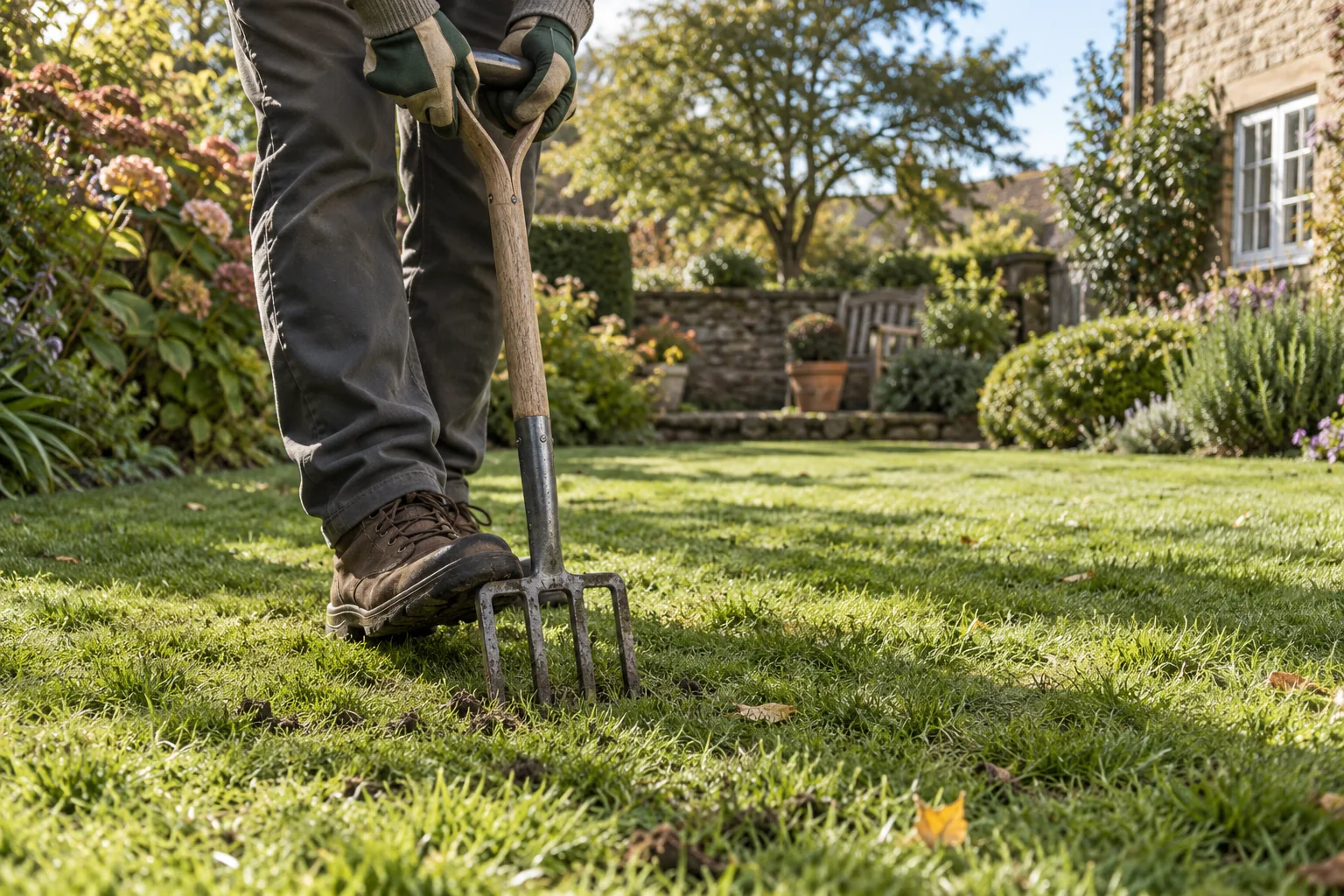
Thin grass beside a path may reflect repeated traffic, while shaded patches have different constraints. Mowing lower will not cure either. Discuss realistic improvement before buying seed or feed. In dry weather, a higher cut or pause may be appropriate; the RHS drought-care guide explains why temporary browning does not automatically justify replacing established turf.
Match front and rear tasks sensibly
If both areas are booked, distinguish the priorities. The front may need presentation and clear access while the rear needs a weeded border or recovered corner. A single list should show which outcome comes first if the initial allowance is used. Do not assume the visible front should always receive all the time before the more useful rear task begins.
Photograph the connecting route. A locked side gate, passage shared with neighbours or access through the home changes handling. Explain where equipment and bags can stand without blocking an entrance. Keep pets and children away from work, identify cables and irrigation, and agree how the property should be secured if you are not present.
Clearance and non-green materials
For a section that cannot be reached because of dense growth, garden clean-up may be appropriate. Specify retained plants and the desired finish. Exposing a boundary for inspection differs from preparing a new bed for planting. Cutting, root removal and soil preparation should not be assumed to be the same task.
List old pots, timber, rubble and discarded objects separately from vegetation. Their handling needs agreement, and some materials may need another service. Disclose known wire, glass or unstable structures beneath growth. A cleared front garden should not leave bags blocking a door or public route; establish a suitable waste location and removal plan before the appointment.
Seasonal work where it makes a difference
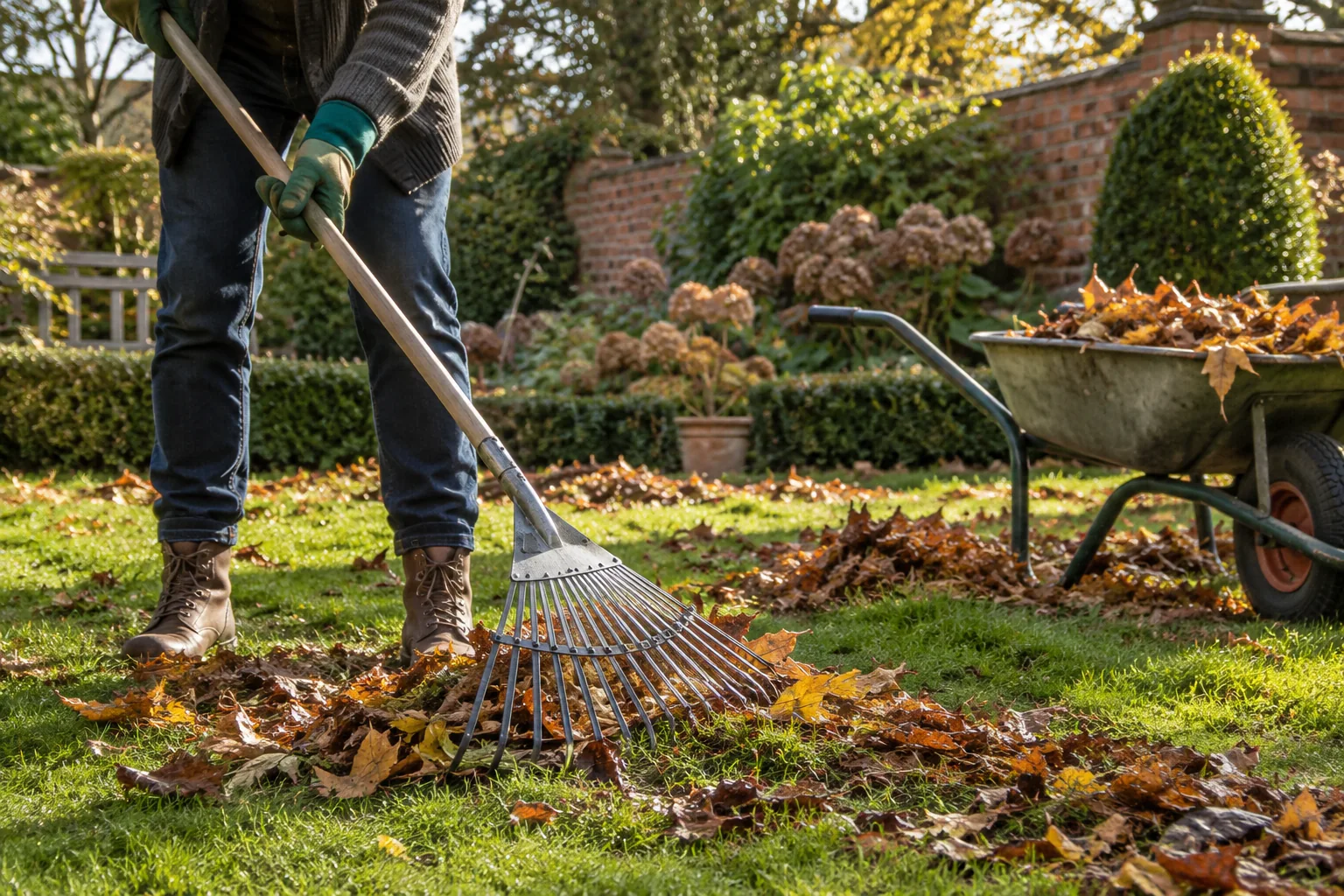
Spring can prioritise early weeds and emerging planting, while summer mowing responds to growth and moisture. Containers and newly planted shrubs need checks between visits from an agreed person. An occasional appointment cannot supply every watering need by implication. Autumn leaf collection can focus on steps, entrances and thick accumulations over grass.
Winter may reveal the framework of shrubs, but pruning still depends on the plant. Frozen or saturated ground can restrict sensible work. Check hedges, shrubs and climbers for active nests before cutting and defer affected operations appropriately. The government wild-bird protection guidance supports checking actual activity rather than treating a calendar date as universal permission.
Frequency, pricing and postcode confirmation
Weekly, fortnightly or monthly care can be discussed according to growth and availability. A one-off appointment suits a defined seasonal list or recovery stage. Decide which jobs you will handle yourself and review the interval through the year. An arrangement that suits fast summer grass may be unnecessary for a simple planted space in winter.
Maintenance, clearance and lawn care are published at £79 for the first hour and £65 per subsequent actual hour, with two gardeners, equipment and bags. Up to 120 litres of green waste is included; extra removal needs agreement. Consult the live prices page for the requested service; landscaping and tree work have separate quotes. Confirm postcode availability, parking and possible congestion charges. See coverage for nearby areas including Harrow, Edgware, Barnet and Ruislip.
Watford front-garden questions
Need to discuss your own garden or property? Call with photographs and your postcode.
Ask about your visitCan you maintain only the front garden?
Describe the agreed area and tasks. A limited scope can be practical, but the gardening minimum charge and access still apply. Include the lawn outline, planting and route from parking so the estimate is based on more than the garden’s apparent size.
Can you cut a hedge beside the pavement?
Identify ownership, the required clearance and access to the relevant face. Species, condition and active nesting need consideration. The public-facing position does not make every reduction suitable or establish permission to work on planting that belongs to someone else.
Does my front tree belong to the council?
Its position alone does not establish ownership. Clarify the boundary and responsibility before requesting work, then check protection as relevant. A private maintenance booking should not assume authorisation to prune a tree outside the property because its branches affect your garden.
Can you work around bins and bicycles?
Explain the available space and move light items where safe. Agree which routes must remain open and where bags can wait. The practical arrangement should allow work without blocking the entrance or relying on repeated unplanned moving of stored objects.
Should I pave over a difficult patch of lawn?
That is a separate design decision involving use, construction and drainage considerations. Assess why the grass struggles first. Replacing it may be appropriate in some circumstances, but it should not be treated as an automatic low-maintenance solution within a mowing appointment.
Can front and rear gardens receive different attention?
Yes, create a ranked list for both and explain your own contribution. One area may need regular mowing while another needs occasional plant-specific work. Review the arrangement as growth changes rather than assuming each visit must divide its time equally.
Will a tidy remove every weed permanently?
No sensible maintenance scope should promise that. Roots and future seedlings can require follow-up, especially after clearance exposes soil. Decide how the bed or joints will be managed afterwards rather than viewing one tidy as a permanent replacement for care.
What if parking is difficult outside the house?
Describe restrictions and the nearest practical unloading arrangement. Show the route to the garden and confirm details before booking. Handling distance affects the work, so it should be included in the enquiry instead of left as a surprise on arrival.
Arrange Watford gardening around access and planting
Call 020 3746 2449 with your postcode and photographs of the front, rear if included, and the route between them. Confirm the private working area and the outcome that comes first. Agree the service, price basis and waste plan before the appointment.
Call 020 3746 2449Gardening nearby.
View all 60 coverage areas ↗Watford on the map.
Approximate area centre for orientation. Call to confirm availability for your exact postcode.