
Gardeners
Putney
Investigate recurring lawn and border problems before repeating the same repair. Observe shade, roots, wear and moisture, retain suitable planting and consider realistic alternatives where maintenance alone cannot change the conditions that limit growth.
- Observe light through the growing season
- Assess thin grass before buying more seed
- Consider tree work through its own checks
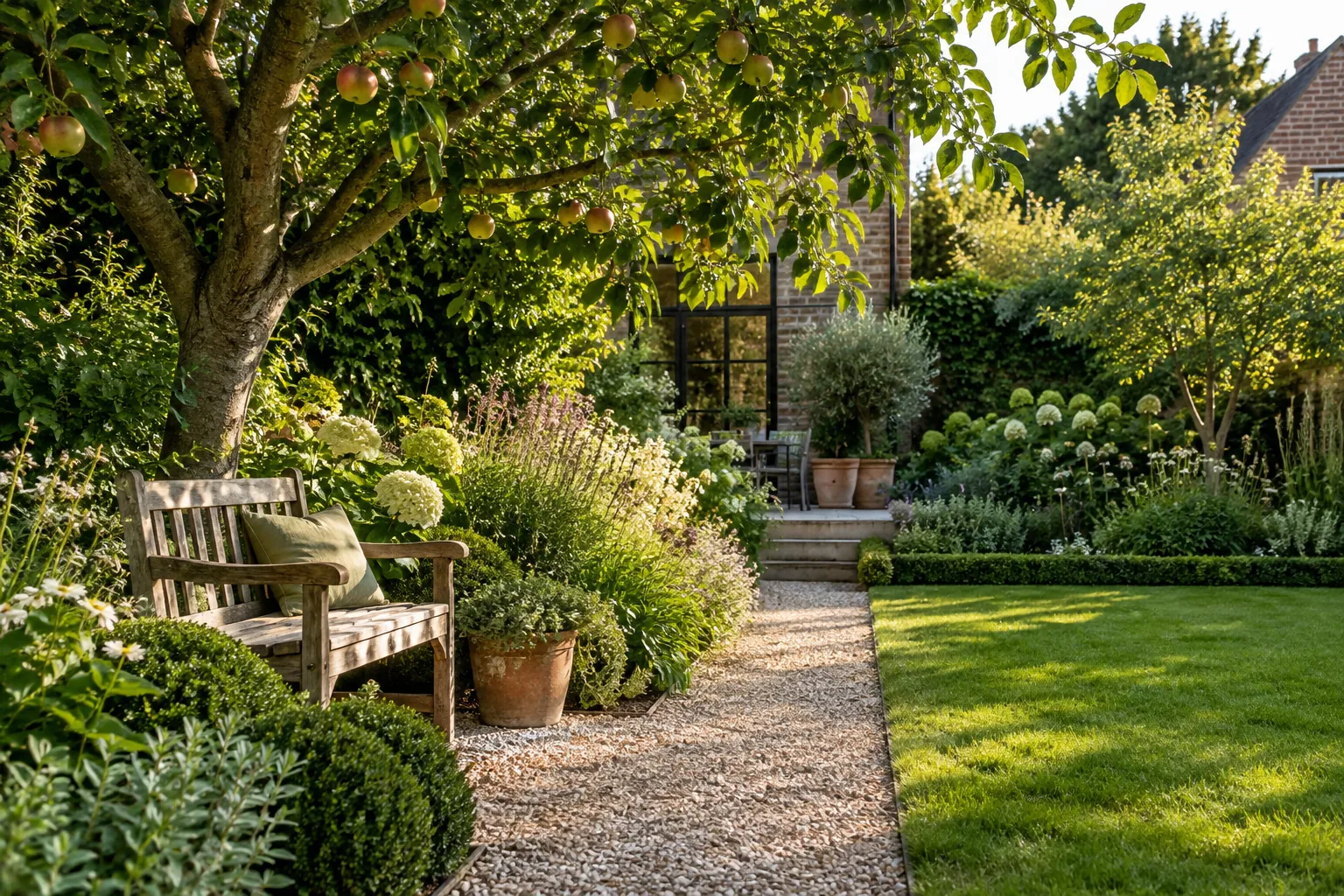
Observe light before changing the planting
When grass thins beneath a tree, the useful question is why it struggles there. Shade, roots, traffic and moisture can overlap, and another bag of seed may not change those conditions. Go Gardeners can discuss Putney garden care with that kind of problem in mind: observe the site, maintain what is viable and decide where a different planting choice deserves consideration. The approach applies to the actual garden you show us. It does not assume that every Putney property has mature trees, deep shade or the same soil.
Notice where sunlight falls at different times, especially as deciduous trees come into leaf. A bed that looks bright in winter may be shaded through much of the growing season. Walls and buildings can also affect light and rainfall. Photographs taken at several times are useful context for a plant-care discussion, particularly where the difficulty returns each summer.
List the plants that already perform well. They provide more relevant evidence than a general description of the neighbourhood. Garden maintenance can keep beds weeded and plants cared for while you assess conditions. Avoid filling every gap immediately; a plant chosen for the wrong exposure may create repeated replacement work rather than a fuller, easier border.
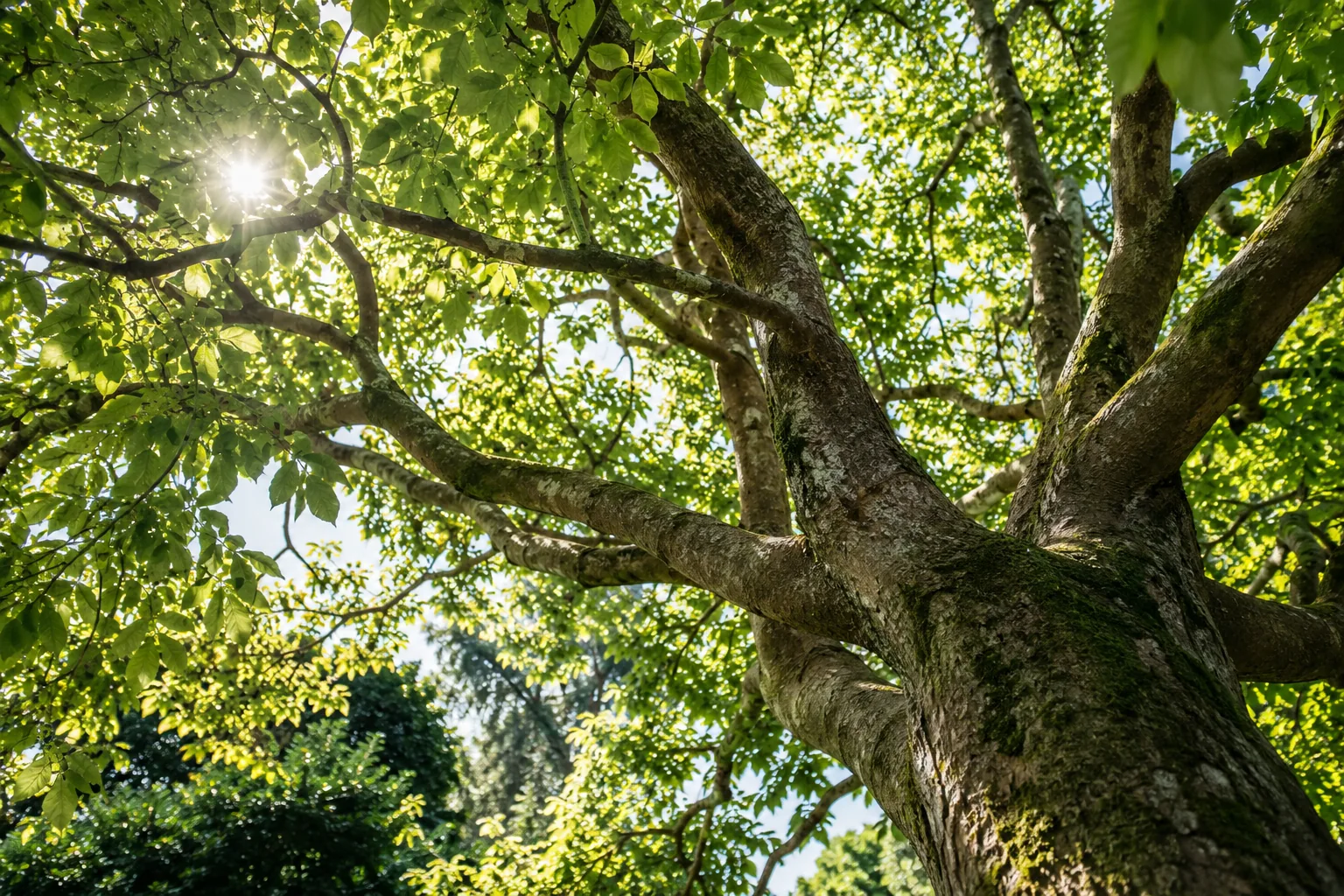
Lawn work under changing conditions
For lawn care, describe the pattern of thinning, wear and wetness. Show grass near tree bases as well as the open centre. Mowing can improve presentation where growth is suitable, but it is not a cure for persistent shade or root competition. Repeatedly cutting sparse grass lower may make the problem more obvious without improving it.
If repair is proposed, ask what establishment will require and whether traffic can be reduced. A route repeatedly walked across the lawn can remain worn regardless of feeding. During dry weather, established turf may brown and later recover; the RHS drought-care guide explains why immediate replacement is not always appropriate. Set expectations around the site’s limitations rather than a guaranteed year-round colour.
Trees deserve their own decisions
Tree pruning should be considered for the tree’s condition and the proposed operation, not simply as a quick way to brighten a lawn. Identify the tree, the branches of concern and the practical issue. Significant work needs a separate tree-surgery assessment. A maintenance visit does not include an unrestricted promise to remove height or large limbs.
For a Putney property in Wandsworth borough, begin with the council’s Tree Preservation Order guidance. Check the actual tree and location before relevant work. Wandsworth’s conservation-area information includes areas such as West Putney and Deodar Road, but that does not establish the status of every Putney garden. Resolve required permission or notice before scheduling cutting.
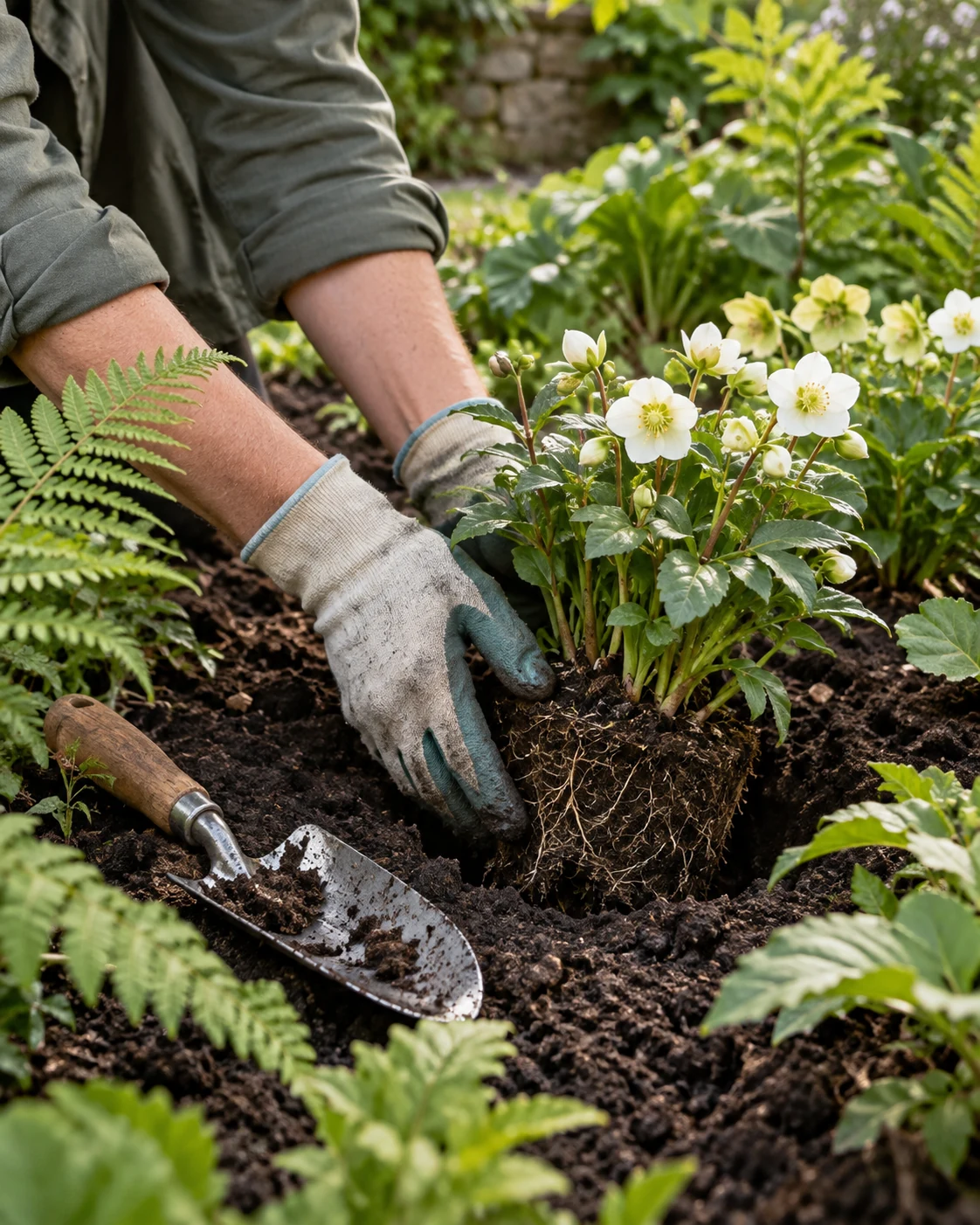
Borders beneath and beside established planting
Where roots and shade influence a bed, avoid deep disturbance without considering what is already growing there. Note dry patches, water collection and the way the surface changes after rain. A maintenance brief can prioritise careful weeding and appropriate care while a planting decision is made. Do not prescribe a universal soil amendment simply from the postcode.
Think about the mature spread of replacements and how they will be watered initially. A plant sold for shade may still have particular moisture requirements. If the bed repeatedly fails, a separate garden design conversation can consider a realistic scheme. The purpose is to match plants and use to the site, rather than promise that any preferred style can succeed unchanged.
Keep usable routes clear without stripping the garden
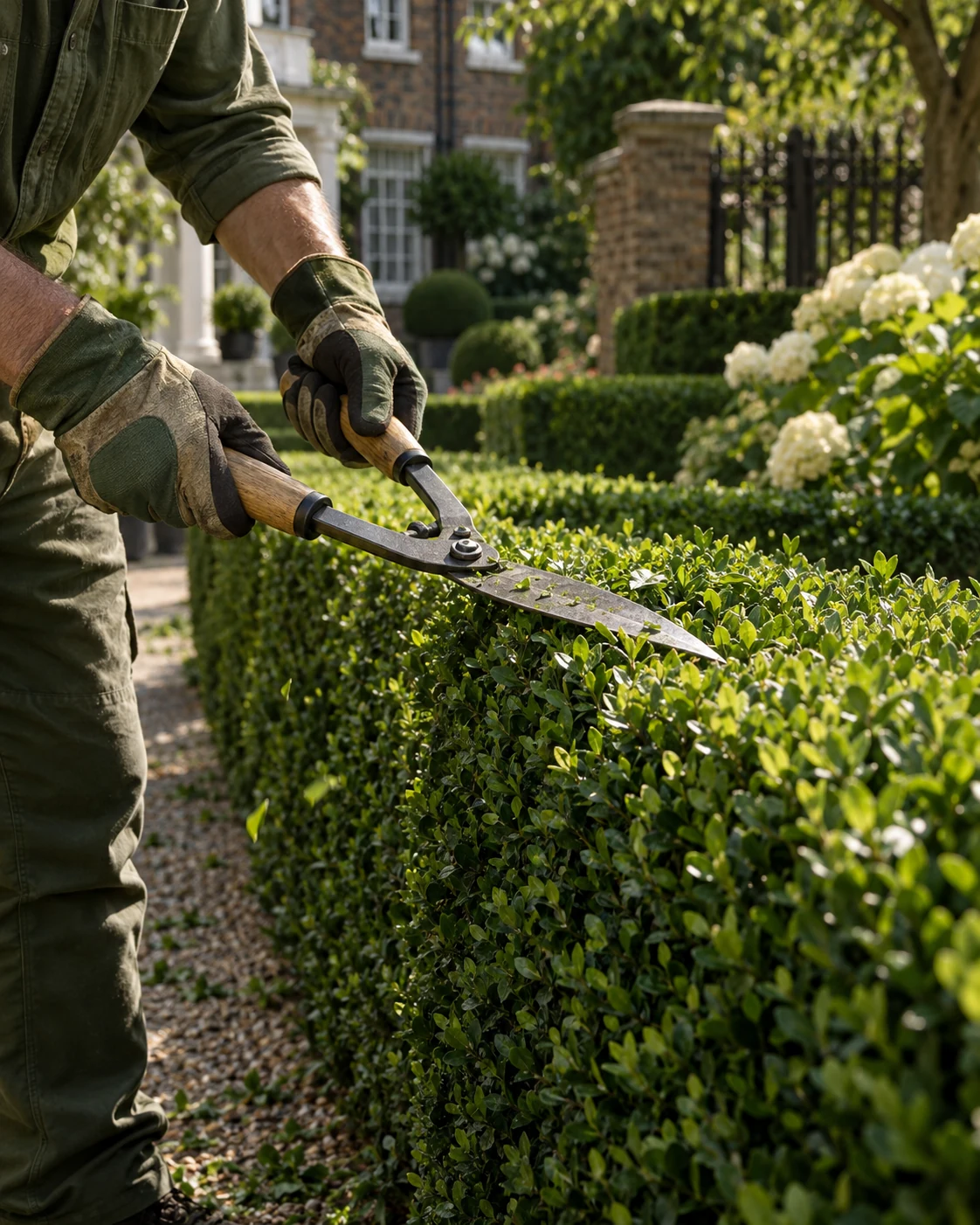
A shaded garden can still have clearly defined routes and edges. Selective trimming may restore space around steps or seating while retaining shelter and privacy elsewhere. Explain the clearance required and identify the plants. A light trim differs from reducing an overgrown woody framework, and not every shrub responds well to a severe cut.
Dense hedges, shrubs and climbers need checks for active nesting birds before work. Affected operations must be deferred appropriately. The government wild-bird protection guidance explains the framework. Do not rely only on a month range or assume that an apparently quiet hedge is empty without checking. Alternative tasks can be prioritised where suitable.
Leaves are a resource in the right place
Leaf fall can require repeated work while trees are still shedding. Prioritise steps, frequently used paths and thick accumulations on grass. Suitable material may be retained for leaf mould or habitat if you have an agreed place, but avoid piling it against sensitive planting or leaving it across access routes. Its destination should be part of the brief.
Not every bed needs to be stripped to bare soil for winter. Selected leaves and seedheads can remain by agreement, subject to the planting and health considerations. A deliberate retained area should be marked so it is not mistaken for unfinished work. Conversely, keeping some wildlife value does not mean every obstructed path or smothered lawn must be left untouched.
Clearance before a revised planting plan
If self-seeded growth or brambles conceal the garden, garden clean-up can establish what is there. Identify valued plants and disclose known wire, rubbish or damaged structures. Opening access for assessment is a different scope from removing roots and preparing every bed for immediate planting. Agree the first finish before work.
Take time to inspect newly exposed ground. Repairs, drainage or changes in level may need another service. Green waste also needs distinguishing from timber, rubble and household items. A staged job lets you make informed decisions rather than purchasing plants before the actual bed and constraints can be seen. Plan how cleared soil will be managed while the longer-term choice is made.

Maintenance through the seasons
Spring can reveal bulbs and perennials before tree canopies fill, so mark their locations. Summer work should respond to actual moisture and growth; pots and new planting need checks between visits. Autumn can focus on leaves and reviewing the planting that struggled. Winter exposes structure, but saturated or frozen turf can limit access and sensible work.
Weekly, fortnightly and monthly maintenance can be discussed according to the workload and availability. A one-off visit suits a defined seasonal list or assessment-stage clearance. Choose the interval around recurring needs and your own contribution. A calendar should support plant care, not force the same pruning and mowing list regardless of what the garden is doing.
Price, access and useful preparation
The published maintenance, clearance and lawn-care basis is £79 for the first hour and £65 for subsequent actual hours on site. Two gardeners, equipment and bags are supplied, with up to 120 litres of green waste included. Extra removal needs agreement. Check the live price guide for the service requested; tree work and landscaping use separate quotes.
Send the entrance route, gates and steps as well as planting photographs. Confirm nearby parking, postcode availability and possible congestion charges. Move light objects where safe, identify cables and irrigation, and keep pets and children away from the work. The coverage directory includes Wandsworth, Fulham, Wimbledon and Richmond nearby; the exact address and appointment still need confirming.
Putney garden-care questions
Need to discuss your own garden or property? Call with photographs and your postcode.
Ask about your visitIs lawn seed the first answer to a bare shaded patch?
First consider light, roots, wear and moisture. Seed may form part of an appropriate plan, but it cannot guarantee success under unchanged unsuitable conditions. Discuss how the patch is used and whether its establishment needs can realistically be met before purchasing materials.
Can a tree simply be thinned to solve shade?
The tree, suitable operation and protection status need separate assessment. More light is a desired outcome, not proof that a particular cut is appropriate or allowed. Significant tree work should be quoted and checked independently of routine lawn or border maintenance.
Should I collect leaves every week?
The useful interval depends on leaf fall and the areas affected. Paths and thick accumulations on lawns may need priority, while suitable beds can be managed differently. Discuss practical targets rather than expecting one autumn collection to keep a garden leaf-free for the season.
Can I retain leaves for leaf mould?
Agree a suitable collection and storage point. The material and space need to fit the intended use, without blocking routes or overwhelming the garden. Carrying and processing retained leaves is still work, so include the arrangement in the visit brief.
What if a plant described as shade-tolerant keeps failing?
Shade is only one condition. Moisture, roots, soil, planting depth and establishment care can matter. Record what happens and compare successful nearby plants. Another replacement of the same plant may repeat the problem if its other requirements are not being met.
Can you maintain a garden while I decide on redesign?
A limited care brief can preserve access and valued planting without committing to permanent changes. Mark excluded areas and uncertain plants. Discuss any temporary cleared ground too, since leaving it unmanaged may create a larger weeding problem before design decisions are made.
Does a regular visit include watering throughout summer?
Specify watering tasks, but assign the necessary checks between appointments. Containers and newly planted material may need attention more often than the gardening interval. A continuing maintenance booking should not be interpreted as automatic daily care during dry spells.
Can work continue if the ground is very soft?
The actual surface and safe access determine what is sensible. Repeated traffic on saturated turf can cause damage. Keep alternative priorities available and accept that a non-urgent job may need deferring rather than forcing the planned list through unsuitable conditions.
Discuss the conditions behind your Putney garden problem
Call 020 3746 2449 with the postcode, current photographs and your observations of light, wear or moisture. Explain the improvement you want and any valued trees or planting. Agree an appropriate maintenance task or separate assessment before spending on a repeated short-term fix.
Call 020 3746 2449Gardening nearby.
View all 60 coverage areas ↗Putney on the map.
Approximate area centre for orientation. Call to confirm availability for your exact postcode.