
Gardeners
Clapham
Prepare a garden handover with an authorised task list rather than an indiscriminate cut-back. Distinguish maintenance from permanent changes, record access and retained plants, and set realistic expectations for lawn recovery, seasonal limits and the agreed budget.
- Translate handover requests into defined tasks
- Confirm authority before permanent changes
- Separate mowing from longer-term lawn repair
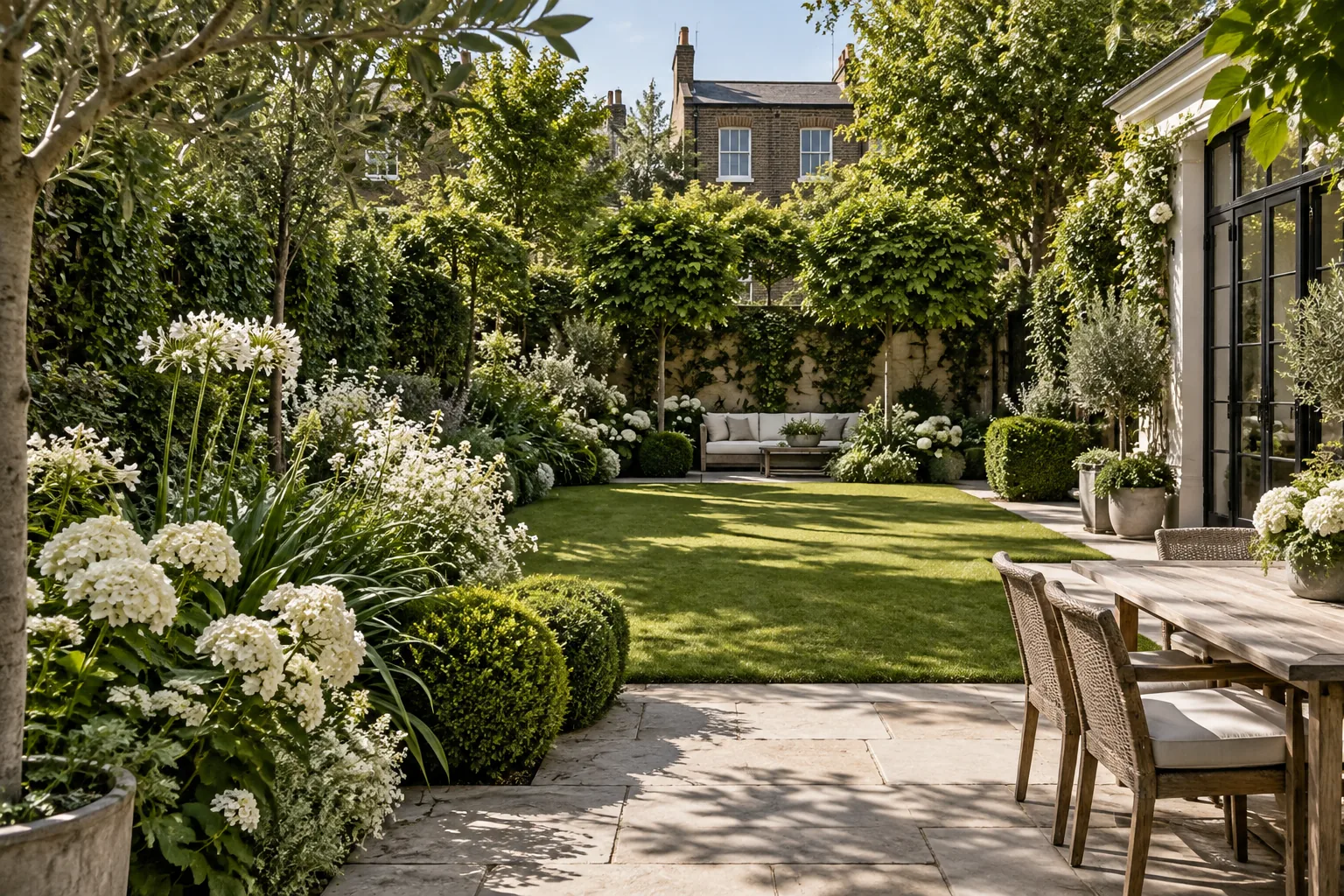
Turn a handover request into specific tasks
Before an end-of-tenancy garden tidy, check what has actually been agreed. Restoring reasonable maintenance is different from removing established shrubs, changing beds or replacing a lawn. For Clapham gardening, Go Gardeners can discuss a clear handover list alongside ordinary one-off or continuing care. Use dated photographs and the relevant property instructions to identify the work, and settle who may authorise changes. A carefully defined visit is more useful than cutting everything hard in the hope that a severe tidy will meet an unspecified requirement.
List what needs attention in plain terms: mow accessible grass, weed a particular bed, reduce encroachment over the path and collect leaves. Separate items you have been asked to do from improvements you would personally prefer. If a landlord or managing party has instructions, resolve unclear wording before booking rather than relying on gardeners to interpret a tenancy agreement.
Garden maintenance can address routine growth with an agreed scope. It cannot decide deposit disputes, ownership or responsibility for defects. Identify plants to keep and avoid permanent changes without authority. If the garden has been out of use for some time, photographs help distinguish ordinary tidying from a clearance job that needs more time and waste handling.
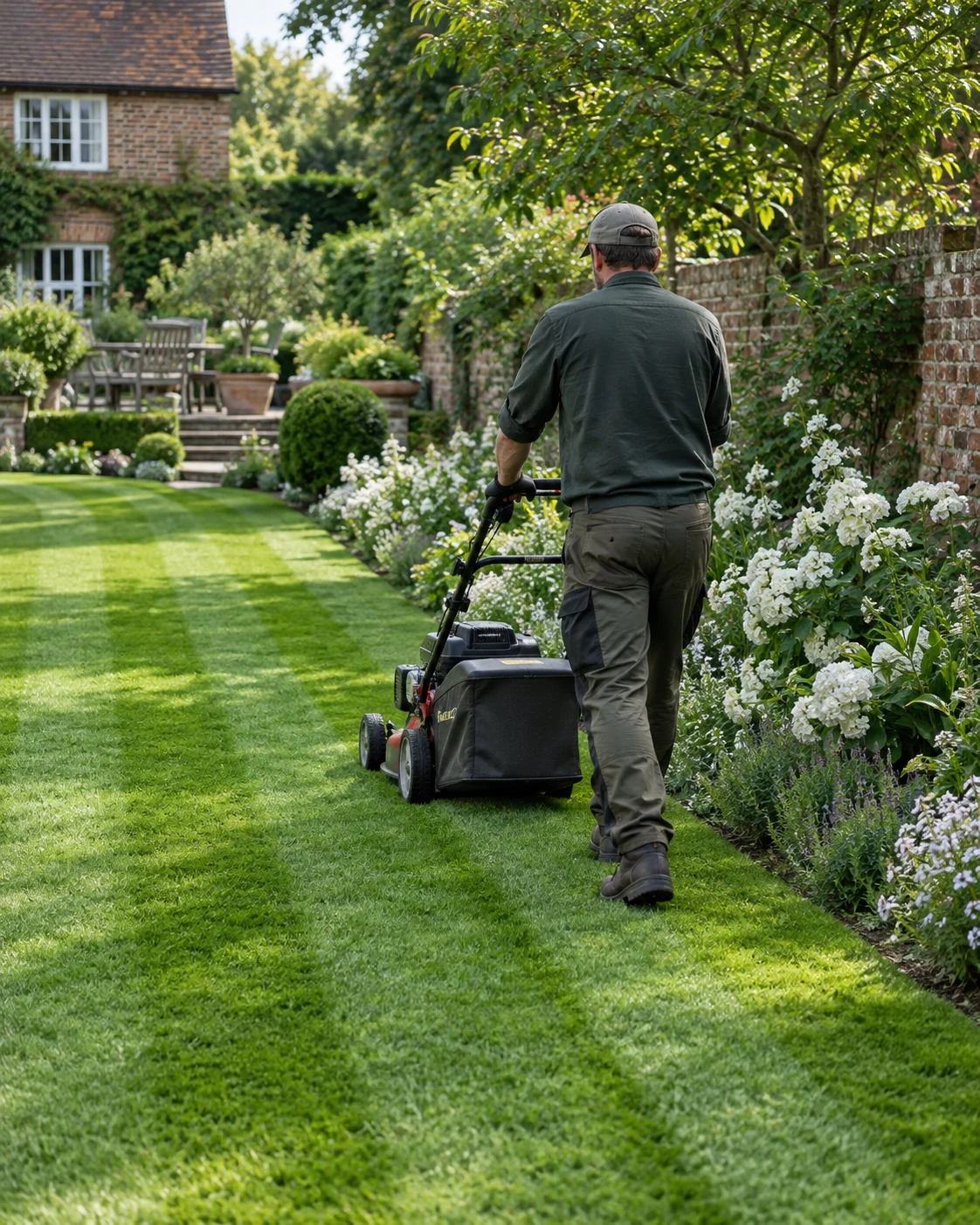
Photographs that make the brief useful
Take broad views from more than one position, then close views of the difficult areas. Include the edges of the lawn and the base of shrubs rather than only their tops. Show any objects hidden in vegetation that you already know about. If older pictures identify retained planting, provide them as context while making clear that the current condition is different.
The entrance matters too. Include gates, steps, shared passages and the route from parking. Note any access through the house and arrangements for keys. A garden photographed as a neat rectangle may still take considerable handling time if every tool and bag has to pass through several doors. Honest information makes the estimate more relevant to the actual job.
Keep pruning proportionate
A shrub that appears untidy may need selective pruning rather than a drastic reduction. Its species, health and flowering habit influence the appropriate work. Mark valued plants and explain the required clearance around doors or seating. A uniform haircut can remove flowering wood or expose bare stems, particularly when a plant has outgrown its position.
If you do not know the plant, send clear leaf and stem photographs and allow for uncertainty. A short notice deadline does not make every pruning operation sensible. Dense hedges and climbers also need checks for active nests, with affected work deferred appropriately. Government wild-bird guidance explains the protection; a date outside the busiest nesting months is not an automatic permission to disturb birds.
Clapham tree checks depend on the address
Use the relevant local authority for the property. For a Lambeth address, the council’s private-tree guidance and trees in conservation areas explain the protection checks. A general Clapham label does not establish the council boundary or the status of an individual tree.
Resolve any required consent or notice before proposed pruning or removal. Where the property falls in another authority, check that council instead. Substantial tree work should be described through tree surgery and quoted separately. A landlord’s approval is not a substitute for protection checks, and a maintenance appointment should not be treated as authorisation to remove a tree because it makes the handover photograph look tidier.
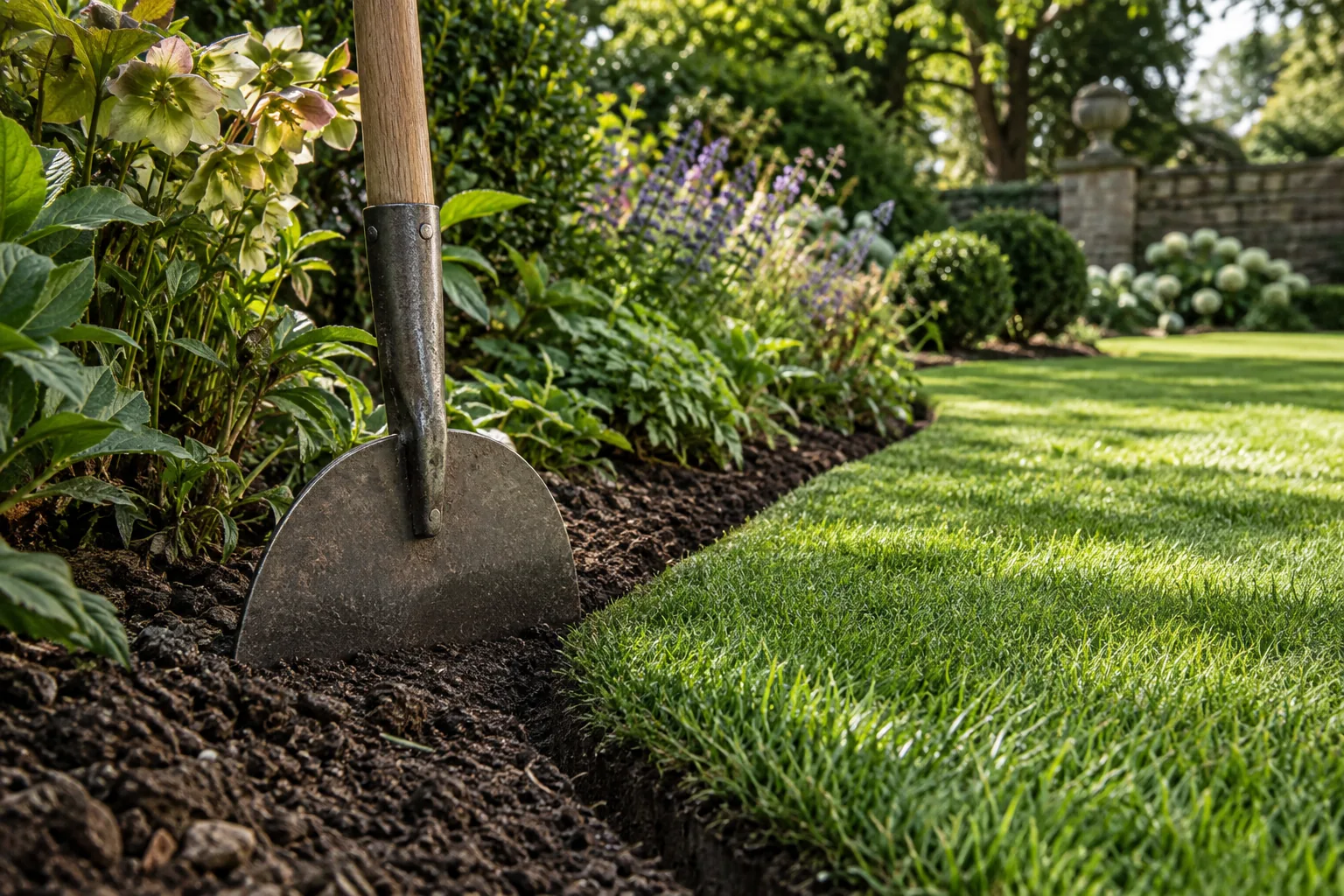
Mowing is not the same as repairing a lawn
Lawn care needs a clear distinction between cutting existing growth and improving damaged turf. Describe grass length, shade, use and any wet areas. Long grass may need a staged reduction; stressed turf may need a different response from a routine mow. Remove loose objects and pet waste where safe and identify bulbs or deliberate longer-grass patches.
Bare areas may be caused by wear, compaction or unsuitable conditions. Feeding or reseeding is not a guaranteed immediate remedy, particularly if the area must remain in use. If a handover date is approaching, be realistic about what can change within it. A tidy cut and defined edge can be achievable even where full rehabilitation requires another season and a separate plan.
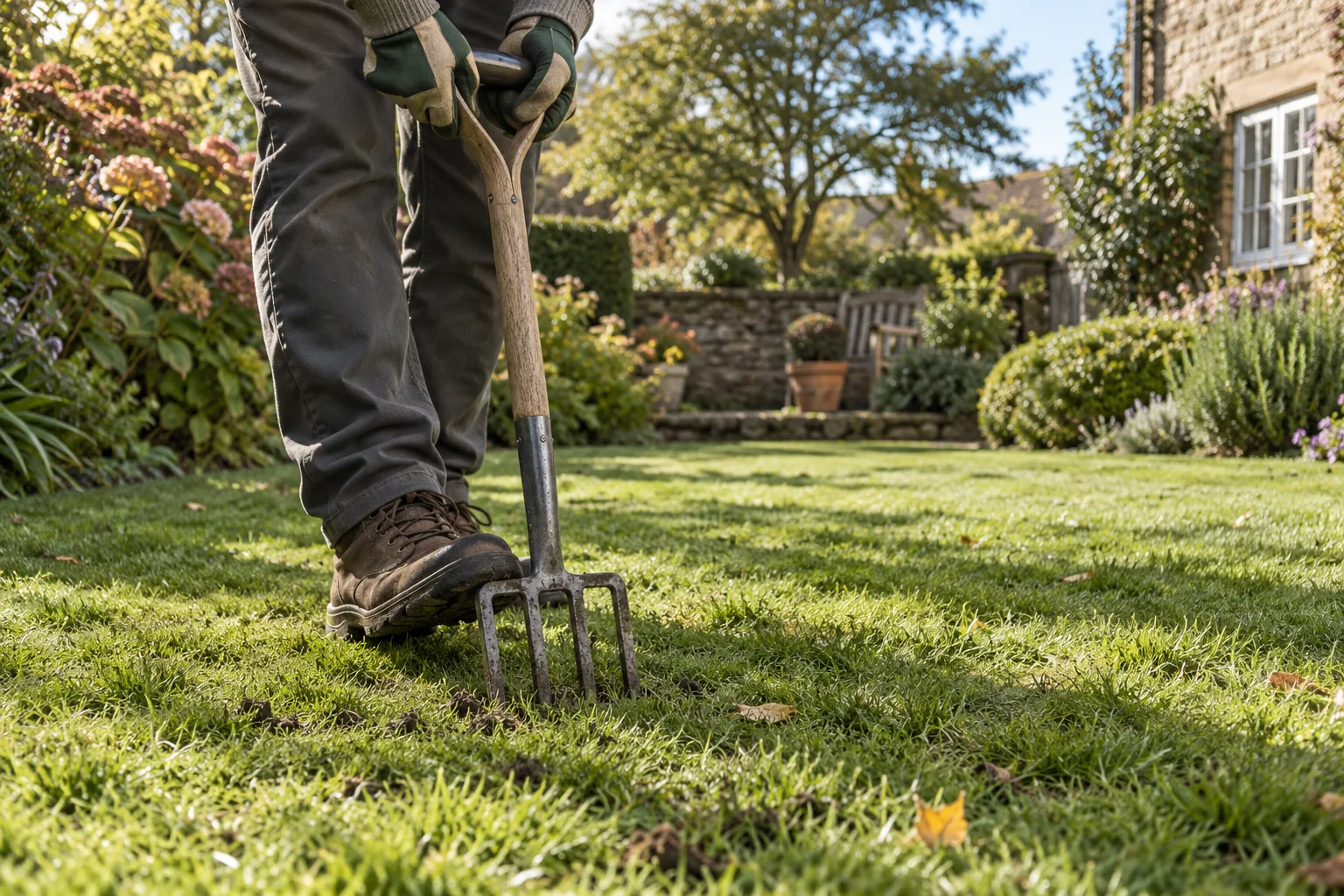
Waste and belongings must be distinguished
Garden clippings are not the same as abandoned furniture, broken pots or building materials. List non-green items explicitly and agree their handling separately. If a previous occupant left objects under the vegetation, disclose what you know. Clearance may reveal more material, so establish how further decisions will be made rather than assuming everything discovered is included.
Decide whether any suitable green material can remain in an agreed composting place. A shared passage, pavement or building entrance should not become an unapproved storage area. The waste arrangement needs to leave the property usable and secure. Where several people share access, confirm the necessary agreement and keep routes unobstructed throughout the visit.
Seasonal limits on a short-notice tidy
Spring work must distinguish weeds from emerging desirable plants. Summer mowing should respond to moisture rather than forcing dry grass to the lowest height. The RHS lawn drought advice explains why temporary browning can call for restraint. Pots and new plants require ongoing watering, which should have a named owner between gardening visits.
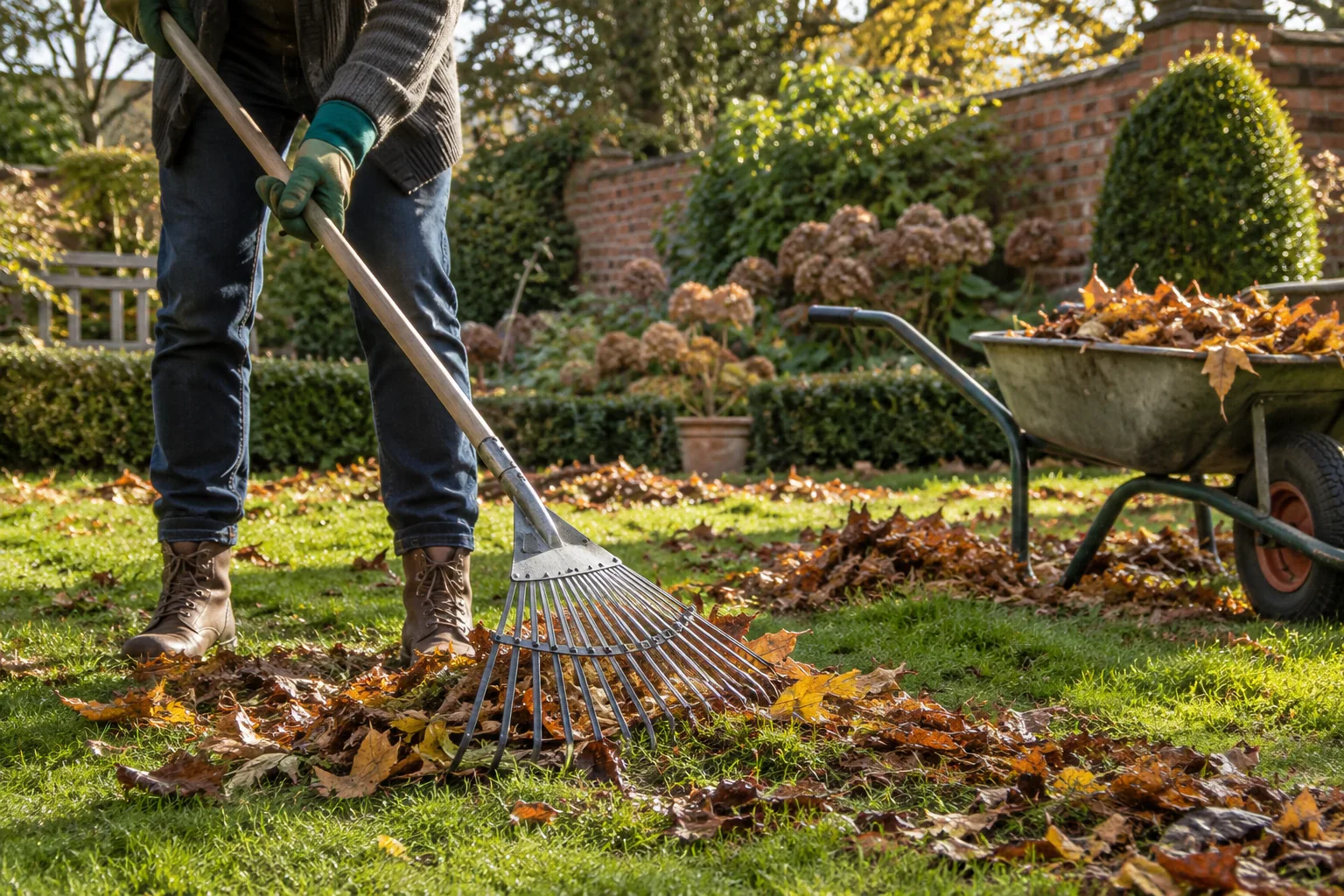
Autumn leaves may need repeated attention rather than a single permanent solution while trees are still shedding. In winter, saturated or frozen turf can limit sensible work. A deadline does not remove those conditions. Discuss the most useful feasible tasks and allow flexibility; no booking should promise an identical finish regardless of weather, plant condition or wildlife activity.
Continuing care after a handover
For an occupied home, regular visits may prevent the need for another large recovery. Weekly, fortnightly or monthly arrangements can be discussed according to the garden and availability. Agree which jobs the residents will do and what belongs on the gardeners’ list. A small courtyard with containers can need different attention from a lawn and mixed hedge.
If the garden repeatedly becomes difficult despite regular effort, examine the layout. Garden design and landscaping may address unsuitable planting or circulation more effectively than ever more clipping. For a rented property, obtain the relevant authority before changes. Keeping routine care distinct from permanent alterations makes both the brief and the ongoing responsibility easier to understand.
Price and preparation for a Clapham booking
The published maintenance, clearance and lawn-care rates are £79 for the first hour and £65 for each subsequent actual hour on site. Two gardeners, equipment and bags are supplied, with up to 120 litres of green waste included. Confirm extra removal in advance. Consult the live price guide for the requested service; tree work and landscaping use different quotation arrangements.
Confirm postcode availability, parking and possible congestion charges. If you will be absent, agree entry, a contact method and how the property should be secured. Move light furniture where safe and identify irrigation or cables. The coverage directory includes Battersea, Wandsworth, Putney and Wimbledon nearby; the exact address and practical booking details still need confirmation.
Clapham gardening questions before a handover
Need to discuss your own garden or property? Call with photographs and your postcode.
Ask about your visitCan you tell me what my tenancy requires?
The agreement and any owner instructions need resolving with the relevant parties. Gardeners can price a defined task list, but should not be expected to interpret contractual duties or decide a dispute. Bring the gardening brief to a clear, authorised point before booking.
Should I ask for every plant to be cut low?
No. Different plants respond differently, and severe cutting can cause damage or remove flowers. Specify the practical issue and retained planting. A thoughtful tidy should use suitable work rather than treating maximum removal as evidence that the job has been thorough.
Can the visit take place after I move out?
Agree authority, entry, security and a contact who can resolve questions. Confirm that utilities or access needed for the requested service remain available. A key arrangement should be tested and clear rather than dependent on an absent resident answering at the last moment.
Does a tidy guarantee the return of a deposit?
No such outcome should be assumed. A gardening visit addresses the agreed physical tasks. Keep the scope and photographs for your own records, but contractual decisions and other property conditions are outside the gardening service and its estimate.
Can you remove items a former tenant left behind?
Describe them separately from vegetation and agree the appropriate handling. Ownership and authority should be clear. Non-green waste may need another arrangement, so photographs and quantities are more useful than a general request to clear everything in the garden.
What if my lawn is brown before inspection?
Explain the conditions and ask for realistic lawn care. Drought-stressed grass may recover with rain, while other causes need assessment. Very short cutting or hurried replacement should not be presumed a suitable way to meet an inspection date.
Can we maintain the garden between tenancies?
Discuss a limited recurring scope and the person responsible for access and decisions. Unoccupied properties still need practical arrangements for security and reporting problems. Choose an interval based on growth and review it rather than leaving a vacant garden on an undefined schedule.
How can I keep the bill within an allowance?
Rank the tasks, agree the initial time and define who may approve additions. Confirm waste beyond the included allowance. A clear stopping point allows useful work within the budget, with remaining jobs assessed separately instead of assuming the initial brief is unlimited.
Arrange a clear Clapham gardening scope
Call 020 3746 2449 with the postcode, current photographs and the authorised task list. Explain any deadline alongside access and retained planting. Agree what the visit can reasonably achieve, its price basis and waste arrangements before relying on it for the next stage of your move.
Call 020 3746 2449Gardening nearby.
View all 60 coverage areas ↗Clapham on the map.
Approximate area centre for orientation. Call to confirm availability for your exact postcode.