
Gardeners
Bromley
Spread gardening attention sensibly through the year with a rotating list of useful tasks. Bromley guidance covers plant-specific pruning, manageable zones and seasonal work, alongside local tree checks, realistic lawn expectations and a clear scope for recurring or one-off care.
- Rotate seasonal tasks across visits
- Record shrubs left until after flowering
- Prioritise manageable garden zones
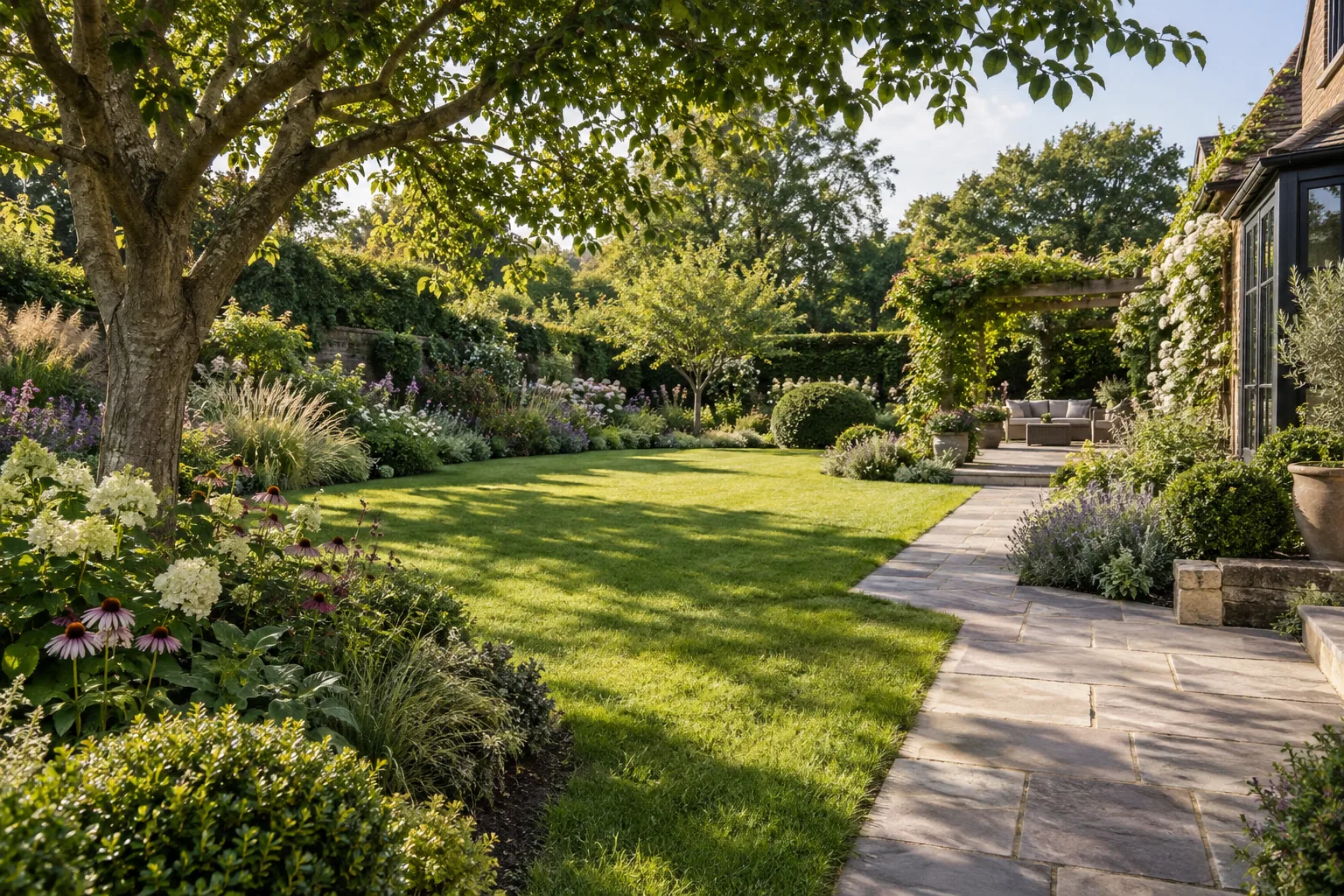
Build a calendar from the plants, not the postcode
A mixed garden rarely needs every shrub cut, every bed weeded and every lawn task completed on the same day. For Bromley gardening, an annual view can be more useful than repeatedly starting with whatever looks largest. Go Gardeners can discuss routine care and seasonal one-off work with a list that reflects plant timing and the household’s priorities. Explain what flowers well, what grows too quickly and which jobs you can handle yourself. The aim is to spread attention sensibly, preserving worthwhile planting while keeping the workload within a routine you can continue.
Identify the main shrubs and note when they flower before deciding when to prune them. Some tasks suit a particular stage of growth; others depend on weather or how the garden is used. A simple record of recent work prevents unnecessary repeat cutting and helps keep deliberate delays clear. “Leave until after flowering” is a more useful instruction than allowing an unlabelled shrub to be cut merely because the rest of the border is being tidied.
Garden maintenance can combine routine work with appropriately timed seasonal tasks. Start with a short list of essential outcomes and rotate the rest. The lawn might need repeated attention while one shrub needs only an occasional operation. Do not assume an identical monthly list is the fairest or most effective way to care for different plants simply because the booking interval is regular.
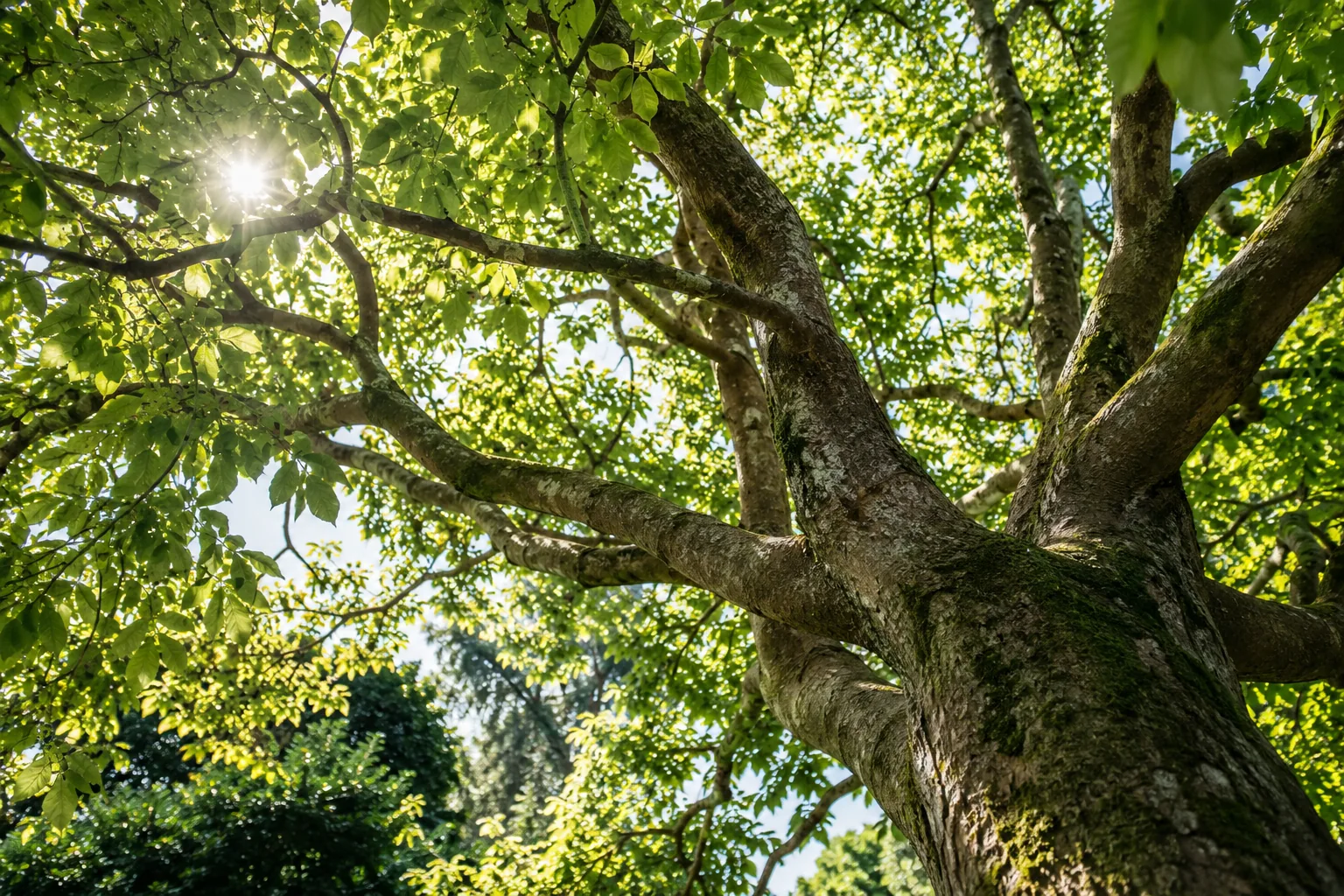
Divide the garden into manageable areas
If the workload is substantial, identify zones that can be maintained well within the available time. A front entrance, main seating area and productive bed may have different priorities from an unused corner. Give the gardeners a clear order rather than expecting them to infer it from size. Completing a defined area carefully can be more useful than a superficial pass over every part of the garden.
Label retained plants and keep a marked plan if more than one person gives instructions. Bulbs and dormant perennials may be inconspicuous, while self-seeded flowers can resemble unwanted growth. A retention record is particularly useful during seasonal change. It also helps explain why some seedheads or cover remain intentionally, preventing a wildlife or planting choice from being mistaken for a job that was overlooked.
Bromley trees: check before arranging work
Bromley Council’s tree-protection information provides a protected-tree map and guidance for enquiries. Confirm the actual tree and address before proposed pruning or removal. Its wider tree pages also distinguish relevant advice and reporting routes. The presence of established trees does not establish that every private garden has the same protection status.
For substantial branches, high work or a mature-tree concern, request tree surgery with a defined proposal. Show the full tree and nearby structures and provide known permission information. Establish ownership and any necessary consent or notice before scheduling. Proposed excavation or level changes near retained roots also need consideration; tree care should not be reduced to branch cutting while ground works proceed without regard to the same tree.
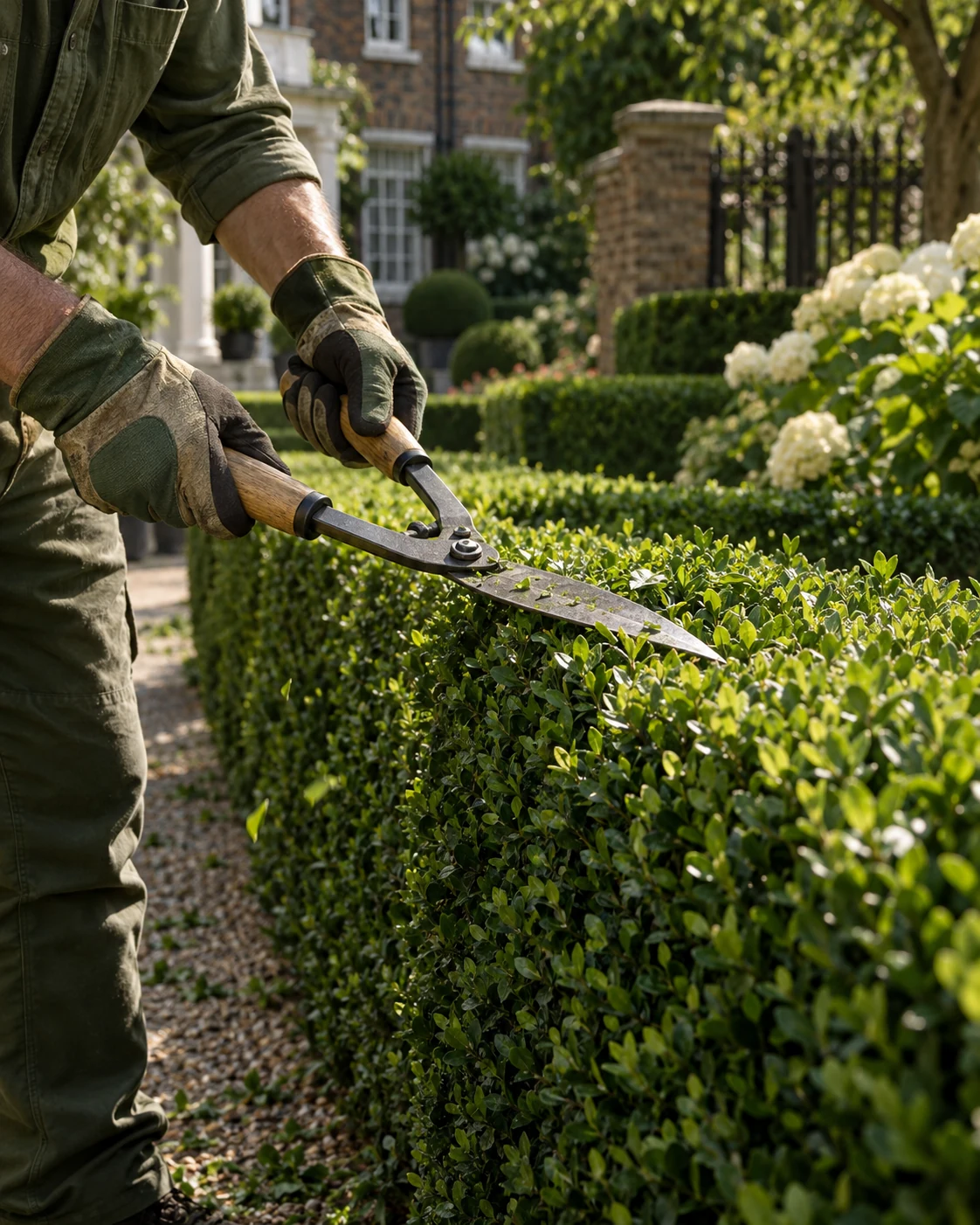
Hedges deserve a specific brief
Give approximate height and length, identify the plant if possible and show access to both faces. State the screening you want to keep. A light trim and a major reduction are different jobs, and some hedges do not recover well from cutting into old wood. If a neighbour must provide access or has a shared interest in the boundary, settle the arrangement before the visit.
Inspect dense shrubs and hedges for active bird nests whenever cutting is proposed, including outside commonly quoted nesting months. Defer affected work rather than treating the diary as permission to proceed. Other tasks may still be useful elsewhere in the garden. A flexible annual plan can accommodate that change more readily than a booking whose entire value depends on one hedge being cut on a fixed date.
Lawns: distinguish routine growth from underlying trouble
Show grass length, wear and shaded sections when discussing lawn care. Routine mowing can maintain a sound surface, while persistent thinning needs a reasoned assessment. Note whether bare areas follow a route, remain wet or sit beneath furniture for long periods. Seed or feed is not automatically the answer to every patch, and the same treatment may fail again if use and conditions remain unchanged.
In hot weather, a higher cut or a pause may suit stressed grass better than an aggressive finish. After prolonged rain, avoid unnecessary traffic on soft turf. Mark bulbs and deliberate long areas. If the lawn no longer suits the garden’s use, discuss garden design and landscaping separately. A changed path or different surface needs preparation and a project scope rather than being assumed part of ordinary mowing.
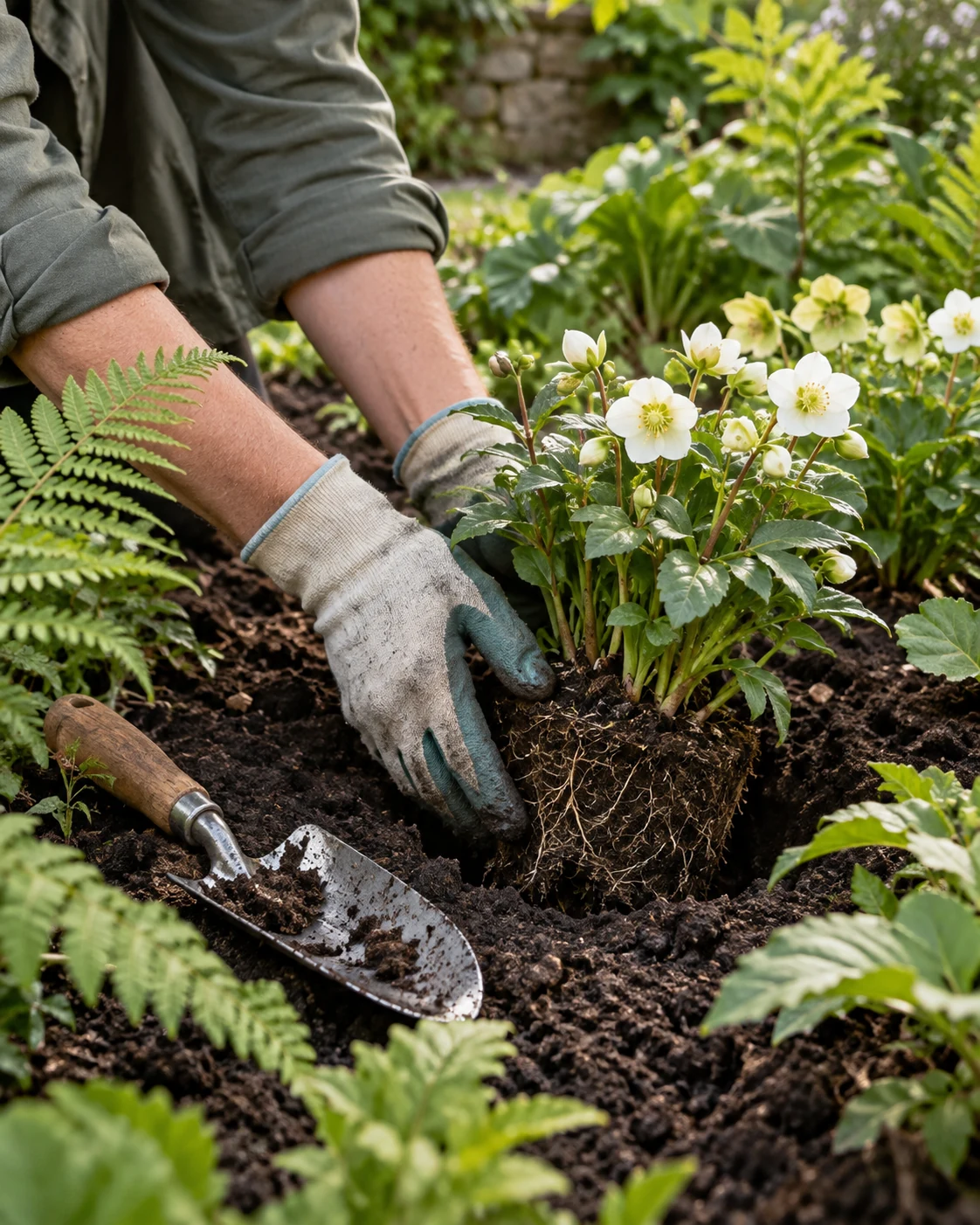
Soil and planting decisions need site evidence
Observe moisture, texture and light across your own garden. Do not assume one soil type applies throughout Bromley or even across a single property. Building work, compaction and changes in level can affect one area differently from another. Photograph water collection after rain and note where plants repeatedly struggle. These observations are more useful than ordering a universal soil treatment before the problem has been understood.
Choose new planting for mature size and ongoing care as well as appearance. Agree who will water during establishment and while you are away. Containers may need frequent checks between gardening appointments. If the objective is easier maintenance, adding many new plants without an aftercare plan can increase the workload. A considered scheme can retain sound structure and simplify difficult parts rather than replacing everything at once.
Recovery work should end with a maintenance decision
For inaccessible growth, garden clean-up can provide a defined first stage. Mark plants to keep and explain known concealed features or hazards. Avoid entering tangled ground for photographs if you cannot see a safe route. Opening one area can reveal the condition of beds and surfaces, giving a better basis for later work than assuming everything beneath the growth needs removal.
Clarify the finish: top-growth removal, root work and preparation for new planting are not interchangeable. Hard waste, stumps and repairs need explicit agreement. After the clearance, decide how the ground will be managed so the same problem does not simply return. A regular care plan or a simpler use of the area may be the useful next step, depending on the household’s time and the condition revealed.

A seasonal rhythm and practical preparation
Spring care can tackle small weeds while protecting fresh shoots. Summer tasks should reflect heat, rainfall and plant-specific timing. Autumn leaf collection can keep lawns and walking routes usable while selected material remains appropriately in beds. Winter weather can limit traffic on frozen or saturated ground. Weekly, fortnightly and monthly gardening can be discussed, as can one-off seasonal work; review frequency after actual working time is clearer.
Send the postcode, garden photographs and the complete route from parking. Mention gates, steps, shared access and permit needs. Move light furniture safely, remove pet waste and identify cables and irrigation. Keep children and animals outside the working space. If you will be absent, agree entry and locking instructions and provide a way to answer questions, especially when the first visit involves unfamiliar planting.
Price the appointment by its actual scope
The published maintenance, lawn care and clearance rates are £79 for the first hour and £65 per subsequent actual hour. The gardening arrangement states two gardeners, tools and bags, including up to 120 litres of green waste. Extra removal needs confirmation. Check the live price guide and confirm postcode availability and any applicable area or congestion charge before agreeing the booking.
Detailed work among plants, long boundaries, carrying distance and material volume affect time. Tree operations, landscaping and jet washing use different pricing arrangements. If a budget limit applies, explain which outcomes are essential and which can wait. Additional time depends on the schedule, so a planned follow-up may be appropriate. Keep the quote specific enough that a seasonal maintenance visit is not confused with a larger improvement project.
Bromley gardening questions
Need to discuss your own garden or property? Call with photographs and your postcode.
Ask about your visitCan maintenance follow a different task list each visit?
Yes, agree a rotating list based on growth, plant timing and your priorities. Routine tasks may recur while seasonal work changes. A short record of completed operations and deliberate delays helps make that approach clear, particularly when a plant should remain untouched until after flowering.
Do I need to identify every shrub before booking?
Provide what you know and mark plants to retain. Basic upkeep can begin around clear instructions while uncertain plants are identified. Avoid authorising a universal hard cut across mixed planting, since suitable timing and tolerance vary and some plants may not recover from the same treatment.
Can you focus on the entrance before the rest?
Make it the first priority and show the area and access. A defined zone can be a useful appointment in its own right. Explain optional tasks separately so the available time is not spread across the whole property at the expense of the result you actually need.
Is every mature tree protected in Bromley?
Check the actual tree using council information rather than assuming protection from age or size. Required consent or notice depends on the status and proposal. Establish that position before work, and provide any existing documents during the enquiry so the correct tree and operation are being discussed.
Can a hedge reduction be scheduled regardless of birds?
The planting needs inspection for active nests before cutting, whatever the planned date. Affected work may need postponing while another task proceeds elsewhere. A flexible gardening list helps preserve the value of the appointment without treating a schedule as a reason to disturb nesting activity.
Should I replace plants that need too much pruning?
First consider their identity, mature habit and role in the garden. Suitable selective care may be enough, or a staged redesign may reduce future work. Replacement should follow a considered plan and aftercare arrangement rather than clearing established structure before choosing what will take its place.
Can a seasonal visit include all the leaves?
Show the areas and discuss the desired finish and likely volume. Paths and grass may be priorities, while suitable material can remain elsewhere. The waste allowance is not unlimited, so agree additional removal or an appropriate retained-material plan before collection produces more than the booking includes.
Which nearby locations have area pages?
Beckenham, Orpington, Croydon, Eltham and Sidcup are listed in the coverage directory. Confirm the exact postcode for another property and discuss its service and access. Each appointment is arranged individually; a nearby listed area does not guarantee immediate availability or every possible service.
Plan Bromley gardening across the year
Call 020 3746 2449 with photographs, postcode and the jobs that keep being postponed. Include any planting notes and known tree restrictions. Go Gardeners can discuss a practical first appointment and a seasonal routine that puts attention where the garden needs it, with tasks, price basis and waste clearly agreed.
Call 020 3746 2449Gardening nearby.
View all 60 coverage areas ↗Bromley on the map.
Approximate area centre for orientation. Call to confirm availability for your exact postcode.