
Gardeners
Epsom
Make seasonal tidying a series of informed choices. Keep routes and lawns usable while deciding where leaves, seedheads and habitat can remain, with plant-specific pruning, tree checks and next season’s planting considered before blanket cutting.
- Choose retained seedheads deliberately
- Give collected leaves a suitable destination
- Review seasonal tasks rather than repeat a list
Give the autumn tidy a purpose
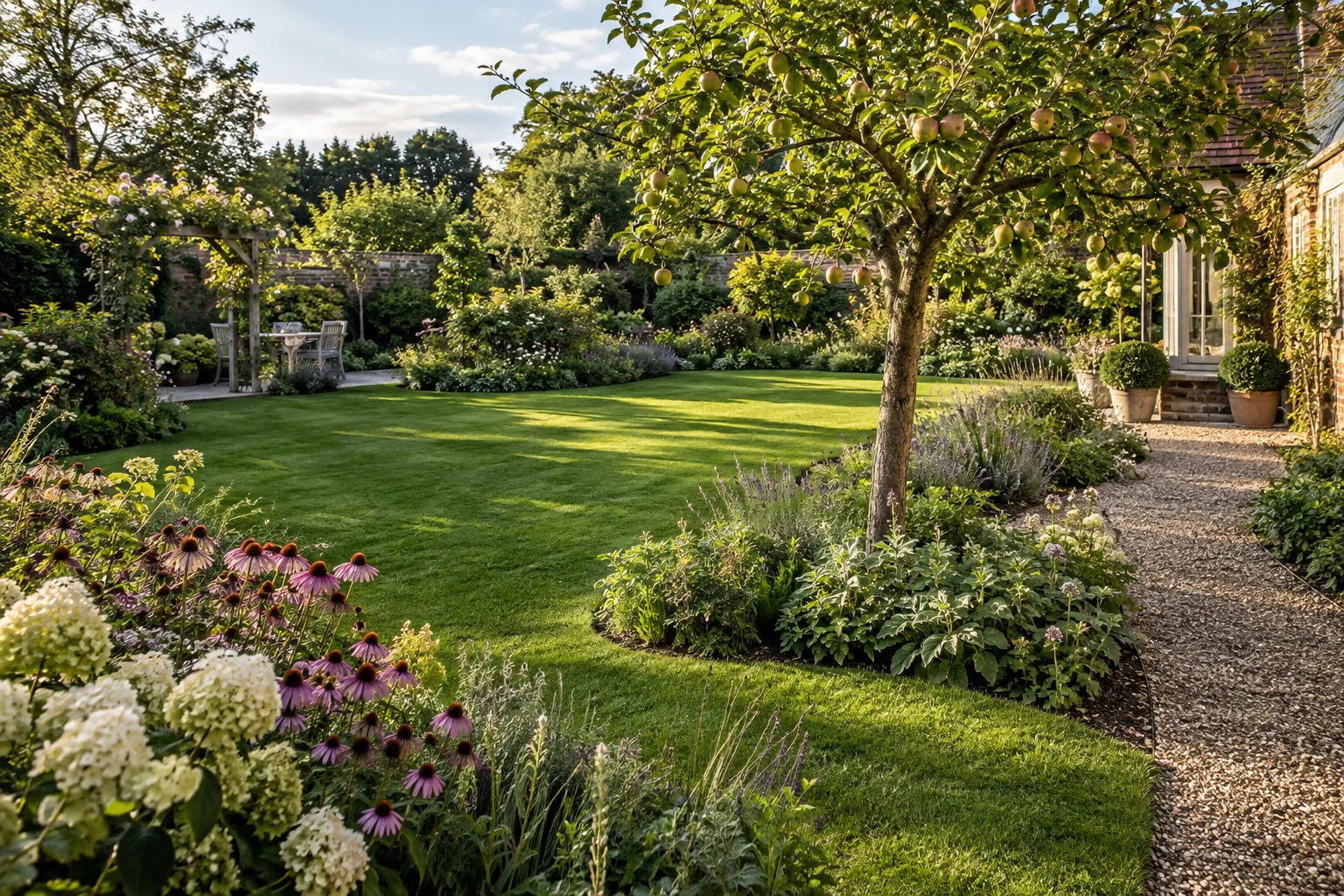
What should be left standing over winter? It is a useful question before an autumn tidy in Epsom, because seedheads, leaves and untidy-looking growth do not all need the same treatment. Some material can remain for structure or wildlife, while thick leaves on a path or lawn deserve attention. Go Gardeners can discuss a seasonal care list that makes those choices explicit. The aim is a garden that remains usable and understandable through the year, with retained habitat distinguished from vegetation that is genuinely causing a problem.
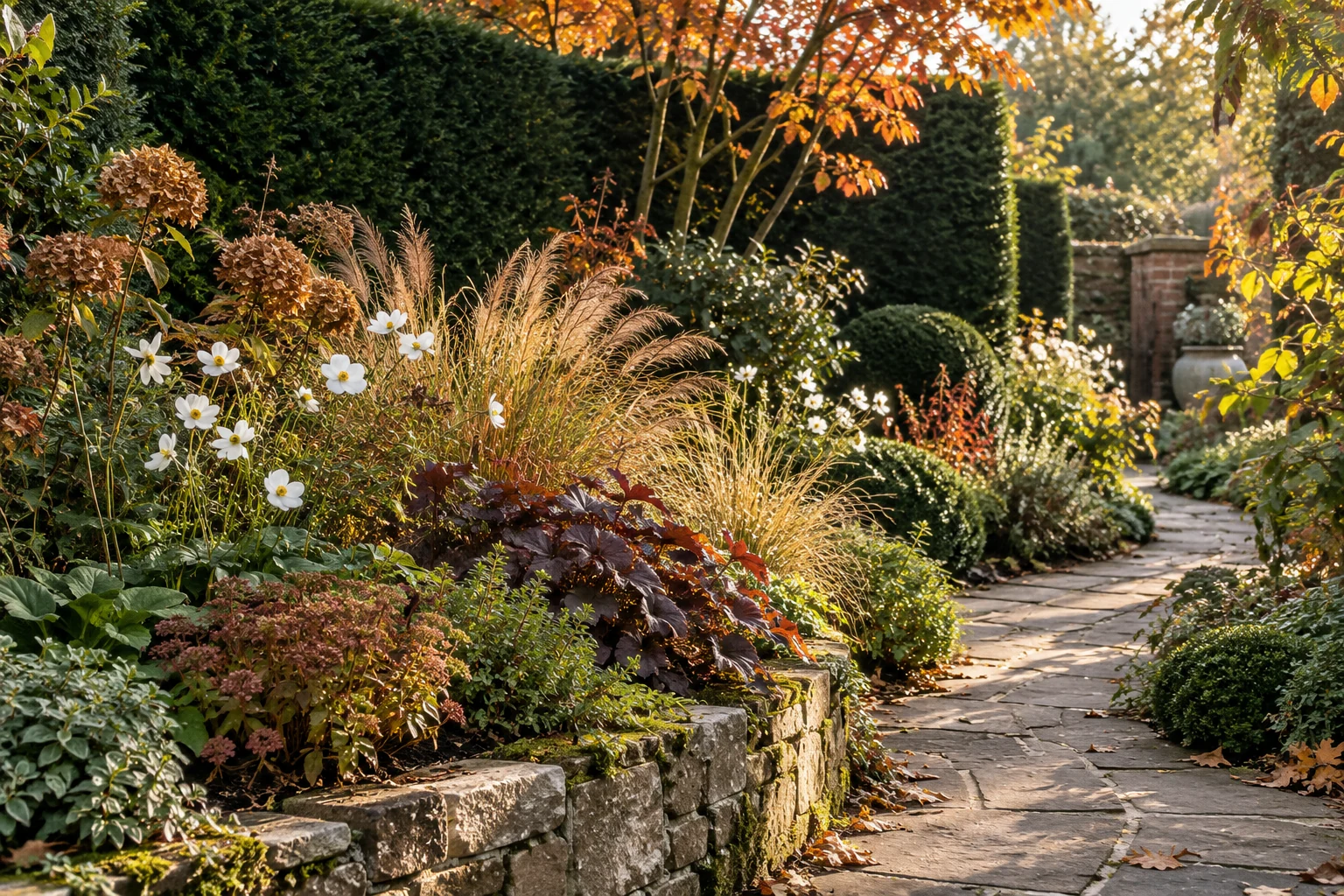
Begin with the areas you use: the route to the house, steps, seating and the lawn. Remove obstructions and agree where leaves should go. Then consider planting individually. Some stems are worth retaining, while damaged or problematic growth may need attention. A blanket instruction to cut everything to ground level can remove interest and useful shelter without making next year’s work easier.
Garden maintenance can combine leaf collection, selective cutting, edging and weeding according to an agreed list. Mark any deliberately retained areas. A clearly defined wildlife corner helps distinguish intention from neglect and allows the rest of the garden to remain accessible. It should still have a management plan rather than being left to spread indefinitely.
Leaves need different destinations
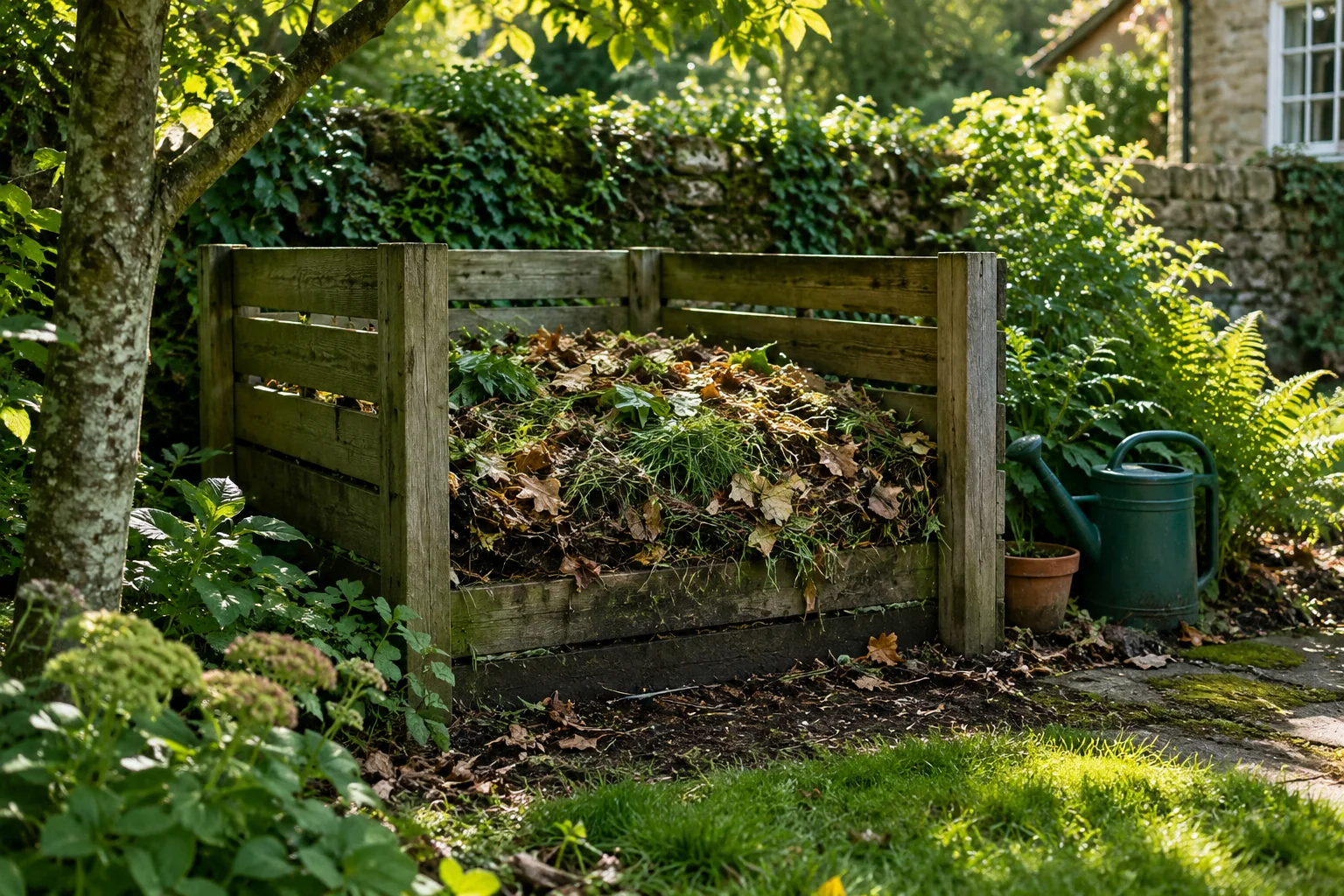
Leaf collection is most useful where accumulations make routes slippery or smother grass. If you have a suitable place for leaf mould or habitat, discuss retaining appropriate material. Choose a location that does not block access or overwhelm a small bed. Carrying material to that location remains part of the work, even when removal off site is unnecessary.
Do not assume every leaf from every situation should be piled around every plant. Plant health, moisture and the purpose of the area matter. A thick wet layer over small plants can behave differently from a light covering in an established border. Agree the desired finish so gardeners know whether you want selected retention, collection or a separate disposal arrangement.
Epsom tree checks before winter work
Epsom and Ewell Borough Council provides trees and hedges information, including maps for Tree Preservation Orders and conservation areas. Use the property’s actual location and identify the tree before proposing pruning or removal. Being in a private garden does not establish that work is unrestricted.
The council’s conservation-area maps and information are relevant to designated properties, not evidence that every Epsom garden has the same constraints. Resolve any required permission or notice first. Significant pruning or removal should be scoped through tree surgery. Seasonal leaf nuisance or a wish to reduce shade provides context for an enquiry, but does not itself establish permission or suitability for the operation.
Pruning is not one winter task
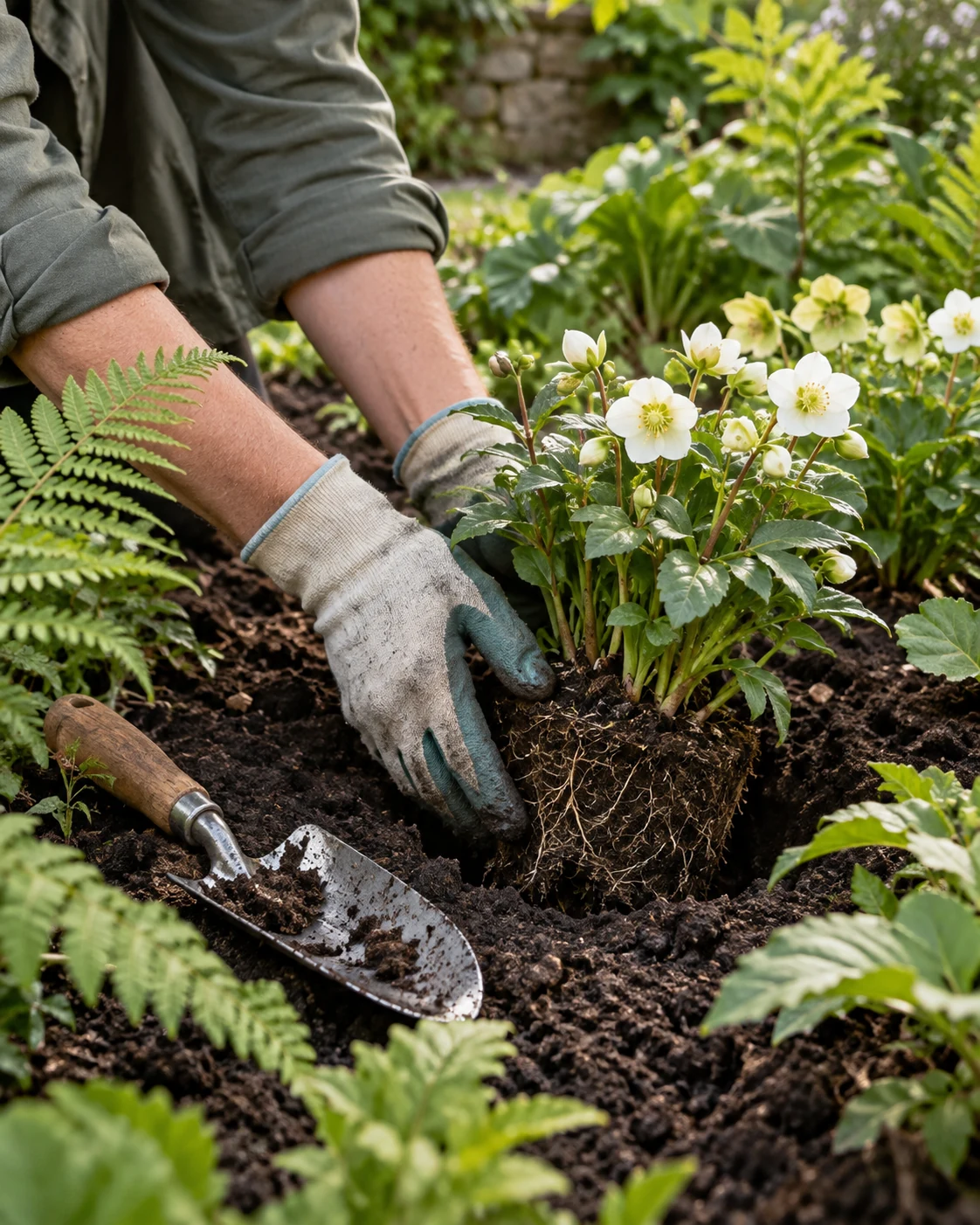
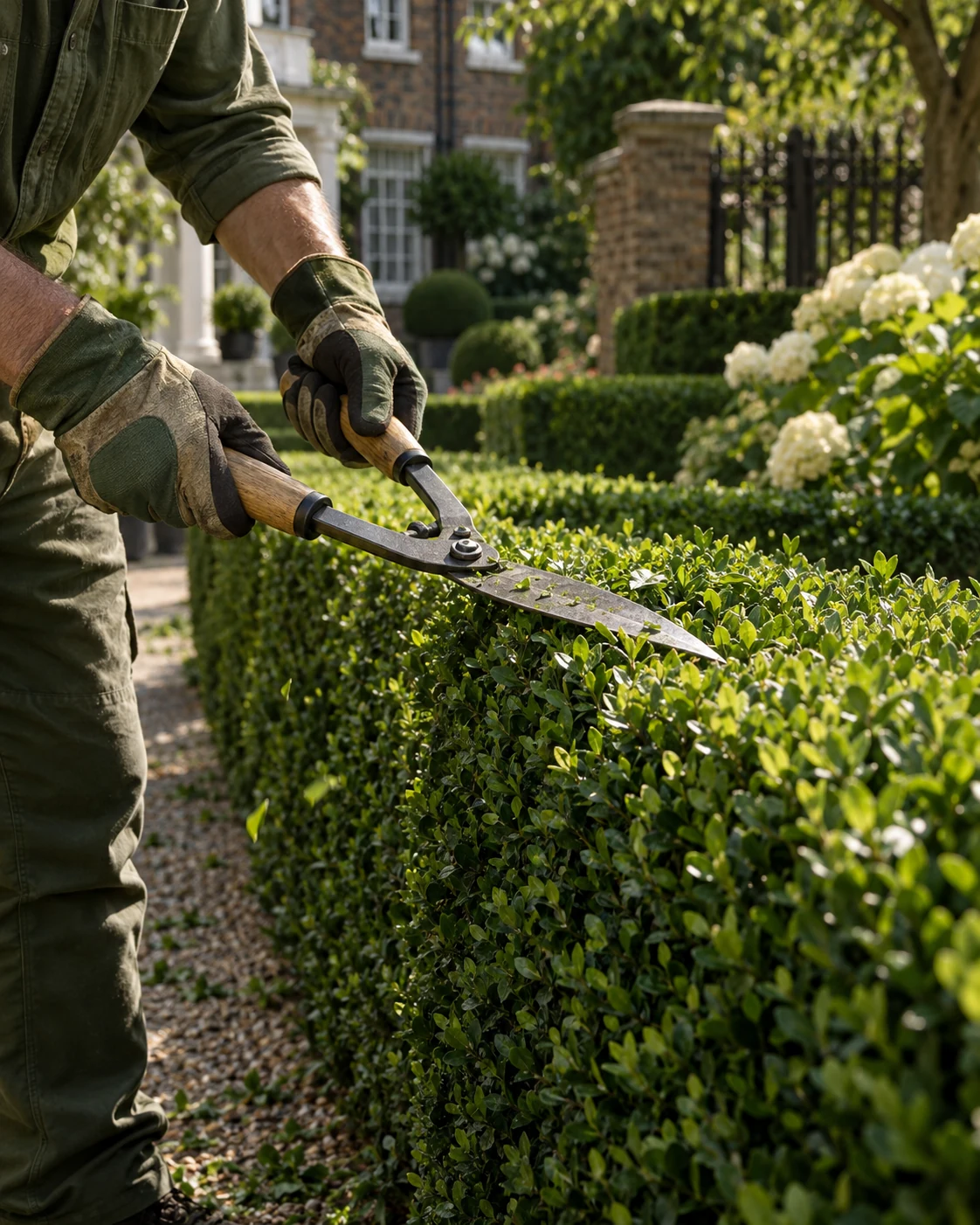
A leafless framework is easier to see, but winter is not the correct time to prune every plant. Species, flowering habit and condition influence the decision. Identify shrubs and climbers where possible and describe the problem: crowding, obstruction or weak performance. Avoid treating one visit as a reason to cut every plant uniformly.
If you have inherited unfamiliar planting, retain uncertain plants until their identity or flowering pattern is clearer. Photographs from other seasons can help. Dense growth also needs checking for active bird nests before cutting. Affected work must be deferred appropriately, following the government wild-bird protection guidance. A winter date does not remove the need to consider actual nesting activity.
Lawns between leaf fall and spring growth
For lawn care, show the grass’s condition as well as the covering of leaves. Explain shade, wear and any standing water. Collection may improve the situation, but moss and thin patches can have underlying causes. Repeatedly seeding without assessing them may waste materials and leave the same problem next season.
Avoid unnecessary traffic on frozen or saturated turf. A routine appointment should respond to the actual surface rather than insist on mowing regardless of conditions. When warmer weather brings dry stress, the response changes again. The RHS drought-care advice explains why brown established grass does not automatically need replacement. A yearly plan should accommodate both wet and dry periods without promising a uniform finish throughout.
Plan spring before buying replacements
Use observations from the past season to decide what needs changing. Which plants performed well, which areas became hard to reach and where did watering become difficult? A suitable established plant may be less demanding than its proposed replacement. Do not remove it solely because it looks bare during dormancy.
For new planting, consider actual light and moisture rather than a presumed soil type for Epsom. A small bed beside a wall can differ from an open border in the same garden. Discuss garden design and landscaping separately if the layout needs revision. Agree plants, materials and aftercare before purchase, particularly who will water while new roots establish.
Overgrown areas need a defined first stage
If growth prevents inspection of a boundary or bed, garden clean-up can open it. Mark retained plants and disclose known rubbish, wire or unstable structures. Cutting top growth, removing roots and preparing soil are distinct amounts of work. Agree which finish is required rather than assuming a tidy automatically makes the area ready for planting.
A recovered section also needs follow-up. Bare soil can produce another crop of weeds, so choose a manageable area and plan its care. Separate green waste from timber, rubble and household materials in the enquiry. If clearance reveals a defect or drainage concern, obtain the appropriate assessment before committing to a new lawn or planting scheme over it.
Choose an interval that follows the garden
Regular weekly, fortnightly or monthly visits can be discussed according to growth, workload and availability. The tasks should change through the seasons. Spring might focus on young weeds and emerging plants, summer on suitable mowing and selective care, and autumn on leaves and review. Pots and establishing planting need attention between appointments from an agreed person.
A one-off seasonal visit can be useful if its endpoint is clear. Rank essential access and plant-care jobs before optional presentation. Review the result and remaining work instead of automatically increasing the appointment length. A planned follow-up may be more practical than expecting every seasonal task to fit one day, especially where weather or nesting activity affects the main job.
Booking, handling and the published charge
The maintenance, lawn-care and clearance rates are £79 for the first hour and £65 per subsequent actual hour on site. The published arrangement includes two gardeners, equipment and bags, with up to 120 litres of green waste. Extra removal needs agreement. Consult the current price guide for the service requested; tree work and landscaping use separate quotations.
Confirm postcode availability, nearby parking and possible congestion charges. Send gate, step and access photographs, including any route through the home. Identify cables, irrigation and fragile features, and keep pets and children away from work. The coverage directory includes Sutton, Surbiton, Kingston upon Thames and Wimbledon nearby. Your exact address and appointment details still need confirming.
Epsom seasonal gardening questions
Need to discuss your own garden or property? Call with photographs and your postcode.
Ask about your visitShould every perennial be cut down in autumn?
No universal rule suits a mixed border. Consider plant health, winter structure and wildlife value alongside access and next season’s work. Agree what remains so deliberate seedheads are not mistaken for unfinished tidying, and identify small plants that could be smothered by surrounding material.
Can you collect leaves while trees are still shedding?
Yes, discuss the purpose and likely need for repeat attention. One collection cannot keep a garden permanently clear during continuing leaf fall. Prioritise routes and heavy accumulations, then choose a useful interval instead of expecting the whole seasonal job to be completed once.
Can leaves stay in a habitat corner?
Choose a suitable location and quantity, keeping routes and sensitive planting clear. Explain the intended management. A retained habitat area can be part of a cared-for garden, but it should not become an unplanned dump for every material removed elsewhere.
Is winter automatically the best time for tree pruning?
The species, condition, operation and protection status need consideration. Significant work requires a separate tree-surgery scope and any applicable consent or notice. A convenient seasonal date does not establish that every proposed cut is suitable or authorised.
Can the lawn be mown after a frost?
The actual surface and safe access determine what is sensible. Frozen or soft turf can be damaged by unnecessary traffic. Explain conditions before the visit and allow alternative tasks or a revised plan rather than insisting mowing proceed because it was originally listed.
How can I prepare a spring planting list?
Record light, moisture, successful plants and the space available at maturity. Decide how much watering and weeding you can provide. Agree exact materials before booking planting, rather than buying a large collection first and expecting every plant to suit the garden.
What should stay untouched during a seasonal tidy?
Mark dormant bulbs, valued plants, wildlife areas and anything awaiting identification. Include written instructions and photographs where helpful. A list of retained features is as important as the removal list, especially if you will be absent during the appointment.
Can the same maintenance list be used all year?
It is better reviewed. Growth, leaf fall, flowering and ground condition change the work. Keep recurring priorities clear but allow suitable plant-specific tasks to move. An unchanged checklist may spend time on unnecessary work while missing the jobs the season actually requires.
Plan the next season of your Epsom garden
Call 020 3746 2449 with the postcode and the seasonal tasks that matter most. Identify retained stems, habitat areas and any proposed tree work. Agree a useful first scope, access and waste handling so the visit supports the garden’s next stage rather than simply removing everything in sight.
Call 020 3746 2449Gardening nearby.
View all 60 coverage areas ↗Epsom on the map.
Approximate area centre for orientation. Call to confirm availability for your exact postcode.