
Gardeners
Southall
Keep everyday garden uses working alongside the plants you value. Southall care can protect productive beds, reopen household routes and manage grass or boundaries, with agreed priorities and an achievable plan for care between visits.
- Protect herbs, seedlings and productive beds
- Keep everyday household routes open
- Match recovery work to manageable aftercare
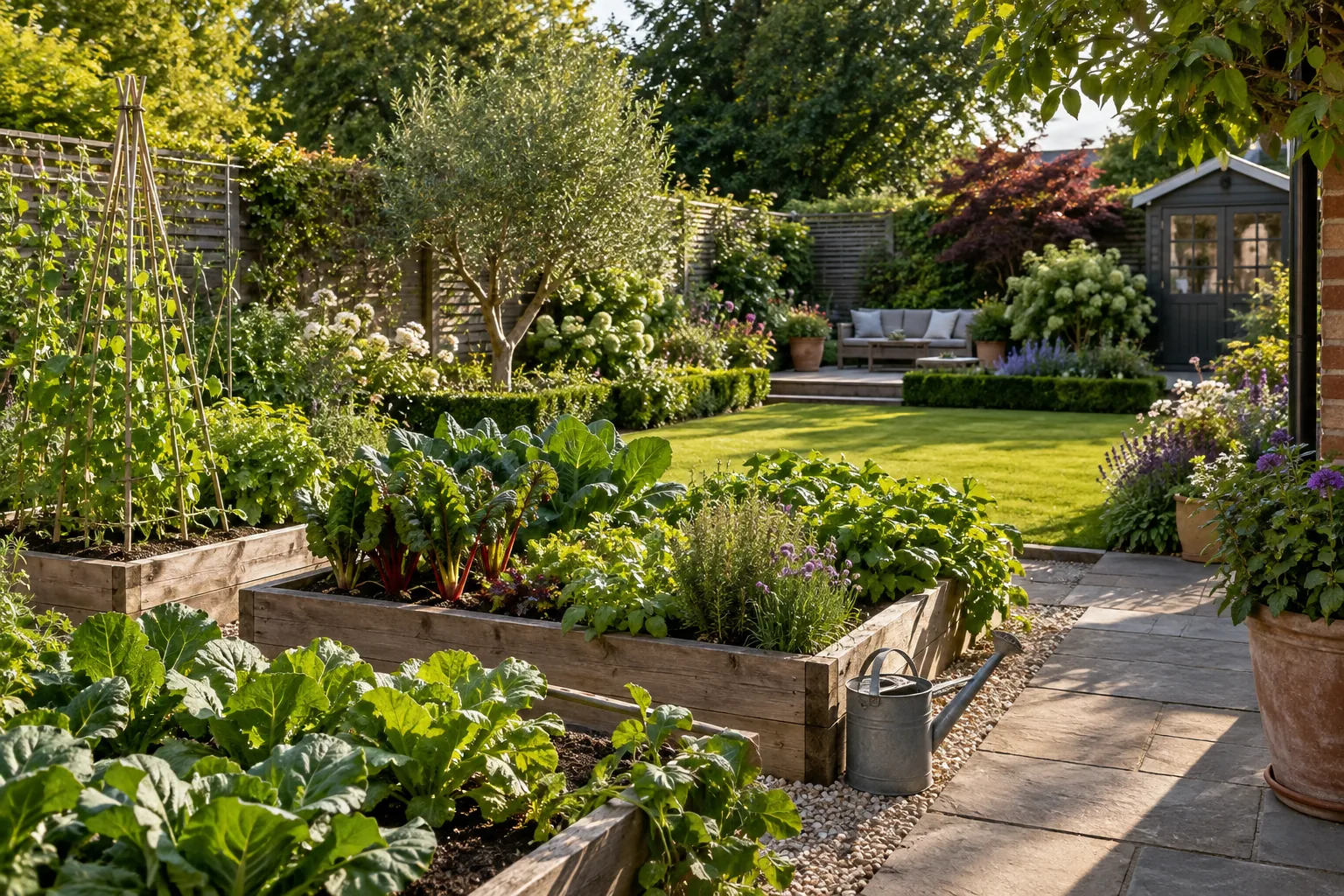
Keep the working parts of the garden accessible
Space for washing, storage, plants and a place to sit can all compete in the same garden. For a Southall property, a useful gardening visit starts by deciding which everyday activities need clear room and which planting you want to protect. Go Gardeners can discuss routine upkeep or a first recovery appointment. Send photographs that show how the garden is used, not just where it looks untidy, and put the most useful improvement at the top of your list.
Trace the route between the house, gate, bins, clothes line and shed. Growth that interrupts those connections deserves early attention, even if another corner looks worse in a photograph. Explain any need to keep a doorway open throughout the work. A planned cutting and bagging area should not prevent someone reaching an essential entrance or using a shared passage.
Garden maintenance can cover the recurring plant work around these routes: mowing, edging, weeding and appropriate trimming. If thick vegetation hides the path or ground, discuss garden clearance instead. Give a specific outcome such as reopening the full width of a route. That is easier to estimate and check than an instruction to make the entire outdoor space look better in an unspecified amount of time.
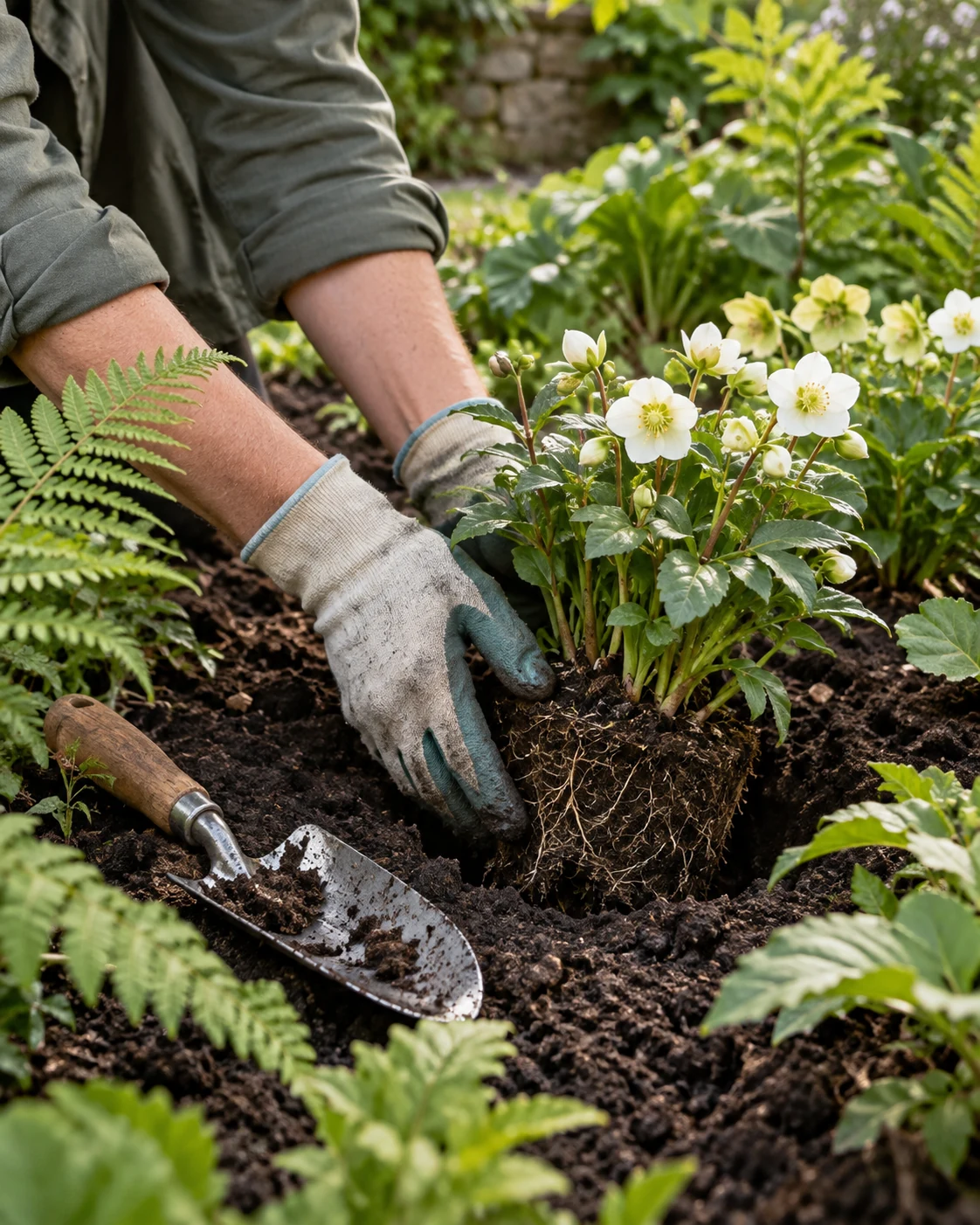
Make mixed borders easier to look after
Beds used for flowers, herbs or vegetables need clear instructions about what stays. Label crops, seedlings and plants grown for cooking, particularly when their growth is unfamiliar to someone else. Show any space being left for later planting. A weeded-looking gap may be deliberate, and a vigorous plant may be valued even when it needs containing.
Consider how you will reach the bed after the gardeners leave. A broad planted area that can only be weeded by walking across it may need a practical access solution. Avoid buying new plants before considering light, water and mature spread. If the arrangement needs changing, ask about garden design and landscaping separately. The aim is a bed that supports your chosen use without becoming difficult to reach again within weeks.
Give small lawns the same care as large ones
A small lawn can take a great deal of wear because the same narrow route is used repeatedly. Explain where children play, where furniture stands and how often items are moved. Remove loose objects and pet waste safely before mowing. Mark bulbs and any deliberately long area so they remain distinct from grass intended for an ordinary cut.
For repeated bare patches, discuss lawn care rather than simply requesting more frequent mowing. Note whether the patch is shaded, wet, dry or walked over most often. A repair must fit the use that follows it; fresh seed cannot establish well if the same busy route immediately crosses it. Sometimes a different route or use of space needs discussing before paying for repeated grass repairs.
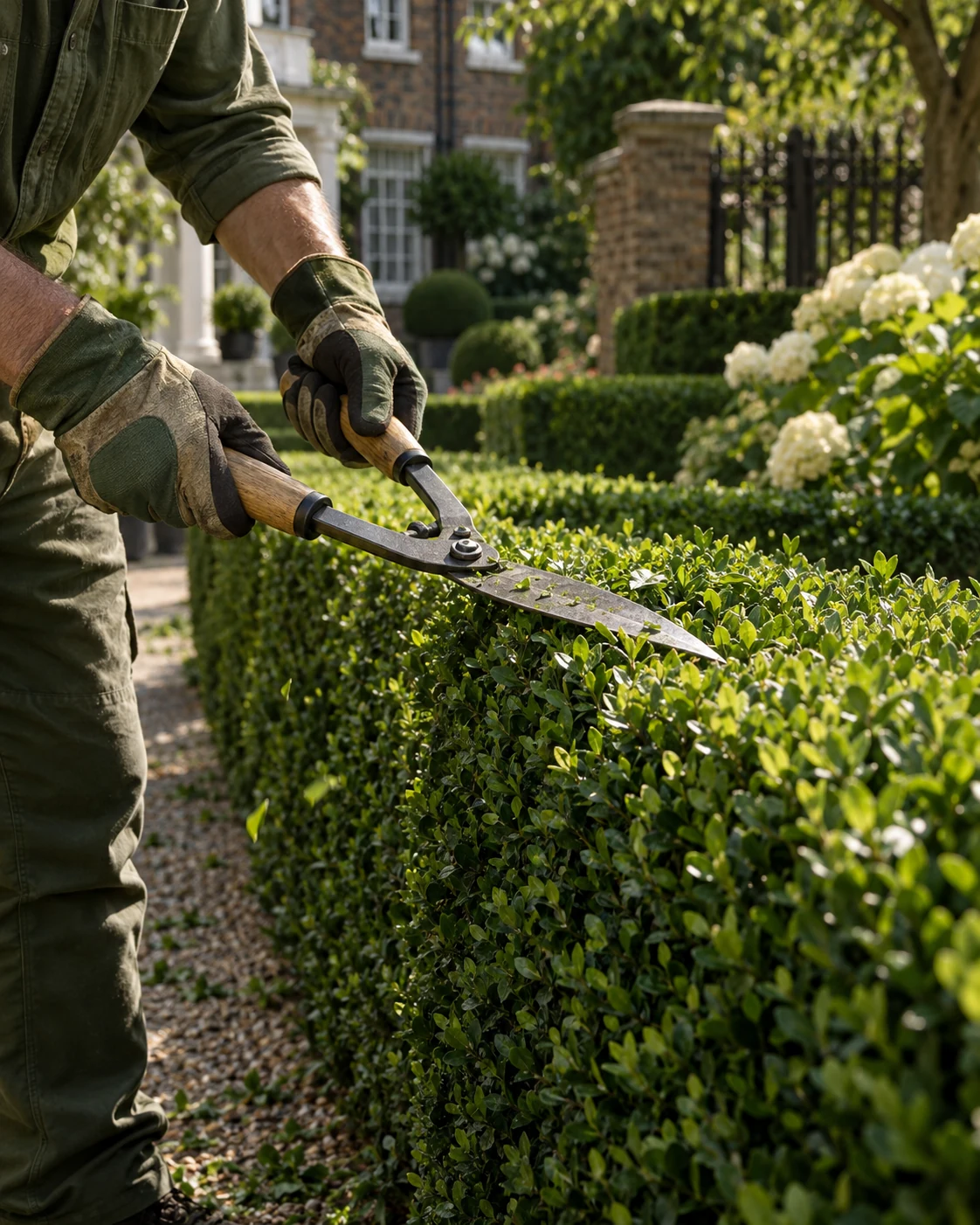
Work with your own soil and water observations
Do not assume that a Southall postcode tells the gardeners exactly how your soil behaves. Photograph standing water when it occurs and note how long it remains. A bed beside paving can behave differently from an open patch a few metres away. Surface levels, compaction, shade and the history of the area may all affect what you see.
Before watering, check the root area rather than relying only on a dry-looking surface. Containers and newly planted crops need their own routine, with someone responsible between visits. If watering access is awkward, say so before adding more planting. A maintenance appointment can include agreed plant care, but it cannot correct an unsuitable layout, a damaged drain or a continuing lack of water through routine weeding alone.
Local checks for established trees
Ealing Council’s protected-tree information explains the relevance of tree preservation orders and conservation areas. Check the exact Southall property before proposing tree work. A tree on private land may still require checks, and the fact that growth is inconvenient does not settle whether pruning or removal is authorised.
For large branches or substantial reductions, make a separate tree-surgery enquiry. Show the full tree, nearby structures and the route into the garden. Keep any known protection or permission documents available, and verify the required council process before work proceeds. A routine visit can be planned around other tasks while that position is clarified; there is no need to make an uncertain tree decision merely because gardeners are already attending.
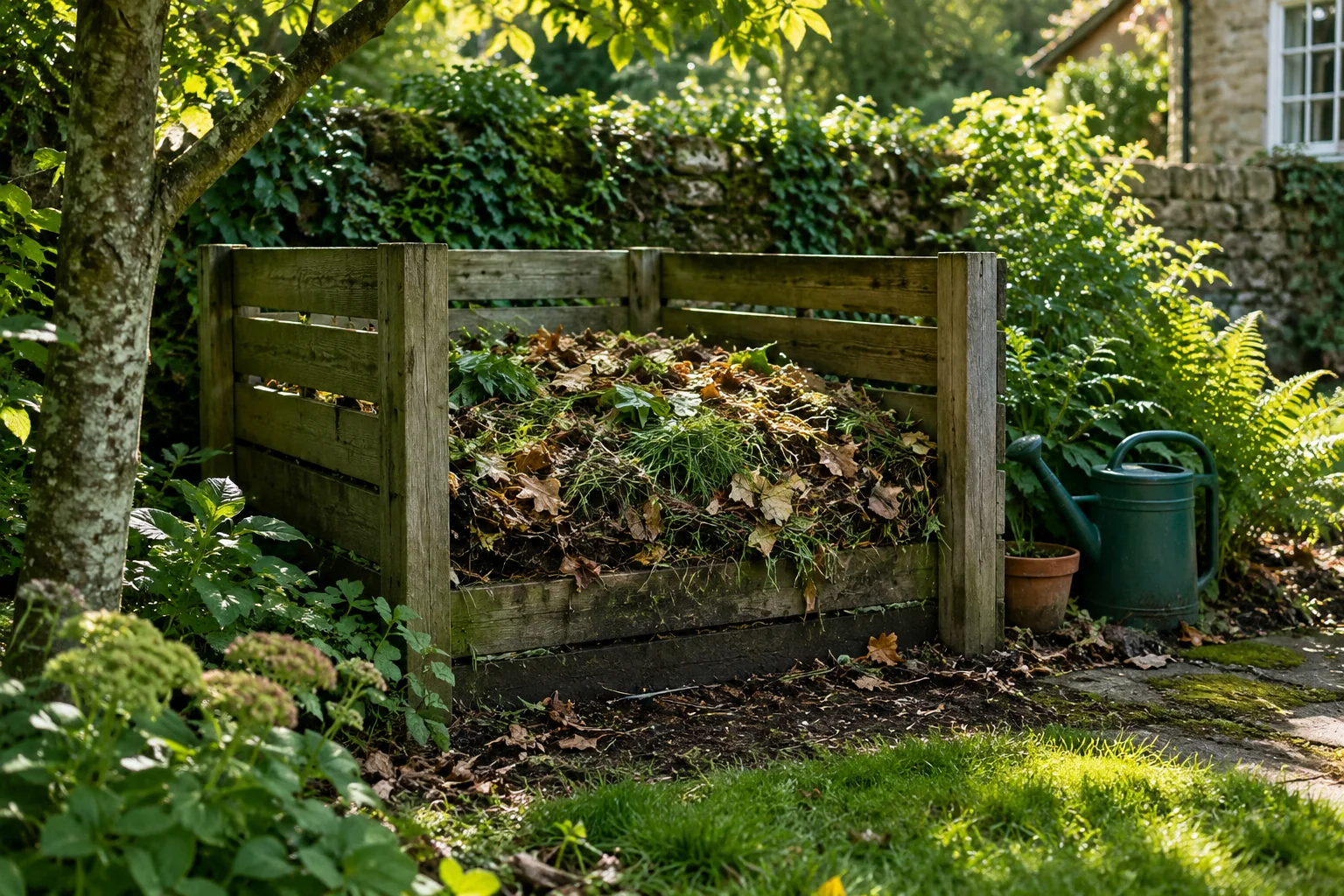
Privacy, boundaries and neighbour-facing growth
When a hedge provides useful screening, say how much privacy you want retained. The target should be a manageable plant with the space you need around it, not necessarily the narrowest possible boundary. Provide approximate dimensions and explain whether access to the other face is available. Do not presume that a neighbouring garden can be entered without an agreed arrangement.
Dense hedges and climbers should be checked for nesting activity before cutting, with affected work deferred where necessary. Distinguish plant work from fence repair and identify loose panels or unstable supports. Cutting away growth can reveal a weak boundary rather than repair it. If the hedge has become unsuitable for the space, consider a separate plan for its future rather than repeated heavy cuts without considering the plant’s response.
Decide between recovery and continuing care
A one-off visit suits a defined objective, such as making the garden accessible before regular use begins. Put the tasks in a useful sequence and decide what can wait. A heavily overgrown space may need more than one appointment, especially if access is restricted or waste volumes are large. Be clear about the first stage rather than expecting a fixed hour to deliver an unknown total result.
For ongoing care, discuss weekly, fortnightly or monthly visits according to growth and the work you do yourself. Seasonal changes may alter the interval or the tasks. Spring may call for careful weeding around seedlings; summer may require attention to pots and young plants; autumn can focus on leaves where they obstruct paths. Wet or frozen ground may limit winter work, so leave room for judgement rather than insisting on an identical checklist all year.
Prepare the visit and understand the charges
The gardening rates published by Go Gardeners are £79 for the first hour and £65 for each subsequent actual hour. The arrangement describes two gardeners with tools, equipment and bags, plus up to 120 litres of green waste removal. Read the current price guide. Confirm the postcode, availability and any extra charges, including congestion-related charges where applicable, before agreeing the booking.
Extra waste removal needs confirmation. If you want material kept in a green bin or suitable compost area, establish capacity rather than assuming everything will fit. Show gates, steps and the carrying route in your photographs. Confirm parking, locks, any shared access and a contact method for questions. With those details settled, the gardeners can use the appointment to tackle the agreed priorities instead of resolving avoidable access and disposal problems.
Southall gardening questions
Need to discuss your own garden or property? Call with photographs and your postcode.
Ask about your visitCan you weed around edible plants?
Discuss the beds and mark what you are growing before the visit. Herbs, self-seeded crops and young seedlings can be difficult to distinguish from unwanted growth without instructions. Explain the methods you want considered around food plants and agree any separate materials in advance.
Can a neglected side passage be the main job?
Yes, describe its width, length and the growth restricting it. Include photographs from both ends if safe. Confirm the intended clear route and how cuttings will leave the property; opening a passage is less useful if disposal bags are then left across it.
Do I need a very tidy garden before booking?
No, the existing condition helps define the work. Remove small personal items and pet waste where safe, and identify hidden hazards. Honest photographs of the longest grass and densest growth are more useful for an estimate than preparing only one attractive camera angle.
Will every weed disappear after one appointment?
Some unwanted plants regrow from roots or arrive again as seed. Ask for an achievable first-stage result and a plan for follow-up care where needed. A single tidy should not be sold as permanent weed prevention, especially where the bed will remain largely unplanted.
Can the gardeners help while I am away?
An appointment can be considered with agreed access, security and instructions. Make plant-retention decisions in advance and leave a reliable contact route. If you need frequent watering, discuss that specifically; an occasional gardening appointment does not automatically provide daily checks during an absence.
What if one area must remain untouched?
Mark its edge clearly on photographs and on site where practical. Explain whether it contains crops, wildlife habitat or plants awaiting identification. Clear exclusions help the team work confidently elsewhere and prevent a deliberately retained patch being treated as part of the clearance.
Can I book tree pruning with lawn mowing?
Raise both needs at enquiry stage, but substantial tree work requires its own assessment and price. Protection checks may also apply. Combining the enquiry does not mean the same hourly gardening arrangement covers every height, branch size or operation you would like carried out.
Which nearby areas are in the directory?
You can also read the pages for Greenford, Ealing, Hayes and Northolt. The coverage page sets out the full approved list. Confirm your address and a suitable appointment directly before making access arrangements.
Arrange gardening around your Southall priorities
Call 020 3746 2449 with your postcode, a few clear photographs and the first area you need back in use. Include crops or plants to preserve, access details and your preferred waste arrangement. A practical brief helps establish the right first visit and makes continuing care easier to plan.
Call 020 3746 2449Gardening nearby.
View all 60 coverage areas ↗Southall on the map.
Approximate area centre for orientation. Call to confirm availability for your exact postcode.