
Gardeners
Leyton
Understand the difference between a routine cut and lawn recovery before choosing work. Leyton gardening advice connects grass care with wear, planted edges and deliberate wildlife areas, with clear guidance on access, preparation and the pricing basis.
- Match lawn work to wear and shade
- Keep intentional wildlife margins clear
- Treat recurring damage by its cause
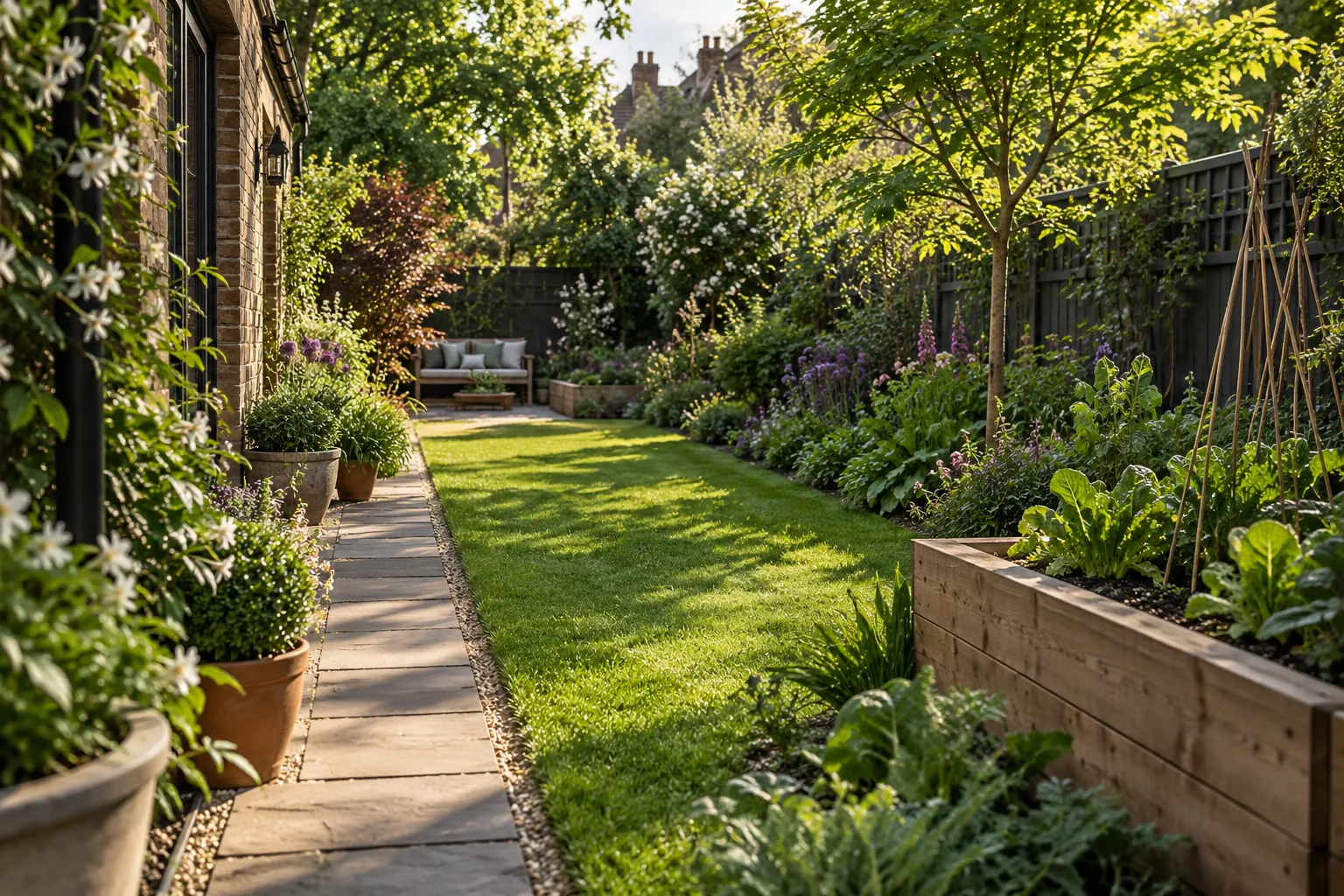
Distinguish a cut from lawn recovery
Before spending money on a tired lawn, decide what you need that part of the garden to do. If it is crossed constantly, used for play or shaded for much of the day, its care needs to reflect those demands. Go Gardeners can discuss Leyton gardening around the lawn and the planting beside it, with routine maintenance or a one-off appointment as appropriate. Describe use, wear and recent care alongside current photographs. That gives a better starting point than choosing a treatment solely because it produced an attractive result in someone else’s garden.
An ordinary mowing visit manages growth and edges. Recovery work asks why grass is thin, patchy or repeatedly damaged. Explain when the problem began, whether water collects and which route people take through the garden. A lawn care enquiry should include those observations. Photographs taken after rain and during a dry spell can reveal different aspects of the same patch.
Long grass also needs honest description. Show the height and any flattened sections rather than mowing a small visible strip before the estimate. Remove loose objects if safe and identify hidden edging or bulbs. The first sensible cut may leave more height than an ornamental finish, particularly where the grass is stressed. Cutting shorter is not a universal cure for untidiness or a substitute for understanding poor growth.
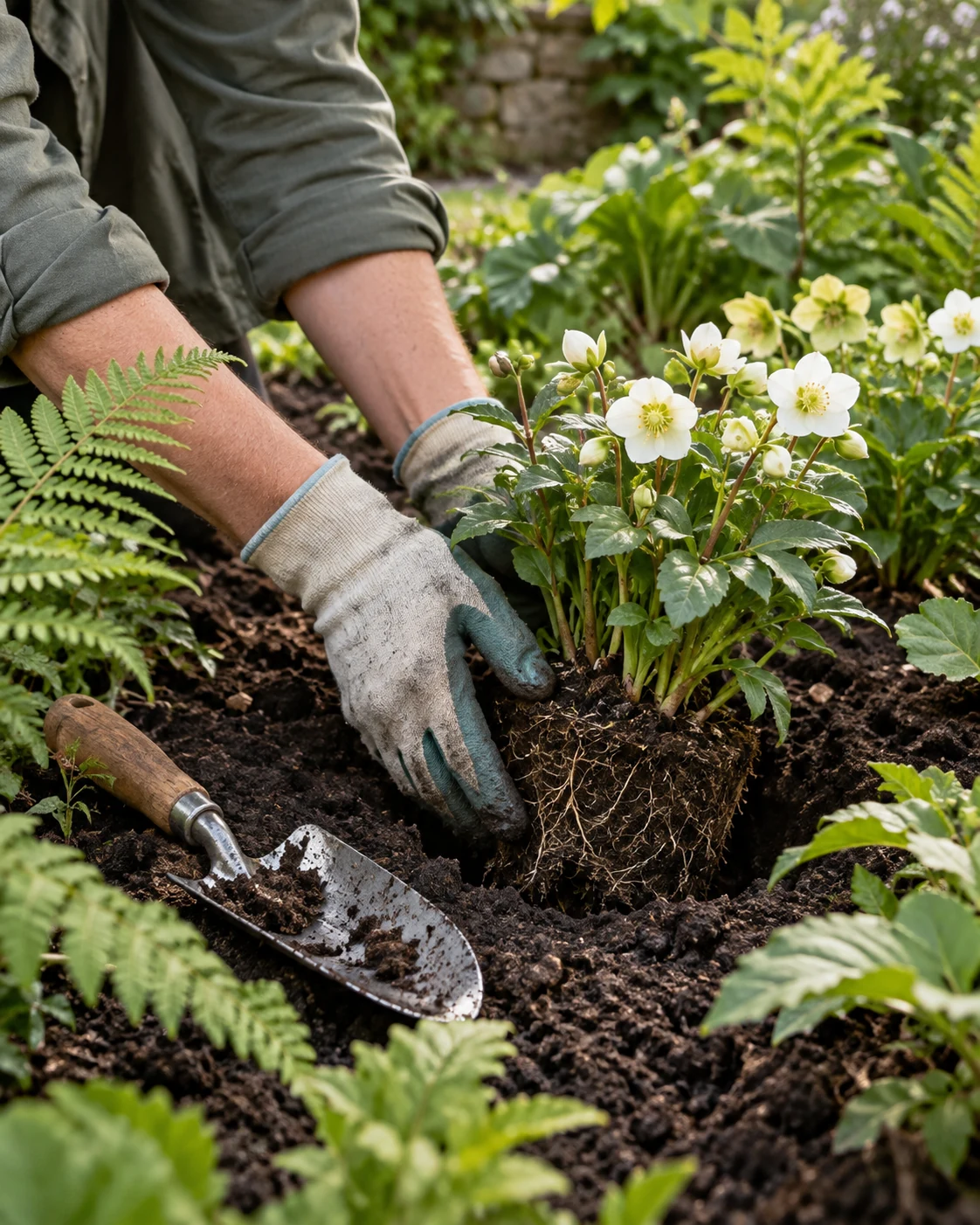
Edges connect lawns and planted beds
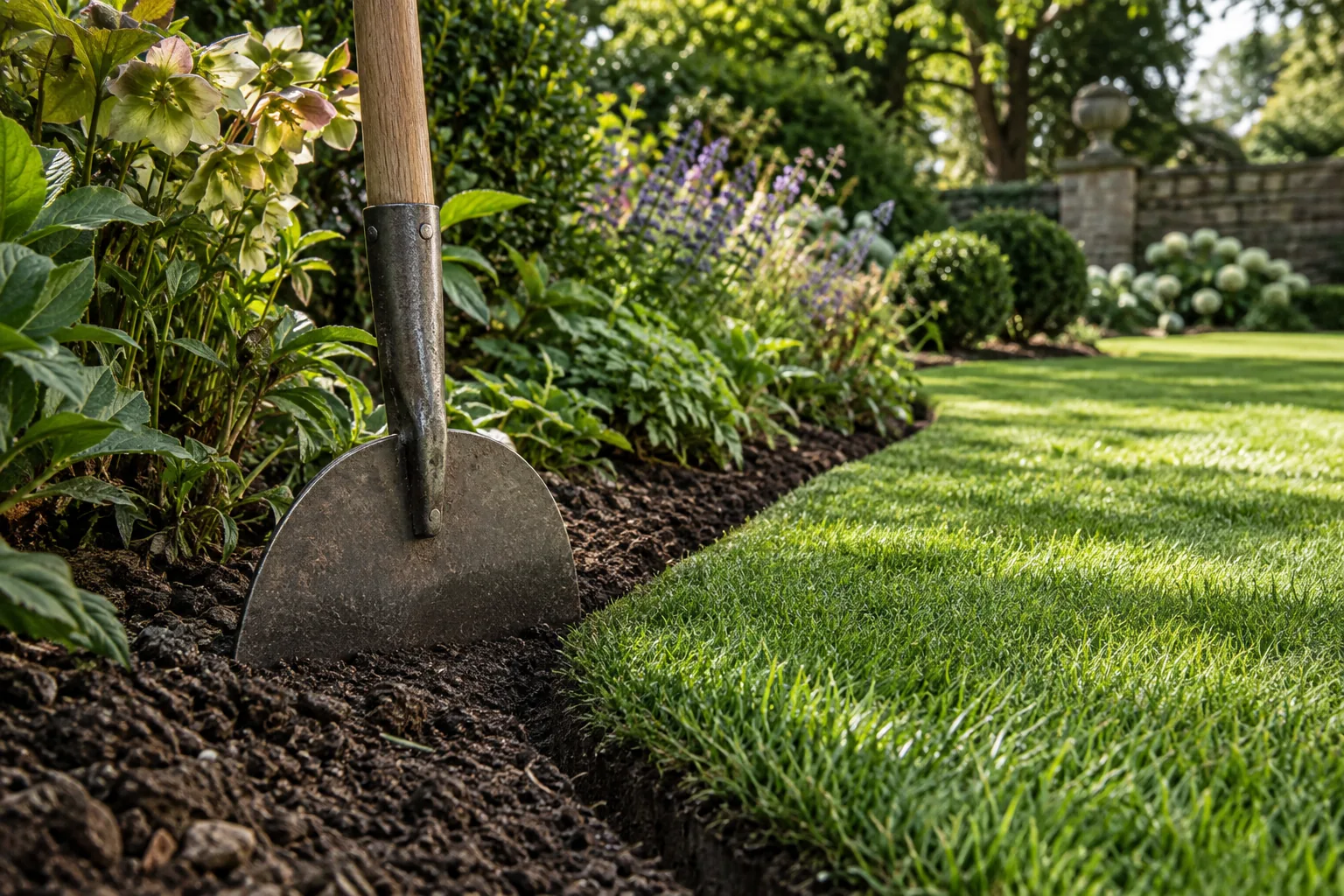
A clear edge can improve the garden’s appearance without extensive replacement. Decide where the lawn should finish and which plants should remain near it. Overhanging perennials may need support rather than cutting away indiscriminately. Weeds spreading from the border should be tackled at their source rather than simply clipped level with the grass, where they can continue growing unnoticed.
Garden maintenance can combine mowing with suitable border work, light pruning and path clearance. Rank the list so the visit has a useful focus. If detailed weeding among plants is required, allow for the time it takes. A garden with a small lawn and densely planted margins is not necessarily quicker than an open grass area of a larger size.
Match planting to the conditions observed
Avoid blaming the whole district’s soil for a problem in one bed. Look at texture, moisture, recent disturbance and the amount of light. Ground beside a building may dry differently from the open end of the garden. A heavily trodden strip may be compacted even where neighbouring soil is workable. Observations from your property are more useful than a blanket description of Leyton gardens.
Before adding a new bed or replacing grass with planting, consider mature size and ongoing care. Garden design and landscaping can help frame a separate project where the arrangement no longer suits its use. Maintenance can improve the current planting, but it should not be presented as a guaranteed solution for drainage, unstable edging or a route that forces everyone to trample the lawn.
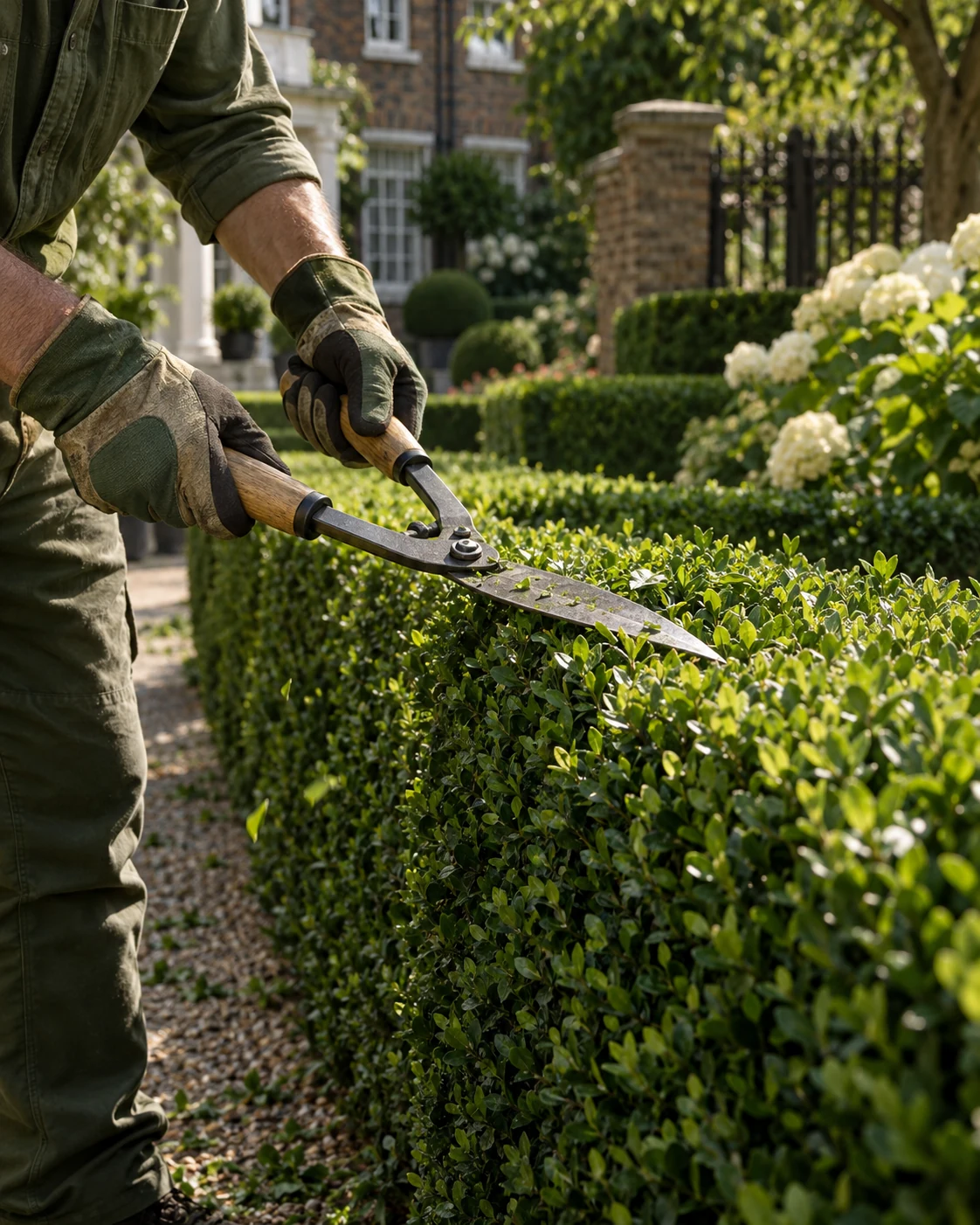
A realistic approach to wildlife areas
If part of the grass is intentionally long, mark its boundary and explain the desired management. A defined margin can help a deliberate area read clearly beside a maintained lawn. State whether clippings are to be removed and whether bulbs or other plants grow there. The aim is to manage the chosen area consistently, not to assume all long growth is either neglect or valuable habitat.
Hedges and dense shrubs need inspection for active nests before cutting in any month. Affected operations should be deferred, with other agreed work considered elsewhere. Plant identity and flowering time also matter to pruning. Share any wildlife activity you have observed and agree which cover should remain. A calendar appointment does not establish that every planned cut will be appropriate when the gardeners arrive.
Leyton tree checks and boundaries
Waltham Forest’s tree guidance distinguishes private and council trees. Its tree preservation information explains the route to checking protection. Establish ownership, conservation status and any required consent or notice before pruning, rather than assuming a tree can be cut because it stands near the lawn.
For substantial branches or high work, make a separate tree surgery enquiry. Show the entire tree and the obstacles around it, including sheds, cables and neighbouring structures. If a boundary is disputed or access needs a neighbour’s agreement, resolve that before scheduling work. Gardening instructions should not require the team to decide ownership or enter land for which permission has not been obtained.
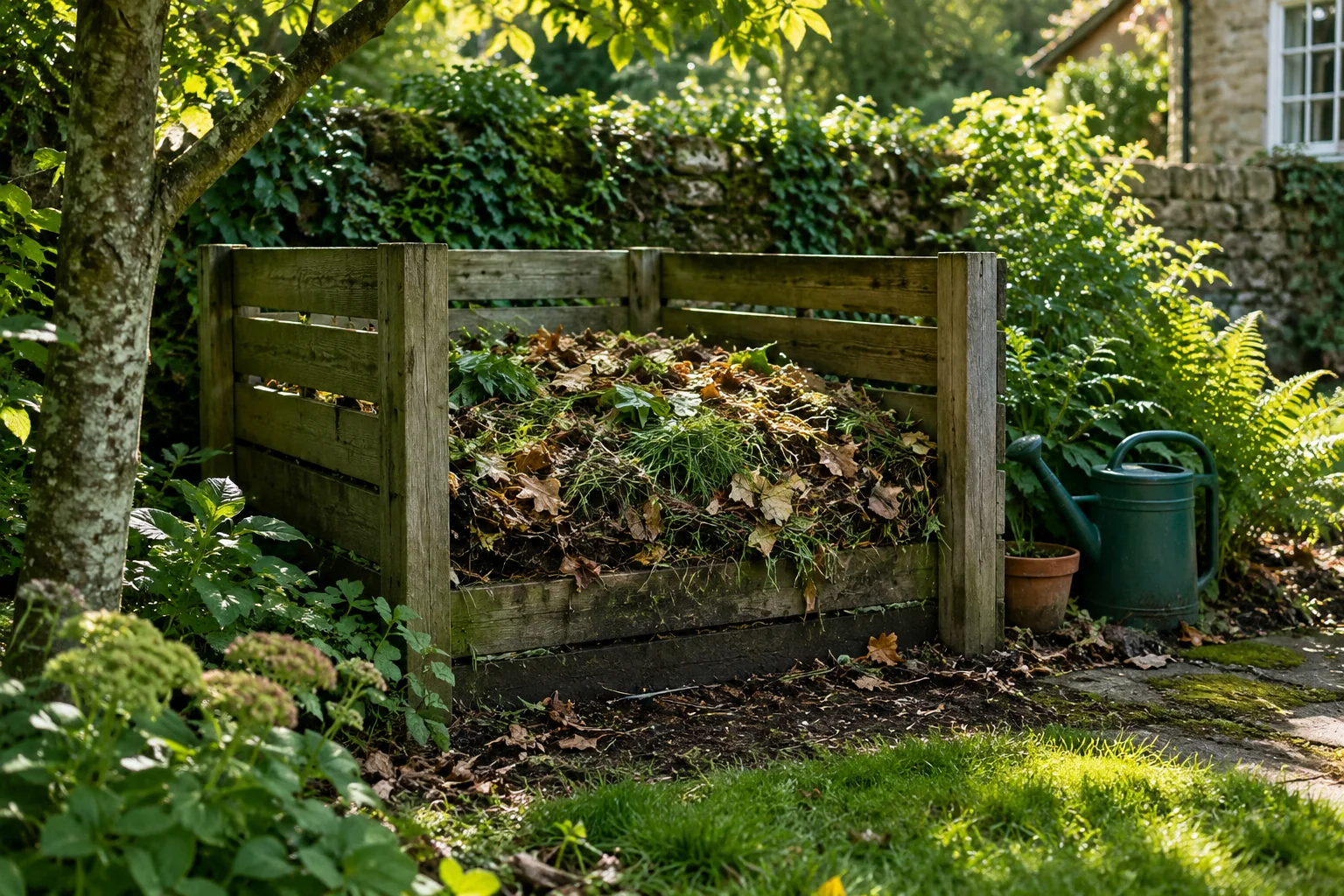
Starting again after overgrowth
If the lawn and beds cannot be seen properly, garden clean-up may be the first stage. Explain where paths and features are believed to be and identify plants worth keeping. Dense vegetation can hide objects and damaged ground, so do not enter it for a photograph if you cannot see a safe route. A selective opening can provide the information needed for a sensible second stage.
Agree what clearance leaves behind. Top-growth removal, root removal and preparation for new turf are different scopes. Even after cutting, a surface may need assessment and further work before replacement planting or grass is appropriate. Decide how the cleared area will be cared for afterwards. A bed left bare with no plan can soon need attention again, particularly while persistent weeds are still being managed.
Seasons and frequency should follow growth
Weekly, fortnightly or monthly appointments can be discussed if routine care is the main need. Spring may call for early weed control and protection of fresh shoots. Summer mowing should respond to heat and rainfall rather than an inflexible height target. Newly planted beds and containers need moisture checks between visits, with a named person responsible for that care.
Autumn work may include collecting leaves from turf and paths, while winter ground conditions can limit traffic. A one-off appointment works well for a defined recovery or pre-event tidy-up, but allow for available dates and weather. Review recurring care after the first visit so its interval reflects the actual workload, not simply the frequency that sounded convenient before the garden had been seen.
Booking, preparation and price factors
Send the postcode, garden overview and entrance photographs. Include steps, narrow passages and any route through the house. Confirm parking, locks and shared access. Move light furniture and toys where safe, remove pet waste and mark cables or irrigation. For an unattended visit, settle entry and locking details directly. A clear retention list and contact method help resolve any planting uncertainty without guesswork.
The published maintenance, clearance and lawn care rates are £79 for the first hour and £65 for subsequent actual hours. The arrangement describes two gardeners, tools and bags, plus up to 120 litres of green waste. Confirm extra removal and consult the live prices. Area availability and congestion charges may apply. Tree operations, landscaping and jet washing have different pricing; access, detailed hand work and waste also affect the estimate.
Leyton gardening questions
Need to discuss your own garden or property? Call with photographs and your postcode.
Ask about your visitCan I book mowing without a lawn treatment programme?
Yes, explain that the required task is mowing and edging, and show the grass as it is. Treatments should follow an identified need rather than being assumed. If persistent problems are visible, they can be discussed separately without turning every routine cut into an unspecified recovery project.
Will reseeding stop damage on a daily shortcut?
It may not if the same concentrated traffic continues. Consider how people reach the shed, gate or washing line. A changed route or another surface may be more practical, but that requires its own layout and preparation discussion rather than a promise that seed alone will withstand every use.
Can a wildlife patch be kept beside a tidy lawn?
Define its boundary and management clearly. Explain what grows there and what should happen to cut material. A maintained edge or route can make the arrangement easier to use while retaining the chosen area, provided the task list distinguishes intentional long growth from work you want completed.
Should the whole garden receive the same soil improver?
Not without understanding the ground and the reason for applying it. Conditions can differ across one plot. Record moisture, compaction and planting performance, then discuss the appropriate approach for each area. Applying material uniformly can obscure a problem rather than solve the cause of poor growth.
Can you cut near bulbs planted in grass?
Mark the area and identify the bulbs if known. Their foliage may need retaining after flowering, so a uniform early cut may not suit the planting. Explain your preference in advance and agree how the surrounding lawn can be maintained while the bulbs complete their growth cycle.
What photographs help with a lawn enquiry?
Include the full lawn, a side view of long growth and close views of recurring damage. Add a route photograph showing how equipment enters. Mention when the grass was last cut and any pattern of wetness or shade that may not be apparent on the day you take the pictures.
Is removing a tree part of making a lawn brighter?
Tree work needs separate consideration of ownership, protection, condition and a suitable method. More light being desirable does not establish that removal is appropriate. Review the lawn’s role and realistic alternatives too, rather than making a major tree decision solely to support an assumed grass treatment.
Which nearby pages are available?
Leytonstone, Walthamstow, Stratford and Hackney are listed in the coverage directory. Choose the relevant page for another property and confirm the postcode and service. The directory is a guide to areas; booking availability and access are established for the specific enquiry.
Arrange Leyton gardening with realistic lawn goals
Call 020 3746 2449 with photographs and the postcode. Explain how the lawn and surrounding planting are used, and which result matters first. Go Gardeners can discuss a useful maintenance or recovery appointment with the scope, waste and next steps understood before work begins.
Call 020 3746 2449Gardening nearby.
View all 60 coverage areas ↗Leyton on the map.
Approximate area centre for orientation. Call to confirm availability for your exact postcode.