
Gardeners
Leytonstone
Begin an unfamiliar garden with useful observation and selective work. Leytonstone guidance explains how to record retained plants, open inaccessible areas and establish a lawn baseline before making larger changes or committing to a continuing maintenance schedule.
- Record unknown plants before removal
- Reveal the layout in careful stages
- Use a simple labelled retention plan
Read the garden before changing it
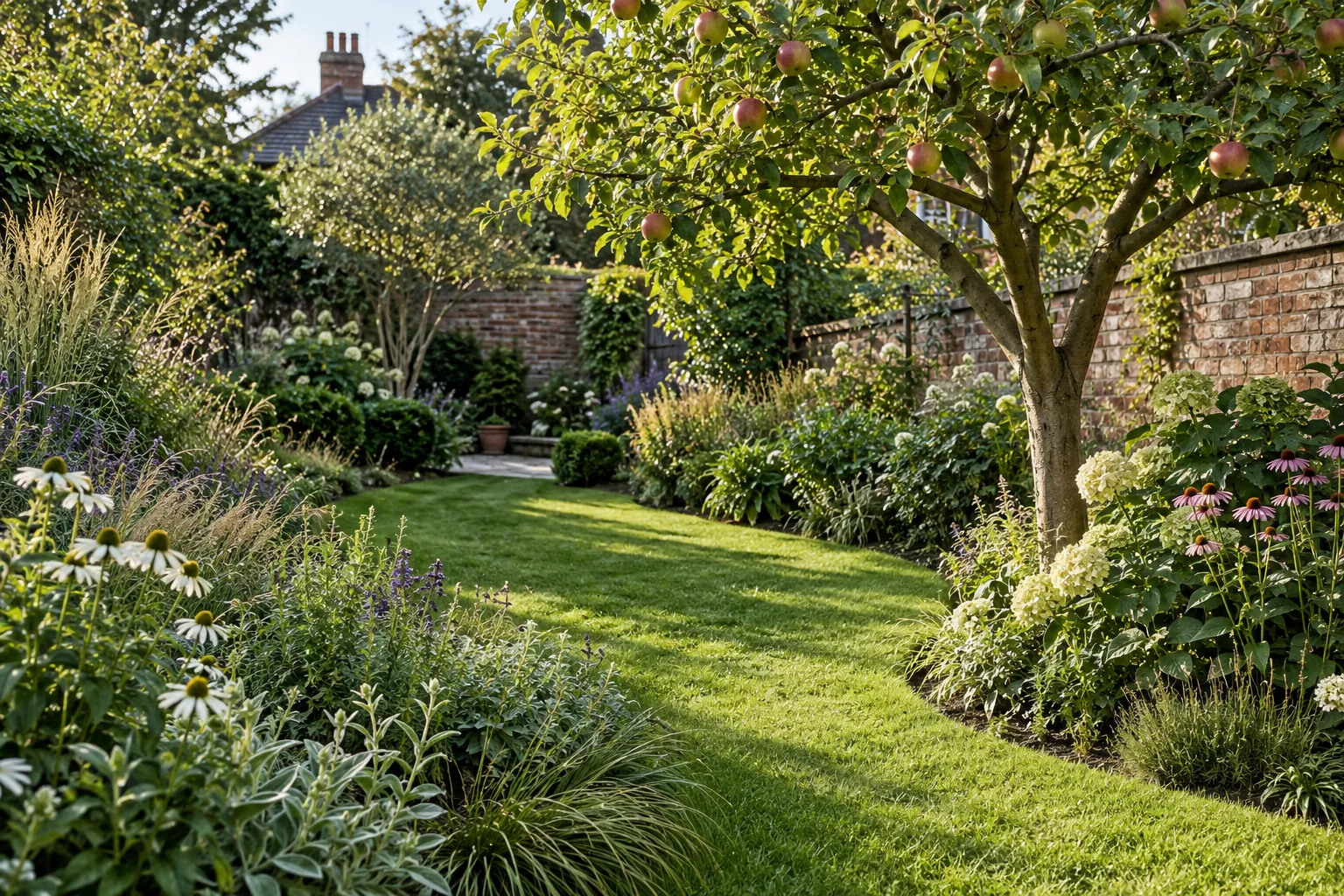
A newly acquired garden is best understood before it is emptied. If you have moved into a Leytonstone property or taken on a space after a long gap in care, record what is there and choose the first practical task. Go Gardeners can discuss a selective tidy-up, recovery work or regular gardening while the planting becomes familiar. A useful initial brief may preserve more than it removes. Photographs, a simple sketch and clear instructions about the features you value help establish a workable plan without assuming that every unfamiliar plant is a weed.
Look for labels, old edging, trellis and groups of emerging shoots. These can indicate the intended beds even when weeds obscure the outline. Photograph the space from the same position through the season if possible. A winter bed can look empty while containing bulbs or dormant perennials; a summer tangle can conceal a worthwhile shrub. Keep uncertain areas marked until identification is possible.
Begin garden maintenance with work that is clear: safe routes, visible litter, suitable mowing and identifiable weeds. Tell the gardeners what you know and what remains uncertain. You do not need a complete planting inventory before a useful first visit, but a blanket instruction to remove everything gives no protection to plants you may later wish had stayed.
Decide the first recovery stage
For inaccessible growth, discuss garden clean-up with a specific opening stage. Recovering a path or uncovering the edge of a bed can reveal enough to plan the rest. Mention known hazards and the possible position of steps, ponds or stored materials. Avoid entering concealed ground for better photographs if you cannot see where you would be standing.
After the opening, assess what is sound and what needs another service. Cutting vegetation does not repair broken paving or remove all roots. Specify the finish rather than relying on the word “clear”. If the garden needs a different layout, use garden design and landscaping for a separate project discussion. The first tidy-up should provide useful information, not force immediate construction decisions before conditions are understood.
Keep a simple plant-retention system
Use numbered labels and matching photographs for important plants. Note shrubs you want to flower before they are pruned, bulbs within grass and self-seeded plants you welcome. Share the record with anyone who will give instructions on the day. This is particularly helpful where more than one household member has preferences or where a previous owner left planting information that has not yet been checked.
Retention does not mean keeping every plant indefinitely. Once identity and condition are known, you can decide what fits the space and the time available for care. A vigorous shrub beside a narrow route may need a considered pruning plan or eventual replacement. Make that decision with its mature size and habit in mind, rather than repeatedly paying to force an unsuitable plant into a shape it cannot maintain.
Local trees and the limits of a tidy-up
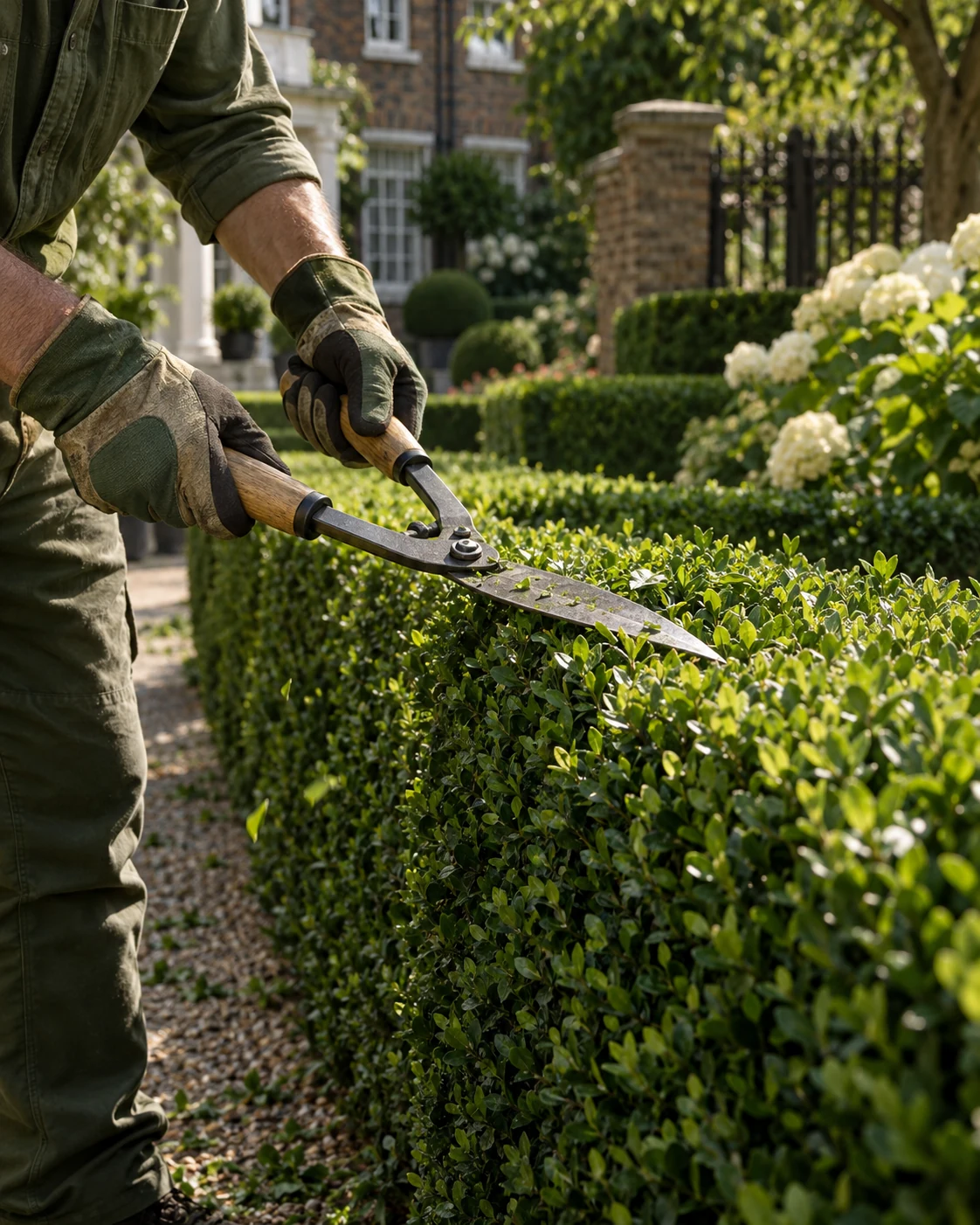
For Leytonstone properties, Waltham Forest’s tree preservation guidance gives the route to checking protected trees and conservation areas. Establish the exact status before proposed work. A former owner’s recollection or an unlabelled tree on an old sketch is not a substitute for confirming the current position.
High work and substantial branches belong in a tree surgery assessment. Provide a whole-tree photograph and explain structures, neighbouring access and known restrictions. Resolve ownership and required consent or notice before scheduling. Garden excavation near retained roots should also be raised in advance. A small new bed or path can still affect a tree if its construction disturbs roots or changes the soil level.
Establish a baseline for the lawn
Record the lawn’s condition before choosing treatments. Where does it thin, stay wet or receive wear? When was it last cut? Lawn care can be discussed as routine mowing or a separate improvement task, but the history helps avoid repeating an unsuccessful approach. A photograph after rain may show a problem that disappears from view during a dry week.
If the grass is long, identify debris and any bulbs or intentional patches before cutting. A sensible first finish may leave more height than you expected. In hot, dry conditions, close cutting can add stress; on soft ground, unnecessary traffic can leave damage. Do not assume a new garden needs new turf before the existing surface and its growing conditions have been assessed over time.
Learn the light and water pattern
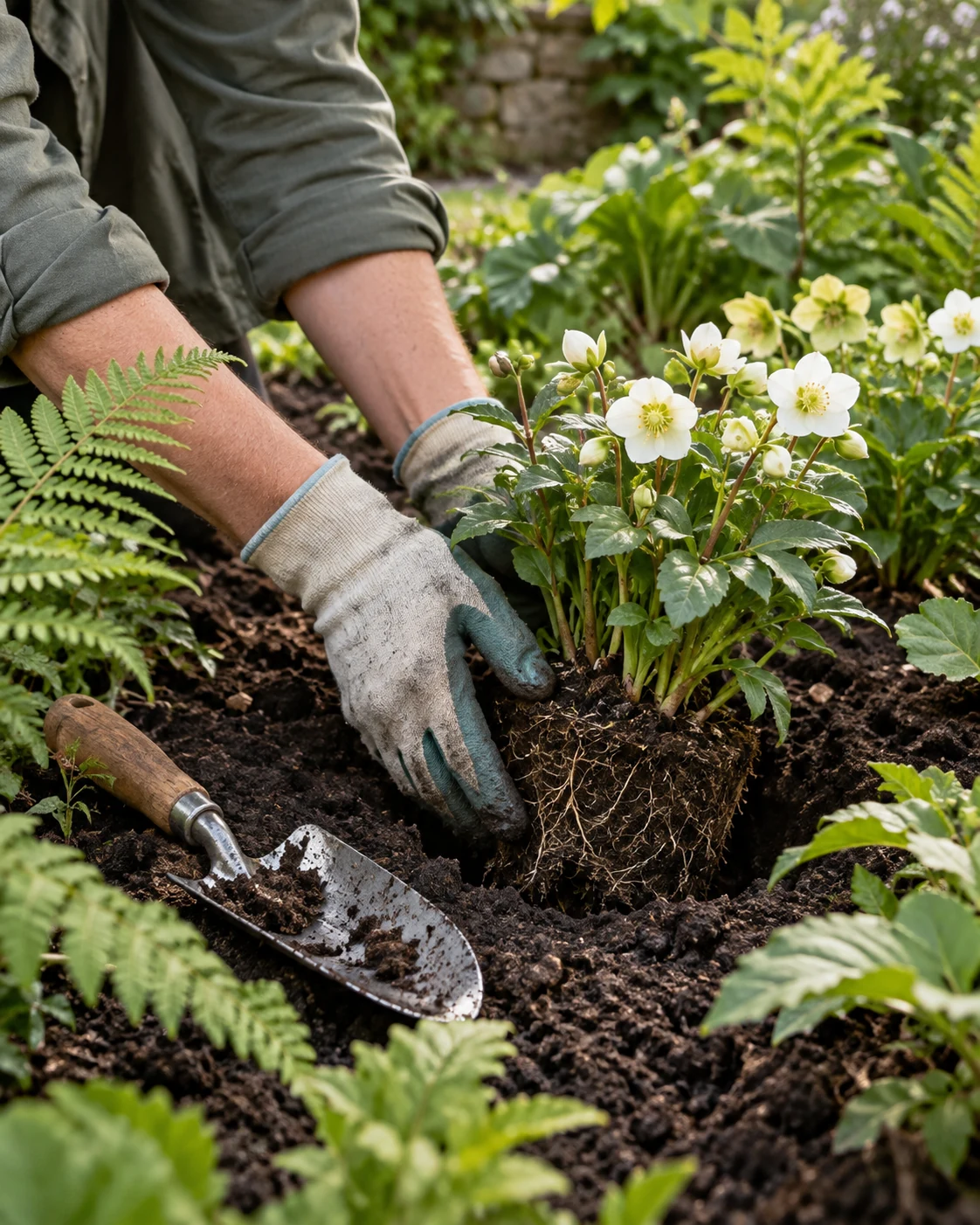
Note sun and shade at different times, rather than buying plants after a single visit. A wall, shed or neighbouring tree can change the usable light across a small area. Soil condition also needs direct observation. Do not apply a district-wide assumption about clay, drainage or fertility to a bed that has not been examined, especially if previous building work may have disturbed it.
New plants need an aftercare plan. Identify who will water during establishment and how water reaches the bed or container. Choose a manageable amount of planting at first. Pots may appear convenient but can require frequent checks, particularly in warm weather. A gardening appointment can set up or care for planting; it cannot replace all the attention needed between visits if nobody is available to provide it.
Seasonal decisions and regular care
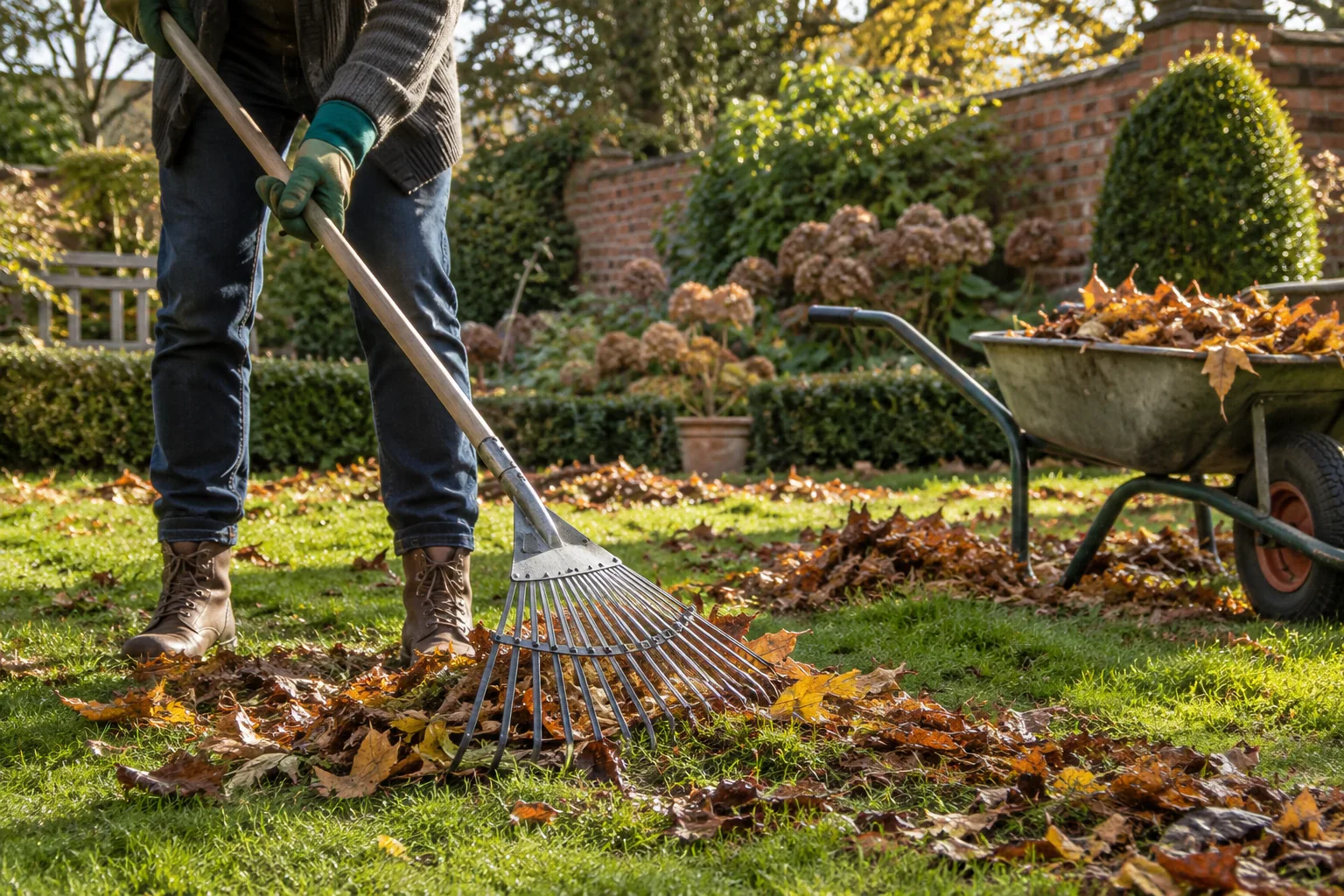
Spring is useful for seeing emerging plants and controlling early weeds carefully. Summer reveals flowering combinations and where growth affects access. Autumn can be used to review gaps, collect leaves from grass and paths, and retain selected seedheads. Winter may allow suitable plant-specific work, but wet or frozen ground should not be trampled unnecessarily simply because a regular visit is due.
Check hedges and dense shrubs for active bird nests before cutting throughout the year, and defer affected work. Weekly, fortnightly or monthly gardening can be discussed once the routine is clearer. A one-off appointment can provide a baseline without committing to a fixed frequency immediately. Review what you can maintain yourself and which tasks need repeating before choosing the interval for further visits.
Prepare information, access and the budget
Supply the postcode and photographs of the plot and complete entrance route. Mention shared passages, steps, narrow gates and parking arrangements. Move light loose items safely, remove pet waste and identify cables or irrigation. If you cannot attend, agree entry and locking instructions and provide the retention record. Keep a way to contact you for decisions that cannot be settled from the original images.
The published maintenance, clearance and lawn care rate is £79 for the first hour, then £65 per subsequent actual hour. The stated arrangement is two gardeners with tools and bags, including up to 120 litres of green waste. Agree additional removal and check the live prices. Postcode availability and area or congestion charges can apply; tree work, jet washing and landscaping have separate pricing arrangements.
Leytonstone gardening questions
Need to discuss your own garden or property? Call with photographs and your postcode.
Ask about your visitShould I wait a whole year before doing any work?
You can address access, mowing and clearly identified unwanted growth while observing the planting. Waiting to make major removal decisions is different from leaving the garden unusable. Begin with a careful scope and keep photographs so later decisions reflect what appears through the seasons.
How can I mark plants without knowing their names?
Use numbered labels and matching photographs. Point out the location and explain that the plant should remain pending identification. A simple consistent record is more useful than guessing a name that might direct the gardeners to a different plant in a mixed border.
Can a clearance preserve an old rose or fruit bush?
Identify its position and make retention explicit. Access can often be opened around a known plant, but condition and surrounding growth affect the approach. Do not leave the instruction until after cutting starts or assume an old plant will be recognised as valuable without explanation.
Is it worth treating a lawn before I know its drainage?
Understand recurring wetness and use before choosing a treatment. Routine mowing may still be appropriate when conditions allow, but improvement work needs a reason. Record how long water remains after rain and where it collects, rather than expecting seed or feed to solve an unexplained ground problem.
Can the previous owner’s tree permission be relied on?
Check what it covers, whether it remains relevant and what is proposed now. Tree protection and authorisation should be verified for the actual operation. Provide any documents during the enquiry, but do not assume an informal conversation or an old reference permits every later reduction or removal.
What if clearance reveals broken paving?
Treat it as a separate issue to assess. Removing vegetation makes the surface visible; it does not establish that it is sound or repair it automatically. Keep the area out of use if needed and discuss the appropriate repair or landscaping scope rather than extending ordinary gardening without agreement.
Should new planting be ordered before the first visit?
Usually it helps to understand the space, retained plants and aftercare first. If planting is already planned, provide an exact list and agree materials in advance. Buying a large selection before checking light, moisture and mature size can create unnecessary replacement work later.
Which nearby pages can I use?
Leyton, Walthamstow, Wanstead and Stratford are in the coverage directory. Confirm the postcode directly for another property and discuss its own access and service needs. Listed neighbouring areas help navigation but do not establish a guaranteed appointment date for an individual enquiry.
Begin your Leytonstone garden with useful information
Call 020 3746 2449 with current photographs, postcode and the first task you want addressed. Include any plant notes or tree documents you have inherited. Go Gardeners can discuss a careful first stage and a routine that becomes clearer as you get to know the garden.
Call 020 3746 2449Gardening nearby.
View all 60 coverage areas ↗Leytonstone on the map.
Approximate area centre for orientation. Call to confirm availability for your exact postcode.