
Gardeners
Edgware
Keep useful screening while recovering room around it. Edgware gardening can address hedges, crowded entrances and beds behind boundaries, with the desired privacy, plant response, access to both faces and relevant council checks discussed before substantial cutting.
- Balance privacy with usable boundary space
- Confirm access to each hedge face
- Use the correct council for the exact property
Define the boundary’s job
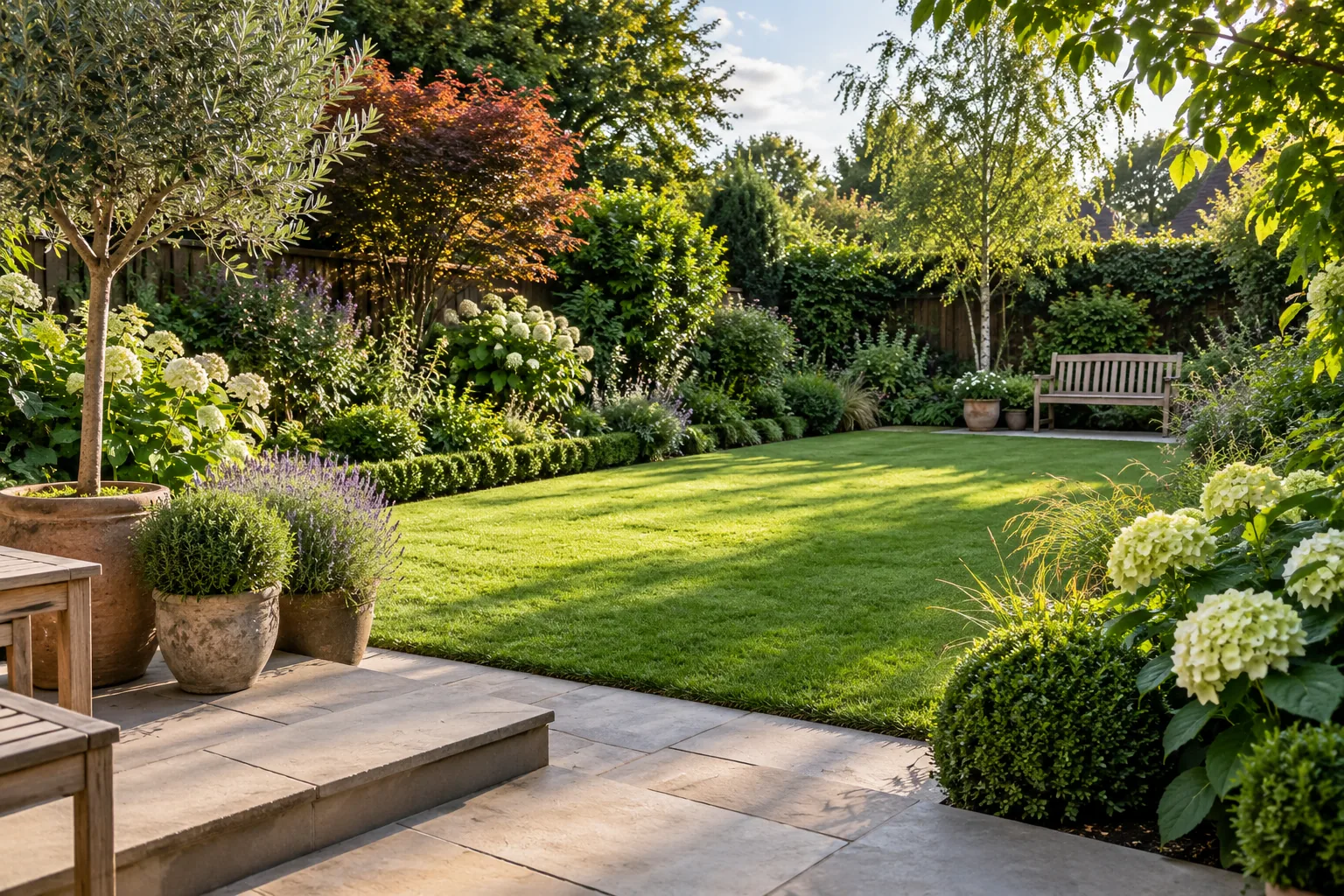
Privacy planting is useful until it takes over the space it was meant to protect. A hedge can narrow a drive, shrubs can obscure an entrance and a screen of climbers can become difficult to manage. For gardening in Edgware, explain how much screening you want to keep as well as the growth you need reduced. Go Gardeners can discuss routine care or staged recovery, with the plant, access and intended result considered before anyone assumes that the hardest possible cut is the most useful answer.
Say whether a hedge provides privacy, shelter, a formal edge or separation from a neighbouring space. That helps establish what should remain after trimming. Photograph the whole length, both ends and any sections with bare or weak growth. Include an approximate height and width. A straight line drawn on a photograph is a target to discuss, not proof that the plant will respond well to being cut there.
For ordinary shaping and recurring work, garden maintenance may be suitable. A substantial reduction needs more detail about the species and condition. Some plants tolerate renovation better than others, and cutting into old bare growth can have lasting effects. If a boundary has become unsuitable for the space, consider a longer-term change rather than repeatedly forcing it into an ever tighter outline without a plan.
Access to both sides matters
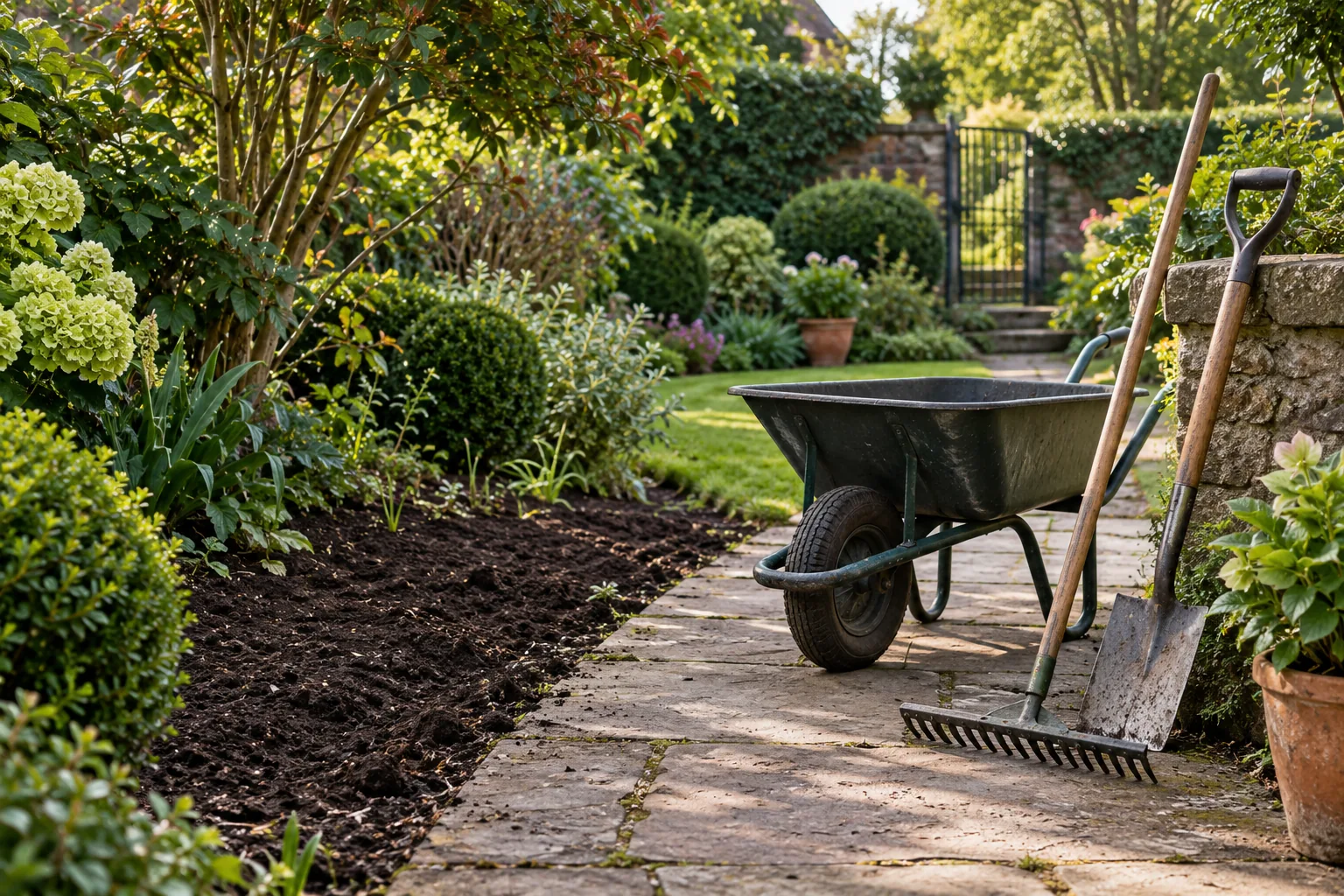
Explain whether the other face can be reached from your property. Do not assume a neighbour’s land can be entered without agreement. Show fences, walls, slopes and objects beside the hedge that limit working room. If the only carrying route passes through the house or a shared passage, include that in the enquiry so handling is reflected in the estimate.
Identify supports or fencing that may be damaged behind the planting. Cutting can reveal a problem without repairing it. Keep boundary repair separate from vegetation management and establish who can authorise the relevant work. For a shared or managed garden, resolve instructions before booking rather than leaving the gardeners to decide between conflicting requests from different people once cutting has begun.
Edgware addresses need the correct local authority
Use the council responsible for the exact property when checking proposed tree work. Edgware enquiries should not rely solely on the area name. Barnet provides protected-tree guidance, and Harrow publishes tree preservation order information. Establish the applicable authority and protection status before proceeding with a substantial operation.
For large branches or a mature tree, ask about tree surgery with a separate assessment and price. Photograph the whole tree and its relation to structures. Explain the concern and provide relevant reports or known protection details. Required permission or notice should be resolved before work starts; a tree being inside a private boundary or described as screening does not determine whether it can be cut as part of ordinary maintenance.
Front gardens: preserve room to arrive
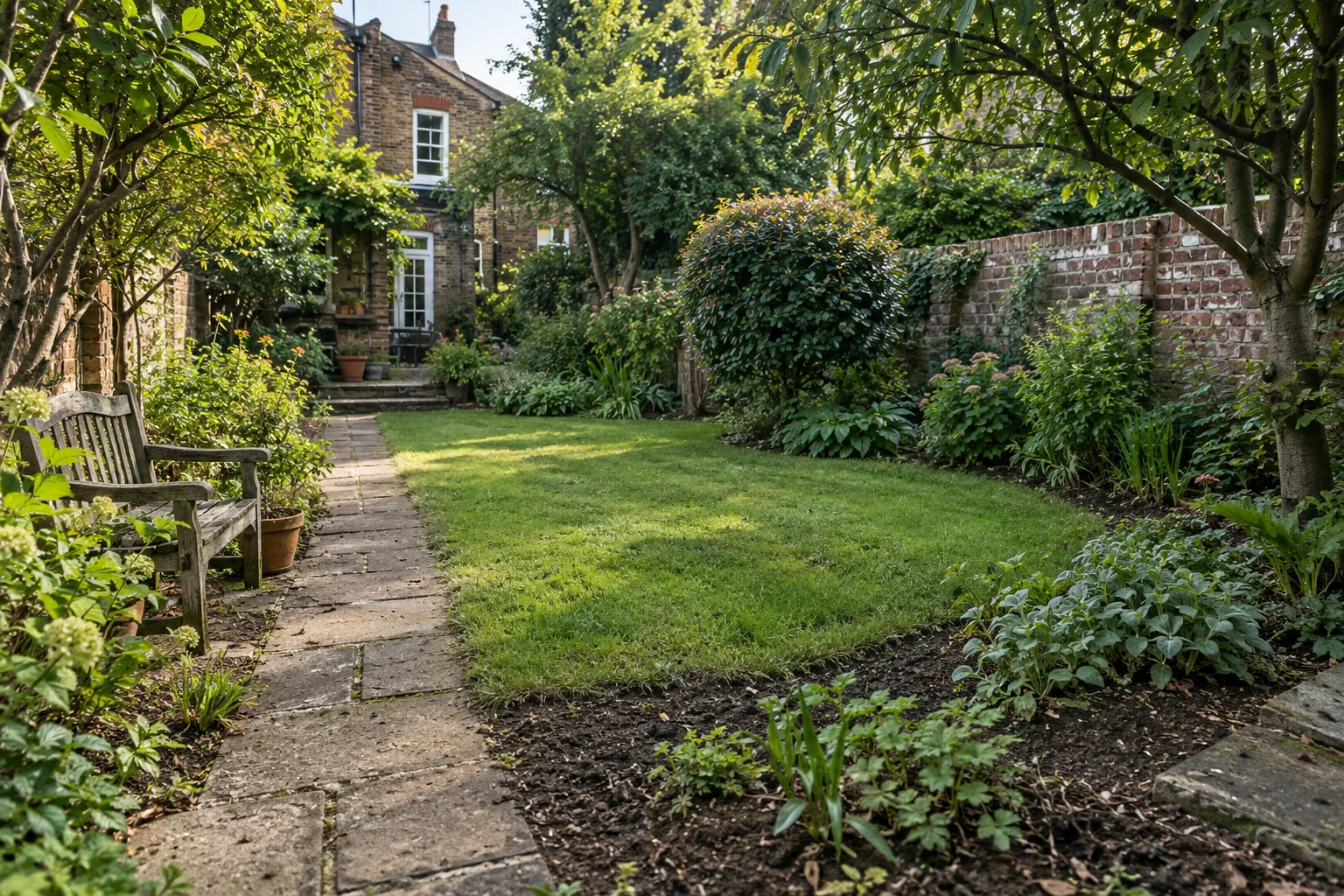
At an entrance, identify the clear space needed for doors, bins and pedestrian movement. Planting can remain generous without pressing into the only route. Show low growth as well as taller shrubs, and explain whether vehicles or mobility equipment need particular clearance. A small front garden still benefits from a defined scope rather than an instruction to cut everything back as far as possible.
Weeding and suitable trimming can improve a sound layout. Broken paving, unstable edges or damaged drainage need separate consideration. If you want a different balance between planting and usable space, discuss garden design and landscaping before ordering materials. Surface changes should not be improvised during routine gardening or treated as the inevitable next step merely because an entrance is currently crowded by growth.
Recovering beds hidden behind growth
Dense boundaries can conceal beds that have received little attention. Before clearance, mark shrubs and perennials you want retained and identify anything uncertain. Garden clearance can focus on selected sections, making the planting visible without necessarily removing its whole structure. Explain whether the finish should be access for future care or a prepared area for an already agreed project.
After work, consider what will cover the soil and how you will reach it. An empty strip can become another recurring weeding task if nothing follows. Appropriate mulch or planting may help, with materials agreed separately and kept clear of plant crowns. If the bed can only be maintained by squeezing behind a hedge, the access arrangement itself may deserve review before new planting makes it more difficult again.
Lawns affected by boundary planting
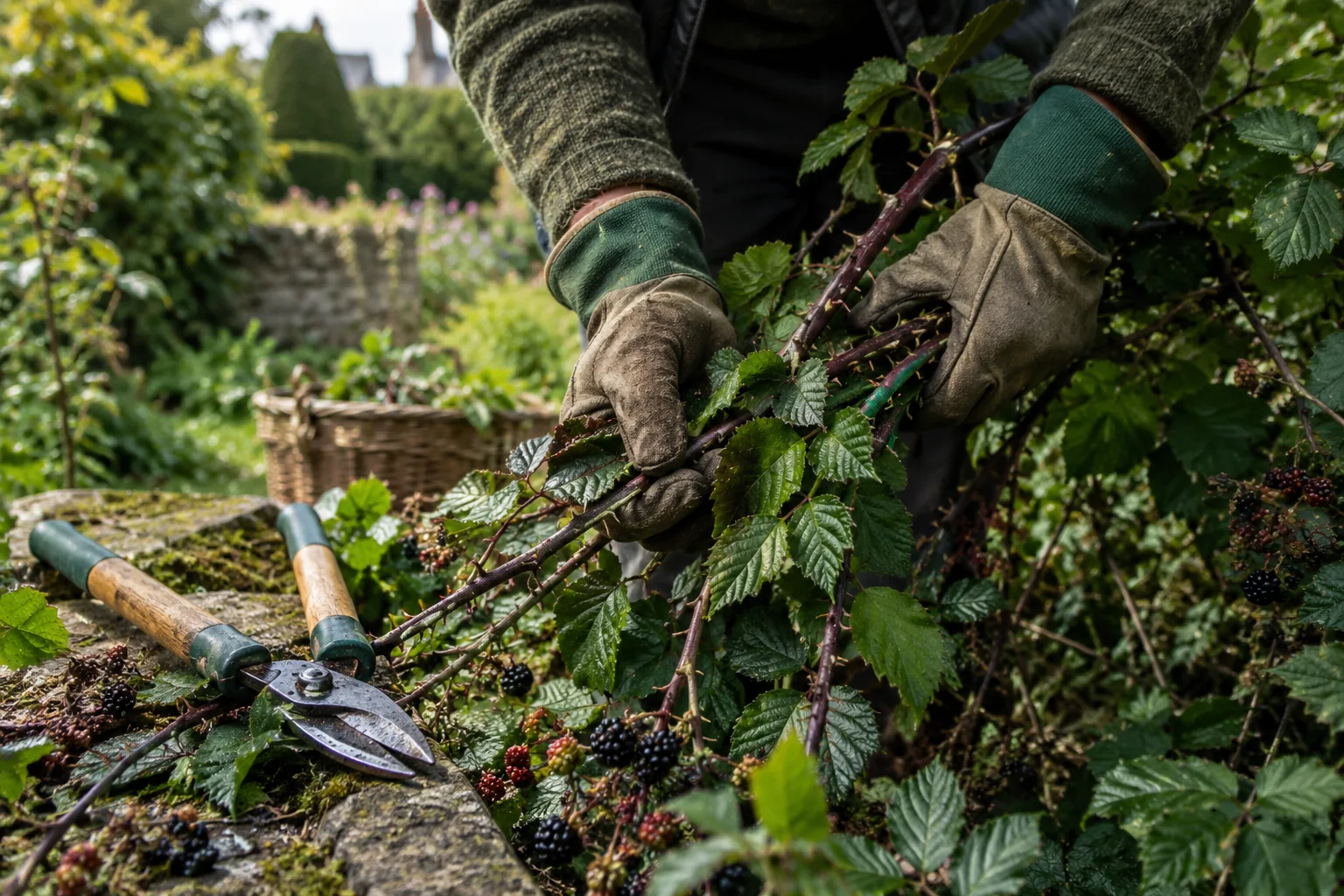
Show where grass thins near hedges and trees and describe the light and moisture pattern. Root competition, shade and wear may all contribute, so do not assume reseeding alone will produce a durable result. Lawn care can be discussed alongside mowing, but a recurring problem needs a clear account of conditions and realistic expectations.
For normal cutting, remove small loose items and pet waste where safe and identify edging, roots and low obstacles. Mark bulbs or an area intentionally left longer. If the grass has been neglected, a staged recovery may be more suitable than an immediate very short cut. Where a boundary casts persistent shade, a different use of a small failing patch may be worth considering before paying for repeated identical grass repairs.
Timing and seasonal judgement
Birds repeatedly entering a particular part of the boundary are an observation worth sharing before the visit. The hedge still needs a nesting check before cutting; occupied sections may have to wait. Read the government’s wild-bird guidance when considering those responsibilities. If cutting is deferred, a different agreed task may be practical. Neither a neighbour’s preference nor the booking date resolves what can appropriately happen in that section.
Spring tasks should protect emerging plants and account for flowering habit. Summer work needs to consider heat and plant condition, while new planting and pots require care between visits. In autumn, collect leaves where they obstruct routes or smother grass, with selected natural cover retained if desired. Winter ground conditions may limit work. Weekly, fortnightly or monthly visits should follow the actual recurring workload rather than a fixed assumption based on the postcode or garden size.
Agree price, disposal and preparation
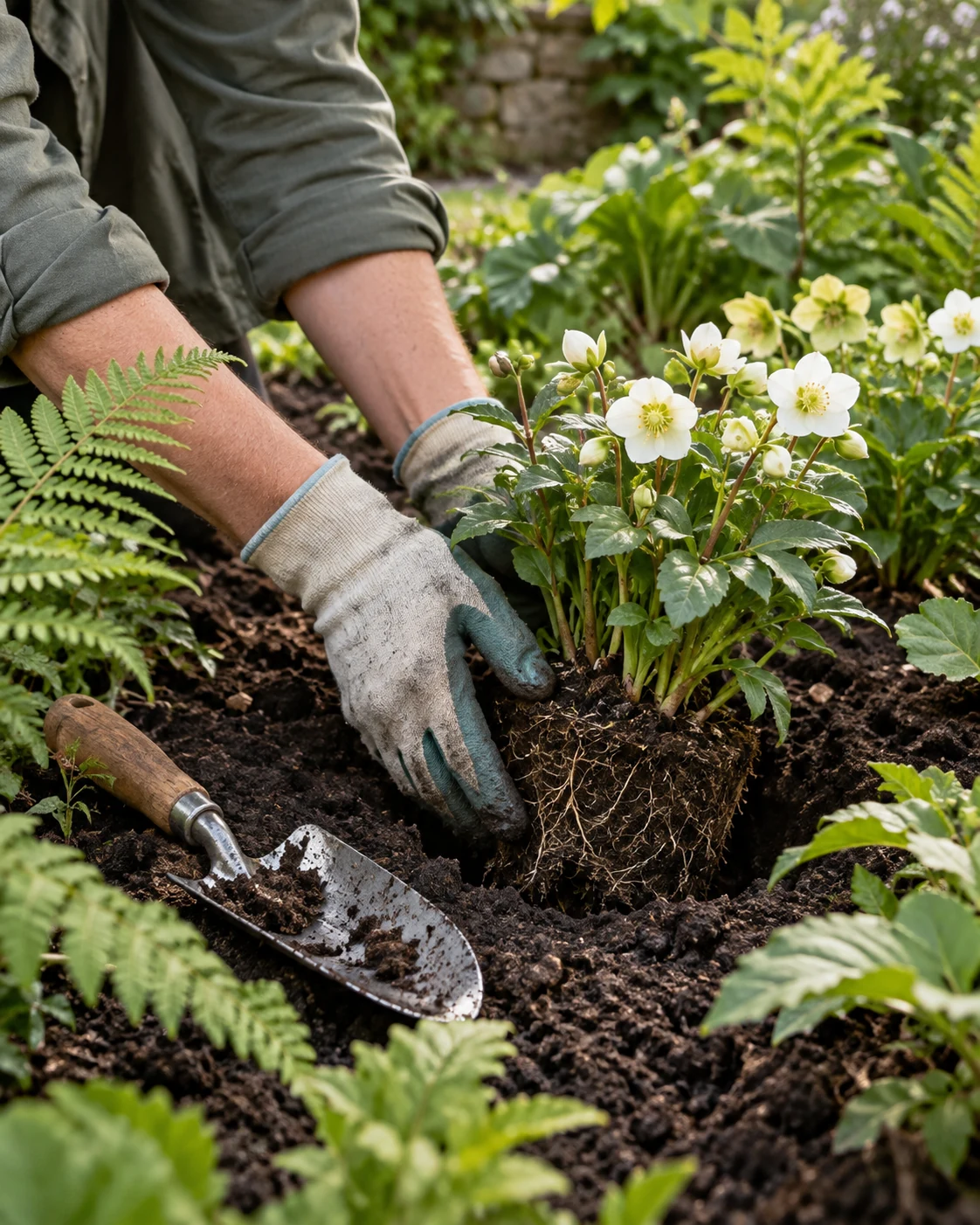
Published gardening rates are £79 for the first hour and £65 for subsequent actual hours. The stated arrangement includes two gardeners with tools, equipment and bags and up to 120 litres of green waste removal. Consult the live price guide and confirm the postcode, availability and any applicable extras, including congestion-related charges where relevant. Additional removal needs agreement, particularly for bulky hedge cuttings.
Show the waste route and confirm parking and unloading. If you want material kept on site, identify a suitable destination and capacity. Do not assume a green bin can absorb a substantial reduction. Before arrival, mark plants to keep, move light personal items and flag cables or irrigation. Set an order of priorities and a contact method for decisions, with no assumption that the team can automatically extend the appointment beyond the agreed schedule.
Edgware gardening questions
Need to discuss your own garden or property? Call with photographs and your postcode.
Ask about your visitCan a hedge be reduced while keeping privacy?
Explain the screening you need and the space you want to regain. The species, condition and desired reduction determine what is sensible. A staged approach may be worth considering, rather than cutting to a narrow line immediately and discovering that bare sections remain exposed.
Which council should I use for tree checks?
Identify the local authority for the exact property before using its tree and conservation information. The area name alone may not resolve that. Keep the tree clearly identified in photographs and correspondence so any advice or permission relates to the operation you actually intend.
Can you trim the neighbour-facing side?
Discuss how it can be reached and establish permission where entry to another property is needed. Do not assume access will be available on the day. The scope should state which faces are included and how tools and cuttings will be handled without obstructing shared routes.
Is removing a hedge the easiest long-term choice?
Not necessarily. Consider its function, the replacement arrangement and the maintenance that will follow. Removal may create a need for new screening, ground preparation or boundary work. Compare the full practical outcome with suitable management of the existing planting before deciding.
Why is the lawn thin near the conifers?
Shade, moisture and root competition may contribute, alongside wear or other site conditions. Show the area and explain when it deteriorates. Do not assume tree cutting is appropriate or permitted, or that another layer of seed will overcome the same conditions indefinitely.
Can you clear a bed but leave the mature shrubs?
Yes, identify the retained plants and the work wanted around them. Selective weeding may take care where roots and unwanted growth are intertwined. Agree the intended finish: exposing a manageable bed requires different work from preparing it for new planting.
How bulky are hedge cuttings likely to be?
The amount depends on the hedge and reduction, and photographs help the estimate. The included allowance is up to 120 litres of green waste. Confirm extra disposal or a suitable retained-material arrangement rather than assuming a narrow garden means little waste will be produced.
Which other listed areas can I enquire about?
The directory includes Harrow, Barnet, Finchley and Wembley. Browse the coverage page and confirm the postcode, service and available appointment directly. Nearby coverage information is a starting point for the enquiry, not a reserved visit.
Discuss balanced boundary care in Edgware
Call 020 3746 2449 with photographs, dimensions and the screening you want to preserve. Include the route in, local authority details if known and your waste preferences. A clear brief makes it easier to agree work that regains usable space while considering the plants that give the garden its boundary.
Call 020 3746 2449Gardening nearby.
View all 60 coverage areas ↗Edgware on the map.
Approximate area centre for orientation. Call to confirm availability for your exact postcode.