
Gardeners
Walthamstow
Restore a usable garden in manageable stages, then plan how to keep it that way. Walthamstow gardening guidance considers lawn wear, retained planting, wildlife and the practical information needed for access, time estimates and green waste.
- Recover one useful area at a time
- Mark intentional long-grass patches
- Plan the next step after clearance
Decide what should be usable first
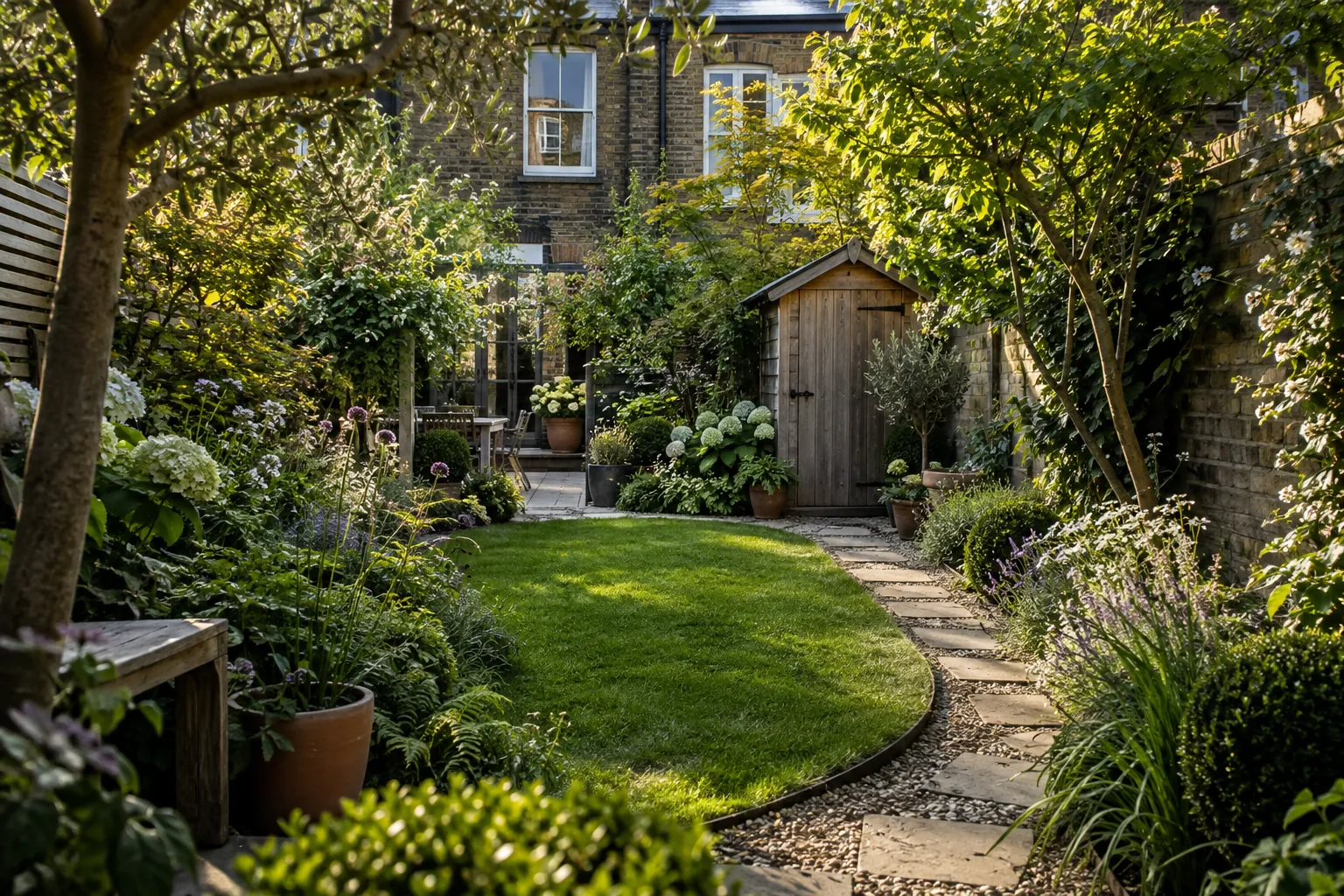
A garden that has become difficult to maintain usually needs a sequence of decisions, not simply more cutting. For Walthamstow enquiries, Go Gardeners can discuss a first tidy-up, continuing maintenance or work focused on one troublesome area. Show where you want to walk, sit or grow plants, and identify anything that should remain. A useful appointment may recover the path and lawn first, leaving a crowded bed for a later, better-informed decision. Photographs of the whole plot and its entrance help turn those priorities into a scope that can be estimated and reviewed.
Choose a practical outcome that can be recognised at the end of the visit. Reaching the shed without pushing through growth, moving a chair freely or seeing the lawn edge are clearer goals than “make it nice”. List the work in that order. Garden maintenance can combine routine tasks, but a fixed appointment still needs priorities if the garden contains more work than expected.
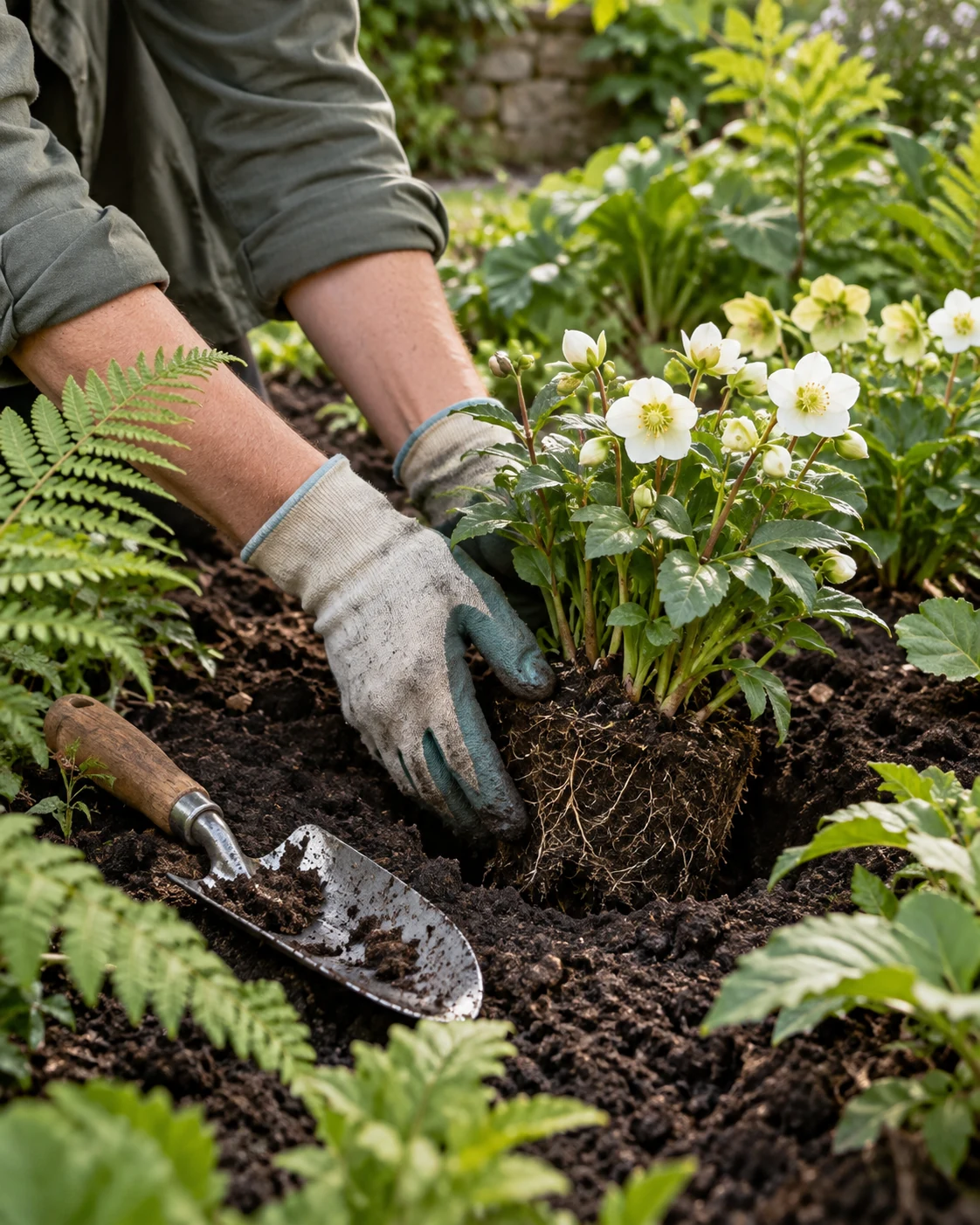
For a planted garden, include a retention list. Labels and marked photographs help distinguish flowers and young shrubs from unwanted growth. If you have only recently taken responsibility for the space, avoid assuming that bare winter ground contains nothing valuable. A first visit can address obvious weeds and access while leaving uncertain planting for identification when it appears through the season.
Recovery work and what comes afterwards
Where brambles or long growth hide the ground, start a garden clean-up enquiry. Explain the paths, steps and features believed to be underneath. Mention known hazards without entering inaccessible areas to investigate. Reopening a route gives a safer basis for assessing the rest, and may reveal a surface repair or ground problem that was invisible in the initial photographs.
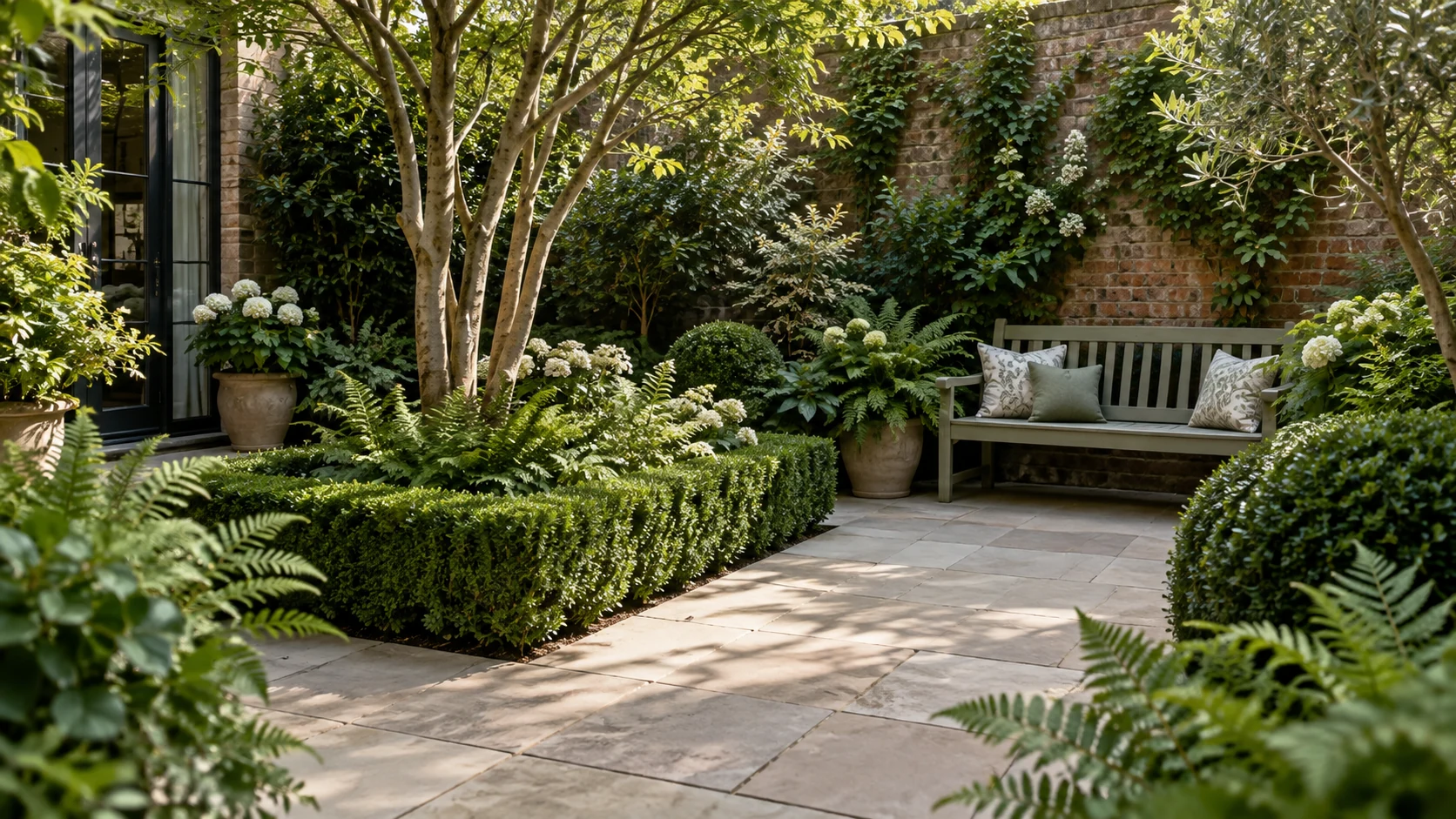
After clearance, decide how the area will be maintained. An exposed bed may need further root removal, suitable mulch or planting rather than being left bare indefinitely. Clearance does not automatically include those next stages. If you want new beds or a permanent change in circulation, garden design and landscaping can consider the layout with its own materials, preparation and project quotation.
Lawn work without chasing a perfect photograph
Describe grass length, wear and the amount of shade when discussing lawn care. An overlong lawn may need a measured first cut rather than an abrupt close finish. Remove visible loose objects where safe, and mark any long patch being retained intentionally. The way the grass is used matters as much as its appearance on the day the photographs are taken.
If a patch fails repeatedly, note its position and what happens there. Foot traffic, standing furniture and moisture can all contribute. A treatment needs a reason; reseeding alone may not help where the cause continues. Dry-weather browning also requires judgement rather than immediate replacement. The RHS lawn drought advice provides useful context for adjusting care and avoiding unnecessary stress during hot periods.
Walthamstow tree checks are property specific
Waltham Forest Council’s tree preservation guidance explains the route for checking protected trees and conservation-area status. Use it before agreeing pruning or removal. The presence of established trees locally is a reason to check the actual case, not evidence that all gardens have the same restrictions.
Provide the tree’s location, a full photograph and any known permission information. Ownership must also be clear. A tree surgery assessment is needed for substantial or high work rather than adding it to routine clipping. Digging or changing levels near a retained tree should be discussed before a landscaping project starts, because roots and future growth need consideration alongside branches.
Boundaries, wildlife and useful shelter
A hedge can provide privacy while also narrowing a path. Identify the part interfering with use and agree what should remain. Give its approximate length and height, plus access to both sides. If a neighbour’s cooperation is needed, obtain it before booking. A severe reduction can be a different job from a trim and may not be suitable for the particular plant.
Dense shrubs and hedges should be checked for active bird nests before work throughout the year. Defer any operation that would affect an active nest, even if another appointment was planned around a conventional seasonal calendar. It may be possible to complete lawn and border tasks elsewhere. Retaining some cover, seedheads or undisturbed planting can be discussed as a deliberate choice rather than treated as a missed part of the tidy-up.
Plan the seasons and the work between visits
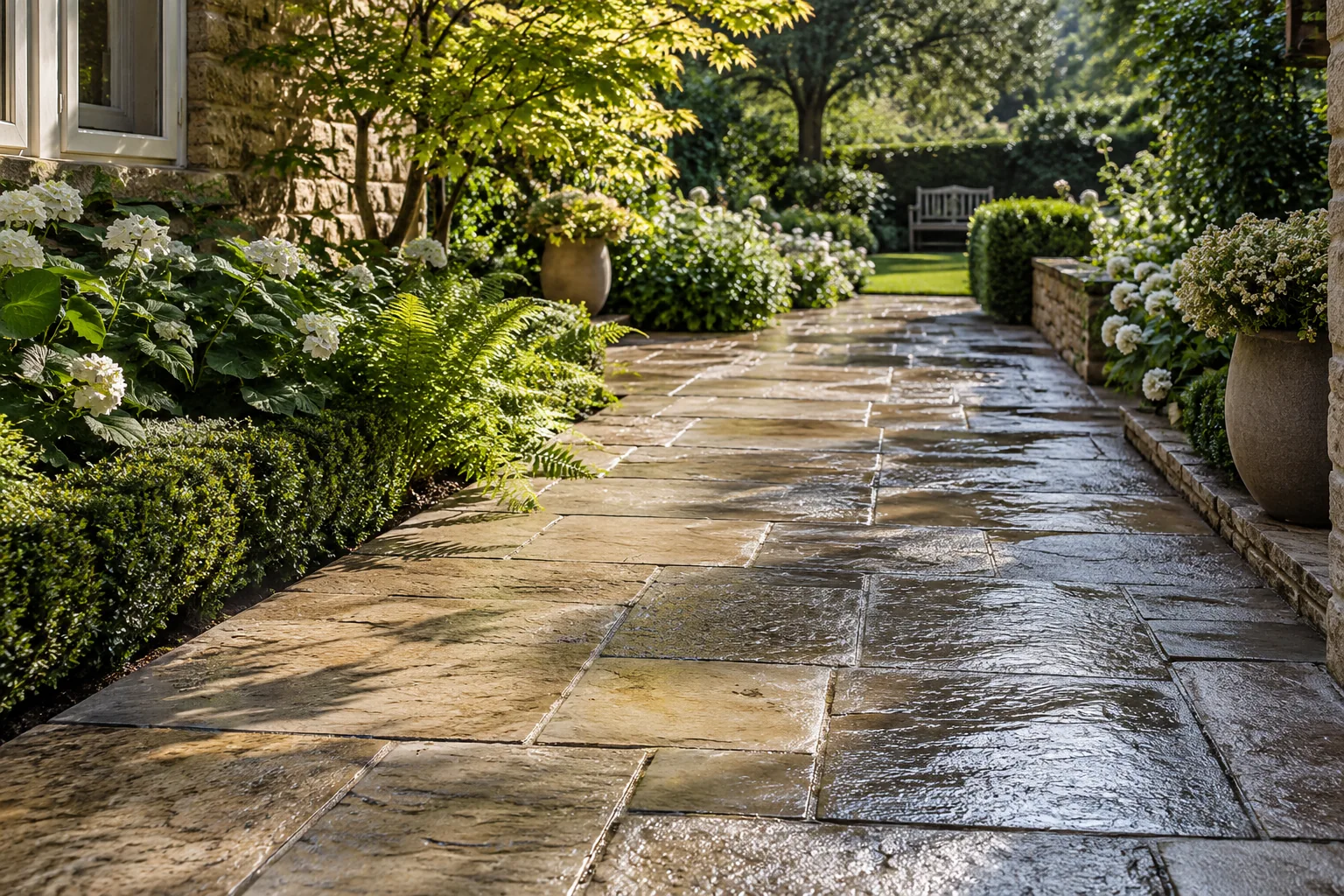
Spring work can focus on early weed control and careful edging around new shoots. Identify bulbs growing in turf and do not remove their foliage simply for a uniform finish. In summer, adjust mowing and pruning to actual conditions, and keep watering arrangements clear for new plants. A maintenance appointment does not remove the need to check pots or young planting between visits.
Autumn leaf work should protect walking routes and grass while allowing selected material to remain appropriately in beds. Winter may be suitable for certain plant-specific tasks, but soft or frozen ground can limit work. Weekly, fortnightly or monthly care can be discussed; the interval should reflect growth and what you handle yourself. One-off appointments suit a clear reset, with a follow-up if the recovery cannot sensibly be completed in one stage.
The route to the garden belongs in the estimate
Show narrow gates, passage turns, steps and doors. Mention if equipment must pass through the house or shared land. Confirm locks, permissions and nearby parking before the visit. The carrying route affects both tools and cuttings, so an unobstructed-looking garden photograph is only part of the information needed. Explain any delicate surfaces or restrictions on when the entrance can be used.
Move light items where practical and remove pet waste. Label plants, identify hidden cables and keep children and animals clear. If you will not be present, agree entry and securing arrangements and supply a contact method. Clear instructions reduce the chance that a useful plant is removed or an optional task consumes time intended for the essential outcome. Avoid leaving the priority list with someone who cannot authorise the work.
Price factors for a Walthamstow visit
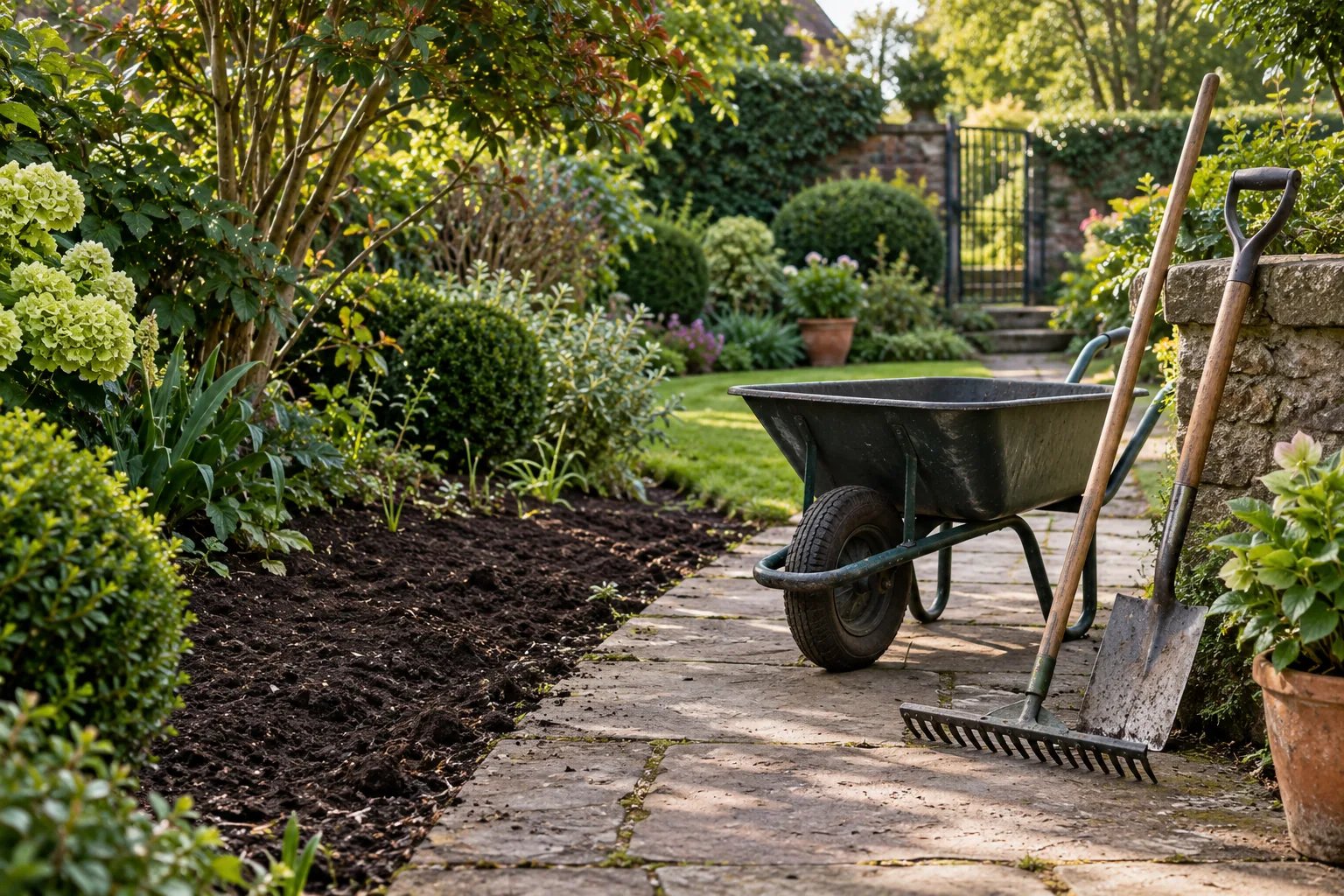
The published maintenance, lawn care and clearance charges are £79 for the first hour and £65 for subsequent actual hours. The stated gardening team is two people with equipment and bags, and up to 120 litres of green waste is included. Extra removal needs confirmation. Use the live prices page and check postcode availability and applicable area or congestion charges before agreeing a date.
Dense weeds, tangled growth, detailed work among plants and a long carrying route can increase time. So can the amount of cuttings. Tree operations, landscaping and jet washing use different rates or project quotations; the maintenance hourly figure should not be applied across all outdoor work. Discuss a budget limit and a ranked list early. Additional time depends on scheduling, so a planned second visit may be the practical answer.
Walthamstow gardening questions
Need to discuss your own garden or property? Call with photographs and your postcode.
Ask about your visitCan you recover the lawn before working on every border?
Yes, make that the first priority and identify the route equipment needs. Border recovery can then be a later stage. A phased list is helpful when the garden has several competing needs and the initial budget is better spent making one useful area manageable.
Should I remove all seedheads before a visit?
Leave them for discussion if you are unsure. Some can provide structure or wildlife value, while others may need removing for practical reasons. Mark what you deliberately want retained so the gardeners can distinguish an agreed seasonal choice from growth you expected to be cleared.
Can you help if I do not recognise the plants?
Begin with photographs and a cautious retention list. Obvious access work and basic upkeep can proceed while uncertain planting is identified. Avoid demanding a completely empty bed simply because some plants are dormant or unfamiliar; a staged decision can preserve useful established growth.
Will a dry lawn need new turf immediately?
Not necessarily. The condition, history and cause need assessing, and established grass can respond differently from newly laid turf. Avoid assuming a brown surface is irretrievably dead. Discuss suitable care and review it after conditions improve before committing to replacement without a clear reason.
What if there is nesting activity in the hedge?
Report it and leave the affected section undisturbed. The work plan may move to other tasks, with cutting reconsidered when appropriate. Checking remains necessary whenever work is proposed; being outside a typical nesting period does not establish that the hedge contains no active nest.
Can you prune a tree identified on a protection map?
Only after the relevant checks and required consent or notice have been resolved for the proposal. Provide the tree’s location and supporting information when enquiring. A gardening estimate and an available date do not themselves establish that protected-tree work is authorised.
What happens to waste from a large clearance?
Agree the likely volume and handling before work. The included allowance is up to 120 litres, so bulky recovery jobs can need additional removal or an appropriate retained-material plan. Do not assume cuttings can fill shared routes or be left across the newly recovered lawn.
Which neighbouring areas are listed?
Chingford, Leyton, Leytonstone and Hackney appear in the approved coverage directory. Check the relevant page for another address, then confirm the postcode and requested service directly. The available appointment and practical arrangements are established individually rather than inferred from a nearby booking.
Put your Walthamstow priorities into a clear brief
Call 020 3746 2449 with photographs, postcode and the first result you want. Include the route, retained planting and any known restrictions. Go Gardeners can discuss an appointment that addresses the immediate work and leaves a practical next step for keeping the space manageable.
Call 020 3746 2449Gardening nearby.
View all 60 coverage areas ↗Walthamstow on the map.
Approximate area centre for orientation. Call to confirm availability for your exact postcode.