
Gardeners
Croydon
Include steps, levels and carrying routes in the gardening brief from the start. Croydon guidance explains practical upkeep, staged clearance and lawn care while distinguishing useful maintenance from repairs, drainage concerns and larger changes to the garden layout.
- Show every step and narrow turn
- Separate path clearance from repairs
- Record water problems while visible
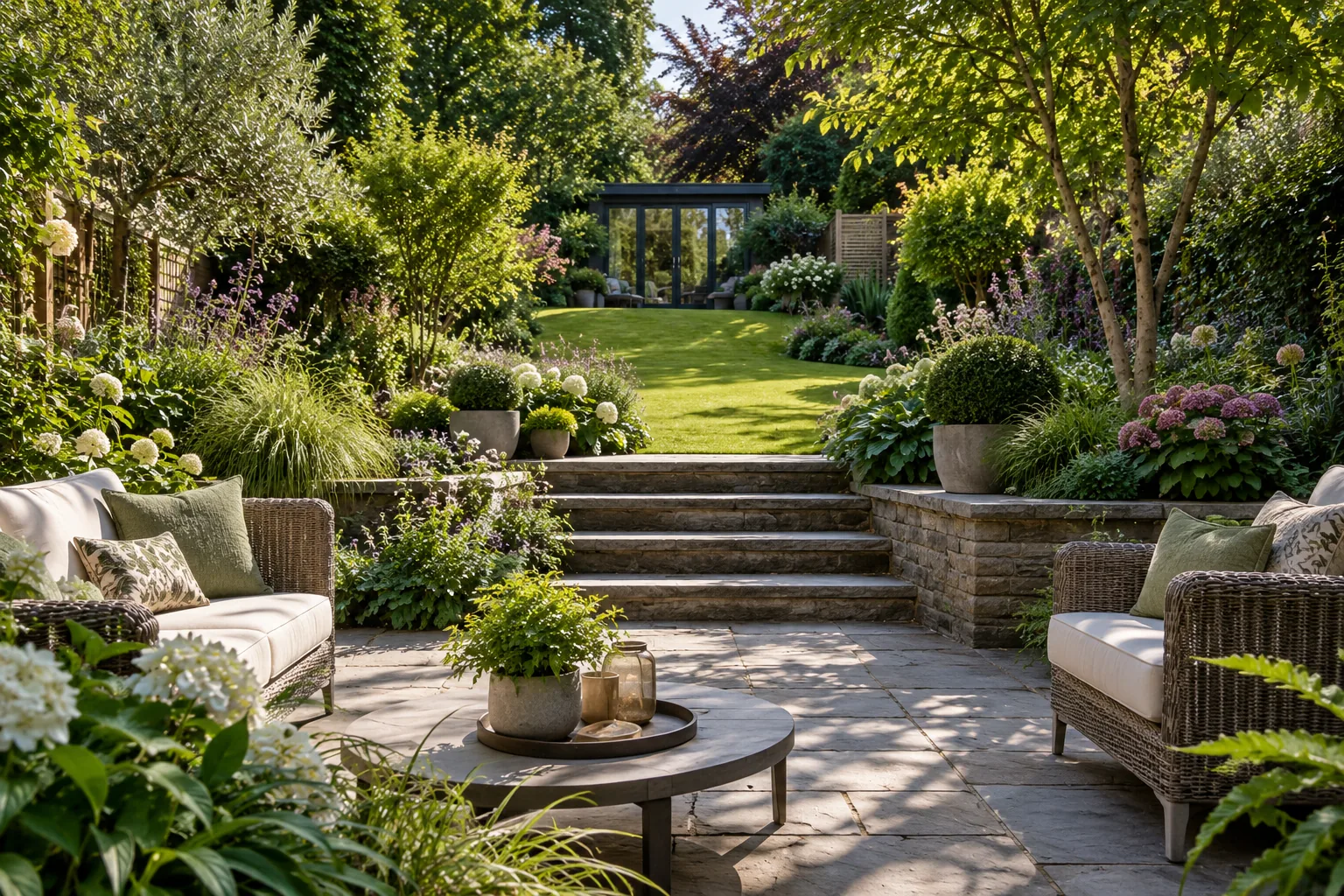
Look at the garden as a working route
Steps, changes of level and the route to a garden can shape a job as much as the planting itself. If your Croydon property has any of those features, include them in the first enquiry. Go Gardeners can discuss upkeep or a one-off tidy-up based on the actual working space, rather than a flat photograph of the lawn alone. Explain what you want improved and how equipment and cuttings will move. Where surfaces or levels create the underlying difficulty, a useful maintenance visit should be distinguished from a separate repair or landscaping project.
Trace the journey from parking to the furthest task. Show gates, turns, stairs and places where bags can stand without blocking access. A photograph from the house may make the garden appear straightforward while concealing a narrow side passage or several flights of steps. Give useful dimensions for restricted points and identify shared routes whose use needs agreement with other occupants.
Within the garden, mark essential routes to storage, seating and bins. Garden maintenance can help keep growth from making those routes narrower. Pruning and weeding should serve a clear practical result. If a path is damaged or a retaining edge looks unstable, vegetation removal may expose the problem but does not repair it or establish that the surface is safe to use.
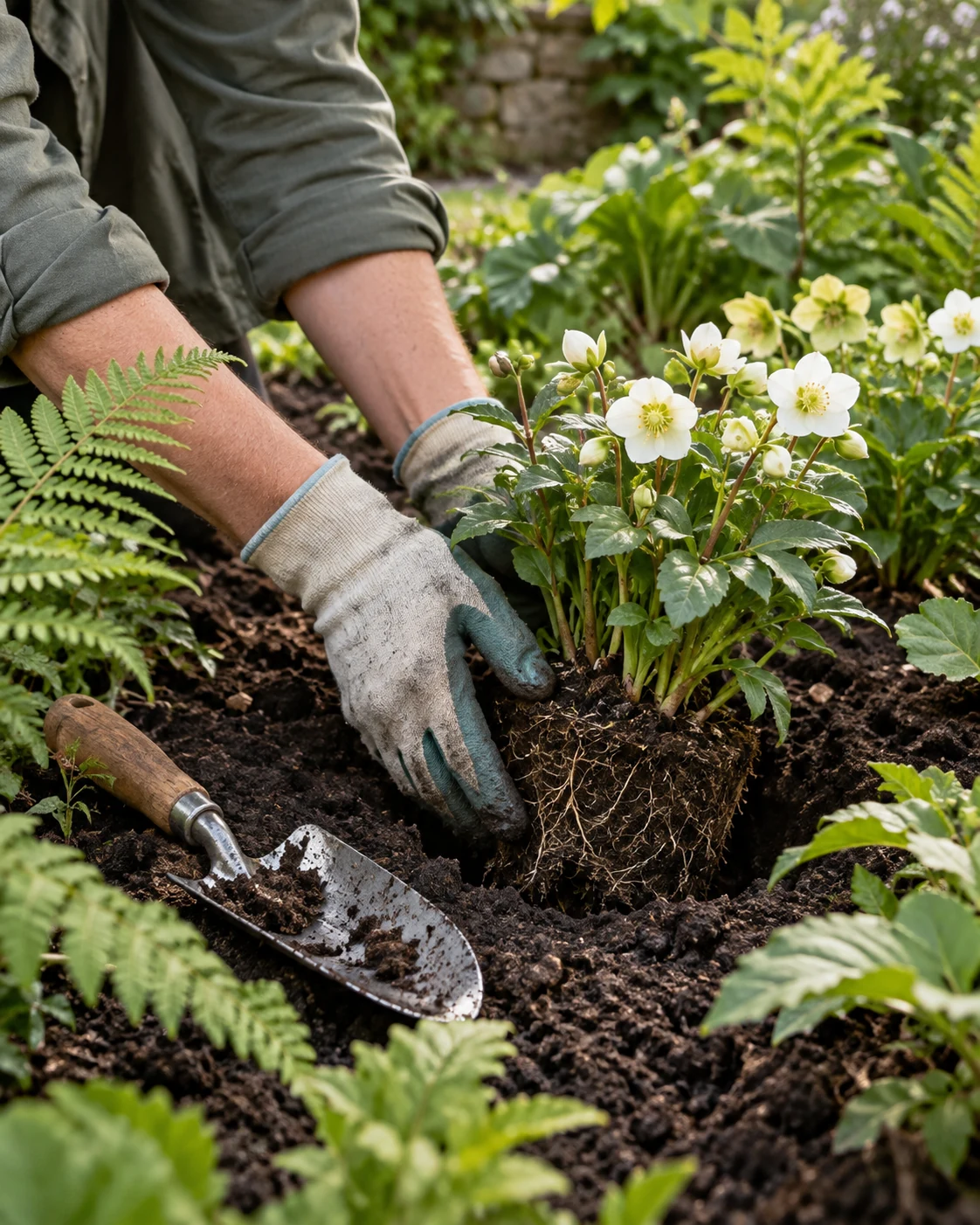
Keep level changes separate from tidying
If a bed, lawn or terrace needs rebuilding, discuss garden design and landscaping as its own project. Materials, drainage, access and preparation affect the work. An instruction to tidy an area should not be taken as permission to alter levels, remove a retaining feature or excavate beside a building. Get the intended result and relevant authority clear before any construction-related operation begins.
Observe where water goes after rain. Take photographs while a problem is visible and record how long it lasts. Soil texture, compaction and previous work can vary across one property, so avoid assuming all Croydon gardens have a single drainage or soil condition. Ordinary upkeep may improve planting, but it cannot guarantee a remedy for structural water problems or surfaces whose design directs runoff in the wrong place.
Mowing on the surface you actually have
For lawn care, explain grass length, wear and any slope or uneven ground. Show the whole lawn and detailed problem areas. Long grass can hide objects or changes of level, so mention known hazards and remove loose items safely where practical. A first cut may need to be measured rather than taking the surface straight to a close finish.
Recurring bare patches need context. If a narrow section is the only way to the shed, traffic may be part of the explanation. If water remains after rain, seed alone may not solve the issue. Heat and wet ground also change sensible care: a higher cut or reduced disturbance can be appropriate. Distinguish routine mowing from a recovery proposal and avoid assuming one visit can produce established grass where the growing conditions remain unresolved.
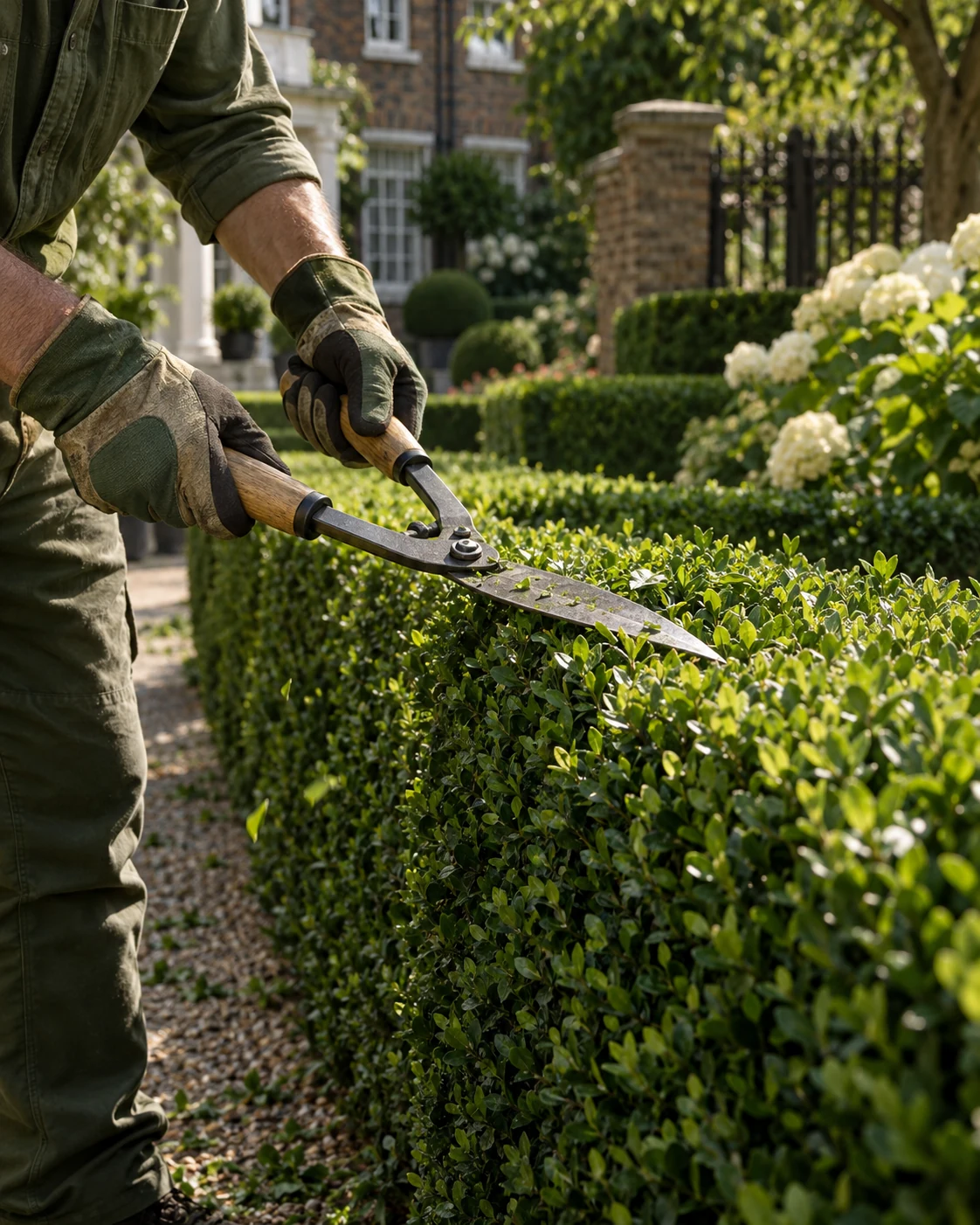
Beds and boundaries: choose precise tasks
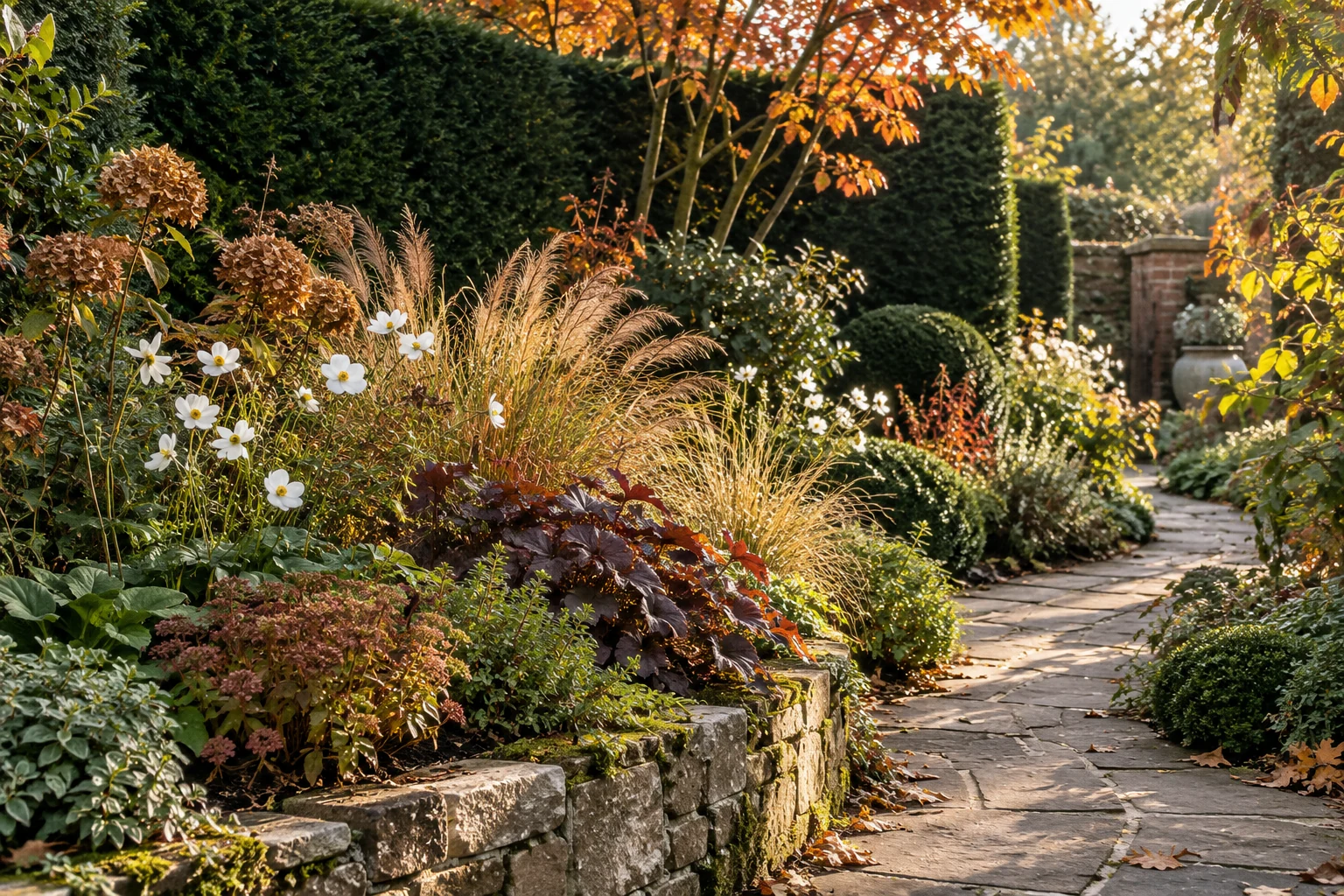
Identify valued shrubs, bulbs and young plants before weeding or cutting. A crowded mixed border may need careful hand work, not a uniform reduction. Plant identity and flowering habit determine suitable pruning. If you have inherited the garden, a marked retention plan allows obvious work to proceed while uncertain planting is observed through the season. Removing everything unfamiliar can discard useful structure unnecessarily.
For hedges, give height and length and show access to each face. Explain what privacy should remain and whether a neighbour’s cooperation is needed. Inspect for active bird nests before dense shrub or hedge cutting at any time of year, postponing affected operations. A booked date or planned gathering is not a reason to ignore activity found in the planting; other tasks may be completed elsewhere instead.
Croydon tree and conservation checks
Croydon Council’s trees and hedges pages provide routes to tree-preservation and conservation information. Its conservation-area directory helps check the actual location. Confirm the tree’s status and required consent or notice before proposed work rather than assuming every private tree can be pruned freely.
Request tree surgery for high work, substantial branches or a mature-tree concern. Show the whole tree, ownership position and nearby structures. Resolve access across neighbouring land before scheduling. Also flag digging or changed levels near retained roots if landscaping is proposed. A gardening quotation describes potential work; it does not establish permission or replace an appropriate assessment of the operation.
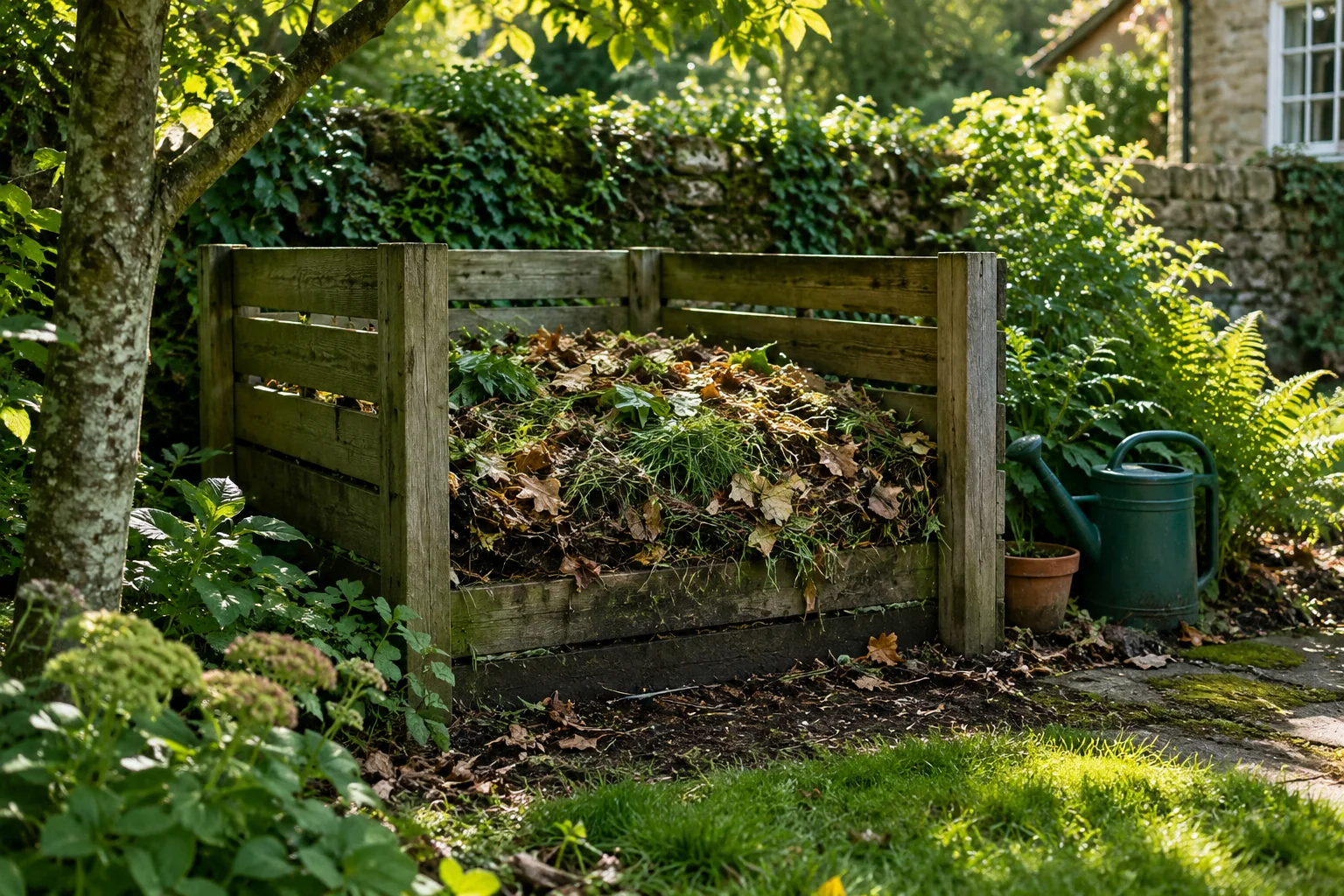
Stage clearance where visibility is poor
Dense growth can conceal steps, old edging and objects. For garden clean-up, describe known features and define a first area to recover. Do not enter inaccessible growth for a photograph if the ground cannot be seen. Opening a route can reveal the condition of the remaining space, allowing the next stage to be estimated with better information.
Agree whether clearance means visible-growth removal, further root work or preparation for a stated use. These scopes differ. Mixed objects and hard waste need separate confirmation, as does any repair revealed beneath the growth. Start with a usable result rather than assuming every problem will fit a single appointment. A second stage may be more sensible when access or the underlying condition could not be established at the outset.
Choose recurring care by workload
Weekly, fortnightly or monthly visits can be discussed where routine growth needs a regular response. Review the interval after the first visit and consider what you can manage yourself. Spring work may protect new shoots while controlling small weeds. Summer care should respond to weather, and new plants or pots still need household attention between appointments, especially for moisture checks.
Autumn leaf collection should keep grass and routes usable, while selected material can remain appropriately in beds. Winter tasks need to respect frozen or saturated ground. A one-off appointment can handle a seasonal job or reset without committing to a fixed routine. Keep a rotating list so shrubs are pruned at an appropriate time and the same visible task does not consume every visit while other needs accumulate.
Preparation and a clear price agreement
Provide the postcode, route photographs and a ranked list. Confirm parking, locks and any shared-access permission. Move light furniture and loose items safely, remove pet waste and identify cables, irrigation and fragile surfaces. Keep children and animals outside the working area. If you will be away, agree entry and securing instructions and provide a contact method for decisions that the original photographs cannot settle.
The published maintenance, lawn care and clearance rates are £79 for the first hour and £65 per subsequent actual hour. Two gardeners, equipment and bags are described, including up to 120 litres of green waste. Additional removal needs agreement. Check the live prices and confirm postcode availability and any area or congestion charge. Tree work, landscaping and jet washing use different pricing; steps, carrying distance, detailed care and waste also affect the time.
Croydon gardening questions
Need to discuss your own garden or property? Call with photographs and your postcode.
Ask about your visitCan you garden a plot reached by several sets of steps?
Show the complete route, including turns and landings, before booking. Equipment access and waste handling need review, and the carrying distance affects time. The arrangement should be confirmed from the property details rather than assumed suitable because the planting area itself looks open and straightforward.
Does clearing a path make damaged paving safe?
It can reveal the surface, but it does not repair defects or establish safety. Mention known damage and keep the repair scope separate. If clearance exposes broken or unstable sections, the next step is an appropriate assessment rather than assuming vegetation removal has resolved the underlying problem.
Should a sloping lawn be cut like a level lawn?
Describe the slope, surface and access so a suitable method can be considered. The same finish or equipment may not be appropriate everywhere. Photographs from more than one angle help show changes of level that a view from the top can conceal, particularly where the grass is long.
Can gardening cure water collecting near my house?
Routine upkeep should not be promised as a cure for an unexplained water problem. Record the pattern during and after rain and seek the appropriate assessment. Drainage and construction issues need their own scope, even when vegetation makes the area look untidy at the same time.
Will you remove an unstable retaining edge during a tidy-up?
Identify it before the visit and discuss it separately. Removing a retaining feature can affect the ground it supports and is not an incidental maintenance task. The appropriate repair or landscaping plan should be established rather than making an unassessed change simply to expose or neaten a bed.
Can tree roots be cut to widen a garden route?
Do not treat roots as ordinary obstacles to remove. Raise the proposed widening, retained tree and any protection with the relevant specialist or council before excavation. A route improvement needs to consider the tree as well as access for people, especially where substantial roots are involved.
Can a one-off appointment cover only the front garden?
Yes, define the area and list the required outcomes. Include the entrance and working space in photographs even when no rear access is needed. A focused appointment can be useful without committing to care of every part of the property or adding optional tasks beyond the agreed time.
Which nearby areas are listed?
Bromley, Beckenham, Sutton and Wimbledon appear in the coverage guide. Confirm the postcode directly for another address and discuss its own service needs. Directory inclusion helps locate information; it does not guarantee an immediate date or establish the practical access arrangement for that property.
Include the levels in your Croydon gardening enquiry
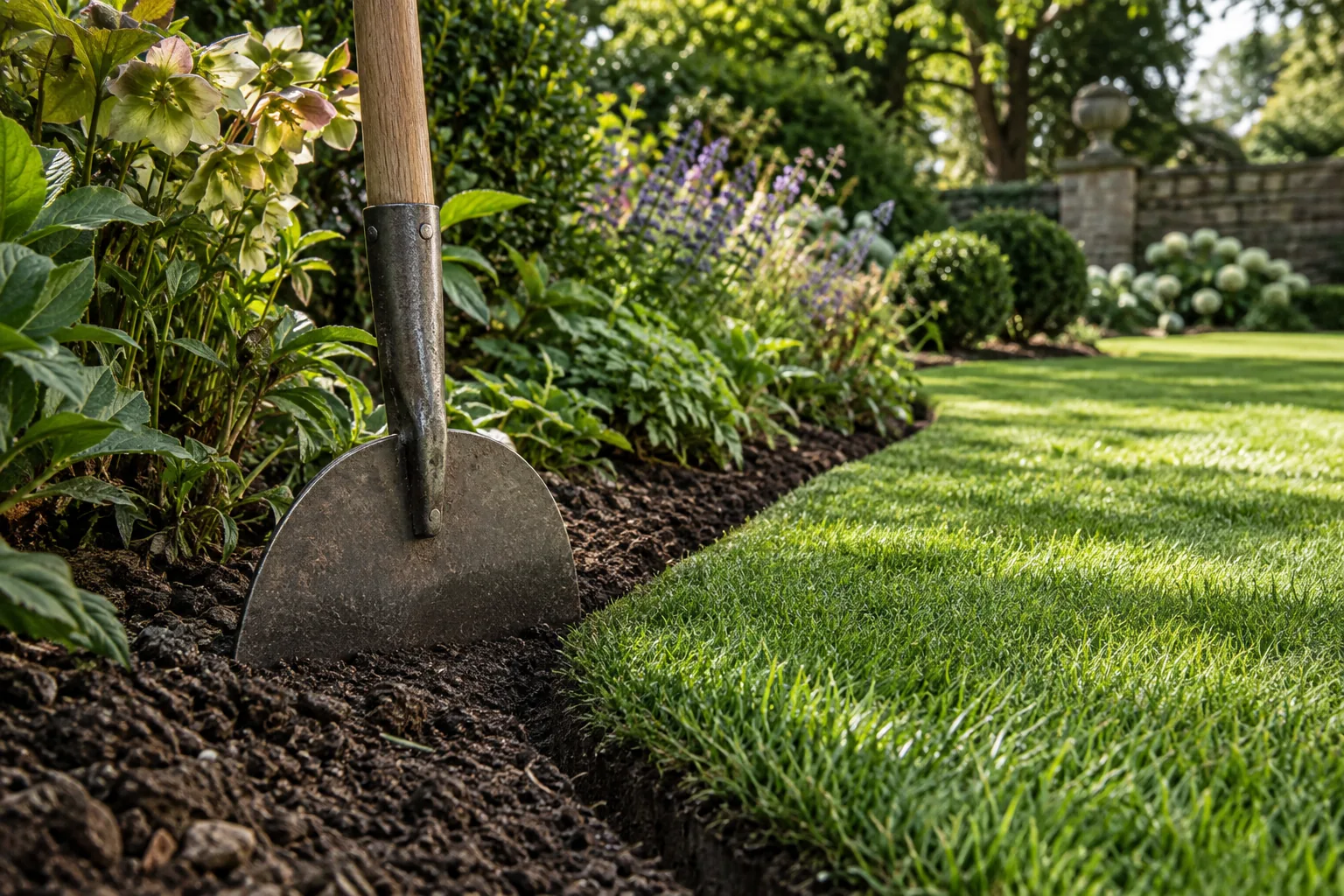
Call 020 3746 2449 with current photographs, postcode and the first outcome you need. Show the steps and carrying route alongside the planting. Go Gardeners can discuss a useful maintenance or recovery appointment and identify any separate project that should be assessed before the space is changed.
Call 020 3746 2449Gardening nearby.
View all 60 coverage areas ↗Croydon on the map.
Approximate area centre for orientation. Call to confirm availability for your exact postcode.