
Gardeners
Fulham
Give front and rear gardens the different attention they need. Fulham care can protect a comfortable entrance, manage rear planting and keep a small lawn usable, with access through the property and waste handling clearly planned before booking.
- Set distinct aims for front and rear planting
- Preserve flowering growth while regaining space
- Agree access through the home before the visit
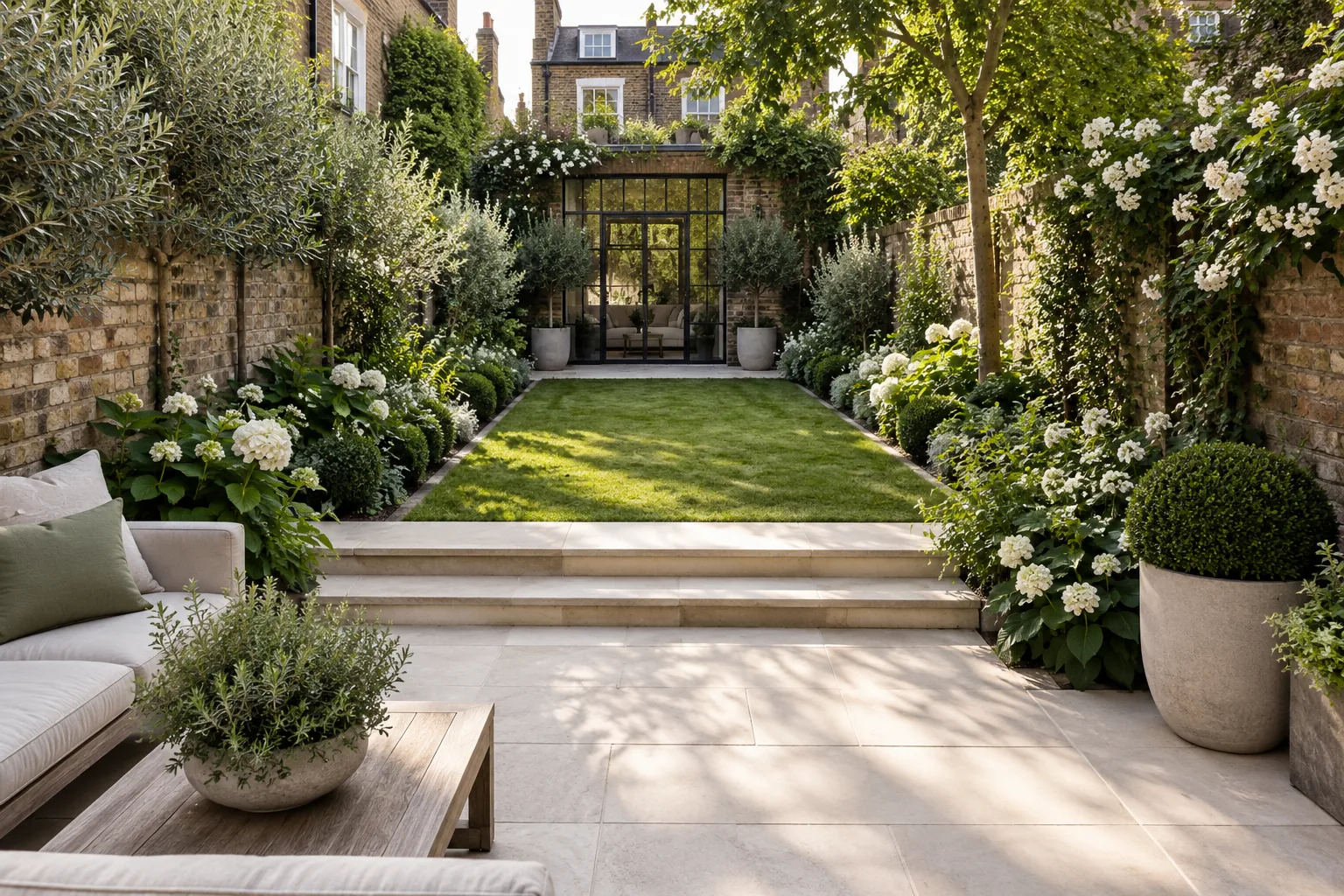
Give the front garden a practical brief
The front garden and back garden often need quite different kinds of attention. One must keep an entrance comfortable and planting within bounds; the other may need room for a table, a lawn and plants that soften the boundary. For gardening in Fulham, tell Go Gardeners which space is most important now. A visit can be planned around the balance you want, with careful work around established plants and clear arrangements for carrying tools and cuttings through the property where external access is limited.
Start with the width needed to reach the door, bins and any storage. Show overhanging plants, low edging and features that must remain accessible. Front planting can be retained while keeping the route clear; a small footprint does not mean every shrub needs cutting into the same geometric shape. Identify plants before deciding how far they should be reduced.
Garden maintenance can include appropriate weeding, trimming and seasonal plant care around the entrance. If dense growth conceals the ground, ask about garden clearance with a defined retention list. Keep alterations to walls, railings, surfacing or the garden layout as separate decisions. Tidying the planting is not the same as repairing a boundary or changing the way the front space drains.
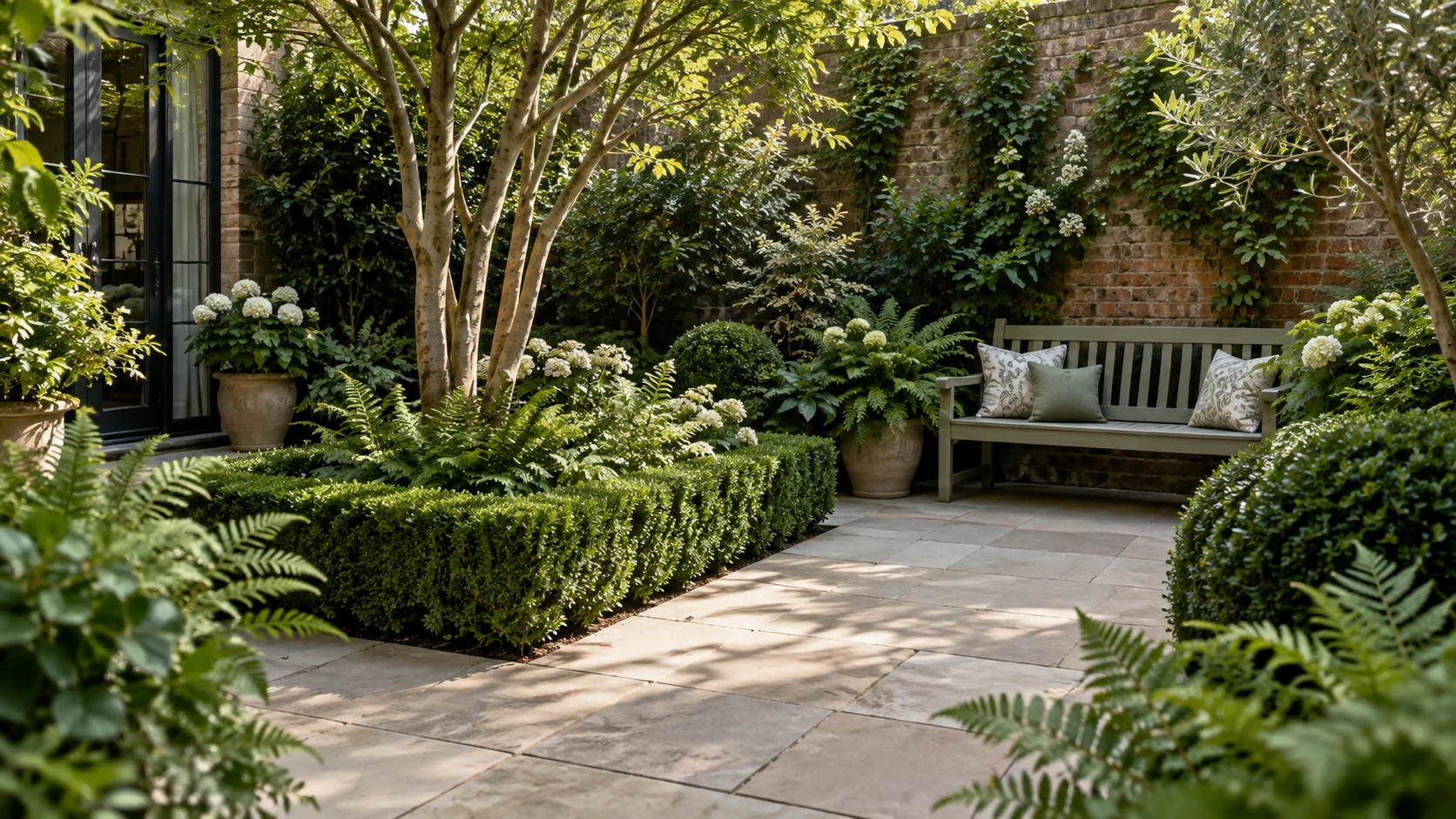
Decide what matters in the rear garden
A rear garden may need to accommodate several uses without much spare room. Mark the seating area, grass, beds and access to storage on photographs. Explain what is currently difficult: a climber reaching over the table, pots narrowing the doorway or grass edging that has become indistinct. The relationships between these features matter more than an isolated close-up of weeds.
Prioritise a clear result for the first visit. Restoring a seating area and one bed may be more useful than starting work everywhere without completing an essential area. If the layout repeatedly causes the same conflicts, discuss garden design and landscaping separately. A different arrangement may offer a better long-term answer than repeatedly cutting a plant away from a route it will naturally occupy again.
Access through the house deserves advance planning
Tell the team if there is no external route to the rear garden. Photograph the entrance, turns, steps and doors that tools and bags must pass through. Explain fragile surfaces and how the route should be managed. Carrying arrangements affect time and the practical scope even when the garden itself is modest. They should be part of the estimate rather than discovered after arrival.
For flats, clarify the exact area being maintained and who can authorise the work. Shared routes must remain usable and any necessary agreement should be established beforehand. Confirm locks, keys, parking and unloading arrangements. If you will be out, decide how questions can be answered and how the property should be secured. A note inaccessible behind a locked door is not a workable substitute for agreed instructions.
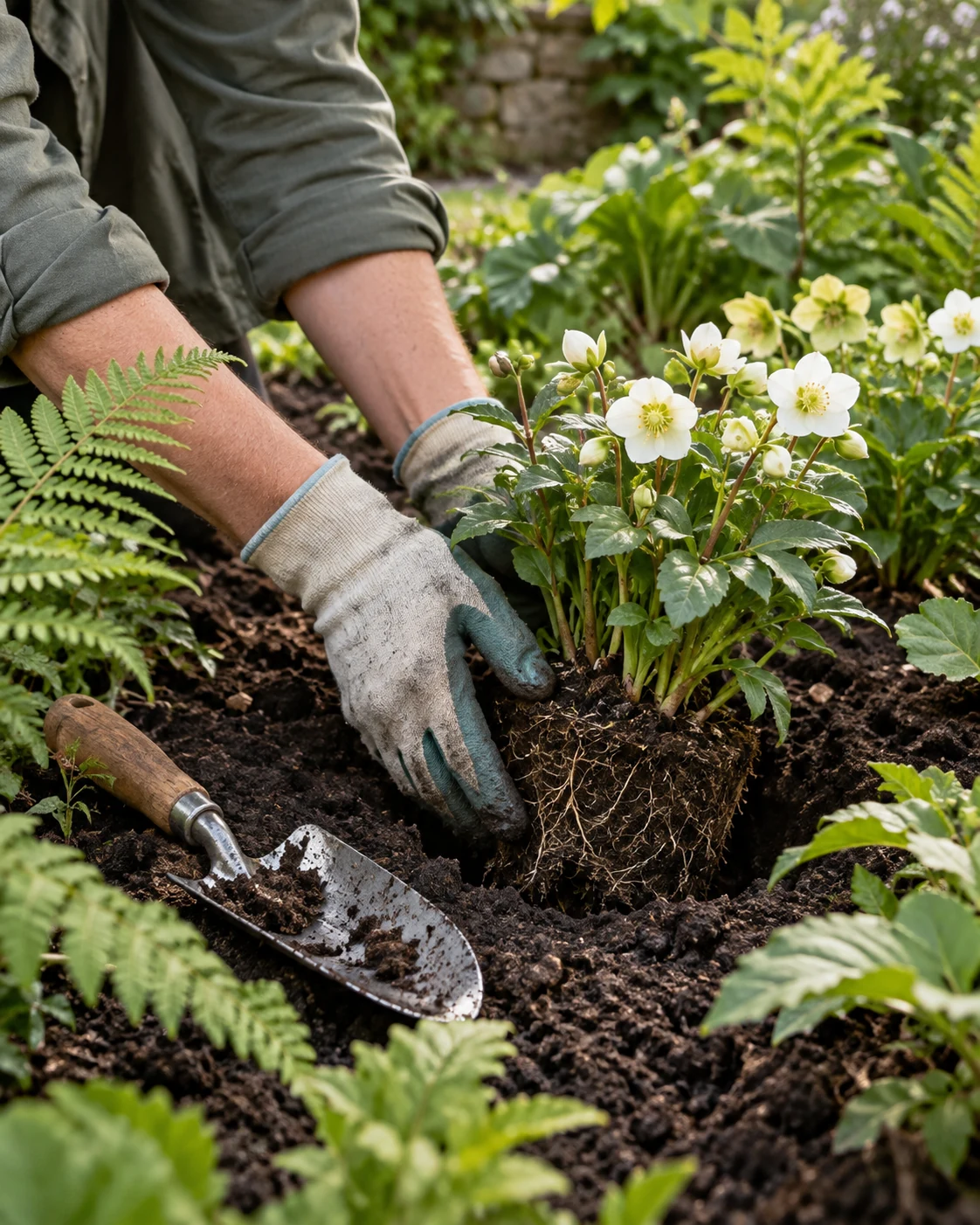
Prune for flowers, screening and space
Explain what each shrub or climber contributes before asking for a reduction. You may want to retain a flowering display, privacy or a particular shape. Species and flowering habit affect the sensible pruning decision, so provide clear plant photographs. A light shape-up and substantial renovation are different tasks, with different likely appearances afterwards.
Check dense growth for nesting activity before cutting and defer affected work where required. Mention loose trellis, old supports and damaged fencing. Cutting vegetation does not repair the structure behind it and may reveal a weakness that needs another service. If a mature tree rather than an ordinary shrub is involved, use the tree-surgery enquiry and define the concern separately from the routine maintenance list.
Fulham tree checks before proposed work
For background on protected trees, consult the government’s tree preservation and conservation-area guidance. Establish the property’s exact protection status and required process with Hammersmith and Fulham Council before proposed work. Do not assume that a tree in a small private garden can be cut without checking, or that a neighbouring property’s position is identical.
Provide photographs of the whole tree and nearby structures, along with any relevant previous reports. Explain your aim and allow the proposed operation to be assessed. Required permission or notice needs resolving before work proceeds, and substantial tree work has a separate price basis. A desire for more light is a valid concern to describe; it is not, by itself, a determination that a major reduction is suitable or authorised.
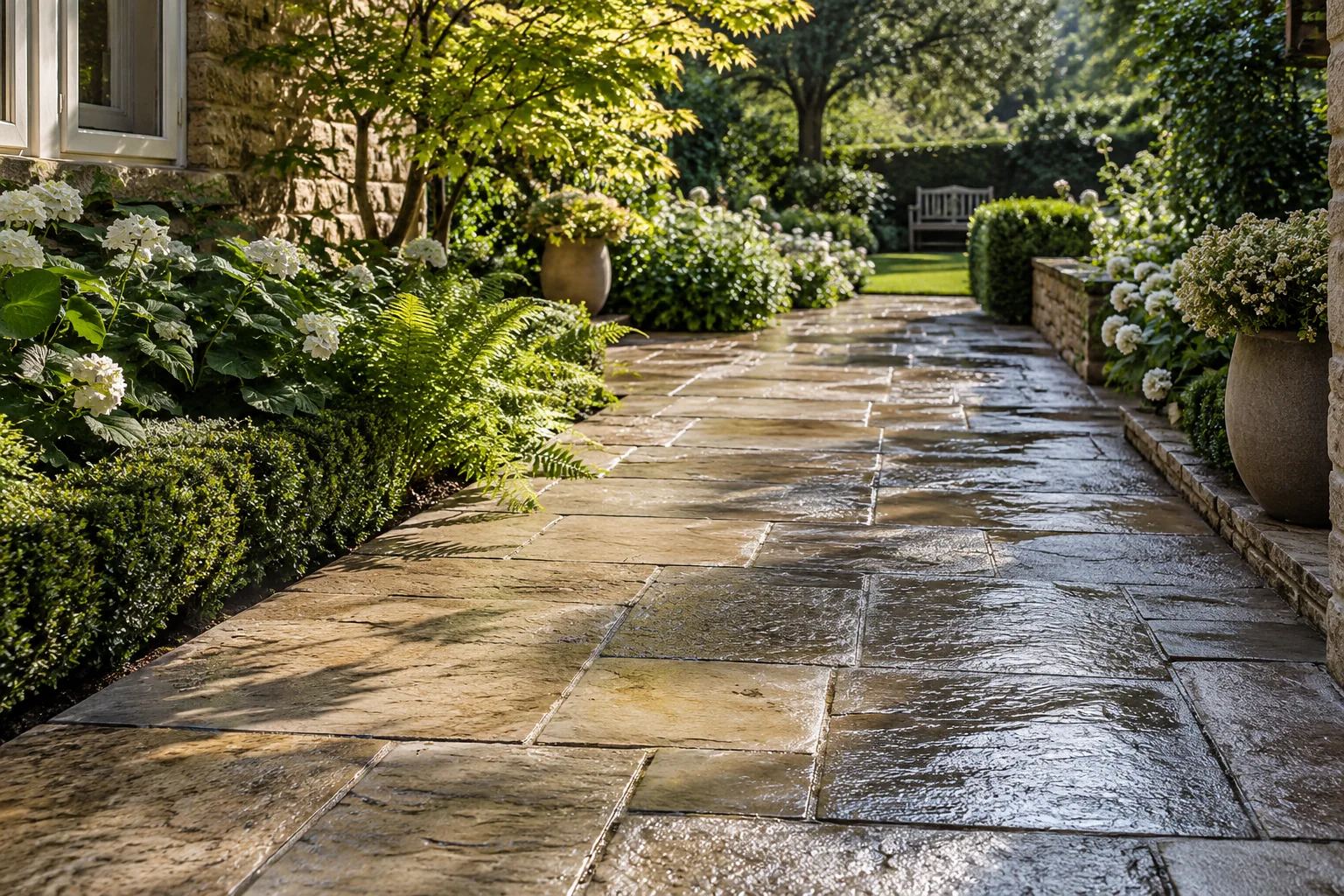
Small lawns and container planting
Show any lawn in full, including the edges and places where furniture or repeated walking affects it. Lawn care can be discussed where thinning or repair is the concern. Ordinary mowing may be enough for manageable grass, but it cannot be promised to correct shade or persistent wear. Remove loose items and pet waste safely, and identify low obstacles before cutting.
For containers, explain the watering routine and who will continue it between visits. Repotting needs suitable materials and a workable place to handle compost and pots, so arrange it in advance. Heavy or fragile containers should be identified rather than presumed movable. If plants repeatedly fail in one position, consider light, root space and drainage before replacing them with another purchase that faces the same conditions.
Seasonal work that fits the garden
Spring care can focus on weeds around emerging bulbs and perennials, with shrubs identified before pruning. Summer work should respect heat and the condition of grass and new plants. A visit interval does not remove the need for watering checks between appointments. Before adding planting, make sure the household can provide aftercare, especially during absences when pots may otherwise be overlooked.
In autumn, leaves can be collected from routes, grass and selected planting without removing every stem from every border. Agree what you want retained for winter interest. Frozen turf and saturated ground may limit winter tasks. Weekly, fortnightly and monthly appointments can be discussed according to growth and your own contribution. The front and rear spaces may need different priorities on successive visits rather than equal attention every time.
Understand the hourly scope and disposal
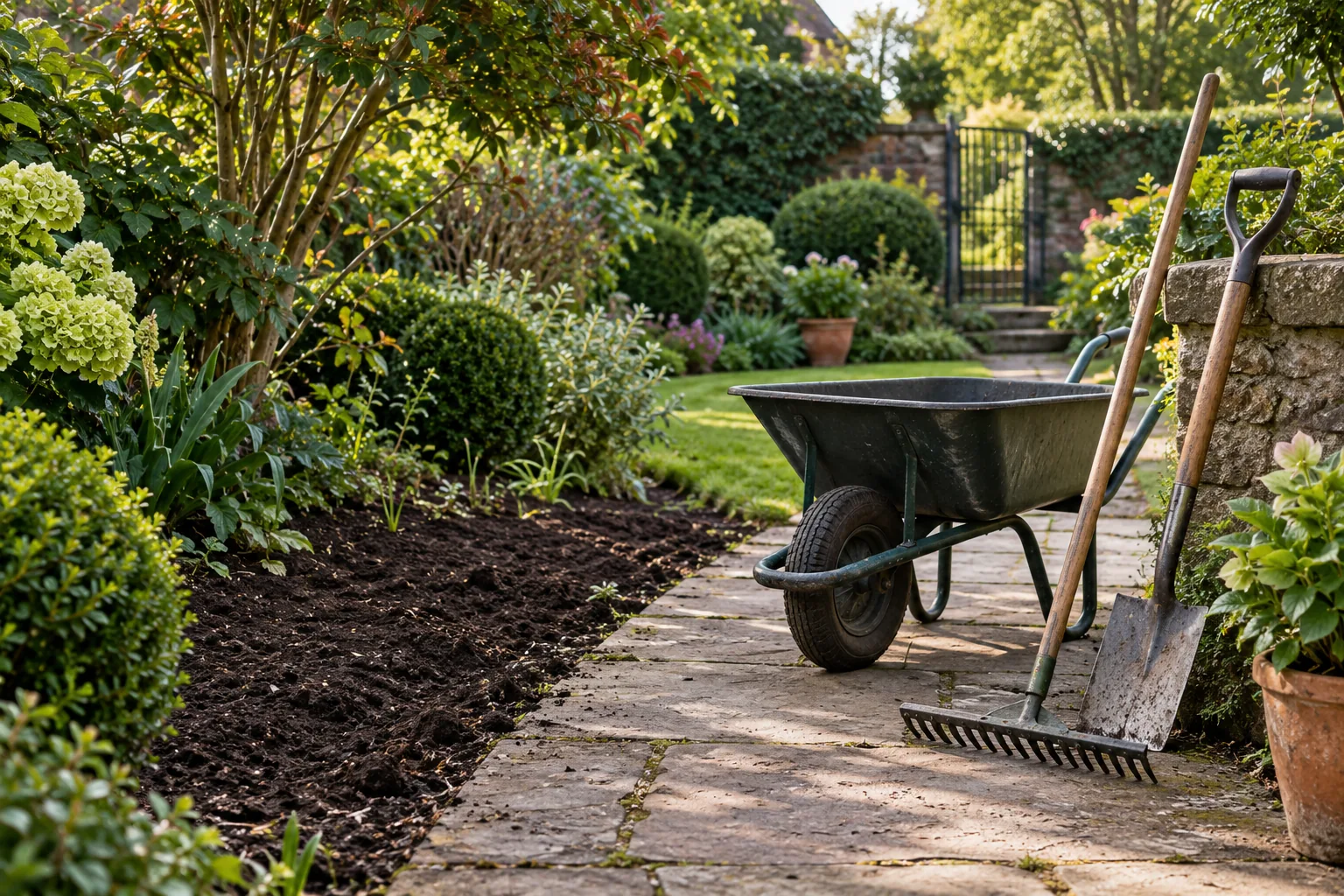
Published gardening rates are £79 for the first hour and £65 for subsequent actual hours. The stated arrangement provides two gardeners, tools, equipment and bags and includes up to 120 litres of green waste removal. Read the current prices and confirm availability, postcode and any applicable extras, including congestion-related charges where relevant. Additional removal needs agreement, and specialist projects should not be priced automatically at the maintenance rate.
Dense planting, careful work around retained plants and carrying through the house can influence time as much as area. Show the hardest sections honestly and specify a suitable place for temporary bags. If you want material kept on site, confirm capacity and purpose rather than assuming it will fit in a small bin. Set an order of work that delivers the most useful outcome first if the full list exceeds the available time.
Fulham gardening questions
Need to discuss your own garden or property? Call with photographs and your postcode.
Ask about your visitCan front and rear planting have different finishes?
Yes, describe the standard and use of each space. You may want a clear, restrained entrance and a softer rear border. Reference photographs and marked plants help establish those differences, rather than leaving the team to apply the same pruning and clearing approach throughout the property.
Can you maintain a garden reached only through a flat?
Explain the route before booking and send photographs of doors, turns and surfaces. Access must be workable for tools and waste as well as people. Confirm permission for shared areas and agree entry, carrying arrangements and security before relying on that route for the appointment.
Should a flowering shrub be cut into a compact ball?
Identify the plant and consider its natural growth and flowering habit first. A compact shape may conflict with the flowers or structure you value. Explain the available space and desired result, then discuss suitable pruning rather than treating every shrub like a formal hedge.
Can new planting be added during ordinary maintenance?
Discuss it in advance with the exact plants, quantities and materials. Preparation and aftercare need time and planning. A spontaneous request on the day may not fit the available slot or supplies, particularly if the bed needs more preparation than a routine weed and tidy.
What should happen to a heavy pot in the way?
Describe its size and location rather than attempting to move it yourself for the booking. Agree whether it can remain while work proceeds or whether separate handling is needed. Weight, steps, surfaces and limited room all affect the practical arrangement.
Can a lawn be repaired immediately before regular use?
Discuss the method and establishment period before setting a date. Fresh seed or turf generally needs suitable care and protection, so immediate heavy use may undermine the work. If the space cannot be rested, choose a more realistic time or reconsider the intended treatment.
Does included waste removal cover a whole hedge reduction?
The stated included amount is up to 120 litres, not an unlimited volume. Show the hedge and proposed reduction before booking. Additional removal or a suitable retained-material arrangement should be confirmed, particularly where bulky woody stems may exceed the allowance quickly.
Which neighbouring areas have approved coverage pages?
See Hammersmith, Chiswick, Battersea and Wandsworth, or browse the coverage directory. Confirm the exact postcode and availability directly. A nearby page helps orient the enquiry but does not establish a booked slot or permission to enter the property.
Arrange useful gardening help in Fulham
Call 020 3746 2449 with photographs of both the garden and route in. Explain which space matters most, which plants should stay and any limits on the budget or timing. A clear distinction between immediate care and larger changes helps establish a practical first appointment and the right next step.
Call 020 3746 2449Gardening nearby.
View all 60 coverage areas ↗Fulham on the map.
Approximate area centre for orientation. Call to confirm availability for your exact postcode.